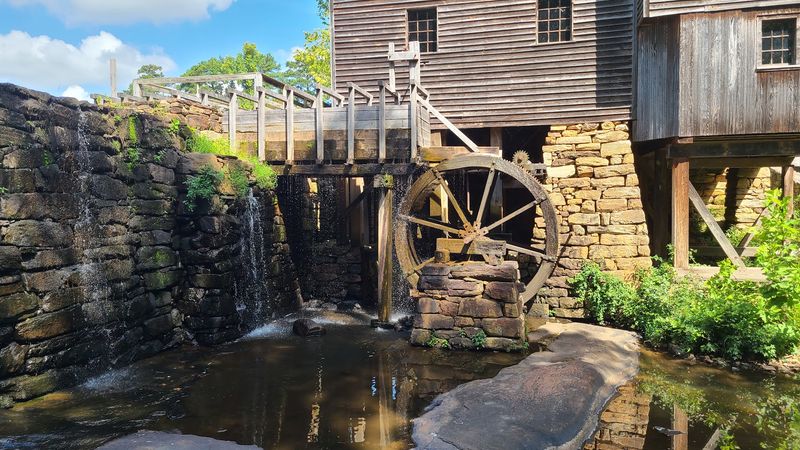
Tucked along Lake Wheeler Road in Raleigh, there is a working piece of North Carolina history most locals drive right past. Historic Yates Mill County Park centers on an 18th-century water-powered gristmill that once ground corn for the surrounding farms, and the old stone wheels have been part of its story for a very long time. Add in quiet trails, a pond full of turtles, and free admission, and you have the kind of overlooked spot that feels like a personal discovery. Here is what makes this little Wake County gem worth a slow morning.
Where to Find This Raleigh Time Capsule
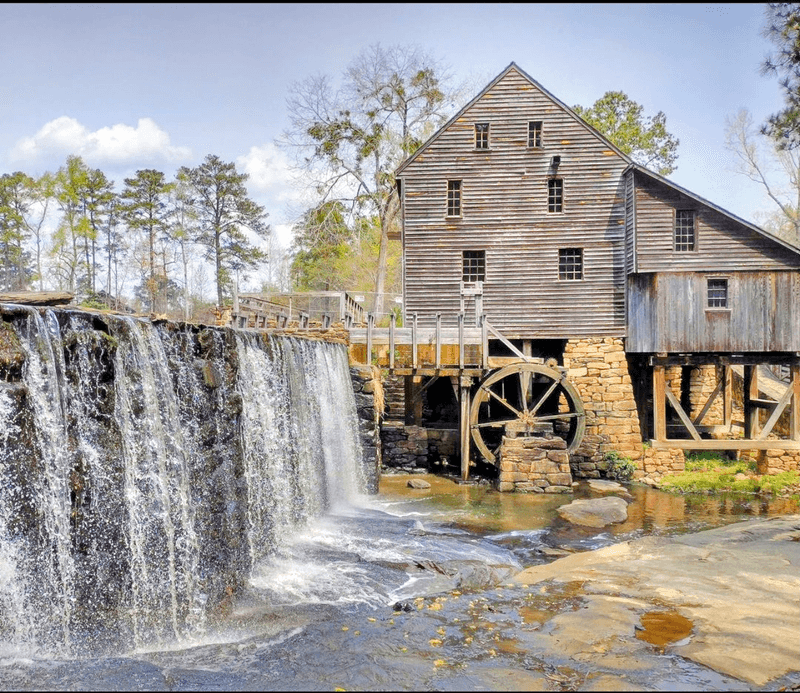
Just south of downtown Raleigh, at 4620 Lake Wheeler Road, sits a park that plenty of Wake County folks have never gotten around to visiting. The centerpiece is an 18th-century, water-powered gristmill, wrapped in a wildlife refuge and agricultural-history site that feels a world away from the city buzz.
It is officially a county park, so the vibe leans quiet and natural rather than flashy. The mill anchors everything, with trails, a big pond, and a visitor center fanning out around it.
One reviewer mentioned it sits right across from Howling Cow Creamery, which makes for an easy plan: history and a walk first, ice cream after. That kind of pairing is exactly why locals who know about the place keep coming back and rarely mention it to the tourists.
A Gristmill With Centuries Behind It
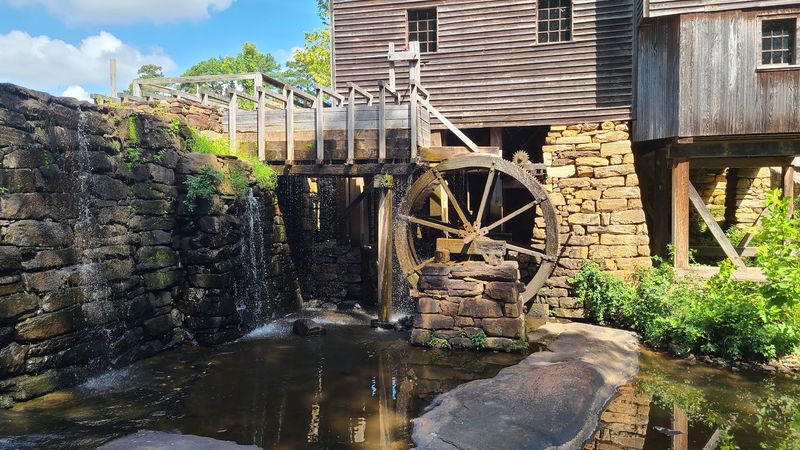
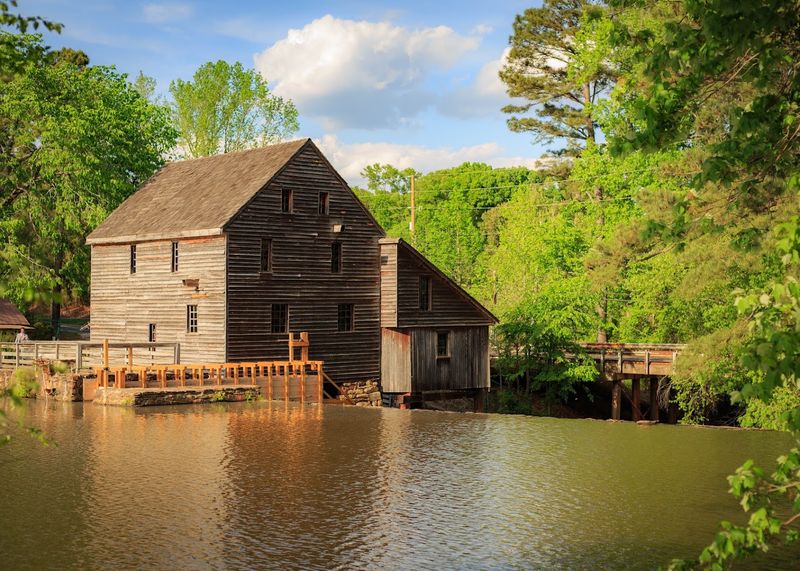
Long before Raleigh sprawled outward, this mill was doing the unglamorous but essential work of turning local corn into meal. Water from the pond powered the whole operation, and that reliance on the dam and the flow of water still shapes how the site feels today.
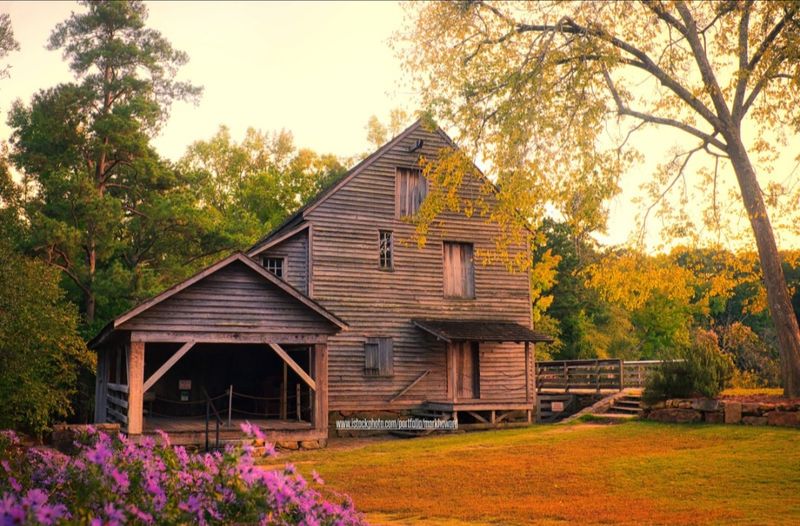
Visitors who step inside describe it as genuinely fascinating to see how the mill works, from the millstone to the tangle of old gears. Interpretive signs and displays fill in the story of the industry that grew up around it.
The preservation earns real praise. One hiker who walked every trail called the mill the highlight of the park and noted how carefully it has been kept. For a region that can feel short on deep, standing history, this survivor is a quiet source of local pride.
The Return of the Water Wheel
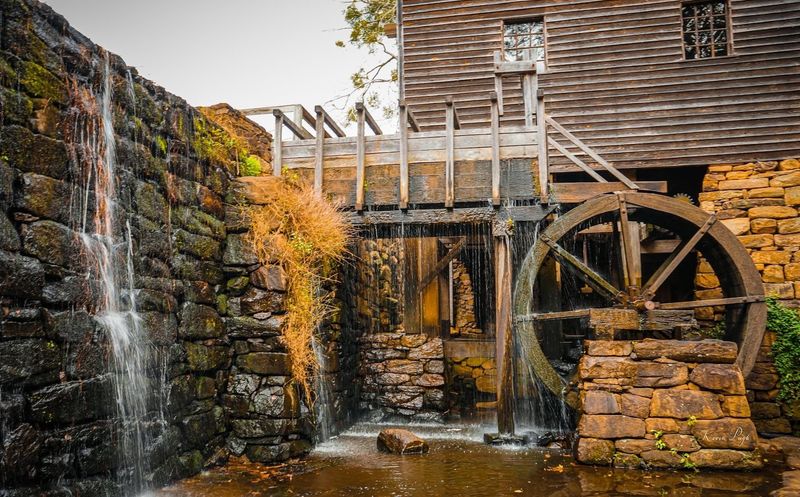
For a stretch of time, the mill stood without its wheel, and older reviews mention the watermill was missing that signature spinning centerpiece. Longtime visitors clearly noticed the gap.
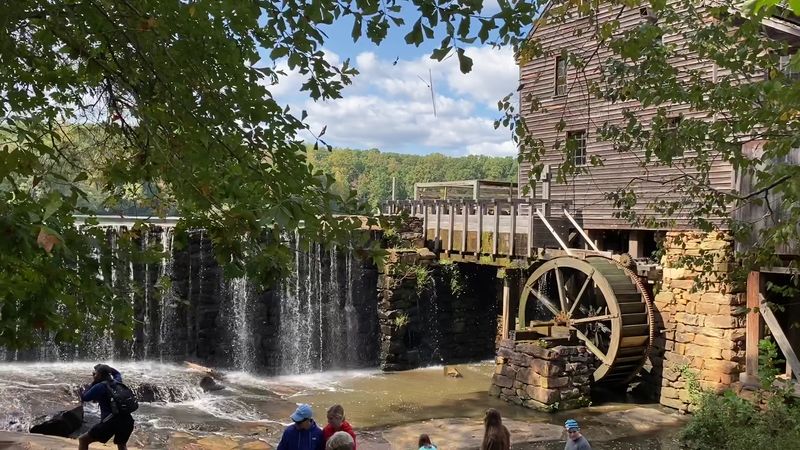
Good news arrived more recently. A guest who visited within the last month happily reported that the new water wheel was finally open at the mill, and the experience delighted them.
When the sun is out and water is coming over the dam, people describe the scene as simply magical and beautiful. The sound of water cascading down onto the large boulders was singled out by one reviewer as a favorite detail. If you can time a visit for a bright day with good flow, that restored wheel turning against the old timbers is the postcard moment everyone hopes for.
The Mill Pond and Its Turtle Traffic
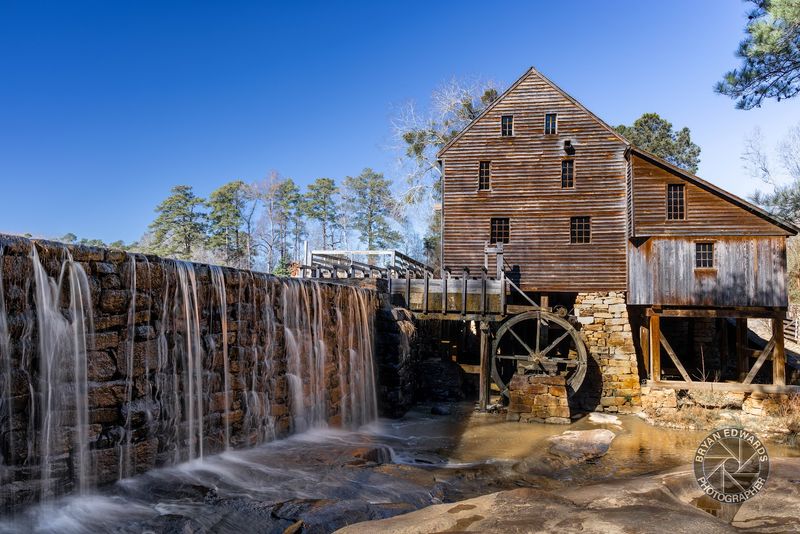
Ringing the mill is a large pond that does a lot of the heavy lifting for the park’s charm. Calm water reflects the trees, and wildlife shows up without much effort on your part.
Expect turtles, and lots of them. One thorough reviewer put it plainly, telling readers to expect to see turtles galore along the pond loop. Fish, birds, and geese round out the regular cast, and someone even spotted a kingfisher in winter.
Scenery-wise, the pond earns steady compliments. Guests mention amazing views everywhere you look and benches set up for pausing to take it in. It is the kind of gentle water setting that makes an ordinary walk feel restorative, whether you are wildlife-watching or just letting your mind wander.
Trails for Every Kind of Walker
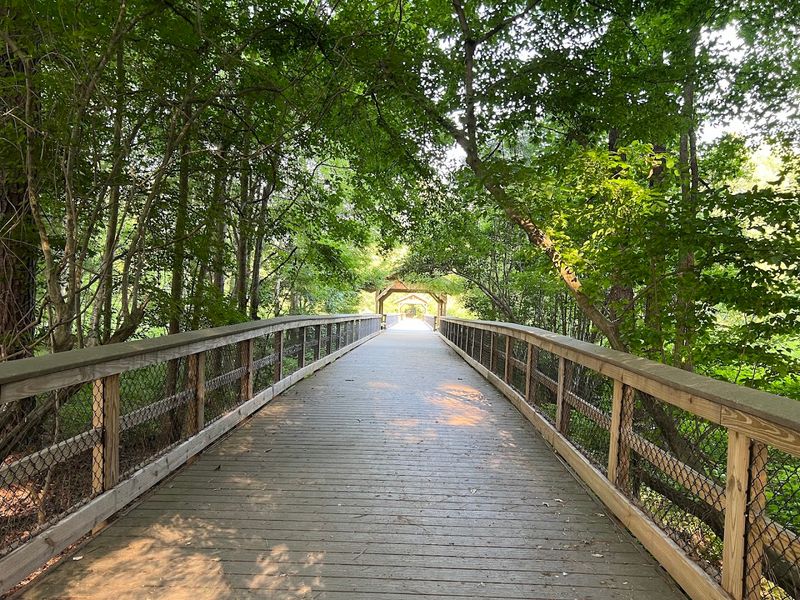
Four walking trails branch out from the mill area, and they range from easy strolls to something with a bit more work to it. That spread means you can dial the effort up or down depending on your mood and your company.
The Mill Pond Trail is the popular one, a roughly one-mile loop around the water that most people stick to. High Ridge Trail adds hills, roots, and shade over about 0.8 miles, while the Creekside Trail runs a two-mile lollipop loop through wetlands with plank boardwalks and small wooden footbridges.
One ambitious visitor walked the whole network and clocked just under four miles with about 160 feet of elevation gain. Paths are mostly unpaved, flat to gently rolling, and often shaded. Reviewers describe the main routes as easy and well kept, with a few slippery rocks near the mill worth watching for.
Boardwalks Through the Wetlands
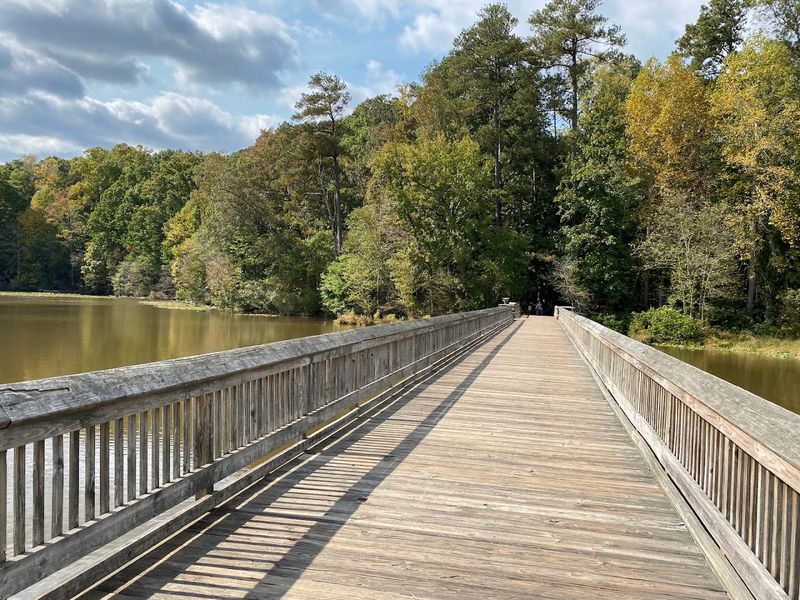
If you want the trail that feels a little different, aim for the Creekside route. Raised wooden walkways carry you over both dry ground and slightly boggy patches, giving the hike a unique, almost floating quality.
Guests who have tried it call it a standout, recommending the creekside trail for its plank-type boardwalks and marshy stretches. One winter visitor described the long out-and-back as nice and empty, with a marshy boardwalk that made the quiet feel earned.
Because it threads through wetlands, the scenery leans wilder and greener than the tidy pond loop, with high canopy overhead. It is the spot to pick when you want fewer people and a bit more of a nature-walk atmosphere, though bear in mind conditions can shift with recent rain.
The Visitor Center and Its Small Museum
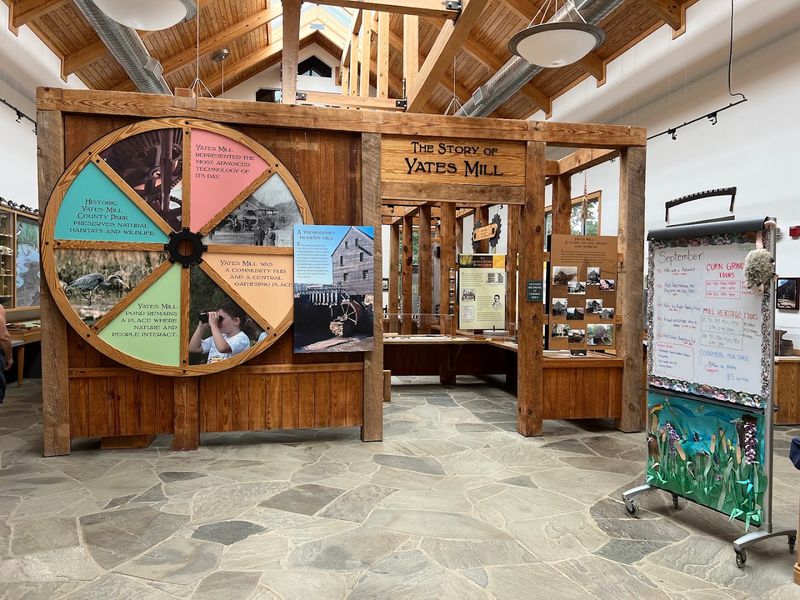
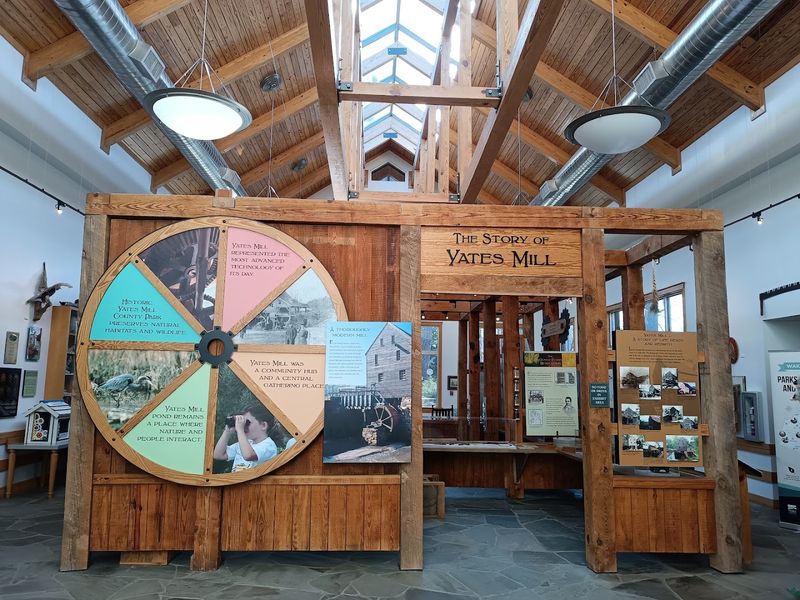
Before you head out to the water, the A.E. Finley Center at the entrance is worth a stop, and it doubles as your parking hub. Inside you will find a small indoor museum covering the history of the mill, the industry, and the surrounding area.
People genuinely linger here. One couple spent about 45 minutes reading the exhibits and said it gave great context for everything they saw afterward. Others praise the displays on history and wildlife, plus the informative staff who answer questions and hand out paper maps.
Grab one of those maps. A trail-walking reviewer flatly recommended it, joking that the rest of their notes made more sense with a map in hand. Restrooms are here too, so it is a smart first and last stop on your loop.
A Favorite Backdrop for Photographers
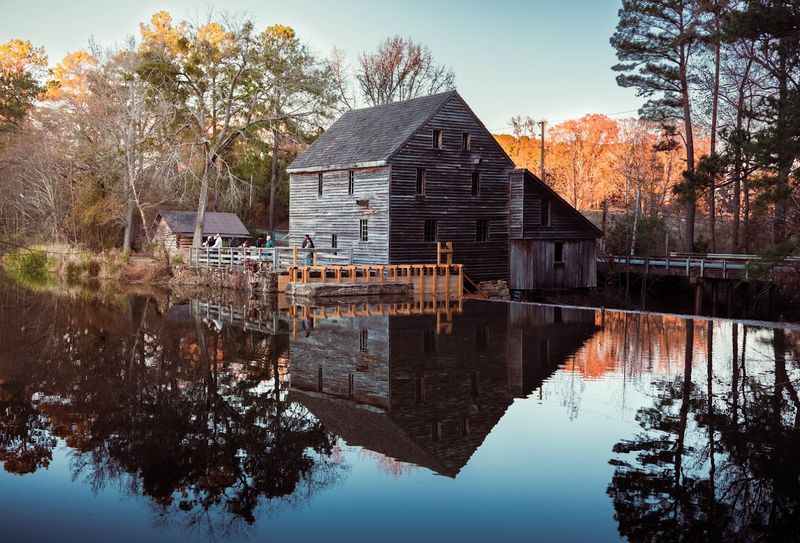
Cameras come out often here, and for good reason. Between the old mill, the waterfall, the pond, and the wooden bridges, nearly every corner offers something worth framing.
Regulars mention seeing plenty of professional shoots, from brides-to-be and expecting mothers to couples and families. One visitor noted spotting graduation and family portraits during nearly every trip, especially in fall when the scenery turns.
A helpful tip floated by more than one guest: come during the week if you want the mill and its waterfall to yourself. Weekday mornings mean fewer crowds and less chance of wandering into someone’s professional session. Whether you are toting a real camera or just your phone, the light through the heavy tree cover and the water over the boulders make easy, memorable shots.
An Easygoing Outing for Families
Bringing kids? The pond loop suits them well. Families report walking it comfortably with elementary-age children in regular tennis shoes, and the mostly flat, manicured paths keep things low-stress.
Benches show up every few yards along parts of the trail, which one reviewer flagged as a real convenience for older relatives and anyone needing frequent rests. Picnic tables and shelters give you a spot to spread out a lunch between walks.
A heads-up for stroller pushers: the paths are mostly dirt and mulch rather than paved, so a few visitors managed strollers but noted it takes some effort. Overall, guests describe it as family friendly, with vista points along the way and enough wildlife to keep young eyes busy hunting for turtles and geese.
Fishing and Quiet Corners for Relaxing
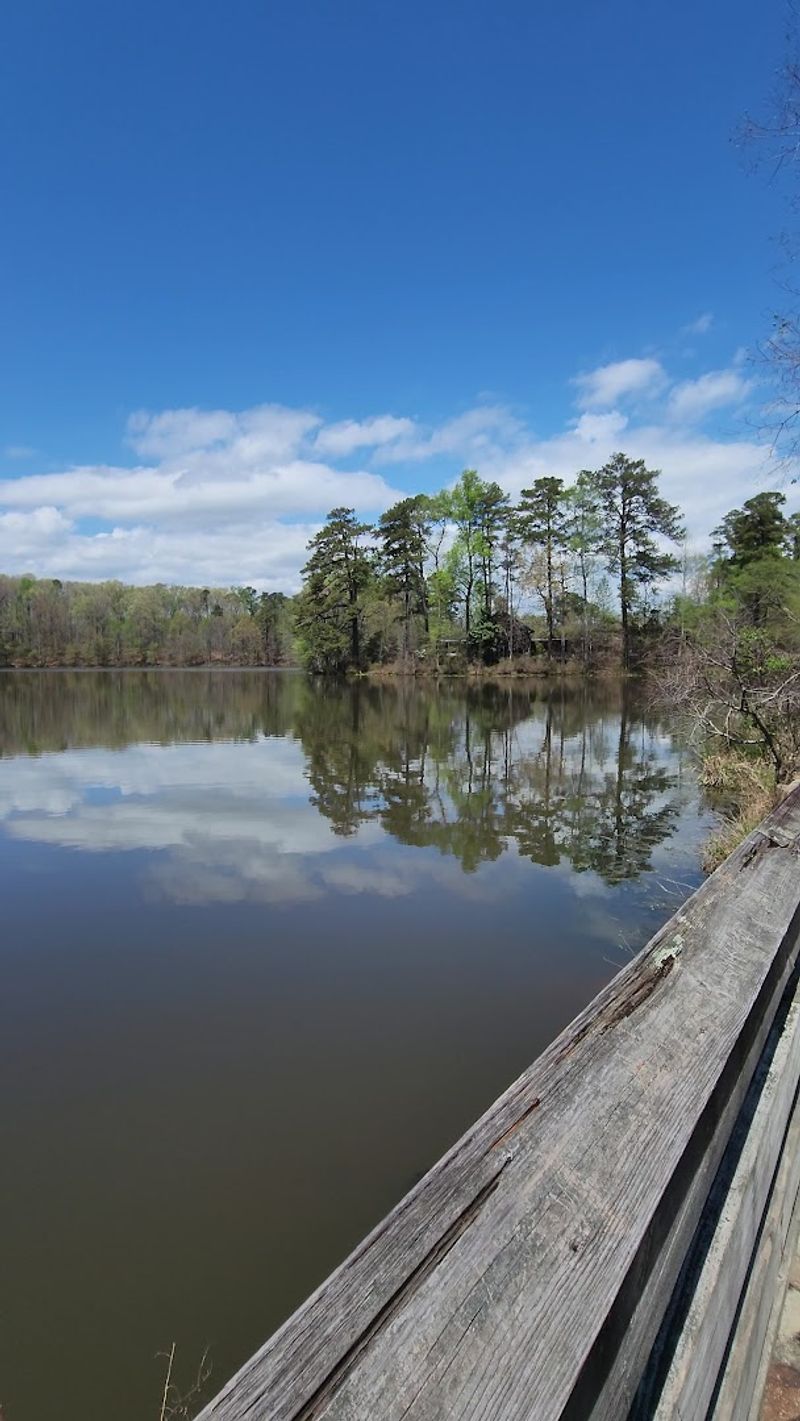
Anglers have a spot here too. The park includes a designated fishing area along the water, and several reviewers mention it as one of the easy pleasures of the place.
Beyond fishing, this is a park that people describe as a natural retreat to relax with family and friends. Picnic shelters, benches, and vista points along the trail invite you to slow down rather than power through.
The mood tends toward peaceful, especially in the early morning or in the off-season. One guest called their February visit very peaceful, while another loves fall mornings for the calm and the scenery. If your idea of a good day is unhurried time near the water with a little history in view, this fits neatly.
One House Rule Worth Knowing: No Pets
Here is the detail that surprises some visitors: dogs and other pets are not allowed at the park. Several reviewers flag it clearly, so it is worth planning around before you load up the car.
Reactions are mixed but mostly understanding. A few families noted the no-pets policy as an unfortunate limitation for them, while others actually praised it, saying they love that dogs are not allowed because it keeps the trails and wildlife areas calm and clean.
Either way, the takeaway is simple. Leave your four-legged friend at home for this one, and you will avoid disappointment at the trailhead. Given how much wildlife shares the pond and wetlands, the rule fits the refuge character of the place.
Hours, Admission, and Getting There
Good news for the budget-minded: admission is free. As one visitor summed it up, you only pay for the guided tour if you choose to take one, so a basic visit costs nothing at all.
The park grounds are open every day of the week from 8 AM to 9 PM. Just note that the education center keeps shorter hours; a couple of guests were disappointed to find it closed around 5 PM when they arrived later in the day, so aim for earlier if the museum is a priority.
You will find the park at 4620 Lake Wheeler Road in Raleigh, with parking at the A.E. Finley Center, which also holds the restrooms and exhibits. Guided mill tours are typically organized on weekends and holidays. For questions, the park line is +1 919-856-6675.
Why This Little Park Keeps Earning Its Fans
With a 4.7-star rating across more than 650 reviews, this quiet corner of Wake County clearly punches above its size. People call it precious, well maintained, clean, and easily one of the best parks in the county.
What lingers with visitors is the blend: a genuinely old, carefully preserved mill sitting inside an easy, scenic nature walk, all for free. One hiker who explored every trail said he would absolutely visit regularly if he lived close, impressed by the job Wake County has done.
If you want an overlooked, low-cost half-day that mixes history, wildlife, and a photogenic waterfall, this one delivers. Pick a mild, sunny morning for the water wheel at its best, grab a map at the center, and maybe save room for ice cream across the road. It is the sort of place locals are quietly glad to have found.
Share this story