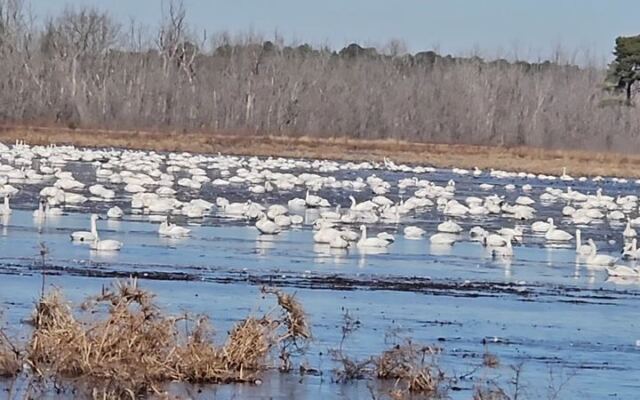
Picture a quiet back road in eastern North Carolina where a flooded field suddenly fills with white wings and a chorus of soft, bugling calls. You did not expect much when you pulled over, and now you cannot look away.
Every winter, huge flocks of tundra swans settle into this wild corner of the state, and anyone can watch them without paying a cent. It is one of those discoveries that makes you hungry for more mornings outdoors and curious about what else is hiding out there.
A Sprawling Wetland Sanctuary Near Columbia
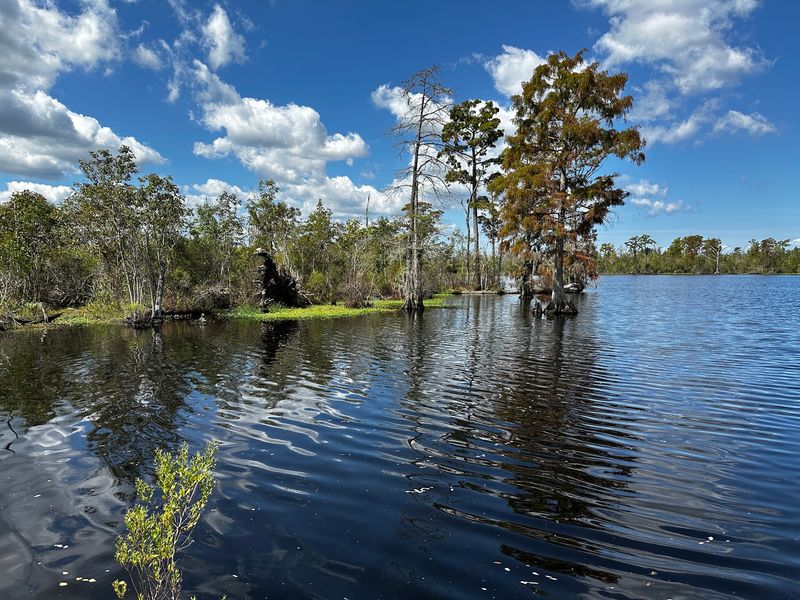
Tucked into the low, watery country of northeastern North Carolina, Pocosin Lakes National Wildlife Refuge covers more than 111,000 acres. That is a lot of room for wildlife to roam.
Evergreen shrubs, pond pines, and a lake shape the landscape, giving animals plenty of places to feed, rest, and hide.
The main welcome area sits at 205 South Ludington Dr in Columbia, a small town many travelers pass through on the way to the Outer Banks. Plenty of visitors admit they stopped on a whim and ended up glad they did.
What makes the place so special is how untouched it feels. The refuge is a protected home for swans, bears, turtles, and countless smaller creatures.
One visitor said it made their heart happy just knowing these critters have a safe place to live. Best of all, entry is free, so curiosity is the only ticket you need.
Winter’s Great White Gathering
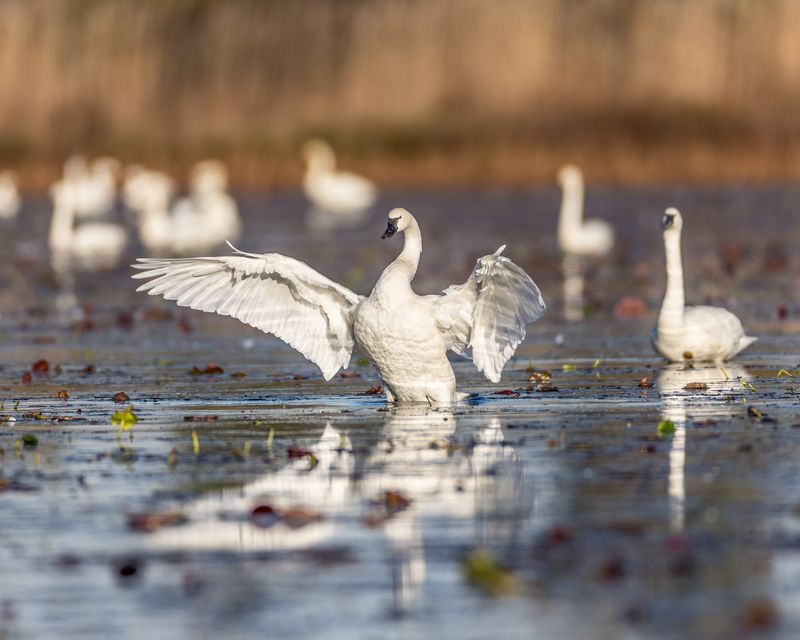
Imagine stepping out of your car on a cold January morning and hearing hundreds of swans calling at once. That is the scene many visitors chase at Pocosin Lakes.
Tundra swans arrive for the winter and spread across the fields and shallow water in big, bright flocks.
One visitor showed up at 7 am and had great luck, but noticed there were actually even more swans by lunchtime. So there is no need to panic if you oversleep a little.
Others have spotted Canada geese, sandhill cranes, and even a lone snow goose mixed in with the crowd. The West Lake Road Observation Point gets special praise, since swans love the flooded field and shallow pond there.
Golden hour right before sunset turns their feathers a warm, glowing color. Photographers call it a dream, and honestly, you do not need a fancy camera to feel amazed.
The Duck Blind Trail Experience
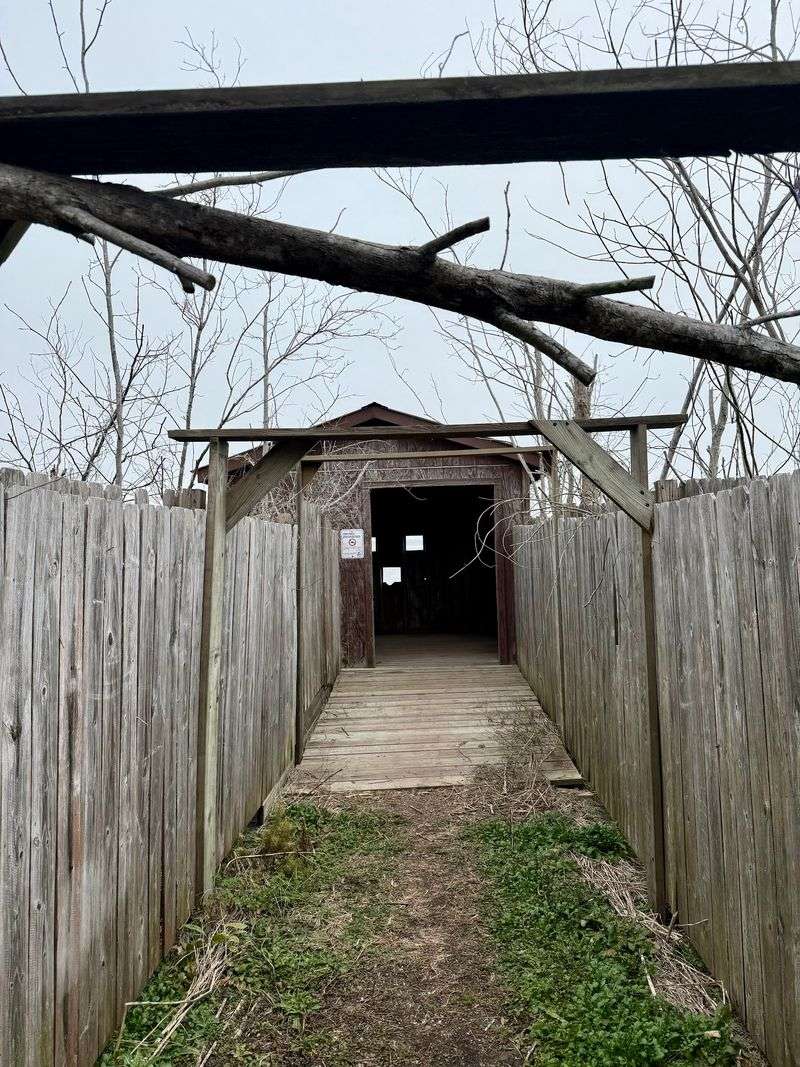
Sneaky is the word for this short walk. The duck blind trail is about half a mile long and ends at an old wooden structure built to keep you hidden.
Birds on the water have no idea you are there, which means you get a closer, calmer look.
Visitors who hiked it during swan season say the blind really helps avoid scaring the ducks away. It feels a bit like being a nature spy, and kids especially might love that idea.
There is one catch worth knowing. If the wind is blowing the wrong way, birds may stay farther from shore, so you might not see much up close.
Patience pays off, though. Bring binoculars, settle in quietly, and let the scene come to you.
Even on slower days, the peaceful view over the water makes the short hike feel worthwhile.
Bears Among the Summer Crops
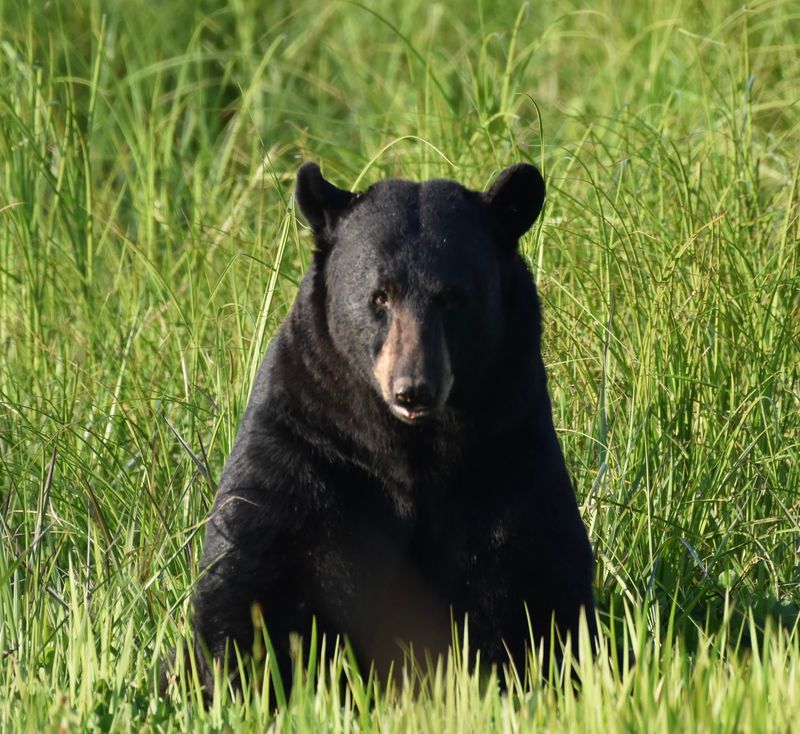
Close to 50 bears in a single week. That is what one group reported after visiting the refuge, along with more than 30 photos to prove it.
When the swans fly north, black bears often steal the show.
Regulars say early morning and evening are the best times to look. One visitor shared a handy tip: the ideal season is when crops are sprouting to about 18 inches tall, roughly late May through mid-June.
Bears seem to love wandering those fields.
Another swan watcher said they planned to return in summer just to search for bears. That tells you how strongly this place pulls people back across seasons.
Keep a respectful distance and stay in your vehicle when bears are near. Watching them from afar is thrilling enough, and it keeps both you and the animals safe and relaxed.
Boardwalk Wanderings and Small Wonders
Turtles sunning on logs. Little fish darting below.
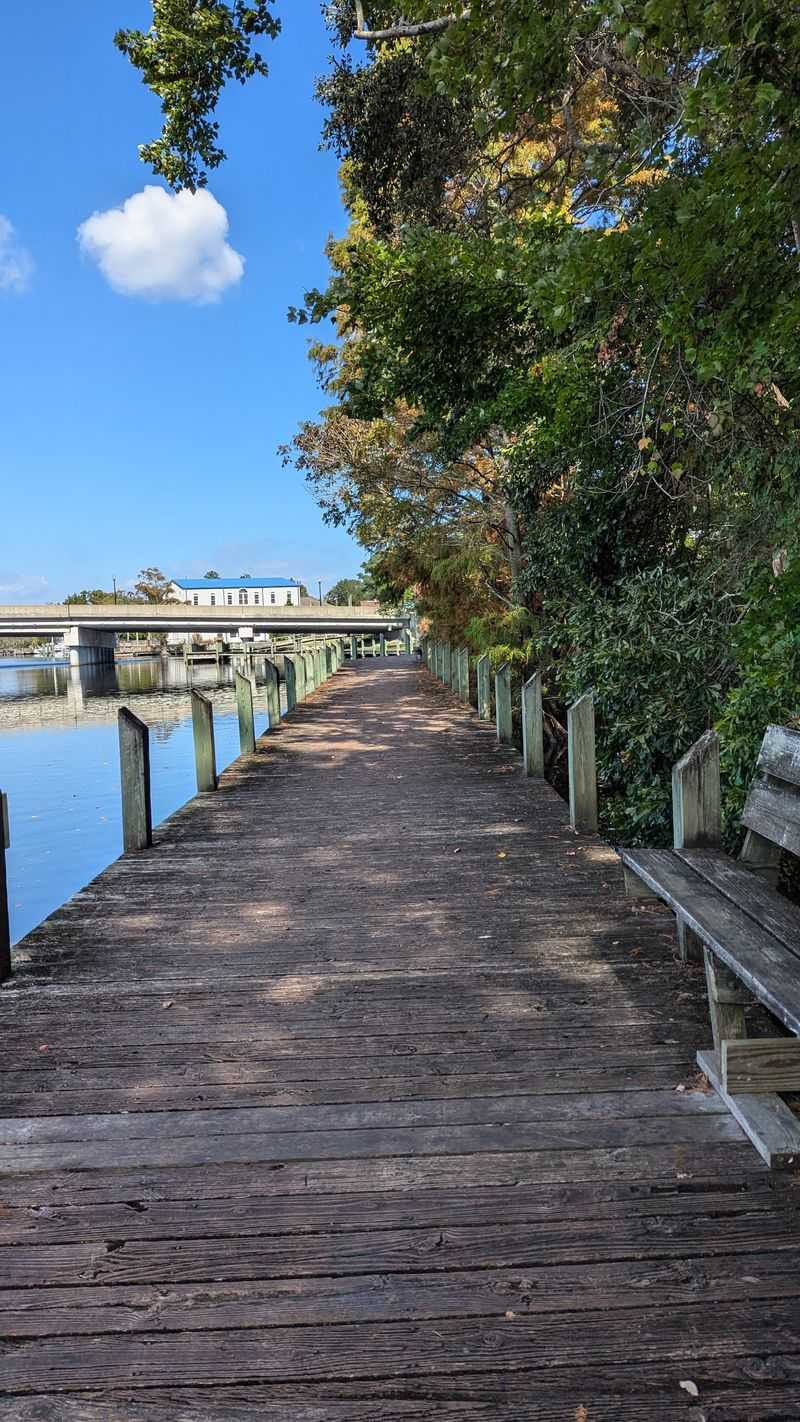
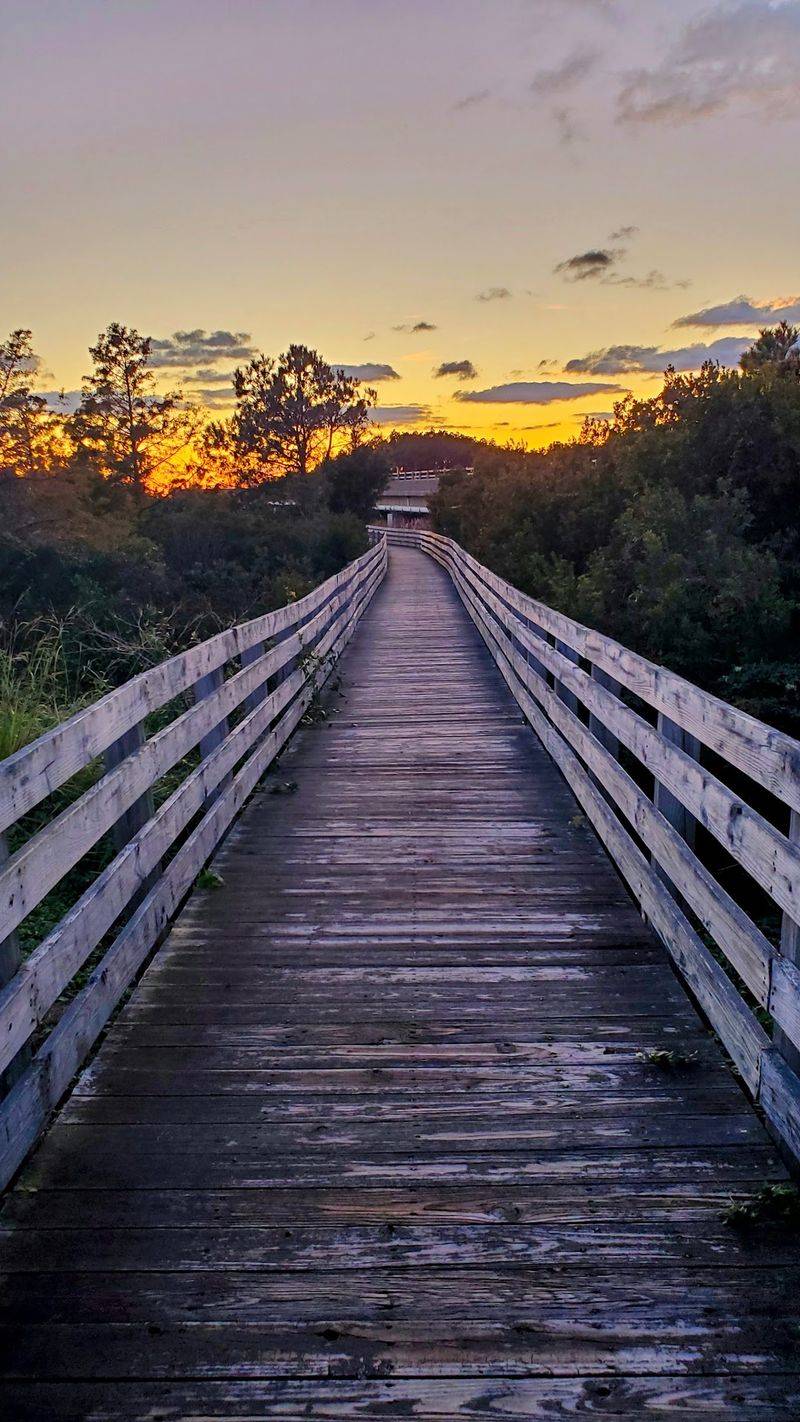
Crabs, lizards, frogs, and even a giant orb weaver spider. The boardwalk near the visitor center is full of tiny surprises if you keep your eyes peeled.
Families describe the loop as roughly a mile, with decent shade and educational signs along the way. Many couples say they happily spent about an hour strolling slowly and spotting creatures.
One lucky group even saw otters in the river.
A few honest notes help set expectations. Some sections have no railings over the water, so parents of young kids should stay close.
Visitors also mention a few spots where the boards have sunk or tilted, especially in wet weather. Still, most people find it very usable and wonderfully calming.
Warm days seem to bring out the most turtles, so pick a sunny afternoon if they are your favorite.
A Little Museum With Big Curiosity
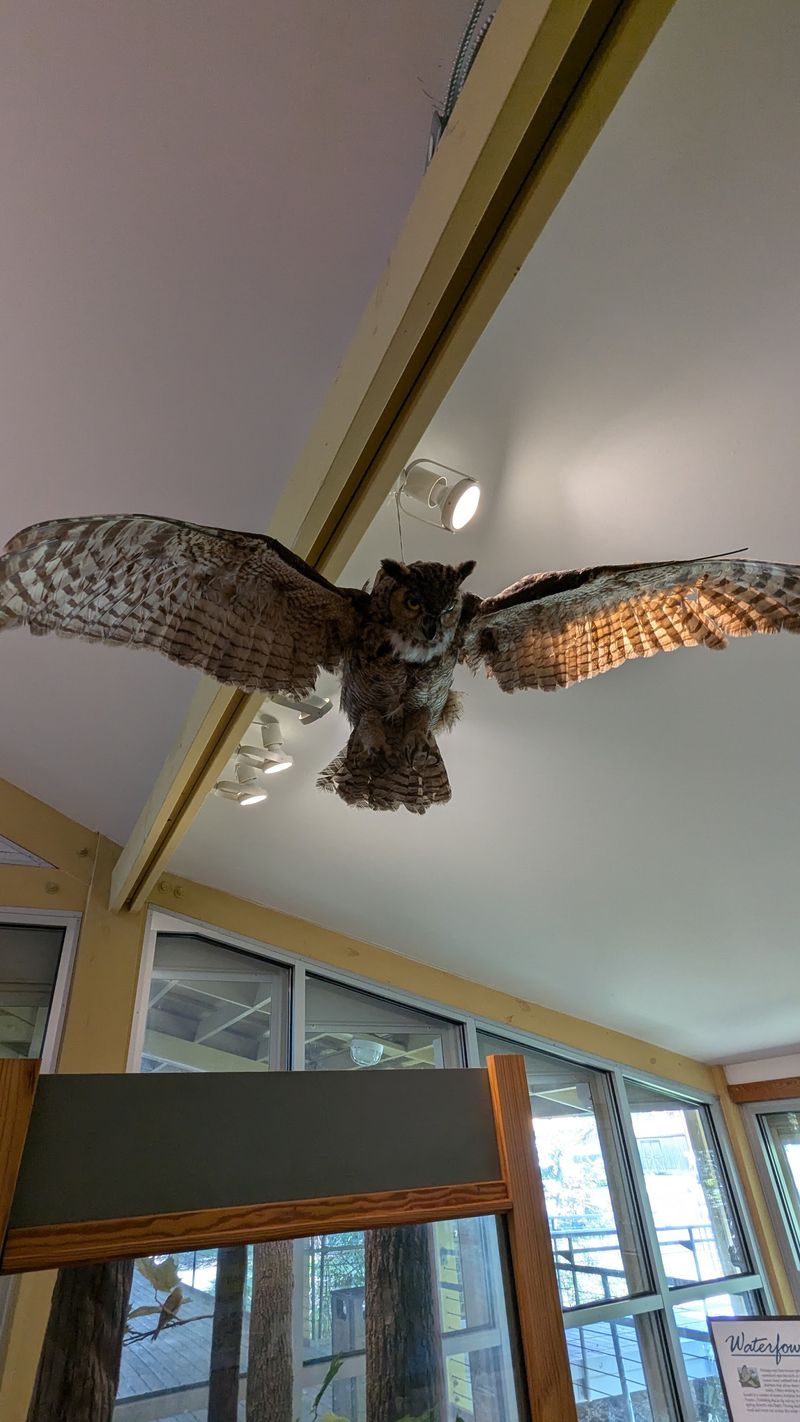
Kids pressing their noses close to a display case, studying every whisker and feather. That is a common sight inside the small museum at the visitor center.
Native animals are shown as taxidermy, letting young explorers see details they would never catch in the wild.
Visitors praise the friendly staff, with one guest noting the women at the help center were truly insightful. There is a lot of good information about the area, and an attendant is usually on hand to answer questions.
Clean bathrooms come up again and again, which matters more than you might think on a long road trip. The rest area and tourist info desk sit nearby.
The spot is also dog friendly and works nicely for a picnic. Some travelers even mention a red wolf education center a few miles south of Columbia on state route 94.
Planning Your Trip Into the Wild
Good news first: watching the swans, bears, and turtles costs nothing. The visitor center in Columbia is open 10 am to 4 pm every day except Monday.
Call +1 252-796-3004 or check the refuge website for updates.
Now the practical part. Cell service is weak, so visitors strongly suggest printing a map from the website before you go.
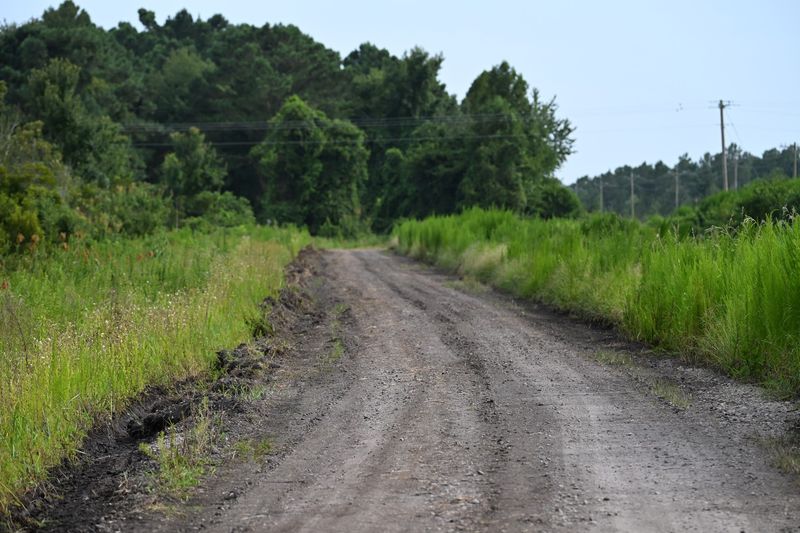
Many roads are unmarked and rugged, and mud can be a problem. Several people recommend a four wheel drive vehicle and would not bring a small two wheel drive car.
There are no towns, gas stations, or bathrooms out in the wildlife areas, so fill up and pack snacks ahead of time. Some roads may have chains or signs for seasonal closures.
Also, summer can be hot with fewer animals around. One visitor noted the main swan area and the visitor center are about 30 minutes apart.
Worth the Detour for Nature Lovers
Some places shout for attention. Pocosin Lakes simply waits quietly until you notice it, and then it stays with you.
Grandparents bring their grandkids for an annual family hike here, calling it the perfect escape from hectic everyday life.
A cyclist mentioned riding through, listening to nature, and feeling recharged. That sense of calm shows up in story after story.
People meet fellow nature fans, swap sightings, and leave planning their next season.
Is it polished? Not really, and that is part of the charm.
The rough roads and wild edges make it feel real. If you love birds, bears, or just slow walks among turtles and cattails, this refuge rewards the effort.
Come in winter for the swans, in early summer for the bears, or anytime you need a free, peaceful break on the way to the coast.
Share this story