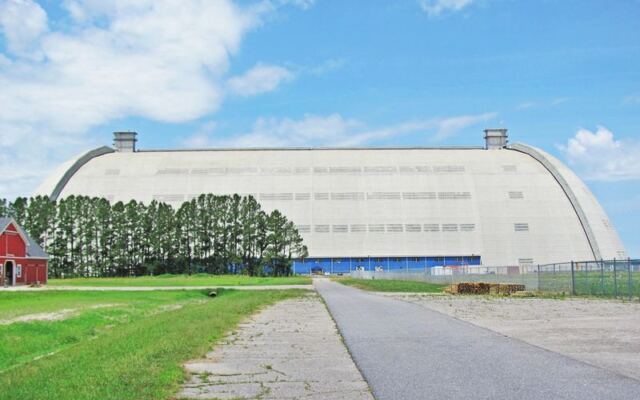
I was rolling down a flat country road in North Carolina, half thinking about lunch, when something enormous rose up out of the fields and made me hit the brakes. At first it looked like a hill that had wandered off course, but it was a building, and a very old one with a big wartime secret.
Locals have watched it loom over farmland for generations, and most visitors never expect to find a piece of World War II history hiding in such a quiet corner. Once you hear the story behind it, you will want to see it for yourself.
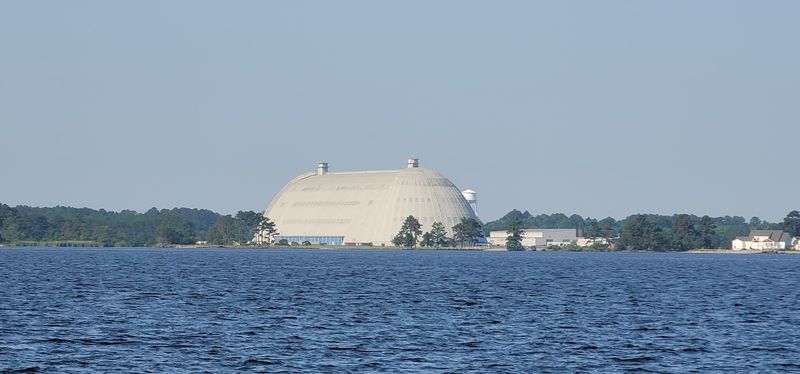
A Giant Hangar on the Pasquotank Peninsula
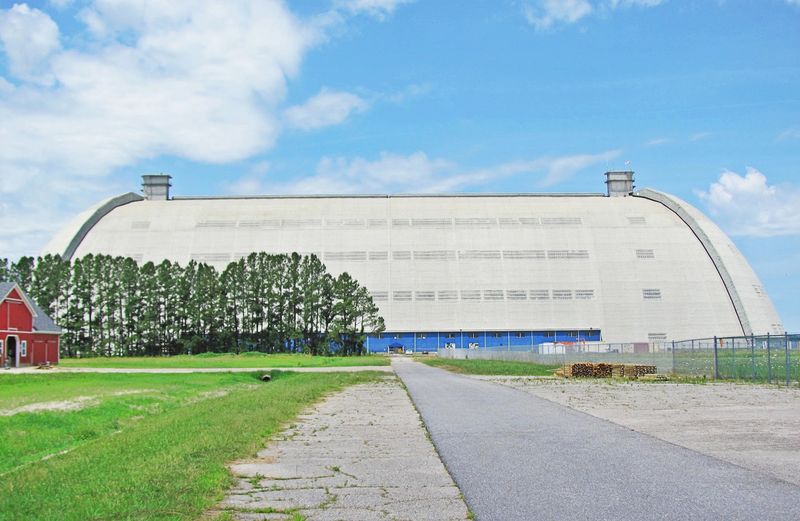
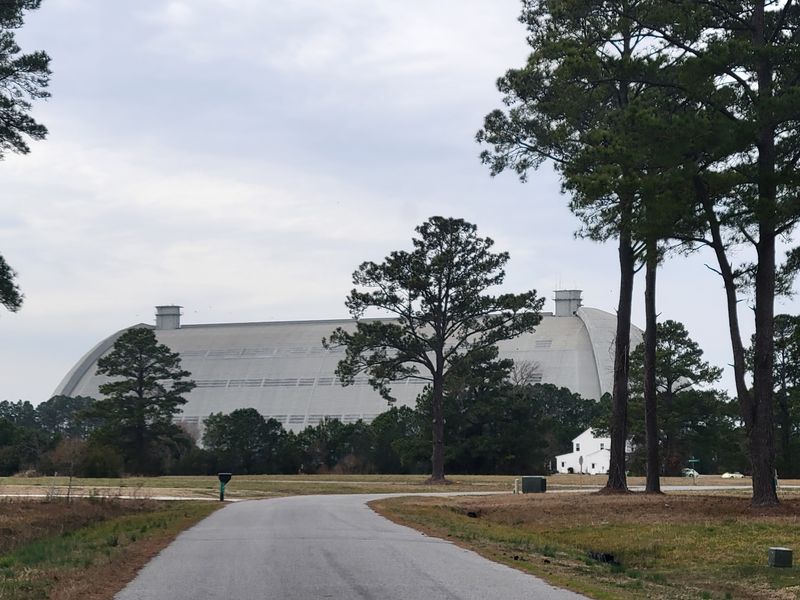
Picture miles of flat coastal farmland, then imagine a structure so tall it seems to wear the clouds like a hat. That is the Weeksville Dirigible Hangar, sitting at 173 T Com Dr just outside Elizabeth City, North Carolina.
Officially, it is listed as a historical landmark, and it earns that title the moment it appears on the horizon. One visitor playfully called it a crazy fun object on the Pasquotank peninsula, which is a pretty fair description of how it feels to see it for the first time.
Another person put it even more simply: yes, there really is a blimp hangar in Elizabeth City, and no, your eyes are not playing tricks. The building was made to shelter airships, the floating giants of the sky, so it had to be huge.
Today it remains one of the most surprising sights in northeastern North Carolina, especially for travelers who had no idea it existed.
Navy Roots and Atlantic Coast Patrols
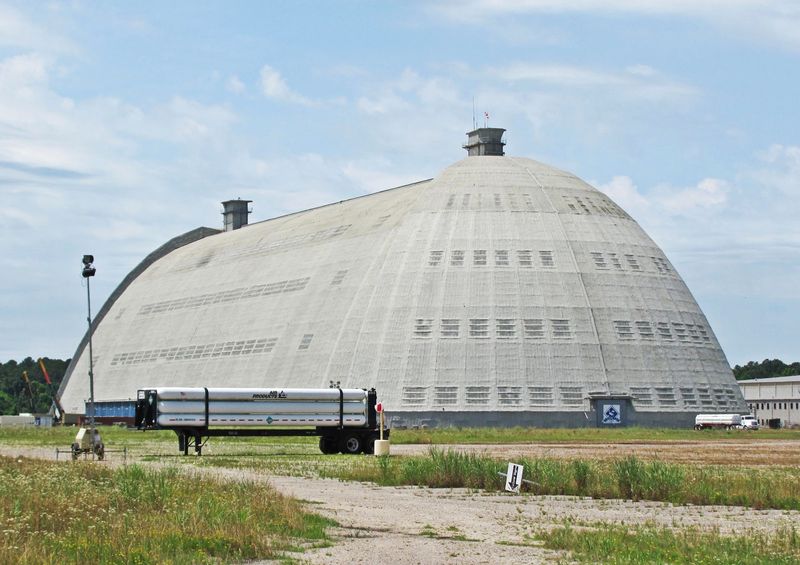
Back in the 1940s, the Atlantic waters off the Carolina coast were far from calm. German U-boats prowled the shipping lanes, and the U.S.
Navy needed eyes in the sky that could hover, watch, and wait.
Enter the dirigibles. The Navy built this facility during World War II specifically to house these airships, which patrolled the coastline searching for submarines below the waves.
Slow and steady, a blimp could linger over the ocean far longer than many planes of that era.
Here is how the teamwork reportedly went: crews spotted a submarine, radioed its position, and aircraft were sent out to respond. It was a clever partnership between floating lookouts and faster planes.
Few people driving past today realize how important this quiet corner of North Carolina once was. Fields and farms surround it now, but for a few intense years, it was a busy hub guarding the nation’s shoreline and the ships traveling along it.
Stories from a Hometown Radioman
Some of the best history does not come from textbooks. It comes from family dinner tables, where an uncle leans back and starts telling stories about the war.
One visitor shared just that kind of memory. Their uncle was stationed at the hangar from the day it opened until the war ended, working as a radioman aboard the dirigibles.
He loved recounting the hunt for U-boats, describing how crews would call in a submarine’s location so planes could head out.
What makes his story extra sweet is how close to home he was. He grew up only 23 miles away, which felt like a lucky break during such an uncertain time.
After leaving the Navy, he went back to run the family farm and stayed in the area for the rest of his life. His tale is a reminder that this giant building is tied to real local families, not just military records.
The Fire and Its Standing Corners
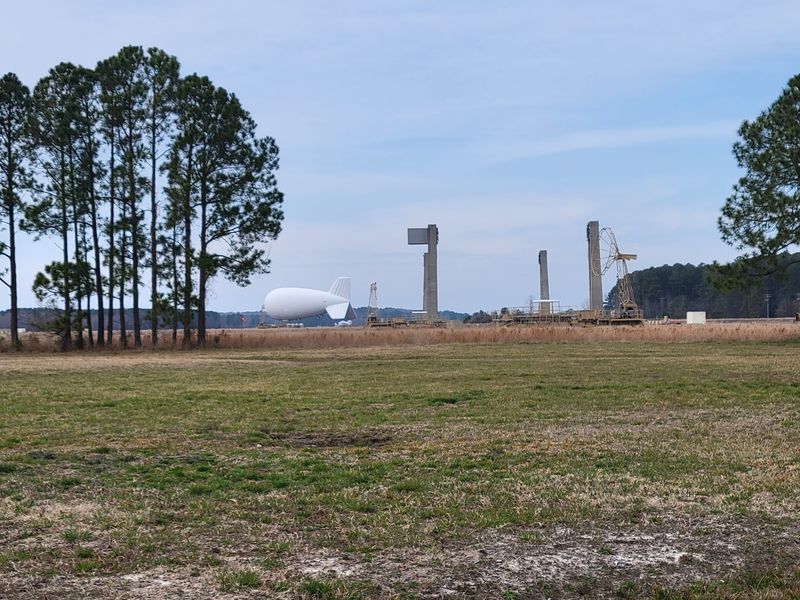
Not everything about the hangar survived untouched. According to one visitor, the original structure burned, yet its corners are still standing today.
Those leftover pieces are worth a second look if you get the chance to see them from a distance. They act like old bookends, quietly marking where history once stood tall and proud.
Something about seeing surviving fragments makes a place feel even more real.
Fun fact for history buffs: very few of these giant airship hangars remain anywhere. One person who toured the site years ago noted that there are not many like it left, which is part of what makes Weeksville so special.
So when you gaze across the fields, you are not just looking at a big building. You are looking at layers of time, from the wartime years through hard moments and into a second life.
That mix of loss and endurance gives the site a quiet, thoughtful mood.
Helium Balloons and a Modern Second Act
Plenty of old military buildings end up empty. Weeksville took a much more interesting path.
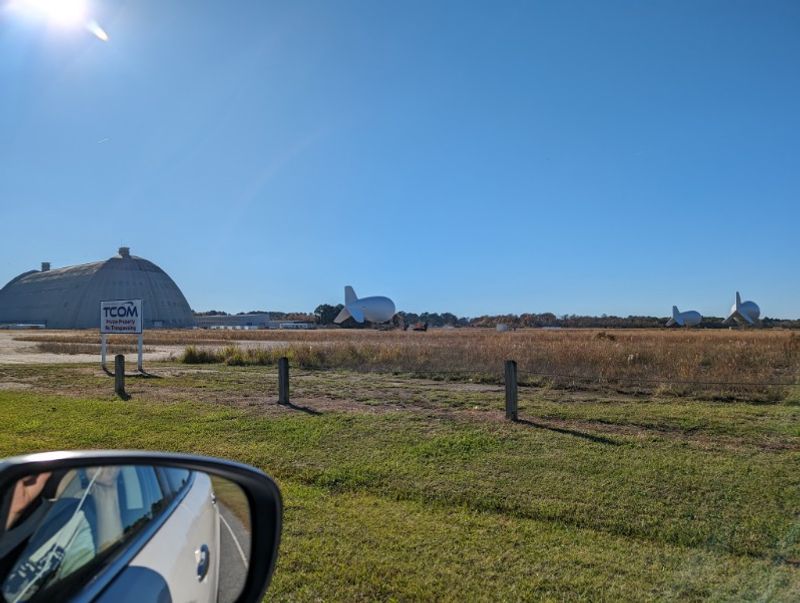
The hangar was purchased by TCOM, a company that builds lighter-than-air ships for the military. Inside the enormous space, helium-filled balloons are made and tested, which means the building still does exactly what it was designed for: hosting floating giants.
That kind of continuity is rare and pretty delightful.
Think about it. Decades after Navy blimps drifted out over the Atlantic, new airborne craft are taking shape under the same towering roofline.
The road leading in even carries the company name, T Com Drive.
Folks who have worked or delivered there speak warmly about it. One mentioned the facility being very clean with beautiful flooring, while another praised the awesome hospitality.
Someone else simply called it their work site, a reminder that this landmark is a living, working place rather than a museum frozen in time.
Sheer Scale That Plays Tricks on Your Eyes
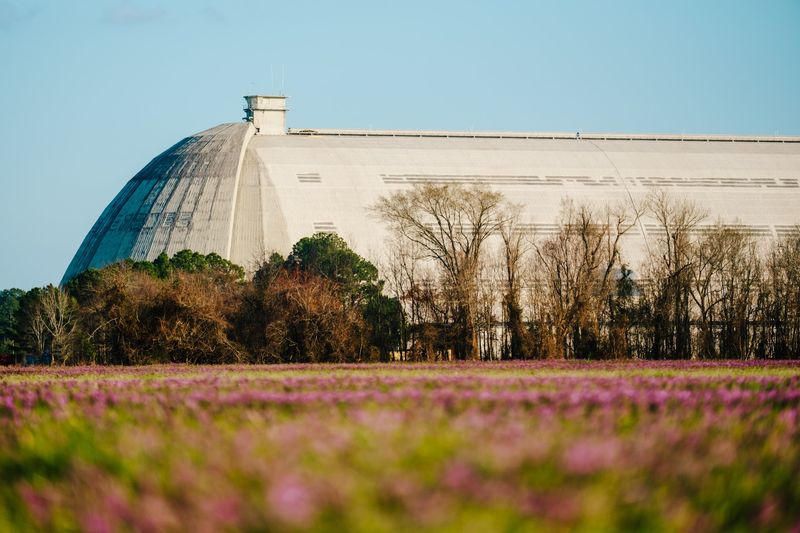
Enormous is the word people keep reaching for, and honestly, nothing smaller fits. Visitors describe the hangar with that one-word reaction again and again.
Because the land around Elizabeth City is so flat, there is little to block your view. The structure rises above fields and trees like a mountain that forgot it belonged somewhere else.
Your brain may struggle to judge the distance, since there are no buildings nearby of similar size to compare.
Here is a tip for families: turn spotting it into a game on the drive in. Kids love being the first to shout when the giant shape pops into view.
Photographers find the scale exciting too, especially when a car or a farm fence appears in the foreground for contrast. The bigger the sky, the more dramatic the shot.
Just keep in mind any pictures should be taken from public areas, since the property itself has strict rules about cameras.
No Cameras Allowed Behind Those Doors
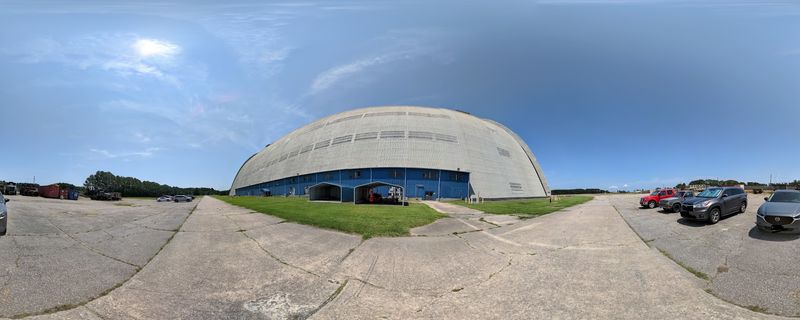
Curious travelers, take note before you pack the fancy lens. Because of the work happening inside, photos are not allowed in the building due to its military nature.
For some, that secrecy adds to the mystery. Knowing that something important is being built and tested behind those walls makes the hangar feel a little like a scene from a spy movie.
Not everyone is a fan, of course, and at least one visitor grumbled about the camera rules and the whole idea of the project.
Still, most people seem to enjoy the air of intrigue. There is something fun about admiring a landmark that keeps a few secrets.
The simple takeaway is to respect posted rules and enjoy the view from outside. A good memory does not always need a photo, and the sight of this giant on the horizon tends to stick with people long after they head home.
Marathon Day Views and Windy Fields
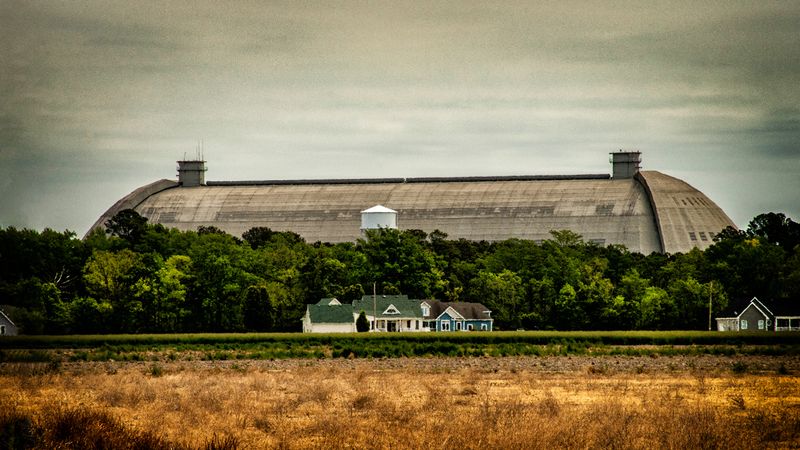
Running a race is tough. Running a race past a WWII airship hangar is the kind of experience you brag about for years.
One visitor got to circle the hangar during the Coast Guard Marathon and loved every bit of the view. They remembered horses nearby and plenty of wind that day, yet still called it beautiful and a once-in-a-lifetime experience.
That detail paints a lovely picture of the setting. Open pastures, grazing horses, and breezy coastal air all surround this towering piece of history, giving it a peaceful, rural charm that feels very North Carolina.
If you are a runner, keep an eye out for local events that pass through the area, since that may be one of the rare ways to see the grounds up close. Even if you are not lacing up sneakers, the surrounding countryside makes for a pleasant, scenic drive, especially on a bright spring or crisp fall day.
Who Will Love This Roadside Giant
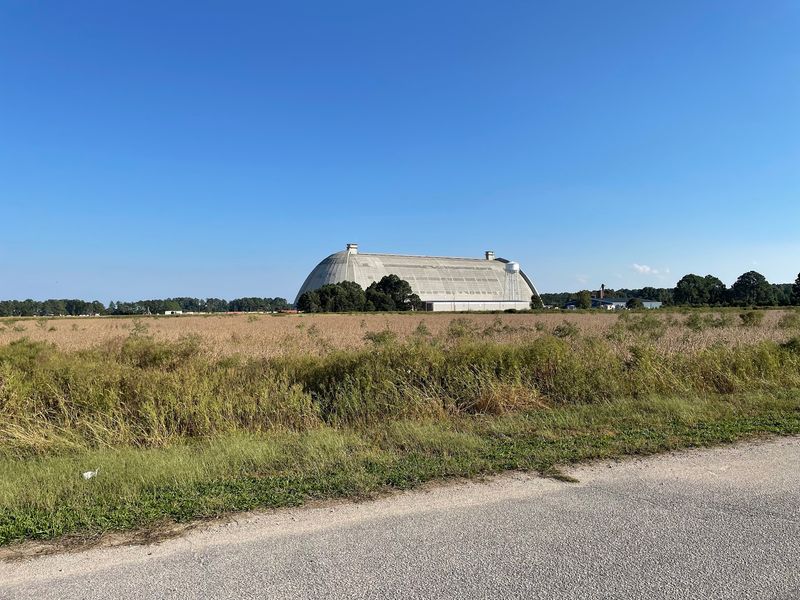
History fans will be in heaven, plain and simple. A real WWII Navy airship hangar, still in use, is a rare treat that sparks plenty of conversation.
Families on a budget will appreciate it too. Admiring the hangar from the road costs nothing, and it makes a fun, quirky add-on to a day exploring Elizabeth City and the surrounding coast.
Kids who love planes, blimps, or giant things in general will be wide-eyed.
Road trippers chasing offbeat stops should absolutely put it on the list. One traveler admitted they only drove by the entrance but hoped to return for a better look, which says a lot about its pull.
Even people with family ties to the war years may find it meaningful. Standing near a place where local sailors once served can feel surprisingly emotional.
It is a stop that rewards curiosity more than any fancy itinerary ever could.
Practical Notes Before You Go
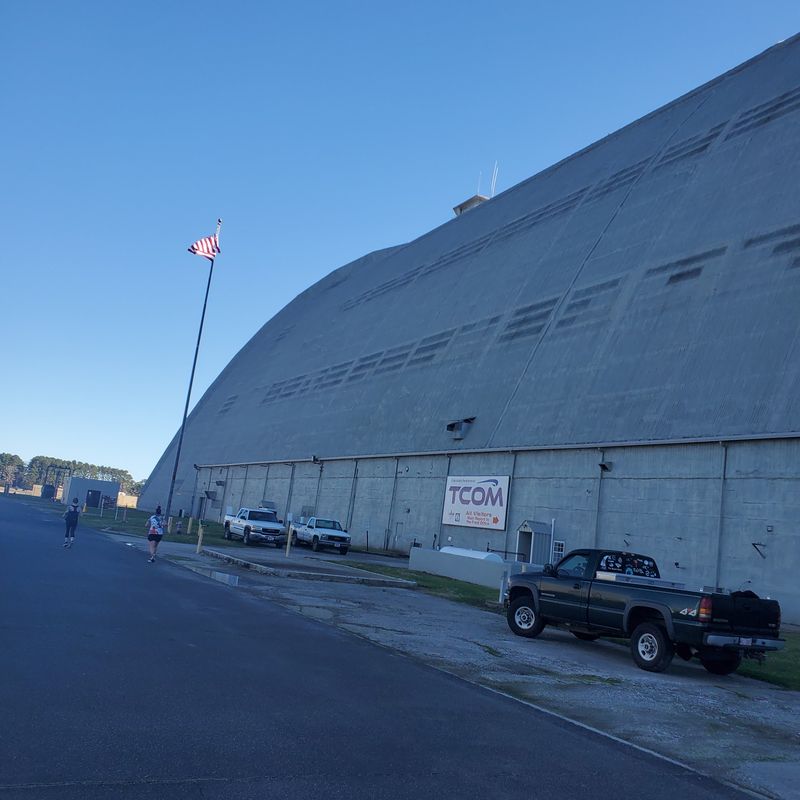
Set expectations right from the start: this is private property and is not open to the public. Visitors are clear about that, so plan to enjoy the hangar from public roads.
Getting there is straightforward. Point your map toward 173 T Com Dr, Elizabeth City, NC 27909, and the building will likely announce itself long before you arrive.
There are no admission prices listed since it is not a tourist attraction, which makes viewing it from outside a totally free outing.
Tours are not something to count on. One person recalled getting a walk-around from a friendly worker about twenty years ago, but they called it a rare opportunity, not a regular offering.
Bring snacks, a full tank, and maybe binoculars for a closer look at the surviving corners. Pull over only where it is safe and legal, and be courteous, since people are working on site every day.
A Quiet Verdict on a Towering Landmark
Sometimes the best stops are the ones you never planned. Weeksville Dirigible Hangar is exactly that kind of happy surprise.
You will not find a gift shop, a ticket booth, or guided exhibits here. What you will find is a jaw-dropping wartime giant, a story full of brave hometown sailors, and a building that still hosts floating aircraft today.
For a free detour, that is a lot of wonder packed into one view.
Visitors overwhelmingly come away impressed, calling it amazing, cool, and full of history. Even a quick glimpse from the road seems to leave a lasting mark.
So next time you are heading toward the coast, swing through the countryside near Elizabeth City and watch the horizon. When that colossal shape appears above the fields, take a moment to think about the radiomen, the patrols, and the generations who grew up in its shadow.
It is well worth the slow drive.
Share this story