Somewhere in southern Illinois, tucked along a quiet state road far from any interstate, a hand-painted sign points toward something most travelers would never expect to find. A dozen authentic 1800s log cabins, rescued from obscurity and reassembled in the woods, stand as a testament to one woman’s determination to keep pioneer history alive.
What started as a personal mission has grown into a full-fledged open-air village that draws families, history lovers, and curious road-trippers who stumble upon it almost by accident. If you have ever wanted to step back into frontier life without a theme park in sight, this place will surprise you in the best possible way.
Where Kinmundy Log Cabin Village Sits and What It Is
Tucked along a country road in Marion County, Kinmundy Log Cabin Village sits at 6260 Gesell Rd in Kinmundy, Illinois, a small town in the heart of southern Illinois that most GPS systems barely acknowledge. The village is classified as a tourist attraction, but that label undersells it considerably.
What visitors actually find is an open-air living history site set among mature woodland, where authentic pioneer-era structures have been carefully relocated and reassembled on a single property.
The setting feels genuinely remote, which is part of its charm. Visitors who arrive expecting a polished tourist destination often leave pleasantly caught off guard by how raw and real the experience feels.
The surrounding trees, the gravel paths, and the weathered cabin walls all work together to create an atmosphere that is hard to manufacture.
The Woman Behind the Mission to Save These Cabins
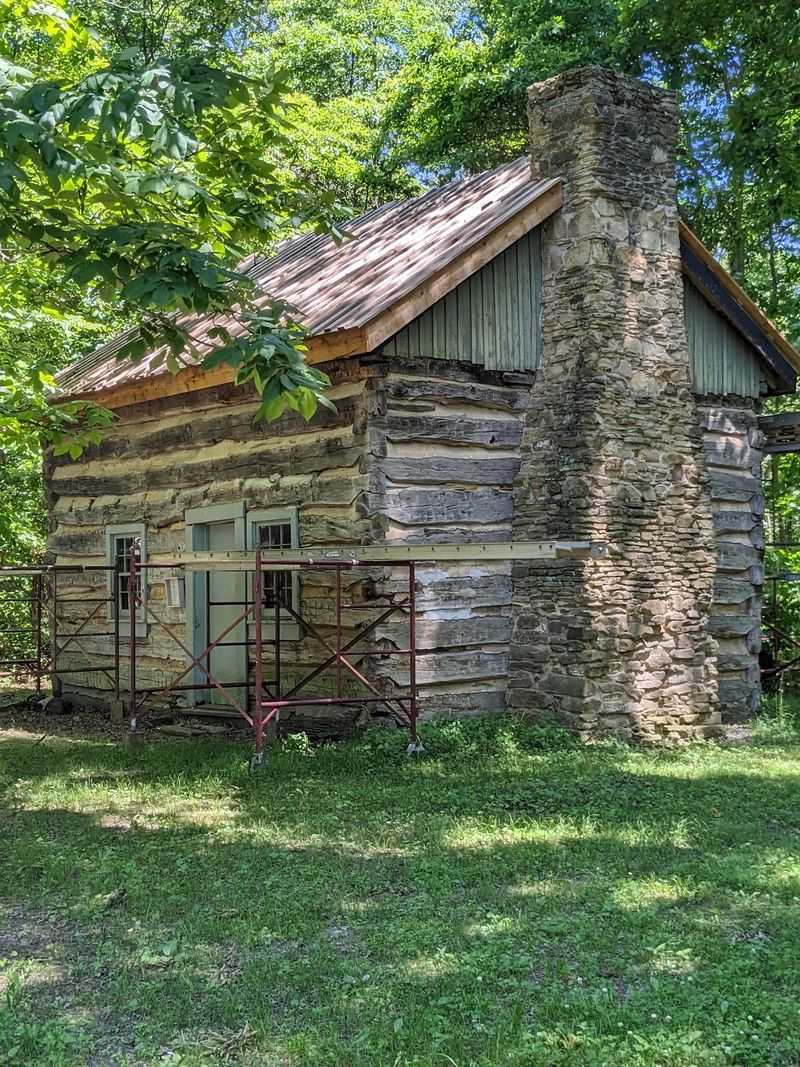
Every remarkable place has an origin story, and this one belongs to a woman who refused to let southern Illinois lose its pioneer heritage. According to caretakers at the village, one woman set out with a clear purpose: to rescue authentic log cabins from the 1800s before they collapsed, were demolished, or simply vanished from the landscape.
Her vision was to gather these structures onto a single site where they could be preserved, studied, and shared with the public.
What makes her effort extraordinary is that the project operates entirely as a nonprofit, relying on volunteer labor rather than paid staff. Each cabin has to be disassembled piece by piece at its original location and then painstakingly reassembled at the village.
That process demands skill, patience, and a deep commitment to accuracy. Visitors who learn this history on-site often leave with a new appreciation for what preservation actually costs in time and effort.
Twelve Cabins Rescued, Reassembled, and Ready to Explore
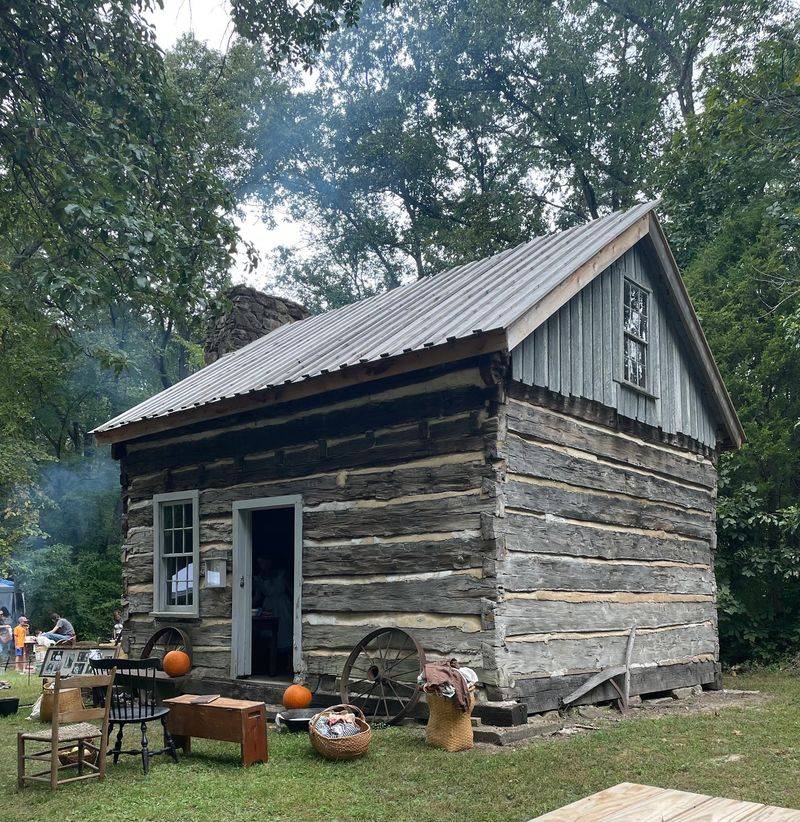
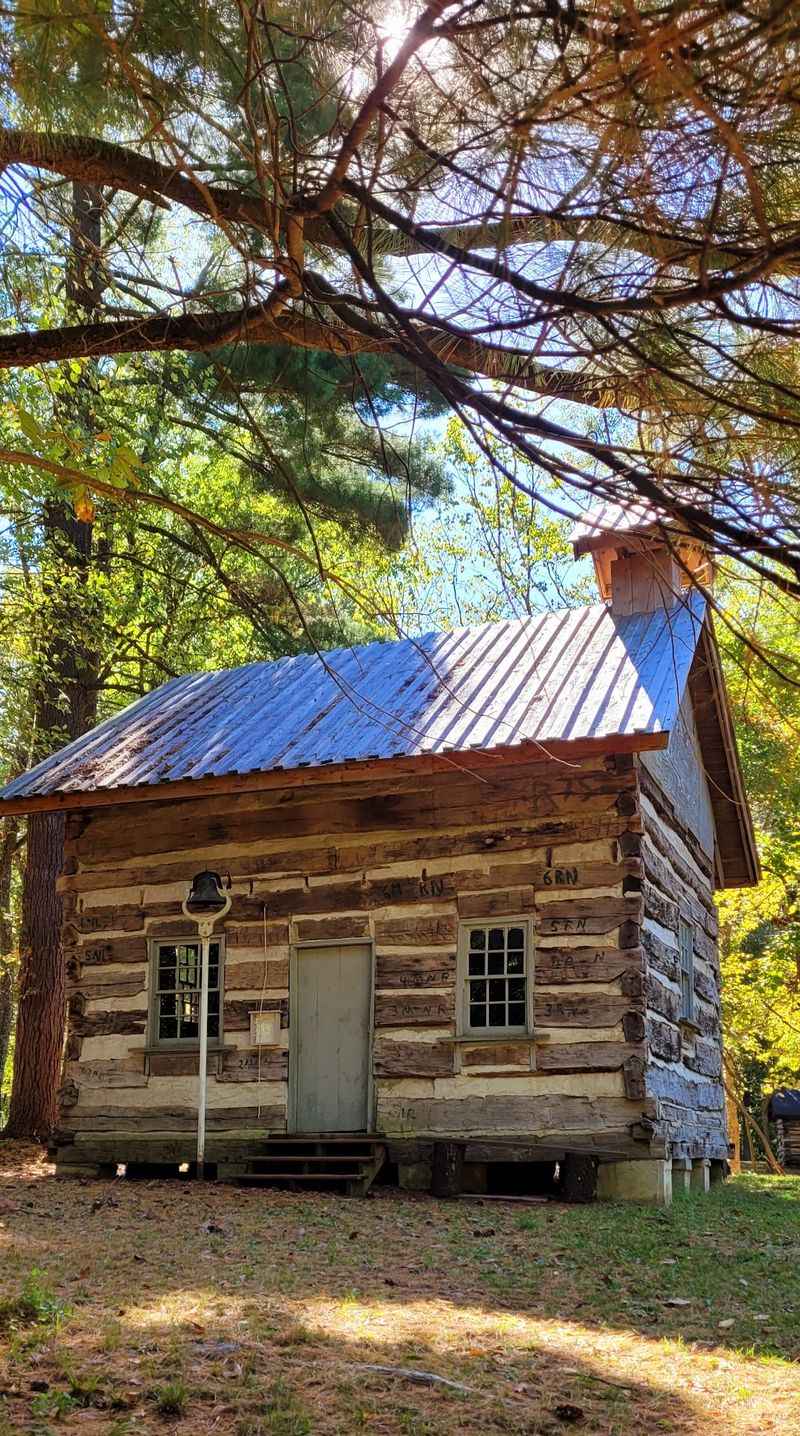
At last count, twelve log cabins have been successfully disassembled from their original locations and rebuilt at the village, with several more still awaiting reconstruction. Each structure is a genuine artifact, not a replica, meaning the logs, joints, and construction techniques are all original to the 1800s.
Visitors can see how settlers built for durability using materials pulled directly from the land around them.
The interiors are decorated to reflect the era, giving each cabin its own distinct personality and story. Peering through windows or stepping inside during events reveals period-appropriate furnishings, tools, and household items arranged as if the original occupants just stepped out.
Visitors with a sharp eye will notice subtle differences between cabins, reflecting the varied backgrounds and resources of the families who once called them home. The sheer number of structures on one site makes this experience unusually rich for a small-town attraction.
Volunteer Workers Keeping the Village Alive
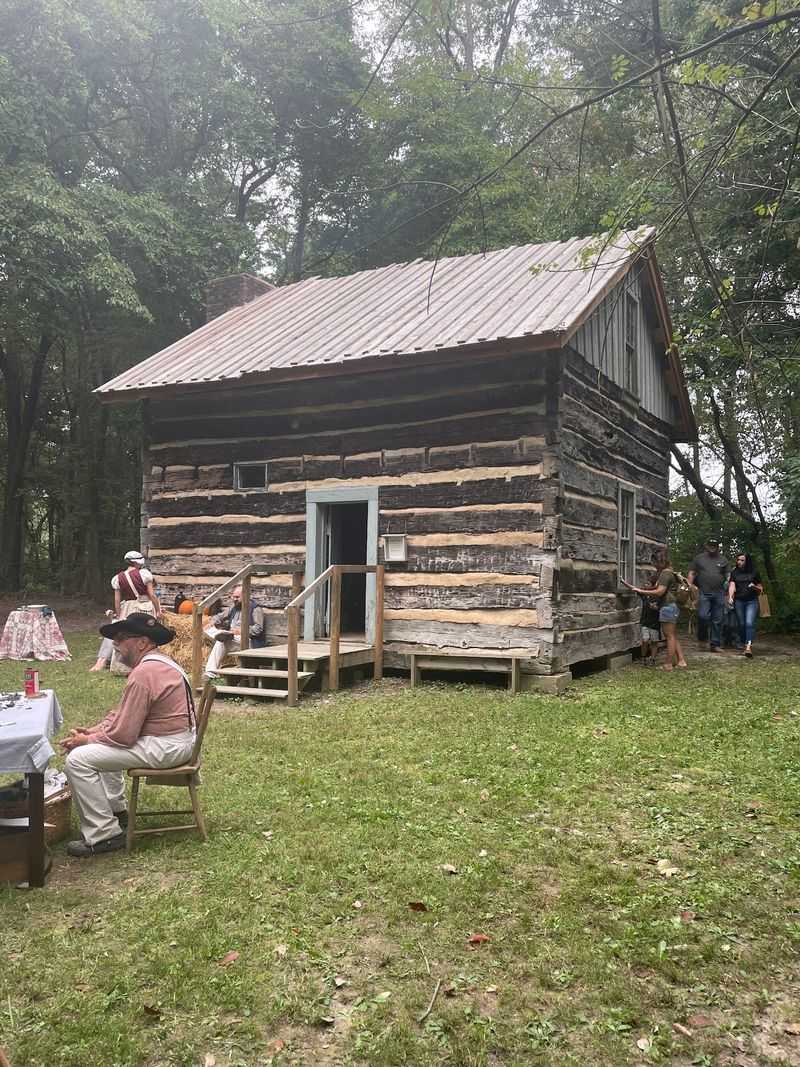
No paid crew maintains this village. Every repair, every reassembly project, and every weekend cleanup is handled by volunteers who show up because they genuinely care about preserving this corner of Illinois history.
Caretakers on-site are often happy to talk with visitors and share what the ongoing work actually involves, from sourcing replacement chinking material to figuring out how to stabilize a cabin floor that has settled over decades.
That volunteer-driven spirit gives the village a warmth that polished tourist attractions simply cannot replicate. Visitors who arrive on a non-festival weekend sometimes find workers quietly going about upkeep, which turns an ordinary visit into an unexpected glimpse behind the curtain of historical preservation.
Reviewers who have spoken with caretakers consistently mention how knowledgeable and welcoming the people here are. Supporting the village, even through a modest admission fee, directly funds this ongoing hands-on labor.
The September Festival That Brings the Village to Life
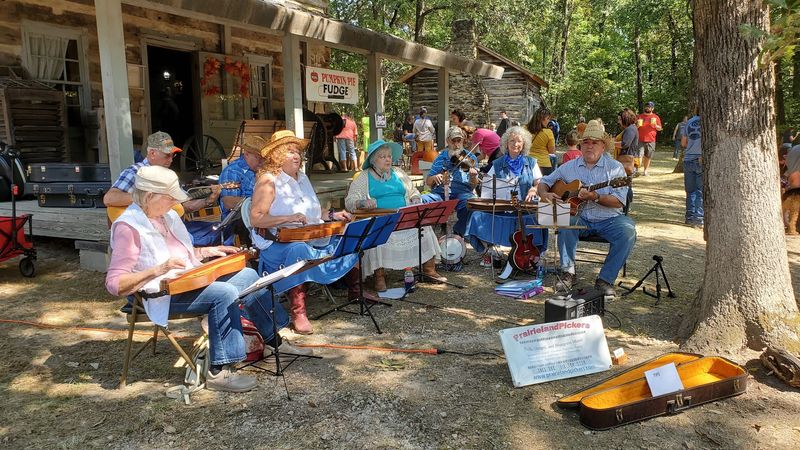
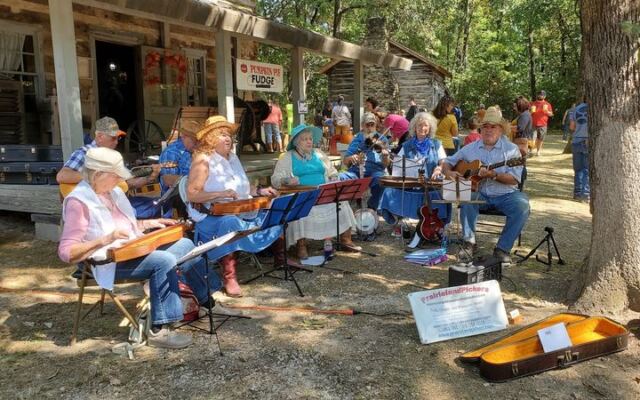
Each year during the last two full weekends of September, Kinmundy Log Cabin Village transforms into a full festival experience known as Log Cabin Days. The grounds fill with craft vendors offering everything from handmade woodwork to unique artisan goods, alongside food stands that keep the crowds well fed throughout the day.
Admission for the festival has been reported at just five dollars, making it one of the most affordable family outings in southern Illinois.
Live demonstrations add depth to the vendor experience. Rope making is a crowd favorite, and visitors have noted that watching skilled demonstrators work with traditional methods is genuinely engaging, not just a backdrop.
Period-dressed interpreters stationed at each cabin bring the history to life in a way that feels interactive rather than lecture-like. Families with children especially enjoy the festival format, which combines education with the kind of hands-on fun that keeps younger visitors interested from start to finish.
Period Interpreters and the Stories They Tell
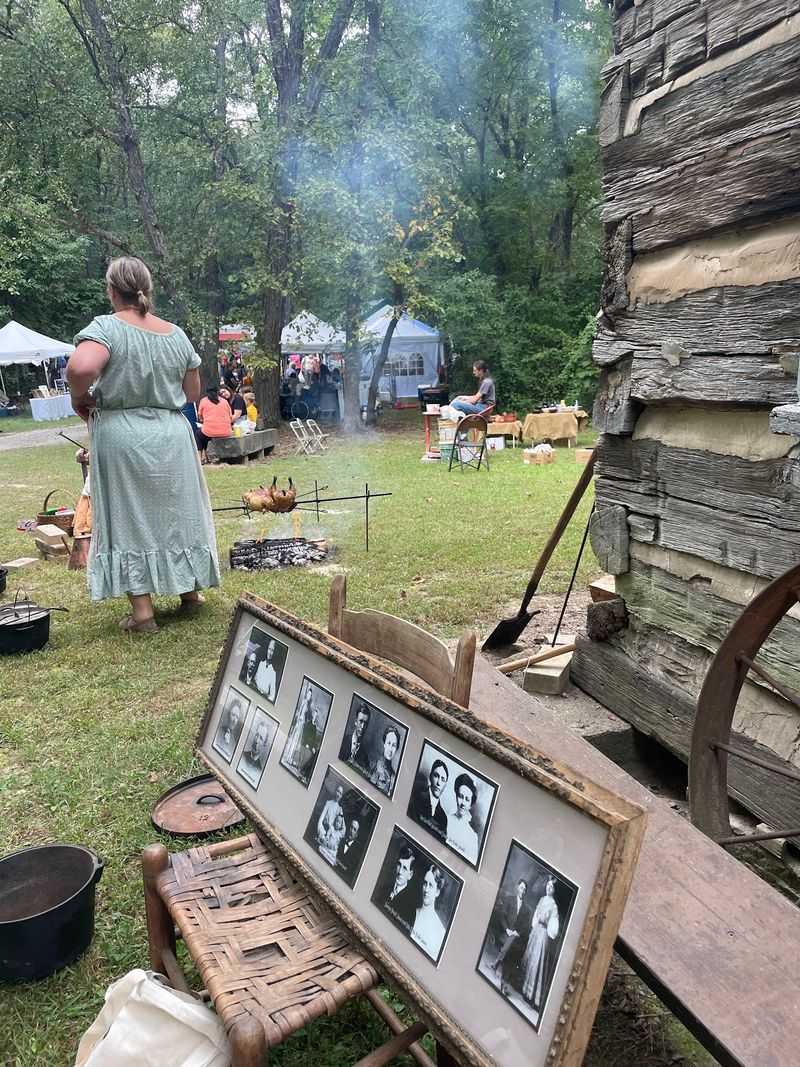
Wandering from cabin to cabin during an event, visitors encounter something that elevates the experience well beyond a simple walking tour. Interpreters dressed in period-accurate clothing are stationed throughout the village, and their job is not just to look the part but to actually know the history of the specific cabin they represent.
Reviewers consistently describe these individuals as knowledgeable and approachable, willing to answer questions and share details about the families who originally inhabited each structure.
Watching a demonstration of daily pioneer life, whether that involves cooking methods, tool use, or textile work, adds a layer of understanding that a placard on a wall simply cannot deliver. Some visitors who attended as children on school field trips have returned as adults specifically to experience those interpreter conversations again with fresh eyes.
The human element here is what separates Kinmundy Log Cabin Village from a standard outdoor museum.
Kid-Friendly Activities Beyond the Cabins

Pony rides, face painting, rope making demonstrations, and kettle corn are not typically what people associate with a historical preservation site, yet they are all part of what makes Log Cabin Days a genuine family outing rather than a purely educational field trip. Younger visitors who might lose interest in architectural history pretty quickly tend to stay engaged when there are hands-on activities woven throughout the grounds.
The wooded setting itself becomes an attraction for kids who enjoy exploring trails between structures. Walking through the trees connecting each cabin feels like a mini-adventure, especially for children who spend most of their time in suburban or urban environments.
Families who have been coming for years mention that the combination of outdoor space, interactive demos, and period storytelling creates the kind of layered experience where kids remember the visit long after the day is over. That lasting impression is genuinely hard to manufacture.
The Haunted Village Autumn Event
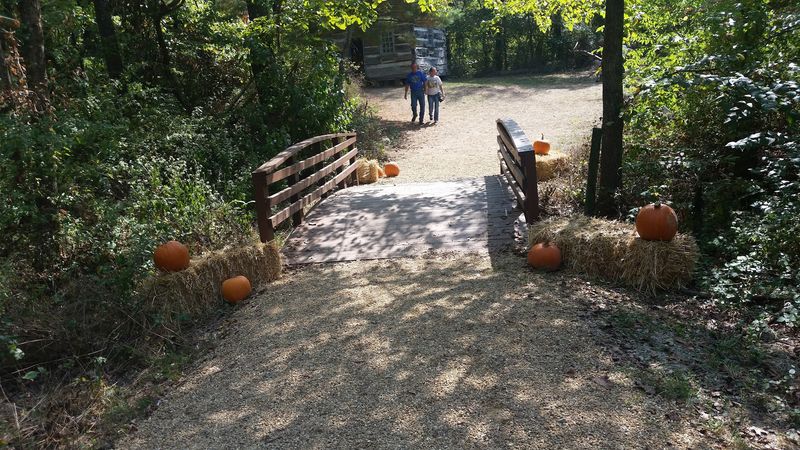
Beyond the September craft festival, the village also hosts a haunted experience that draws a different kind of crowd entirely. Visitors who attended described it as genuinely atmospheric, with the darkened woodland paths between cabins creating natural suspense that purpose-built haunted attractions struggle to replicate.
The low lighting that adds to the scare factor is also the one practical caution worth noting: anyone with balance concerns should plan accordingly on the uneven ground.
The fact that a nonprofit preservation site runs a successful seasonal fright event speaks to the creativity of the people managing this place. Rather than relying solely on the September festival for support, the village has found additional ways to invite the public in and generate the funds needed to keep restoration work moving forward.
Visitors who attended the haunted event noted they were already planning a return visit, which suggests the experience lands well beyond a single novelty outing.
Visiting Logistics, Hours, and a Few Practical Tips
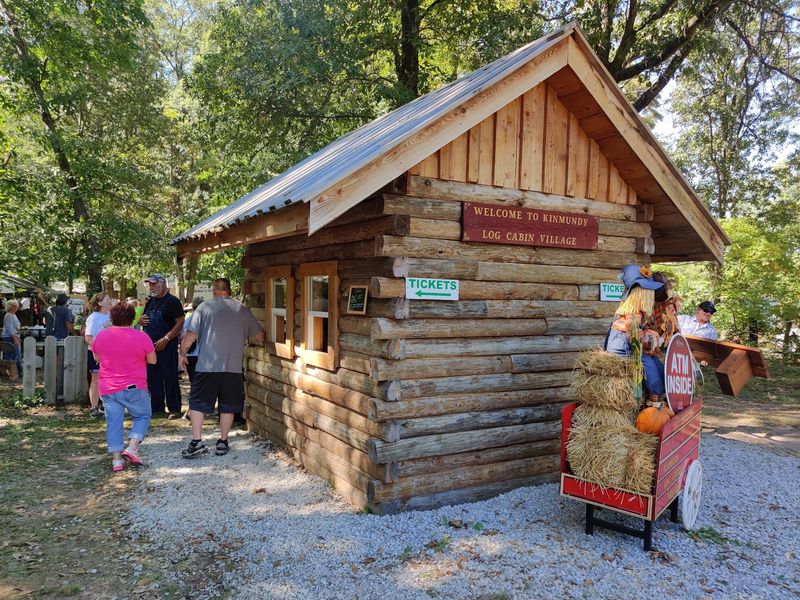
Planning a visit to Kinmundy Log Cabin Village requires a bit of advance thought since the site is not open on a standard daily schedule. The primary public events are the last two full weekends of September for Log Cabin Days, but the village is also accessible on weekdays and non-event weekends when volunteers are often on-site doing upkeep.
Calling ahead is strongly recommended, and the phone number is listed as 618-267-2227.
The website at kinmundylogcabinvillage.com carries current event information and is worth checking before making the drive. Festival admission has been noted at five dollars, which is a fair price for what the grounds offer.
One practical heads-up from visitors: many vendors and the admission itself may be cash only, and while there is reportedly an ATM available on-site, arriving with cash on hand saves a step. Comfortable walking shoes are a smart call given the woodland terrain.
Why This Small-Town Illinois Site Is Worth the Drive
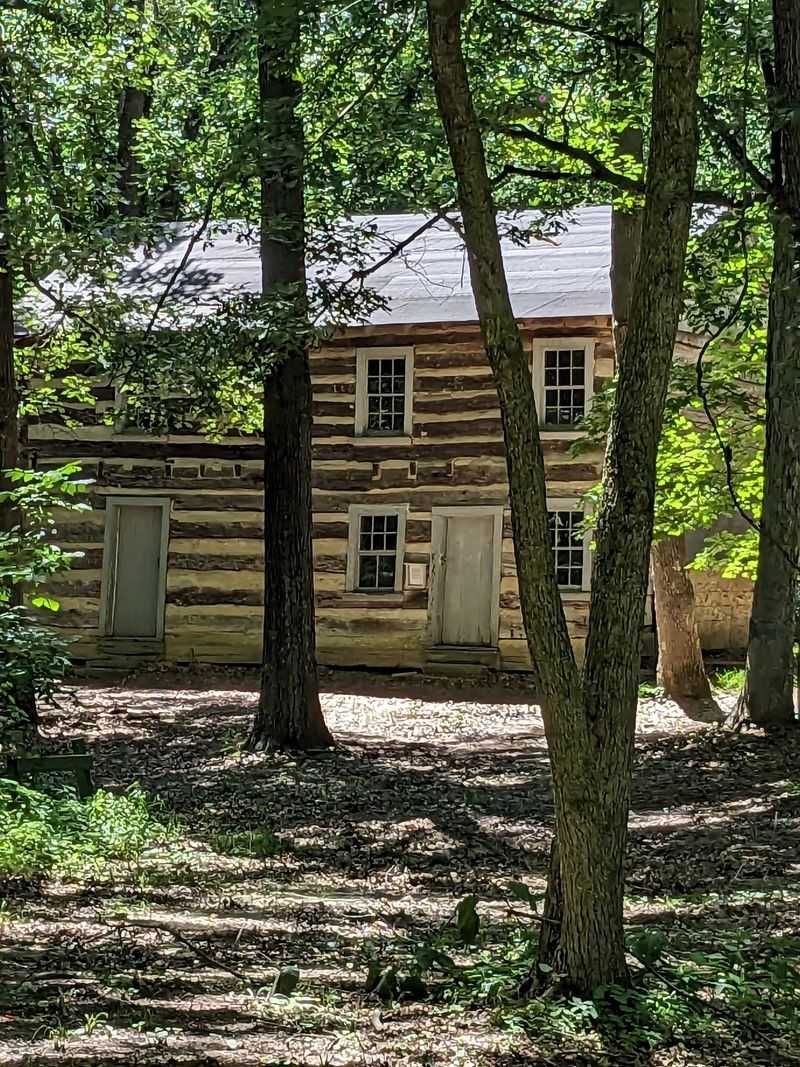
Southern Illinois has a habit of hiding its most compelling attractions behind modest signage and long stretches of state highway. Kinmundy Log Cabin Village fits that pattern perfectly.
A dozen genuine pioneer-era structures, preserved through volunteer dedication and one woman’s original determination, gathered in a wooded setting that feels entirely removed from modern life. The experience is quiet, tactile, and surprisingly moving for visitors who take the time to engage with the interpreters and the history they carry.
For Illinois day-trippers hunting for something beyond the predictable, this is the kind of place that earns a spot on the return-visit list. Families, history enthusiasts, and anyone who appreciates the effort behind real preservation will find the drive rewarding.
The village also accepts cabin donations from anyone with a historic structure in need of a home, which means the collection may keep growing. Few places feel this genuinely rooted in the landscape around them.
Share this story