Oklahoma has a way of surprising you when you least expect it. You round a corner in a quiet town, spot an old freight depot sitting low against the sky, and suddenly realize you have stumbled onto something genuinely special.
The Railroad Museum of Oklahoma in Enid is exactly that kind of place, the sort of hidden gem that turns a casual afternoon into a full-on adventure. From vintage cabooses you can actually climb inside to an enormous model train layout complete with a scavenger hunt, this spot delivers far more than its modest exterior lets on.
The Historic Freight Depot That Started It All
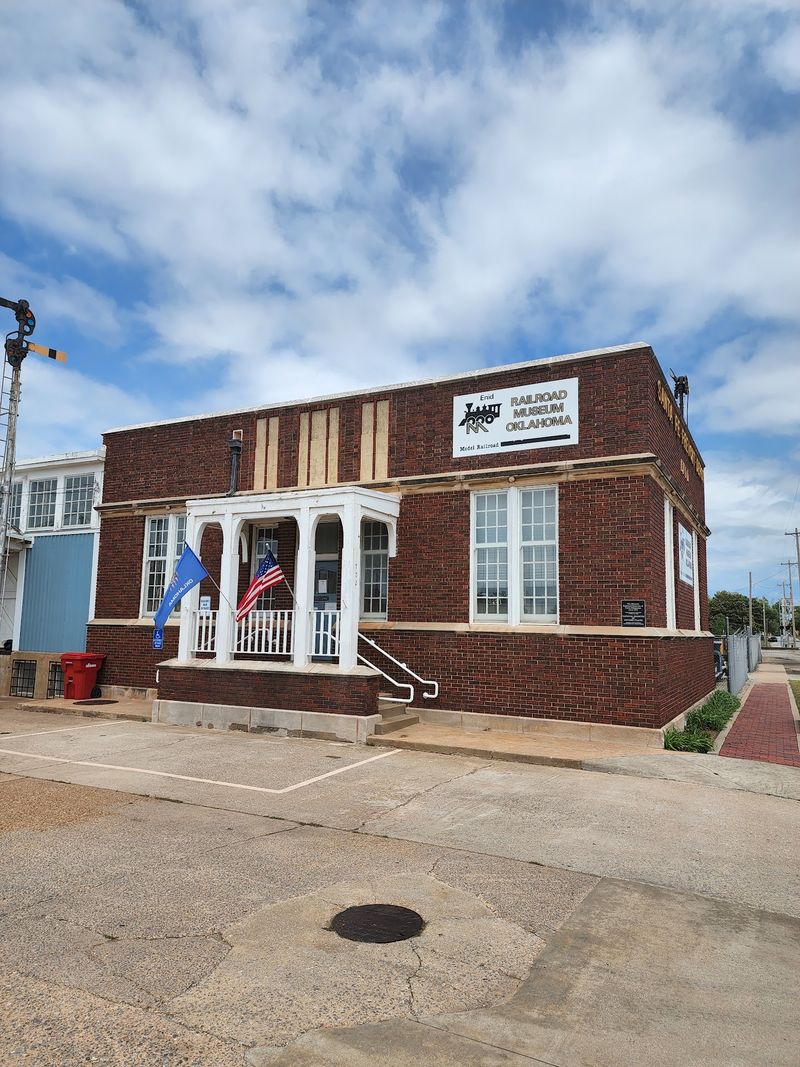
Not every museum announces itself with fanfare, and the Railroad Museum of Oklahoma is perfectly content letting its building do the talking. Housed in a genuine historic freight depot in Enid, the structure carries the quiet authority of a building that has watched generations of trains roll through.
The weathered brick and broad platform eaves tell a story before you even step inside.
The depot itself was abandoned for years before a dedicated group of railroad enthusiasts tracked it down and transformed it into the museum visitors enjoy today. Much of the credit for that founding effort goes to a beloved local figure known as Watermelon Campbell, whose personal collection of railroad artifacts became the cornerstone of everything on display.
He worked for the railroad for more than 42 years and was considered a living encyclopedia of rail history in the region.
Walking up to the building for the first time, there is a palpable sense that the place has been loved into existence by people who genuinely care. That grassroots energy shows in every exhibit, every polished artifact, and every volunteer who greets you at the door.
The depot is not just a backdrop; it is part of the story itself.
Enid, Oklahoma: A Railroad Town Worth the Drive
Enid sits in north-central Oklahoma, a city shaped by agriculture, aviation, and the iron rails that once connected it to the wider country. For road-trippers cutting across the plains or families looking for a weekend destination that punches above its weight, Enid rewards the detour with more character than most people expect.
The Railroad Museum sits right in the heart of town at 702 N Washington Street, easy to find and free of the usual tourist-trap hustle.
The drive to Enid can be scenic in its own right. One popular route follows Highway 81 up from Okarche, a stretch that rolls through open Oklahoma countryside with the kind of big-sky views that remind you why people fall in love with this state.
Arriving in Enid with that landscape still fresh in your mind makes the railroad history feel even more grounded and real.
Locals describe the museum as a hidden treasure right in the heart of the city, and that framing is accurate. Visitors coming from Oklahoma City or Tulsa often remark that they had no idea a collection this substantial existed in Enid.
The pleasant surprise is a big part of what makes the trip memorable.
Vintage Cabooses You Can Actually Climb Inside
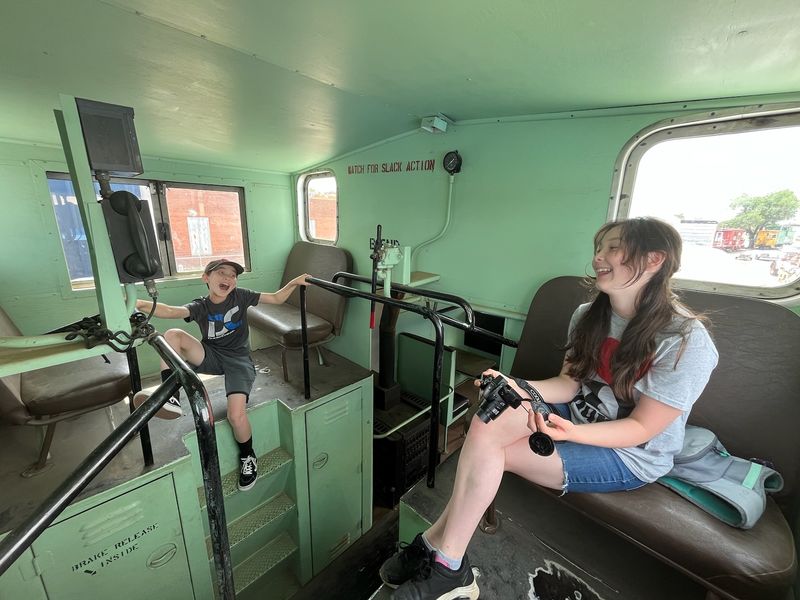
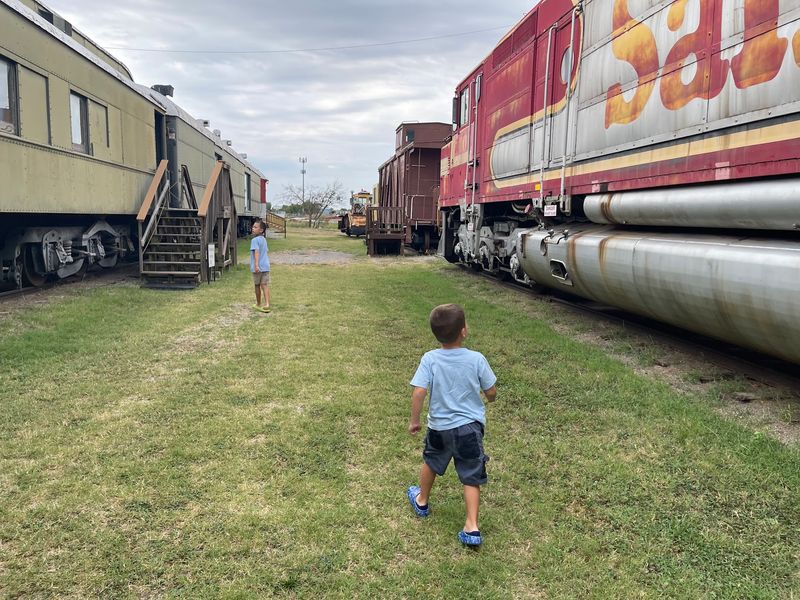
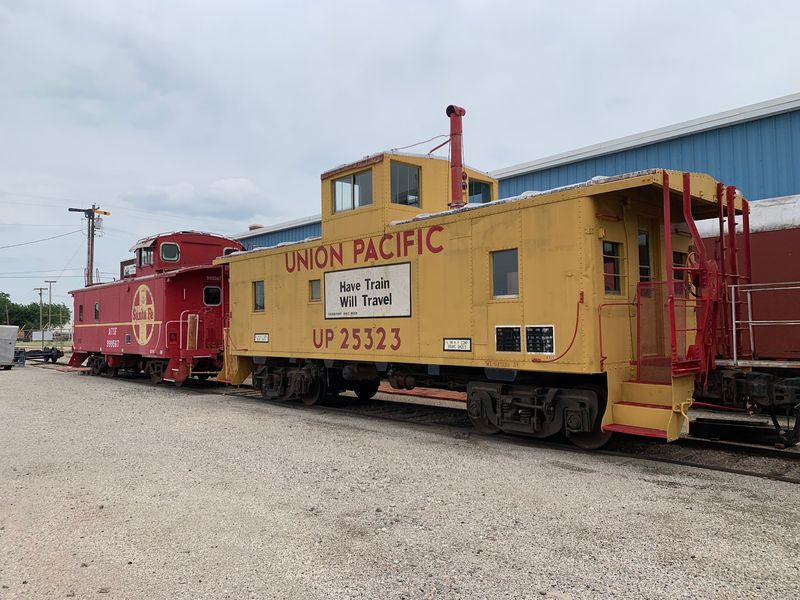
Climbing into a real caboose is one of those experiences that sounds simple but lands with unexpected power. At the Railroad Museum of Oklahoma, several vintage cabooses are parked right outside in the train yard, and visitors are welcome to step aboard and explore them at their own pace.
There are no velvet ropes keeping you at a distance, no glass barriers between you and the real thing.
Inside, you get a genuine feel for what life on the rails looked like for the crews who worked these cars. The compact bunks, the small stove areas, the narrow windows framing imaginary passing landscapes, all of it clicks into place once you are actually standing inside the car rather than reading about it in a book.
Kids go absolutely wide-eyed, and honestly, so do most adults.
Visitors consistently mention the cabooses as a standout part of the experience, praising the hands-on access that sets this museum apart from more traditional display-only institutions. The fact that you can wander through multiple cars, each with its own character and history, gives the outdoor portion of the visit a genuine sense of adventure.
Bring a camera, because the photo opportunities out in the train yard are outstanding.
The Frisco 1519 Steam Engine Up Close
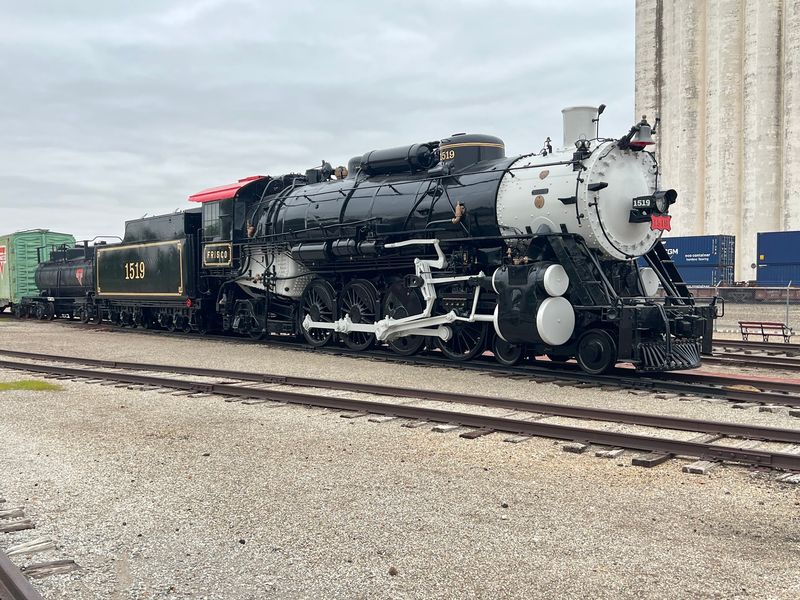
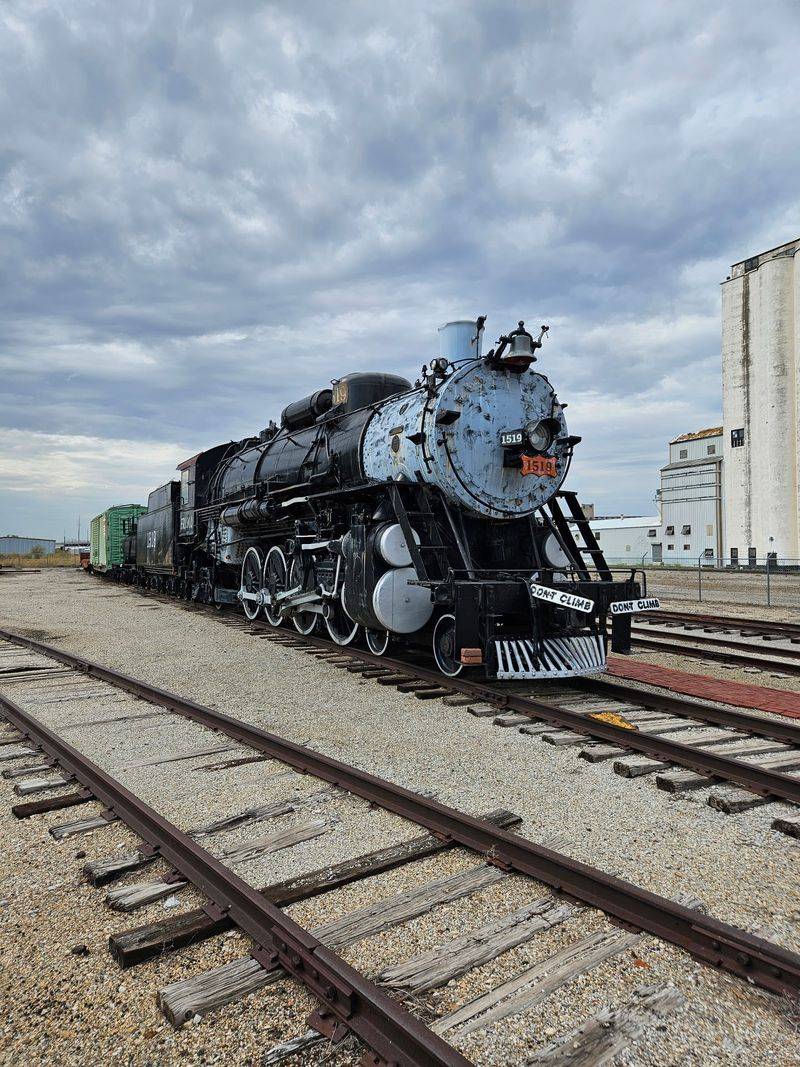
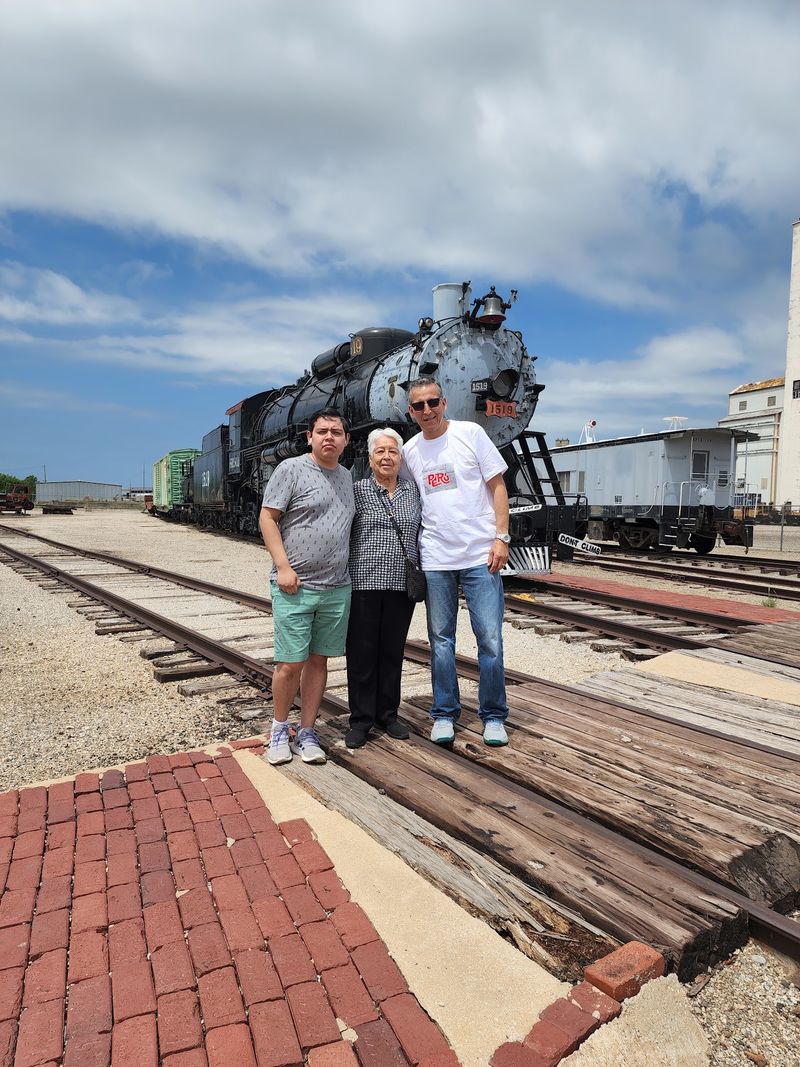
Standing next to a full-size steam locomotive puts the scale of early rail travel into immediate perspective. The Frisco 1519 steam engine is one of the centerpieces of the outdoor exhibit at the Railroad Museum of Oklahoma, and it recently received a fresh coat of paint that makes it look almost ready to roll.
The sheer mass of the machine, the enormous driving wheels, the long boiler, the riveted steel panels, commands attention in a way that photographs simply cannot replicate.
The Frisco line had deep roots in Oklahoma, and this engine represents a chapter of transportation history that shaped how goods and people moved across the region for decades. Visitors with even a passing interest in mechanical history will find themselves circling the locomotive slowly, taking in details from every angle.
Those who grew up near railroad lines often find the experience quietly moving.
One reviewer noted that the steam engine used to be located north of a local hospital and that its relocation to the museum attracted significant media attention at the time. That backstory adds another layer of interest to an already impressive piece of machinery.
Seeing it freshly painted and properly displayed in the museum yard feels like a fitting tribute to its long history on Oklahoma rails.
A Dining Car Available for Private Rentals
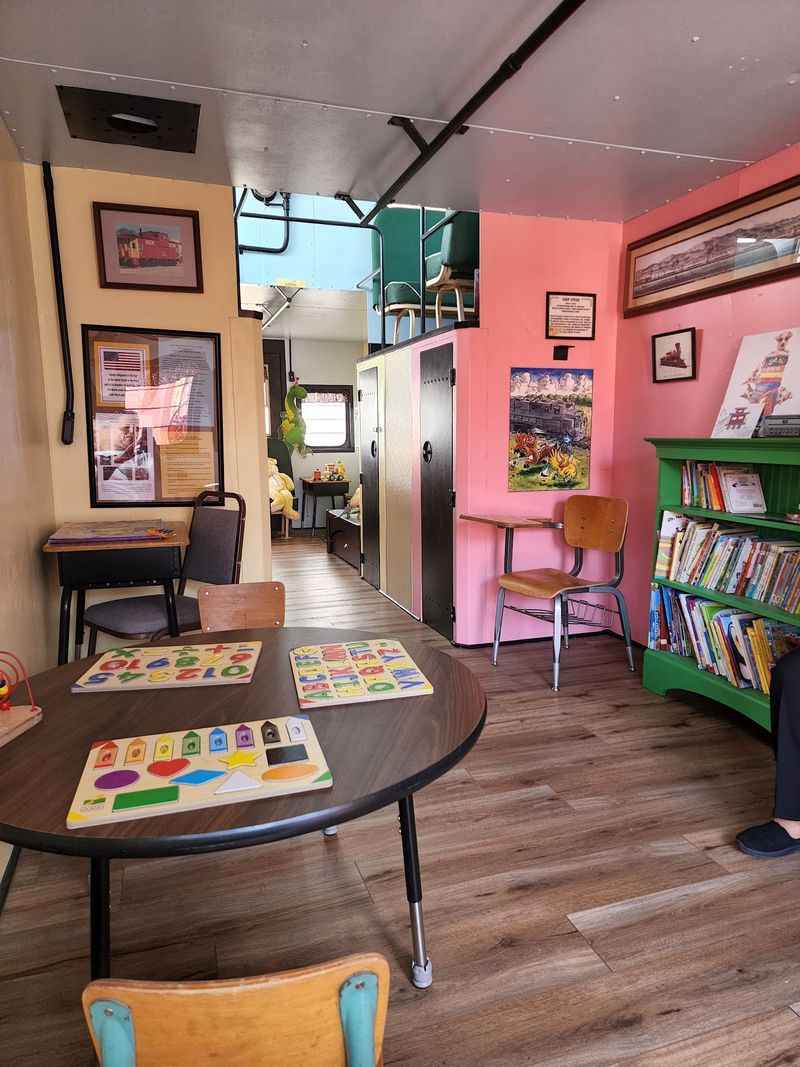
Beyond the cabooses and the steam engine, the museum grounds include something a little unexpected: a restored dining car that can be rented out for private events. The presence of a genuine club car adds a layer of elegance to the outdoor collection, bridging the gap between working railroad equipment and the more refined passenger experience of a bygone era.
Railroad dining cars were once the height of travel sophistication, complete with white tablecloths, polished silverware, and meals served at speed as the landscape blurred past the windows. The museum’s collection of vintage railroad china and dining ware pays tribute to that tradition, and seeing the actual car alongside those artifacts gives visitors a fuller picture of what long-distance rail travel once felt like for passengers.
For groups looking for a genuinely unique venue, renting the dining car for a private gathering is a conversation-starting option that most event spaces simply cannot match. Whether it is a birthday celebration, a club meeting, or a family reunion with a railroad theme, the setting delivers instant atmosphere.
It is one of those details that reveals just how thoughtfully the museum has developed its offerings beyond a standard walk-through exhibit experience.
The Model Train Room: Bigger Than You Expect
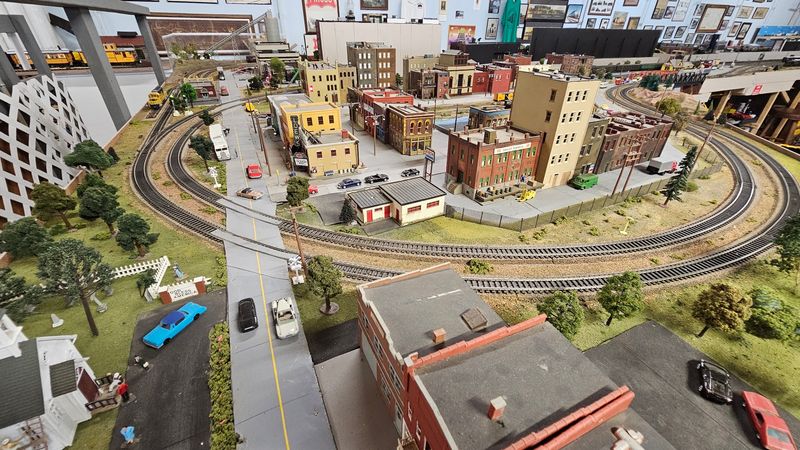
Stepping into the model train section of the museum is like walking into a miniature world that has been built with extraordinary care. The Cherokee Strip Model Railroad Association maintains its layouts here, and what they have assembled is genuinely jaw-dropping in scope.
Multiple scales are represented, including HO, Z, N, and G, each offering a different perspective on the art of model railroading.
Trains loop and switch and climb through carefully constructed miniature landscapes while visitors lean in close to catch the fine details. The room buzzes with the soft mechanical hum of engines, the occasional whistle, and the quiet enthusiasm of visitors who cannot quite believe how much is happening at once.
Reviewers have noted that there are more model trains here than you can fully appreciate in a single visit, and that observation proves accurate once you are standing inside the room.
The scavenger hunt available in this space adds a playful layer that keeps younger visitors thoroughly engaged. Kids move through the room with their checklist, hunting for hidden details tucked into the miniature scenes, while adults find themselves equally absorbed in the craftsmanship on display.
Multiple visits are genuinely warranted, and regulars mention coming back repeatedly to catch things they missed the first time around.
The Scavenger Hunt That Keeps Kids Hooked
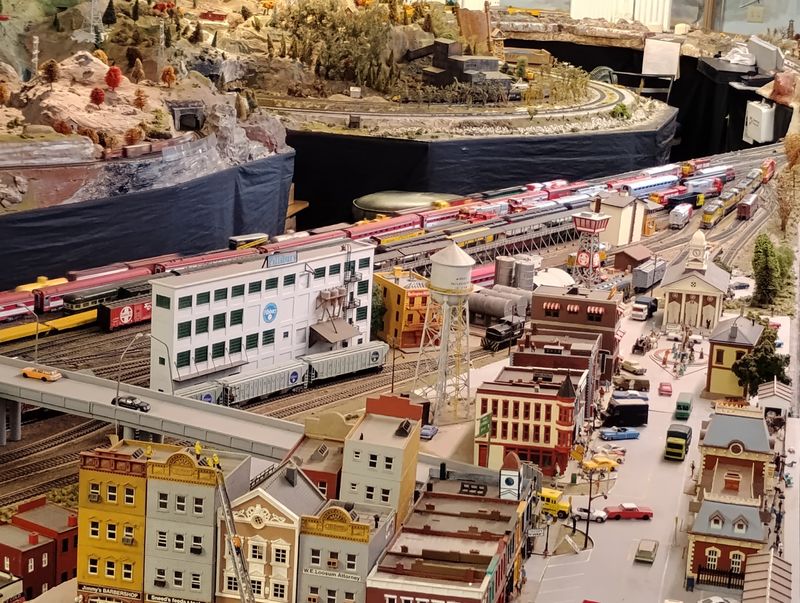
Few things transform a museum visit from enjoyable to unforgettable quite like a well-designed scavenger hunt, and the one offered in the model train building at the Railroad Museum of Oklahoma hits that mark. Kids receive a list of items hidden within the sprawling miniature layouts and set off to find them, which means they are actively looking at everything rather than passively drifting past it.
The result is a level of engagement that parents genuinely appreciate.
Reviewers who brought children along rave about this feature consistently. One family visiting during a soccer tournament stumbled upon the museum to pass time between games and left giving it a perfect recommendation, with the scavenger hunt earning special mention.
Another visitor noted that the kids were still buzzing about it on the drive home, which is about the highest endorsement a museum activity can receive.
The hunt works because the model train layouts are dense with detail, full of tiny scenes and surprises that reward close attention. Even adults end up scanning the miniature world more carefully than they might have otherwise, and that closer look reveals craftsmanship that is easy to miss at a glance.
As a bonus, children who complete the visit have been known to receive a small Hot Wheels car on the way out, a finishing touch that seals the deal for young train fans.
Railroad Memorabilia and Artifacts Inside the Depot
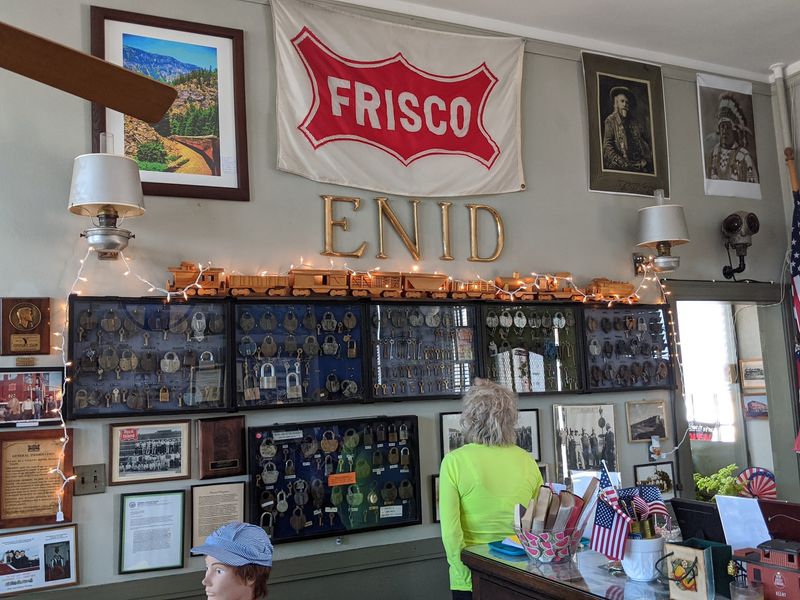
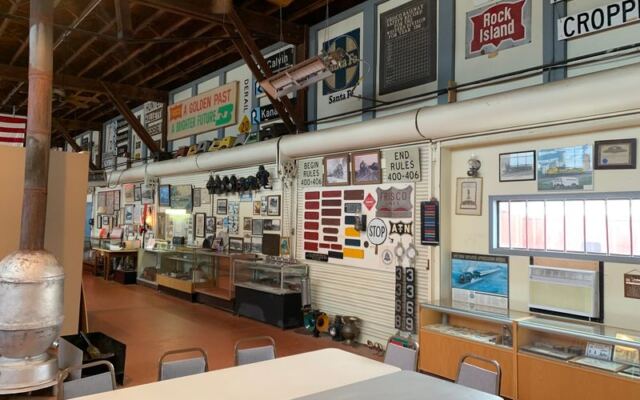
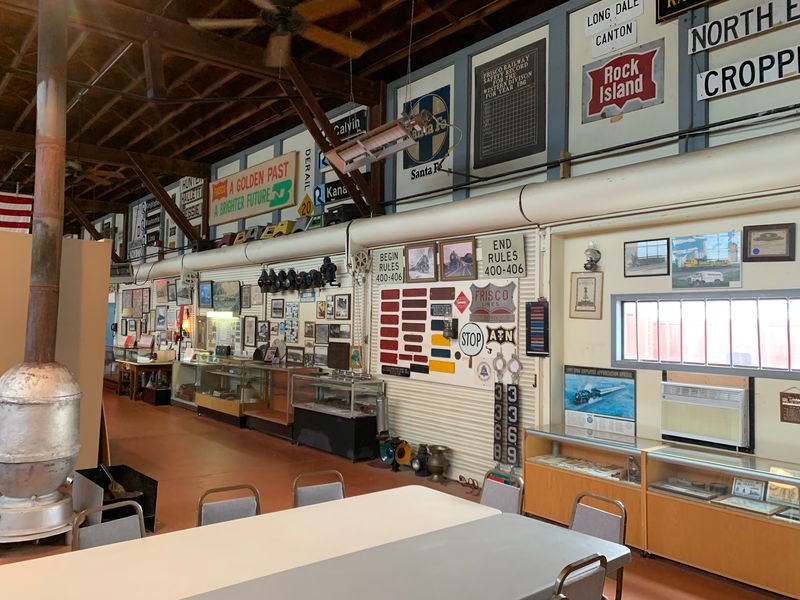
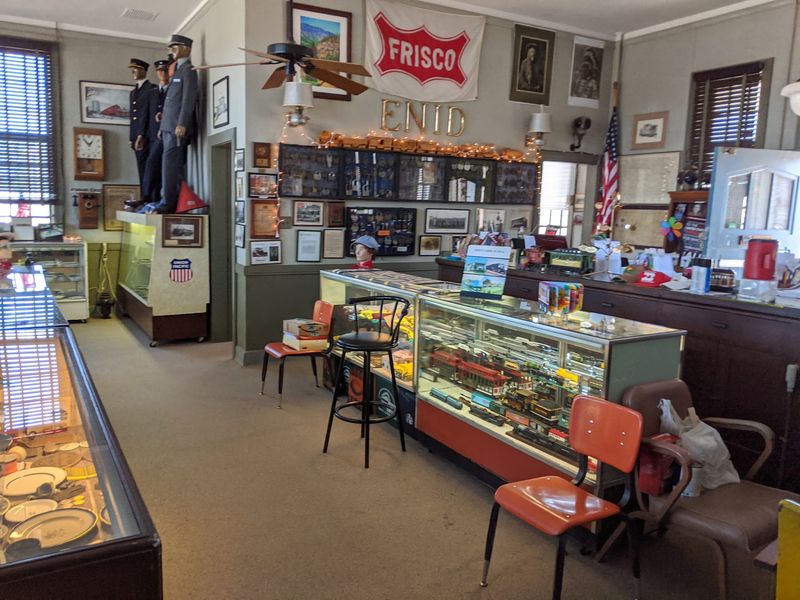
The interior of the depot holds a collection that goes well beyond what most visitors anticipate walking in. Railroad memorabilia fills the space in organized, thoughtfully presented displays that cover everything from working tools and signal equipment to the delicate vintage china that once graced the dining cars of major rail lines.
The breadth of the collection reflects decades of dedicated gathering, starting with the personal trove assembled by Watermelon Campbell.
Artifacts range from the rugged and industrial to the surprisingly refined. Seeing a spike maul displayed near a set of elegantly monogrammed railroad flatware captures the full spectrum of what the railroad industry actually was: equal parts brute engineering and aspirational elegance.
Each case rewards close inspection, and the museum’s presentation makes it easy to move from one era or theme to the next without feeling lost.
Volunteers stationed throughout the building are ready to add context to anything that catches your eye. Their knowledge runs deep, and their willingness to share it without being overbearing makes the self-guided experience feel richer than it would with placard text alone.
Visitors frequently comment on how much history is packed into the space, noting that it rewards a slow, unhurried walk rather than a quick pass-through.
Vintage Railroad China: A Collection Worth Lingering Over
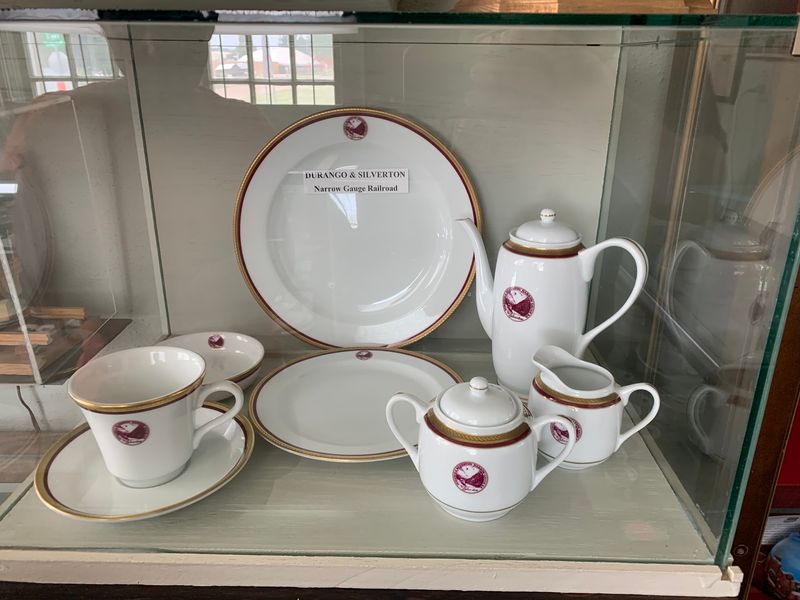
Railroad china occupies a surprisingly passionate corner of collector culture, and the museum’s collection gives visitors an excellent introduction to why. Each piece carries the logo or emblem of a specific rail line, and the variety of designs reflects the competitive pride that different companies took in their dining service.
Some patterns are bold and graphic; others are delicate and almost floral in their detail.
Holding that history in mind while looking at the pieces changes how you see them. These were not display objects; they were used daily, washed and restacked and set out again on moving trains traveling at speed across the American landscape.
The fact that so many survived intact is remarkable, and seeing them gathered in one place gives a sense of the sheer variety of companies that once crisscrossed Oklahoma and the surrounding region.
The collection is one of those details that surprises visitors who came primarily for the big hardware outside. People who thought they had no particular interest in railroad dining ware often find themselves spending more time at these cases than expected.
That is the museum’s quiet trick: it has something for every kind of curiosity, and the china collection is a perfect example of an unexpected highlight hiding in plain sight.
Friendly Volunteers Who Make the Visit Personal
A museum is only as good as the people who bring it to life, and on that measure, the Railroad Museum of Oklahoma consistently earns high marks. The volunteers here are knowledgeable, enthusiastic, and genuinely happy to engage with visitors of all ages and interest levels.
They are not reciting scripted tours; they are sharing things they actually care about, and that difference comes through immediately.
Families with young children have noted how patient and warm the volunteers are, even when faced with a barrage of nonstop questions from excited kids. One reviewer specifically mentioned that the staff handled her four- and six-year-olds with remarkable kindness, turning what could have been a stressful outing into a relaxed and joyful afternoon.
That kind of hospitality is not something you can manufacture; it comes from people who genuinely want visitors to have a good time.
Military families visiting the Enid area, including those connected to nearby Vance Air Force Base, have also shared warm experiences. Volunteers welcomed one such family with an offered tour and made them feel genuinely at home.
Small gestures like giving a child free admission on their birthday add to the sense that this museum runs on community spirit as much as anything else, and that spirit is contagious.
Who Will Love This Place Most
Train enthusiasts are the obvious audience here, but the Railroad Museum of Oklahoma casts a wider net than that label suggests. History lovers, families with curious kids, road-trippers looking for something off the standard tourist trail, and anyone who appreciates a hands-on, unpretentious museum experience will find plenty to enjoy.
The combination of indoor artifacts and outdoor equipment means there is something to engage nearly every type of visitor.
Children respond particularly well to the interactive elements: the cabooses to climb through, the model trains in motion, and the scavenger hunt that turns the whole visit into a game. Adults with a background in Oklahoma history or a general interest in the industrial past of the American plains will find the collection rewarding at a different level, one that connects the machinery on display to the broader story of how the region developed.
Solo visitors, couples, and large family groups all seem to find their rhythm here without difficulty. The self-guided format means you can linger where you want and move quickly through sections that hold less interest for you.
For travelers passing through north-central Oklahoma who want a stop that is genuinely worth the time rather than just a checkbox on a road trip list, this museum delivers consistently and memorably.
Admission Pricing and What You Get for It
Value for money is one of the first things visitors mention when they reflect on their time at the Railroad Museum of Oklahoma, and the pricing structure makes it easy to feel good about the visit before you even walk through the door. Adult admission is six dollars, and children under six years of age enter free when accompanied by a paying adult.
For families, that is a genuinely affordable outing that delivers well above its price point.
Six dollars gets you access to the full indoor collection inside the historic depot, the model train room maintained by the Cherokee Strip Model Railroad Association, and the outdoor train yard with its cabooses, steam engine, and other rolling stock. There are no hidden fees or add-on charges for the scavenger hunt, and the experience is largely self-guided, which means you set your own pace without feeling rushed through a ticketed time slot.
Visitors who have driven in from Oklahoma City or other parts of the state consistently describe the admission as a bargain relative to what they experienced. Some have even gone back to donate more after their visit, feeling that the six-dollar entry did not adequately reflect what the museum gave them in return.
That kind of response says a great deal about the genuine quality of what is on offer here.
Hours, Location, and Planning Your Visit
Planning a visit to the Railroad Museum of Oklahoma is straightforward once you know the schedule. The museum is open Wednesday through Friday from 1 to 4 PM, on Saturday from 10 AM to 4 PM, and on Sunday from 1 to 4 PM.
Monday and Tuesday are closed, so timing your trip accordingly is worth a quick check before you head out. Saturday offers the longest window and is often the most popular day for family visits.
The museum is located at 702 N Washington Street in Enid, Oklahoma, and is easy to reach from Highway 81 or the 412 corridor. Parking is available on site, and the layout of the building and grounds means that even visitors with mobility considerations can access much of the collection without difficulty.
If you want to confirm hours before making the drive, the museum can be reached by phone at 580-233-3051.
A Facebook page maintained by the museum also provides updates on special events and any schedule changes, which is worth checking if you are planning a longer trip. Given how compact the museum’s open hours are on weekdays, arriving closer to the opening time on a Saturday gives you the best chance to move through everything at a relaxed pace.
Most visitors find that a good two to three hours covers the collection comfortably.
A Quiet Oklahoma Gem Worth Every Mile
Some places earn their reputation through scale or spectacle, and others earn it through something harder to name: a sense of authenticity, of care, of a community that decided something mattered and acted on that belief. The Railroad Museum of Oklahoma belongs firmly in the second category.
What Watermelon Campbell started with his personal collection has grown into a museum that quietly ranks among the most rewarding stops in north-central Oklahoma.
Visitors who stumble in expecting a modest local attraction routinely leave talking about coming back. The combination of hands-on outdoor equipment, a world-class model train layout, thoughtfully curated indoor artifacts, and volunteers who treat every guest like a welcomed friend creates an experience that is genuinely hard to replicate.
It does not need a big marketing budget or a famous name attached to it; the place speaks for itself.
For anyone charting a route through Oklahoma and looking for the kind of stop that becomes a story you tell people later, this museum fits that description perfectly. Whether you are a lifelong rail enthusiast or someone who simply appreciates discovering something unexpected and wonderful, the Railroad Museum of Oklahoma in Enid is a reminder that the best finds are often the ones you almost drove past without stopping.
Pull over. Go inside.
You will be glad you did.
Share this story