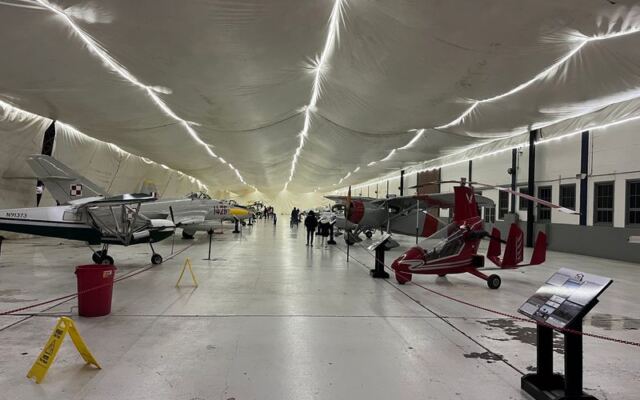
You are cruising along the Oregon coast highway, thinking about cheese and snacks, when a colossal wooden shape rises up beside the road. It looks too big to be real, and most travelers just keep driving.
Oregonians who pull over find a hangar so huge it makes your brain reset, with planes tucked inside like toys. Here is what waits behind those enormous doors.
A Giant Wooden Landmark Beside the Highway

Spot it from the highway and you will understand why drivers hit the brakes. Tillamook Air Museum sits at 6030 Hangar Rd in Tillamook, Oregon, inside a World War II blimp hangar that counts among the largest wooden buildings in the world.
Visitors say the words Air Museum painted across the structure pulled them off the road without a plan. Plenty of travelers heading to the nearby creamery notice it and decide to stop.
The collection of aircraft inside is the headline, yet many guests admit the building steals the show. Pictures help, but they simply cannot hold something this large.
You have to stand near it to believe it.
For an Oregonian who likes surprises, this is a roadside stop that rewards curiosity.
Hangar B and Its Wartime Story

Two hangars were actually built here during the war, and the one housing the museum is known as Hangar B. It was made for blimps, which explains the ceiling that seems to belong to a cathedral.
A short film inside tells how the hangars came to be. Visitors call it well produced and interesting, and one traveler who waited over twenty years to visit said hearing the build story from the theater seat felt inspiring.
Many guests also mention gratitude toward the people who worked together to save the site. Learning that backstory first makes the wooden ribs overhead feel more meaningful.
Plan time for the film early in your visit, then wander with the history fresh in your mind.
Seven Acres of Open Floor
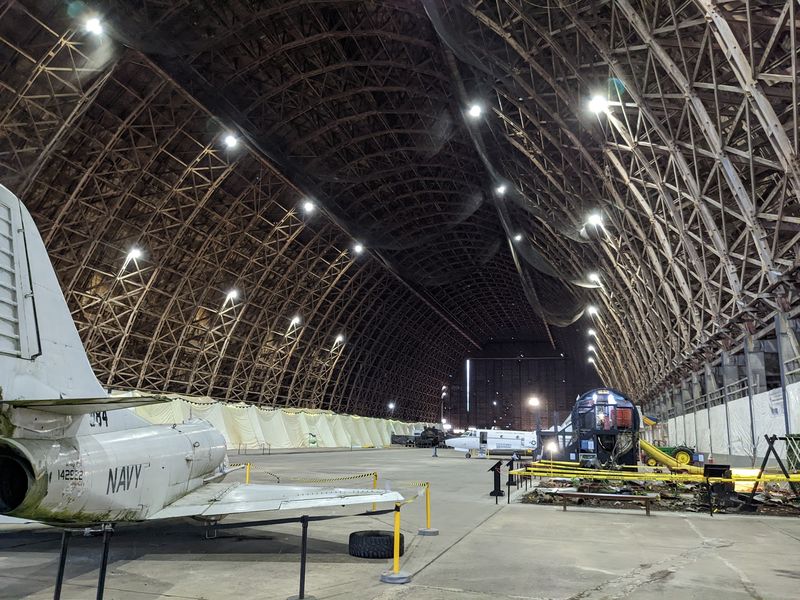
Here is a fun fact to share with the kids: the floor space is described as seven acres. That is a lot of room for aircraft and for little legs that need to run.
One visitor noted that kids can actually burn off energy here, which is rare in a museum. Another said walking onto the floor made them feel tiny compared to the structure around them.
Distances feel deceptive indoors. A plane that looks close can take a surprising number of steps to reach.
Wear comfortable shoes and give yourself room to roam. The wide layout keeps the mood relaxed, and it rarely feels like a shoulder-to-shoulder attraction.
Climb Into the Cockpit
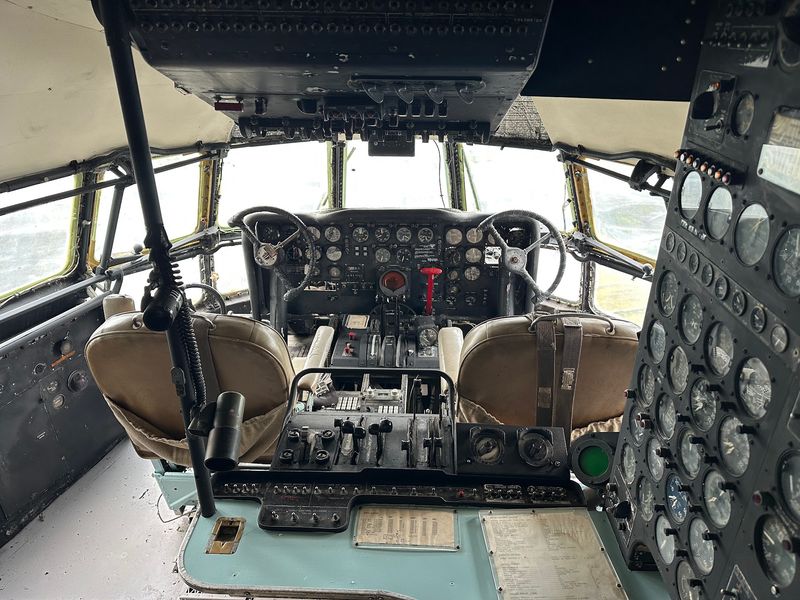
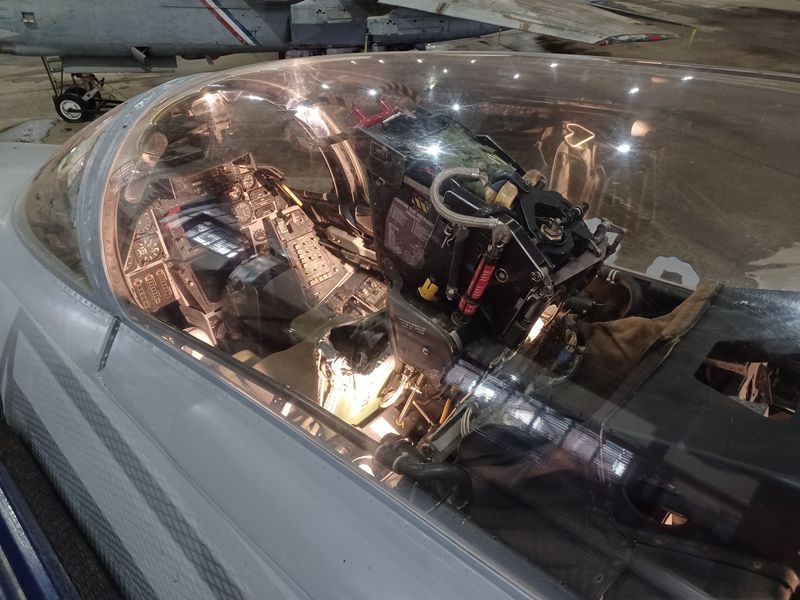
Ever wondered what a pilot sees from the seat? Several aircraft here let you find out by sitting inside.
Visitors say the number of cockpits has grown, and for many it was the highlight of the day. Sitting in the seat makes history feel real in a way a sign cannot.
Families especially enjoy this part. Kids pretend to take off while parents read the details nearby.
Some travelers also mention a scavenger hunt that sends kids, or adults, searching for clues and answers around the displays. It turns a walk through the aircraft into a mini mission, and it keeps everyone looking closely.
Planes From Fighters to Passenger Jets
Variety is the word guests keep reaching for. The collection includes military aircraft and a few throwbacks to passenger flying, including a walk-through section of a TWA plane from the 1970s.
Fans of movies will smile at the F-14 Tomcat, which one visitor says is one of the Tomcats used in Top Gun. Mentions of a Mini-Guppy and P-38s show how wide the range runs.
Visitors also like that each plane has general facts along with stories about the specific aircraft on display. That personal detail makes the planes feel like characters.
Only one aircraft sits outside, so nearly everything stays out of the coastal weather.
Tiny Battles on Display
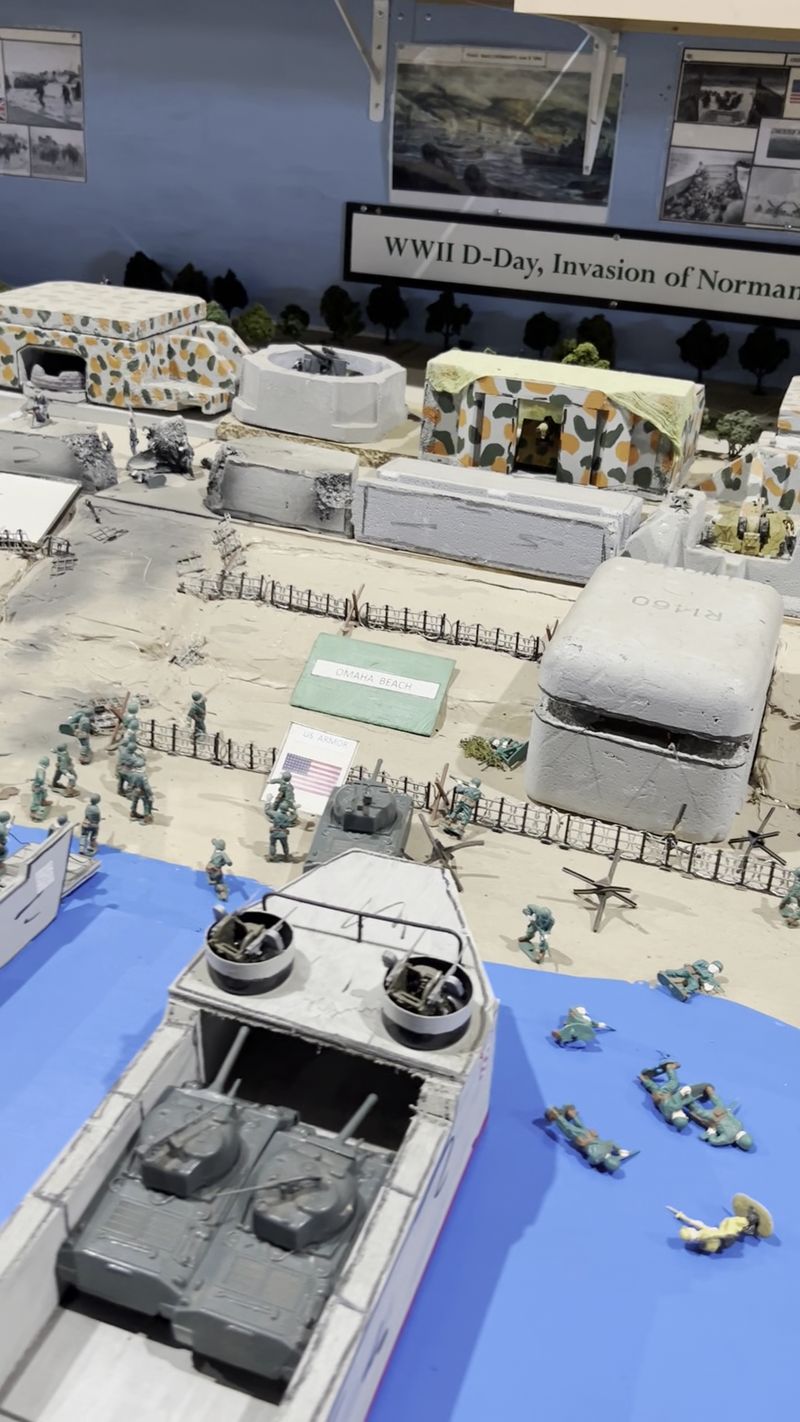
Look down from the big stuff and you will find a whole other world. Handmade models of ships, submarines, and battle scenes tell the story of World War II in miniature.
One visitor describes a setup that a father and son built together, with reenactments depicting every battle of the war. Parents say the eye-level layout helps kids understand what they are seeing.
The detail is the draw. Tiny ships and landscapes reward a slow look, and many guests say not to miss them.
Wood carvings add another handmade touch to the collection, so keep your eyes open for craftsmanship as you wander between the aircraft.
Simulators, Videos, and VR
Buttons, screens, and a buckle-up feeling await in the simulator zone. Popular topics among visitors include interactive exhibits and flight simulators.
Guests mention videos and VR experiences that help place you inside the story of the hangar. There is a simulator area where kids can sit in, plus a space for little ones.
Not everyone finds the tech cutting edge. One visitor felt it was a bit dated next to state-of-the-art aviation museums.
Still, the hands-on pieces keep the day lively. Treat it as a classic museum with a friendly, old-school feel rather than a polished showcase.
Tractors, Locomotives, and Odd Surprises
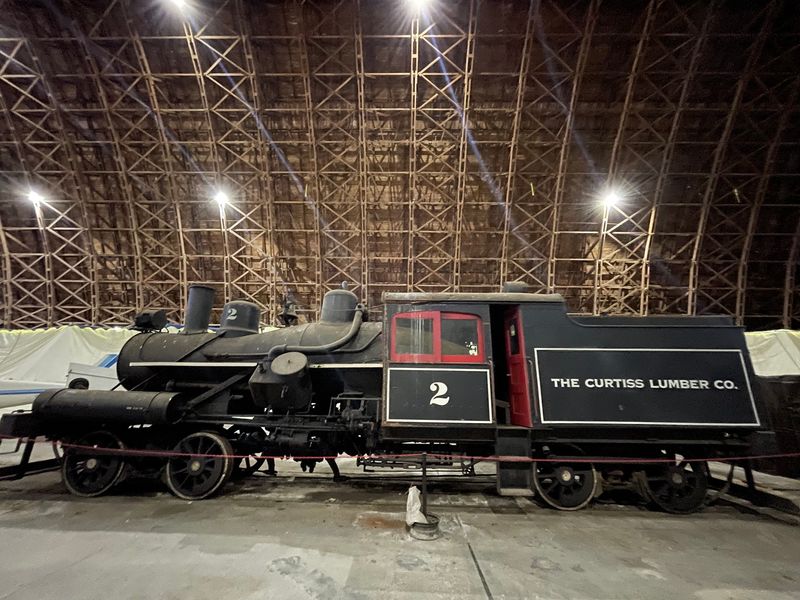
Not everything here has wings. Beyond the aircraft, you will spot old tractors and locomotives that were once used at the hangar.
These extras add a working-site feel and remind you that this building was a busy place. Visitors also point to exhibits that tell stories of women in wartime and to side displays centered mostly on World War II.
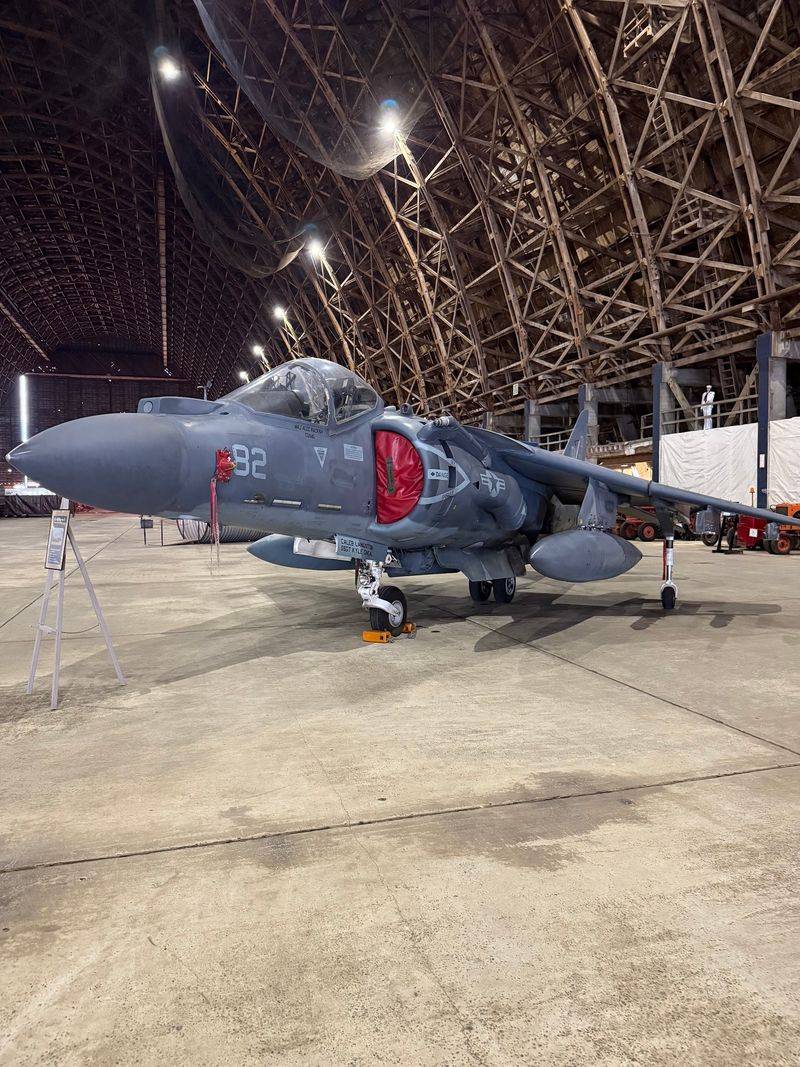
A recent event even brought a Harrier Jet in for its last flight to the museum, and a visitor who attended called the staff friendly and the day fantastic.
Surprises like these keep repeat visits interesting. Check the website or call ahead to see what is new.
Cool, Quiet, and Surprisingly Uncrowded

Bring a jacket. Several visitors warn that the hangar runs cold, and one says it is old wood that never gets very warm.
The mood inside is calm and spacious. One guest called the museum a hidden gem and wondered why it does not show up as an attraction, especially so near the busy creamery.
That is good news for Oregonians who prefer elbow room. Off-peak days, like a misty fall or winter visit, suit the hangar well.
Fans of history and of aviation both find plenty to enjoy. Comfortable shoes, a camera, and a layer or two will make the day easy.
Snack Bar and Gift Shop

Hungry after all that wandering? A snack bar on site handles quick bites, so you do not need to leave in the middle of the visit.
The gift shop gets good mentions too. Visitors call it a good one, and it makes an easy place to pick up a small keepsake for a young pilot at home.
Guests also mention a little play place that toddlers love, which gives families a handy break between exhibits.
If you are building a Tillamook day, this stop balances nicely with a trip to the creamery. Treat the museum as the quieter, roomier half of your outing.
Planning Your Visit

Start with the basics. The museum is at 6030 Hangar Rd in Tillamook, Oregon, and you can reach the team at 503-842-1130 or visit tillamookair.com for current hours and prices.
Visitors describe admission as reasonable, and many say it is well worth the stop. Most plan on at least two hours, and one guest suggests it is a solid half-day activity.
The hangar is easy to find from the highway, so there is no tricky navigation.
Remember a jacket and sturdy shoes. Because the museum seems to need funds for continued restoration work, your ticket and a gift shop purchase help keep the place going.
The Verdict on a Wooden Giant

Is it the most high-tech air museum you will ever see? Visitors admit it is not, and a few note some wear and a limited collection.
Yet most leave happy. They praise the planes, the cockpits, the models, and above all the hangar itself, which many call staggering and majestic.
It suits families, history fans, and anyone who likes places that feel a little off the beaten path. Mixed with a trip to the creamery, it makes a fine addition to a coast day.
Go with curiosity and a warm layer, and you will likely drive away glad you braked for the giant wooden building beside the road.
Share this story