You could drive right past it on the Oregon coast and never know a green secret hides a few steps off the highway. There is no grand sign, no gift shop, just a small parking lot and a wooden path slipping into the trees.
Follow it, and the traffic noise melts away until you are standing before a cedar that sprouted roughly a thousand years ago. It is the kind of quiet find that makes you hungry to keep exploring your own state.
A Pocket of Ancient Forest Beside Highway 101
Blink and you might miss it. Rockaway Big Tree Trailhead sits along Highway 101 near East Washington Street in Rockaway Beach, a small town on Oregon’s north coast in Tillamook County, just a stone’s throw from the Pacific Ocean.
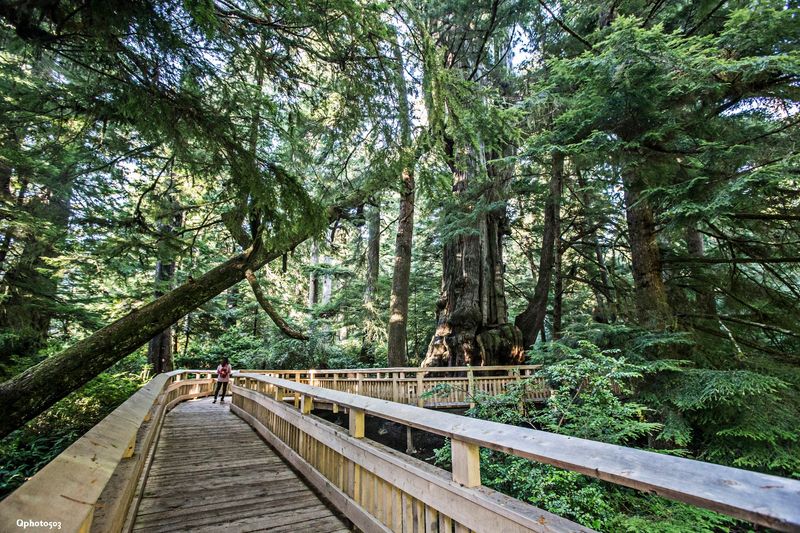
What waits past the trailhead is a protected slice of old growth forest and wetland, crossed by an elevated wooden boardwalk. The path runs roughly a mile round trip, with most visitors estimating somewhere between 1.1 and 1.2 miles for the loop.
At the far end stands the star of the show, a giant western red cedar estimated to be 800 to 1,200 years old. Many folks who have visited Rockaway Beach for years admit they never stopped here until recently.
That is exactly why it still feels like a local secret, tucked between beach houses and highway traffic, waiting for curious Oregonians to wander in.
The Cedar That Outlived Empires
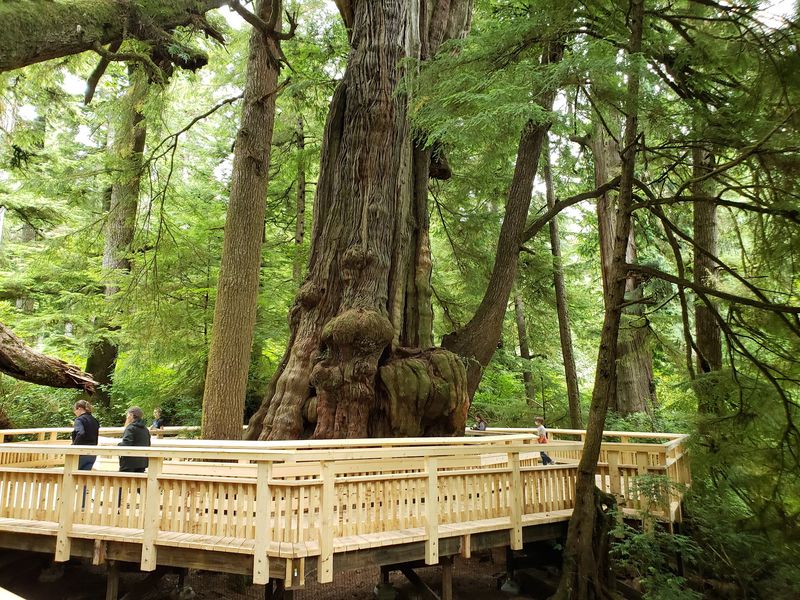
Picture a seedling pushing up through the forest floor around the year 1000. Kingdoms rose and fell across the globe while that little tree just kept growing, ring after ring, in the damp coastal air of what would one day be Oregon.
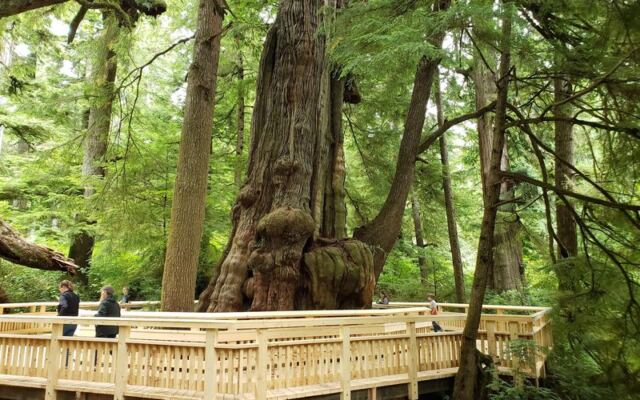
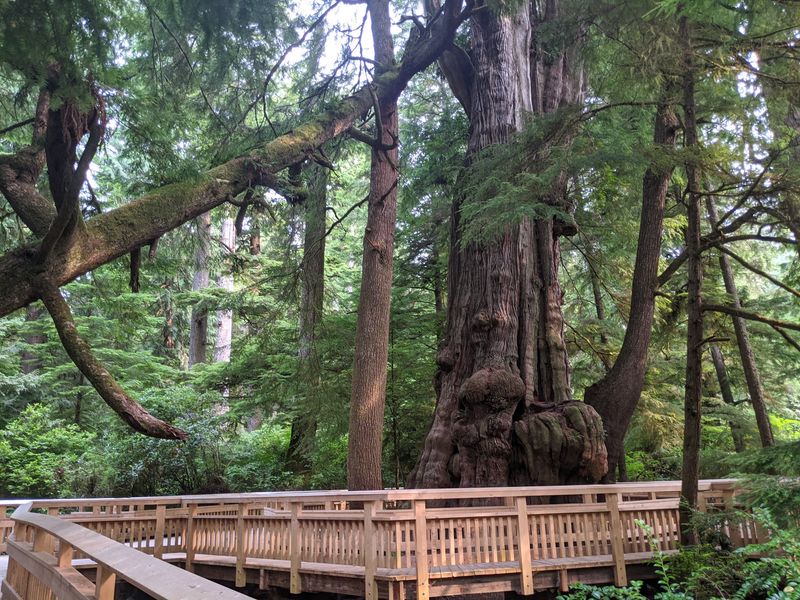
That tree is the Big Cedar, and its age is estimated at 800 to 1,200 years. Standing in front of it, you feel pretty small.
The trunk is massive, the bark deeply grooved, and visitors routinely call it spectacular, unforgettable, and truly impressive.
One visitor put it simply: the reserve is full of large trees, but the Big Cedar at the end puts them all to shame. Families say it is the moment everyone goes quiet.
Kids crane their necks, grandparents shake their heads in wonder, and phones come out for photos that never quite capture the scale.
Planks Above the Marsh
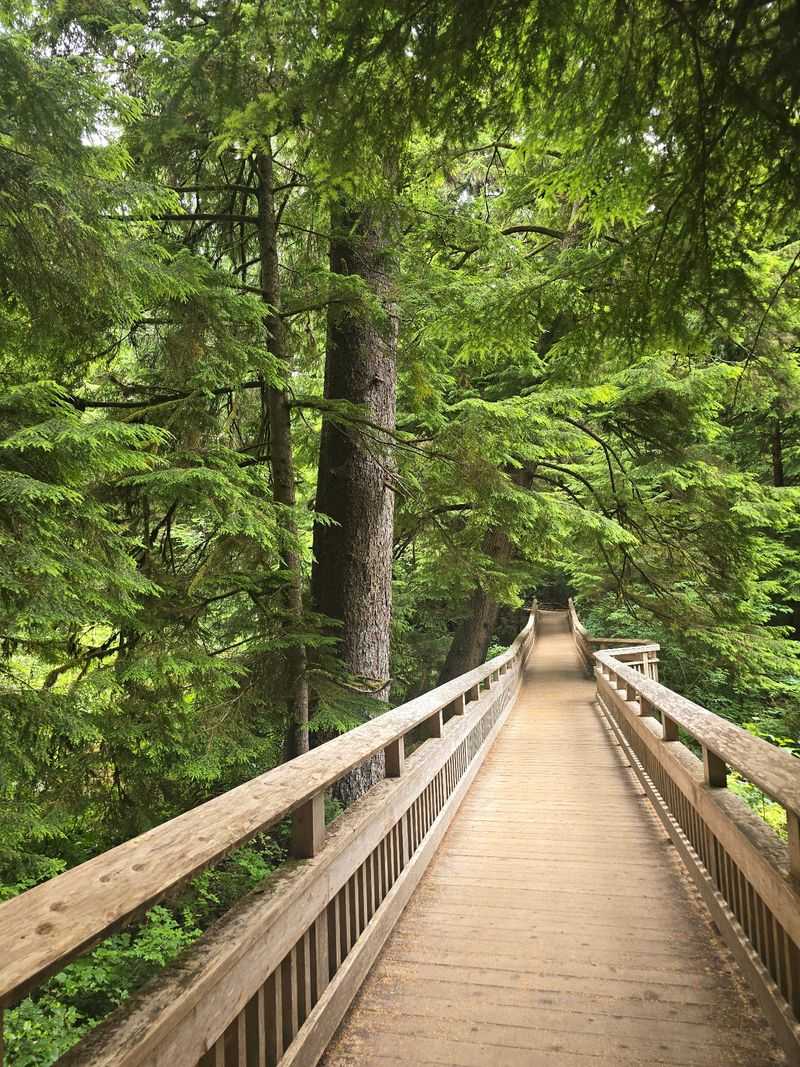
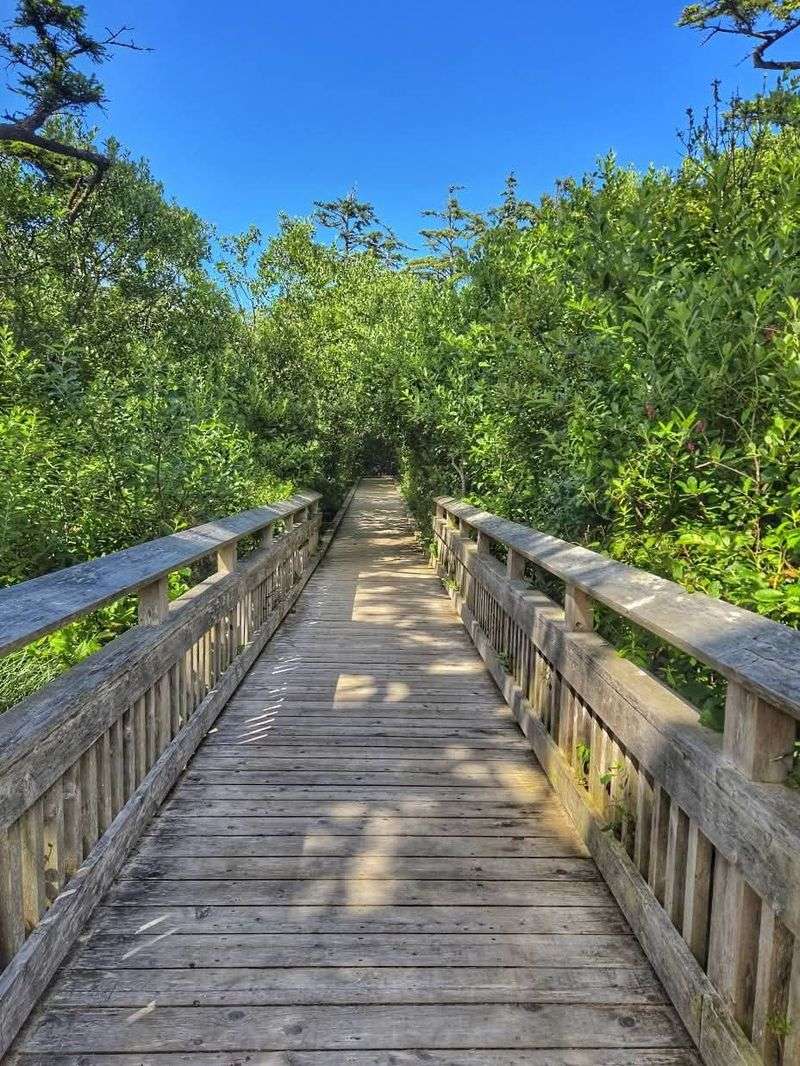
Wooden decking is the real magic trick here. Instead of slogging through mud, you float above it on a raised boardwalk that winds over wetlands and crosses two small creeks.
Visitors mention the boardwalk more than anything else, and for good reason. It is well maintained, sturdy, and wide enough for comfortable strolling on most days.
Because it keeps you off the soggy ground, you get the full rainforest experience without the dirt or ruggedness of a typical coastal hike.
Look down between the trees and you will spot marshy pools, lush undergrowth, and bright green plants crowding the edges. Look up and the canopy closes in overhead, keeping most of the route shaded.
It is a clever bit of trail design that lets anyone, from toddlers to longtime hikers, slip into a fragile ecosystem while leaving it untouched underfoot.
Skunk Cabbage Season on the Creek
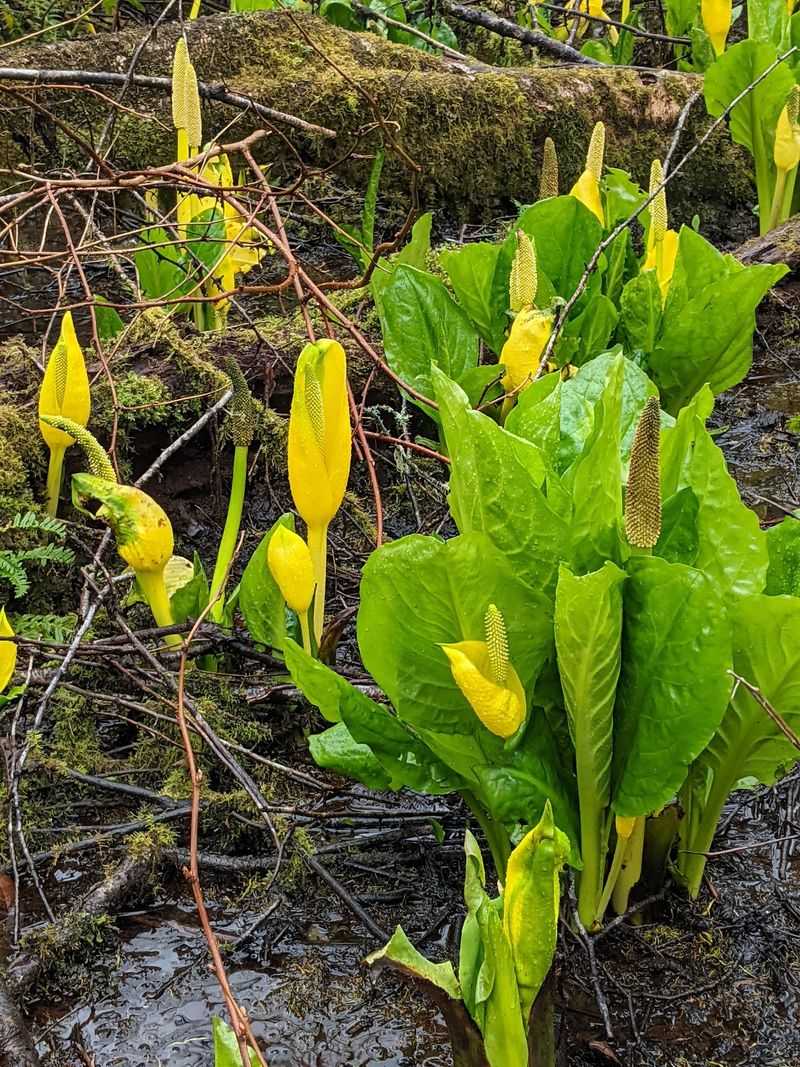
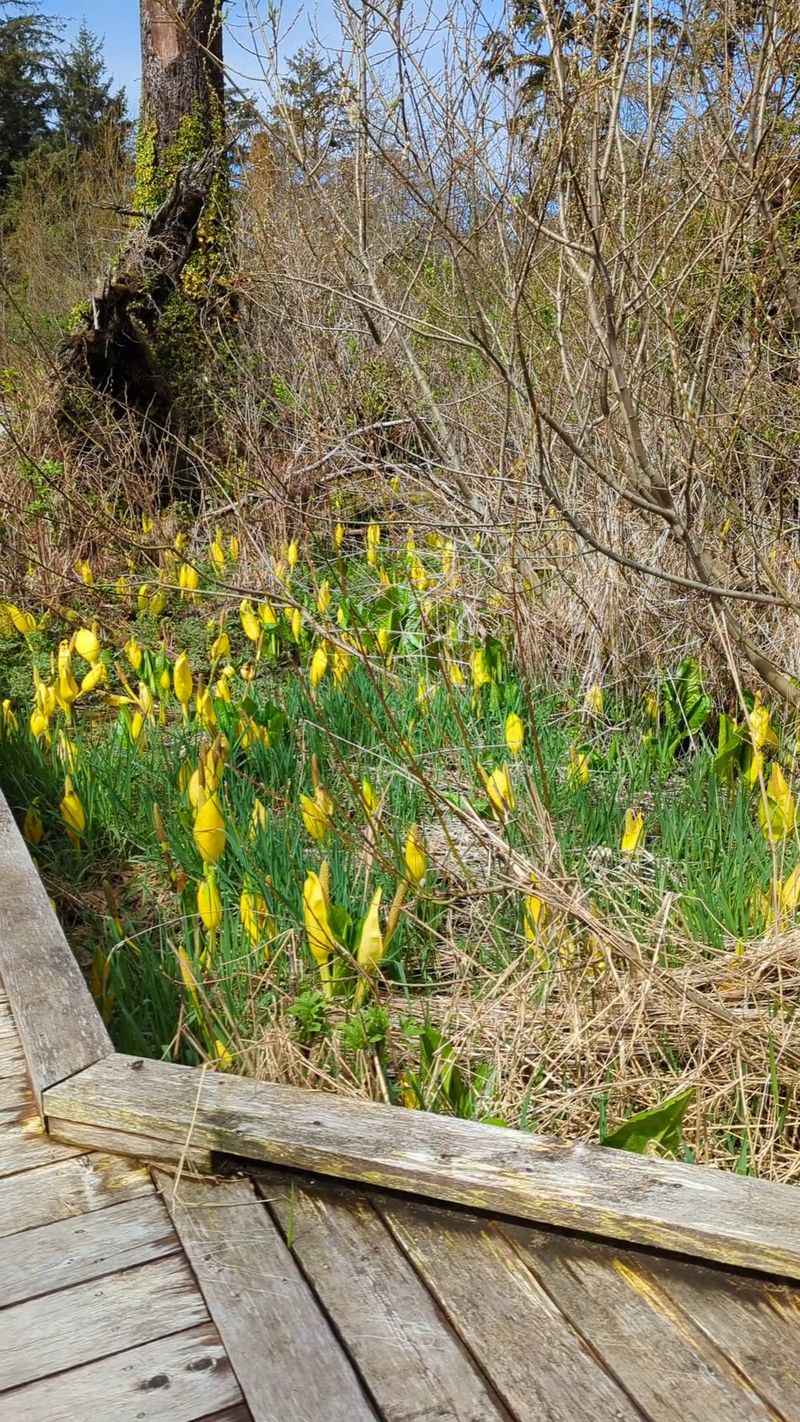
Ever seen a plant that glows yellow like a lantern in the mud? Along the creek, skunk cabbage grows on both sides of the boardwalk, and plenty of visitors say they had never laid eyes on it before.
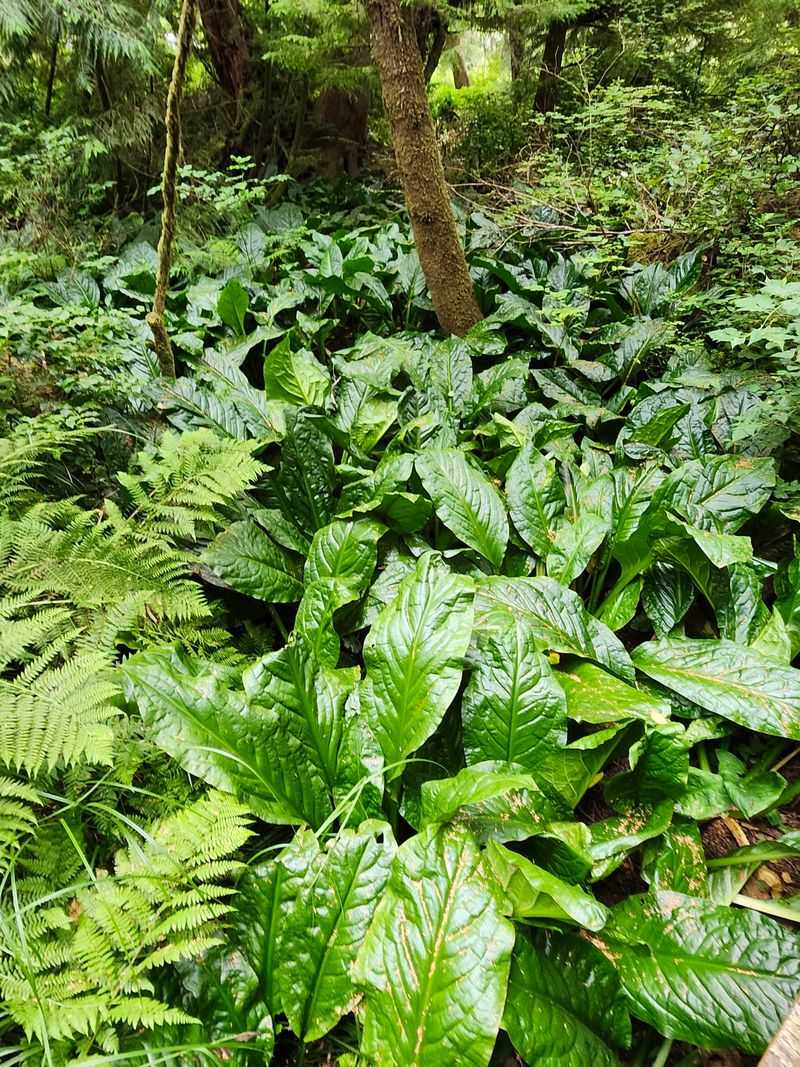
Teens who were otherwise lukewarm about the walk still named the skunk cabbage as a highlight. Its big leaves and bold blooms give the wetland a prehistoric look, especially in spring when Oregon’s coast wakes up.
Later in the year, the scenery shifts. Visitors describe berries and blooms everywhere they look, plus the sweet aroma of flowers drifting across the path.
Lush greenery covers nearly every surface, and moss drapes the branches like soft green blankets. Coming back in a different season almost feels like visiting a new trail, which is a fine excuse for a return trip.
Ospreys, Hawks, and Tiny Neighbors
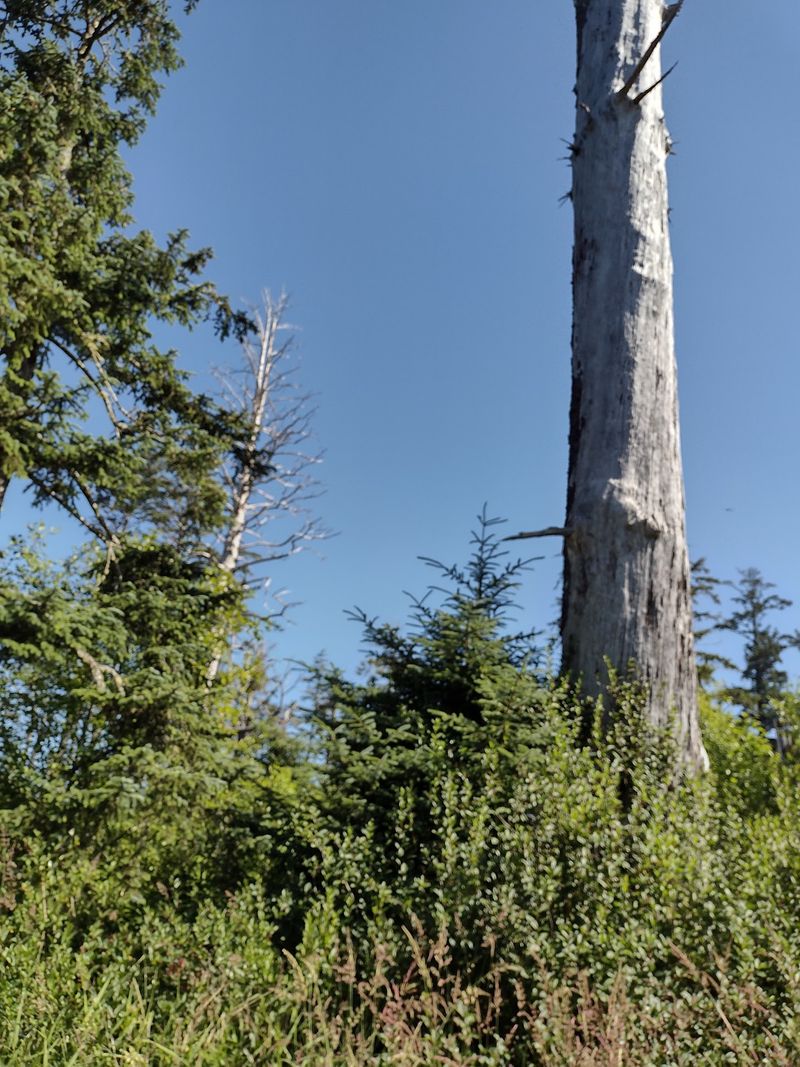
Bring binoculars. Bird watching is a favorite pastime here, and the wildlife seems happy to put on a show.
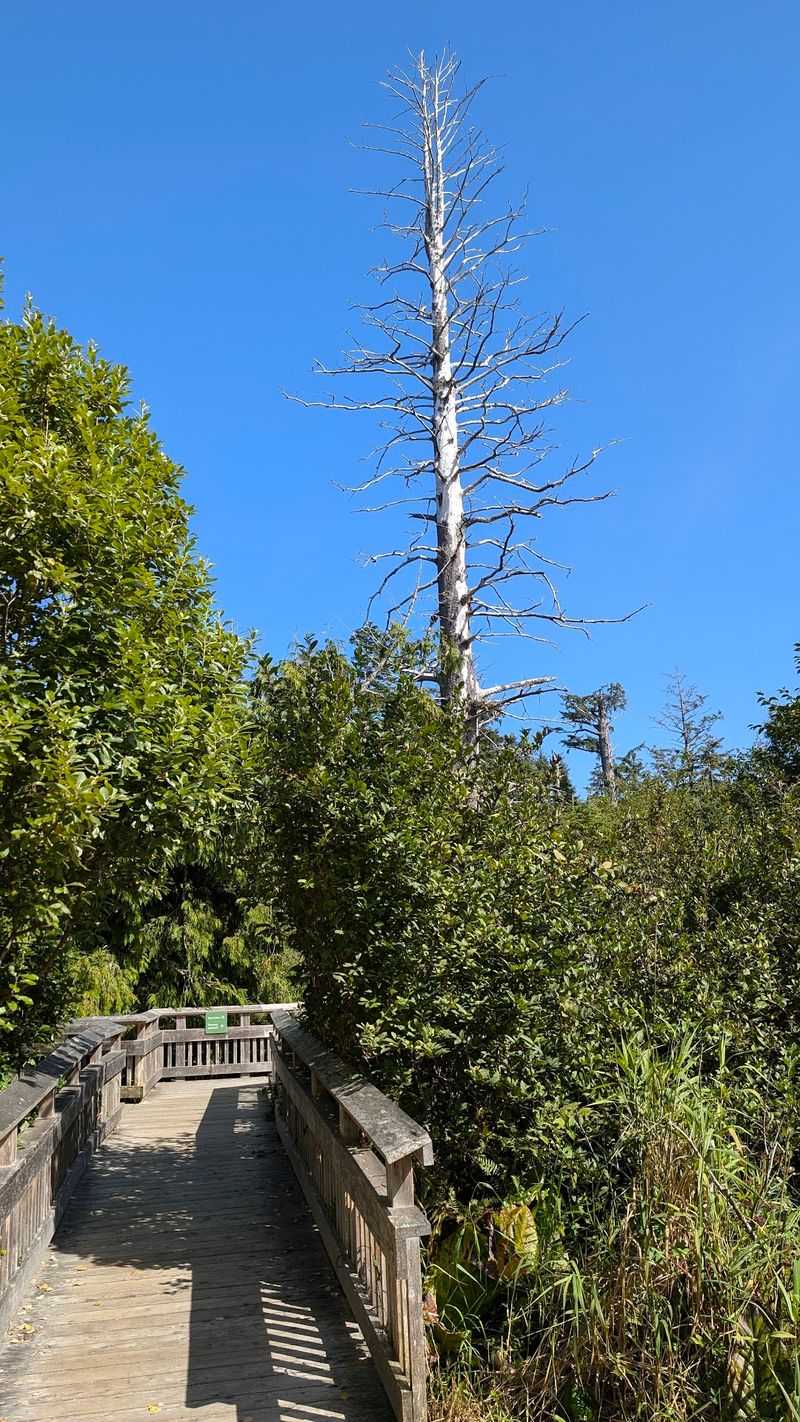
Visitors have spotted an osprey nest perched atop a tall snag near the boardwalk, sometimes with the massive bird sitting right on it. Others have watched a family of hawks nesting on a snag of their own.
Even when you cannot see them, you will likely hear birds calling from every direction.
Smaller creatures steal attention too. People mention salamanders, garter snakes sunning themselves on a log, and even a black tipped weasel darting through the brush.
One visitor found a black and white layered mushroom that sparkled like crystals. Walk slowly, keep your voice low, and scan the logs and pools.
The wetland rewards patience with surprises you would never find on a busy beach path.
Where Highway Noise Fades Out
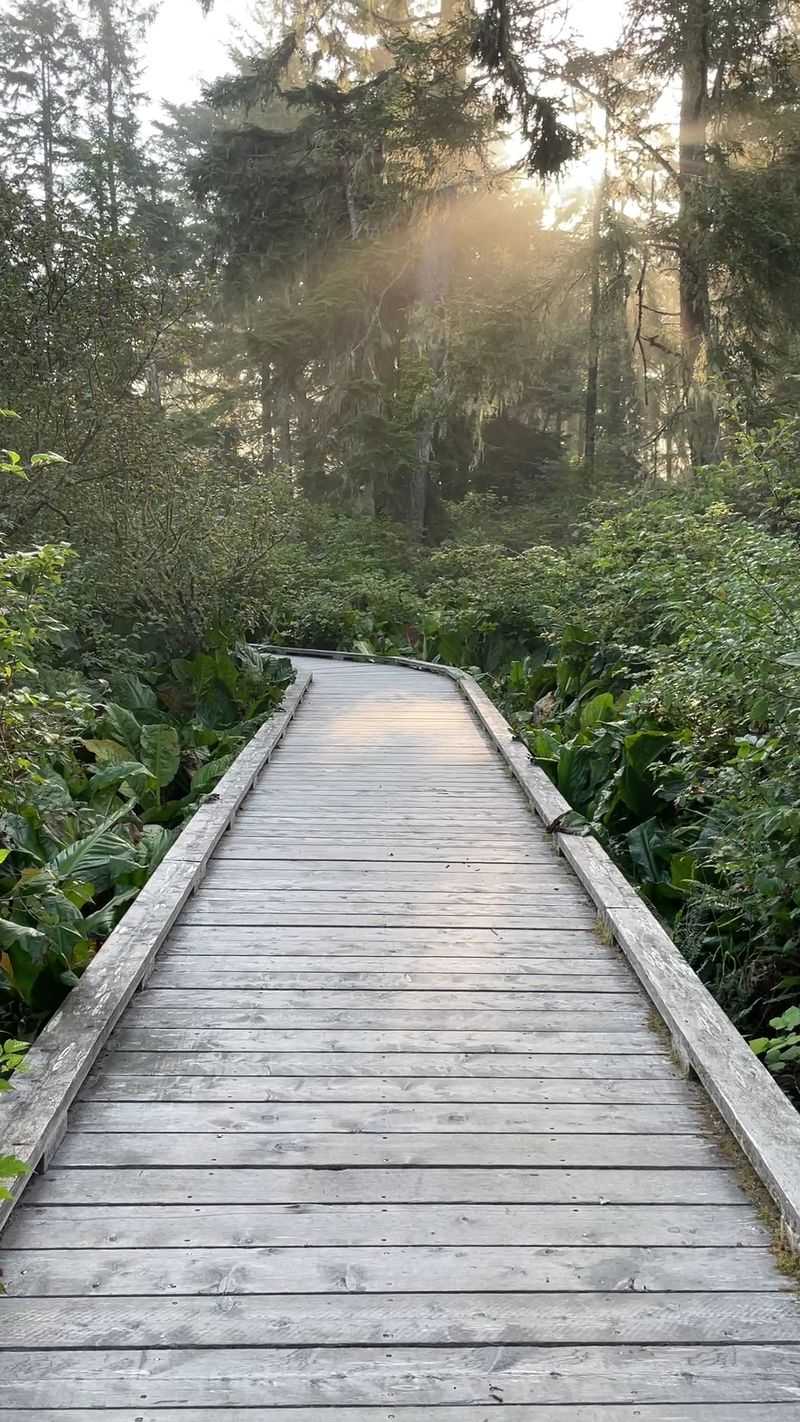
Just a few minutes in, something strange happens. The rumble of Highway 101 simply disappears.
Visitors describe the feeling as almost otherworldly. Moss hangs thick from the branches, birdsong fills the air, and filtered light drifts down through the canopy.
One person summed it up perfectly, noting the place sits a stone’s throw from the Pacific and the highway yet feels a million miles away.
That calm is a big part of the draw. There is nothing to buy, nothing flashy to distract you, only the slow rhythm of footsteps on wood and the smell of damp earth.
On a foggy coastal morning, the quiet grows even deeper. If your week has been loud and hurried, a short walk here can feel like hitting a reset button, and you will probably catch yourself breathing a little slower on the way back.
More Giants Along the Way
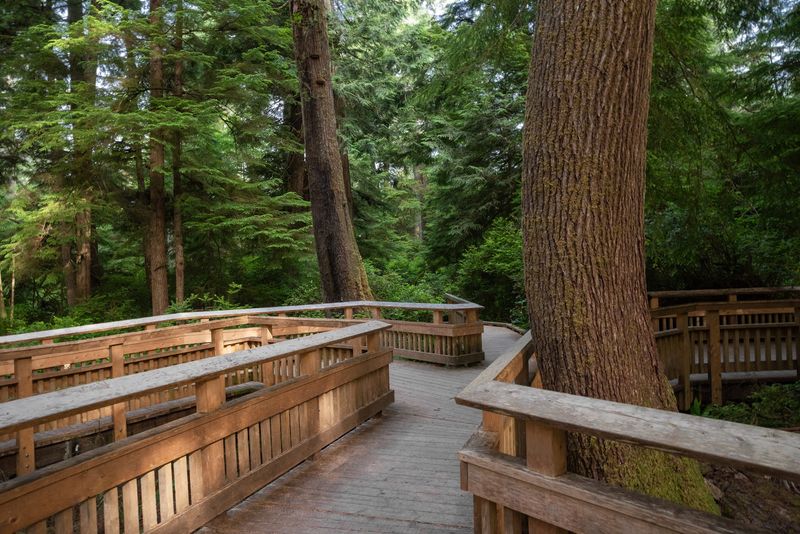
Here is a little secret: the Big Cedar is not the only giant in the neighborhood. The whole reserve is packed with large trees, and visitors often stop repeatedly before ever reaching the finale.
Old growth red cedars line the route, their thick trunks wrapped in moss and ferns. Some visitors also call out a big spruce near the end, adding to the collection of towering characters.
Fun fact for your walk: old growth forests like this one are rare along the Oregon coast, since so much of the region was logged long ago. Surviving pockets offer a glimpse of how the coastline once looked.
Take time to notice the smaller details too, from twisted roots to snags that now serve as homes for nesting birds. Each tree tells part of a story that stretches back centuries.
A Gentle Rise Near the Finish
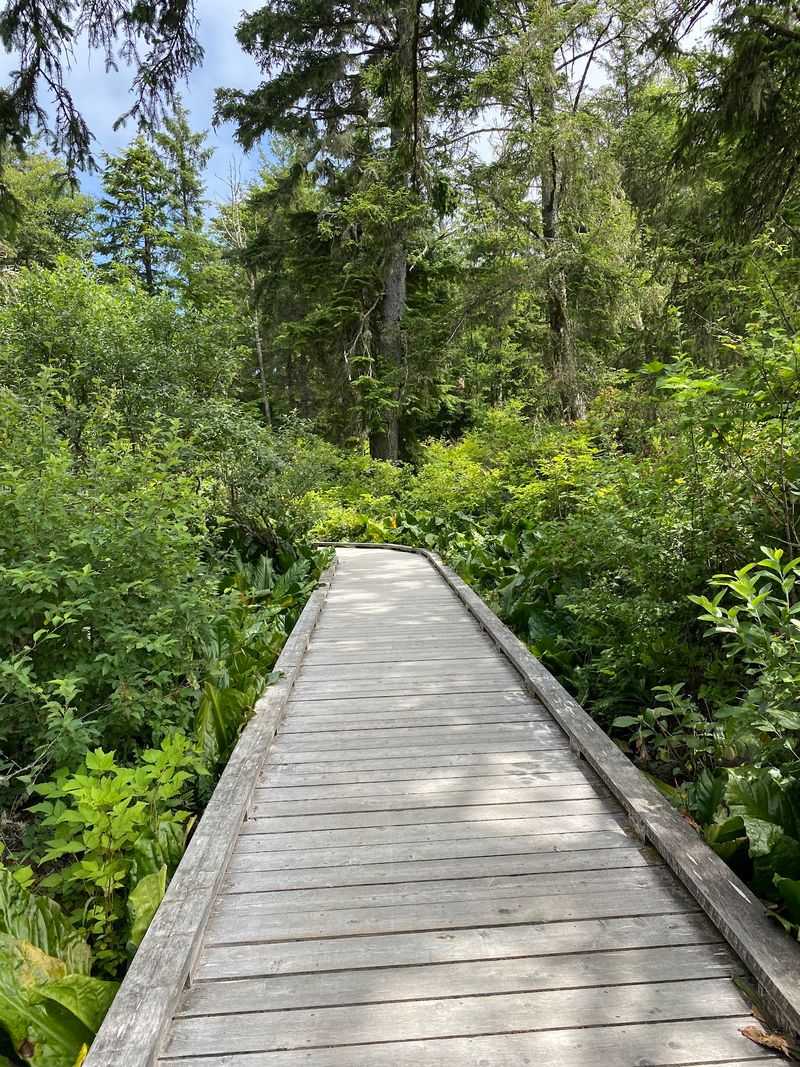
Most of the trail is flat and easygoing. Around the last quarter mile, though, the boardwalk tilts into a noticeable incline as you approach the Big Cedar.
It is not a steep climb by hiking standards. Still, visitors with mobility concerns should know about the grade, especially since there are no handrails along most of the route.
Some folks feel a few handholds would help on the ups and downs near the end.
The edges of the boardwalk also have slight drops in spots, so parents of little ones may want to keep hands held. None of this should scare anyone away.
Families, strollers, and older walkers make it to the tree regularly. Just take the final stretch at a relaxed pace, soak in the thickening forest, and let the anticipation build before the big reveal.
Rainy Day Footing Advice
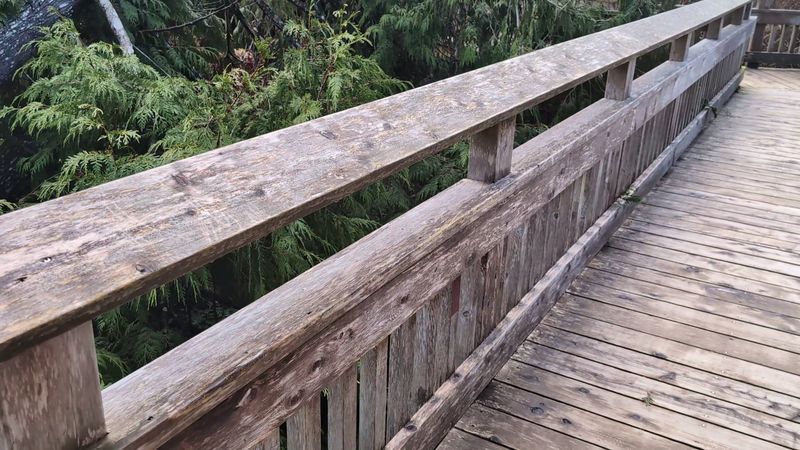
Oregonians know the coast loves its drizzle, and this boardwalk feels it. When the wood gets wet, especially in colder weather, the planks can turn surprisingly slick.
Visitors report slippery patches mostly near the end of the loop, where the trees grow thicker and the path rarely dries out. That also happens to be where the incline begins, so combining damp wood with a slope calls for extra care.
Some families saw kids slip on wetter days.
The easy fix? Wear hiking boots or shoes with solid, grippy tread.
Visiting on a dry day works well too. If you do come during storm season, slow down and enjoy the mist rather than rushing.
A little preparation keeps the adventure fun, and the forest honestly looks its moodiest and most magical right after a good soaking.
Benches for Lingering
Sometimes the best part of a walk is sitting down. Scattered along the boardwalk, you will find wooden seating areas where you can rest, watch for birds, or simply listen.
Visitors appreciate these spots, especially those walking with older relatives or small children. They turn a short stroll into a relaxed outing, and some groups spend about an hour puttering around instead of racing to the end.
That said, a few people wish there were more pullouts. On busy days, the path is not super wide, and passing other groups can feel a bit snug.
Pausing at a bench lets others go by and gives you a front row seat to the wetland. Pack a little patience, find your favorite resting perch, and let the forest come to you for a while.
A Trail Built for Nearly Everyone
One visitor’s daughter completed the walk with a broken ankle. Another family brought parents in their seventies, who had no trouble and loved every minute.
Stories like these explain why this trail earns so much affection. The raised platform stays level for most of the way, making it friendly for strollers and a strong pick for people with mobility challenges.
Visitors describe it as accessible for all ages and suitable for small children.
Dogs are welcome company too, according to happy pet owners. Teens might find it a bit short for their taste, though even they tend to perk up at salamanders and giant trees.
For multigenerational trips, few Oregon coast outings are this inclusive. Everyone can share the moment at the Big Cedar together, rather than leaving someone behind in the car.
Parking and Arrival Tips
Space is tight. The parking lot holds only about a dozen cars, so timing matters more than you might think.
When the lot fills up, visitors say you can park along the side of the road. Arriving early in the morning or later in the afternoon usually means fewer people on the boardwalk as well.
During peak summer weekends, the trail can feel crowded, so off-season visits reward you with quieter strolls.
Finding it is simple. Head to Highway 101 near East Washington Street in Rockaway Beach, and look for the trailhead tucked beside the road.
Because it sits right on the main coastal route, it makes an easy detour between beach time and lunch in town. Keep your eyes peeled, since many longtime Rockaway visitors drove past it for years without noticing.
Hours and Best Seasons
Early birds and evening wanderers both get their chance. The trailhead is open every day of the week from 7 AM to 10 PM, giving you plenty of flexibility.
The available information does not list any entry fee, so plan on simply parking and walking. With a round trip of roughly a mile, most visits take well under an hour, though lingering is encouraged.
Each season has its charm. Spring brings skunk cabbage glowing along the creeks, summer offers berries and blooms, and fall wraps the forest in cozy mist.
Winter storm season means damp planks, so good shoes are a must, but crowds are thinnest then. Many locals would argue a foggy weekday morning is when the Big Cedar feels most ancient, with the only sounds coming from birds and dripping moss.
Worth the Short Detour
Nobody is claiming this replaces a day of big mountain hiking. Some visitors say it is not a must see, just a lovely stop if you have a few minutes to spare.
Yet most people walk away charmed. The combination of an easy boardwalk, peaceful wetland, surprising wildlife, and a cedar that may have sprouted a thousand years ago adds up to something memorable.
Many call it a hidden gem of Rockaway, and plenty say it became a new favorite stop after years of visiting the town.
So next time you are cruising Highway 101 along the north coast, pull over. Lace up grippy shoes, bring binoculars, and take your time.
Standing beside that ancient giant, you might just feel like one of the lucky few who knows where Oregon keeps its quietest treasures.
Share this story