You round a corner on the Oregon coast and a green steel giant stretches across the water, almost like it wandered in from somewhere else. You expected a quick photo stop, maybe a snack, and then back on the road.
Instead, you end up lingering, curious about how something this long ended up here and why it costs nothing to cross. Stick around, fellow Oregonian, because this landmark has stories hiding in its steel.
A Green Steel Giant at the Edge of Oregon
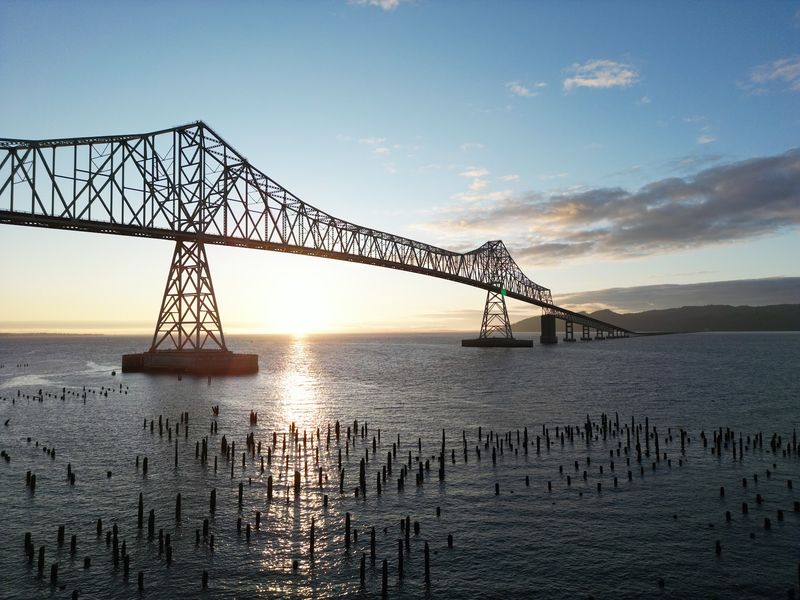
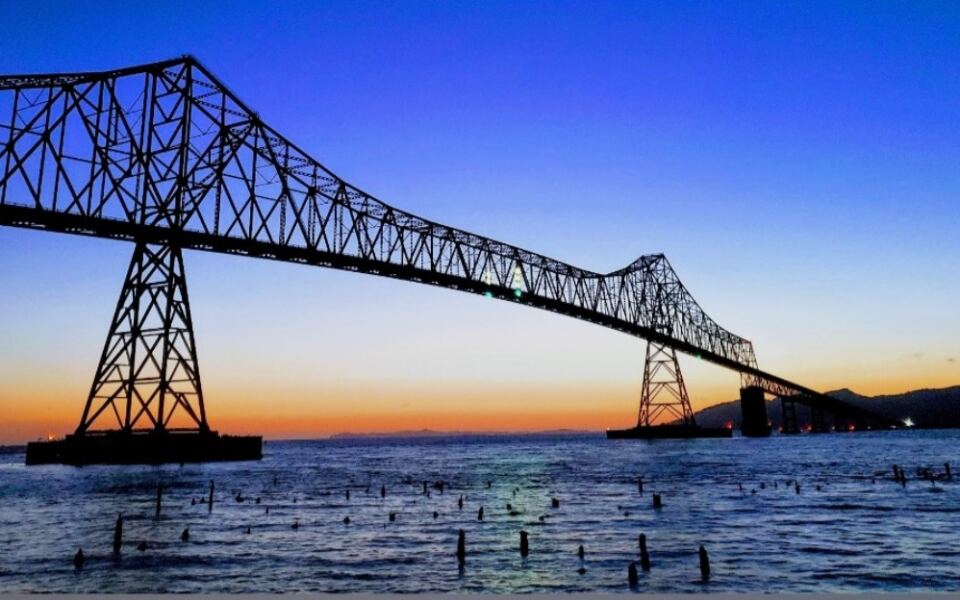
Picture a green steel ribbon stretching across the mouth of the Columbia River. That is the Astoria-Megler Bridge, carrying US-101 from Astoria, Oregon over to Megler, Washington.
Visitors describe it as the longest continuous truss bridge in North America, and it runs a little over four miles. The Maps listing calls it an iconic truss bridge connecting two states, and that sums up the first impression nicely.
Here is the best part for road-trippers. Crossing it is free, which one traveler from Ohio happily pointed out when comparing it to another famous bridge.
It is open around the clock, every day of the week. So whether you arrive at sunrise or long after dinner, the bridge is simply there, waiting for you to roll onto it.
Four Miles of Truss Across the Columbia
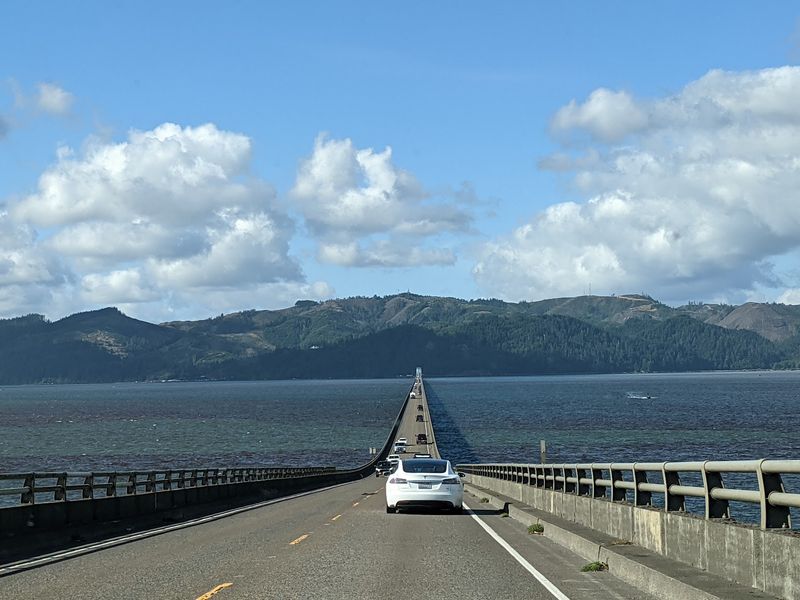
Four miles sounds like a number until you are in the middle of it. Reviewers keep coming back to the sheer length, with the long bridge itself being the most mentioned topic.
One visitor noted the deck runs about 6.4 kilometers, and another said it was hard to believe it was really four miles long. The structure is a steel cantilever truss, and that is what gives it such a distinctive look.
Drivers also mention how the river feels enormous from up there. A couple who live along the Mississippi said the width of the Columbia still caught them off guard.
If you like big engineering without a big price tag, this is your kind of Oregon stop.
The Roller Coaster Rise on the Oregon Side
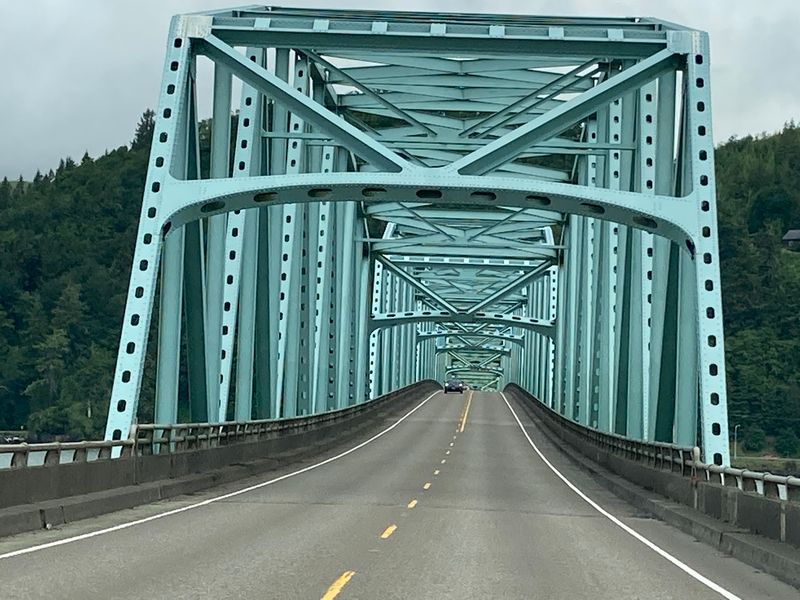
Buckle up, because the road climbs. Visitors say the steep climb on the Oregon side makes the drive exciting, and one compared the descent to gliding over the water.
Why the hump? Travelers explain that the bridge starts fairly flat from Washington and then arches to give ships room to enter the Columbia.
The low sections sit over shallow water, where ships could not pass anyway.
One reviewer said that from the middle, the far Oregon side looked like a Hot Wheels track about to launch into the sky. Another called the drive over surreal, almost like a roller coaster.
A few folks admit it feels a little scary. Others say that is half the fun.
Views That Make Every Photo Stop Worth It
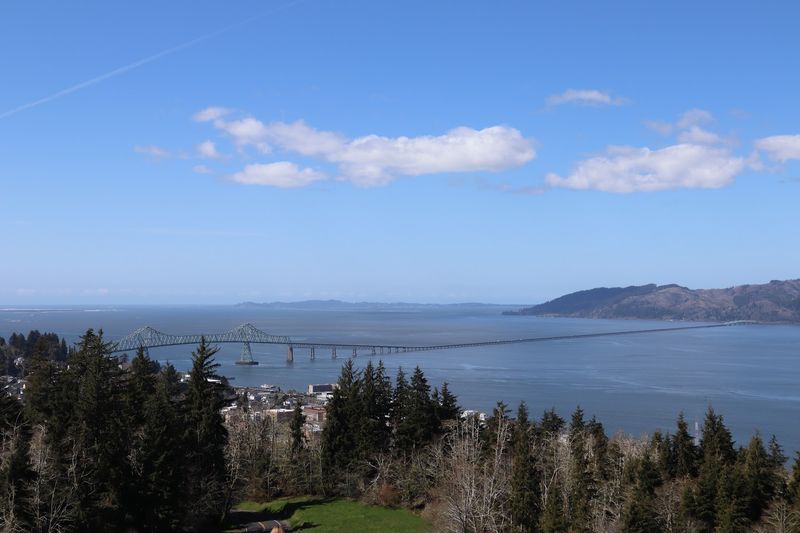
Views came up in 44 mentions, and it is easy to see why. From the bridge you take in the river, the town of Astoria, and the Washington shoreline all at once.
Travelers say postcard shots are available almost everywhere. The green steel stands out against the blue water below, which photographers seem to love.
A traveler heading to Cape Disappointment enjoyed the mid-morning river view and then again on the trip back. Another said the water, the bay, and the surrounding area felt like one of the most iconic spots anywhere.
One small tip from a visitor: nearby parking and viewpoint areas could use better upkeep. Plan your stops with that in mind and bring patience along with your camera.
Fog, Rain, and Moody Skies
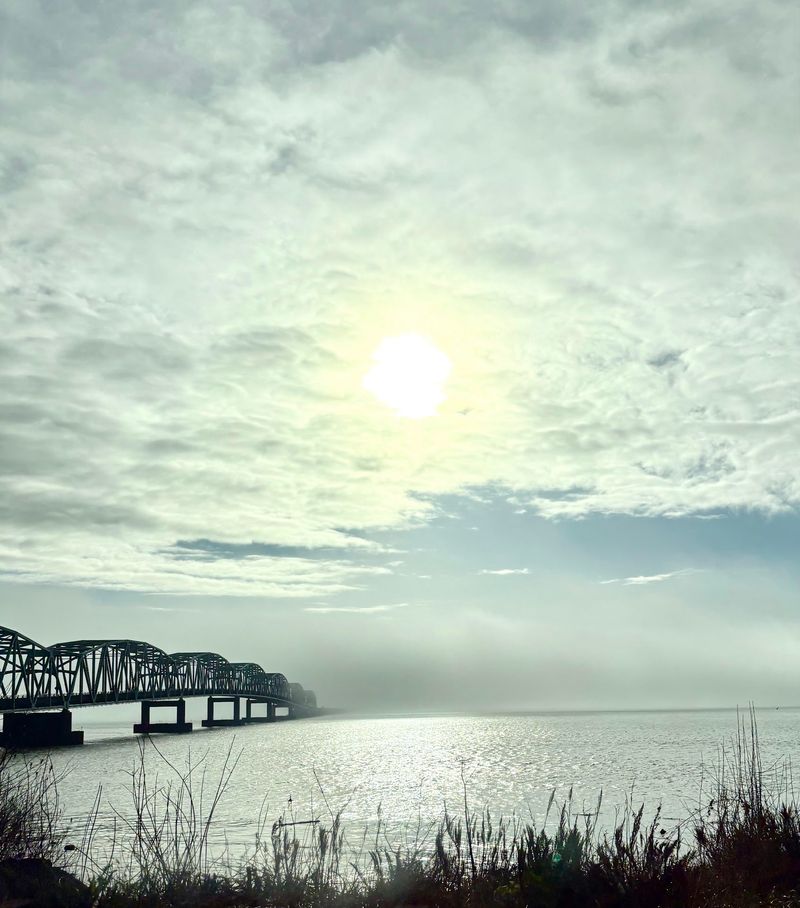
Gray days get a bad rap, but this bridge wears them well. Fog came up in six mentions, and several visitors say the weather made their visit more memorable.
One traveler stopped in pouring rain by accident and called it one of the best moments along the Oregon coast. The bridge stretched toward Washington and faded into the storm.
Another described the drive through heavy fog as eerie but very cool. They could not see the bridge from the Astoria side as the day went on, yet still found it amazing.
For Oregonians, this is good news. Off-peak, overcast, and drizzly days can deliver the most atmosphere, and the crowds tend to thin out too.
Cargo Ships Gliding Underneath
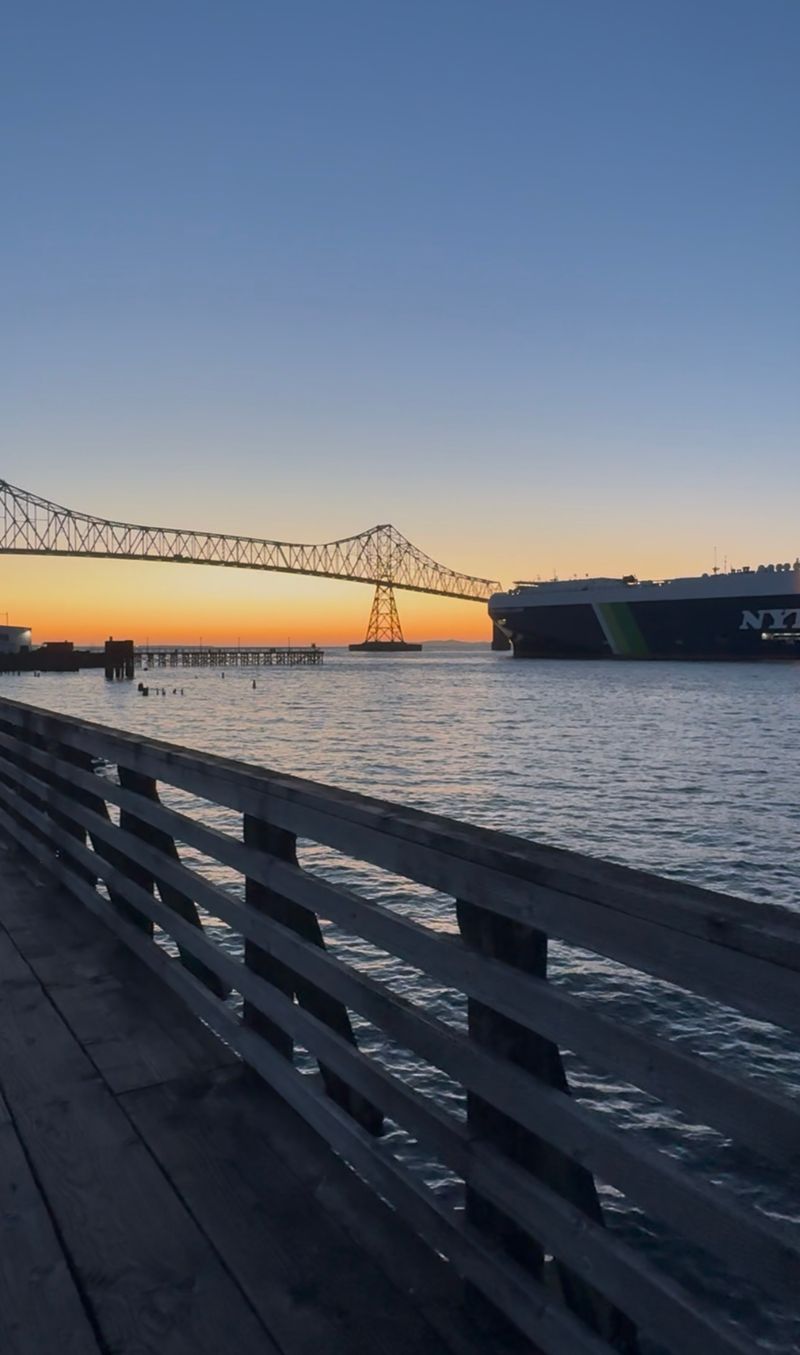
Ever seen a ship that makes a bridge look small? Park along the Astoria waterfront and you might.
Visitors watch massive cargo ships and fishing vessels move along the river, with the bridge making a dramatic backdrop. One reviewer said the ships looked dwarfed by the span as they steamed off to their destinations.
Another described a Japanese-flagged vehicle carrier gliding under the steel with its hull nearly brushing the trusses, though that is one traveler’s view of the scene.
The high center of the bridge exists for exactly this reason. It gives big vessels room to enter the Columbia, so the show you see from shore is the whole point of the design.
Salmon Runs, Cormorants, and River Wildlife
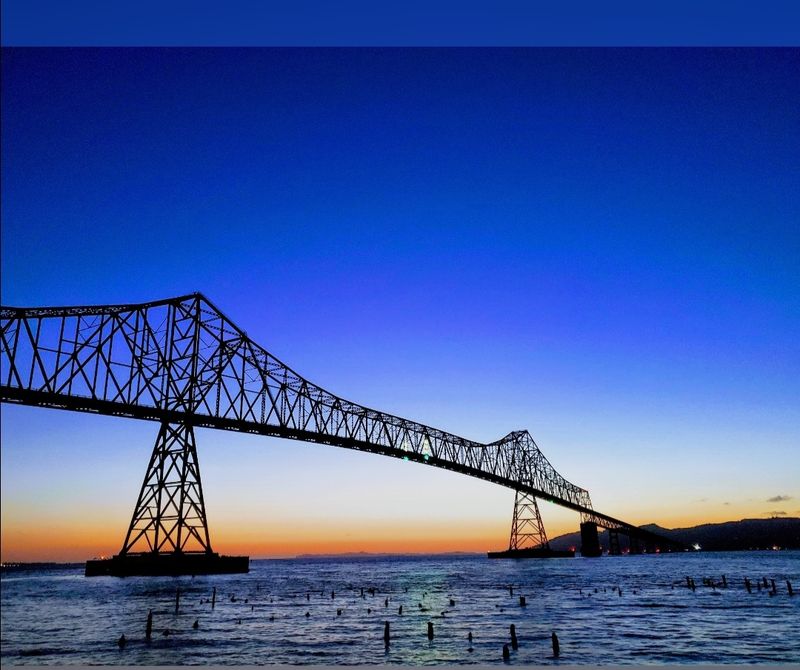
The river beneath the steel is busy with life. One reviewer wrote that each fall, Chinook and Coho salmon surge upstream, with anglers lining the banks and boats dotting the channel.
Seabirds claim the bridge too. According to that same visitor, thousands of double-crested cormorants make it a seasonal home, nesting in the steel beams.
A few drivers also mention noticing birds on the road deck, so keep your eyes on the lane and enjoy the wildlife from a safe distance.
Fall is a smart time to visit if you like watching nature at work. Crisp air, active water, and fewer summer crowds make the riverfront feel like a local secret.
The One Day You Can Cross on Foot
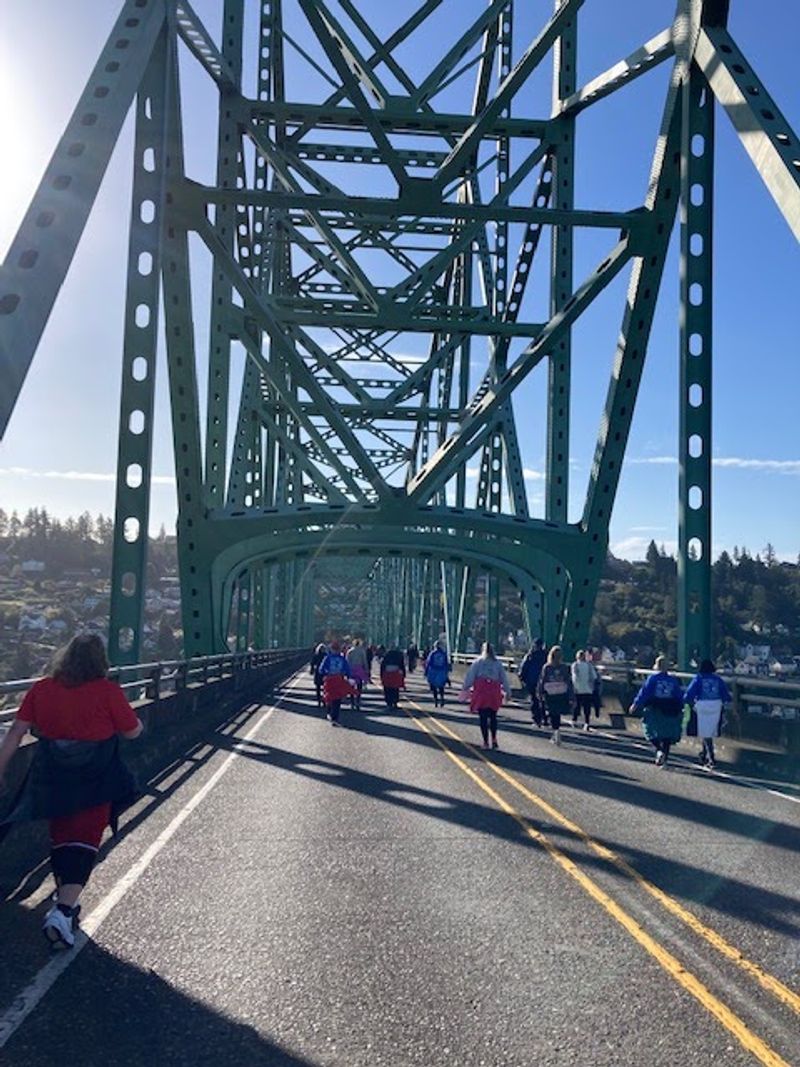
Most days, the bridge belongs to cars and bikes with engines. Once a year, though, things change.
The Maps listing says it opens to pedestrians during a one-day event in the fall. A reviewer named it the Great Columbia Crossing, a six-mile run or walk that lets participants cross on foot.
Imagine feeling the steel hum beneath your sneakers while ships pass far below. That is a very different experience from the windshield view.
The data does not give dates or registration details, so check the bridge website at astoriameglerbridge.website before planning around it. If you like a challenge with a view, mark the fall season on your calendar.
Best Spots to See the Bridge from Astoria
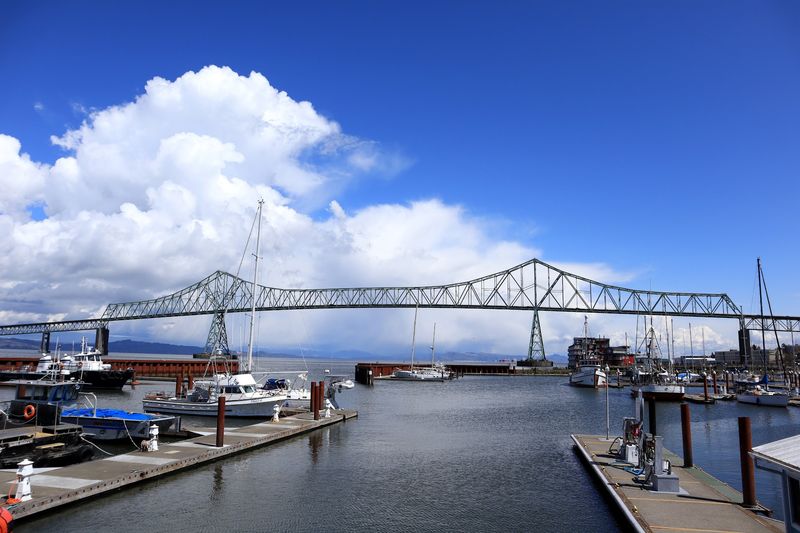
Sometimes the best way to see the bridge is to not drive it. Visitors recommend the Astoria Column, where nearly the whole expanse of the bridge comes into view.
The Columbia River Maritime Museum gets a mention as well, offering both a view and some context on the river’s history. Another traveler said the riverfront trolley made the town feel even more fun.
One visitor also suggested great views near the Bridgewater Bistro, which makes a handy waypoint on a rainy day.
Walking the waterfront costs nothing, and it lets you watch ships and steel together. Pair it with the drive across and you get the bridge from two angles in a single trip.
Driving Across: Traffic, Tips, and Washington Side Stops
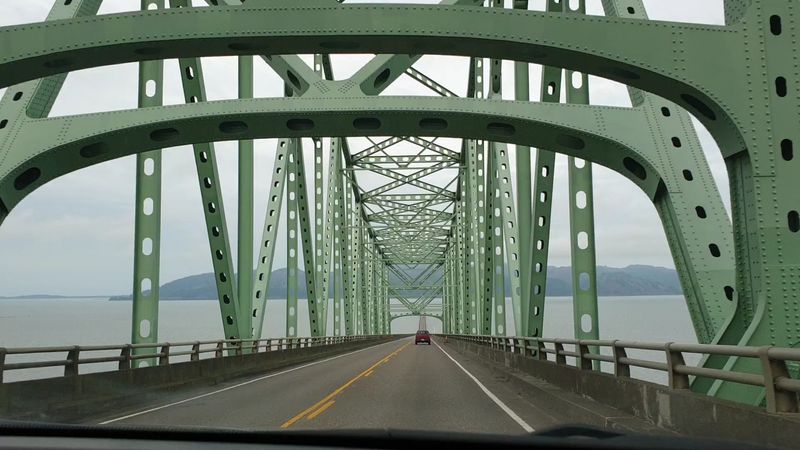
Ready to roll? The bridge is open 24 hours a day on US-101, and crossing is free.
Visitors describe it as a smooth, easy drive, though a few warn of heavy traffic. One motorcyclist said the high section is the real highlight, while the lower stretches do not hit quite the same.
On the Washington side, one traveler praised the views back toward Astoria. Long Beach is about 13 miles north on Highway 101, and the reviewer advises taking WA 103 at the junction or you will end up in South Bend.
Going off-peak, such as a weekday morning, may help you dodge the slowdown. Keep both hands on the wheel, because the climb can surprise you.
A Soft Verdict for a Free Oregon Classic
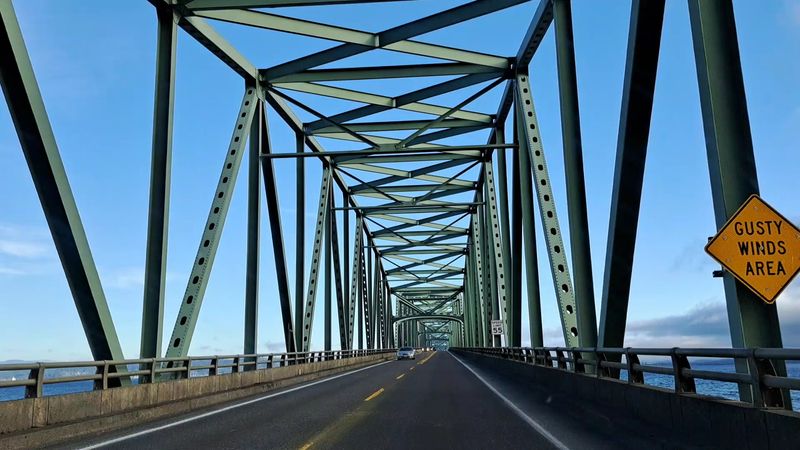
So, is it worth the detour? Visitors seem to say yes, with a 4.8 star feeling that runs through the stories even when the weather turns gloomy.
You get length, height, ships, wildlife, and big river views without paying a toll. For Oregonians who like discovering places that feel larger than their reputation, that is a rare combination.
Keep expectations realistic. Traffic can slow things down, nearby viewpoints may need a little patience, and the fog may hide the view entirely.
Still, one reviewer wished they had seen it on a clear day yet found it amazing even hugged by fog. Take the crossing, linger at the waterfront, and let the old green giant surprise you.
Share this story