Every so often in Oregon, you stumble onto a place that quietly rearranges how you see the world. Tucked into the rolling hills of the eastern part of the state, this cultural center holds a story most travelers zoom right past on the highway.
Come with curiosity and maybe an appetite, because what waits inside is both moving and unforgettable. Consider this your invitation to slow down and really pay attention.
Where the High Desert Meets a Deeper History
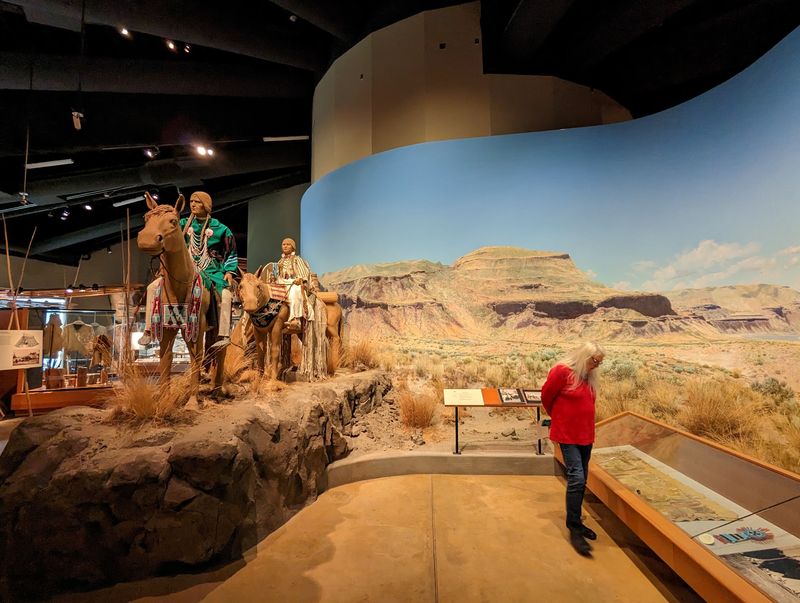
Just east of Pendleton, off Highway 84 and tucked behind the Wildhorse resort grounds, sits a place many Oregonians drive right past. That is a shame, because the Tamastslikt Cultural Institute is one of the most meaningful stops in the whole eastern stretch of the state.
The setting alone tells part of the story. Golden hills roll out in every direction, the same land the Cayuse, Umatilla, and Walla Walla peoples have called home for countless generations.
Run by the Confederated Tribes of the Umatilla Reservation, this museum is not a dusty collection of artifacts behind glass. It is a living account told by the very people whose story it is, which makes every visit feel personal, honest, and quietly powerful.
A Story Told From the Inside Out
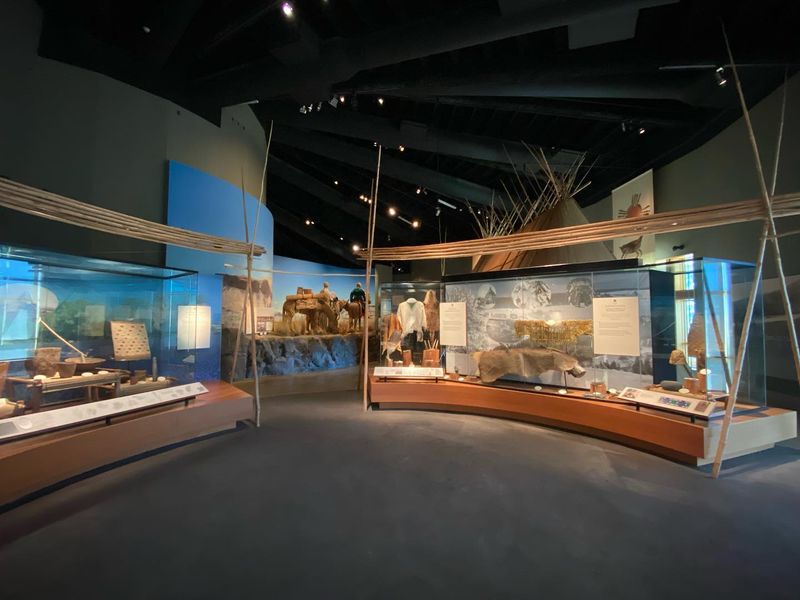
What sets this place apart is who does the telling. Rather than filtering everything through a settler lens, the exhibits let the Cayuse, Umatilla, and Walla Walla tribes speak for themselves, in their own voices and on their own terms.
Visitors often mention leaving with a completely different understanding of history than the one they learned in school. Many describe the experience as eye-opening, and some say they were genuinely moved by what they saw.
The narrative follows a clear timeline. You move from ancient times, through the arrival of newcomers, and right up to the thriving present-day community.
Because the storyline stays consistent from start to finish, nothing feels scattered or confusing. It reads less like a lecture and more like being welcomed into someone’s family history.
Walking Through the Longhouse and the Seasons
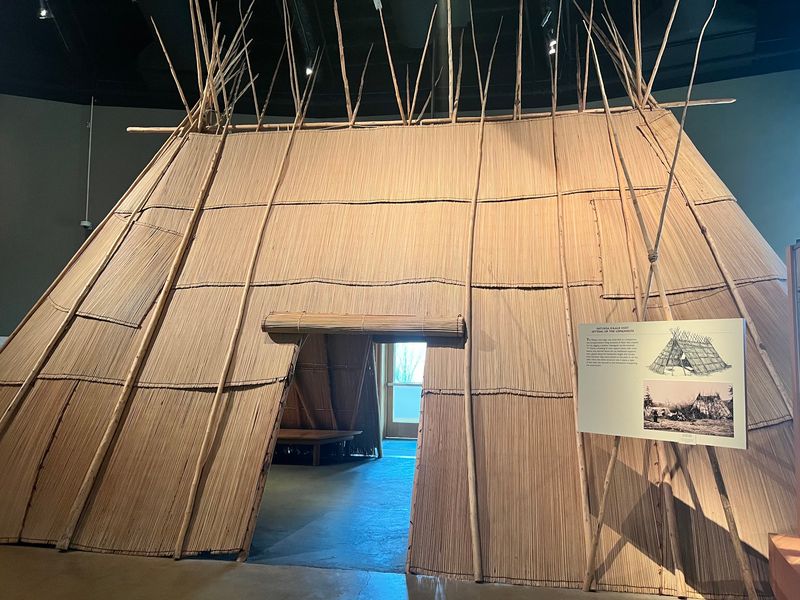
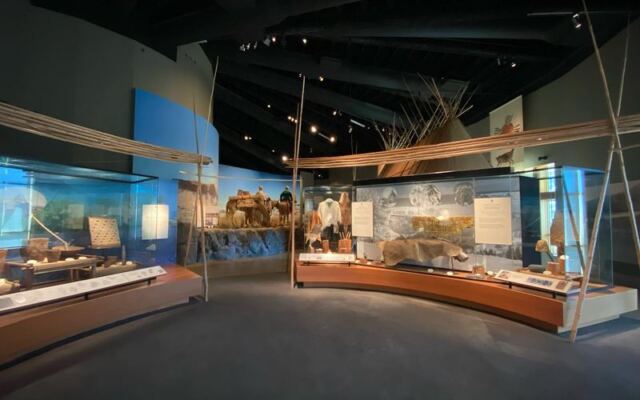
Step inside and one of the first things to greet you is a recreated traditional longhouse, the heart of daily life for these tribes. It is designed so you feel like you have walked into another time rather than simply reading about it.
From there, the displays guide you through the seasonal cycle of gathering food, a rhythm that shaped everything about tribal life. Salmon runs, root digging, berry harvests, each season had its purpose and its place.
Guests frequently point out how beautifully constructed these exhibits are. The design invites you to linger, to touch, and to imagine.
By the time you reach the part about the arrival of the horse, you begin to grasp just how deeply connected these communities were to the land around them.
Videos and Personal Stories That Stay With You
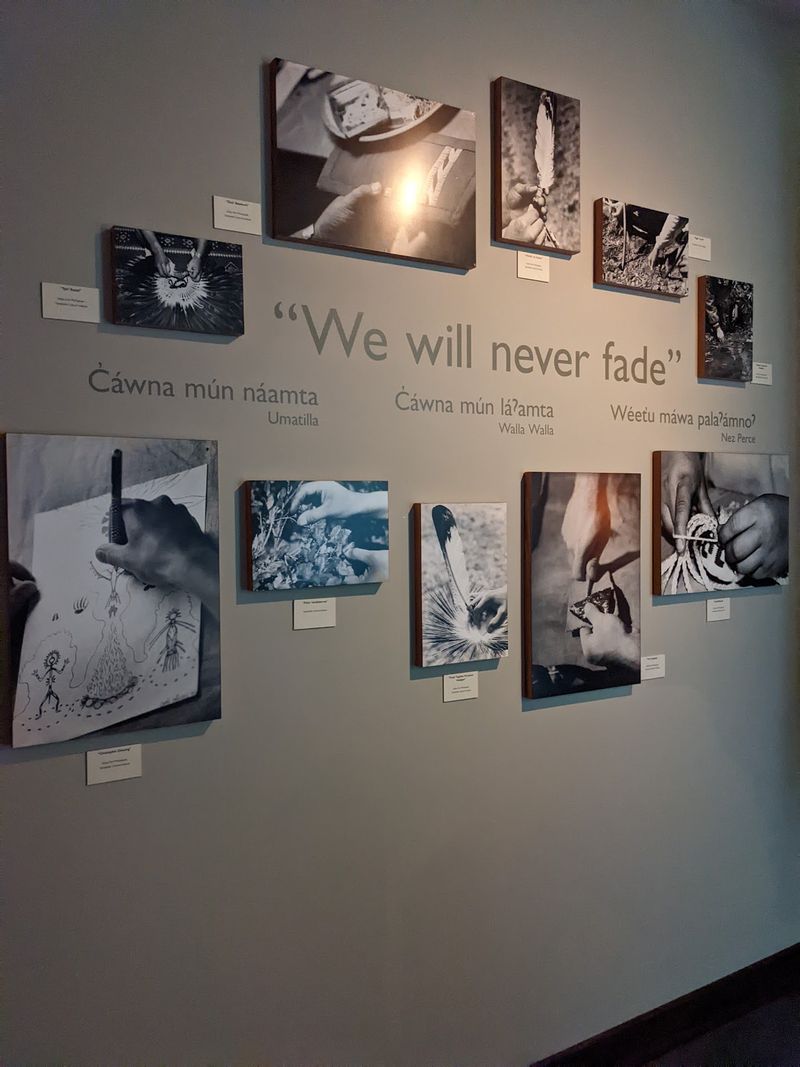
Screens tucked throughout the galleries carry some of the most affecting moments of the whole visit. Short films and recorded personal stories let real people share memories, struggles, and hopes in their own words.
Plenty of guests say they spent a good chunk of time simply sitting and listening to these accounts. One visitor mentioned watching all the different videos and wishing, deeply, that the land could have been shared rather than taken.
That emotional pull is exactly why so many people describe the museum as immersive. You are not just observing history from a safe distance.
Instead, you are hearing it from those who carry it forward. The honesty can be heavy at times, yet it leaves you with a fuller, truer picture of the region you thought you already knew.
Beadwork, Jewelry, and Artistry on Display
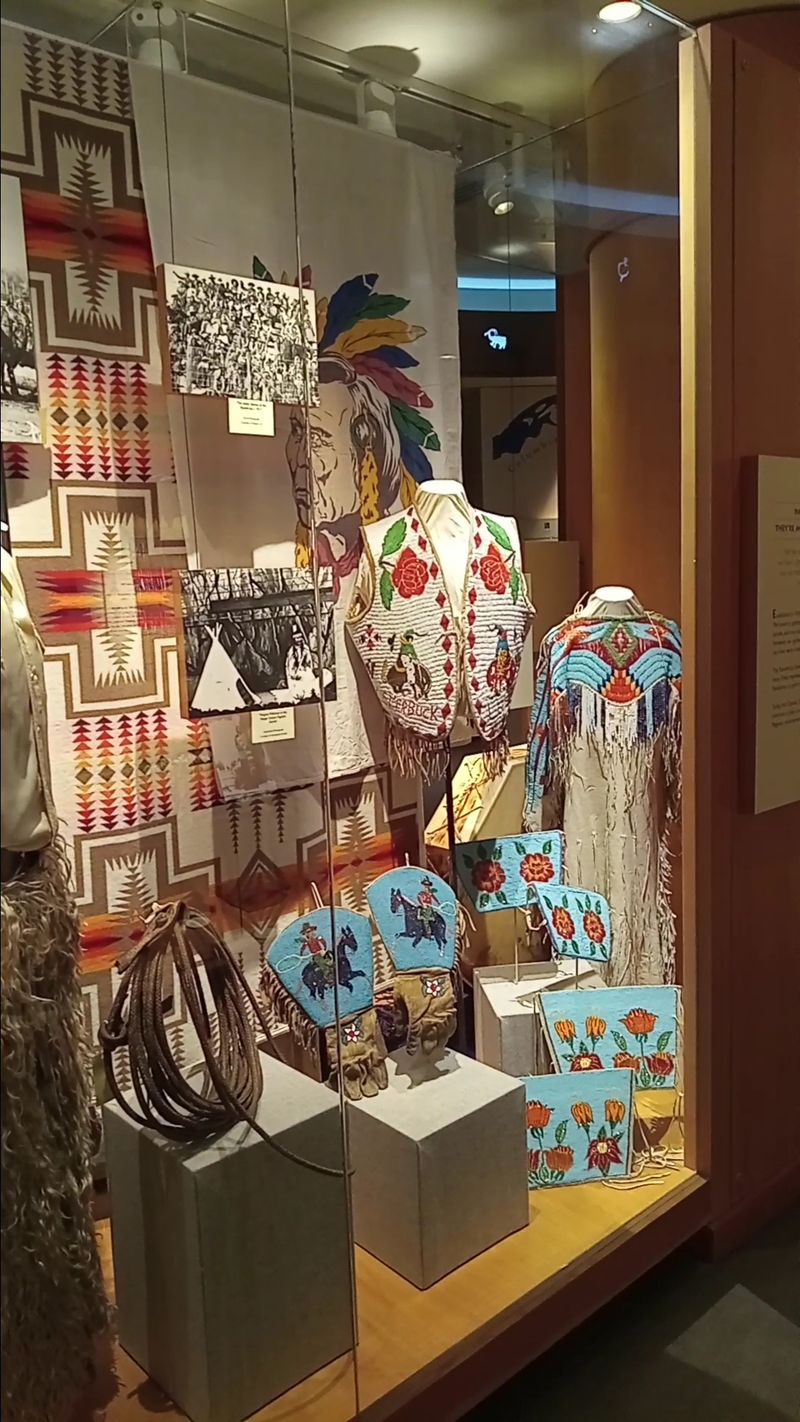
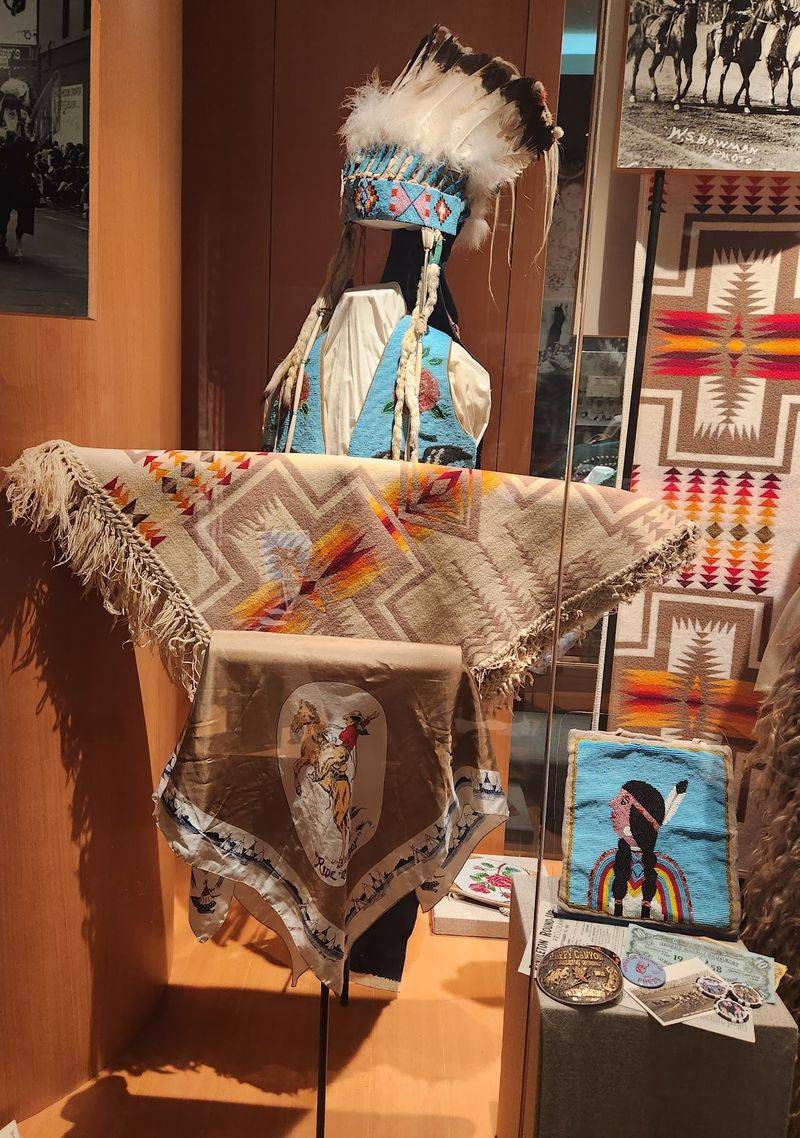
Craftsmanship shines in every corner here, and the beadwork is a genuine showstopper. Intricate patterns, bold colors, and remarkable patience come together in pieces that reward a close, careful look.
Regulars often highlight the artistry of the beadwork and the jewelry created by local artisans. These are not mass-produced trinkets, but expressions of a living culture passed hand to hand across generations.
Seeing the work up close changes how you think about it. What might read as decoration in a photo reveals itself, in person, as storytelling stitched into fabric and strung onto thread.
For anyone who appreciates handmade craft, this part of the museum is a quiet highlight. It connects the ancient techniques you learn about in the exhibits to the skilled hands still practicing them today.
The Present Chapter, Not Just the Past
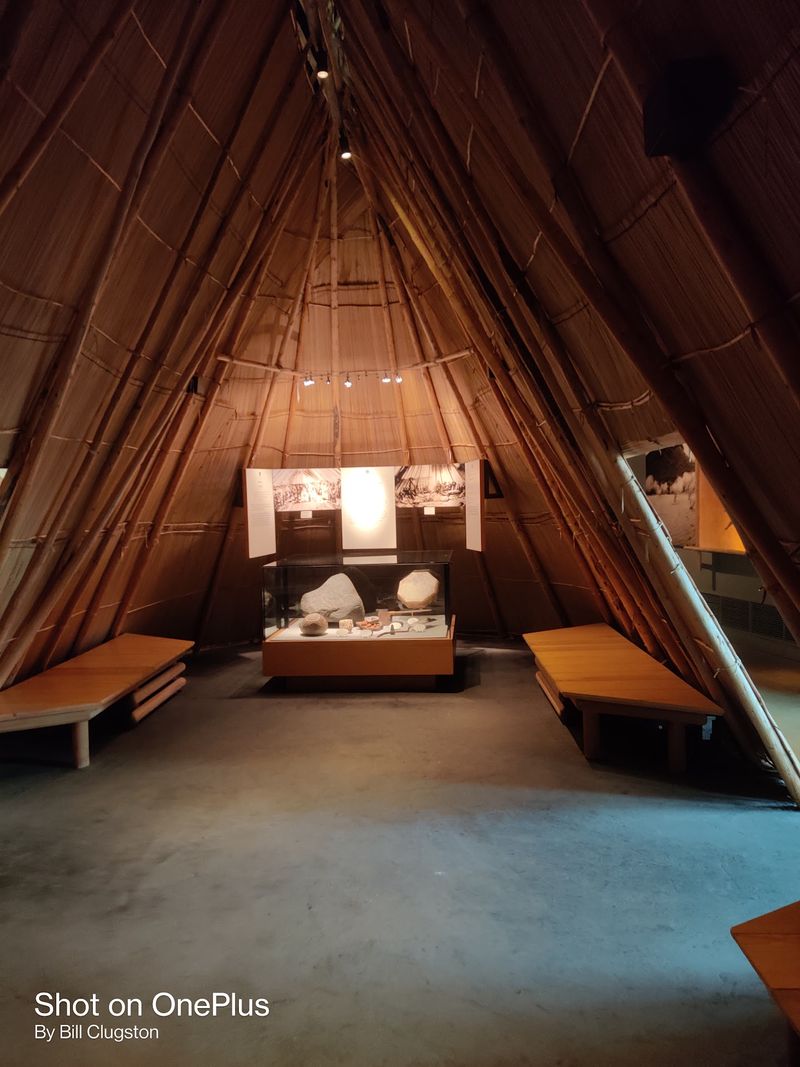
One thing that surprises first-time visitors is how much attention the museum gives to today. Rather than freezing the tribes in history, the exhibits carry the story right up to the modern day.
You learn about the treaties that took ancestral lands and the boarding schools that pressured families to give up their language and traditions. That part is sobering, and the museum does not soften it.
But the story does not end there. Displays also show how the Confederated Tribes have built new ventures and worked hard to protect and revive their culture for coming generations.
Guests repeatedly note how important it feels to learn about both the history and the present. It reminds you that this is not a vanished world, but a resilient community writing its next chapters right now.
The Gift Shop Everyone Talks About
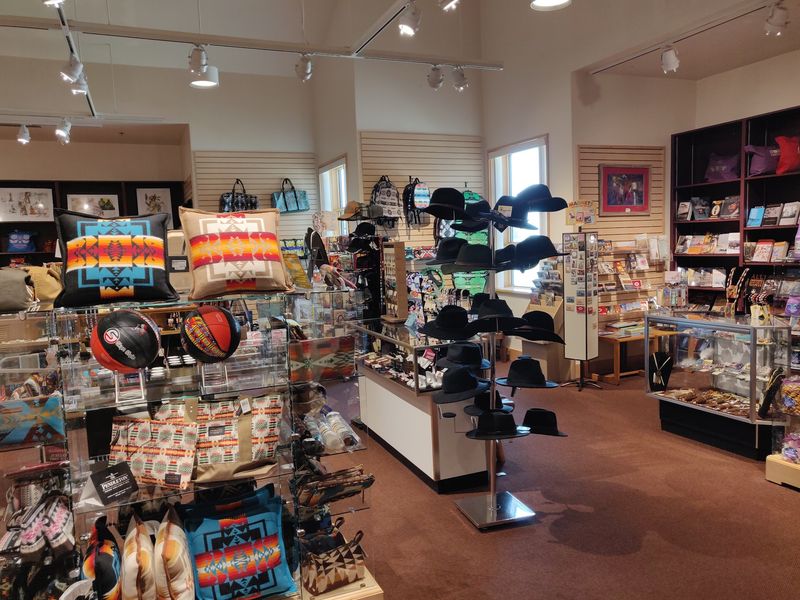
Before you leave, save time for the gift shop, because it earns more mentions than almost anything else. Far from an afterthought, it is packed with thoughtful, culturally connected goods.
Shelves hold a wide range of books about the tribes, perfect if the exhibits leave you hungry to learn more. Alongside them you will find handmade crafts, jewelry, and even stuffed animals that keep younger visitors happy.
Shoppers appreciate that so many items tie directly back to the story they just walked through. Buying something here means supporting the community and carrying a piece of the experience home.
It is the kind of shop where you go in for a postcard and come out with a stack of books and a gift or two. Give yourself a few extra minutes to browse properly.
Fry Bread, Chowder, and a Famous Cinnamon Roll
Hungry after all that walking? The on-site cafe rewards good timing with food that guests genuinely rave about.
Fry bread comes up again and again, warm and satisfying in the best way.
Beyond that, visitors have happily spooned up salmon and corn chowder, a dish that feels rooted right in this landscape. And more than one person insists the cinnamon roll alone is worth the stop.
Prices get praised as a solid value, which makes lingering over lunch easy on the wallet. Pairing a meal with your museum ticket turns a quick visit into a relaxed afternoon.
One heads-up worth remembering: the cafe keeps short hours and typically closes around 2 pm. Plan your day so you arrive with plenty of time to grab a bite before the kitchen wraps up.
Hours, Prices, and Getting There
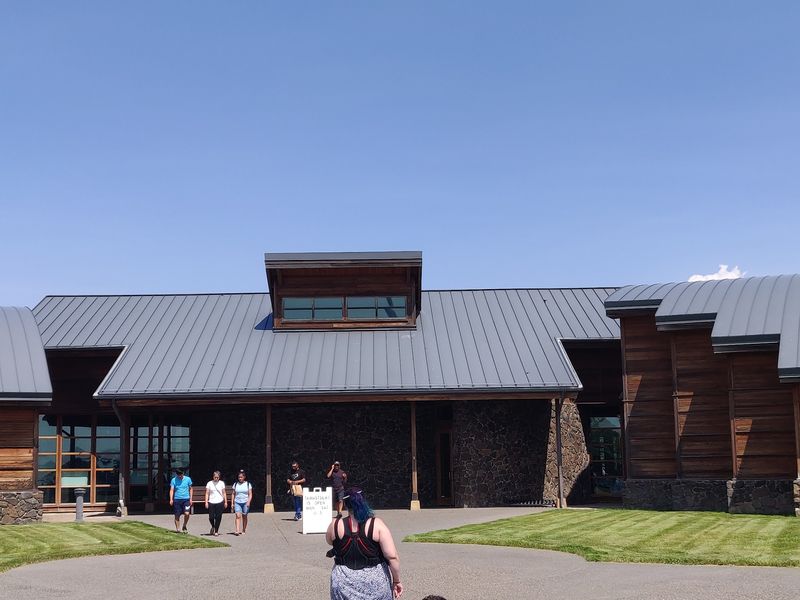
Planning ahead makes all the difference here. The museum welcomes visitors Tuesday through Saturday from 10 am to 5 pm, and stays closed on Sunday and Monday, so mid-week trips work best.
There is an entry fee, but discounts are available for seniors and AAA members. A neat tip from repeat guests: pick up a passport on the Pendleton Wool tour and you can score a two-for-one deal.
Getting there is simple. You will find it just off Highway 84 near Pendleton, with plenty of free paved parking, some of it shaded by solar panels and reserved spaces set aside for elders.
Give yourself at least a couple of hours, and arrive by early afternoon if you want time to be thorough. Questions before you go?
Call ahead at 541-429-7700.
Why This Stop Belongs on Your Oregon List
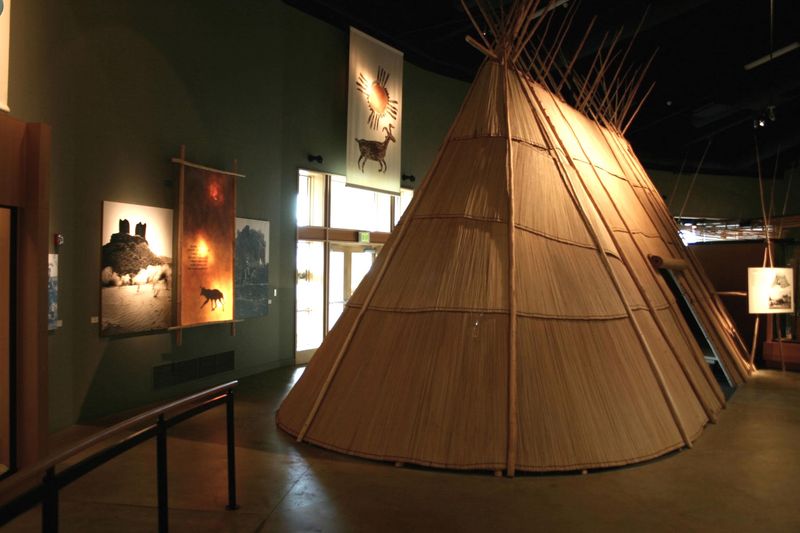
Some places entertain you, and some places change you a little. This one leans firmly toward the second kind, which is exactly why so many guests say everyone should visit at least once.
Families find it welcoming for all ages, with friendly, knowledgeable staff who make the history come alive. There is even a nice outdoor trail to stretch your legs when you are ready for fresh air.
Whether you live nearby or are just passing through eastern Oregon, this is the kind of quiet gem worth going out of your way for. It rewards the curious traveler who skips the obvious tourist stops.
Come with an open mind and a bit of time. You will leave with a richer, more honest understanding of the land you call home, and probably a cinnamon roll in hand.
Share this story