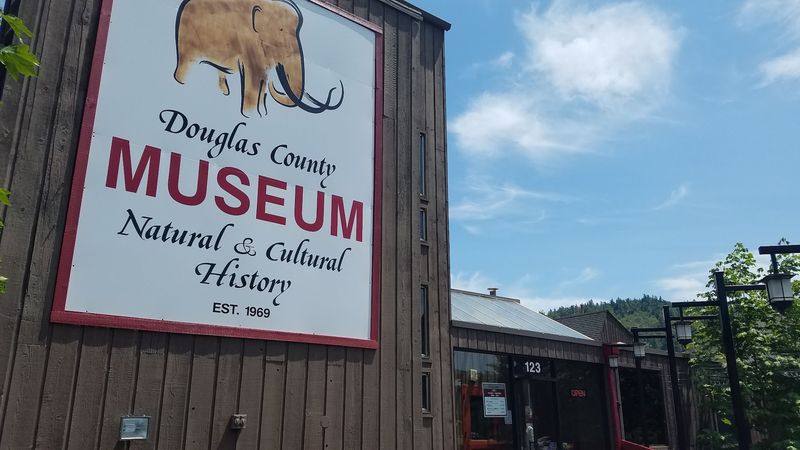
Tucked away in Roseburg, Oregon, the Douglas County Museum offers visitors a chance to explore over 10,000 years of regional history. From prehistoric animals that roamed the land to the pioneers who settled the area, this museum brings the past to life through interactive exhibits and authentic artifacts.
With everything from taxidermy displays to a vintage train depot, it’s a place where learning feels like an adventure for visitors of all ages.
Ancient Animals Come to Life Through Taxidermy
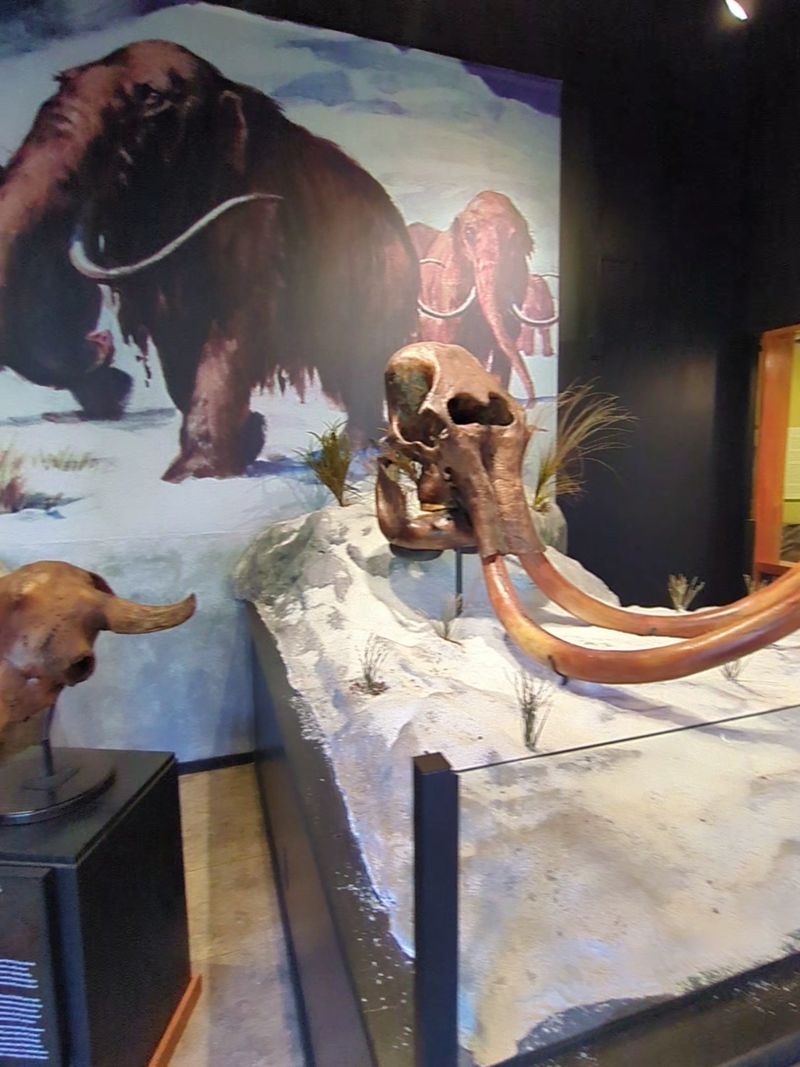
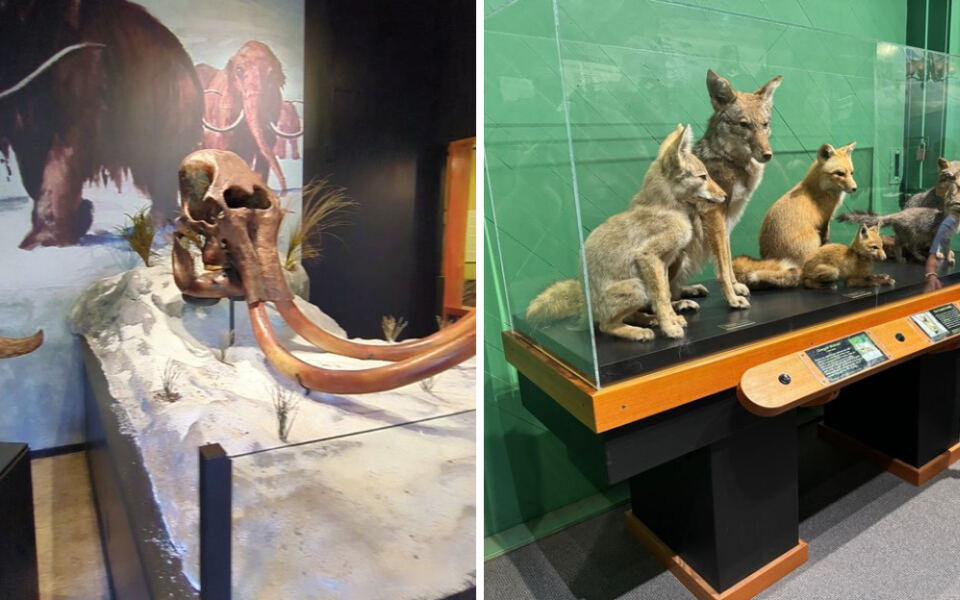
Walking into the wildlife exhibit feels like stepping back thousands of years. The museum houses an impressive collection of taxidermy animals, showcasing both modern and ancient species that once called Douglas County home.
Giant prehistoric beavers stand alongside modern deer and elk, giving visitors a clear picture of how the region’s fauna evolved over millennia.
Kids especially love this section because they can actually touch real animal pelts and hides. The interactive nature makes learning about biology and natural history exciting rather than boring.
Each display comes with detailed information about the animal’s habitat, diet, and role in the ecosystem.
What makes this exhibit truly special is how it connects past and present. You’ll see skeletons of creatures that lived thousands of years ago right next to animals that still roam Oregon’s forests today.
The dioramas show these animals in their natural habitats, making it easy to imagine what life was like in different eras. One visitor even mentioned getting startled when a model train suddenly started up in the exhibit room, adding an unexpected element of surprise to the experience.
Interactive Spaces Keep Young Explorers Engaged
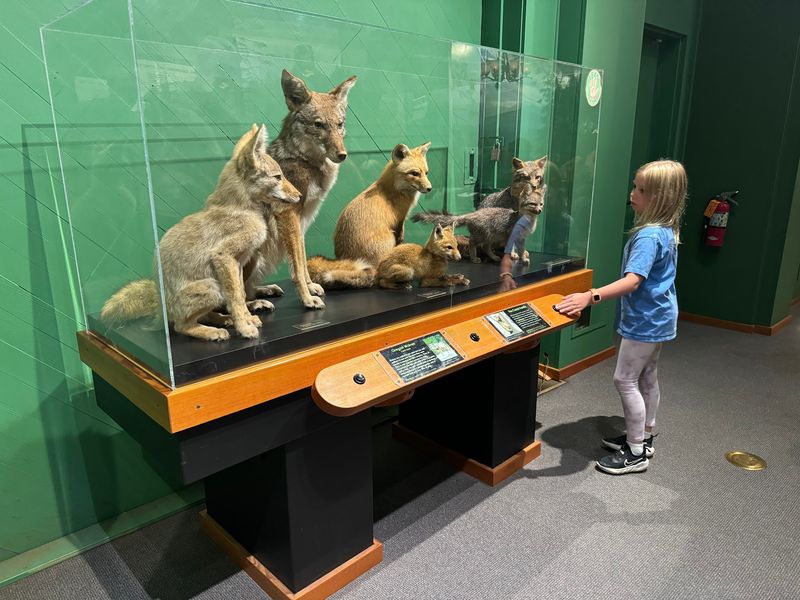
Parents rave about the “wiggle approved” areas scattered throughout the museum. These aren’t just random play corners but thoughtfully designed spaces that tie into the educational content.
Downstairs, kids can participate in a mock archaeology dig, uncovering replica artifacts and learning how scientists piece together history from fragments.
The Lincoln log play station gives little hands a break from looking at displays while still engaging their creativity. Building log cabins connects directly to the pioneer exhibits upstairs, helping children understand how early settlers constructed their homes.
It’s genius how the museum weaves play into learning without making it feel forced.
These interactive features make the museum perfect for families with children of different ages. While older kids read detailed exhibit descriptions, younger ones can touch, build, and explore at their level.
The periodic activity stations prevent the dreaded museum meltdown that happens when kids get overstimulated or bored. Several reviews specifically mention spending hours at the museum because the kids stayed happily engaged throughout the visit, which any parent knows is pure gold.
Pioneer Life Gets Personal in Authentic Exhibits
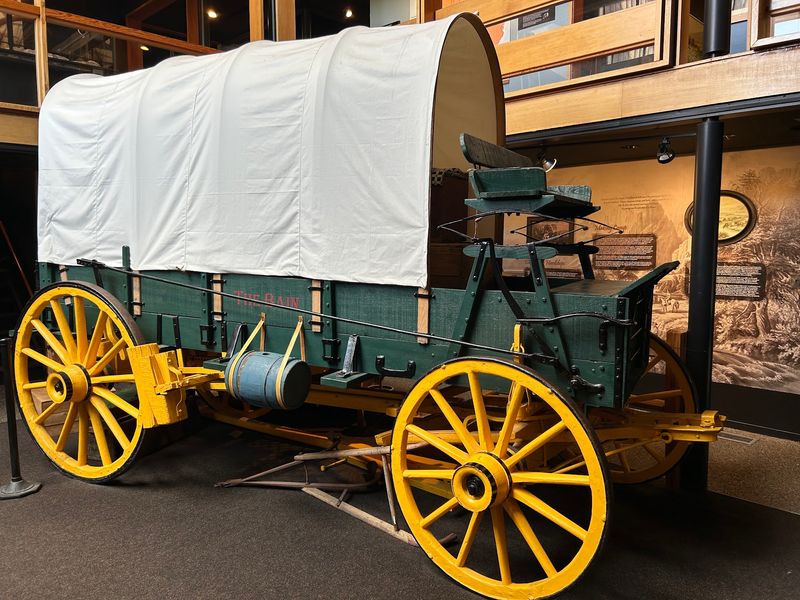
The pioneer exhibits transport you straight into the 1800s with actual items used by early settlers. You’ll find everything from handmade quilts to farming equipment that broke the tough Oregon soil.
What sets these displays apart is that they’re mostly original artifacts, not reproductions, giving you a genuine connection to the past.
Reading the personal stories alongside the objects makes history feel real. Some of the accounts are surprisingly funny, showing that pioneers had the same quirks and humor as people today.
One reviewer specifically mentioned laughing at some of the display descriptions, which isn’t something you hear about museums every day.
The outdoor buildings add another layer of authenticity. A restored train depot and logger’s quarters let you walk through actual structures from the era.
Standing in these spaces, you can almost hear the whistle of arriving trains or imagine loggers coming home after a hard day’s work. The immersive quality helps visitors, especially kids studying Oregon history, understand what daily life truly involved beyond what textbooks describe.
The 1959 Roseburg Explosion Exhibit Preserves Local Memory
One of the most powerful exhibits documents a tragedy that shaped Roseburg’s modern history. On August 7, 1959, a truck carrying dynamite exploded in downtown Roseburg, killing 14 people and destroying eight blocks.
The exhibit preserves this devastating event through photographs, personal accounts, and recovered artifacts.
Seeing the before and after photos drives home the explosion’s massive impact. Buildings that stood for decades vanished in seconds.
The display doesn’t shy away from the human cost but presents it respectfully, honoring those who died and those who helped rebuild.
This exhibit serves as a reminder that museums aren’t just about ancient history. They document recent events that shaped communities and preserve memories for future generations.
Visitors often spend extra time here, reading survivor stories and examining the twisted metal and debris that somehow survived the blast. It’s a sobering experience that connects you to Roseburg’s resilience and the importance of remembering both triumphs and tragedies in local history.
Wildfire Exhibit Shows Nature’s Destructive Power
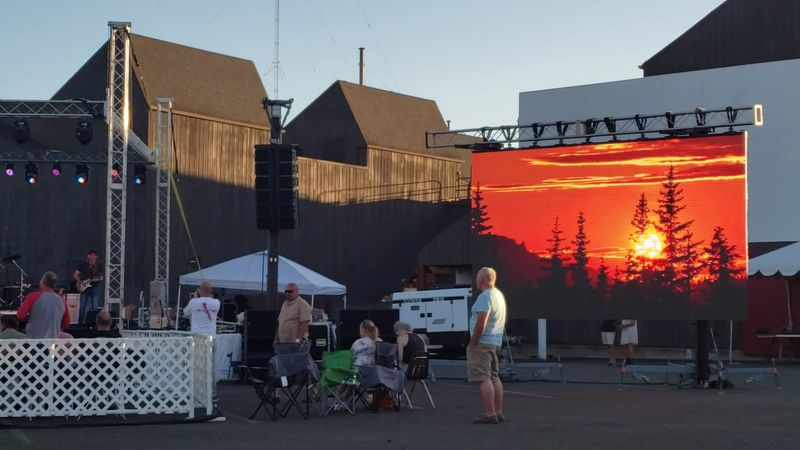
The Archie Creek Fire exhibit hits differently for anyone who’s watched smoke fill Oregon skies in recent years. Featuring photographs from the 2020 fire that devastated parts of Douglas County, this display captures both the terror and beauty of massive wildfires.
The images are absolutely mind-blowing, showing walls of flame consuming entire hillsides.
Beyond dramatic photos, the exhibit explains fire ecology and why these events happen more frequently now. You’ll learn about forest management, climate factors, and how communities prepare for and recover from such disasters.
It’s educational without being preachy, presenting facts and letting visitors draw their own conclusions.
What makes this exhibit heartbreaking yet incredible is seeing the human side. Personal stories from evacuees, firefighters, and people who lost homes bring the statistics to life.
You realize these aren’t just forest fires but events that displaced families and destroyed livelihoods. The exhibit also shows recovery efforts, offering hope alongside the devastation.
For locals, it’s a way to process trauma. For visitors, it’s a window into challenges facing modern Oregon communities.
Indigenous History Gets Proper Recognition
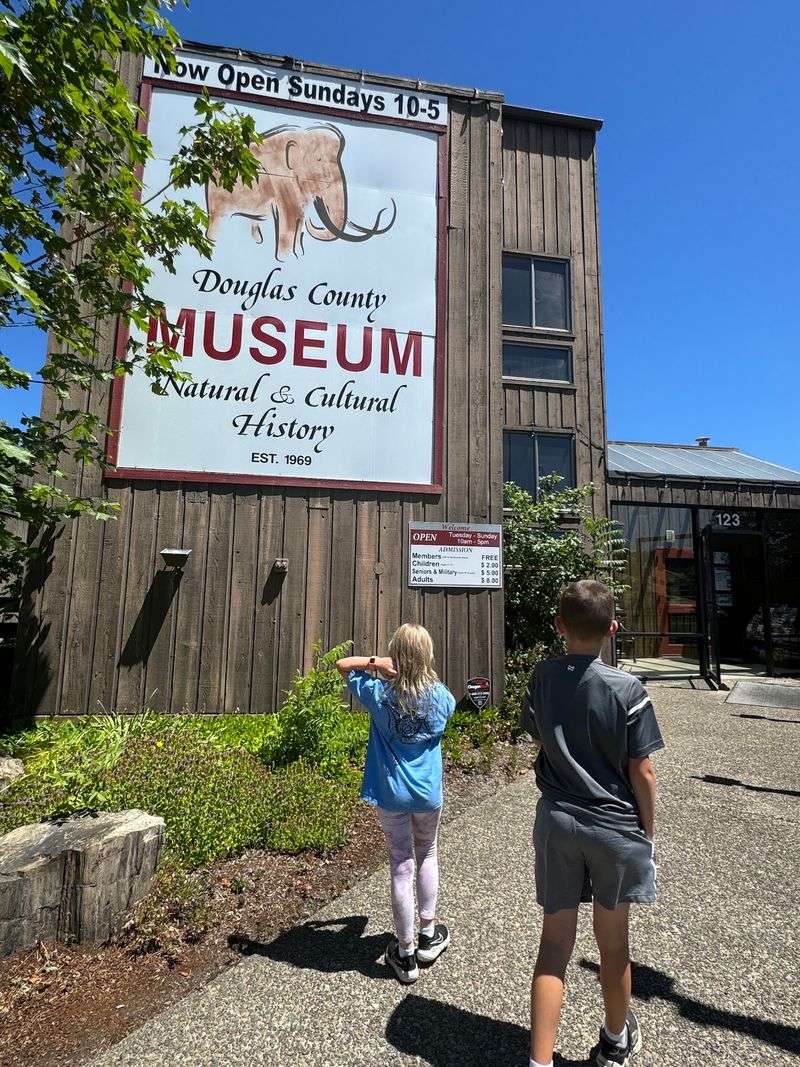
The museum dedicates significant space to the indigenous peoples who lived in this region for thousands of years before European settlement. Artifacts including tools, baskets, and ceremonial items showcase the sophisticated cultures that thrived here.
Each piece tells a story about survival, artistry, and deep connection to the land.
Rather than treating indigenous history as a footnote, the museum integrates it throughout the timeline. You see how native peoples managed the land, what they ate, and how their societies functioned.
The displays avoid romanticizing or oversimplifying, presenting complex cultures with the respect they deserve.
Learning about the original inhabitants adds crucial context to everything else in the museum. The pioneers didn’t arrive in an empty wilderness but in lands already shaped by human hands for millennia.
Understanding this complete history gives visitors a more accurate picture of Douglas County’s past. Several reviewers specifically mentioned appreciating how well the museum handled indigenous exhibits, which speaks to the care and research put into these displays.
Chainsaw History Celebrates Local Industry
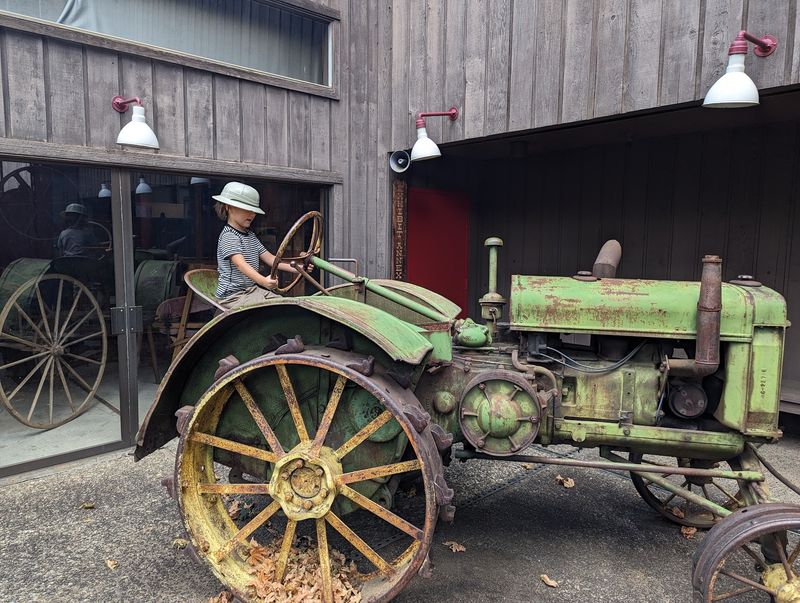
Oregon’s logging heritage gets special attention through exhibits on the timber industry that shaped the region’s economy. Among the most unique displays is the history of chainsaws, showing how this revolutionary tool transformed logging from an incredibly dangerous, slow process into something more efficient.
Early chainsaws were massive, requiring two people to operate, while modern versions are lightweight and powerful.
The exhibit connects technology to human stories. You learn about the loggers who risked their lives daily, working in conditions that would horrify modern safety inspectors.
Photographs show crews standing atop massive old-growth logs, their faces weathered but proud of their dangerous work.
The logger’s quarters building lets you see where timber workers actually lived. These weren’t fancy accommodations but functional spaces where exhausted men ate, slept, and prepared for another grueling day.
Walking through these authentic structures gives you appreciation for how physically demanding this work was and how it built the communities that exist today. It’s a side of Oregon history that deserves recognition, and this museum delivers it beautifully.
Wine Industry Roots Run Deep in Douglas County
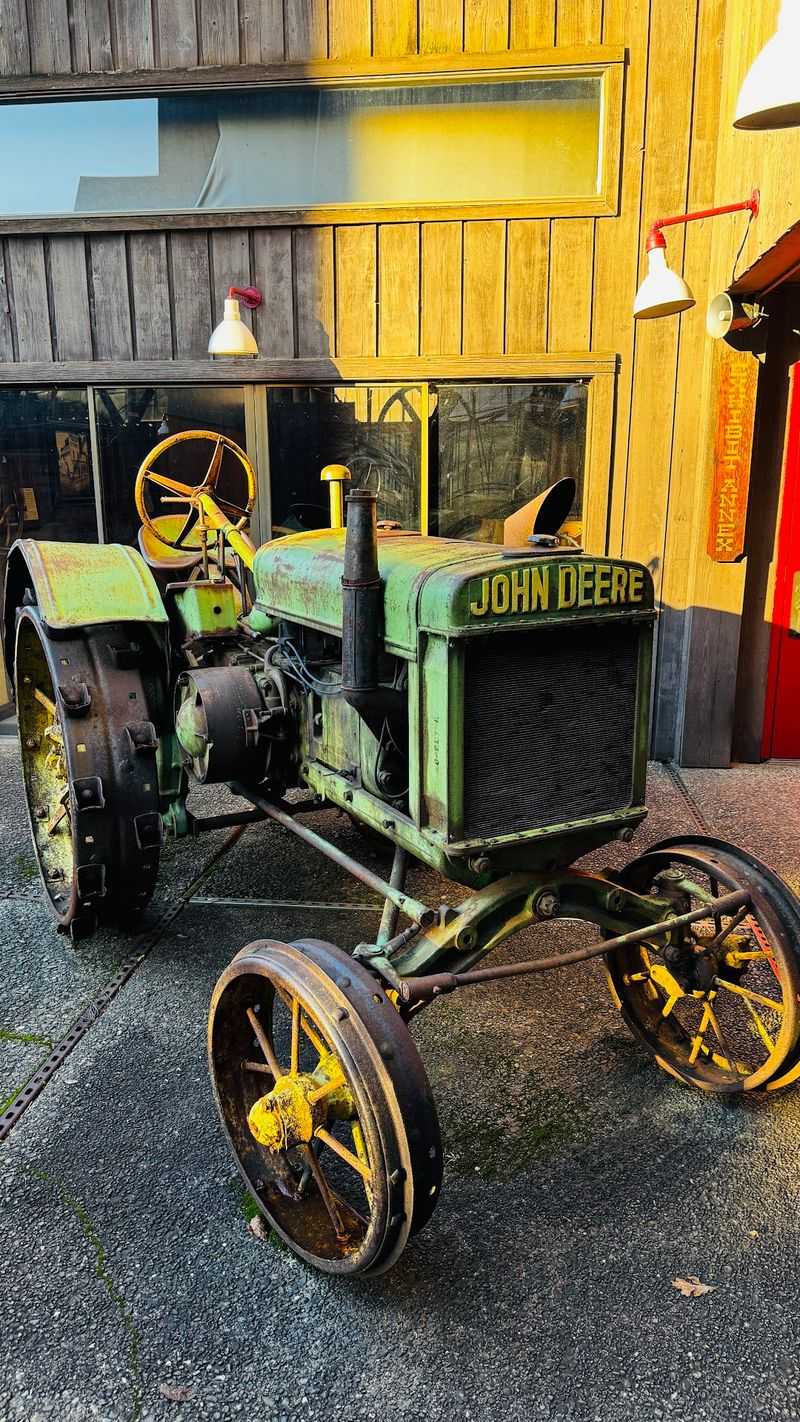
Visitors often don’t expect to find wine industry exhibits at a county museum, but Douglas County has a rich viticultural history worth exploring. The displays trace winemaking from early settlers who planted the first grapes through Prohibition’s devastating impact to the modern renaissance of Oregon wines.
You’ll see old winemaking equipment and learn about the families who persisted despite challenges.
The exhibit explains how Douglas County’s climate and soil create unique growing conditions. Different grape varieties thrive here compared to other Oregon regions, producing distinctive wines.
Maps show where historic vineyards existed and how the industry evolved over decades.
What’s fascinating is seeing how wine intertwined with community life. Winemakers weren’t separate from other industries but often ran vineyards alongside logging or farming operations.
The exhibit shows how adaptable and resourceful early Oregonians had to be, diversifying their income sources to survive. Even if you’re not a wine enthusiast, learning about this aspect of local economy adds another layer to understanding Douglas County’s complex agricultural heritage.
Fossils and Botanical Displays Reveal Ancient Landscapes
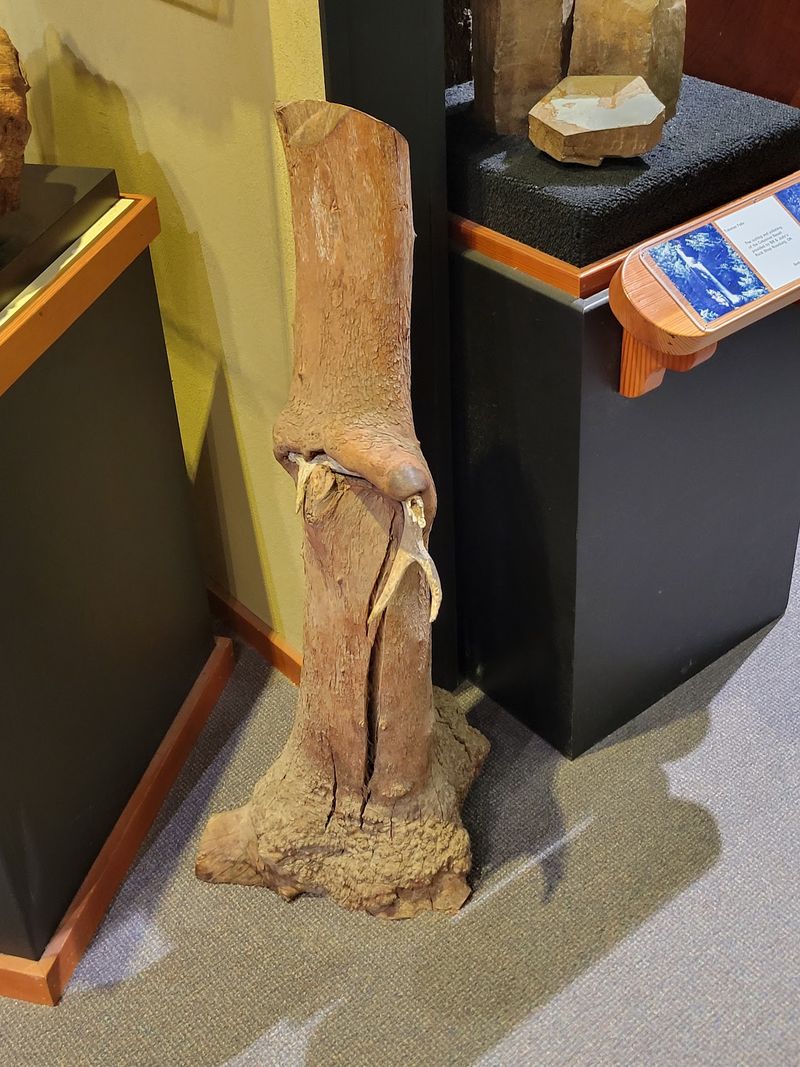
The fossil collection offers glimpses into ecosystems that existed millions of years ago. Petrified wood, ancient plant impressions, and mineralized bones show how dramatically the landscape changed over geological time.
What’s now dry forest was once lush tropical environment, then ocean floor, then ice age tundra. Each fossil represents a snapshot of these transformations.
The botanical displays complement the fossils by showing modern plant species alongside their ancient relatives. You can trace evolutionary changes and see which plants adapted versus which disappeared entirely.
The exhibit makes paleobotany accessible even to visitors with no science background.
Kids find the fossils particularly cool because they’re tangible proof that dinosaurs and other prehistoric creatures really existed. Touching a piece of petrified wood that’s thousands of years old creates a connection to deep time that’s hard to achieve through books alone.
The museum does excellent work explaining complex geological concepts in simple terms, making this section educational for adults while remaining engaging for children. It’s another example of how the museum balances serious scholarship with accessibility.
Model Train and Depot Bring Transportation History to Life
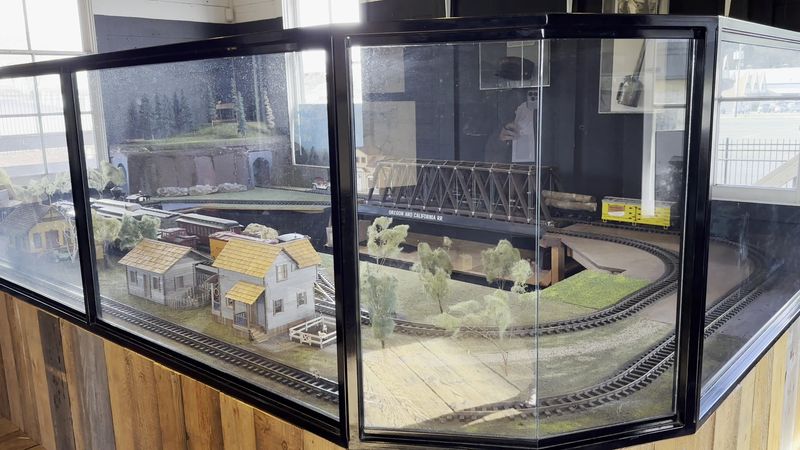
The restored train depot building is pure nostalgia, filled with timeless charm and exhibits about how railroads connected isolated communities. A working model train runs through miniature landscapes, delighting kids and adults alike.
One visitor got quite the surprise when the train suddenly started moving as they entered the room, proving the display still has the power to amaze.
Inside the depot, you’ll find authentic railroad artifacts including ticket punches, conductor uniforms, and old schedules. Reading the timetables shows how much longer travel took and how carefully people had to plan journeys.
What we now drive in an hour might have required a full day by train with multiple stops.
The depot represents more than just transportation. It was where news arrived, where families reunited, and where commerce flowed.
Small towns lived or died based on whether the railroad stopped there. Understanding this helps explain why certain communities thrived while others faded.
The building itself, carefully preserved, stands as a monument to an era when the whistle of an approaching train was the most exciting sound in town.
Share this story