I went looking for a quiet evening outdoors and ended up staring at the rings of Saturn with my mouth hanging open. Tucked into the pines of Central Oregon is a small spot that most road-trippers drive right past, and it holds some of the clearest night skies you will ever see.
The stars here feel close enough to touch, and the people pointing them out are just as memorable. If you have ever wondered what the sky looked like before streetlights, this is your answer.
A Stargazing Hub Hidden in the Sunriver Pines
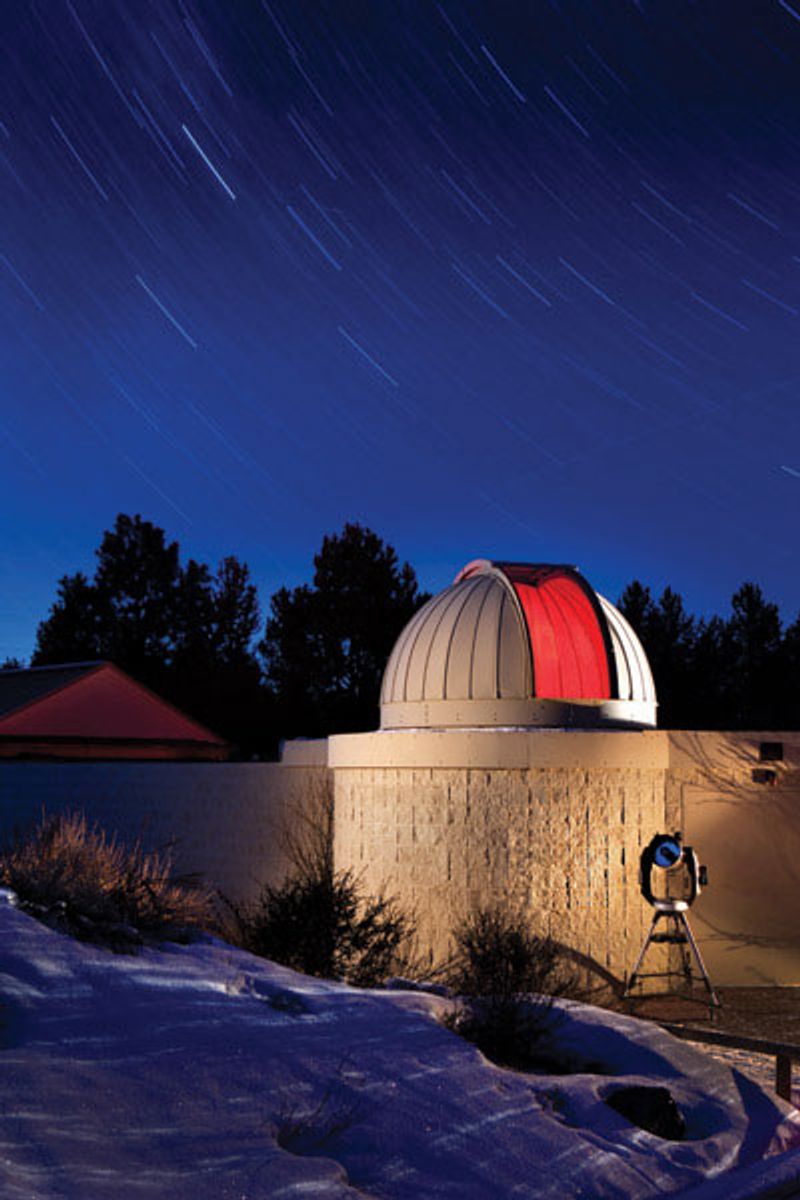
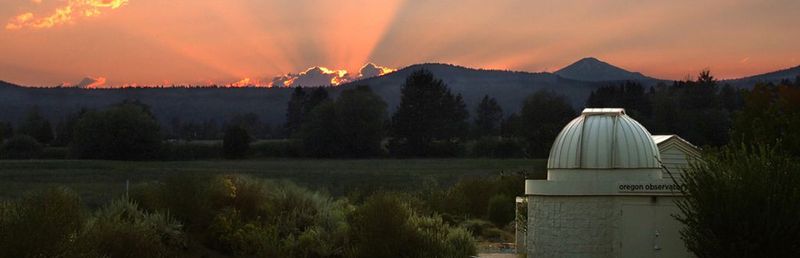
Drive south of Bend, follow River Road into Sunriver, and you will find the Oregon Observatory sitting quietly at 57245 River Rd. It shares its grounds with the Sunriver Nature Center, so one stop gives you both animals and astronomy.
Plenty of folks staying in Sunriver never realize it exists. That is part of the charm, since the high desert air and low light around this resort community make it a natural home for serious sky watching.
The observatory is more than a single telescope under a dome. Visitors describe a whole collection of scopes set up outdoors, each aimed at something different depending on the time of day you arrive.
Daytime visits focus on our nearest star, while evening programs open up the planets, clusters, and faraway glowing clouds of gas. It feels casual and welcoming, like a backyard gathering run by people who know an awful lot about space.
Why Central Oregon Skies Glow So Bright
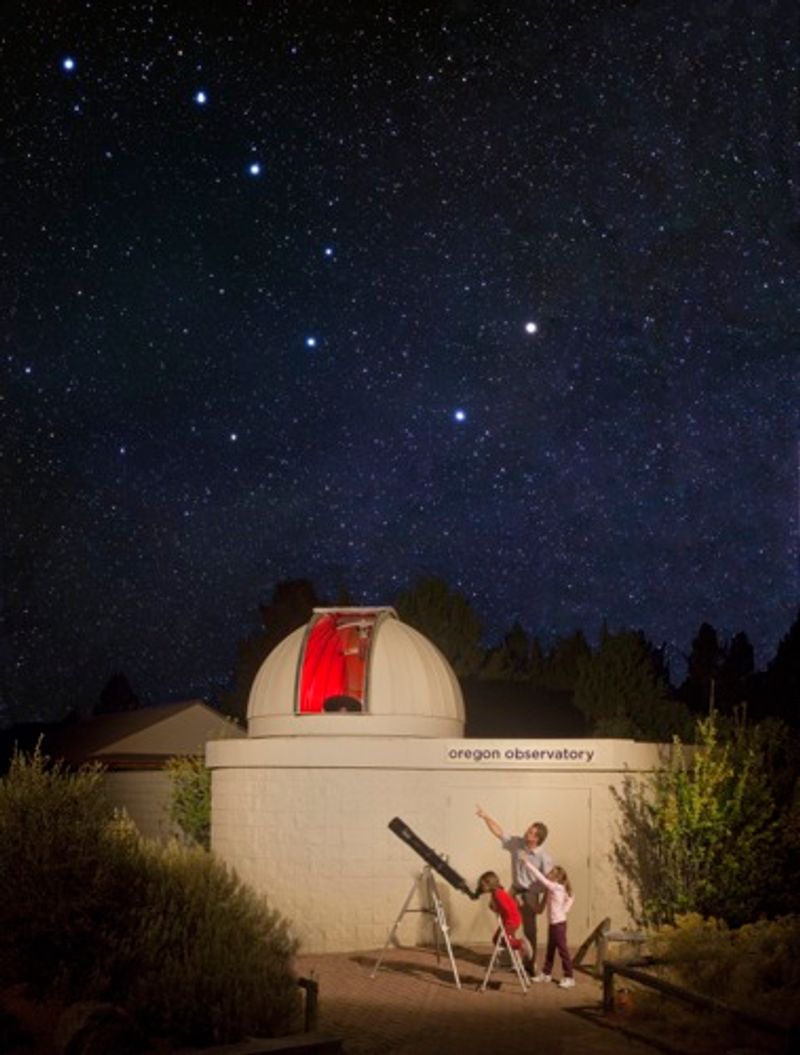
Picture a sky so packed with stars that finding the Big Dipper suddenly becomes hard. Central Oregon gives you that kind of view, thanks to thin, dry air and very little glow from big cities nearby.
One visitor shared that the forecast called for clouds, yet they still saw a wild number of stars and caught the Milky Way for the very first time. Moments like that happen often here.
Guests also point out that a moonless night makes the show even better. When the moon stays hidden, faint objects pop out and the band of our galaxy stretches overhead like spilled sugar.
A fun tip from someone who went: the view from the parking lot alone can be jaw-dropping. So even before you reach a telescope, just tilt your head back and let your eyes adjust.
Your phone screen at home will never look the same.
Telescopes From Pocket-Sized to Enormous
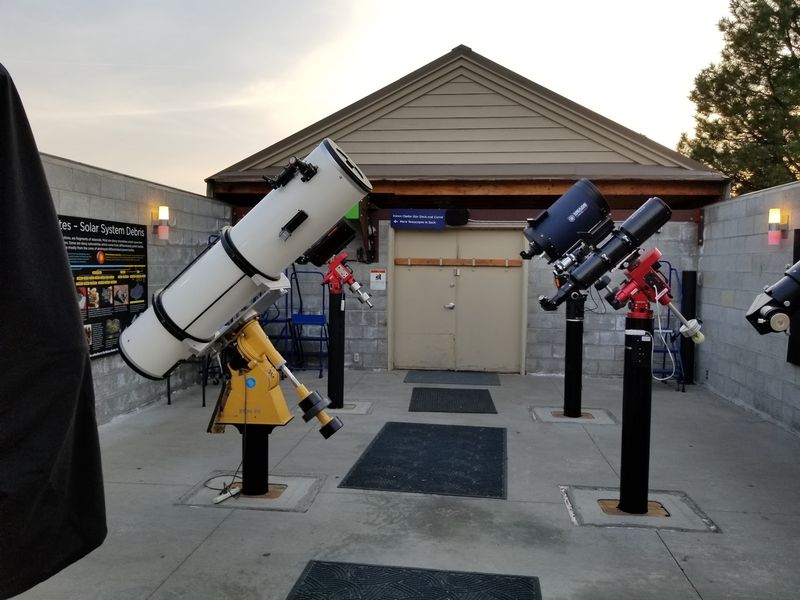
Ever dreamed of owning a giant telescope? Here you can peek through dozens without paying for a single one.
According to a volunteer who brought his own 20-inch scope, the lineup ranges from 4-inch instruments all the way up to 30-inch reflectors. That spread means you get to compare views, from wide star fields to close-up planets.
Visitors love that the scopes keep changing targets. One guest recommended arriving right when the program begins, because you might return to a telescope you already used and find it pointed at something brand new.
Mars, Saturn, Jupiter, and the bright star Vega have all shown up on past nights.
Even with a large crowd, people say there are enough telescopes that lines move along reasonably well. You spend more time looking up and less time shuffling in the dark.
Pretty great deal for anyone who has always wanted a closer look at the planets.
Volunteers Who Light Up the Night
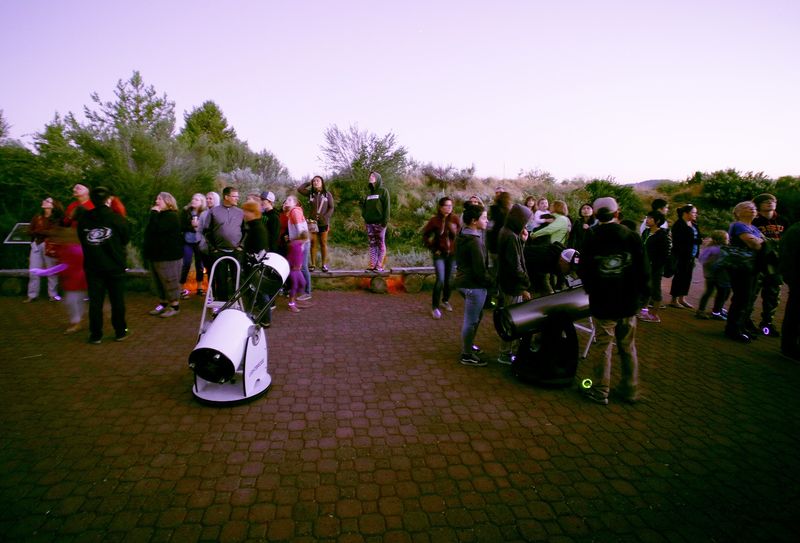
Here is the secret ingredient nobody expects: the people. Knowledgeable staff get mentioned more than anything else when visitors talk about this place.
Many of the night programs are run by volunteers who clearly adore the sky. They take their time, answer every curious question, and seem thrilled each time someone gasps at Saturn’s rings for the first time.
A teacher who brought 52 fifth graders said the staff were kind and incredibly patient with every single student. That is no small feat on a school trip.
Guides also use laser pointers to trace constellations across the sky, turning a scattered sprinkle of lights into bears, hunters, and swans. Families mention kid-friendly demos that explain how telescopes actually work.
You leave feeling like you learned from a favorite science teacher, the kind who made you excited to show up. Their enthusiasm spreads fast, and it sticks with you long after the drive home.
Sunspots and Daytime Solar Viewing
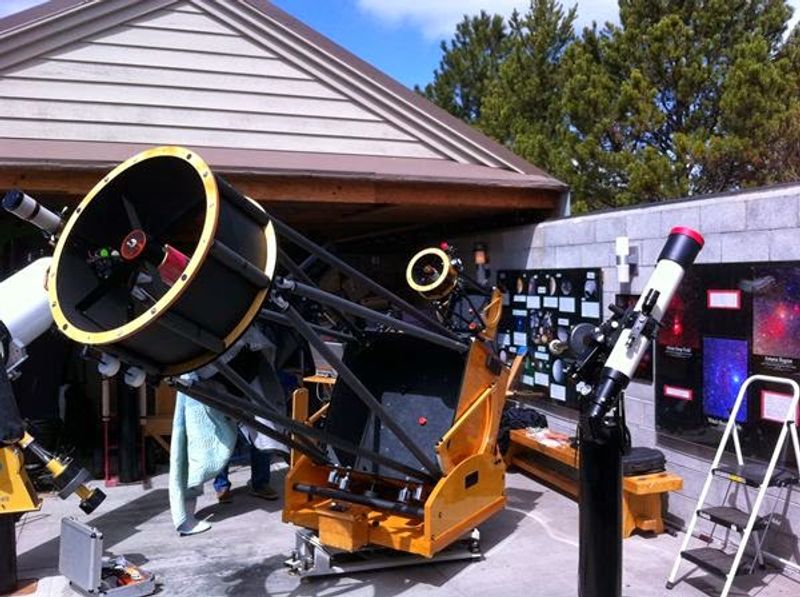
Not a night owl? No problem.
The observatory keeps daytime hours from 11 AM to 3 PM, Wednesday through Saturday, and the sun takes center stage.
Using specially filtered telescopes, guests get a safe look at our star. One family said they watched dark sunspots drifting across its surface, a sight most people only see in textbooks.
Daytime visits work especially well for younger kids who would never make it to a late program. You can also pair the observatory with the nature center exhibits, which visitors describe as very informative.
A parent who tried the evening program even said they wished they had chosen a day event instead. So if bedtime battles sound stressful, daylight might be your sweet spot.
Remember, never look at the sun without proper equipment. Let the pros handle the filters while you enjoy the fiery view.
Evening Programs and Short Sky Talks
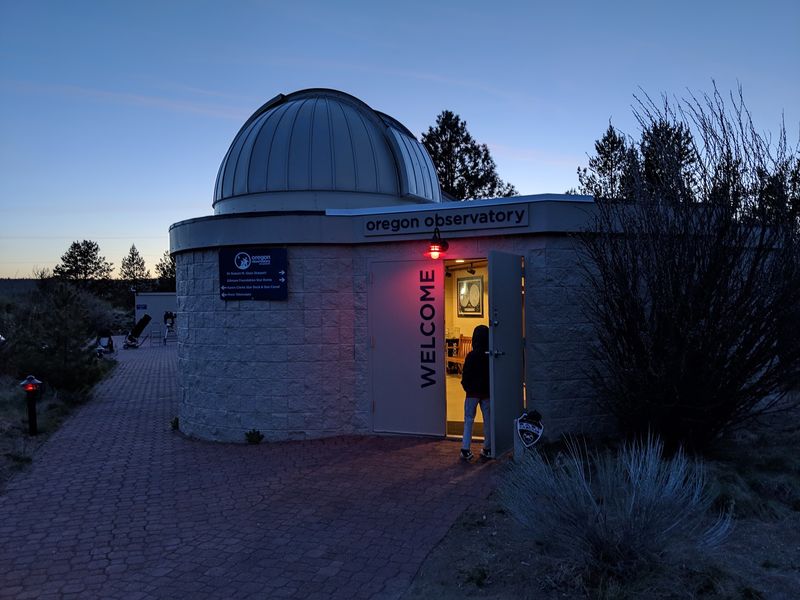
Night viewing usually unfolds in a few acts. First comes a short presentation, then telescope time, and finally a guided tour of the constellations overhead.
One guest broke it down just like that, calling the telescope portion a truly unique experience. Clouds rolled in during the final part for them, which is simply the gamble of sky watching.
Talks cover all kinds of topics. A couple who came on a September evening sat in on a presentation about Mars exploration, then spotted Saturn, Mars, Jupiter, nebulae, star clusters, and double stars.
Timing matters here. A visitor warned that the opening lecture starts on schedule, so checking in near the back of the line could mean missing the start.
Arrive a little early, grab your spot, and settle in. The evening builds from learning to looking, and the payoff feels earned by the time you step outside.
Swans, Trails, and the Nature Center Next Door
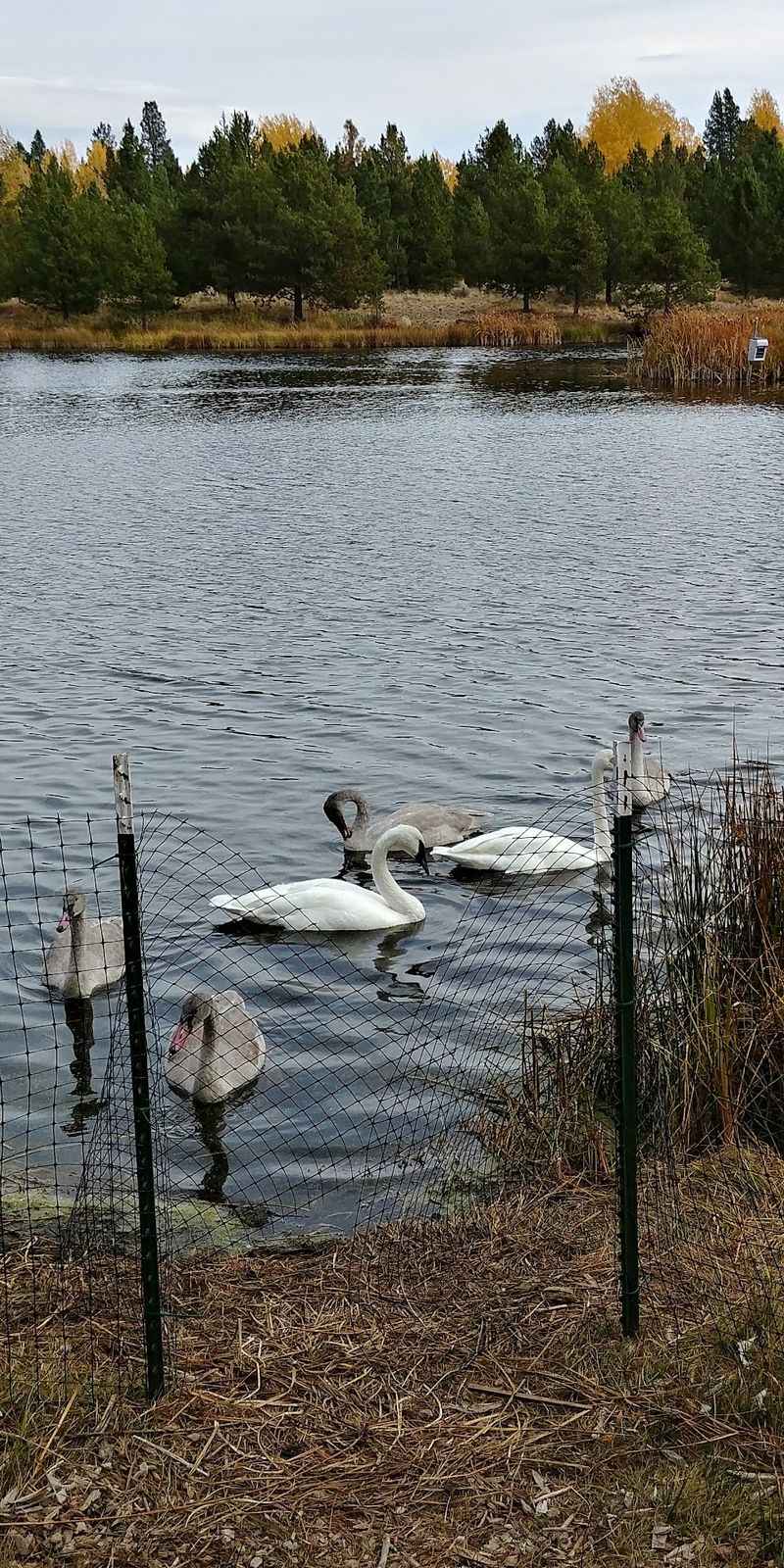
Swans gliding across a quiet pond at sunset might be the last thing you expect at an observatory. Yet that is exactly what greets you on the grounds.
The Sunriver Nature Center shares the property, and families rave about the animals on display and a pleasant walking path looping around the water. Even a visitor who was lukewarm on the night program called the grounds beautiful at dusk.
Nearby, others mention trails winding through lava flows and a lovely view from a butte. That volcanic backdrop reminds you just how wild and special Central Oregon is.
Plan to wander before your telescope session begins. Walking the pond while the sky fades from gold to deep blue sets the mood perfectly.
By the time the first stars blink on, you will already feel relaxed and ready to look up.
Good Company for Families and Curious Minds
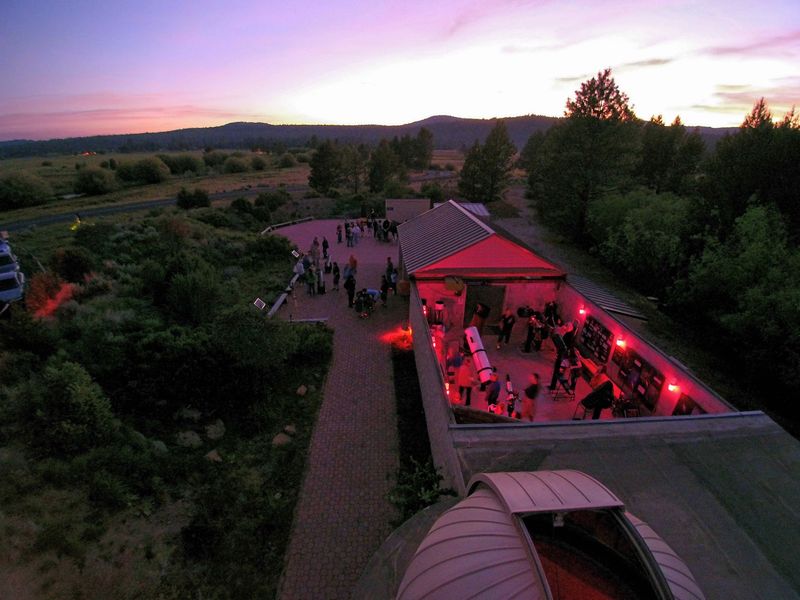
Grandparents, school groups, couples on a date night, and kids bursting with questions all find something to love here.
Families describe it as fun for children of any age, with hands-on experiences that make science feel real. One husband and wife called their constellation evening memorable and enjoyable from start to finish.
Still, it helps to know your crew. A parent mentioned feeling nervous trying to keep track of little ones in the dark, and another guest felt lines could stretch long for short views.
Honest heads-up: if no planets are visible, some folks find the experience less exciting.
Checking the forecast and planet schedule before booking may help you pick a better night. Clear skies with a planet or two usually mean happy faces.
For stargazing newbies and seasoned hobbyists alike, the mix of learning and wonder makes a strong case for at least one visit.
Hours, Tickets, and What to Pack
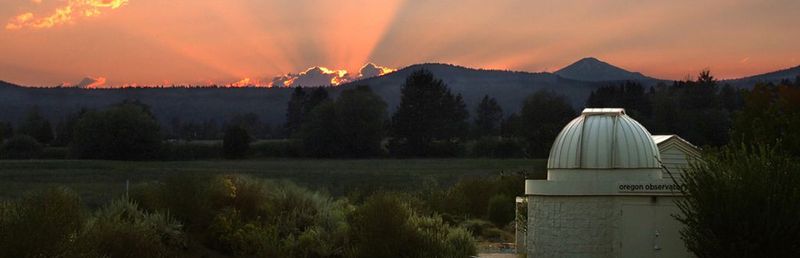
Planning ahead makes all the difference. Daytime hours run 11 AM to 3 PM Wednesday through Saturday, with the observatory closed Sunday, Monday, and Tuesday.
One visitor noted it was closed on the Fourth of July.
Night viewing is a separate ticketed program, and one guest reported paying $33 per person. Check snco.org for current schedules and pricing before you go.
Pack like a local. Past visitors strongly suggest coats and hats, since high desert nights turn chilly fast, even in summer.
Bug spray belongs in your bag too. Mosquitoes can be plentiful after dark near the pond.
Expect to stay up late, and consider a red flashlight so your eyes stay adjusted. Finally, peek at the weather and moon phase, because a clear, moonless night delivers the most dazzling show.
A Quiet Oregon Treasure Worth the Late Night
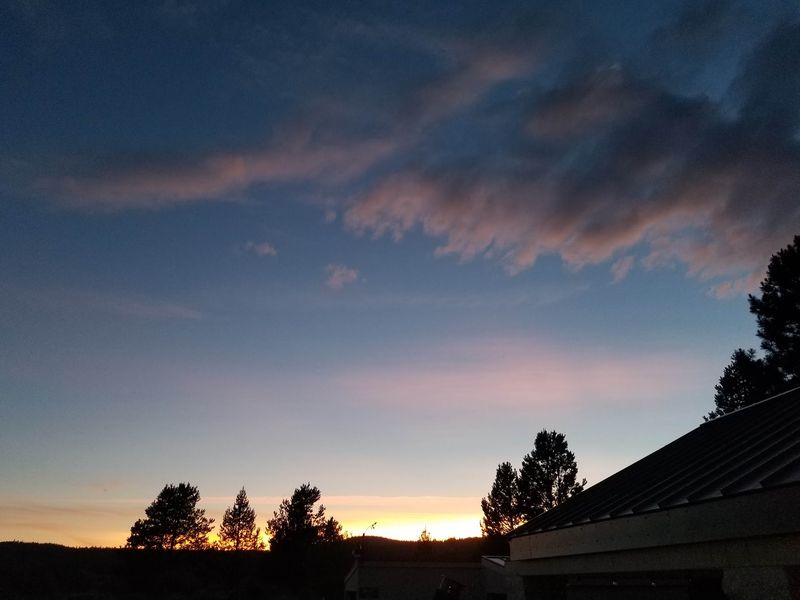
Some places grab you with flash. The Oregon Observatory wins you over with patience, pine-scented air, and a sky that seems to go on forever.
Not every night will be perfect. Clouds drift in, planets hide, and lines sometimes form.
But when conditions line up, visitors call it a once-in-a-lifetime kind of evening, and several say they plan to make it a regular stop.
What lingers most is the feeling of being let in on a secret. While crowds pack into busier Central Oregon attractions, a small group gathers here in the dark, whispering about Jupiter’s moons.
Go on a clear fall night or during a quiet midweek stretch, bundle up, and bring someone curious. You might drive home in silence, still picturing Saturn’s rings.
City lights will feel a little dimmer after that, and honestly, you will not miss them.
Share this story