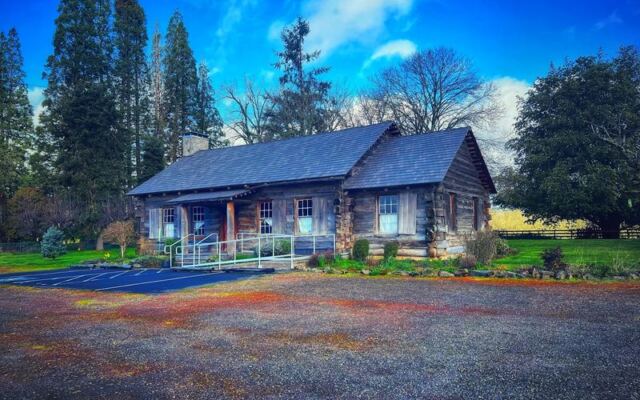
Some of the best afternoons in Oregon start with a wrong turn down a quiet country road. Tucked away where farmland stretches long and green, there’s a little cluster of frontier buildings that most folks drive right past without a second glance.
Step inside, though, and the past comes rushing back through the stories of the people who volunteer here. It’s the kind of place that surprises you, sticking in your memory long after you’ve headed home.
A Frontier Village Hiding in the Willamette Valley
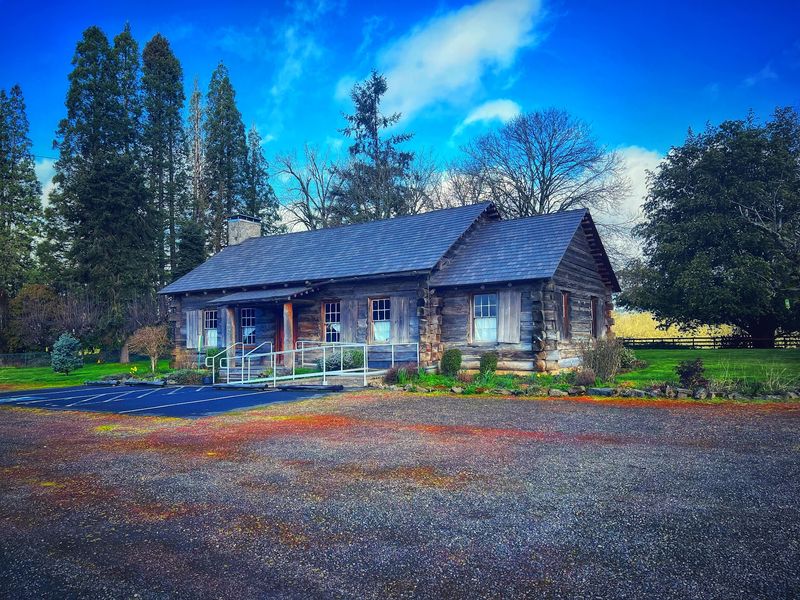
Roll down Champoeg Road NE in St Paul and you’ll find something that feels stitched together from another century. Newell Pioneer Village sits quietly in the flat, fertile heart of the Willamette Valley, close enough to the Champoeg area that many visitors pair the two on a single outing.
The village is a history museum built around a collection of old frontier buildings you can actually walk through. It isn’t a slick, roped-off attraction with velvet cords and buzzing crowds.
Instead, it feels like a real settlement that someone lovingly kept alive. Regulars mention how peaceful and uncrowded the setting is, the sort of spot Oregonians treasure precisely because tourists tend to overlook it.
Docents Who Turn Facts Into Stories
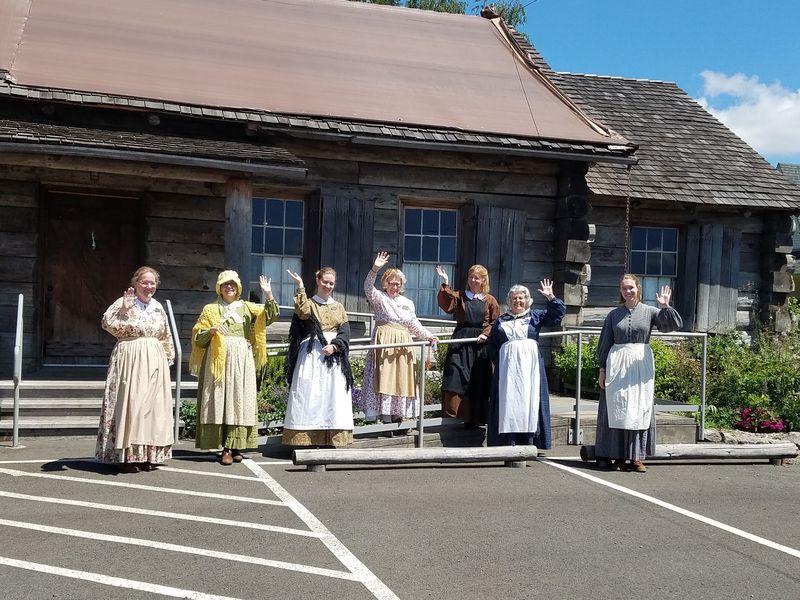
Every great history spot has a secret weapon, and here it’s the people who greet you at the door. The docents, many of them women who volunteer their time, have a gift for turning dry dates into stories you’ll actually remember.
Visitors say these guides are both deeply knowledgeable and genuinely warm, happy to field a whole string of curious questions. One guest wondered aloud why historic homes have such low doorknobs, guessing people were simply shorter back then.
The real answer, the docents explained, was that children had chores and needed to open doors on their own. Little revelations like that are exactly what make this place stick with you.
Old Buildings You Can Actually Step Into
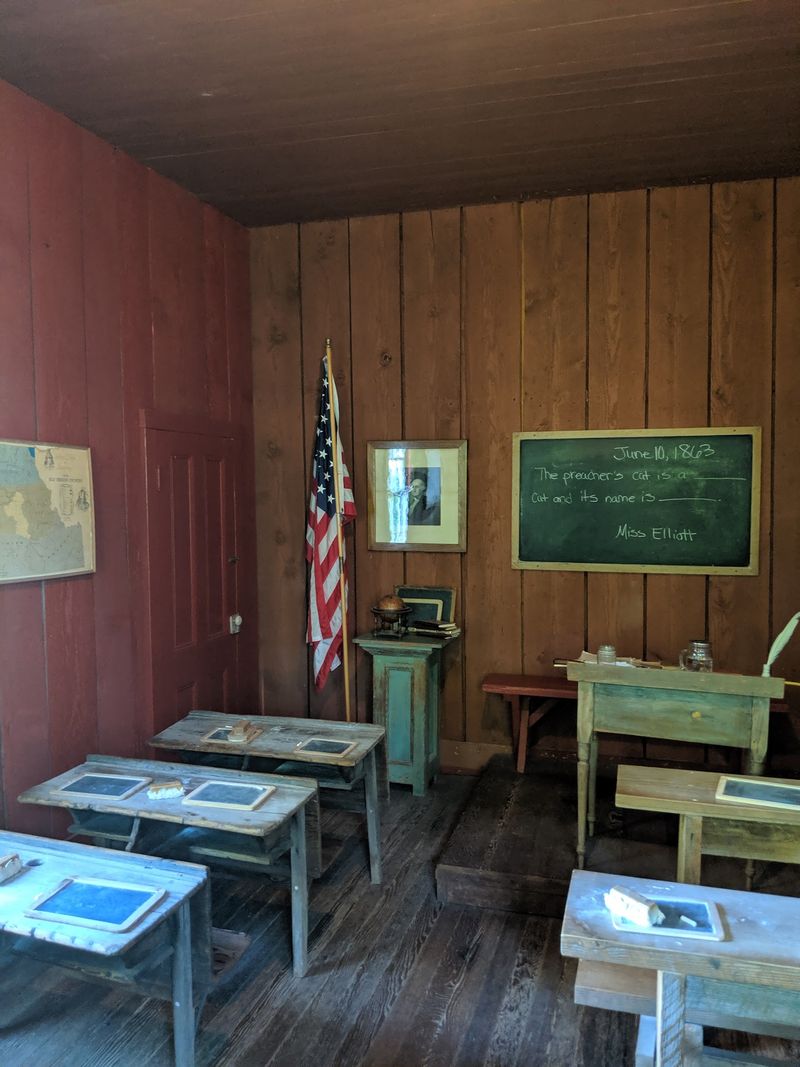
Most museums keep you at arm’s length, but here the buildings invite you right in. Wander from structure to structure and you’ll find rooms filled with historical pieces kept true to their original setting.
The one-room schoolhouse comes complete with slates, giving kids and grown-ups alike a feel for how lessons once worked. Guests describe the whole property as beautifully preserved and thoughtfully curated, with each detail chosen to reflect real Oregon life.
Take your time as you explore. Regulars point out you’ll want plenty of it to read the history and soak in everything the rooms have to offer.
Hands-On History for Curious Kids
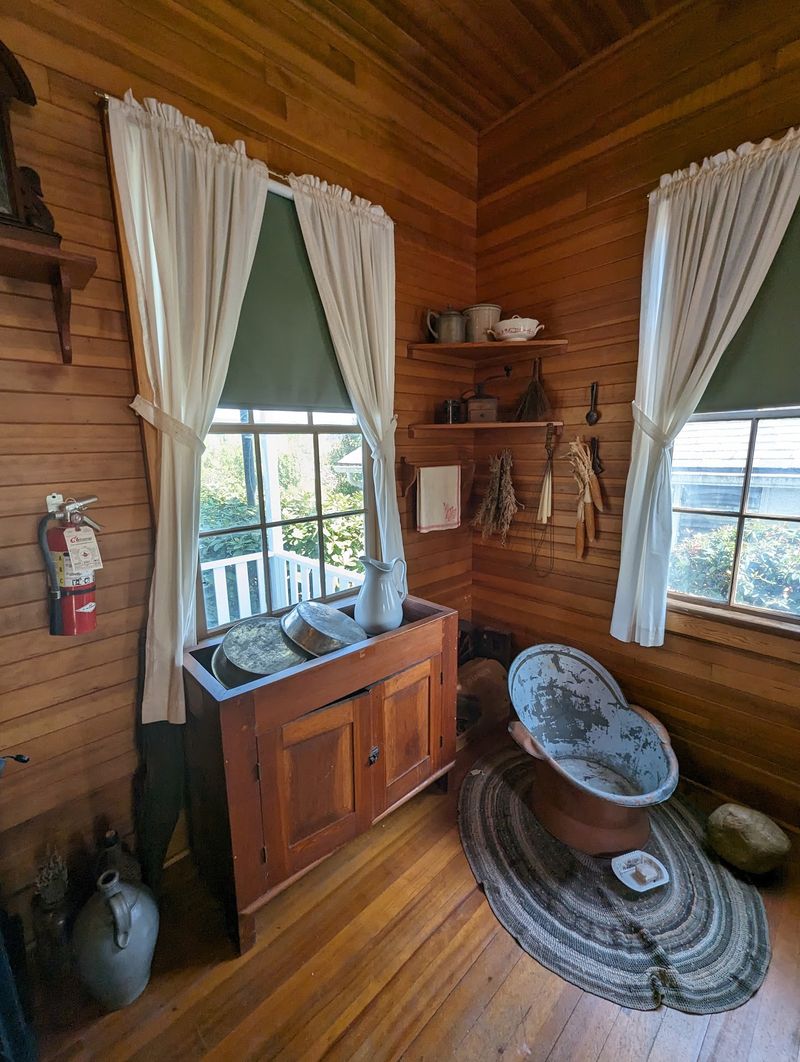
Field trips here are the stuff of legend among Oregon school groups. Classes dip their own candles, scrub laundry on an old washboard, and settle into that one-room schoolhouse to feel what learning was like generations ago.
Teachers and chaperones rave about how the staff hold the attention of everyone from toddlers to teenagers, no small feat with a mixed-age crowd. One group mentioned the guides kept kids aged zero to seventeen completely captivated.
The activities aren’t just busywork. They give young visitors a real sense of the daily effort behind pioneer life, and plenty of families say they can’t wait to return.
A Setting Made for Photographs
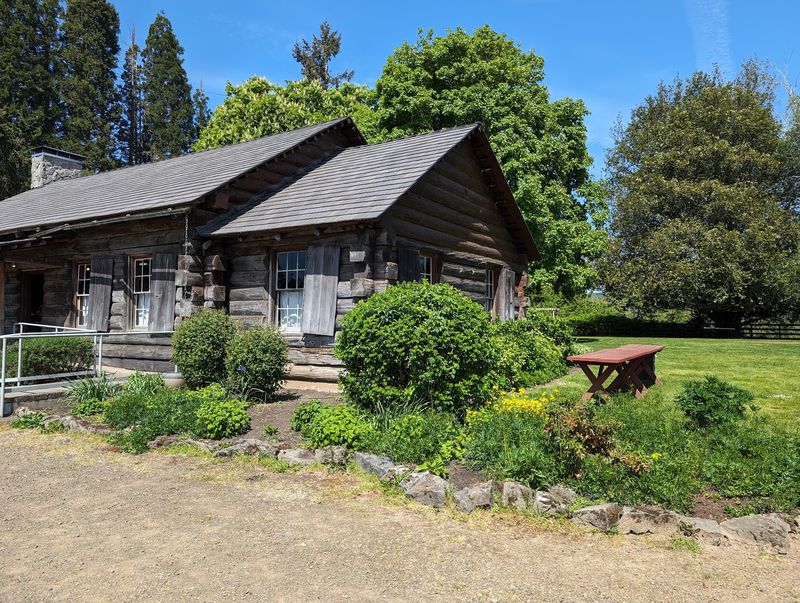
Even if you never stepped inside a single building, the grounds alone would be worth the drive. Flowers spill across the property, green gardens frame the old structures, and the whole scene feels calm and unhurried.
Visitors describe the landscape as stunning and peaceful, with views of history tucked into every corner. It’s the kind of backdrop that makes a phone camera look professional.
Photographers and casual snappers both find plenty to love. The mix of weathered wood, tidy blooms, and open valley sky gives every shot a storybook quality.
A Storybook Backdrop for Weddings
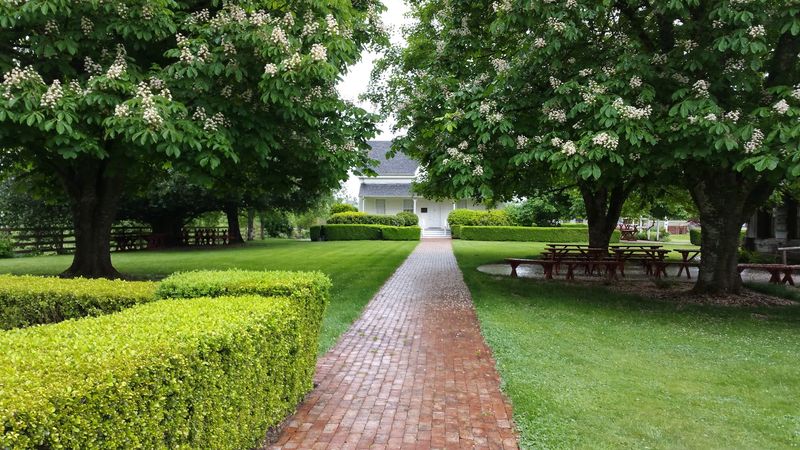
Picture saying your vows with restored frontier buildings and blooming gardens as your backdrop. Couples have chosen this village for outdoor weddings, drawn by the romance of the setting and the photo opportunities scattered everywhere you look.
Those who’ve celebrated here describe everything as lovely and the memories as lasting. One guest happily noted the landscape alone made the whole event worthwhile.
Keep in mind it’s an authentic historic property, so the buildings are genuinely old and the facilities are modest. For couples who want character over polish, that trade-off is part of the charm.
Candlelight Walks and October Evening Tours
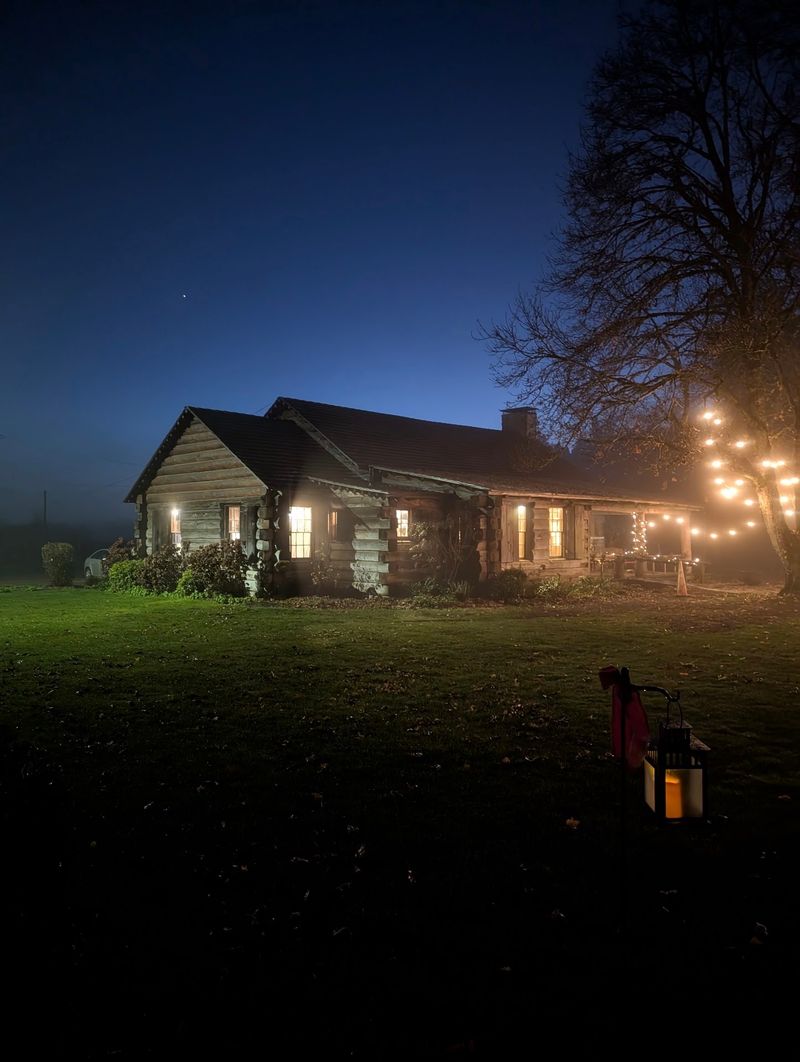
When the sun dips low, this quiet village takes on a whole new mood. Seasonal candlelight walks lead visitors through the buildings by soft, flickering glow, and folks describe the experience as genuinely fun.
Come October, the village leans into its spookier side with evening tours built for those who enjoy history with a shiver. Guests who love both the past and a little mystery call it the perfect outing.
The staff earn glowing praise for keeping these evenings lively and welcoming. Several visitors say the October tour is a must, then vow to return during daylight hours too.
Stories of Oregon’s Early Settlers
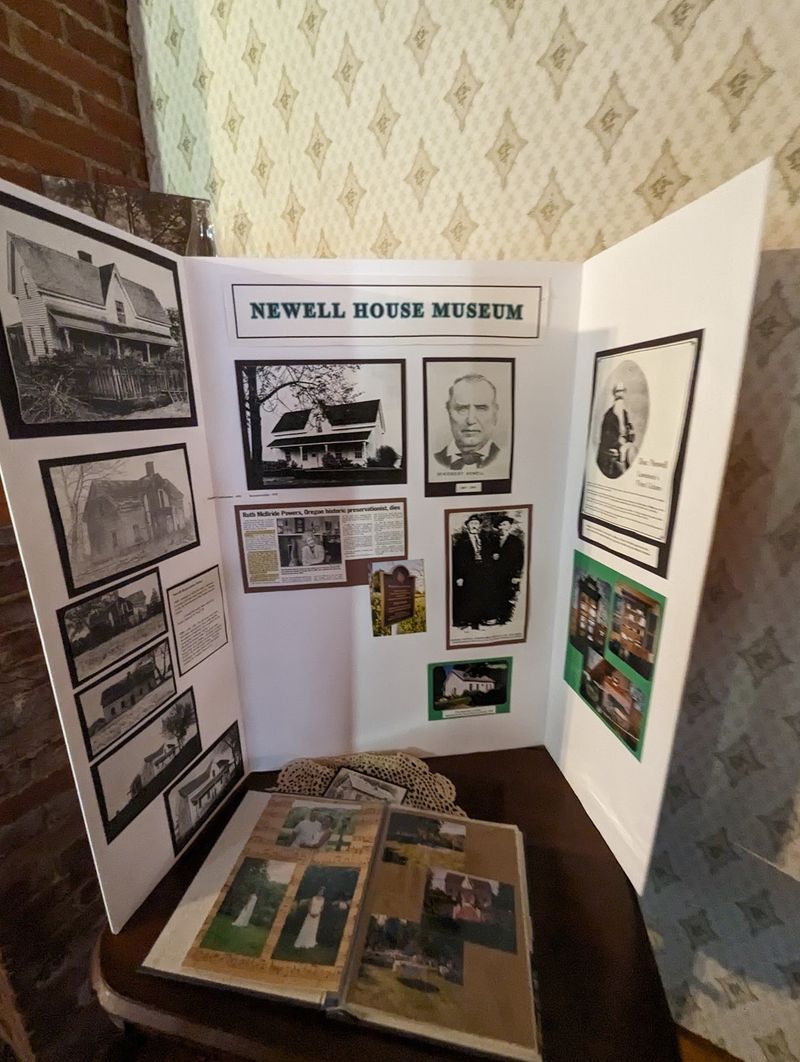
Curiosity about how people first settled this corner of the state is what pulls many visitors through the door. The museum walks you through the early days of Oregon, from the objects families relied on to the photographs that put faces to the history.
Guests browsing the displays say they leave having genuinely learned something, whether they arrived as history buffs or total newcomers. A fourth-grade chaperone described it as a charming little place to understand when and how people put down roots here.
The stories feel local and specific rather than textbook-generic. That grounding in real Willamette Valley life is exactly what sets the visit apart.
Hours, Directions, and What to Know Before You Go
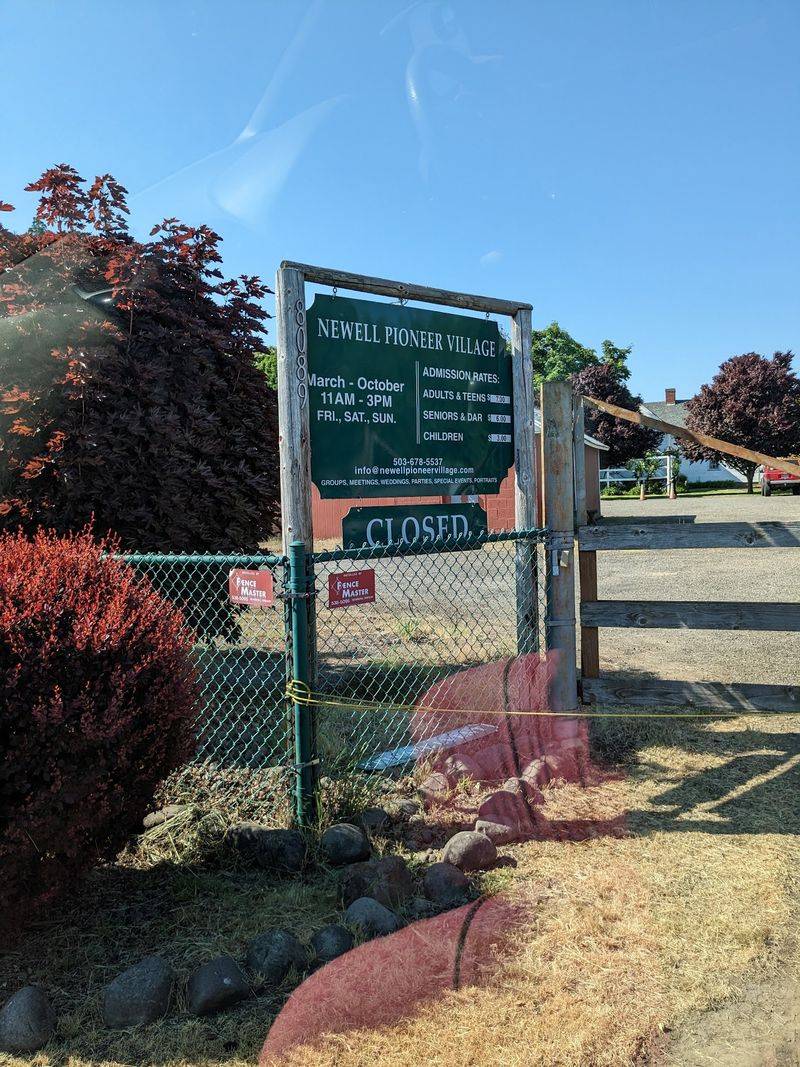
Planning matters here, since the village keeps a tidy weekend-focused schedule. Doors open Friday through Sunday from 11 AM to 3 PM, and the site is closed Monday through Thursday, so aim your visit at the back half of the week.
You’ll find it at 8089 Champoeg Rd NE in St Paul, an easy pairing with a stop at nearby Champoeg. Give the friendly staff a ring at 503-678-5537 if you have questions before setting out.
A small heads-up from past guests: the buildings are historic and the restroom is compact, so pack a little patience for the vintage facilities. The peaceful setting more than makes up for it.
Why This Quiet Spot Is Worth the Detour
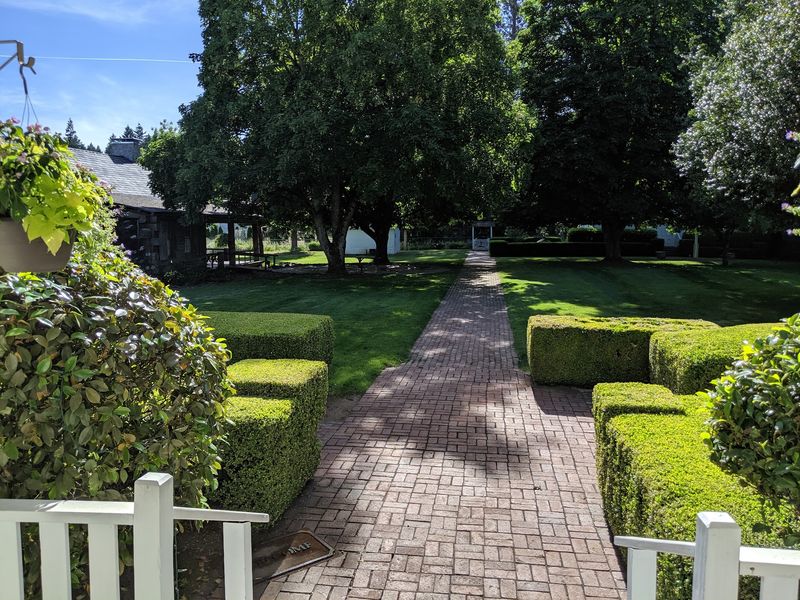
Some places win you over slowly, and this one does it with warmth rather than flash. Between the passionate volunteers, the walkable old buildings, and the flower-filled grounds, it delivers far more than its modest country-road setting suggests.
Guests repeatedly describe it as special, thoughtfully cared for, and not to be missed, with many already planning a return trip. Whether you come for a field trip, a wedding, a candlelight evening, or simple curiosity, the visit tends to linger in your memory.
For Oregonians who love finding the uncrowded gems tourists breeze past, this village is a quiet reward. Point your car toward St Paul on a Friday afternoon and let the docents do the rest.
Share this story