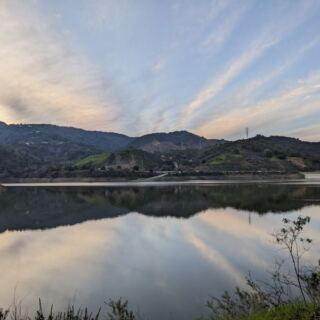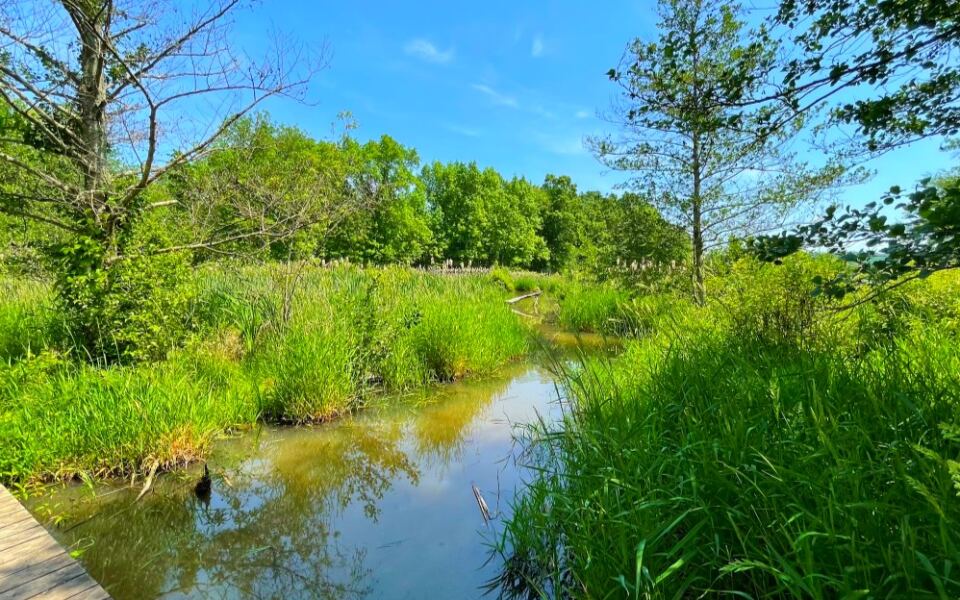
Three different loops make the Sunken Garden Trail one of the more flexible hikes at Moraine State Park. Depending on the route you choose, you can spend less than two miles or stretch the hike to about 3.6 miles through woods, wetlands, and sections near Lake Arthur.
The trail passes ferns, white pines, milkweed, marshy areas, and occasional openings toward the water. The landscape has another story beneath it, too.
Glaciers helped shape this part of western Pennsylvania long before mining, drilling, and later restoration transformed the land again.
The biggest thing to know before going is that low sections can stay muddy after rain. Pick the right loop, bring appropriate footwear, and this can be a relatively manageable way to explore a quieter side of Moraine State Park.
Where the Path Begins Near Pleasant Valley
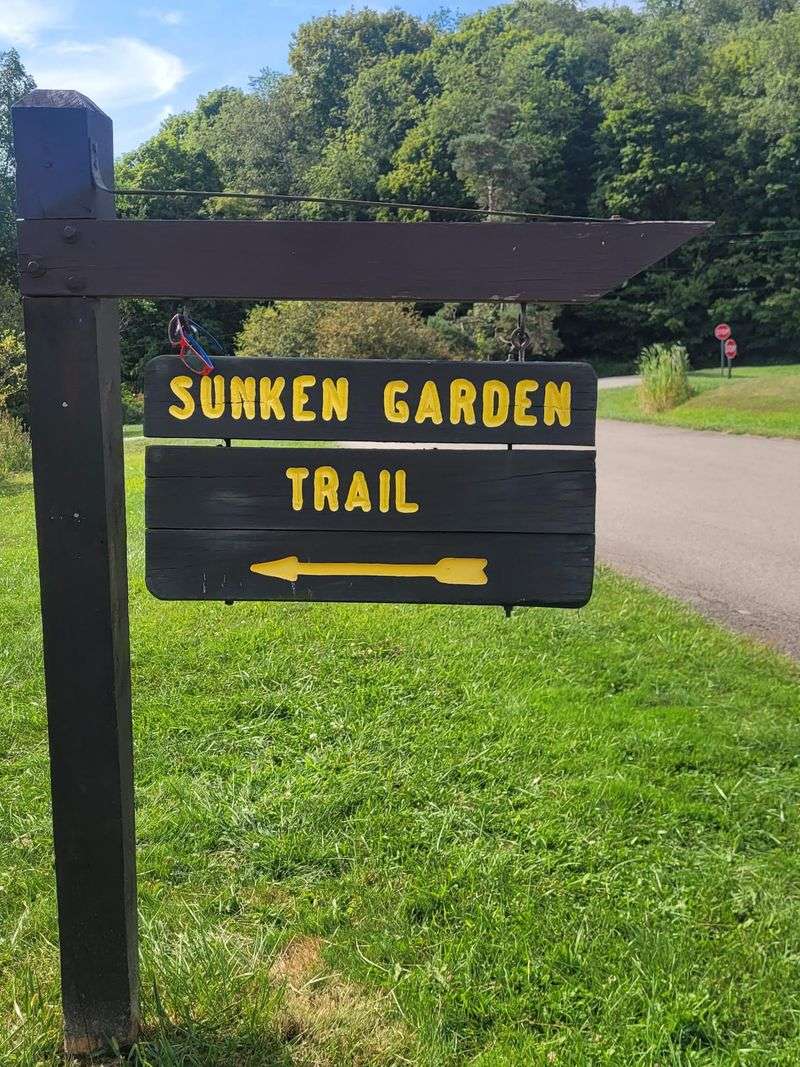
Plug Pleasant Valley Road in Portersville, Pennsylvania, into your phone and you are close. The Sunken Garden Trail sits inside Moraine State Park in Butler County, north of Pittsburgh.
The trailhead is next to the Pleasant Valley Non-powered Boat Launch parking lot, near coordinates 40.941270, -80.092911.
The park office is at 225 Pleasant Valley Road, Portersville, PA 16051, and staff there can answer questions. I found the parking lot roomy, so I never had to circle around hunting for a spot.
Restrooms, drinking water, and picnic tables wait at the trailhead, which makes it a tidy base camp. I filled my bottle before setting out and was glad I did.
The park is open from sunrise to sunset every day. Arrive early, and you might have the whole place to yourself, just as I nearly did.
Next up, the loop choices that decide how your day will go.
Three Loops and One Tough Choice
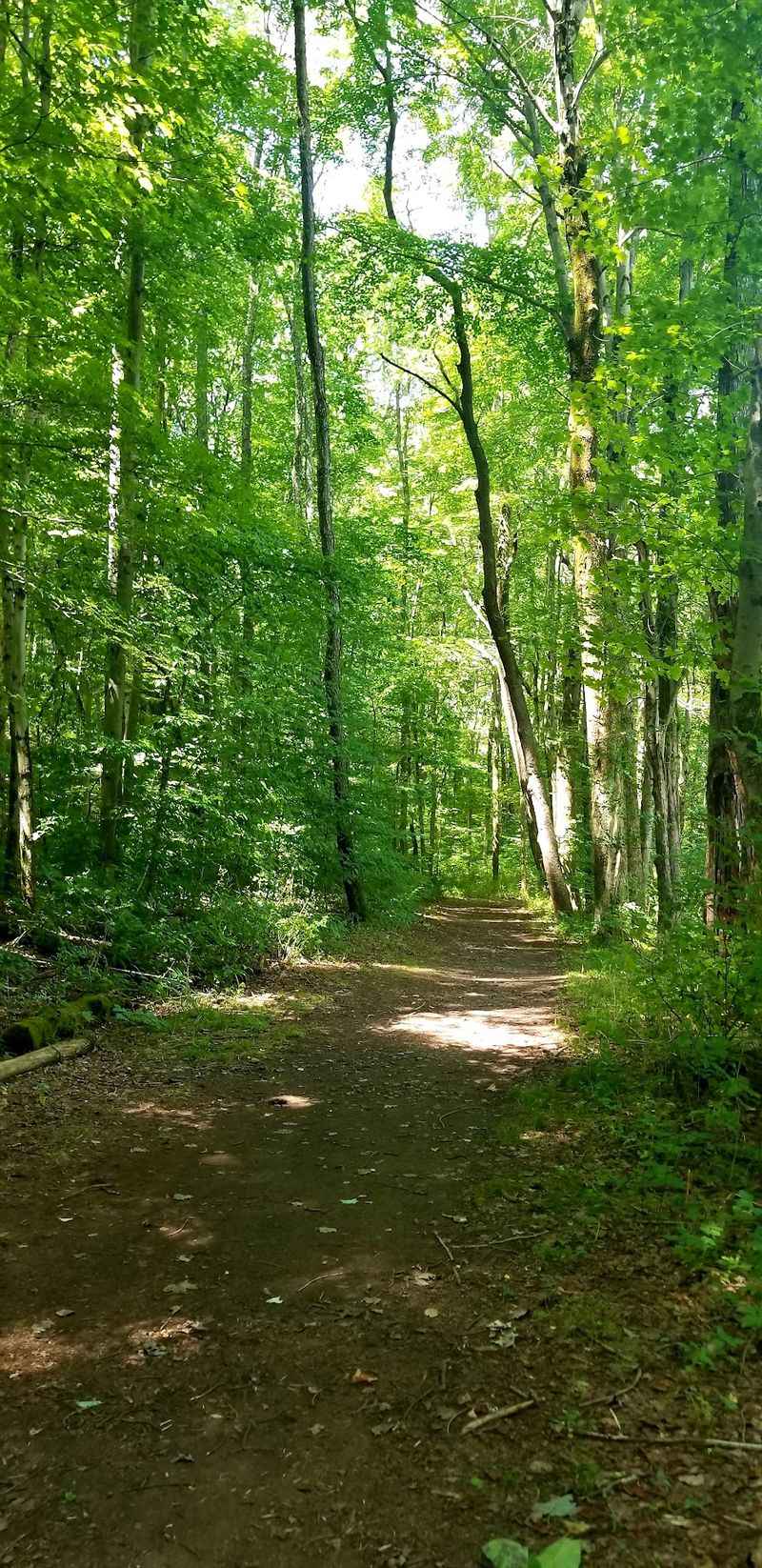
Decision time comes early here, because the trail offers loops of 1.9, 2.4, and 3.6 miles. The state labels it easiest hiking, though a few hikers call it moderate.
I land somewhere in the middle, since a few climbs will warm up your legs.
Short loops suit families and anyone with a tired little walker in tow. The long loop is the favorite of many regulars, and I can see why.
Follow the dark blue blazes. They used to be pink, but they were updated, and the state still calls them blue.
That small quirk had me double-checking every tree at first.
Plan on roughly one to two hours for the longer route if you like to stop and look around. Sneakers work on dry days, but the best part of the loop is wetter than you might guess, and that is where we head next.
Mud Season Rules and Boot Wisdom
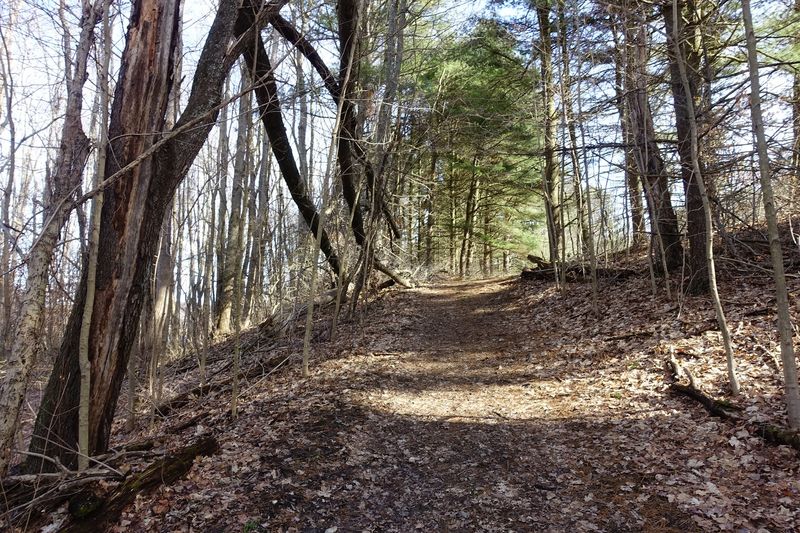
Mud is the honest truth about this trail. Low spots near the lake stay soggy after rain, and the ground does not hurry to dry out.
Boots that rise above the ankle and keep water out will save your socks. I learned that lesson by watching a hiker splash gleefully through a puddle, then regret it a half mile later.
Most muddy patches can be skirted by stepping along the edges. Nothing here feels risky, only squishy.
Ticks also like this kind of grassy, damp country. Use tick spray before you start and check your clothes when you finish.
Winter has its own twist, since the trail can turn muddy if the ground has not frozen solid. A dry week in summer or a freezing morning in January makes for the easiest footing.
Speaking of footing, the wetlands near the start have a few surprises of their own.
Swamp Edges, Wildflowers, and Caterpillars
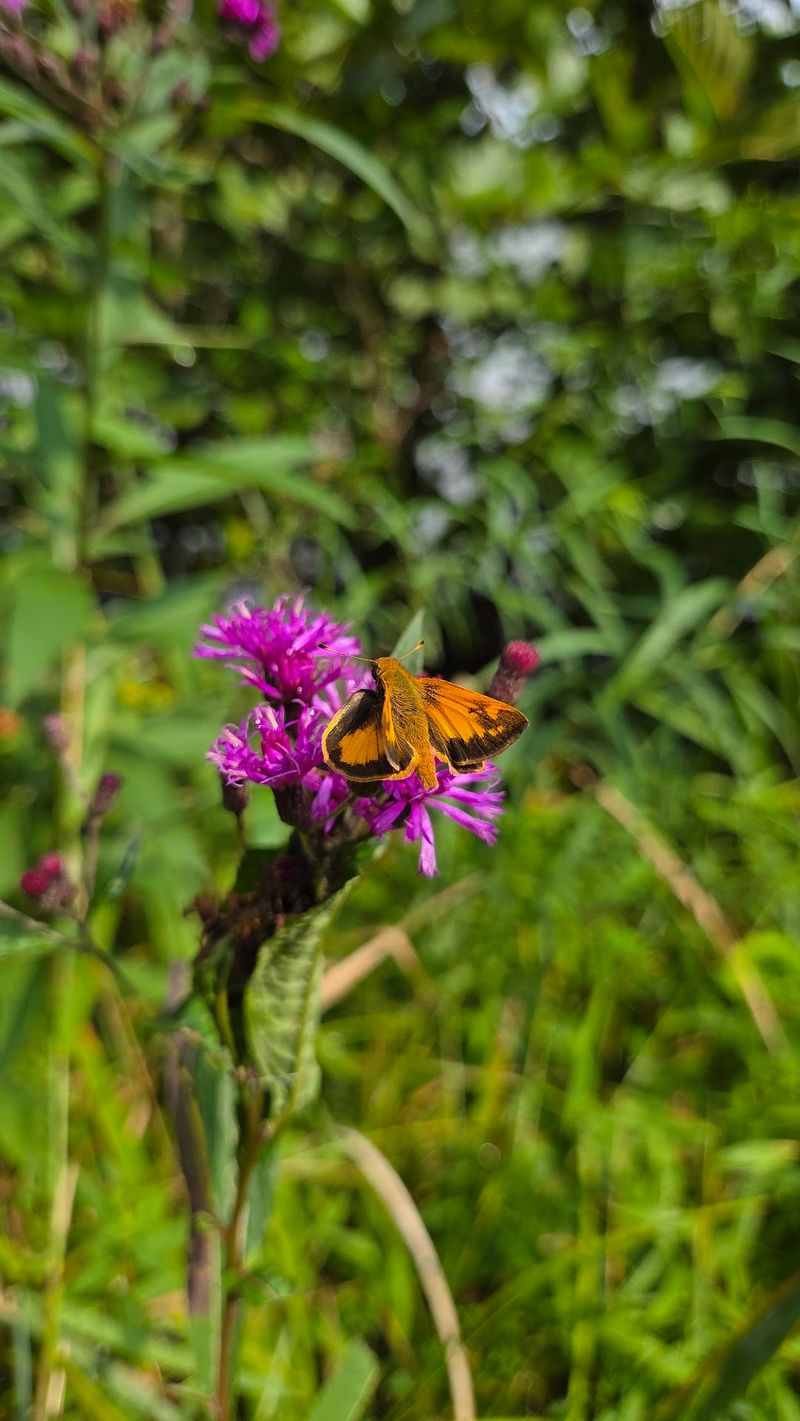
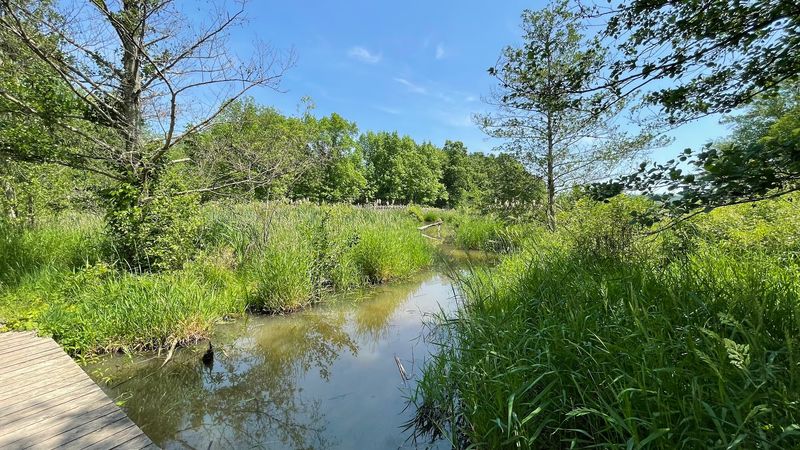
Early on, the path slips beside a swampy patch that looks plain from a distance and gets fascinating up close. Native wildflowers crowd the edges in season, and milkweed leaves can host monarch caterpillars.
I crouched for ten minutes watching one chew, which is not a speed record but felt satisfying.
Marshes and wetlands line the shore of Lake Arthur, and they shelter frogs, dragonflies, and the occasional turtle. Listen for a chorus of chirps you cannot quite trace.
Spring brings fresh green growth and early blooms, while summer fills the margins with color. Bring a small hand lens or just your phone camera for close shots.
Stay on the trail so the plants stay healthy. The next stretch swaps soggy ground for tall trees, and the air changes with it.
Pines, Ferns, and a Carpet of Needles
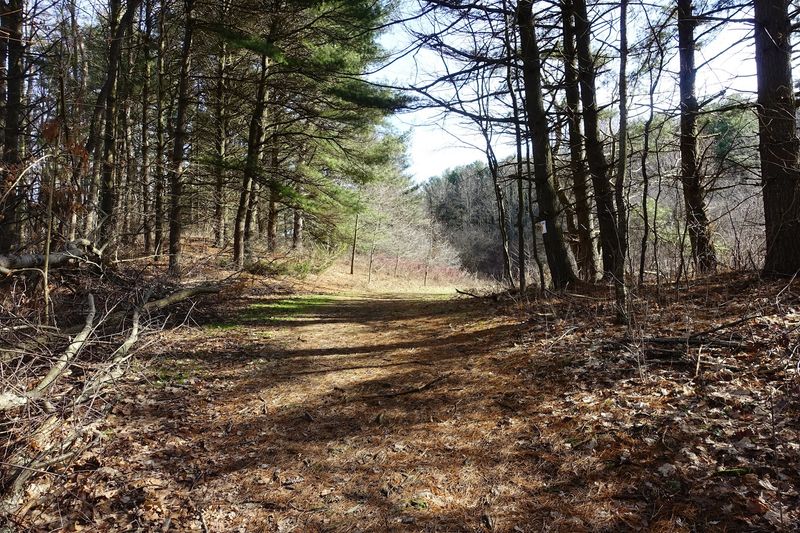
Tall white pines line one section of the route, and their needles soften every step. The air smells clean and a little sweet, and the sound of traffic never reaches here.
Green ferns brighten the forest floor, and they look especially sharp against brown fallen leaves in the cooler months. Dense conifer stands cast cool shade on hot afternoons.
Open grassy stretches break up the woods, so the scenery keeps changing. One minute you are tucked under branches, and the next you are in sunlight with room to stretch your arms.
I noticed that the trail dips and rises just enough to keep things interesting. Nothing steep, only gentle ups that make a bench feel like a reward.
Those benches are worth a pause, because some face the water. The lake views are coming up next.
Lake Arthur Peeks and Bench Breaks
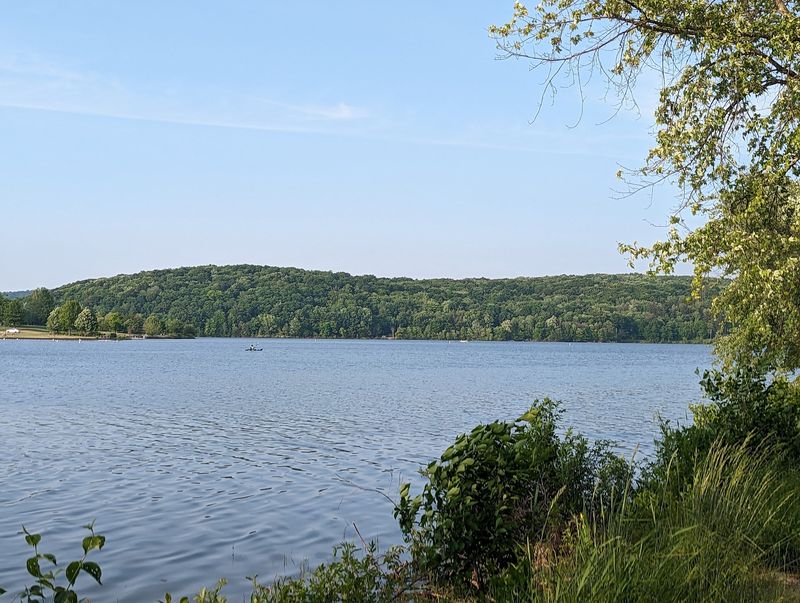
Lake Arthur shows up in pieces. A glimpse through the trees, a wide view from a bench, then a quiet shoreline where the trail runs close to the water.
This large lake was created by damming Muddy Creek, and the park claims 42 miles of shoreline. The hiking trail only touches a small part of it, yet the views feel generous.
I sat on one bench long enough to finish a granola bar and watch ripples spread across the surface. Waterfowl drift by, and fishing spots appear along the way.
The kayak launch near the trailhead is for non-powered boats only, so this end of the lake stays calm. Paddlers glide past with hardly a sound.
Take your time here. Birds are the next stars of the show, and they do not mind an audience.
Birds, Deer, and Other Trail Neighbors
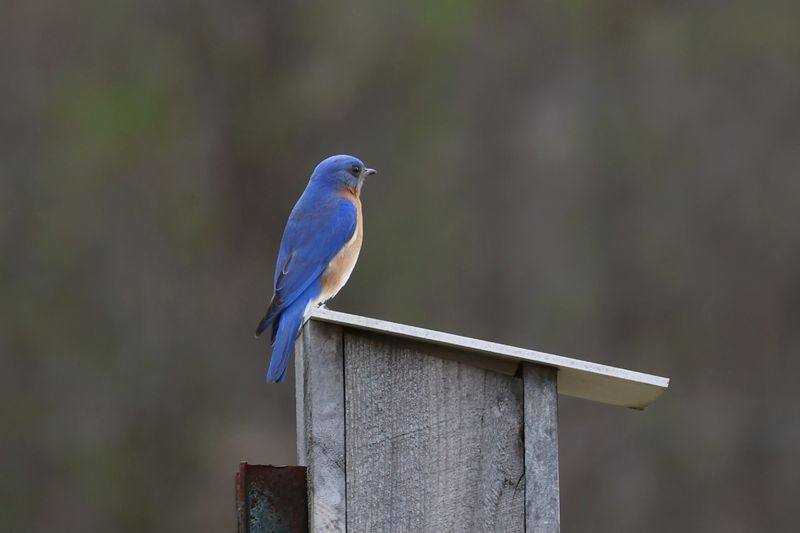
Bring binoculars, because the wildlife list is long. Eastern bluebirds flash their blue backs, downy woodpeckers tap on trunks, and waterfowl paddle across the lake.
Reeds and trees hold cavity-nesting birds, and every bend seems to bring a new song. I stopped counting species after a while and just listened.
White-tailed deer are common, and I saw a few step out near the woods and freeze when they noticed me. Squirrels, as usual, were far less shy.
Early mornings and late afternoons give the best odds. Keep your voice low and your steps slow, and the animals tend to stay put.
Fish swim in Lake Arthur too, which explains the anglers along the shore. Behind all this life lies an old story, and it explains why the land looks the way it does.
Glacier Leftovers Under Your Boots
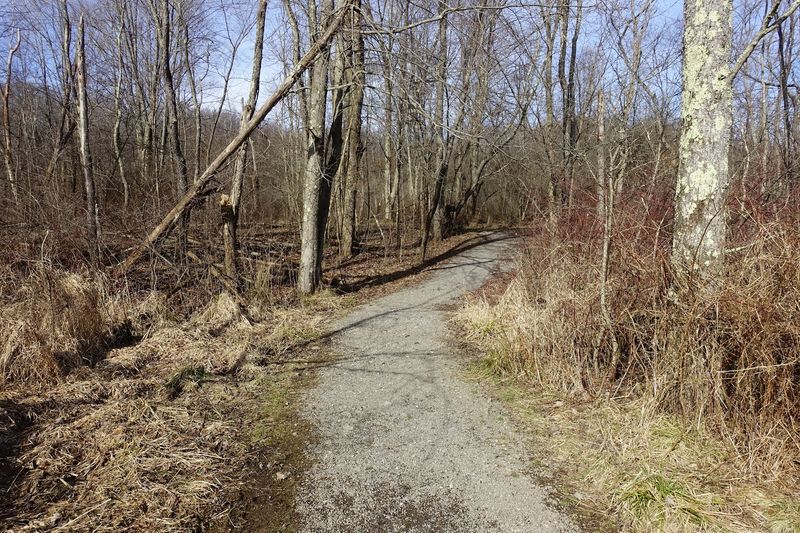
The park takes its name from glacial moraines, which are piles of debris left by huge ice sheets. Some of those glaciers stood over a mile thick before they retreated roughly 14,000 to 23,000 years ago.
They left behind sand, gravel, and clay, and they blocked ancient creeks to form prehistoric lakes. Those gentle hills you climb on the return loop are part of that story.
It is a lot to picture while you are watching dragonflies, but the park makes it easier. A self-guided Trail of Geology tour helps visitors see the ancient past up close.
I liked knowing that every rise in the path was shaped long before anyone drew a map. The trail is quiet enough to let that sink in.
People shaped this land too, and their chapter is a bigger surprise.
From Wells and Mines to a Healed Landscape
Before 1970, this land looked very different. American Indians hunted here, farmers worked the fields in the 1800s, and companies pulled out sand, gravel, limestone, clay, coal, oil, and gas.
Abandoned wells and polluted streams were left behind. Then Dr. Frank W.
Preston and the Western Pennsylvania Conservancy stepped in.
The group bought the land, plugged hundreds of old wells, sealed deep mines, and backfilled strip mines. Crews restored the soil and planted thousands of trees, shrubs, and grasses.
Moraine State Park opened in 1970, and Lake Arthur came from damming Muddy Creek. Accounts even suggest a young George Washington may have passed through the region twice during his 1753 mission.
Knowing all this makes the pines and ferns feel like a hard-won victory. Now for the seasonal side, because this trail changes outfits all year.
Four Seasons, Four Different Trails
Pick almost any month and the Sunken Garden Trail offers a different experience. Spring brings fresh leaves, emerging ferns, and seasonal wildflowers, while summer offers plenty of shade beneath the trees and opportunities to watch birds and other wildlife around the wetlands.
Autumn may be the most colorful time to visit. Reds, oranges, and golds fill the canopy, while the remaining green ferns stand out against fallen leaves.
A quiet weekday in October can be especially appealing if you want to enjoy the woods without a busy trail.
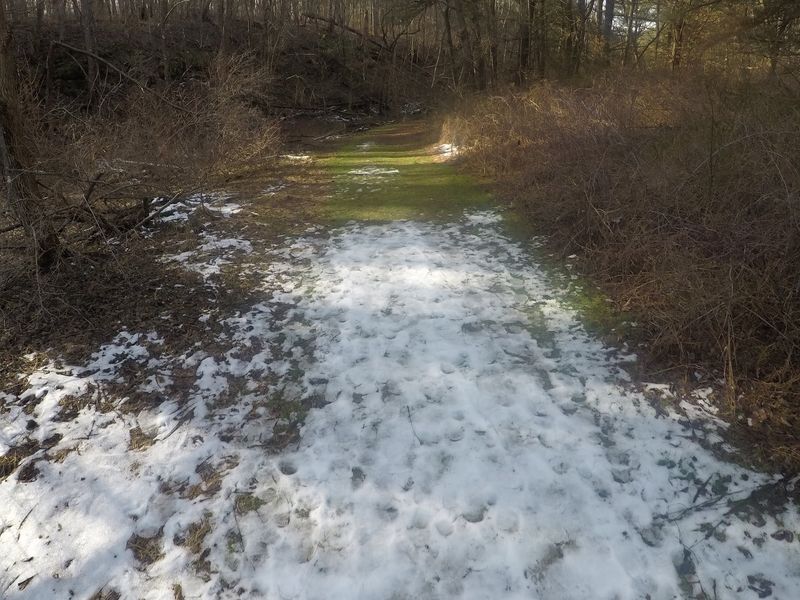
Winter changes the route again. Snow can turn the familiar woodland loop into a completely different outing, and cross-country skiing is permitted when conditions cooperate.
Hikers should be prepared for frozen, snowy, or muddy sections depending on recent weather.
The park is open daily from sunrise to sunset, giving visitors plenty of flexibility throughout the year. Dress in layers during cooler months and remember that wet weather can make the low sections considerably muddier.
The relatively gentle terrain also makes the trail appealing for walkers and trail runners who want a manageable route without major climbs.
More to Explore Beyond the Loop
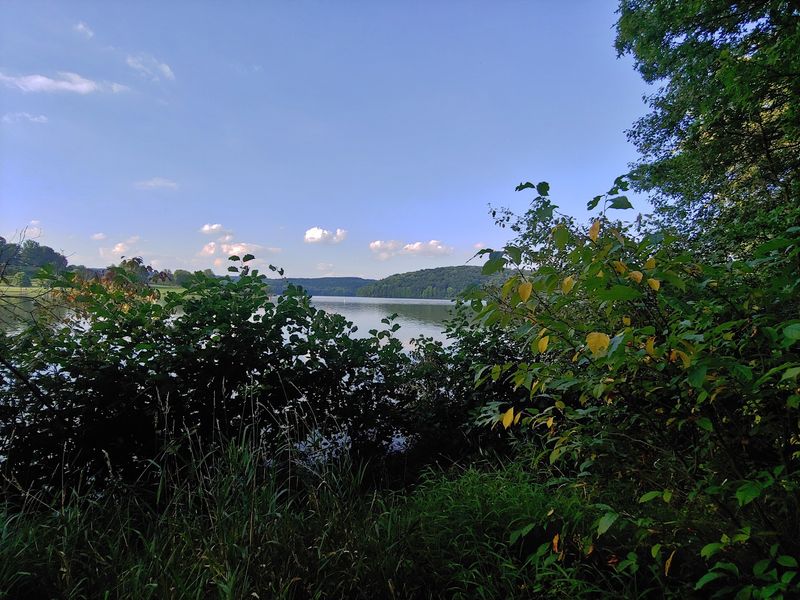
Once you finish the Sunken Garden Trail, there is plenty more to explore without leaving Moraine State Park. The park covers 16,725 acres, with Lake Arthur at the center of many of its most popular activities.
Boating is a major draw, and the lake’s coves and shoreline give paddlers plenty of room to explore. Fishing is also popular from both shore and boat, while other parts of the park offer biking, horseback riding, disc golf, geocaching, and additional hiking opportunities.
If you are not ready for another trail, the picnic areas provide an easy place to slow down after the hike. Pack a lunch, spend some time near the water, or simply use the Sunken Garden Trail as the first stop in a longer day around the park.
Dogs are permitted on the trail when properly controlled, making this an option for visitors who want to bring a four-legged hiking companion. Just remember that muddy conditions and ticks can affect pets as well as people.
The unusual Sunken Garden name may remain something of a curiosity, but the trail itself is easy to understand. Three loop options, varied woodland scenery, wetlands, wildlife, and access to the rest of Moraine State Park give visitors plenty of reasons to return in another season.
Share this story