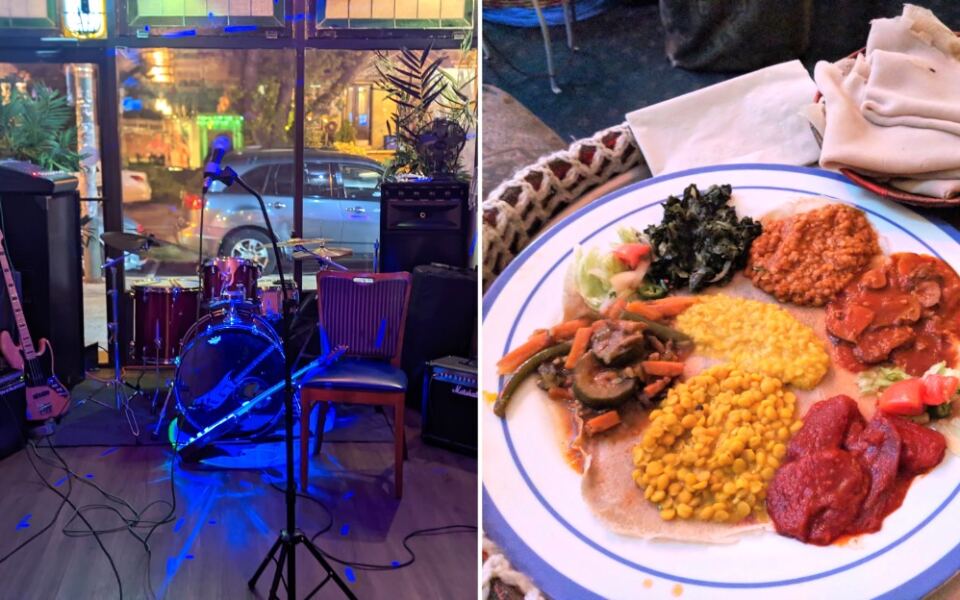
At one West Philadelphia restaurant, dinner arrives on a large platter of injera bread covered with Ethiopian and Eritrean stews. You tear off pieces of the bread to scoop up spicy beef, lentils, and vegetables, sharing the meal with everyone at your table.
Dahlak has been serving the neighborhood for decades, but food is only half the reason people visit. The restaurant also has a bar, an outdoor patio, and a calendar of live music, karaoke, and other events.
Located on Baltimore Avenue, this longtime favorite combines traditional East African dining with a late-night social scene. Some guests come for the sharing platters, while others stay for the entertainment that makes Dahlak more than an ordinary dinner stop.
A Longtime Fixture on Baltimore Avenue
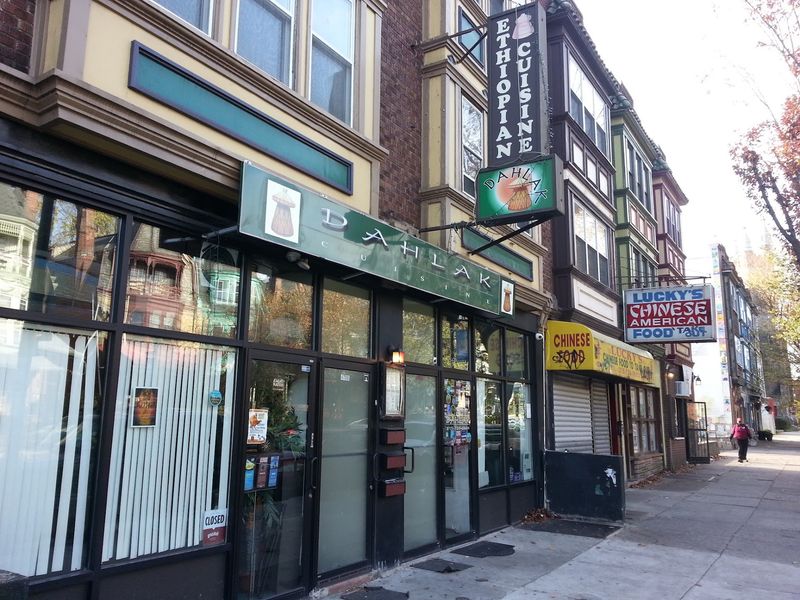
Dahlak sits at 4708 Baltimore Ave in Philadelphia, Pennsylvania, right in the busy stretch of West Philly known for its mix of cultures. Google lists it as an Eritrean restaurant, and its own description promises both Ethiopian and Eritrean specialties.
The name comes from the Dahlak Archipelago, a chain of islands off the coast of Eritrea in the Red Sea. I find that a fun detail, since it quietly points to the owners’ roots before you even open a menu.
The restaurant has been part of this neighborhood for decades. Longtime diners describe coming here for twenty years or more, which says a lot about how deeply it is woven into the area.
Hours are unusual for a place that serves dinner. Dahlak opens at 4 p.m.
Wednesday through Sunday and stays open until 2 a.m., while Monday and Tuesday are closed.
That late schedule shapes everything about the place. It works as a sit-down restaurant in the early evening and turns into a lively neighborhood hangout as the night goes on.
Before getting to the nightlife, though, it helps to understand how the food arrives at your table.
Injera Does the Work of Plates and Forks
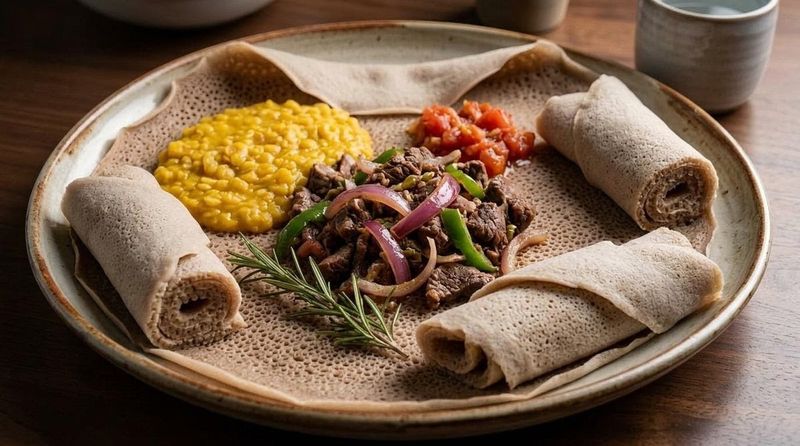
Spongy, tangy, and full of tiny holes, injera is the heart of every meal here. It is a thin flatbread usually made from teff, a tiny grain grown in Ethiopia and Eritrea.
The bread covers a large round tray, and stews are spooned right on top. Extra rolls of injera come on the side so you can tear off pieces.
To eat, you rip off a strip and pinch up a bite of stew with it. No silverware is needed, and as one happy first-timer put it, the bread pulls triple duty as plate, utensil, and napkin.
A few tips help if you are new to this style. Use your right hand, which is the custom in both countries, and take small pieces so the bread holds together.
The last part of the meal is often the best. The injera underneath soaks up all the sauces, so save room for it.
It may feel strange at first if you grew up with forks. After a few bites, most people stop thinking about it and just enjoy the food.
The next question is what to pile on top of that bread.
The Mesob Platter Built for Sharing
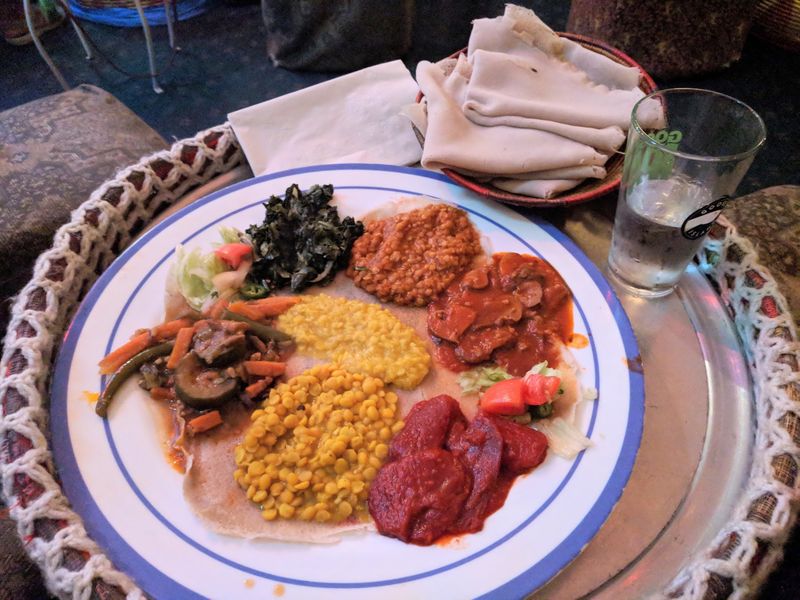
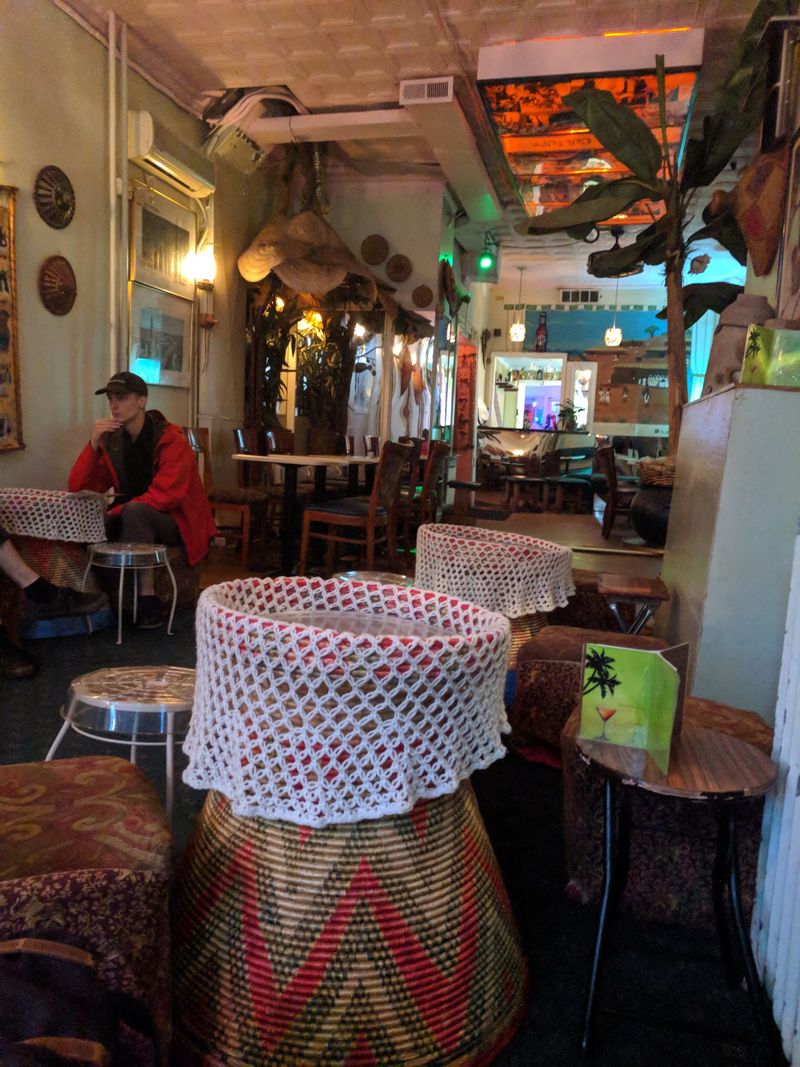
Ordering for a group gets easy once you spot the mesob platter on the menu. A mesob is the woven basket table traditionally used for serving meals in Ethiopia and Eritrea.
Recent diners describe their platters with beef, collard greens, lentils, and a fresh tomato salad all sharing one tray. It is a simple way to try several flavors without making a dozen choices.
Sharing is the whole point. Everyone reaches into the same tray, so the meal naturally becomes a conversation.
Here is a practical note worth knowing. A couple of recent guests said the platter felt small for two hungry people, so adding an appetizer like a samosa can round things out.
Larger parties should also check the bill carefully. One group of six mentioned that an automatic 20 percent service charge was added, and they almost tipped twice by mistake.
I would treat the platter as a starting point rather than the full plan. Build around it with a side dish or two, and the table will stay happy.
Of course, the vegetable side of the menu deserves its own look.
Lentils, Greens, and Other Meatless Favorites
Vegetarians often do well at Ethiopian and Eritrean tables, and Dahlak follows that tradition. Many meatless dishes come from fasting customs, when people in the region skip meat for religious reasons.
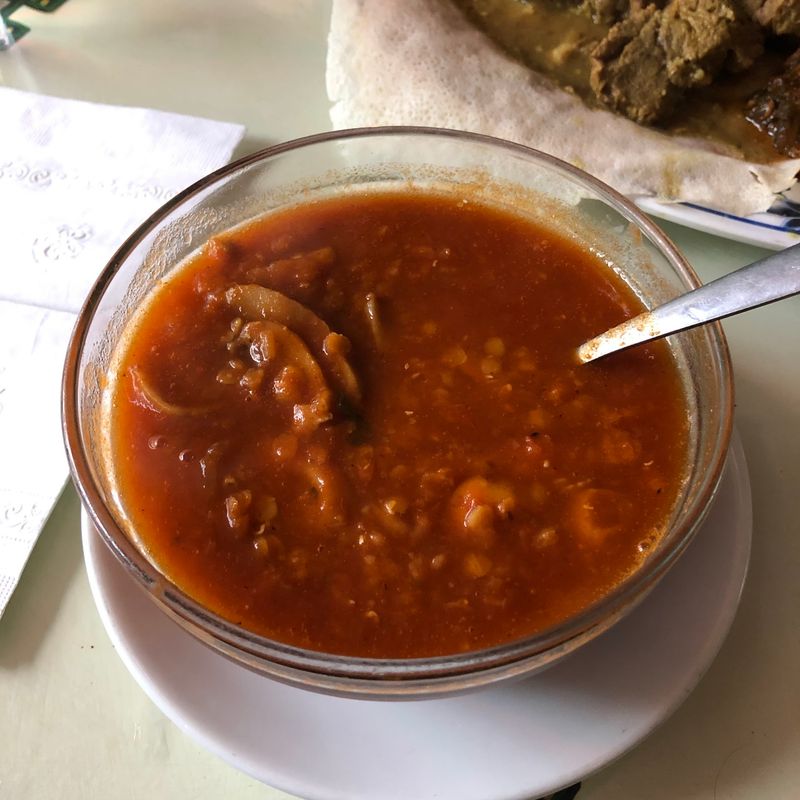
Lentils come up again and again when diners talk about this kitchen. Yellow lentils, collard greens, beets, and okra all show up in descriptions of past meals.
Shiro is another dish to know. It is a thick stew made from ground chickpeas or other legumes, cooked with spices into a smooth, comforting sauce.
Vegan diners should plan a little. One recent visitor counted only about five vegan options, so asking your server which dishes fit your needs is a smart move.
Staff members have been described over the years as friendly and willing to explain the menu. That makes asking questions much less awkward.
Mixing a few vegetable dishes with one meat stew is a balanced way to order. The colors look great together on the injera too.
Speaking of meat, the kitchen has a few heartier options that lean on bold spices and slow cooking.
Spicy Beef and Chicken Worth Knowing
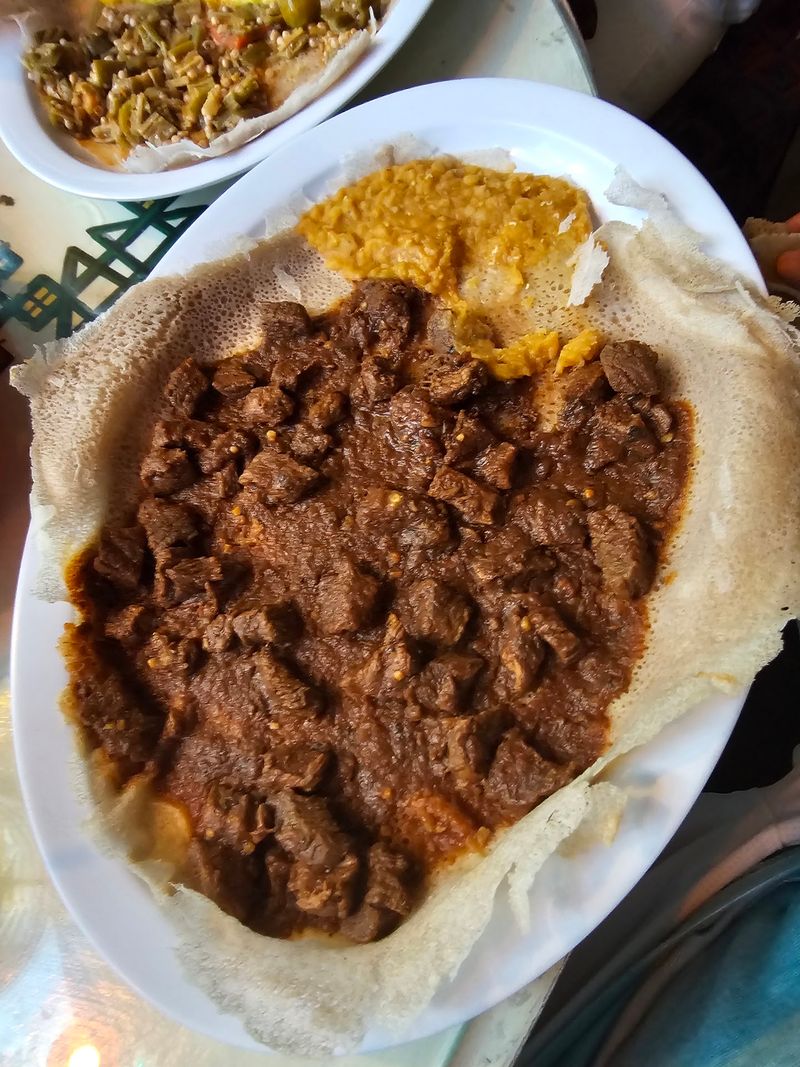
Berbere is the spice blend behind much of the flavor here. It usually combines chili peppers with warm spices like fenugreek, ginger, and cardamom.
Diners have mentioned spicy beef as a favorite, along with a chicken and okra dish called doro okra. One first-timer described it as a thick chicken and vegetable stew scooped up with warm bread.
Doro means chicken in Amharic, a major language of Ethiopia. Knowing that one word helps you read a lot of menus in this style.
Heat levels can vary from dish to dish. If you are sensitive to spice, ask which items are milder before ordering.
Some guests find the food bold, and others have called it lighter on spice than expected. That range of opinions makes me think it is wise to tell your server how much heat you like.
The menu also stretches beyond traditional stews. Diners have mentioned rasta pasta and samosas, which show a more relaxed approach to the menu.
A sweet surprise waits at the end of the meal too, and it comes from an ingredient grown across the region.
A Date Cake to Finish Things Off
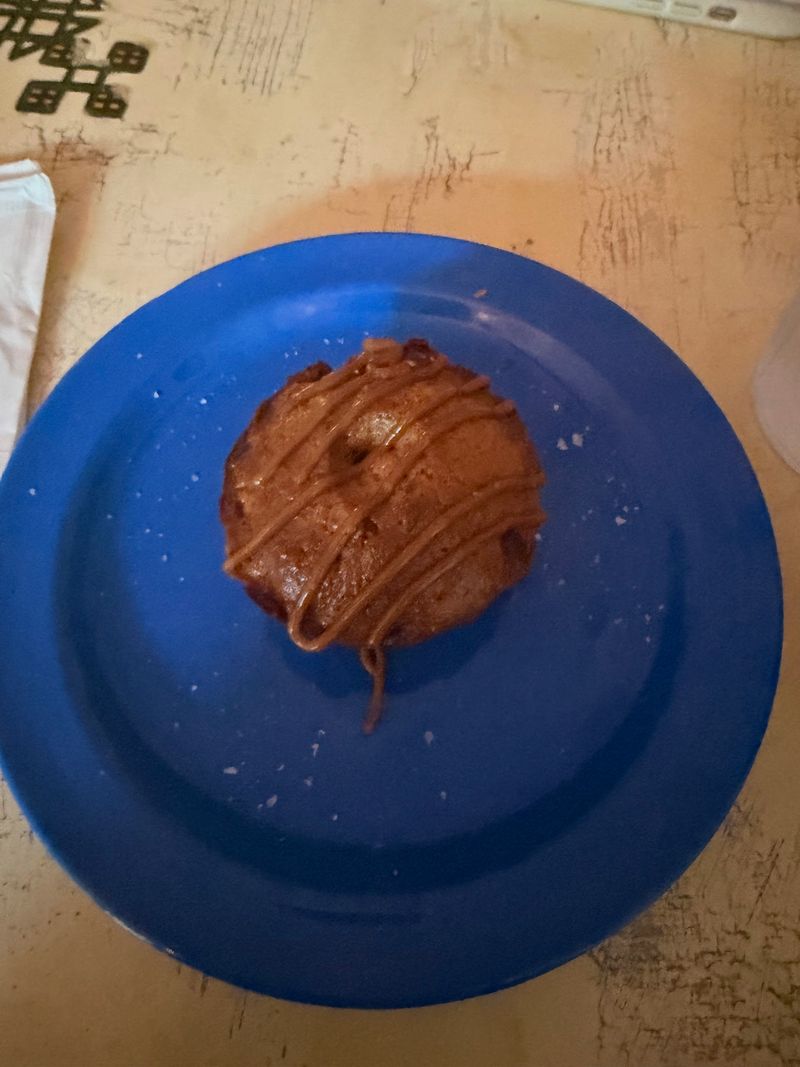
Dessert is not always a big part of Ethiopian or Eritrean dining. That makes the date cake mentioned by recent guests at Dahlak a nice little extra.
Dates have been grown and enjoyed around the Red Sea for thousands of years. Using them in a cake connects nicely to the Eritrean coastline that gives the restaurant its name.
One diner called the cake interesting, with decent flavor and a texture that was different from a typical bakery cake. I like knowing that ahead of time, since it sets fair expectations.
Sharing a slice is a good idea after a large platter. A few bites of something sweet balance out the spicy stews nicely.
Coffee also matters a lot in this part of the world. Ethiopia is widely known as the birthplace of coffee, and Eritrea has strong coffee traditions of its own.
If you are curious about drinks, ask your server what non-alcoholic options are available that night.
After dessert, many tables do not head home. The rooms around them start filling with music and a very different kind of energy.
Three Rooms With Three Different Moods
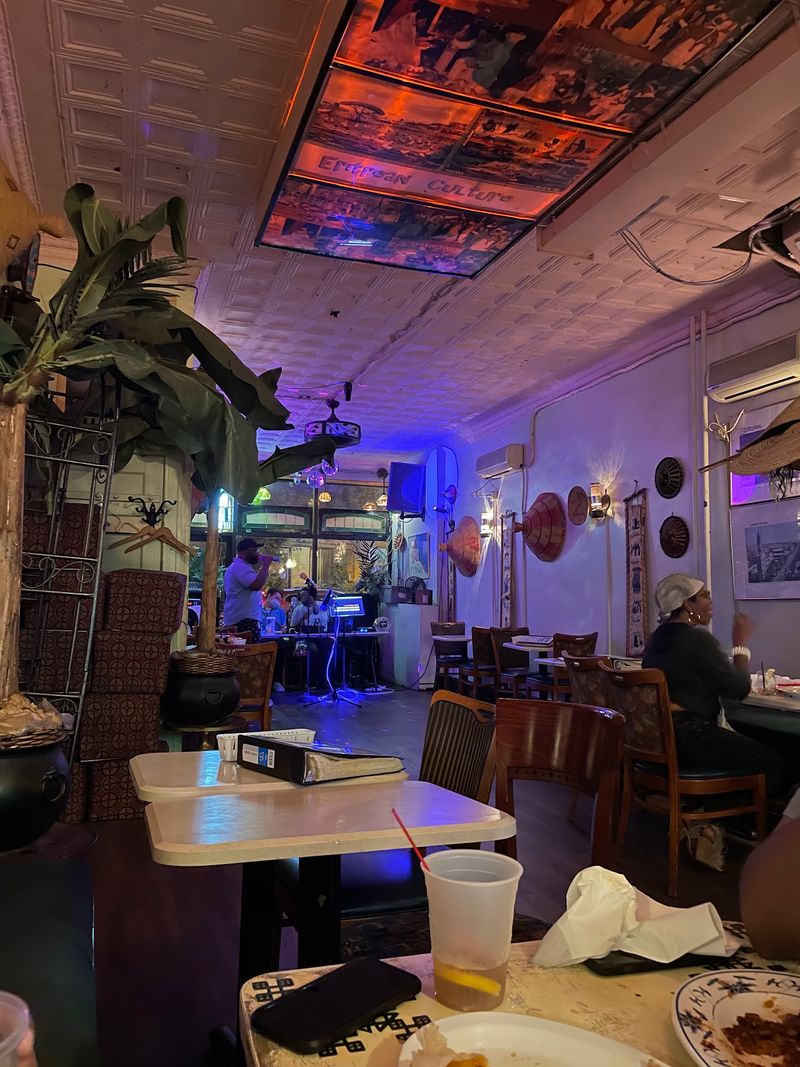
Walk deeper inside and the building keeps going. A longtime fan described three separate areas, each with its own feel.
The main dining space is calm enough for easy conversation around a shared tray. It is the spot I would pick for a first visit focused on food.
A second room has a bar and a performance area. Over the years it has hosted local musicians and other live acts.
The third space feels like a neighborhood corner hangout, with large TVs that often show sports. A music jukebox has also been part of that room’s story.
Recent guests have praised the lighting and the look of the place. One person loved the tables and chairs near the front, calling them really neat.
This layout means you can choose your own evening. A quiet dinner and a loud night out can happen under the same roof at the same time.
Picking the right room depends on what you want. Which brings us to the nights when the performance space really comes alive.
Karaoke, Open Mics, and Afrobeats Dancing
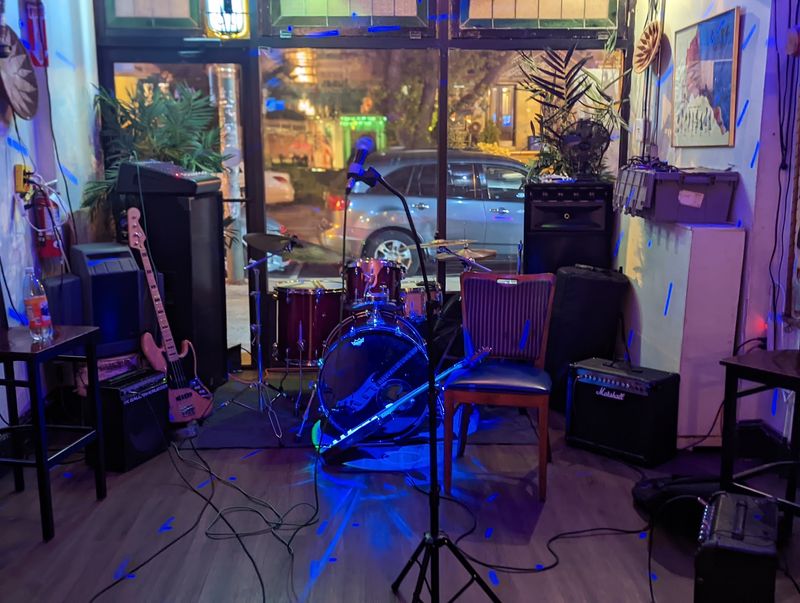
Singing with friends after a plate of lentils is part of the fun here. Karaoke nights have come up often, and one group happily described joining in on a Friday.
Open mic nights and live music have also been part of the schedule. Those events give local performers a stage right in their own neighborhood.
One recent guest mentioned a monthly afrobeats line dance night. Afrobeats is a popular music style with roots in West Africa, and it is made for moving.
Event schedules can change, so I would check the restaurant’s social media before planning around a specific night. That small step saves disappointment.
These events help explain the late closing time. Some evenings, people come as much for music and dancing as for dinner.
A diner described the crowd as welcoming to people from all walks of life. That mix fits a neighborhood known for its wide range of cultures.
When the indoor rooms feel too busy, there is another option. Many guests head toward the back, where an outdoor space offers a breather.
The Back Patio After Dark
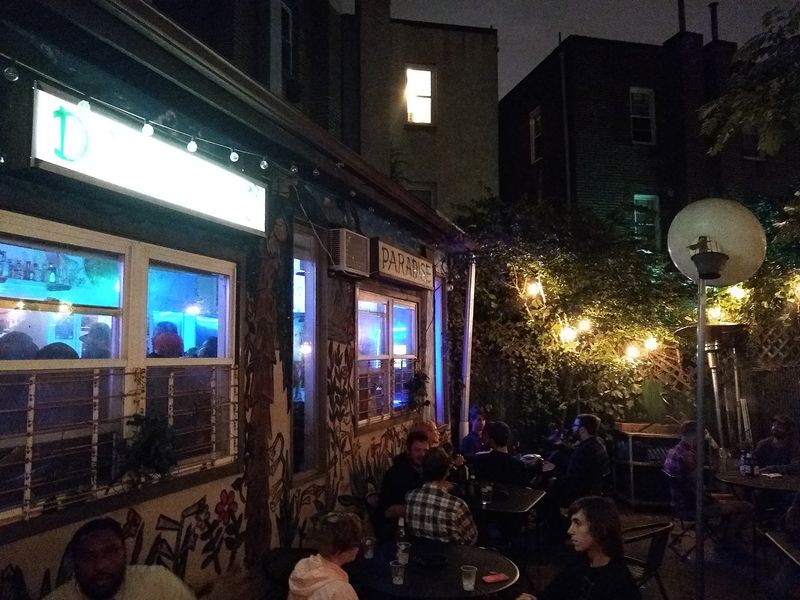
Out back, an open-air space gives the evening some fresh air. Recent diners have singled out the outdoor area as a highlight.
Outdoor seating has been mentioned many times. It is a relaxed spot to sit, talk, and enjoy a warm Philadelphia night.
Hookah is also a big part of the Dahlak experience, based on how often guests bring it up. Hookah is a water pipe used for flavored smoke, and it is popular in many Middle Eastern and East African social settings.
If smoke bothers you, the main dining room is likely a better fit. Choosing your seat ahead of time keeps everyone comfortable.
The patio scene works best in mild weather. Spring, summer, and early fall evenings seem like natural times to enjoy it.
I can understand the appeal of a backyard-style space in the middle of a city. It feels like a hidden break from the busy street out front.
Getting to that patio is easier than you might expect in West Philly, especially if you know a few tricks.
Smart Tips Before You Head Over
Timing your trip can change the whole experience. Arriving close to the 4 p.m. opening usually means a calmer dining room and more attention from staff.
Sunday evenings have been described as quiet, with seats easy to find. That makes Sunday a good choice for a relaxed first visit.
Parking near Baltimore Avenue was easy for at least one recent diner. The area is also served by SEPTA trolley lines, which run along Baltimore Avenue.
Service speed has drawn mixed comments. Some guests praise attentive staff, while others waited a long time, so it helps to go when you are not in a rush.
Double-check your order when it arrives. A few diners said appetizers went missing, and politely speaking up right away is the simplest fix.
Remember that Monday and Tuesday are closed days. Planning around that saves a wasted trip across town.
Once you settle in, the shared tray, the music, and the late hours come together. Dahlak feels less like a quick dinner stop and more like a full evening in West Philadelphia, where two neighboring food traditions meet on one round of bread.
Share this story