A smash burger, a tandoori chicken, and a stencil on the floor that is meant to vanish. Those three details only begin to explain why one downtown tavern keeps locals coming back for breakfast, lunch, and dinner.
The room sits below street level, inside a 1903 landmark, and it hides a map of the city in plain sight. I spent time at its tables, its counter, and even its rooftop, and I took notes on what makes it tick.
You will find out how the name connects to the city itself, which dishes earned the loudest praise, and which entrance trips up first-timers. I will also share the booking tips that save you a wait, plus the weekend extras that make brunch feel like a party.
The chef behind the menu has a résumé that reads like a food lover’s dream, and his plates show it. Keep reading, because the biggest surprise sits behind a hotel lobby door, and I am about to point you toward it.
The Address Behind the Lobby Door
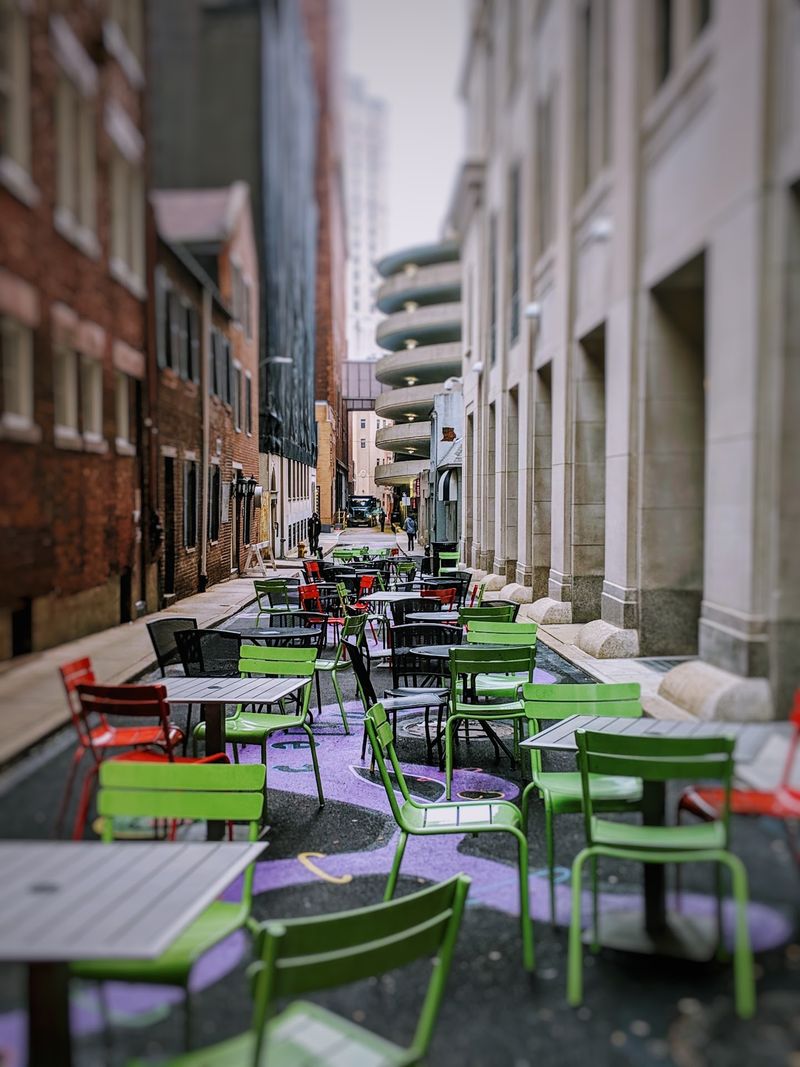
Here is the first secret: the front door is not really the front door. The Commoner sits at 620 William Penn Place, Pittsburgh, Pennsylvania 15219, and the easiest way in is through the Kimpton Hotel Monaco lobby.
Head left once you cross the threshold.
The building began life in 1903 as the Duquesne Light Building, and its Beaux Arts style still impresses from the sidewalk. Stone details catch the light, and the entrance gives no hint of the cozy room waiting below.
A side door exists, but it is usually closed, so do not waste a lap around the block trying it. I made that mistake so you do not have to.
The spot lands in the heart of the Central Business District. Museums, theaters, and office towers sit within a short walk, which makes the tavern a handy stop after sightseeing.
Wondering what the room itself looks like once you find it? The design tells its own story, and it is the next stop on this tour.
A Room That Plans to Age Gracefully
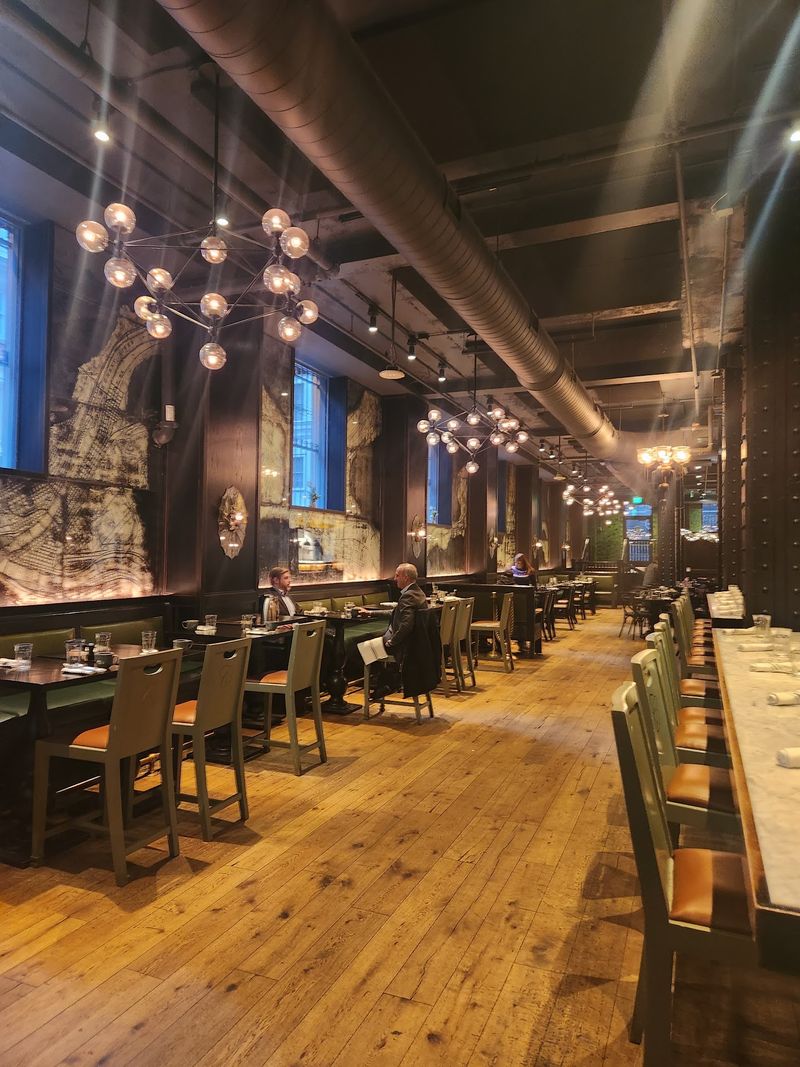
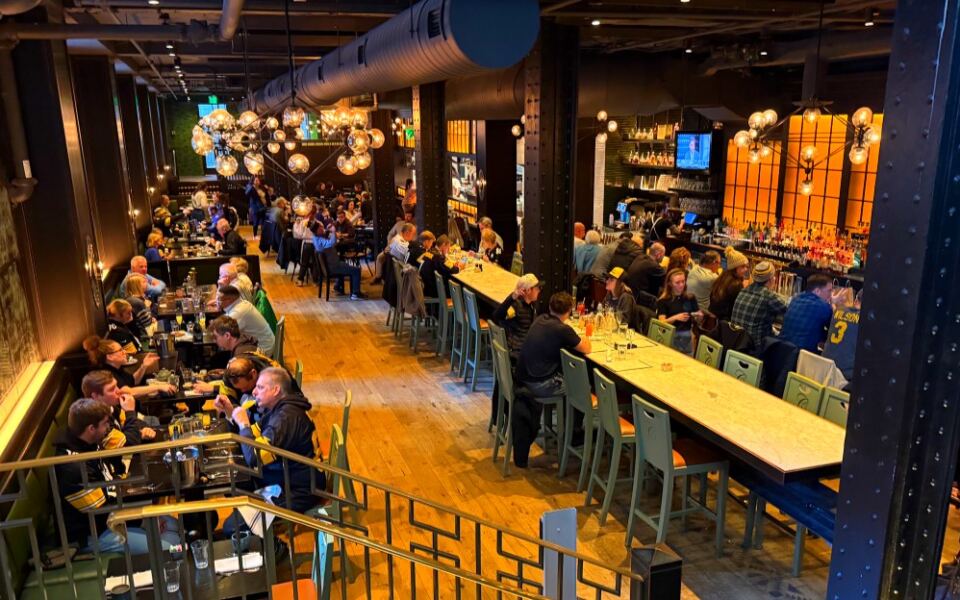
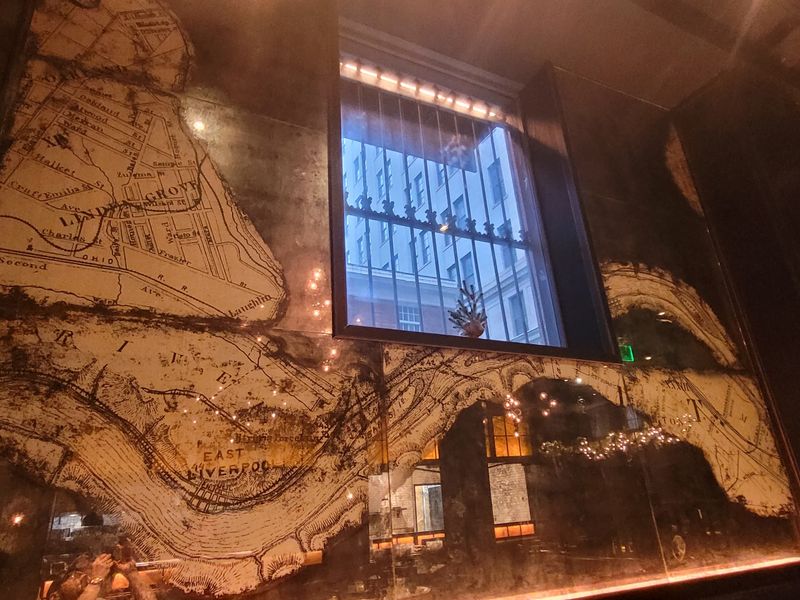
Designer Mark Zeff built this room with the future in mind. He expects the space to gather the patina of an old tavern as the years roll by.
That is a bold plan for a restaurant, and it works.
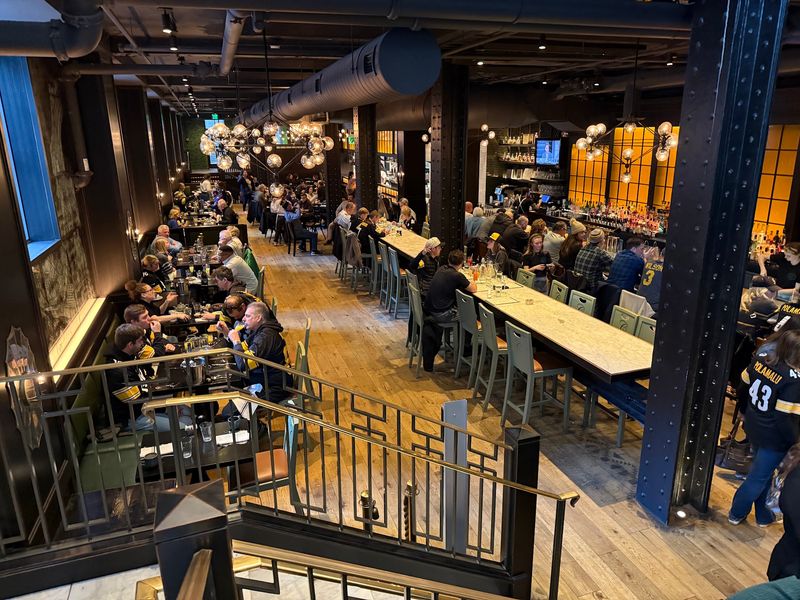
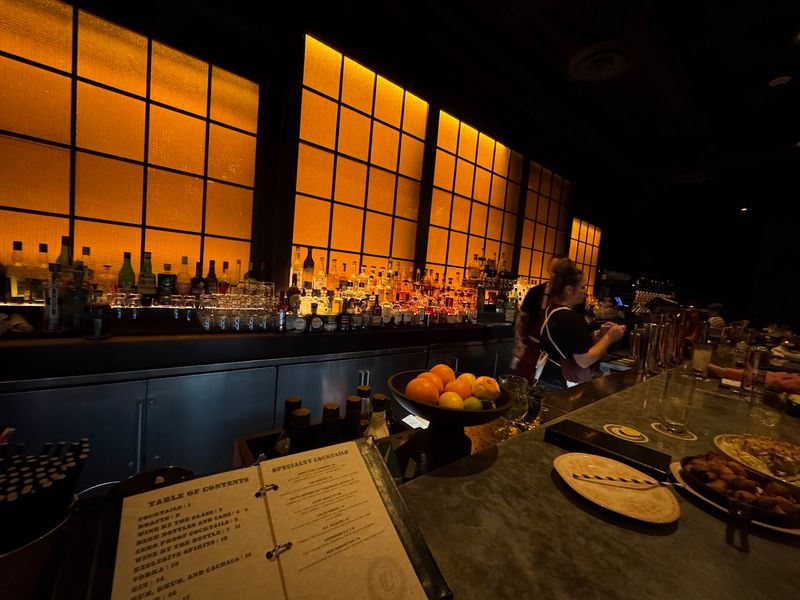
An oversized antiqued mirror covers the back wall, and a map of Pittsburgh is inlaid in its surface. Reclaimed wire and amber glass at the bar cast a soft, dusky glow across the dark wood.
The room sits below street level, so natural light arrives gently diffused. Exposed steel beams nod to the city’s industrial past without shouting about it.
Look down near the floor for a large stencil. It was designed to wear away under foot traffic, so every diner helps finish the artwork.
The noise level stays friendly, and conversation does not require shouting. That mix of calm and character sets up the food perfectly, and the menu philosophy comes next.
Why Tavern Food Gets a Polished Makeover
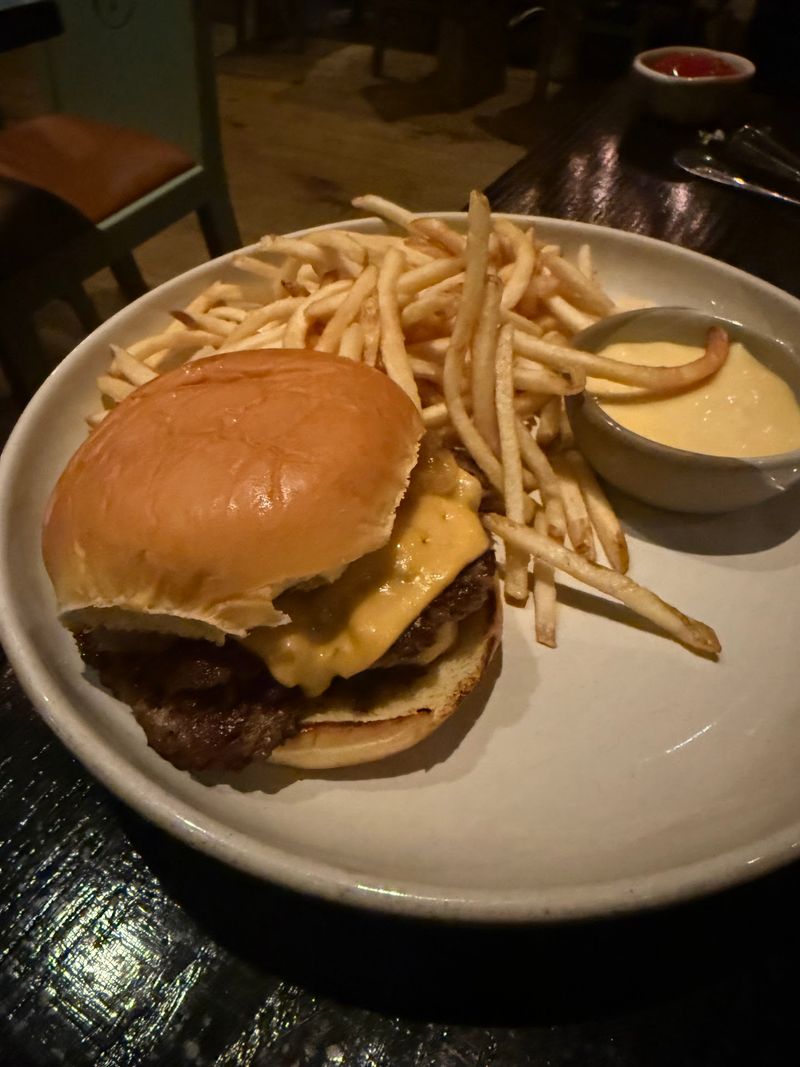
The restaurant calls itself a modern American tavern, and the menu backs up the claim. Familiar comfort dishes arrive with sharper techniques and carefully chosen seasonal ingredients.
Nothing feels fussy, yet nothing feels ordinary either.
Take the crispy potatoes, which come with a taleggio fondue and roasted garlic butter. A humble spud suddenly acts like the star of the evening.
The menu shifts with the seasons, so a return visit rarely repeats the last one. Staples stay put, while the supporting cast changes with what local producers have on hand.
I like that the upgrades never bury the original idea. A grilled cheese is still a grilled cheese, only with better cheese and a smarter condiment.
That balance explains why people describe the food as comforting and surprising at once. Ready for specific plates to order?
The dinner lineup has a few standouts waiting just ahead.
Dinner Plates Worth Saving Room For
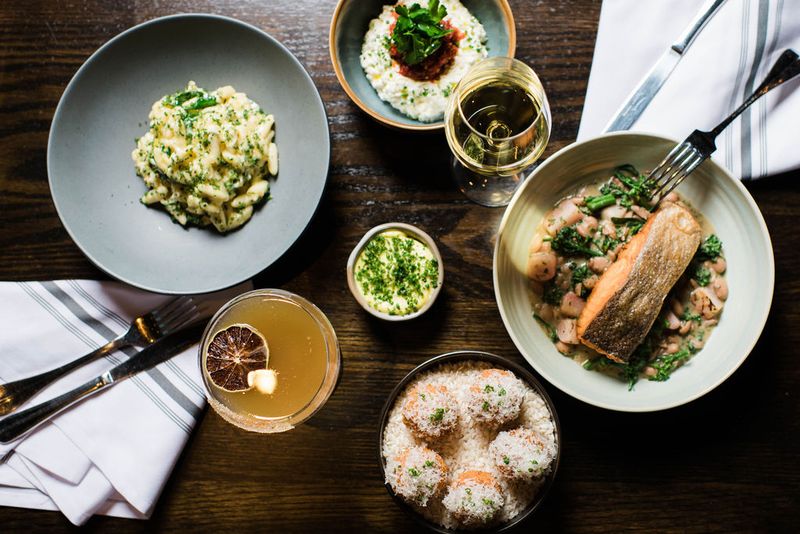
Dinner is where the kitchen stretches its legs. The dry aged beef tartare arrives with pistachio, lemon oil, parmesan, and grilled bread, and the crushed nuts add a pleasant crunch.
The pork chop draws the most chatter, and I understand why. It comes with savoy cabbage and a miso mustard cream sauce, and the cabbage carries more flavor than you would expect from a side.
The half chicken takes a detour to India with a tandoori marinade, spiced tomato cream, broccolini, and naan. It keeps the tavern spirit while borrowing from far-off kitchens.
Focaccia with herb butter makes a smart opener for the table. Scallops and salmon round out the options for lighter appetites.
Dishes rotate, so ask your server what is new before you decide. And if you think dinner is the only meal worth a trip, the morning menu is about to change your mind.
Breakfast Plates That Beat the Alarm Clock
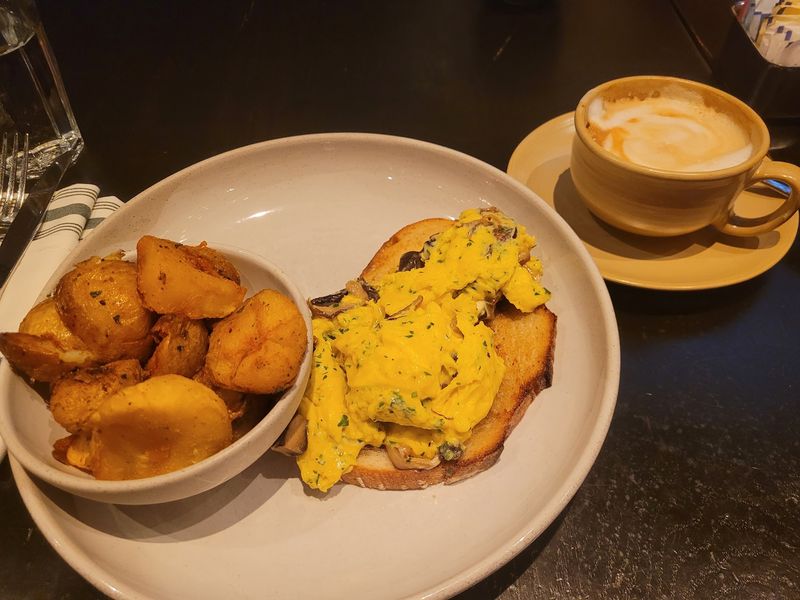
Early risers get a real reward here. Weekday breakfast starts at 7 AM, and the eggs Benedict is the dish people mention again and again.
Poached eggs, Canadian bacon, hollandaise, and crispy potatoes share the plate in tidy harmony.
Omelets bring variety, with fillings such as ham and manchego or crab with sofrito. Pancakes with brown butter and miso maple syrup add a sweet turn.
Fruit and yogurt keep things lighter, and the coffee deserves its own mention. It tastes fresh and strong, which matters before nine in the morning.
The pace feels relaxed even when the room fills. Servers keep refills coming without hovering.
One reader tip from my table: order a side of those potatoes even if the dish already includes them. Weekends bring a livelier twist, and that brings us to brunch.
Weekend Brunch With a Little Sparkle
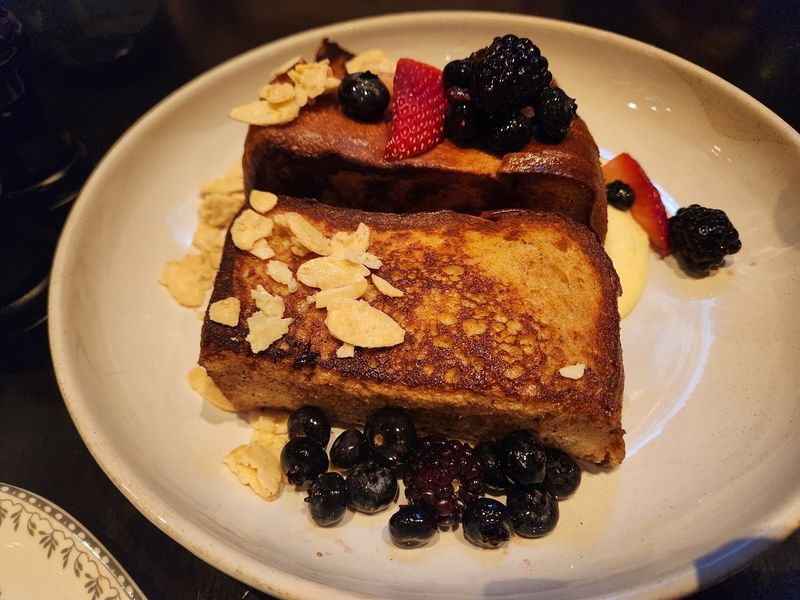
Saturday and Sunday mornings begin at 8:30 AM, and the room hums with friends and families. Brunch here feels like a small celebration without being loud about it.
The French toast comes with Meyer lemon curd, fresh berries, and strawberry crunch. It is moist enough that extra syrup becomes optional.
Chicken and waffles also draws plenty of attention, and the berry bowl surprises people who usually skip quinoa. Indecisive diners should plan to share.
A mimosa brunch special pairs a bottle of bubbly with your choice of juice for the table. It suits birthdays, reunions, or simply a good Sunday.
Brunch service ends by 1:30 PM, so arrive early to avoid the rush. Reservations help a lot here.
Up next, I climb nine floors to a very different kind of table.
Zero Proof Creativity at the Bar
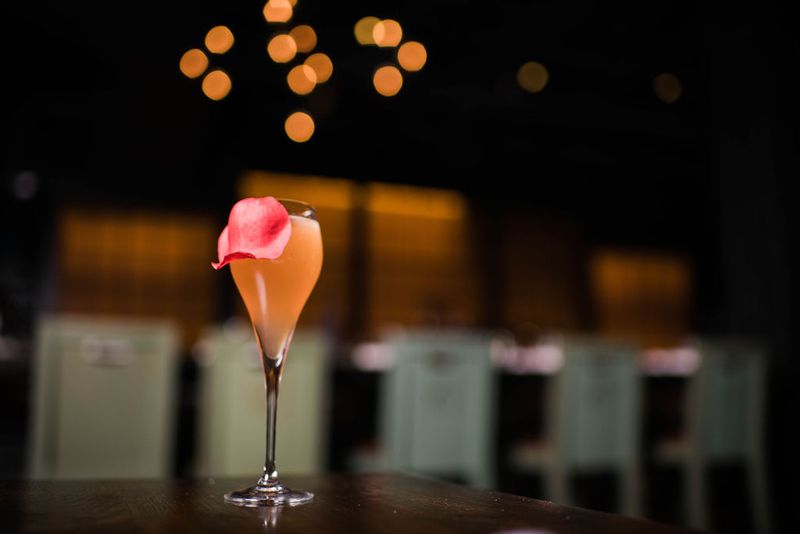
The bar program deserves a seat at the table, and not only for grown-ups with long lists of preferences. A dedicated zero-proof menu treats nonalcoholic drinks as real recipes rather than afterthoughts.
One guest called her mocktail the best she had ever tasted, and I can see why. Layered flavors and careful balance make each glass feel special.
Twenty taps line the bar, and coffee and tea service stay strong all day. Bartenders pay attention to the details, from refills to recommendations.
Desserts pair nicely with a late stop here. The cheesecake custard and chocolate ganache both draw praise, and the dessert plates look as polished as the dinner ones.
Sitting at the bar also gives you a view of the open kitchen. That kitchen has a leader worth meeting, and his story comes soon.
The Great Commoner Behind the Name
History lovers will enjoy the name. Pittsburgh itself honors William Pitt, the First Earl of Chatham, who people called The Great Commoner.
The restaurant borrowed that nickname for its own.
The idea was to signal a welcoming, down-to-earth place where everyone belongs. An earlier concept used the name Elderburgh, but The Commoner felt friendlier and more fitting.
Pitt was known for staying connected to ordinary people, and he held off on accepting a title until later in life. That story matches the tone inside, where fine cooking meets easy hospitality.
The motto about an uncommon experience for the good people of Pittsburgh makes sense once you sit down. Nobody here makes you feel underdressed.
Knowing the story adds flavor to the meal. Now for the person turning that philosophy into plates every day.
The Chef With a Big Résumé
Executive Chef David Racicot runs the kitchen, and his background reads like a tour of famous dining rooms. He worked in Las Vegas at Bellagio, Picasso, and Le Cirque before returning to Pennsylvania.
He later served as Chef de Cuisine at Lautrec in Farmington, which earned a AAA Five Diamond rating under his leadership. He has also been a three-time James Beard semi-finalist.
Awards matter less than results on the plate, and the results here are consistent. Salmon, pork, and tartare all show careful seasoning and clean presentation.
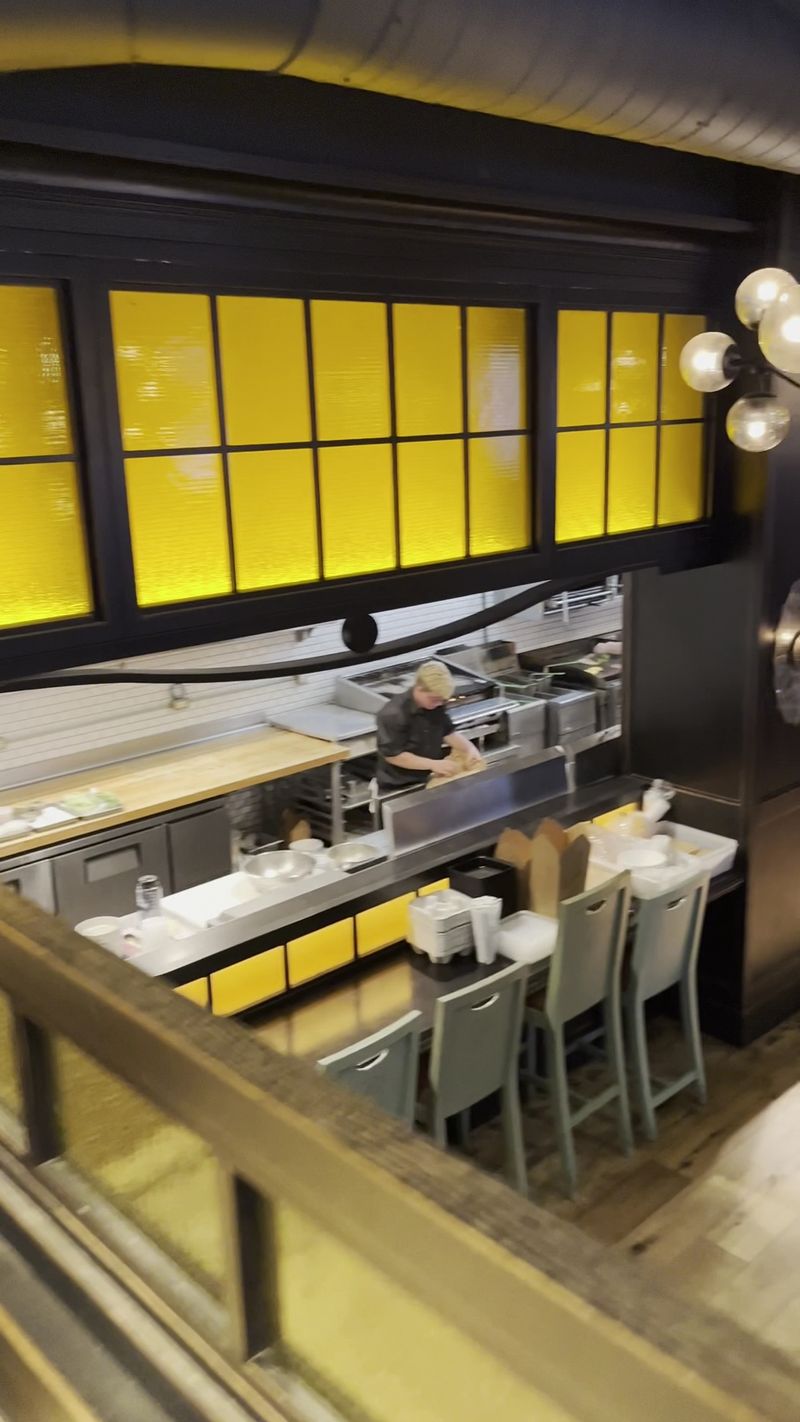
The full-length exposition kitchen lets you watch the team work. A seat at the counter turns dinner into a bit of theater.
Guests have noticed how smoothly the staff handles requests, including a dairy allergy. Details like that show a kitchen paying attention.
Next comes the rooftop surprise.
Nine Floors Up at the Biergarten
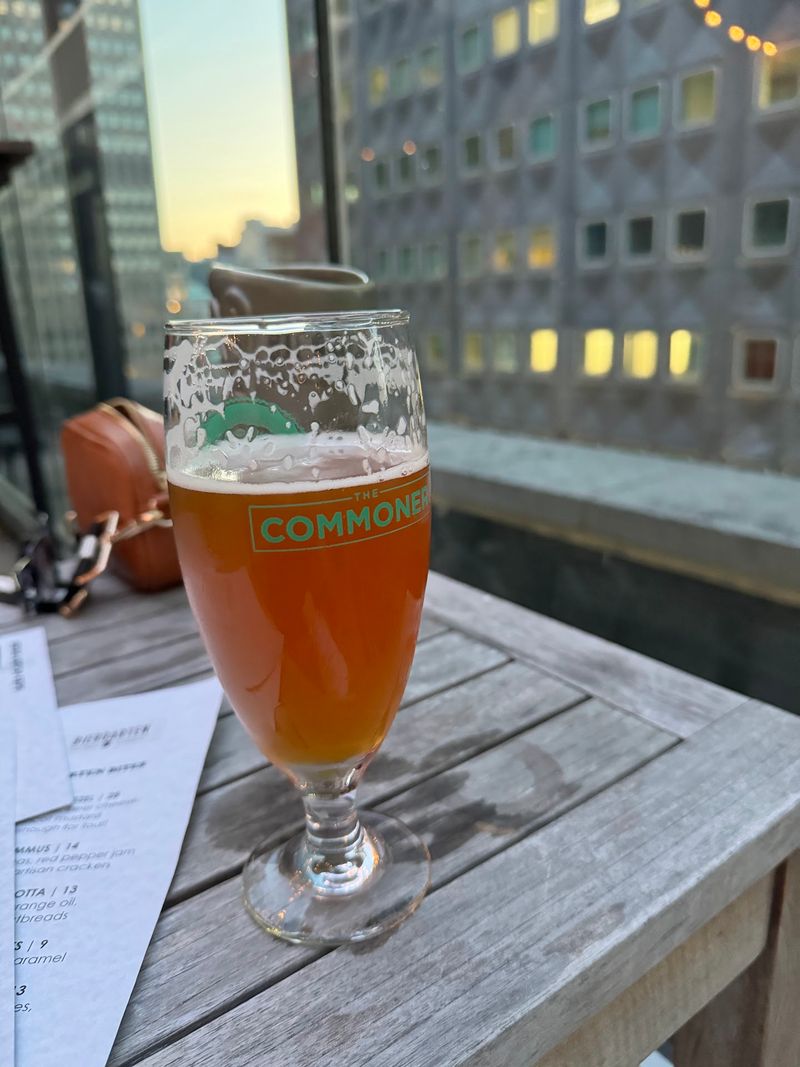
Take the elevator up, because the tavern has a rooftop. The seasonal Biergarten sits nine stories above downtown Pittsburgh and gives you a fresh look at the skyline.
It runs its own menu of Biergarten Bites, with German-inspired snacks and a long list of drafts and other drinks. The mood is casual and social.
Live music arrives on Thursday evenings, and the crowd grows lively once the sun dips. Weather decides the schedule, so check ahead before you go.
Back downstairs, a semi-private room called The Overlook seats up to 22 guests. It works well for family dinners, work gatherings, or a special evening with friends.
Communal tables at the bar accommodate up to 12 for smaller groups. Menus can be customized for private events.
Planning is the final puzzle piece, so let us cover the practical details.
Hours, Reservations, and Smart Planning
A little planning goes a long way. Reservations are strongly recommended, especially for dinner and weekend brunch.
The phone number is 412-230-4800, and the website is thecommonerpgh.com.
Weekday hours typically include breakfast from 7 to 10:30 AM, lunch from 11 AM to 2 PM, and dinner from 5 to 9 PM. Friday and Saturday dinner runs until midnight, and Sunday dinner ends at 9 PM.
Parties of eight or more see a 20 percent gratuity added, and separate checks may not be available. Tell the team your group size when you book.
Prices run on the higher side, so check the current menu online, since a few guests noticed small differences. There is no kids menu, though fries make a fine fallback.
Confirm hours before you visit, as they can change.
A Tavern That Feels Like Pittsburgh
After my visits, one idea stuck with me. The Commoner mixes the city’s steel-town past with a confident, modern kitchen, and it never forgets the people it serves.
The design looks to history, the name honors the city’s namesake, and the plates look ahead. Each piece supports the others.
Locals treat it as a regular stop, and travelers find it just as welcoming. One diner shared that the food has only improved over a decade.
Come hungry, book ahead, and enter through the hotel lobby. Order the pork chop or the eggs Benedict, then linger at the bar.
You will leave full, curious about the next menu, and already planning a return. That is how a classic gets a polished upgrade.
Share this story