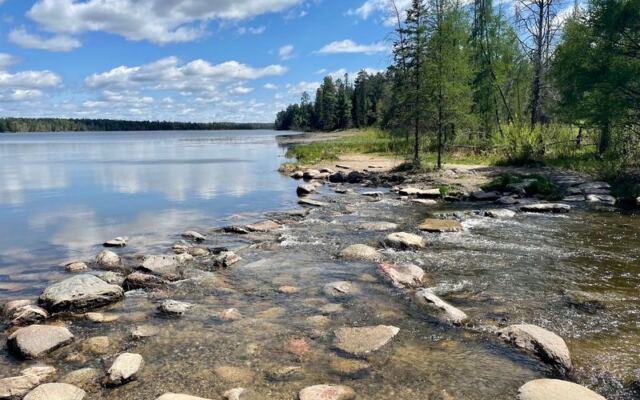
The longest river story in America starts with a row of stepping stones you can hop across in sneakers. No bridge, no ferry, no toll.
Just cold, clear water sliding over smooth rocks.
I love that this famous river begins so politely. It leaves a quiet lake in northern Minnesota as a shallow stream.
Kids splash through it. Grandparents balance on the rocks.
Somehow, that same water eventually reaches the Gulf of Mexico.
I believe every Minnesotan deserves bragging rights for this spot. Big cities have skyscrapers and stadiums, sure.
We have the actual starting line of the Mississippi, surrounded by towering old pines.
The walk from the parking area is short and easy. The surprise at the end feels much bigger than the effort it takes.
So how does a giant river start this small, and why does it head north first?
The Spot Where a Lake Quietly Becomes a Legend
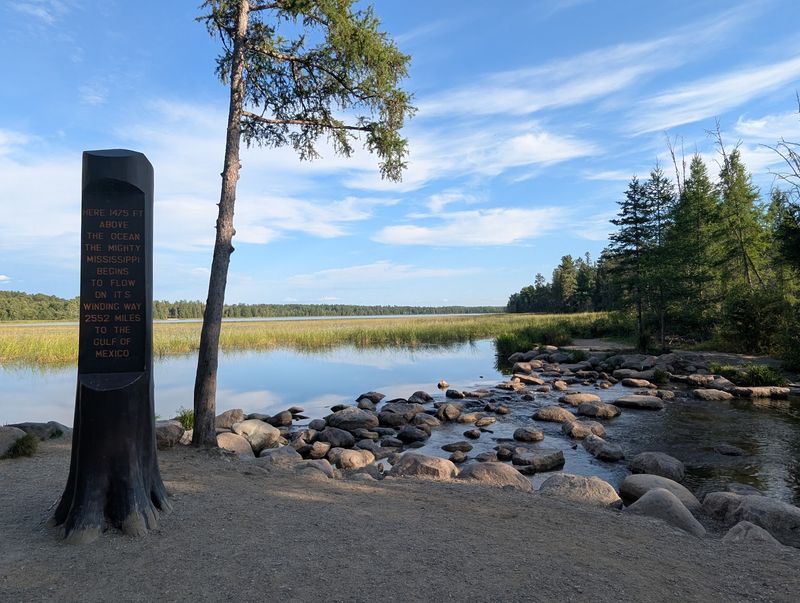
Tucked at the north end of Lake Itasca, a shallow outlet slips over a line of rocks and becomes the Mississippi River. The Lake Itasca Mississippi River Headwaters sits inside Itasca State Park in northern Minnesota.
That outlet is the main event, and it’s wonderfully low-key. The water runs ankle-deep in many spots, and the rocks form a natural crossing.
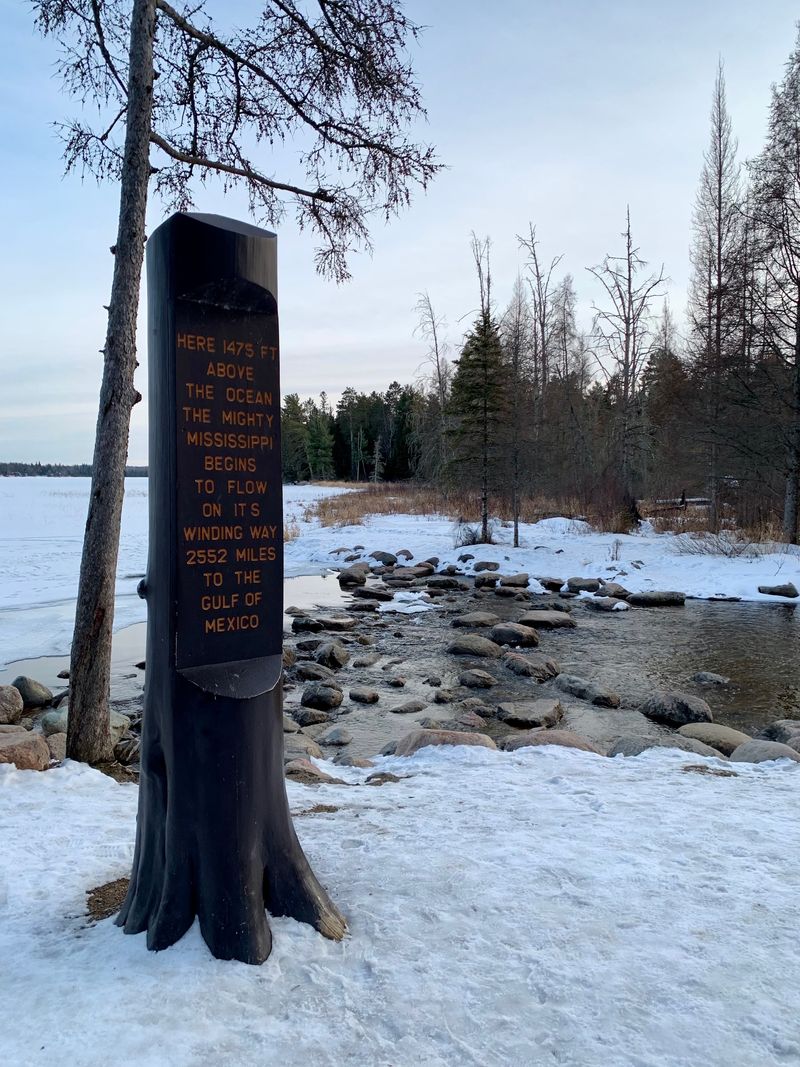
A wooden marker stands nearby to announce what you’re looking at. Without it, you might mistake the scene for a pretty creek on someone’s cabin property.
So why does this little stream matter so much? It’s the official source of a river that cuts through the middle of the country before reaching the Gulf of Mexico.
The setting helps the moment land. Tall pines frame the lake, and the stream curves away into the woods like it has no idea how famous it will become.
For Minnesotans, it’s a point of pride you can literally stand on. Few states can say the beginning of a world-famous river sits right in their backyard, waiting for a casual stroll.
Rocks, Cold Water, and Real Bragging Rights
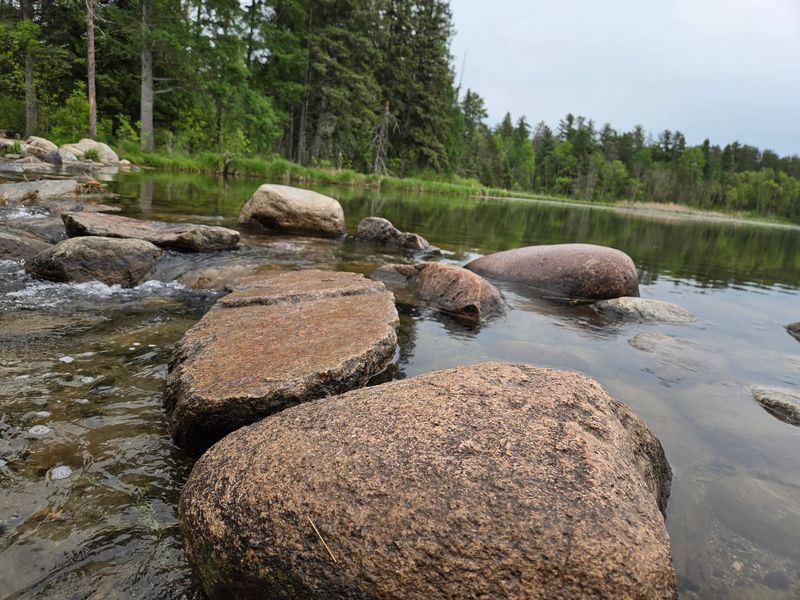
Few travel stories beat this one: you crossed the Mississippi River on foot. At the headwaters, that’s not an exaggeration or a trick of wording.
The famous stepping stones stretch across the outlet where the river leaves the lake. Some people hop from rock to rock, while others simply wade through the shallow water.
Fair warning about those rocks. They can get slippery, so sturdy footwear that handles water is a smart choice.
The water also tends to run cold and crisp. On a hot summer afternoon, that chill feels less like a problem and more like a reward.
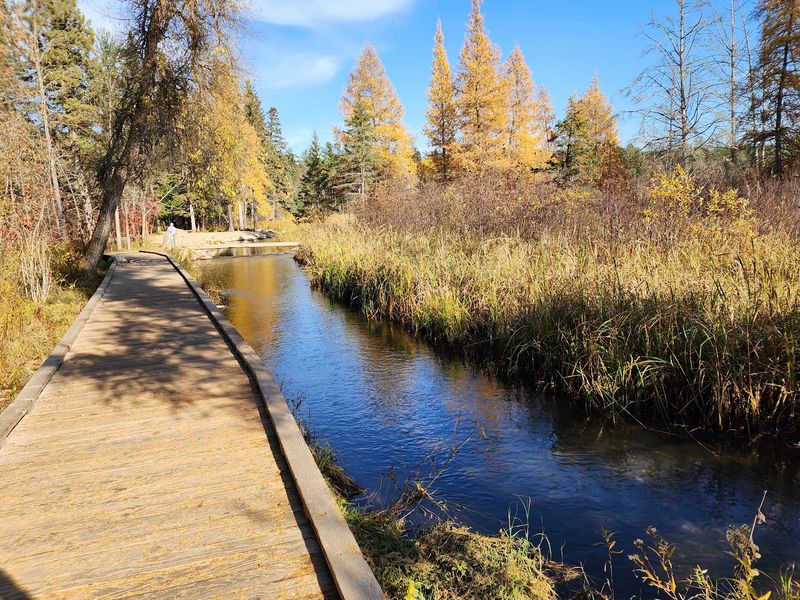
Wading isn’t limited to the crossing point either. Many folks walk downstream through the shallow channel toward the next small bridge, following the young river as it wanders.
Kids usually treat the whole thing like a giant puzzle. Which rock is steady, which one wobbles, and who gets their socks soaked first?
Bring a towel and a spare pair of shoes, because the odds favor wet feet.
A River That Starts by Heading the Wrong Way
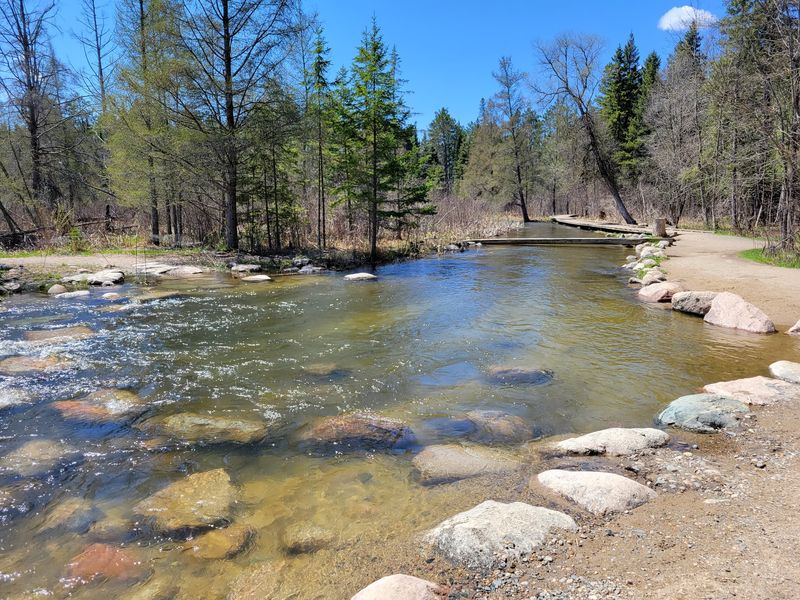
Here’s a fun one for your next trivia night. The Mississippi begins by flowing north, away from the Gulf it eventually reaches.
From Lake Itasca, the young river wanders northward before bending east and finally turning south. It takes its time, looping through lakes and wetlands across northern Minnesota before it commits to the long trip.
The total journey runs well over two thousand miles. The marker at the headwaters notes the distance, which makes the tiny stream at your feet feel even more surprising.
Standing at the source changes how you think about the river. Most of us picture barges, wide brown water, and big-city bridges.
Up here, it’s narrow enough to step across and clear enough to see the stones on the bottom. That contrast is the whole charm.
Minnesota gets to claim the opening chapter of this giant story. Every city downstream shares water that started its trip right here, past the pines and over the rocks, heading the seemingly wrong direction.
The Explorer, the Guide, and a Name Built From Latin
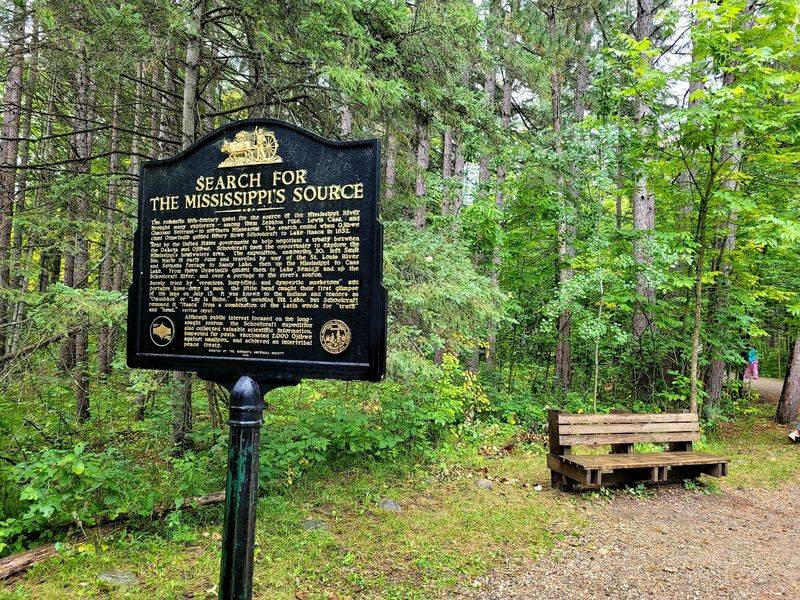
Long before tourists arrived, Ojibwe people knew this lake well. In 1832, explorer Henry Rowe Schoolcraft reached it with the help of an Ojibwe guide named Ozawindib.
Schoolcraft gave the lake its modern name. He reportedly built it from pieces of the Latin words veritas and caput, meaning something like true head.
Clever? Definitely.
It’s a name that sounds like it could be ancient, yet it was stitched together on purpose.
Debates about the river’s true source kept going for decades after that trip. Surveyors and explorers argued over which nearby lakes and streams deserved the title.
Over time, Lake Itasca became the accepted answer. The outlet with its stepping stones is now the place where the story officially starts.
That layered history adds depth to a simple walk. Displays near the headwaters typically cover the river’s past, its geography, and its cultural importance, so you can learn the backstory before you get your feet wet.
Minnesota’s Oldest State Park Wraps Around It All
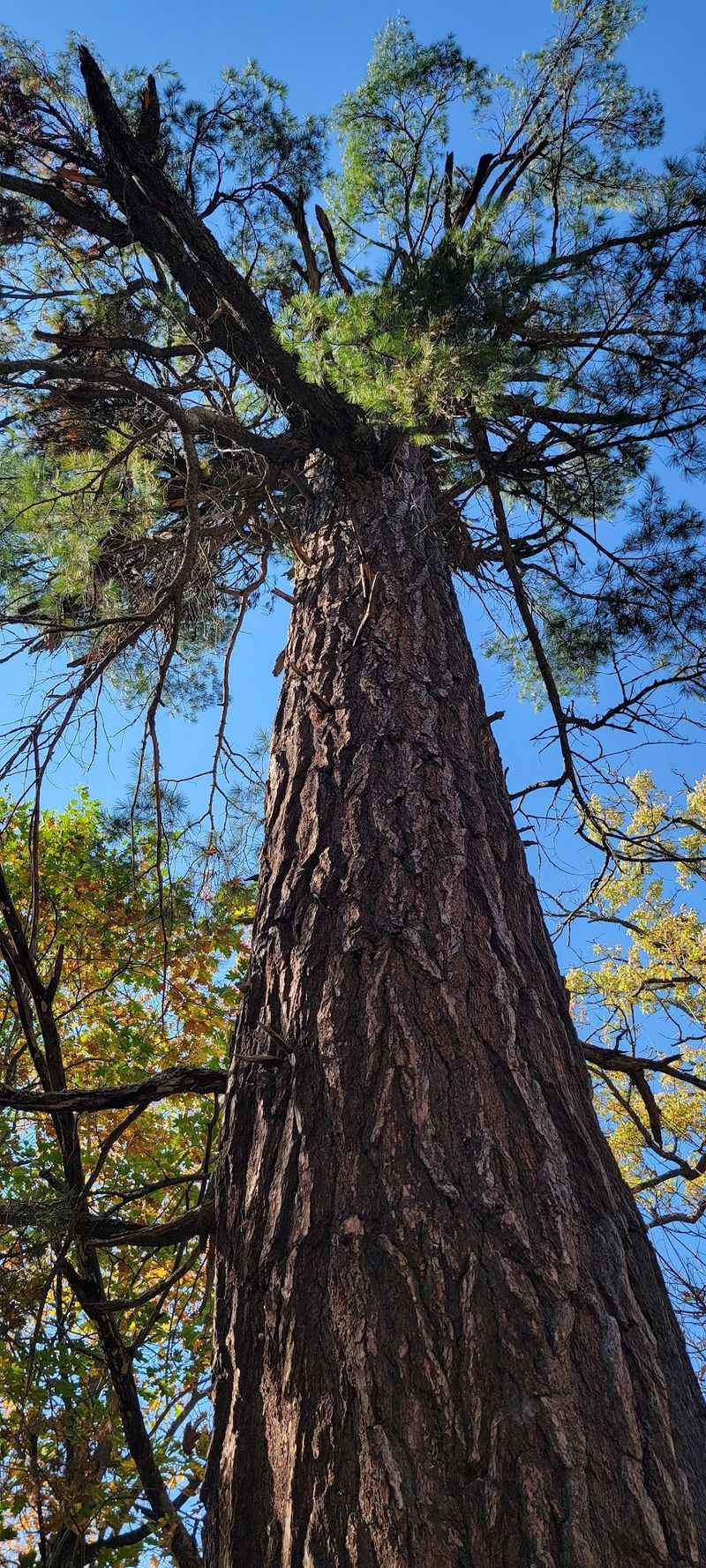
Established in 1891, Itasca State Park holds the title of Minnesota’s oldest state park. The Lake Itasca Mississippi River Headwaters is its most famous feature, but far from its only one.
Protecting this land took real effort back then. Advocates pushed to save the area’s forests, and their work gave later generations a place that still feels wild.
The park is known for stands of old-growth red and white pines. Some of these trees have stood for centuries, tall and straight above the trails.
That forest gives the headwaters its signature look. The river doesn’t start in a parking lot or a ditch, it starts beneath a canopy of giants.
Wildlife shares the space too. Depending on timing and luck, you may spot birds, deer, or other woodland residents along the drives and paths.
It’s easy to treat the headwaters as a quick photo stop. Yet the surrounding park rewards anyone who sticks around, with lakes, forest, and history packed into one corner of Minnesota.
An Easy Stroll That Ends at a Famous Starting Line
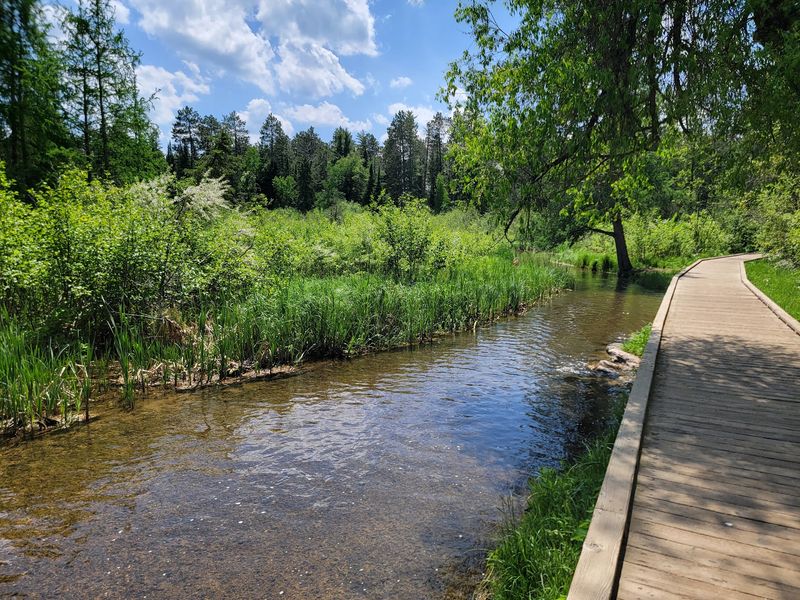
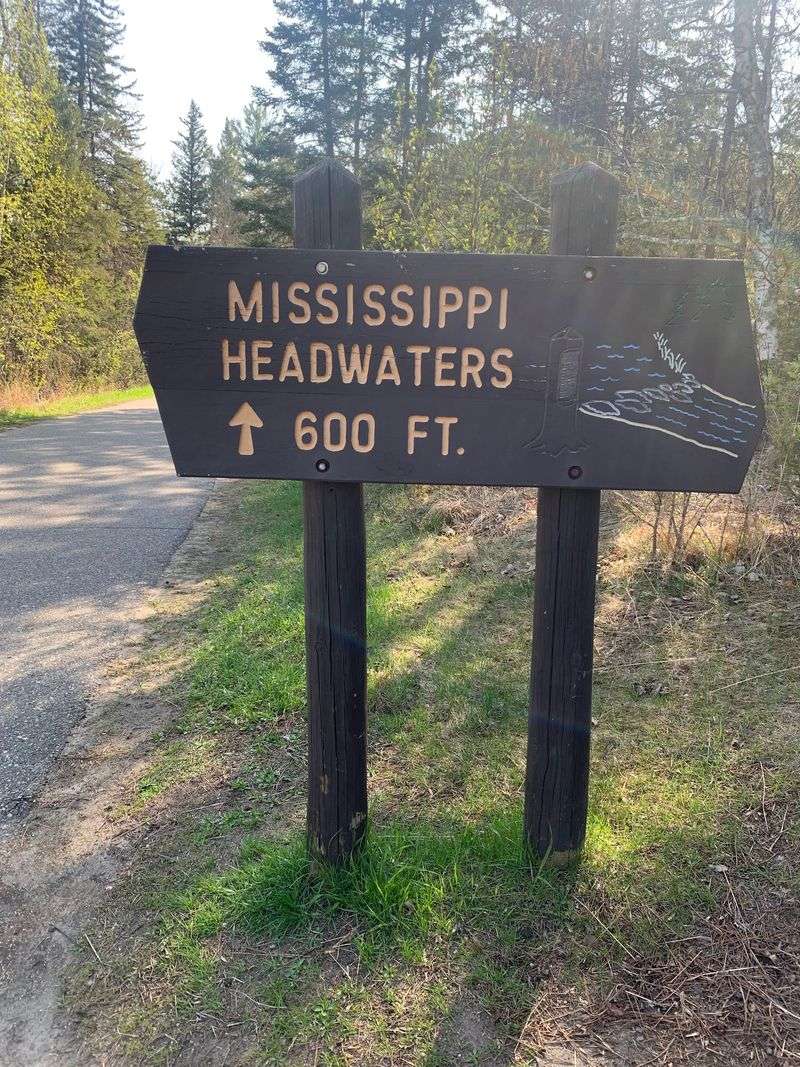
Good news for anyone who doesn’t love long hikes. The walk from the parking area to the headwaters is short, roughly a few hundred feet.
The path is wide, clear, and well kept. Wheelchairs, strollers, and carts can typically reach the viewing area without much trouble.
Signs along the way are easy to follow. They also share bits of information about the river, so the walk doubles as a quick lesson.
Woods line the trail, and the shade feels welcome in summer. The forest sounds and the scent of pine make a few minutes of walking feel like a mini getaway.
Families with little ones will appreciate how manageable it is. Nobody needs to be carried halfway, and nobody arrives too tired to enjoy the rocks.
Older travelers benefit too. A grandparent who first crossed the stones as a kid can bring a grandchild along the very same route, which makes this trip feel like a tradition passed down rather than a one-time outing.
Exhibits, a Cafe, and a Shop Near the Trailhead
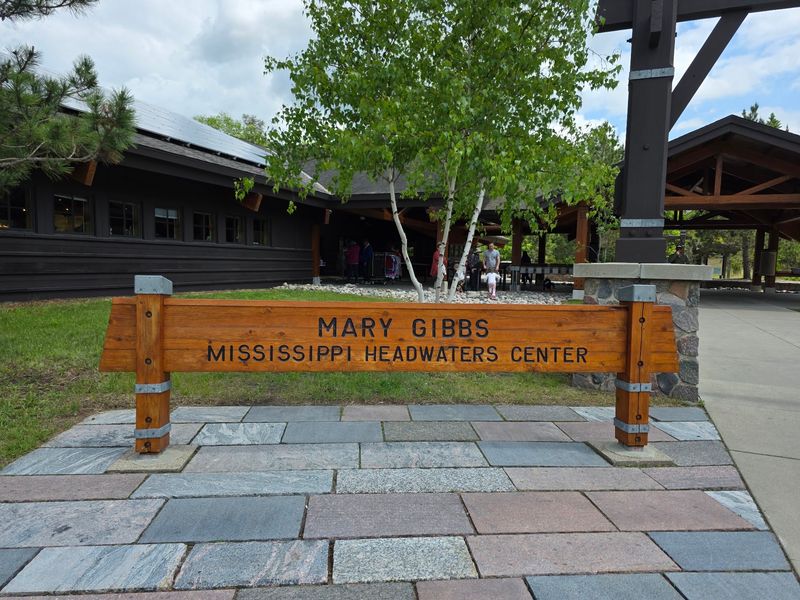
Before reaching the water, most people pass the headwaters visitor center area. It’s a handy home base with exhibits, a cafe, and a gift shop.
The exhibits focus on the river’s history, geology, and significance. It’s a smart first stop, especially for curious kids with endless questions.
Hungry after wading? The cafe typically offers quick bites and sweet treats, which is exactly what a cold-footed crew wants.
The shop carries souvenirs tied to the river and the park. It’s touristy, sure, but a little memento from the start of the Mississippi feels earned.
One tip: footwear options there may be limited. Pack water shoes or sandals from home rather than counting on buying them on site.
Programs and information sessions sometimes run in the park too. They can reveal surprising facts, like the tall grass-like plants in Lake Itasca actually being wild rice, a classic Minnesota crop that grows naturally in these northern waters.
Wild Rice Hiding in Plain Sight
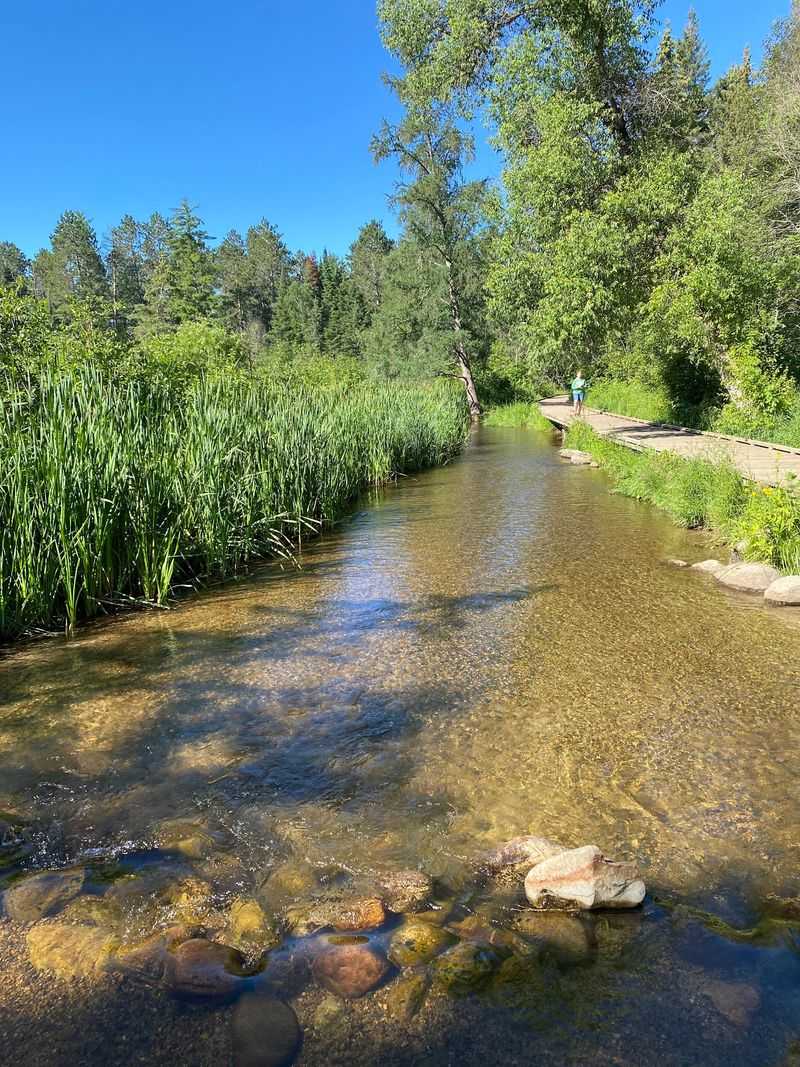
Those tall green stalks poking out of Lake Itasca aren’t just lake grass. Much of it is wild rice, one of Minnesota’s most treasured native foods.
Wild rice has deep roots in this region. It has long been an important food for Ojibwe communities, and it remains a proud symbol of the state.
Seeing it growing naturally adds a fresh layer to the visit. The headwaters isn’t just a geography lesson, it’s a living landscape with its own story.
Fans of Minnesota cooking will appreciate the connection. That nutty grain in your favorite hotdish or soup grows in shallow waters much like these.
Look closely along the shoreline near the outlet. The stalks often stand in clusters where the water stays calm and shallow.
It’s a small detail that many travelers walk right past. Once you notice it, though, the lake starts feeling less like a backdrop and more like a pantry that’s been stocked for generations.
Wheels, Trails, and a Scenic Forest Drive
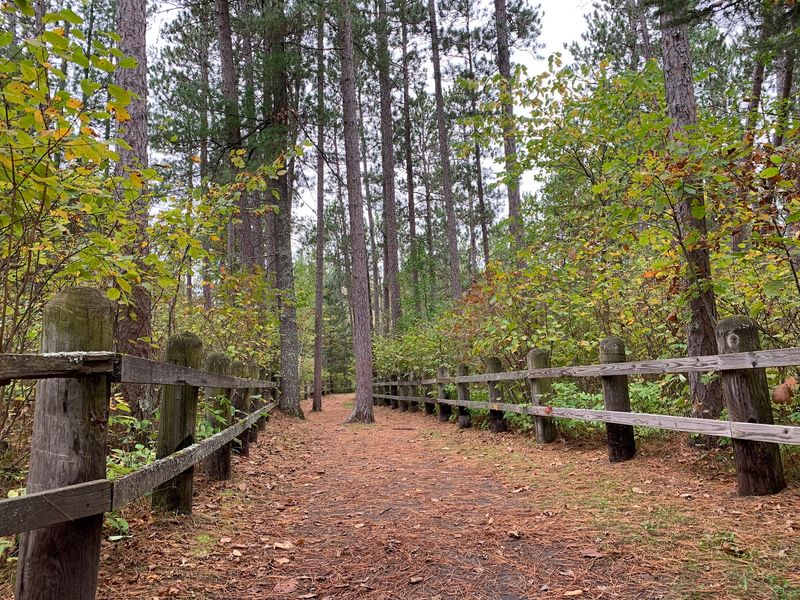
Once your shoes dry out, the park has plenty more ground to cover. Trails are one of the biggest reasons people linger here.
Hiking paths range from short loops to longer walks through the forest. Many are well maintained, with plenty of quiet spots to stop and take photos.
Biking is another favorite. A paved trail runs through parts of the park, giving riders a smooth way to see the woods and lakeshore.
Prefer the car? Wilderness Drive loops through the park’s backcountry, winding past dense forest and quiet scenery.
Keep your eyes on the trees and roadside during that drive. Wildlife sightings are always possible, though never guaranteed, so slow driving pays off.
Picnic spots also dot the area. Packing a lunch and spreading out under the pines turns a quick headwaters stop into a full day, and it’s easy on the wallet compared to many big-city outings.
Who Will Love This Place Most
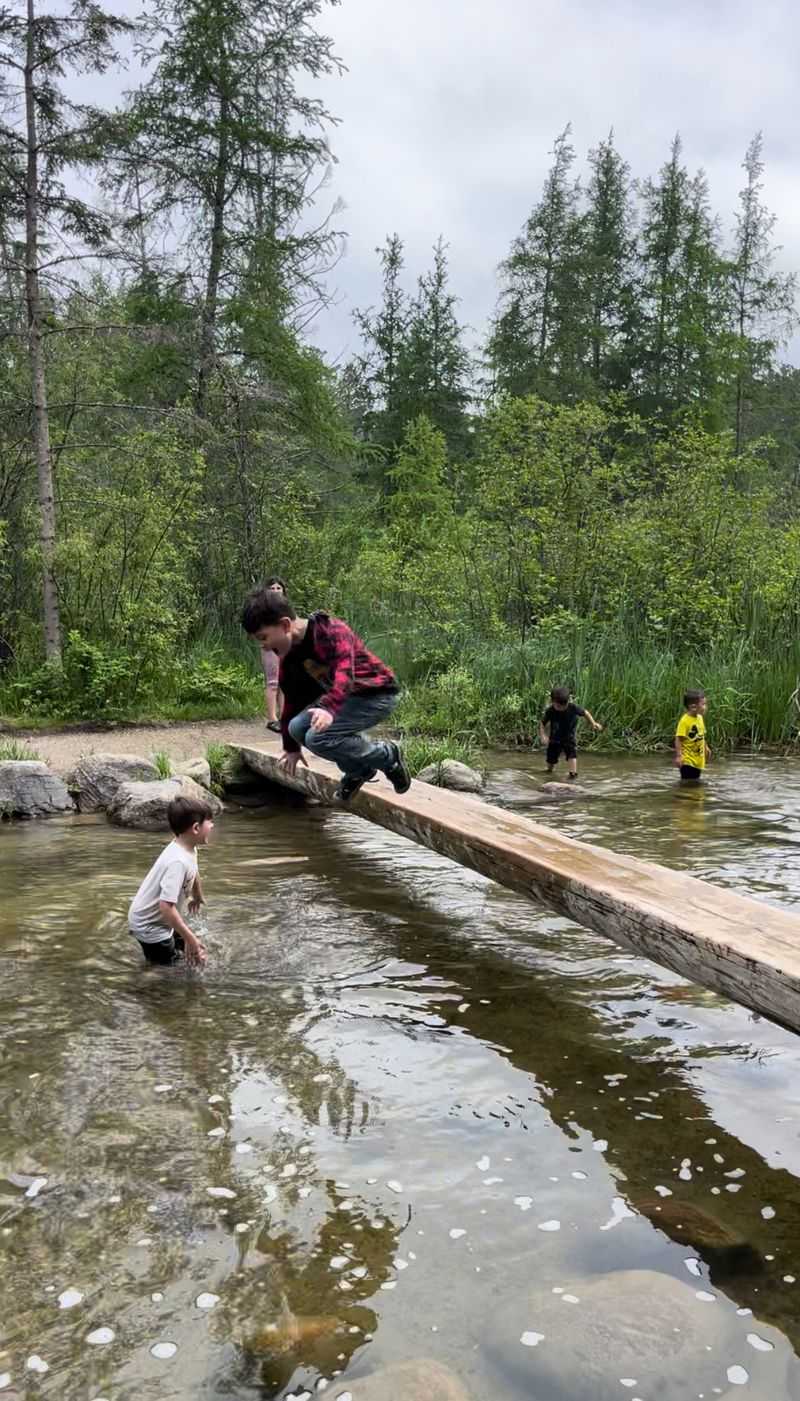
Families top the list, no contest. Kids get to splash, climb rocks, and walk across a famous river, which beats most playgrounds.
Nature lovers will find plenty to soak in. The pines, the clear water, and the sound of the stream create a calm, reflective mood.
History buffs have their own reasons to come. The exhibits and the park’s long story give the visit real substance.
Road-trippers checking off big American landmarks should put this one near the top. It’s a classic Minnesota stop, and it pairs nicely with a weekend up north.
Travelers with limited mobility can enjoy it too. The short, accessible path means the main view isn’t reserved for hikers.
Even folks who just want to unplug might be pleased. Cell signal can be spotty in the area, so the headwaters may give you a break from your phone, whether you planned one or not.
Download anything you need before you arrive.
Beating the Crowds at a Very Popular Stream
A place this famous doesn’t stay secret. On summer weekends, the headwaters can get busy, and the rocks fill up fast.
Timing makes a huge difference. Weekdays usually bring a calmer scene, and early mornings tend to be even quieter.
Arriving before most people get moving is a simple strategy. You’ll have more room on the stones and cleaner shots for your photos.
The park has offered cameras you can check online to get a sense of current conditions. A quick look before driving can save some frustration.
Seasons matter too. Summer brings wading weather, while fall wraps the pines and lakeshore in cooler air and changing color.
Winter turns the area into a snowy, hushed landscape. You won’t be wading in January, but the view of the river leaving a frozen lake has its own quiet magic.
Every season offers something, which explains why some Minnesotans return year after year.
Permits, Parking, and Getting There
Plan for one key detail: a vehicle permit is required to enter Itasca State Park. Fees are typically modest, and annual Minnesota state park permits also work.
Permits can often be bought online, but cell service near the entrance may be weak. Buying ahead, or checking for on-site options at park buildings, can spare you a headache.
The headwaters area lists its address as Pinewood, MN 56676. The park sits in northern Minnesota, roughly a few hours north of the Twin Cities.
Parking near the headwaters is generally ample. From the lot, it’s a short, easy walk to the water.
Hours and seasonal services can change, so checking the Minnesota DNR before you go is wise. The cafe and shop may keep different schedules than the trails.
Pack water shoes, a towel, snacks, and bug spray in warmer months. With those basics covered, you’re ready to cross the Mississippi without a single complaint from the back seat.
Why the Drive North Pays Off
Some landmarks impress with size. The Lake Itasca Mississippi River Headwaters impresses by being small, quiet, and completely approachable.
That’s what makes it so memorable. You can stand at the beginning of one of the world’s great rivers and touch it with your hands.
Minnesota gets plenty of credit for lakes and loons. This spot deserves a place on that list, right near the top.
The value is hard to beat too. For the cost of a park permit, a family gets history, forest, wading, trails, and a lifelong story.
Big cities downstream have their riverfronts and skylines. None of them can offer the moment when the whole river fits between a few rocks.
So tag the friend who still hasn’t been. Plan a drive up north, pack the water shoes, and go claim your spot on the stones.
Minnesota wins this one, and the river has been quietly proving it since long before anyone put up a sign.
Share this story