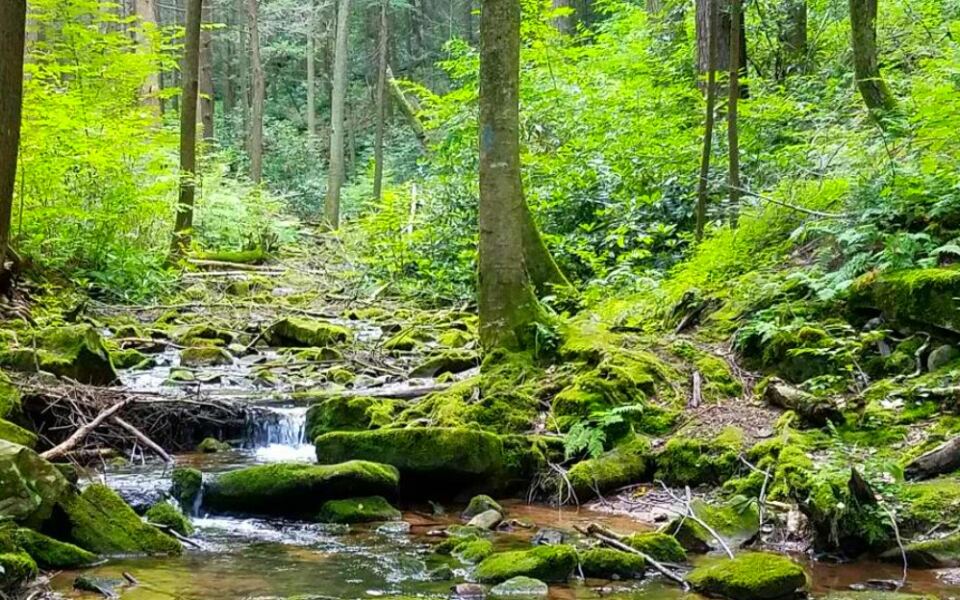
Just minutes from State College, a Pennsylvania trail follows Roaring Run past rocky stretches, small cascades, and thick forest before connecting with more challenging routes into Rothrock State Forest.
The easiest option stays close to the stream, while longer routes climb toward rocky ridges, a stone tower, and traces of structures left behind in the woods. Early summer adds mountain laurel and rhododendron along parts of the trail.
You can keep the outing relatively short or turn it into a tougher several-mile hike. Either way, sturdy shoes are worth bringing because even the easier sections can get rocky.
Finding the Trailhead in Central Pennsylvania
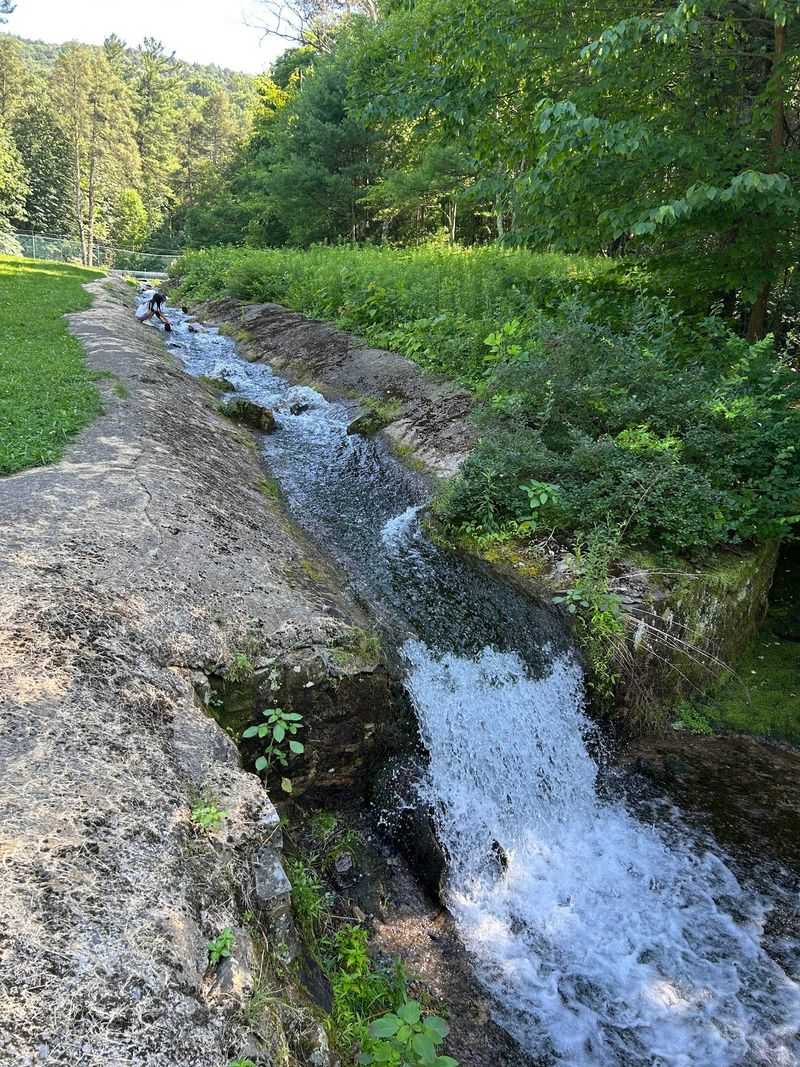
Some trailheads hide in plain sight, and this one is easy to drive past. I found it at 16827 Mountain Road, State College, Pennsylvania, 16801, just off Route 45.
The spot is called Shingletown Gap, and it marks the northern edge of Rothrock State Forest. That forest covers close to 100,000 acres, so the little parking area feels like a tiny front door to a huge house.
The first stretch follows a paved path past a water facility. Then the pavement gives way to dirt, rocks, and the sound of running water.
Parking is limited, and the lot can fill quickly on sunny weekends. I arrived early and had no trouble, but later arrivals may circle a bit.
There is no restroom at the trailhead, so plan ahead. Next, let me introduce the stream that steals the show.
A Stream With a Loud Name
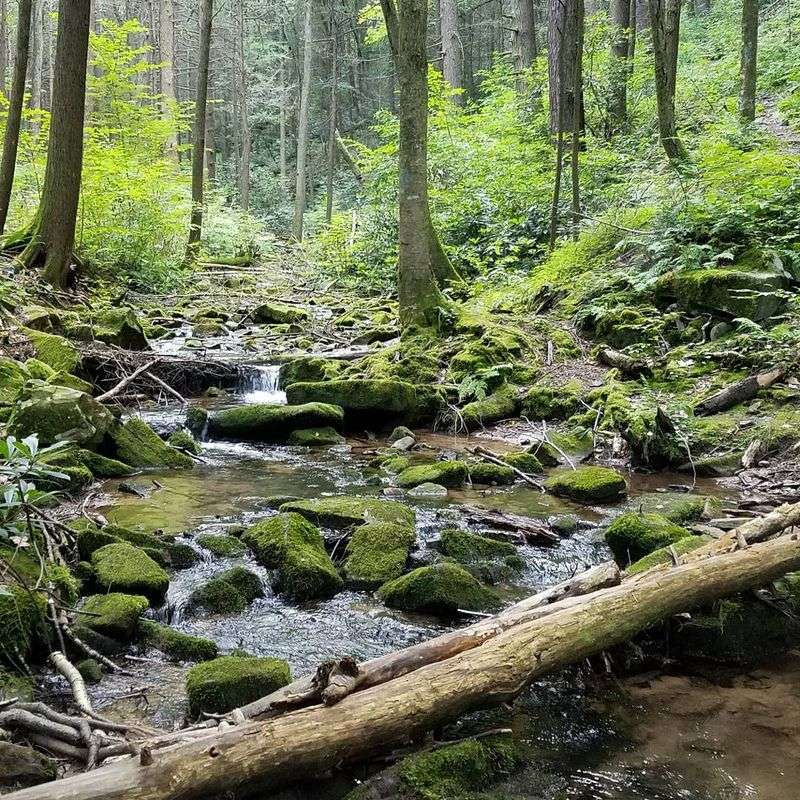
Roaring Run is named well, though it sounds more like a happy chatter than a roar. The stream rushes beside the Lower Trail and keeps you company for much of the walk.
Small waterfalls drop over flat stones, and the water pools into clear spots where tiny fish dart around. In a few places the stream even leaves sandy patches along its edges.
I spotted old stone walls near the banks. They hint that people shaped this valley long before hikers arrived.
After heavy rain or in spring, the water runs high and can spill onto the path. Waterproof shoes help a lot in those moments.
I sat on a flat rock for ten minutes and just listened. Few free shows beat that one, and the trail has more tricks ahead.
Trails for Every Mood
Picking a route here feels like ordering from a menu with plenty of good choices. The Lower Trail is the popular pick, an easy walk that follows Roaring Run and welcomes dogs on leash.
Easy still means rocky, so watch your feet. A 1.6-mile easy loop adds about 375 feet of climbing, with rock outcrops and tunnels of mountain laurel.
For a tougher day, a 2.1-mile challenging loop links the Blue-White, Deer Path, Mid State, and Downer trails. The Deer Path section climbs steeply over rocks, and my legs noticed.
Ambitious hikers can try the 4.1-mile Shingletown-Bald Knob-Maguire Loop, which includes a big ascent and plenty of rhododendron.
Trail marks can be thin, so carry a map. Speaking of climbs, a stone tower sits waiting on a ridge.
Early Summer Blooms and Tunnels
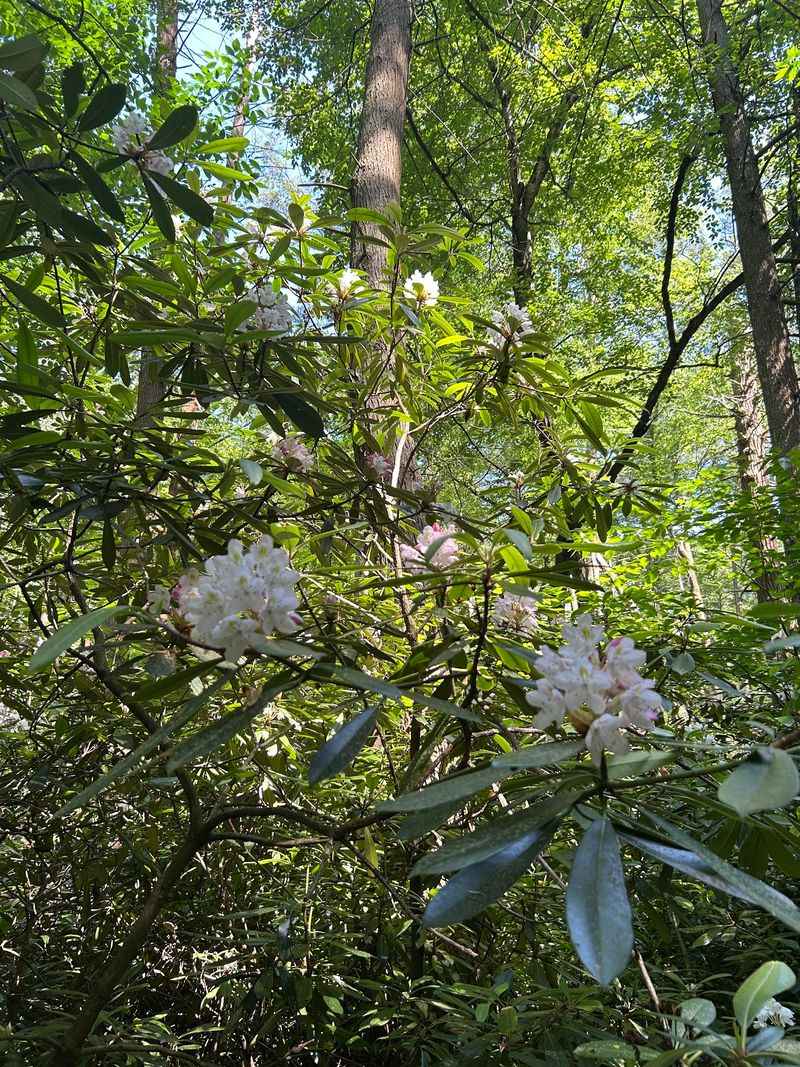
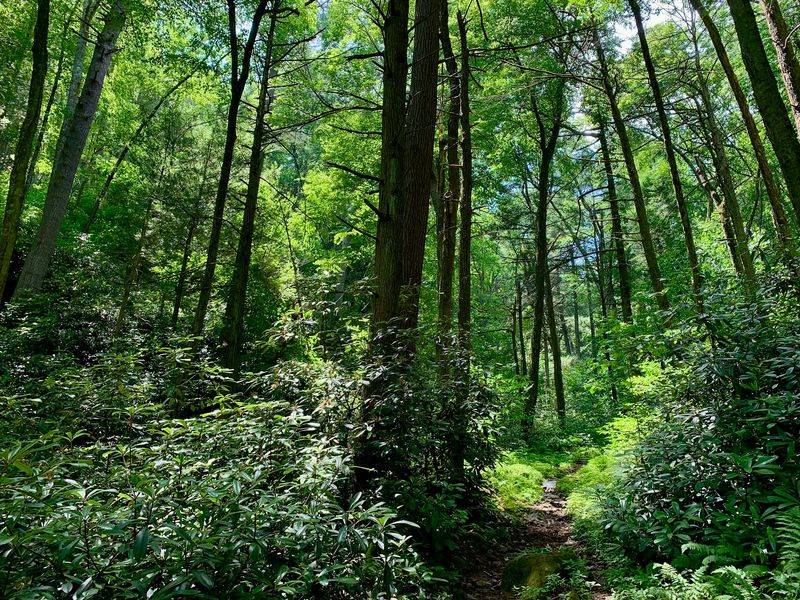
Timing matters on this trail, and early summer is the sweet spot. Mountain laurel and rhododendron bloom then, and branches arch over the path like a living hallway.
Pink, purple, and white petals brighten the deep green leaves. One regular told me it is her favorite hike in the area, and I understood why.
May visits show a lush, green valley with the stream running full. Even before the flowers open, the buds hint at what is coming.
Shade covers most of the route, which keeps the walk cool. Bugs can be thick in warm months, so pack spray.
Thick ferns can hide trail junctions in summer, so pay attention at forks. Another season has a flashier outfit, and it arrives with fire colors.
Fall Color and Winter Quiet
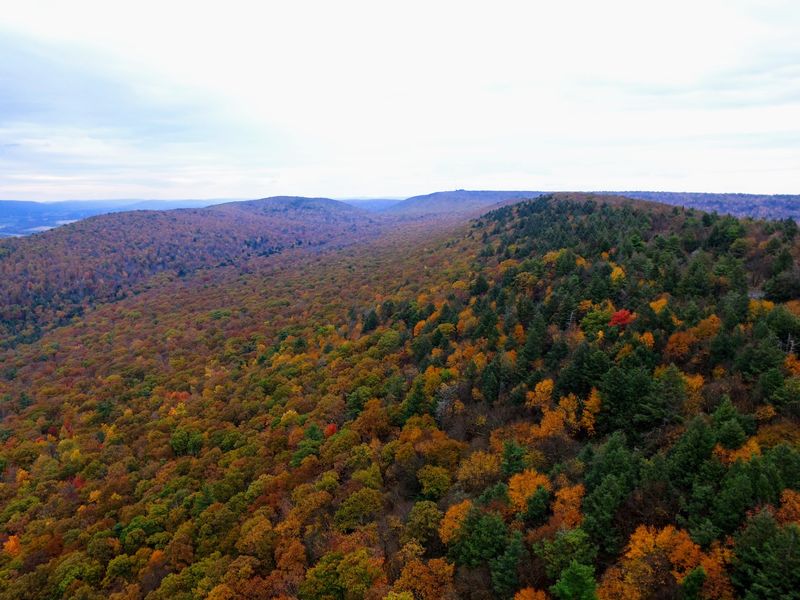
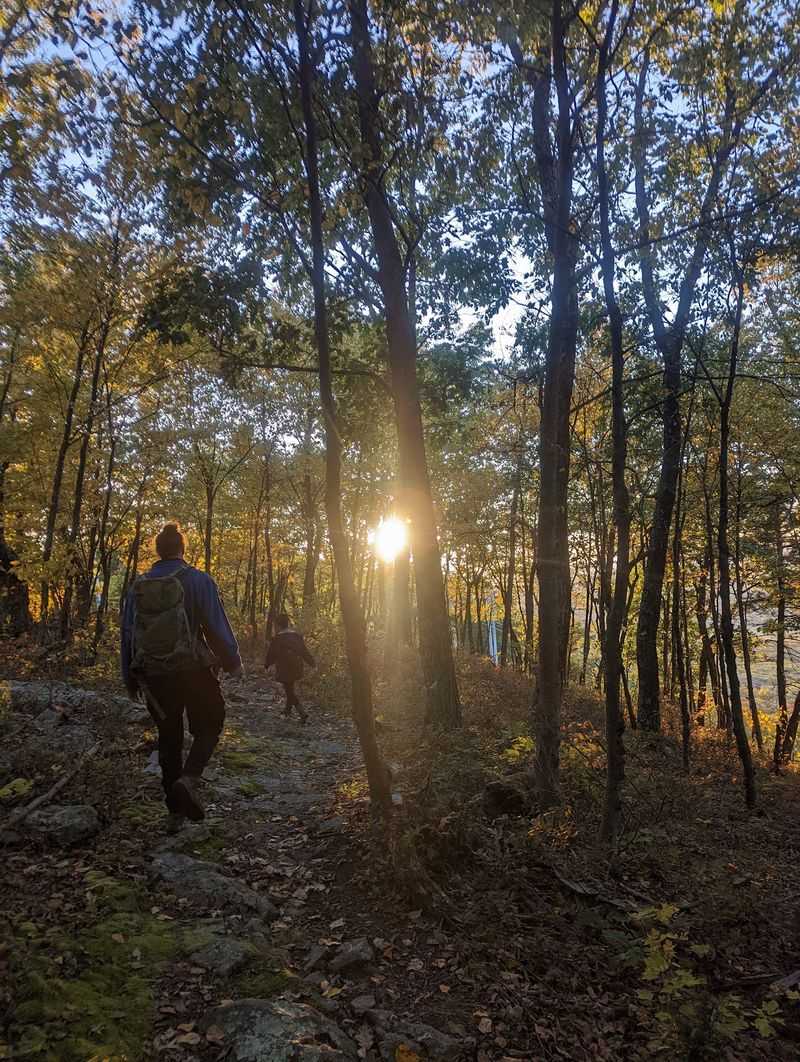
October paints the ridges in red, orange, and yellow. From higher spots, thinning trees open peeks toward Boalsburg.
Fall is also a comfortable time to walk, since the bugs fade. One hiker I met came in November and said the creek walk was perfect.
Winter brings a hush that is hard to find so close to town. Snow muffles every sound except your own boots and the stream.
Bare trees open longer views, but ice can build near the water and on busy sections. Traction devices for your shoes are a smart add-on.
Spring has its own charm, with snowmelt feeding the cascades and early wildflowers dotting the floor. Whatever the month, the trail stays interesting, and wheels can join the fun too.
Riding the Rocks on Two Wheels
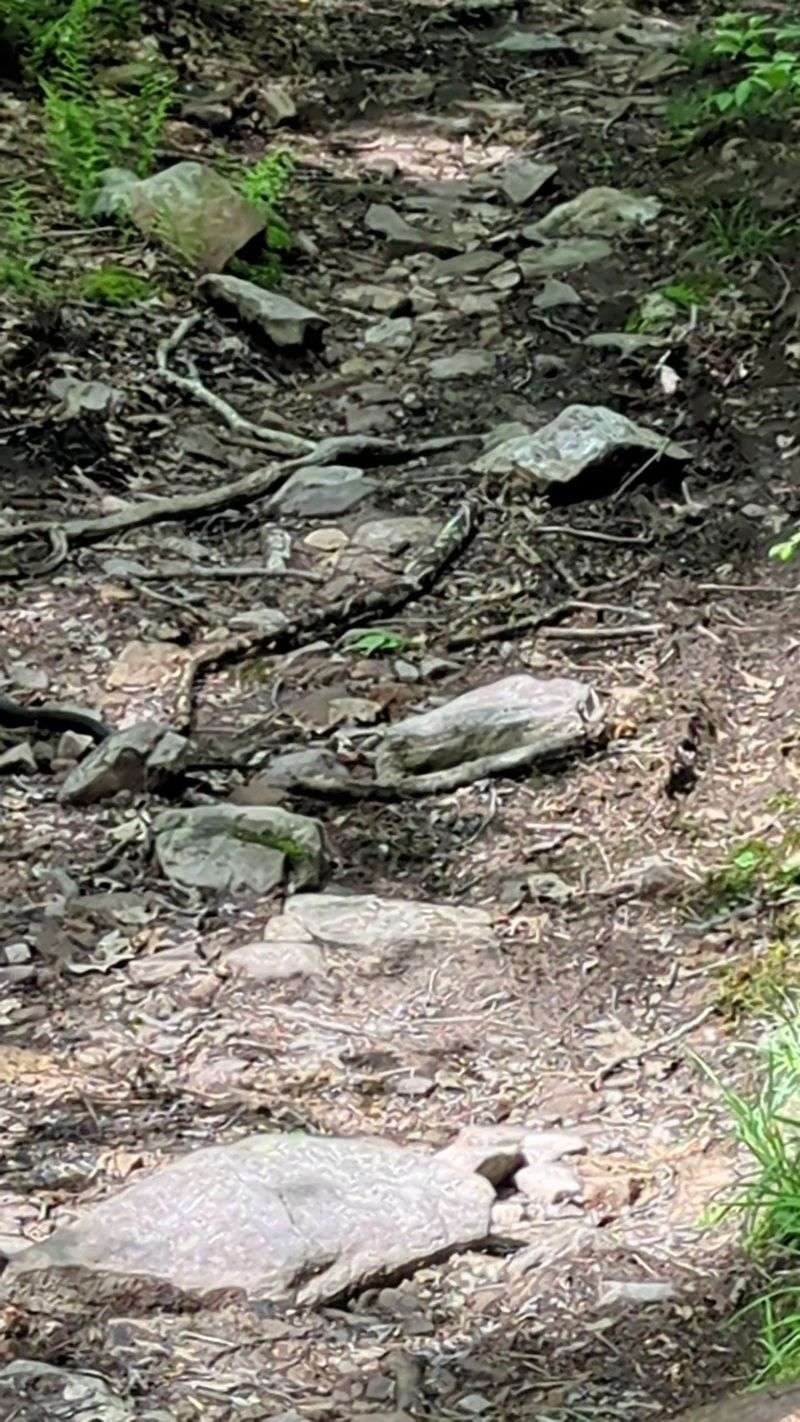
Bike tires love this forest almost as much as boots do. The area is popular with riders thanks to its linked singletrack and varied terrain.
Expect to push your bike for a while at first. The Lower Trail opens to riders about a mile from the main parking area.
Trails are shared, so slow down for hikers and say hello. A friendly bell or voice goes a long way.
The Shingletown Gap Trail is rated moderate, with smooth bits and rocky patches near Roaring Run. Longer routes, such as the State College Gap Loop, add more miles for strong legs.
I walked these paths rather than rode them, but the technical rocks looked fun for skilled riders. Along the way, the woods hold more than just trails.
Deer Tracks and Green Tunnels
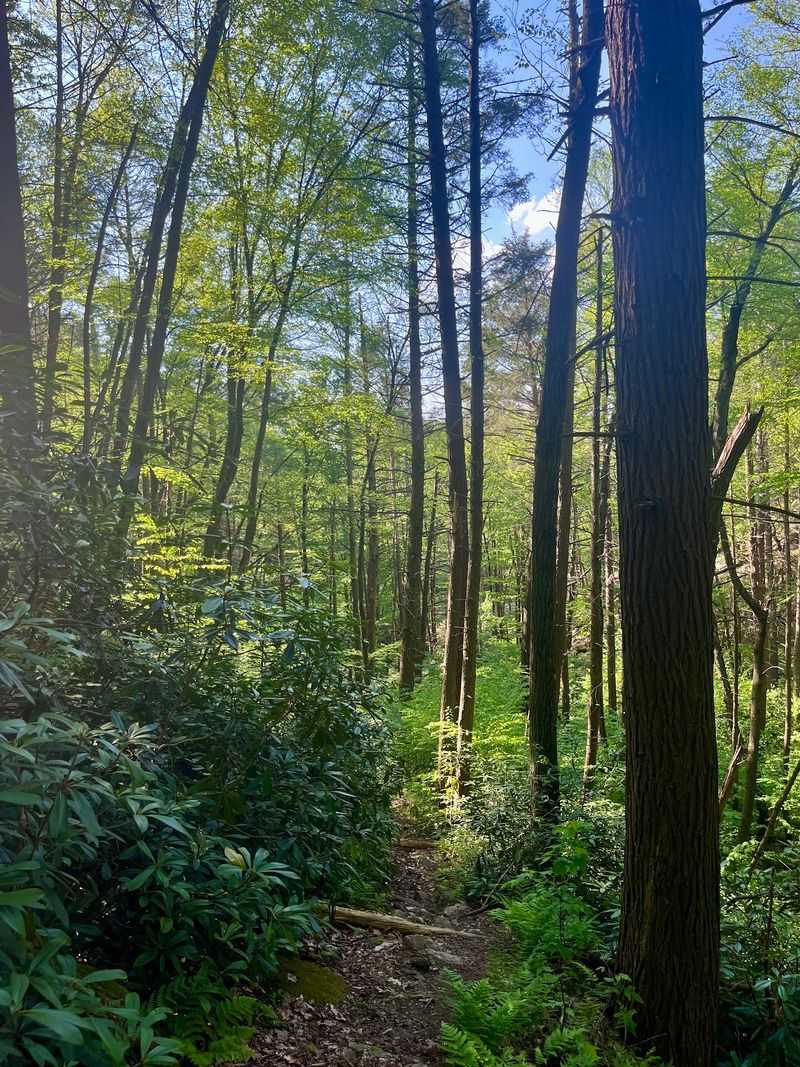
Moving water is only part of what makes Shingletown Gap feel alive. The surrounding Rothrock forest supports white-tailed deer, birds, small mammals, fish, and countless less obvious creatures that hikers may notice only through tracks, calls, or movement in the leaves.
Early morning and quieter weekdays can improve your chances of spotting wildlife.
The safest approach is simply to move calmly and observe from a distance. Never feed deer or other animals, and give wildlife plenty of room to leave the trail.
Plant life changes dramatically from valley to ridge.
Hemlocks and moisture-loving vegetation thrive near streams and cooler slopes, while mountain laurel, rhododendron, hardwoods, and ferns create layers of green through other sections of the gap.
That variety becomes especially noticeable as you climb.
The cool creek corridor can feel enclosed and lush, while higher ground brings drier terrain, more exposed rocks, and different forest composition.
Dogs can enjoy the area too where regulations permit, but owners should plan for rough surfaces. Sharp rocks can be hard on paws, particularly during longer outings.
Carry water for your dog instead of relying entirely on streams, and keep pets under control around wildlife and other trail users.
Ticks deserve attention for animals as well as people.
Check paws, fur, clothing, and skin after the hike.
The forest may look peaceful, but it is a functioning ecosystem.
Enjoying it responsibly means remembering that hikers are visitors in somebody else’s habitat.
Old Stones and Quiet Mysteries
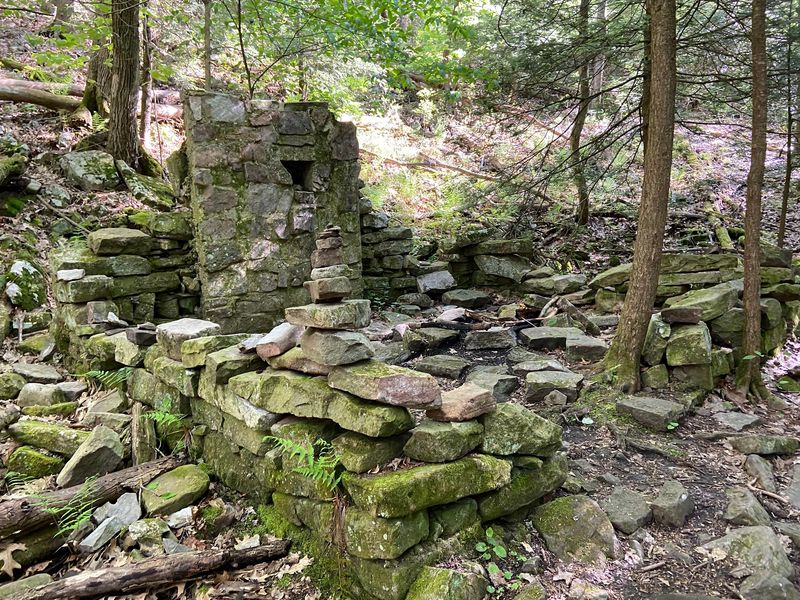
Shingletown Gap contains reminders that these woods have not always been used simply for recreation. Hikers occasionally encounter old stonework, foundations, walls, and other traces of earlier human activity among the trees.
Those remains are fascinating precisely because their stories are not always obvious.
It is tempting to assign a dramatic history to every crumbling foundation, but unidentified ruins should remain unidentified unless a reliable historical source establishes what once stood there. A stone wall might relate to an old property boundary, road, waterworks, agriculture, or another former use.
Treating mystery as mystery is part of the fun.
The larger landscape has a much better documented story.
Central Pennsylvania’s forests were heavily affected by logging, charcoal production, ironmaking, and other industries during the 19th and early 20th centuries. Lands that now appear deeply wooded were once considerably more disturbed.
That history makes today’s forest feel different.
Many of the trees around you are part of a landscape that recovered after intensive resource extraction rather than untouched wilderness that has always looked this way.
The Roman Tower adds another human-made landmark to the trail network, connecting recreation history with the natural setting.
When you find old stonework, look without disturbing it.
Do not move stones, climb fragile ruins, or take pieces home.
A mysterious foundation is more valuable where everyone can wonder about it than sitting on somebody’s shelf.
The forest keeps its stories best when hikers leave them in place.
Rothrock and the Forester Behind It
Rothrock State Forest takes its name from Joseph Trimble Rothrock, one of the central figures in Pennsylvania conservation history. A physician, botanist, educator, and conservationist, Rothrock became Pennsylvania’s first forestry commissioner and is widely remembered as the state’s “Father of Forestry.”
That title makes sense when you understand what Pennsylvania’s mountains looked like during his era.
Heavy logging and associated industries had damaged enormous areas of forest. Wildfires frequently swept through cutover land, while poor soils and abandoned acreage left many mountain landscapes in rough condition.
Pennsylvania responded by acquiring land and building a public forest system.
Today’s Rothrock State Forest encompasses roughly 97,000 acres in Centre, Huntingdon, and Mifflin counties, protecting ridges and valleys in the rugged central part of the state.
Recreation now fills places once shaped by extraction.
Hikers, mountain bikers, hunters, anglers, campers, horseback riders, and other visitors use a network of trails and forest roads spread across the property.
Camping is possible on state forest land, but rules depend on where and how long you stay. Pennsylvania requires permits in certain circumstances, including some roadside and multi-night camping situations.
Check current DCNR regulations before planning an overnight trip rather than assuming any flat spot is a campsite.
That conservation history adds something to a Shingletown hike.
The shade surrounding you today exists partly because people decided damaged forests were worth restoring and protecting.
Smart Packing and Post-Hike Treats
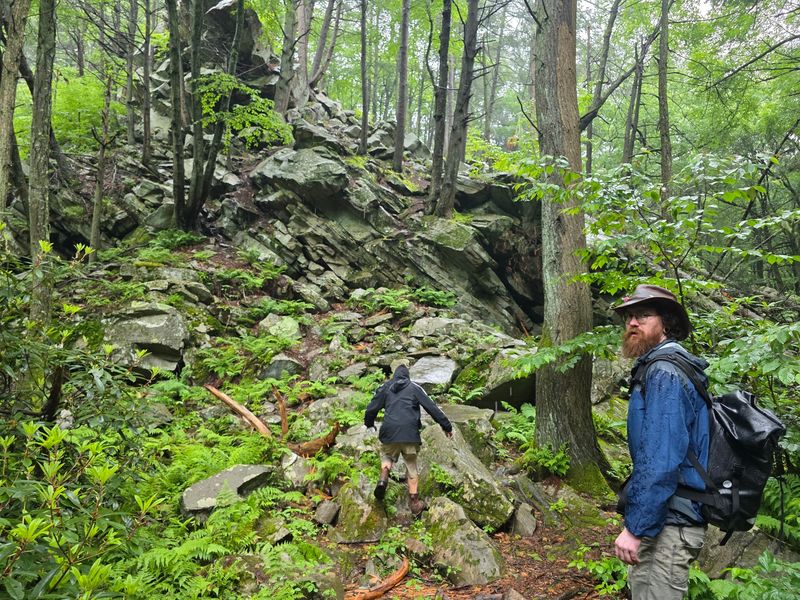
Shingletown Gap does not require expedition gear, but good preparation makes a noticeable difference. Start with sturdy footwear because even relatively easy central Pennsylvania trails can be rocky, rooted, wet, or slippery.
Carry more water than you expect to need, especially if your route climbs away from Roaring Run.
A downloaded map is equally important. Cell reception can be inconsistent in forested valleys, so do not make a live phone connection your only navigation plan.
DCNR publishes Rothrock State Forest information and maps, while detailed recreational maps can provide additional trail context.
Bring insect repellent during warmer months and sun protection even when much of your route is shaded. During hunting seasons, add fluorescent orange and check current regulations before leaving home.
Layers are useful year-round because shaded valleys and exposed ridges can feel surprisingly different.
Tell someone where you are hiking if you are heading onto a longer route.
Then save a little time for after the trail.
State College is only a short drive away, making Penn State’s Berkey Creamery an appealing post-hike stop. Boalsburg is another nearby option, with a historic village center and a longstanding connection to America’s Memorial Day traditions.
Mud on your boots is almost guaranteed after certain weather.
That is fine.
A cold drink, something sweet, and tired legs feel considerably better when Roaring Run is still echoing in your memory.
Share this story