Most people blasting down U.S. Route 60 between Zanesville and Marietta never slow down long enough to notice what they are missing.
Tucked along the east bank of the Muskingum River, McConnelsville is the kind of small Ohio town that rewards the curious traveler willing to take the exit. It serves as the county seat of Morgan County, and its population of just over 1,600 gives it an intimacy that bigger destinations simply cannot replicate.
I made the turn, and what I found felt like stumbling onto a well-kept secret hiding in plain sight across the Appalachian foothills of southeast Ohio.
Where McConnelsville Actually Is
Few Ohio towns have a setting quite like this one. McConnelsville sits in Morgan Township, OH 43756, cradled along the east bank of the Muskingum River, roughly 21 miles southeast of Zanesville and 26 miles northwest of Marietta.
That puts it squarely in the heart of Ohio’s Appalachian country, a region of forested ridges and river valleys that feels worlds apart from the flat farmland most people picture when they think of Ohio.
The Muskingum River is not just a backdrop here. It is part of the town’s identity, shaping its history, its economy, and the way the landscape unfolds around the village streets.
From certain vantage points near the riverbank, you get a view that genuinely stops you mid-step.
Morgan County as a whole is one of Ohio’s least-visited counties, and McConnelsville wears that distinction with quiet confidence. The town does not shout for attention.
It simply exists, beautifully and unhurriedly, for the people who find it. Getting there from Columbus takes just under two hours, making it a very real option for a day trip or an unhurried weekend escape.
The Appalachian Character of Morgan County
Ohio has two very different personalities, and most visitors only ever meet one of them. The western half of the state is flat, open, and agricultural.
The eastern and southeastern portions rise into the Appalachian Plateau, a world of steep wooded hills, narrow hollows, and rivers that carve their way through sandstone and shale. McConnelsville belongs firmly to this second Ohio.
Morgan County was carved out of parts of Muskingum, Washington, and Guernsey counties back in 1817, and it has retained a distinctly rural, close-knit character ever since. The terrain here is genuinely hilly, not the gentle rolls you find further west.
Driving the county roads around McConnelsville means navigating curves and crests that reveal new views at every turn.
That Appalachian character shows up in the culture as well as the geography. There is a self-reliant, unhurried quality to life in Morgan County that feels authentic rather than performed for tourists.
Craft traditions, river culture, and a deep connection to the land run through the community in ways that are easy to sense even on a short visit. For Ohioans who think they know their state, this corner of it has a way of offering a genuine surprise.
The Muskingum River as a Living Landmark
Rivers define towns in ways that roads and highways never quite manage. The Muskingum has been the reason McConnelsville existed in the first place, drawing settlers, commerce, and community to its banks for well over two centuries.
Today, the river remains one of the most compelling reasons to linger here longer than a quick stop might suggest.
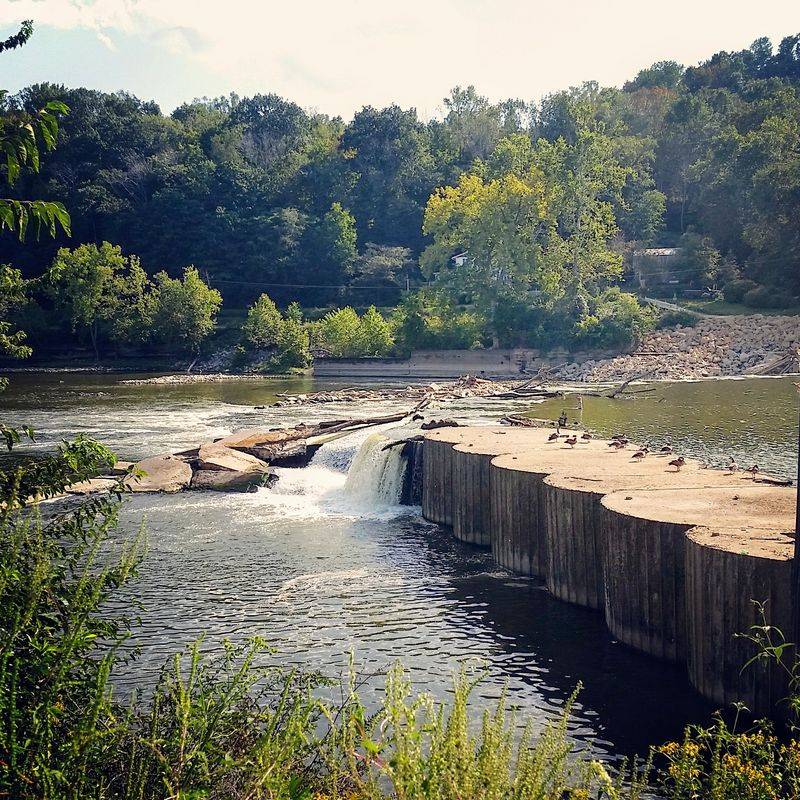
The Muskingum River is part of a historic lock and dam system, one of the oldest continuously operating such systems in the United States. The river was a critical commercial artery in the 19th century, connecting the Ohio interior to the Ohio River and beyond.
Watching the water move past the town, it is easy to imagine the flatboats and steamboats that once made this stretch of river busy with trade.
For visitors today, the river offers a quieter kind of appeal. The banks near McConnelsville provide spots to sit and watch the current, and the reflections of the surrounding hills in the water on a calm morning are genuinely photogenic.
Fishing is part of local life here, and the Muskingum supports a variety of species that draw anglers from across the region. The river does not announce itself loudly, but once you notice it properly, it becomes the backdrop against which everything else in McConnelsville makes sense.
A County Seat With Old-Fashioned Bones
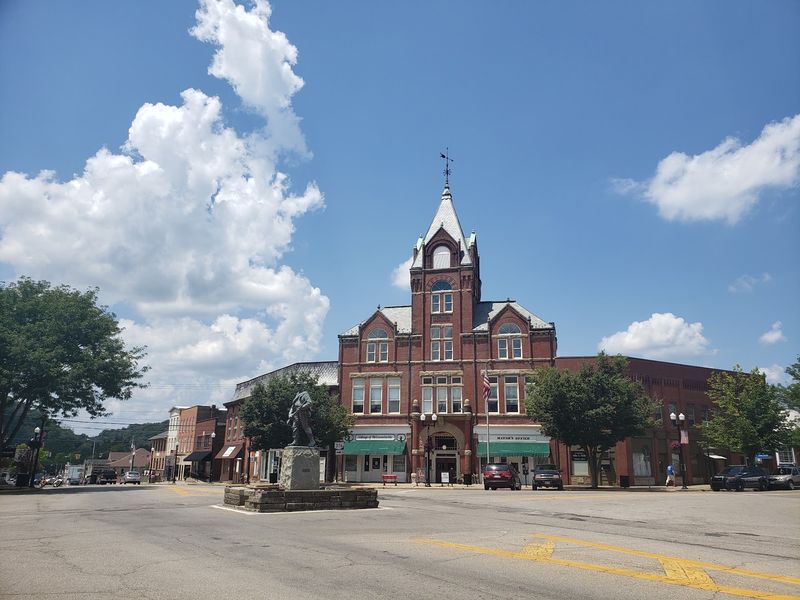
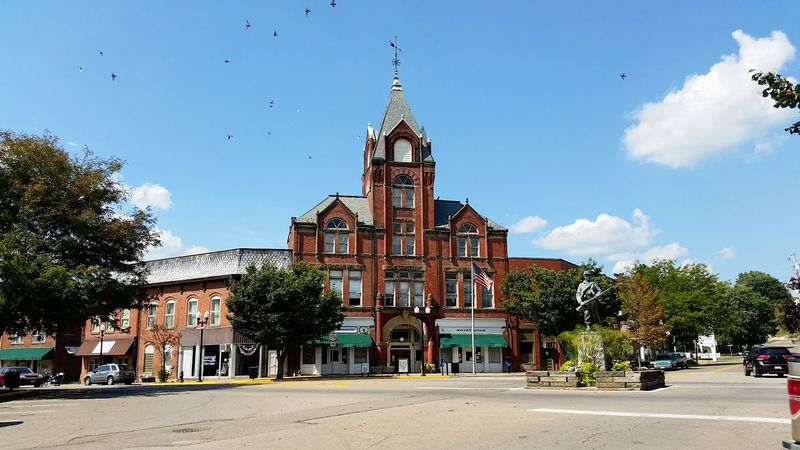
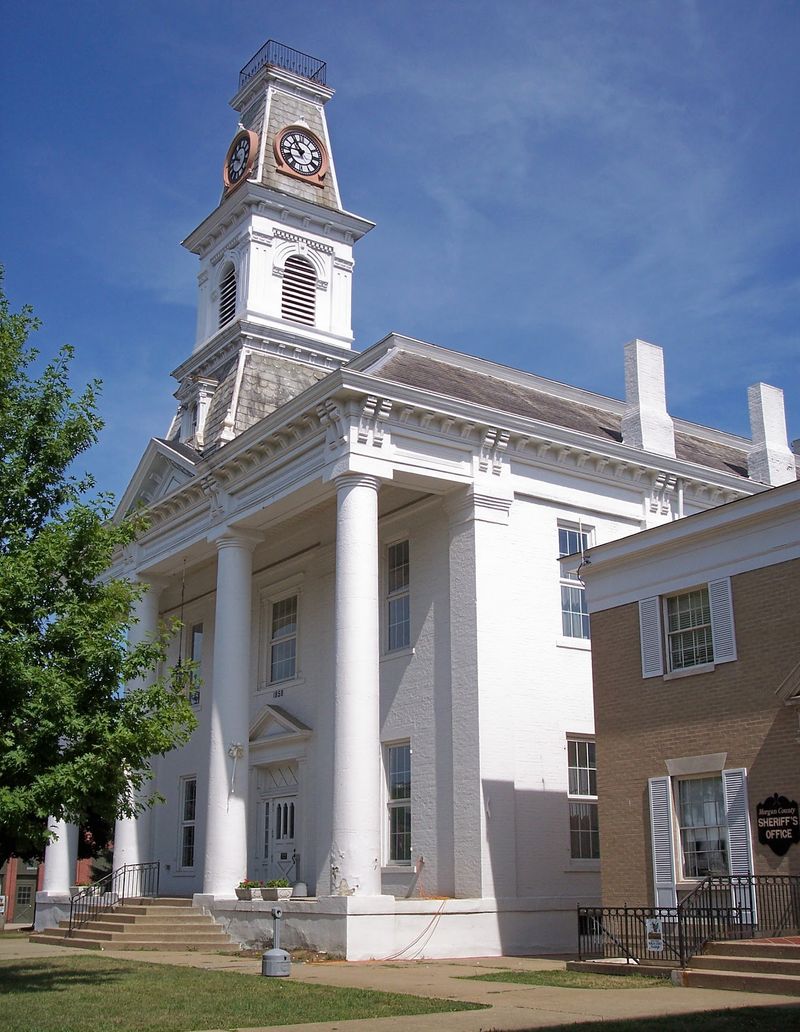
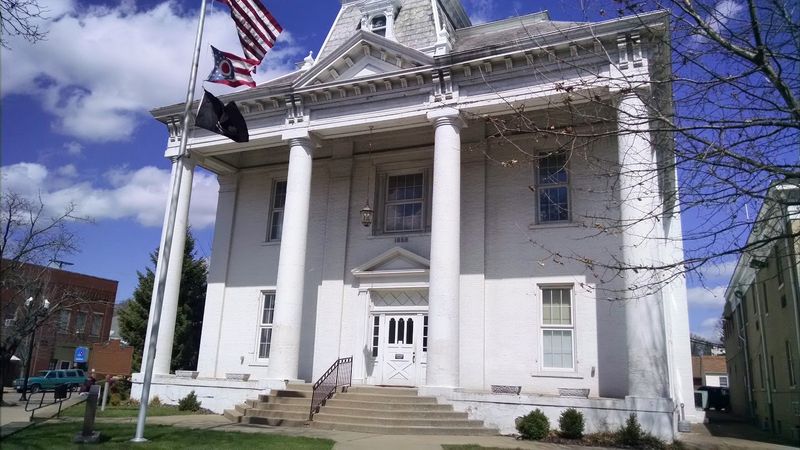
County seats in Ohio tend to have a particular kind of civic gravity, and McConnelsville is no exception. The Morgan County Courthouse anchors the downtown, and the surrounding blocks of 19th-century brick commercial buildings give the village a sense of architectural continuity that larger towns often lose to development.
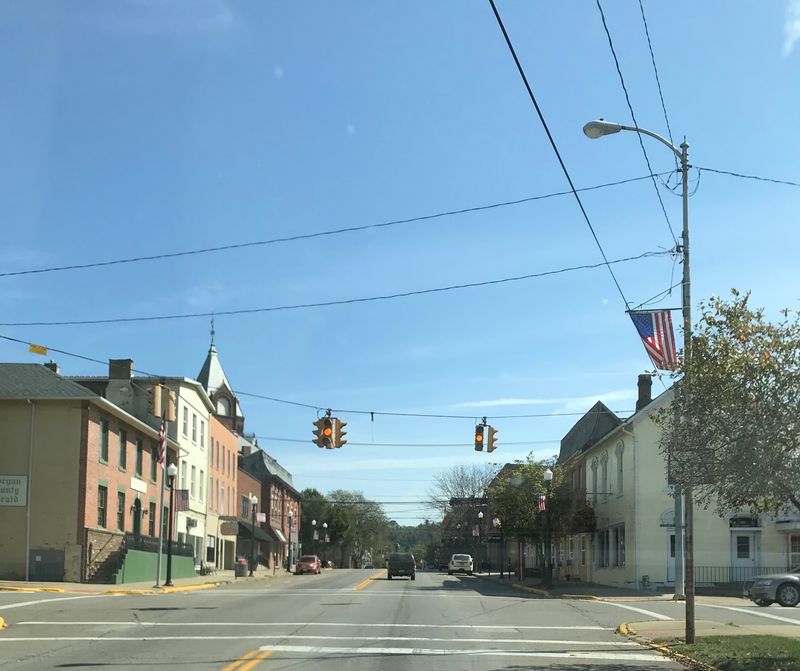
Walking the main streets here feels like stepping into a version of Ohio that has not been fully smoothed over by modernity.
The courthouse itself is a solid, handsome structure that has presided over the town’s public life for generations. Around it, the scale of the buildings stays human-sized.
Nothing towers. Nothing overwhelms.
The storefronts and civic structures feel proportional to the community they serve, which gives McConnelsville a walkability that is rare in rural Ohio.
Preservation has been kinder here than in many similar-sized Ohio towns. Some communities of this population have seen their historic cores hollowed out by decades of economic pressure.
McConnelsville retains enough of its original fabric to give visitors a genuine sense of what a prosperous 19th-century river town looked like at street level. The details reward slow walking: cornices, window surrounds, and the occasional painted ghost sign on a brick wall that hints at businesses long gone but not entirely forgotten.
The Ohio River Valley Connection
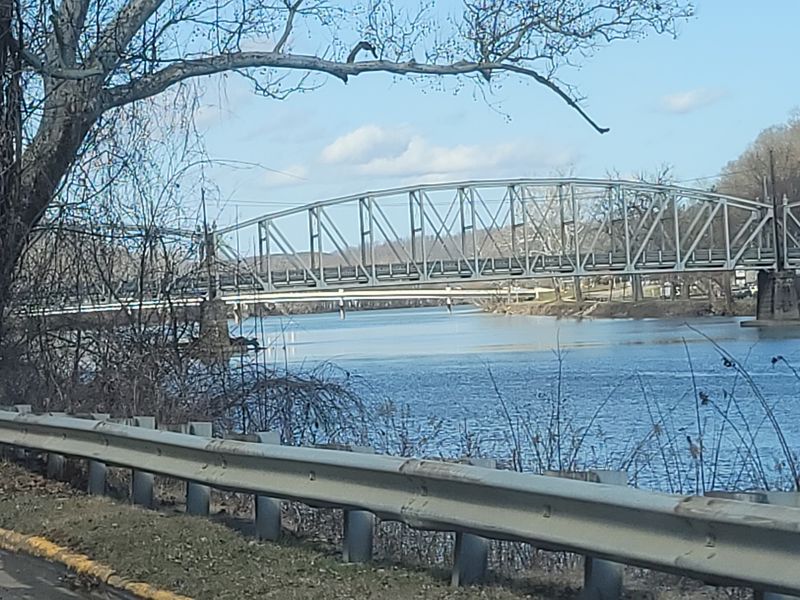
Geography made McConnelsville relevant long before anyone thought to call it a tourist destination. Positioned between Zanesville to the northwest and Marietta to the southeast, the village sat along a natural corridor linking the Ohio interior to the Ohio River at Marietta, one of Ohio’s oldest and most historically significant cities.
That corridor shaped everything from local commerce to the kinds of people who settled here.
Marietta, founded in 1788, was the first permanent American settlement in the Northwest Territory. The road and river connections between Marietta and the Muskingum Valley towns like McConnelsville meant that ideas, goods, and settlers moved through this region with regularity during the 19th century.
McConnelsville absorbed some of that energy and built a community around it.
Today, the Marietta connection still matters for visitors. A day trip that combines McConnelsville with a swing through Marietta gives travelers a remarkably full picture of southeastern Ohio’s history and river culture.
The drive between the two towns along the river corridor is scenic enough to justify the trip on its own. At 26 miles apart, they pair naturally for anyone willing to spend a full day exploring this corner of the state.
Morgan County’s Quiet Natural Appeal
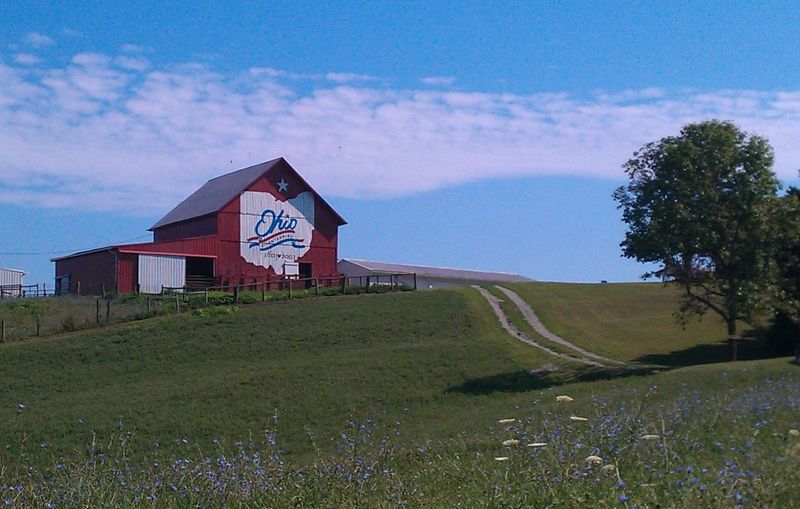
Nature does not need to be dramatic to be compelling, and Morgan County proves that point convincingly. The hills around McConnelsville are covered in mixed hardwood forest, the kind that turns spectacular in October and stays quietly beautiful through every other season.
There are no famous waterfalls here, no headline-grabbing gorges like those at Hocking Hills, but that is actually part of the appeal.
The county’s rural roads wind through landscapes that reward a slow drive with the windows down. Farmsteads tuck into valley bottoms.
Woodlots crown the ridges. The light in late afternoon hits the hillsides at an angle that makes the whole scene look like a painting someone forgot to hang in a museum.
Wildlife is present in the understated way it tends to be in lightly traveled parts of Ohio. White-tailed deer are common sights along the rural edges of town, particularly at dawn and dusk.
Birding along the river corridor can turn up species that migrate through the Muskingum Valley. For visitors who appreciate nature without the crowds that follow designated parks and preserves, the countryside around McConnelsville offers a genuinely peaceful alternative to the more trafficked destinations further south in Ohio’s Appalachian region.
The Village Scale That Changes How You Move
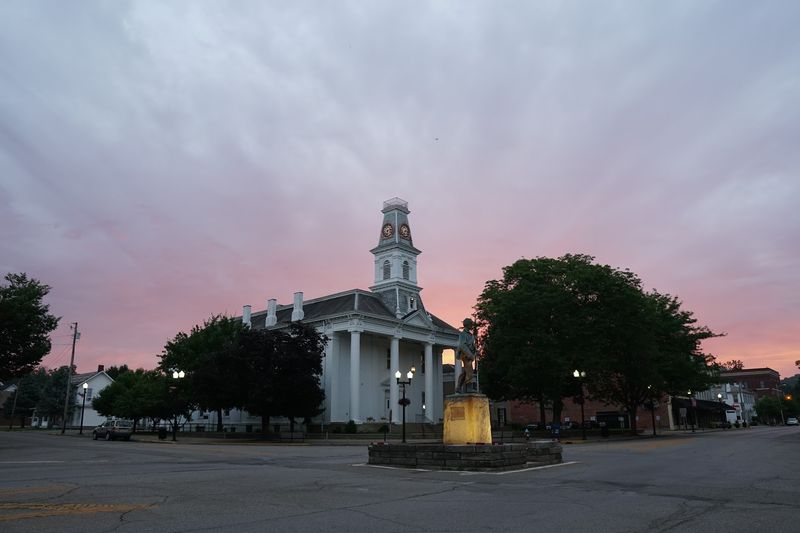
There is something genuinely different about moving through a village of 1,667 people versus a city of any significant size. The pace changes.
The noise level drops. The distance between things shrinks to something walkable, and the experience of a place becomes more immediate and less mediated by traffic and crowds.
McConnelsville operates at that smaller scale, and it takes only a few minutes of walking to feel the shift. You can cover the core of the village on foot without effort, and the lack of tourist infrastructure means you are moving through a place that functions as an actual community rather than a curated experience.
Residents go about their days around you, and the town does not perform for visitors because it has not been set up to do so.
That authenticity is increasingly rare. So many of Ohio’s more well-known small towns have been reshaped, at least partially, around the expectations of outside visitors.
McConnelsville has not gone through that process, which means what you see is what the community actually is. For travelers who find that kind of realness more interesting than a polished destination, the village scale here is not a limitation.
It is the whole point.
Settlement History Along the Muskingum
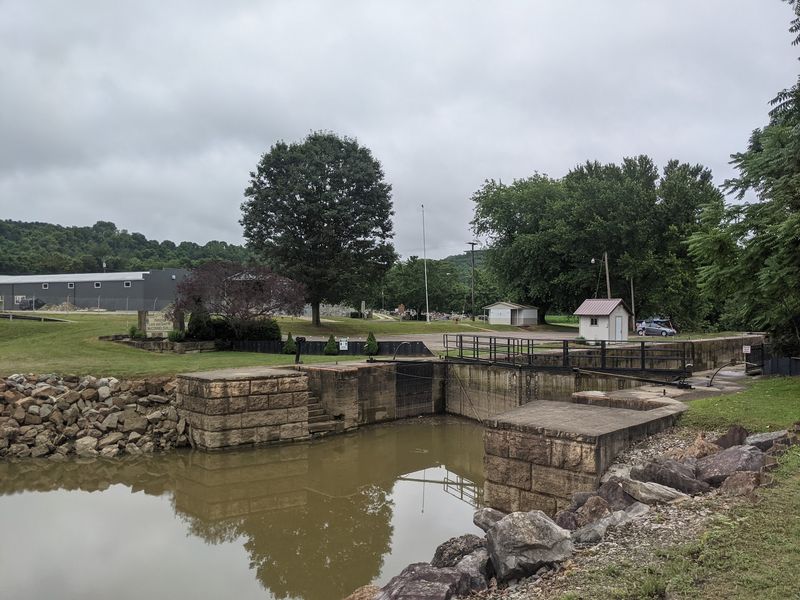
Morgan County was established in 1817, and McConnelsville grew into its role as county seat not long after. The village’s position on the Muskingum River was the deciding factor in its early development, as river access meant commercial opportunity in an era when roads were rough and unreliable.
Merchants, lawyers, and tradespeople followed the courthouse, and a genuine small-town economy took shape across the early decades of the 19th century.
The Muskingum River Improvement, a system of locks and dams constructed between 1836 and 1841, transformed the river into a navigable commercial route from Dresden all the way to the Ohio River at Marietta. McConnelsville benefited from that infrastructure, and the town’s 19th-century commercial buildings reflect the prosperity that river trade helped generate.
Ohio’s Appalachian counties went through significant economic shifts in the 20th century as industries changed and populations shifted toward urban centers. McConnelsville weathered those changes with the quiet resilience that characterizes many small county seats in the region.
The history here is not the kind that comes with elaborate interpretive centers or packaged tours, but it is present in the built environment and in the stories that still circulate among families who have lived in Morgan County for generations.
What the Town Looks Like in Different Seasons
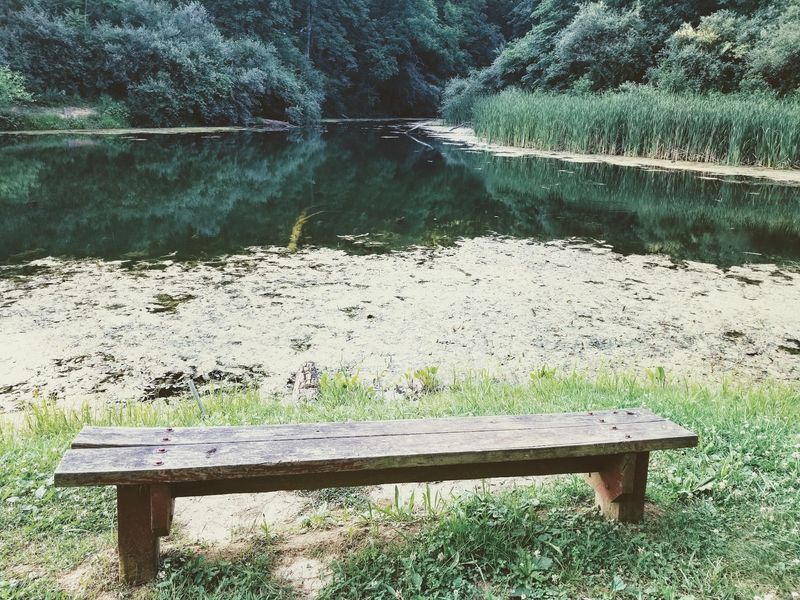
Seasonal change hits differently in the Appalachian foothills than it does on the Ohio plains. The hills around McConnelsville amplify every shift in the calendar, from the green fullness of summer to the amber and crimson of October, and the bare, honest lines of the winter ridge tops that follow.
Fall is probably the most visually rewarding time to visit. The forested ridges surrounding Morgan County light up with color in a way that makes the drive into McConnelsville feel like a reward in itself.
The river picks up the reflected colors on calm mornings, and the cooler air makes walking the village streets genuinely pleasant.
Summer brings a greener, more lush version of the same landscape. The river is more active, the roadsides are full of wildflowers, and the long daylight hours give visitors plenty of time to explore the surrounding countryside.
Spring arrives with a particular freshness in the hill country, as redbud and dogwood bloom along the wooded slopes before the full canopy fills in. Winter strips the landscape back to its bones, and the town takes on a stillness that has its own kind of appeal for visitors who appreciate the quieter version of a place.
Each season makes a reasonable argument for being the best time to come.
The Drive In From Zanesville
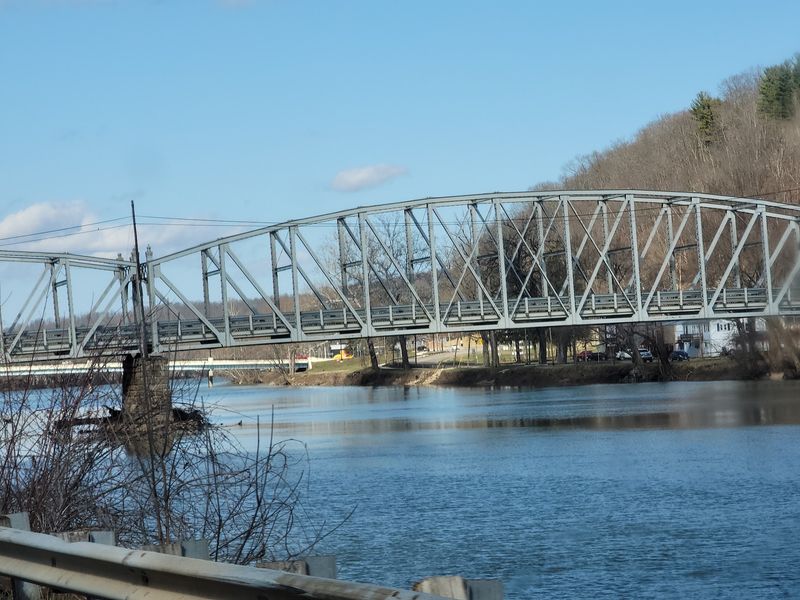
Twenty-one miles sounds short, but the drive from Zanesville southeast toward McConnelsville is one of those Ohio routes that earns its own attention. The landscape shifts noticeably as you leave the broader Muskingum County terrain and enter the tighter, hillier topography of Morgan County.
The road begins to curve and rise, and the horizon, which was wide and open, pulls in close as the forested ridges take over.
U.S. Route 60 is the primary connector between the two towns, and it runs through a sequence of small communities and rural stretches that give the drive a pleasantly unhurried character.
There is no interstate convenience here, and that is genuinely part of the experience. The two-lane road demands a different kind of attention from the driver, and that attention pays off in the details of the landscape you would miss at highway speed.
Approaching McConnelsville from the northwest, the descent toward the river valley gives you a preview of the terrain that defines the town. The hills close in, the Muskingum comes into view, and the village appears in the valley below with the quiet matter-of-factness of a place that has been there for two centuries and expects to be there for two more.
It is a proper arrival, the kind that sets the right mood before you even park the car.
Community Life in a Small Ohio River Town

Community life in a town this size has a texture that is hard to describe accurately without experiencing it firsthand. Everyone seems to know everyone, or at least knows someone who does.
The interactions between people on the street, in the local shops, and around the courthouse square have a familiarity that is not performative. It is simply what happens when a community is small enough that anonymity is not really an option.
Morgan County has a strong sense of local identity that shows up in the way residents talk about their town. There is pride here, not the boastful kind, but the quieter pride of people who have chosen to stay or return to a place that suits them.
That sentiment is palpable in a way that adds something to the visitor experience even if you cannot fully articulate what it is.
Local events and county functions bring the community together around the courthouse and through the village calendar in ways that give visitors who time their trips right a chance to see McConnelsville at its most animated. The rhythms of small-town Ohio public life, seasonal events, county fair traditions, and community gatherings, are alive here in a form that has largely disappeared from more urbanized parts of the state.
For visitors who grew up in small-town Ohio, that familiarity carries a particular kind of resonance.
Practical Notes for the Trip
Getting to McConnelsville is straightforward from most of Ohio’s population centers. From Columbus, the drive runs approximately 90 minutes via U.S.
Route 40 east to Zanesville and then southeast on U.S. Route 60.
From Cleveland, plan on roughly two and a half hours heading south and east through the hill country. Marietta to the southeast is only about 26 miles away, making a combined visit to both towns very workable in a single day.
The village is small enough that you will not need a detailed navigation plan once you arrive. The downtown and riverfront areas are close together, and the compact layout makes orientation easy.
Parking is not a challenge here in the way it is in larger destinations.
Because McConnelsville is a working small town rather than a tourist destination, services are present but not abundant. Fuel up and plan your meals before or after the visit, or check current local options closer to your trip date, as small-town business hours and availability can shift.
The best approach is to treat the visit as an exploration rather than an itinerary. Come with curiosity, leave the schedule loose, and let the town reveal itself at its own pace.
That approach works better here than anywhere that hands you a brochure at the door.
Who McConnelsville Is Really For
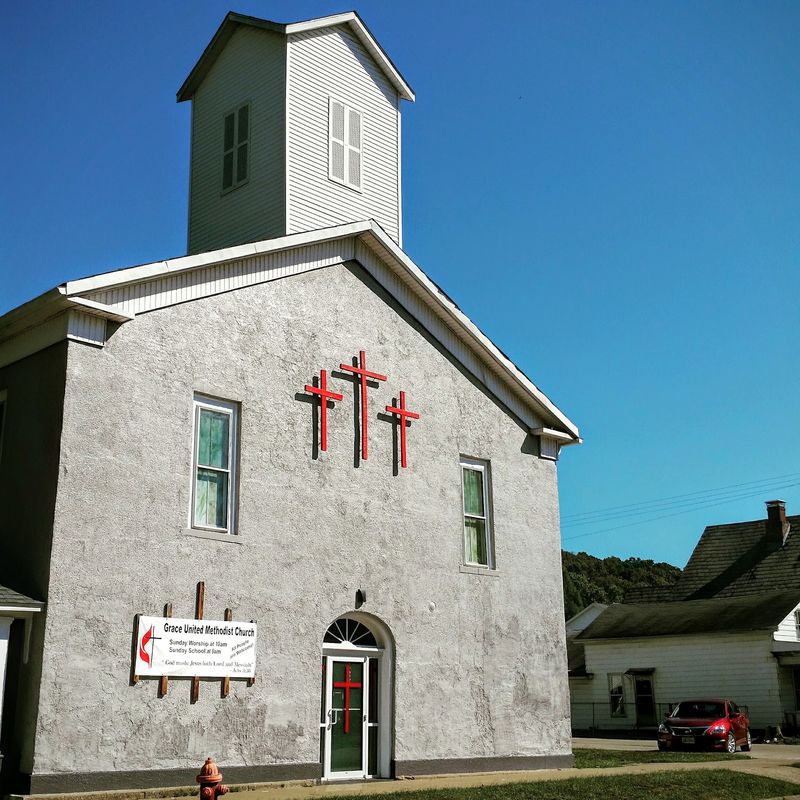
Not every destination suits every traveler, and McConnelsville is refreshingly honest about that. The village does not have theme parks, outlet malls, or a lineup of ticketed attractions.
What it has is character, history, a beautiful river setting, and the particular pleasure of a place that has not been packaged for consumption.
Travelers who get the most from McConnelsville tend to be the ones who find satisfaction in the experience of a place rather than a checklist of activities. History enthusiasts who appreciate 19th-century architecture and river heritage will find plenty to engage with.
Nature-oriented visitors who want Appalachian scenery without the Hocking Hills crowds will appreciate the surrounding hill country. Photographers looking for authentic Ohio small-town material will find it on almost every block.
Ohio residents who have a habit of assuming they already know their state well are probably the ideal audience. McConnelsville has a way of quietly correcting that assumption.
It is the kind of town that makes you wonder what else you have been driving past without stopping. The answer, if Morgan County is any indication, is probably quite a lot.
Come here once and you will start paying closer attention to the exits you have been ignoring on every Ohio road trip since.
A Town Worth the Deliberate Detour
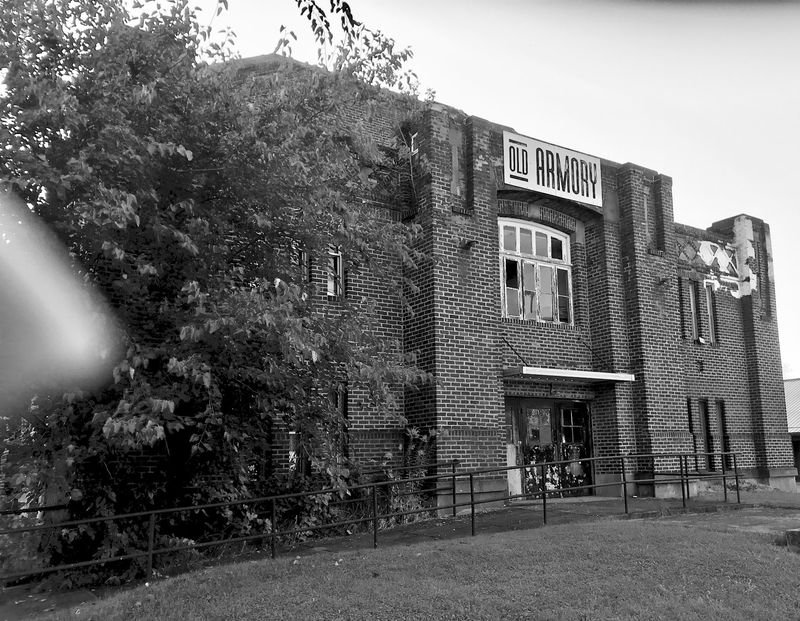
Some places earn their reputation through marketing. Others earn it simply by being genuinely worth visiting, and McConnelsville falls into that second category without any apparent effort.
The combination of river setting, Appalachian hill country, intact historic architecture, and authentic small-town community life adds up to something more satisfying than the sum of its parts.
The fact that most people drive right past it on the way between Zanesville and Marietta is not a flaw in the town. It is an opportunity for the traveler willing to slow down.
The exit costs you maybe thirty minutes of driving time, and what you get in return is a version of Ohio that feels genuinely discovered rather than recommended by an algorithm.
Morgan County and its quiet county seat have been here for over two centuries, doing exactly what they do without needing outside validation. The Muskingum still moves past the east bank of town the same way it always has.
The hills still catch the afternoon light in a way that makes you reach for your phone to take a picture you will actually keep. McConnelsville is not trying to be a destination.
It just is one, and the travelers who figure that out tend to leave with the particular satisfaction of having found something real.
Share this story