Every so often in Oregon, you roll into a quiet little place that looks half-asleep, and then it surprises you completely. The kind of spot where a couple hundred folks live, the streets feel hushed, and yet somehow the parking fills up on certain weekends.
I love these tucked-away corners where the payoff is bigger than the population sign suggests. Come along, because this one hides a story most travelers never see coming.
A Tiny Baker County Town With A Big Draw

Tucked into the eastern edge of Oregon in Baker County, this little city counted just 204 people at the last census. That number alone tells you it is not chasing the tourist crowds most towns compete for.
Yet the quiet is deceiving. What looks like a sleepy grid of streets and old buildings actually pulls in visitors who plan whole trips around it, especially on certain weekends when the town wakes up.
Sitting high in the mountains rather than along the busy coast, this spot rewards folks who steer off the interstate and go looking. Locals like the calm, and honestly, you might too.
Stick around, because the reason people gather here has almost nothing to do with its size and everything to do with what the old-timers left behind.
How A Cannonball Rock Gave The Place Its Name

Names carry stories, and this one is a good one. The founders called their settlement after Fort Sumter, the site tied to the American Civil War.
The spark for the idea came from something surprisingly ordinary. A local resident spotted a rock so smooth and round it looked like a cannonball, and that shape jogged a memory of the war and the fort back east.
From that small moment, a name stuck for good. It is the kind of origin tale that makes you smile once you hear it, because it grew from a single stone rather than a grand plan.
Little details like this are what give small Oregon towns their character. You come for the scenery and end up collecting stories, and this one is worth tucking away for the drive home.
The Gold Rush Bones Beneath The Quiet

Long before the streets went quiet, this corner of eastern Oregon buzzed with mining fever. Gold brought people rushing in, and the town swelled far beyond the couple hundred souls who call it home today.
You can still feel that past in the bones of the place. Old buildings, the layout of the streets, and the surrounding hills all whisper about days when fortunes were chased and dreams were dug out of the ground.
What makes it special is that the history was not paved over. Instead, it lingers, giving visitors a real sense of walking through a chapter of Oregon that most classrooms only skim.
For anyone who loves poking around places with a genuine story, this town delivers. The mining legacy is the thread that ties nearly everything here together, and it explains the surprise waiting up ahead.
The Giant Dredge Almost Nobody Expects

Here comes the surprise that draws the crowds. Sitting near town is a colossal old gold dredge, a hulking machine that once chewed through the valley floor searching for gold.
Picture a floating monster the size of a building, all timber and iron, parked in the very pond it dug for itself. Standing beside it, most first-timers just stop and stare, because nothing about the sleepy streets prepared them for something so massive.
The scale is what gets people. Photos hardly do it justice, and that gap between expectation and reality is exactly why folks make the trip.
Regulars and history buffs alike say it is the highlight of the whole area. A quiet mountain town hiding an industrial giant is the sort of contradiction that sticks with you, and it is the one thing almost nobody sees coming.
Riding The Rails On A Restored Steam Train
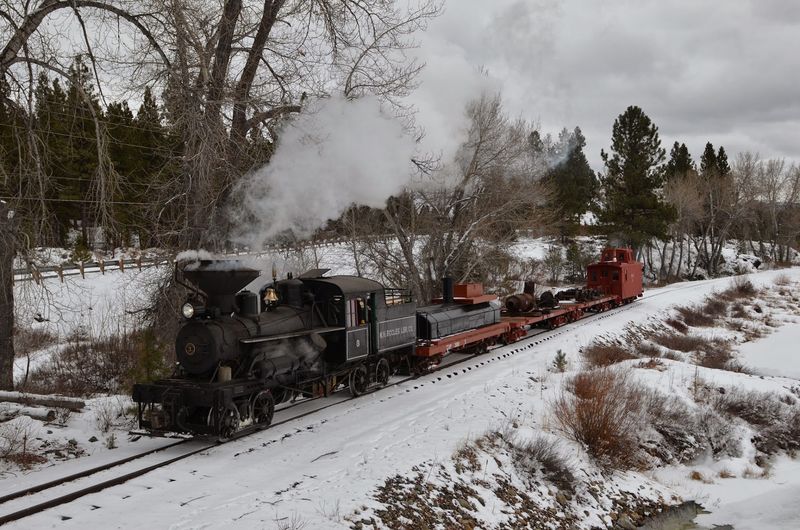
Steam whistles still echo through this valley, and that alone is worth the drive. A restored railroad runs vintage trains along tracks that once served the mining boom, letting you travel the way folks did generations ago.
Climbing aboard feels a little like stepping into an old photograph. The rhythm of the wheels, the puff of steam, and the slow roll past meadows and hills turn an ordinary afternoon into something memorable.
Families especially seem to light up here, and it is easy to see why. Kids press their faces to the windows while grown-ups soak in scenery that most highway travelers never glimpse.
Pairing the train ride with the dredge makes for a full day of history you can actually touch. It is the kind of experience that reminds you why the small, out-of-the-way places are so often the best.
Where The Streets Feel Frozen In Time
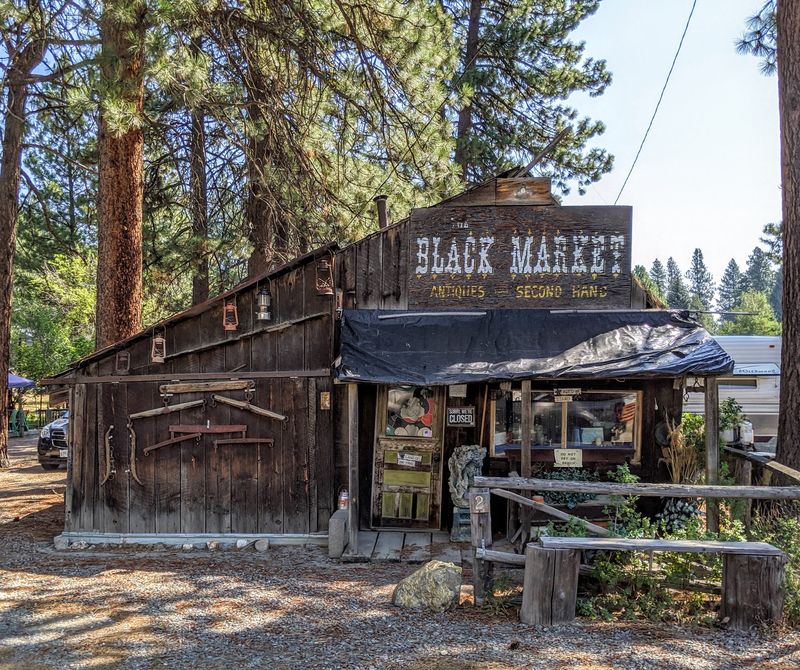
Wandering the streets here feels like flipping through a living scrapbook. Weathered wooden storefronts, old signs, and a general hush give the whole place a preserved, timeworn charm that bigger towns lost long ago.
There is no rush to anything. You can stroll at your own pace, peek into corners, and let the mountain air do its slow, calming work without dodging tour buses or crowds.
That unhurried feeling is part of the draw. Visitors often mention how easy it is to relax here, how the town seems to invite you to slow your own clock to match its pace.
For folks tired of polished, packaged destinations, this authenticity is a gift. What you see is real and lived-in, and that honesty is exactly what makes the wander so satisfying.
The Flea Market Weekends That Wake The Town

A few times each year, this quiet place transforms. Big flea market weekends roll in, and suddenly the streets that usually sit still are packed with vendors, browsers, and treasure hunters from all over.
The contrast is almost comical. One day you have a hushed mountain town, and the next you have rows of tables loaded with antiques, oddities, and finds you never knew you needed.
People plan their calendars around these gatherings. It is part shopping trip, part reunion, and part excuse to soak up the town’s history while hunting for a bargain.
If you time your visit right, you catch the place at its liveliest. Just know the crowds swell fast on those days, so arriving early gives you the best pick and the easiest parking before the afternoon rush settles in.
Mountain Air, Forests, And Wide-Open Quiet

Beyond the buildings, the setting itself steals a bit of the show. Ringed by forested hills and high country, the town sits in a landscape that feels crisp, clean, and gloriously uncrowded.
The air up here has a different quality. Pine-scented and cool, it makes even a short walk feel restorative, and the surrounding meadows and ridges beg you to linger a while longer.
Nature lovers find plenty to explore just beyond the streets. Trails, ponds, and open spaces give hikers and wanderers room to roam without bumping into anyone else.
This blend of history and wilderness is rare. You get the old-town charm and the wide-open outdoors in one stop, which is a big part of why the place lingers in your memory long after you have driven back down the mountain.
Best Seasons To Roll Into Town

Timing matters more than you might guess up in this high country. Summer brings long, mild days perfect for the train, the dredge, and easy strolls through the streets.
Fall has its own quiet magic. The air turns crisp, the crowds thin even further, and the surrounding hills take on golden tones that make photos look almost too good.
Winter is a different animal entirely. Snow settles in, the mountain cold bites, and many seasonal draws slow down, so plan carefully if you visit in the coldest months.
For the fullest experience, aim for the warmer stretch when attractions run and the weather cooperates. Spring works too, once the roads clear, letting you catch the place waking up before the busiest weekends fill it back up with visitors.
Finding Your Way To This Hidden Corner
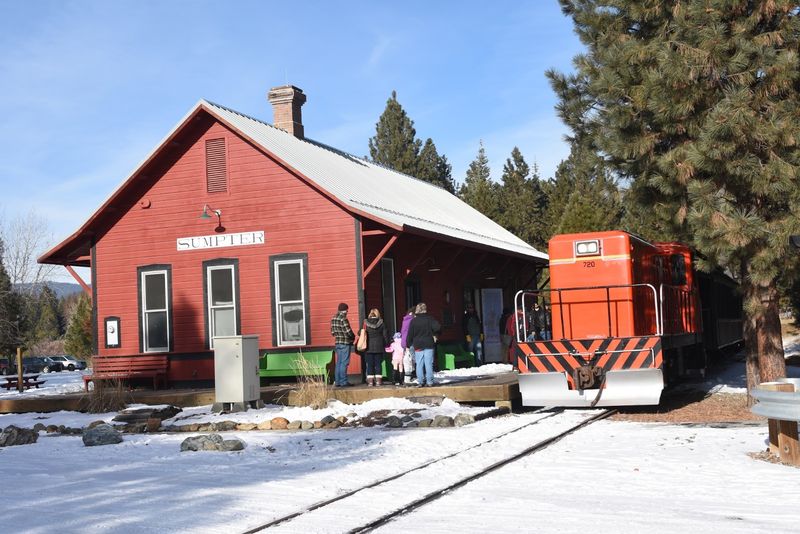
Getting here takes a little intention, which is part of the charm. The town sits in eastern Oregon along Highway 97877, well off the crowded coastal routes most travelers stick to.
The drive itself is half the fun. Winding roads carry you up through forests and mountain scenery, and the further you go, the more that back-country calm settles over the trip.
Baker County anchors the region, so the town makes a great add-on to a wider eastern Oregon adventure. Plan for a real drive rather than a quick detour, and fill your tank before you head into the hills.
Because it is tucked away, you will not stumble on it by accident. That effort keeps the place uncrowded and quiet, which is exactly why the folks who make the trip end up loving it so much.
Who Will Love This Sleepy Surprise Most

Not every destination fits every traveler, but this one casts a wide net. History buffs get gold-rush relics and a giant dredge, while families find a steam train that turns kids into instant fans.
Quiet-seekers hit the jackpot too. If your idea of a good trip involves fresh air, room to breathe, and streets free of jostling crowds, you will feel right at home here.
Photographers and slow travelers also do well. The weathered buildings, mountain backdrops, and preserved feel give you endless angles and no reason to hurry.
About the only folks who might shrug are those craving nonstop nightlife and big-city bustle. Everyone else, especially fellow Oregonians hunting for an under-the-radar gem, tends to leave already planning a return trip to this unexpectedly rich little town.
Why This Quiet Town Earns The Detour

By the time you leave, the sleepy first impression feels almost funny. What looked like a forgettable dot on the map turns out to hold a towering dredge, a steam train, gold-rush history, and some of the most peaceful mountain air in eastern Oregon.
The magic is in that gap between expectation and reality. You arrive figuring on a quick photo stop and end up giving the whole day to a place with just a couple hundred residents.
For Oregonians who love being the one who found the good spot first, this fits the bill perfectly. It rewards the drive, keeps the crowds thin, and hands you stories worth sharing.
Give it a weekend and see for yourself. Odds are you will understand exactly why this unassuming town keeps quietly pulling people back up the mountain.
Share this story