At Agricole Farm Stop in Chelsea, local farmers set their own prices and receive 75 percent of what their products sell for. Since opening in 2019, the market has sent millions of dollars back to local farms and producers.
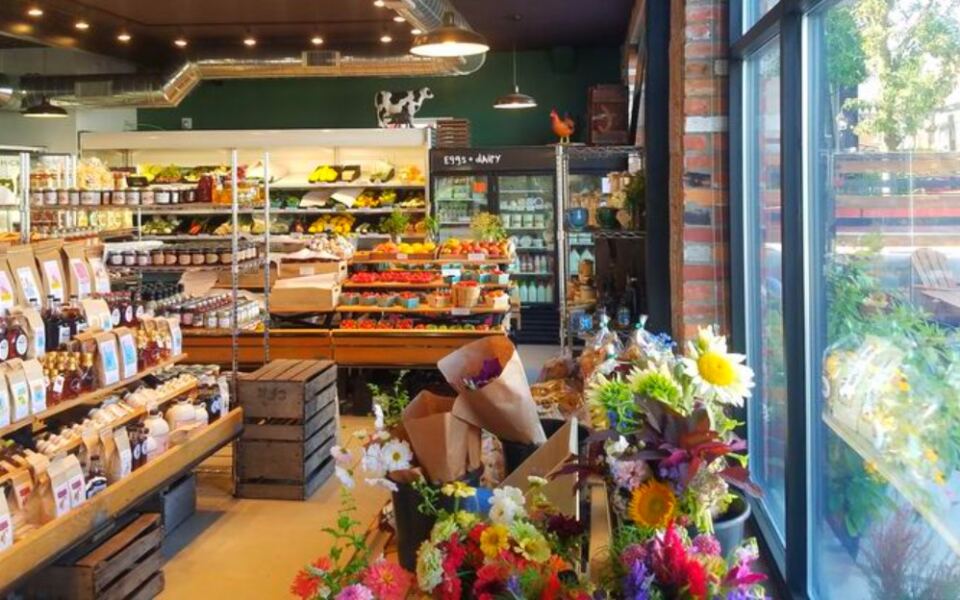
The downtown storefront combines a year-round farm market with a coffee bar, seasonal produce, locally raised meat, baked goods, prepared foods, and Michigan-made products. Instead of hiding suppliers behind store brands, Agricole tells shoppers exactly who produced what they are buying.
That unusual model is the real reason this small-town market stands out. It gives shoppers a direct connection to nearby producers while keeping more of each purchase in the local food system.
A Downtown Address With a Big Mission Behind It
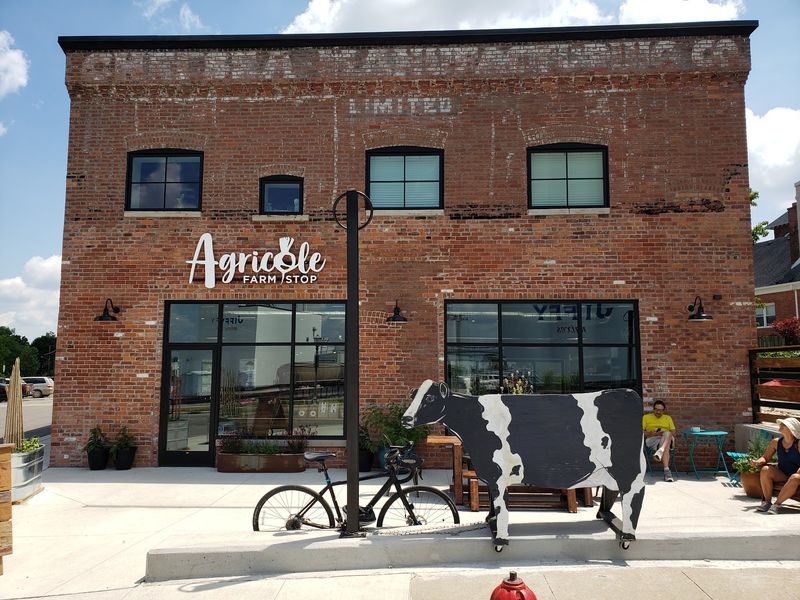
Right in the heart of historic downtown Chelsea, Michigan, Agricole Farm Stop sits at 118 N Main St, Chelsea, MI 48118, on the corner of Main Street and Jackson Street, just steps from the old railroad tracks and across from the iconic Jiffy Mix mill.
The building itself has a story worth knowing. The historic Mack Building stood empty for years before it was carefully restored and brought back to life as a mixed-use space, with the market and coffee bar on the ground floor and four apartments above.
Chelsea is already recognized as a Pure Michigan Trail Town and one of the state’s top ten bike-friendly cities, so the location makes sense for a place that values community connection. Biking trails, a wedding destination, and medical resources are all nearby, making Agricole easy to fold into any kind of visit to the area.
How Four Chelsea Locals Changed the Way Their Town Eats
Agricole Farm Stop did not grow out of a corporate strategy session. It came from four Chelsea residents, Sharon Norton, Kathy Kennedy, Abby Hurst, and Patrick Zieske, who wanted their town to have a reliable, year-round source of locally grown food.
They looked to Ann Arbor’s Argus Farm Stop as their model, borrowing the Farm Stop concept and adapting it for Chelsea. That model, which prioritizes social benefit over profit, was gaining national attention for how effectively it supports small farms while giving communities better access to fresh, local food.
To make the mission official, they structured Agricole as an L3C, which stands for Low-profit Limited Liability Company. That structure legally puts community benefit ahead of financial return, which is unusual in retail and says a lot about what these founders actually cared about when they opened the doors in 2019.
The Consignment Model That Keeps Farmers in Control
Most grocery stores pay farmers a fraction of the shelf price and keep the rest. Agricole does things differently, and the difference is significant for the people who grow the food.
The consignment model here gives local producers 75 percent of every sale, and farmers set their own prices. Products are sold under the farmer’s actual name, not a generic store label, so customers always know exactly who they are buying from.
That kind of transparency is rare in retail food, and it changes the way shopping feels.
Since opening in 2019, Agricole has partnered with over 180 local vendors and returned more than $7.5 million directly to them. The market also serves over 250 farms and small artisan businesses, which means the economic ripple through the surrounding region is substantial.
A small sign inside the store tracks the running total returned to suppliers, and watching that number grow is quietly motivating.
Fresh Produce, Pasture-Raised Meats, and a Freezer Worth Exploring
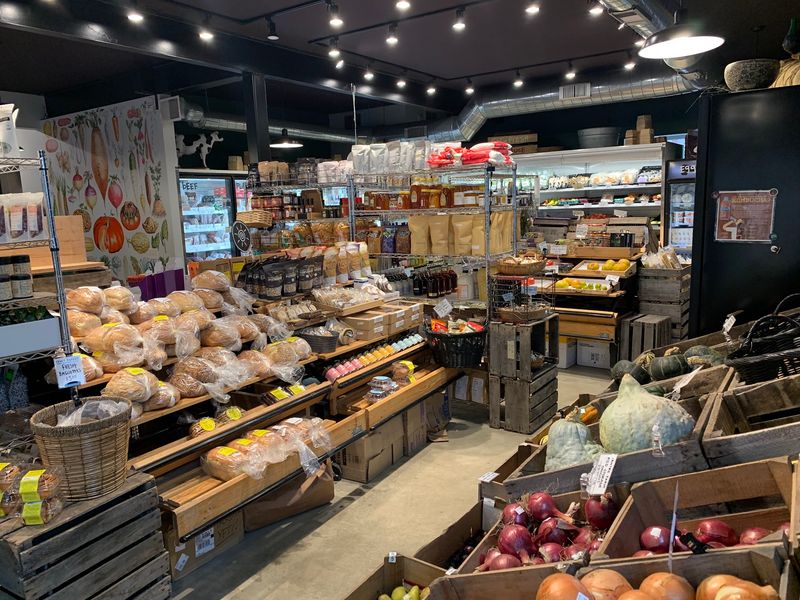
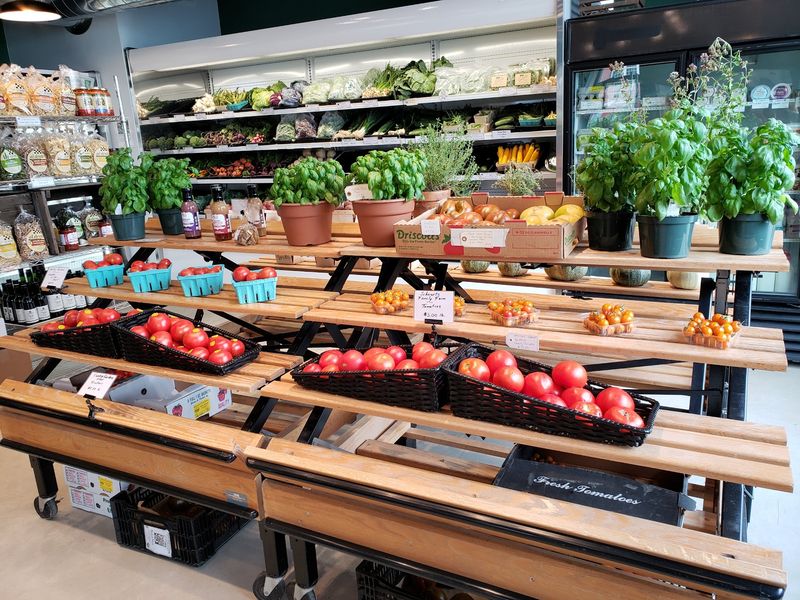
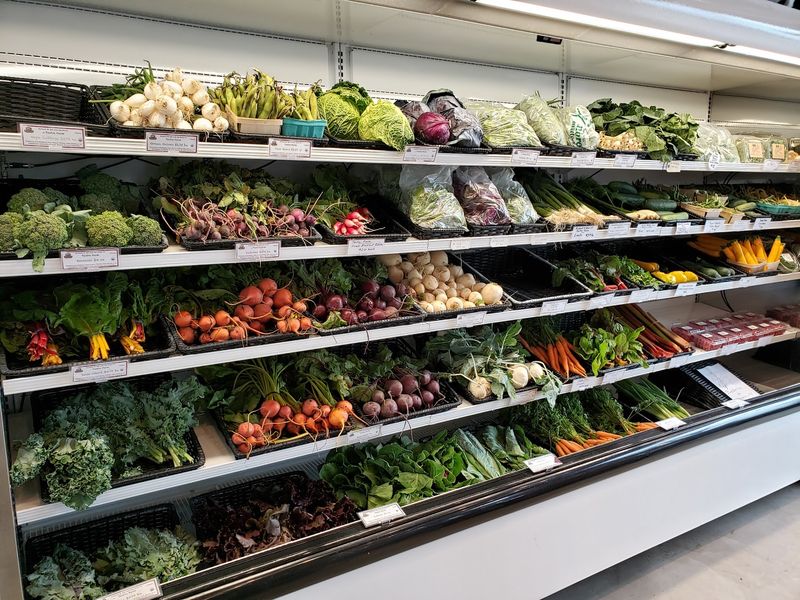
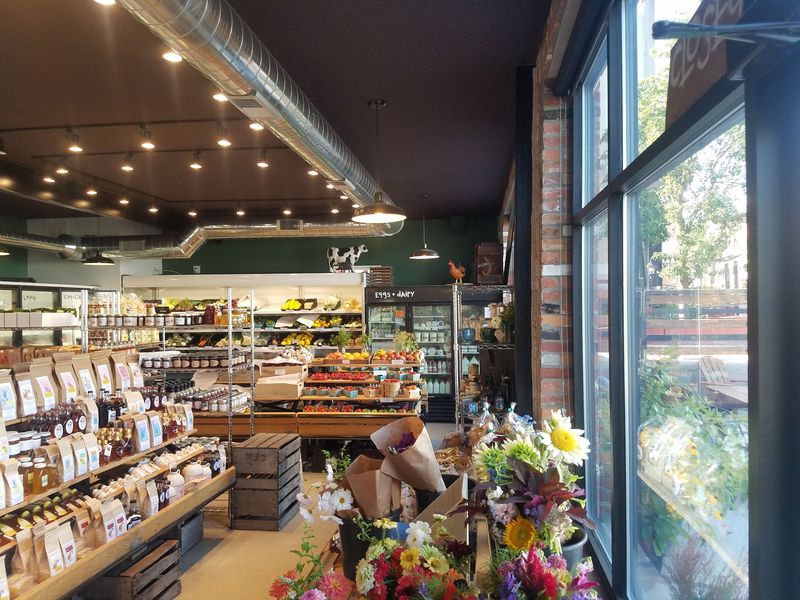
The product range at Agricole covers far more ground than a typical farmers market stall. Every item on the shelves comes from a farm or producer within 50 miles of Chelsea, which means the selection shifts with Michigan’s seasons in a very real way.
The fresh section holds locally sourced produce, grass-fed dairy, eggs, bread, and dry goods. Pasture-raised meats fill part of the refrigerated cases, and the frozen section deserves its own slow walk through.
Frozen local produce, meats, and even local ice cream show up there, alongside options from producers like Nutcase Vegan.
Shoppers with specific dietary needs will find certified organic, natural, non-GMO, gluten-free, and allergen-free products throughout the store. Bulk foods and zero-waste options add another layer of thoughtfulness to the selection.
Vitamins, supplements, and herbal remedies round out the shelves, making Agricole feel less like a specialty boutique and more like a genuinely complete local grocery.
The Coffee Bar That Keeps Chelsea Coming Back Every Morning
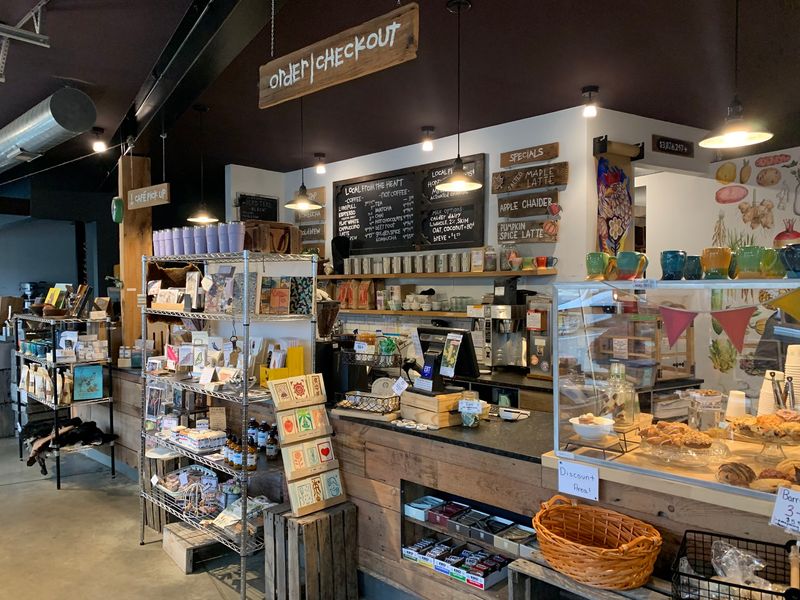
The coffee bar at Agricole has developed a loyal following that goes well beyond people stopping in for groceries. Locally roasted beans from Roos Roast, Hyperion, and Dozer rotate through the espresso machine, and the baristas clearly know what they are doing with them.
The menu runs through specialty lattes, matcha, chai, organic teas from Arbor Teas, cold brew from Lively Up, and kombucha. The vanilla maple latte has its own fan base, and the seasonal holiday flavors generate real excitement.
Fresh pastries arrive daily from nearby bakeries like Lakehouse Bakery, and the cinnamon buns and muffins tend to go fast.
Communal tables, free WiFi, and an outdoor patio facing Main Street make the space easy to settle into for a while. People bring laptops, meet friends, and stay longer than they planned.
That relaxed, stay-awhile energy is something the founders deliberately built into the design of the space.
A Building With Decades of History Packed Into Its Walls
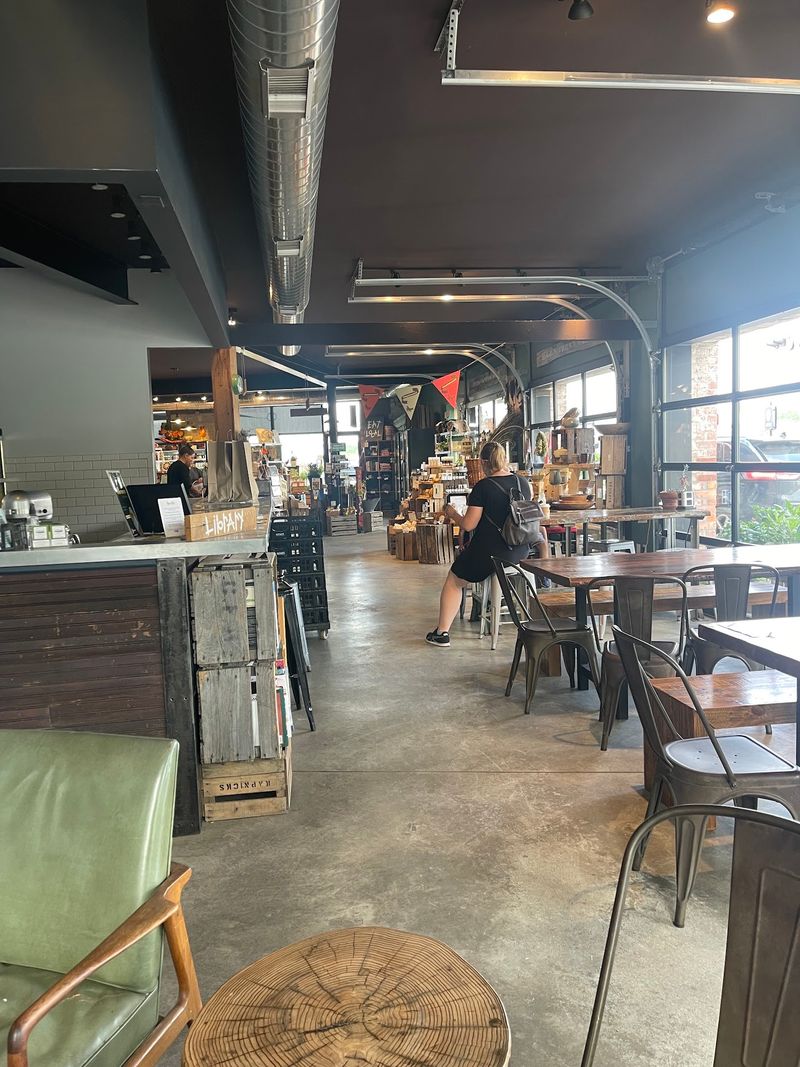
The Mack Building has the kind of bones that make architects and history lovers slow down and look twice. Before Agricole moved in, the building sat empty for many years, its potential locked behind neglect and time.
The restoration brought it back as a mixed-use development, with the market, coffee bar, and a small wholesale bakery operating on the ground floor. Four residential apartments occupy the upper floors, which means the building contributes to both the commercial and residential fabric of downtown Chelsea simultaneously.
The result is a space that feels genuinely rooted in place rather than designed to look local. Original architectural details mix with clean, functional market shelving and a coffee bar setup that encourages people to linger.
Standing inside, you get a clear sense that the building has always been meant to be a gathering point for the community, and Agricole has simply given it the right reason to be one again.
Community Programs That Make Fresh Food Accessible to Everyone
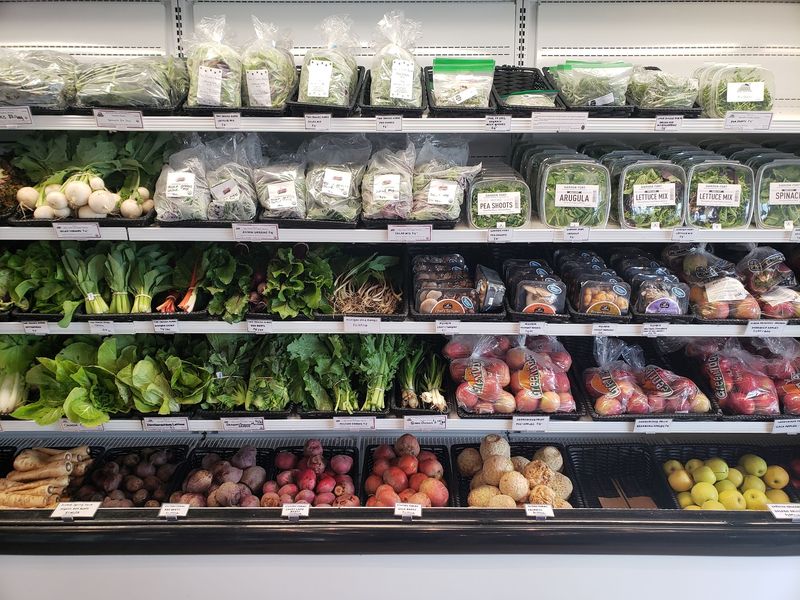
Agricole takes food access seriously, and two specific programs show that commitment in practical terms. The first is participation in Double Up Food Bucks, a program that works through EBT and allows cardholders to double their spending power on fresh produce.
That kind of leverage matters when budgets are tight and fresh vegetables feel like a luxury.
The second is the Neighbor’s Basket Program, which functions as a CSA initiative designed to address local food insecurity. Individuals can reserve a basket and pay a price that works for their budget, while farmers still receive full price for what they grow.
The gap is covered by other supporters of the program, making it a genuinely community-funded solution.
Agricole also accepts Cash, Credit and Debit cards, SNAP, Bridge, and EBT as payment methods, removing another common barrier to access. These details collectively paint a picture of a market that was designed to serve the whole community, not just the part that can already afford specialty groceries.
What “Third Space” Actually Means When Done Right
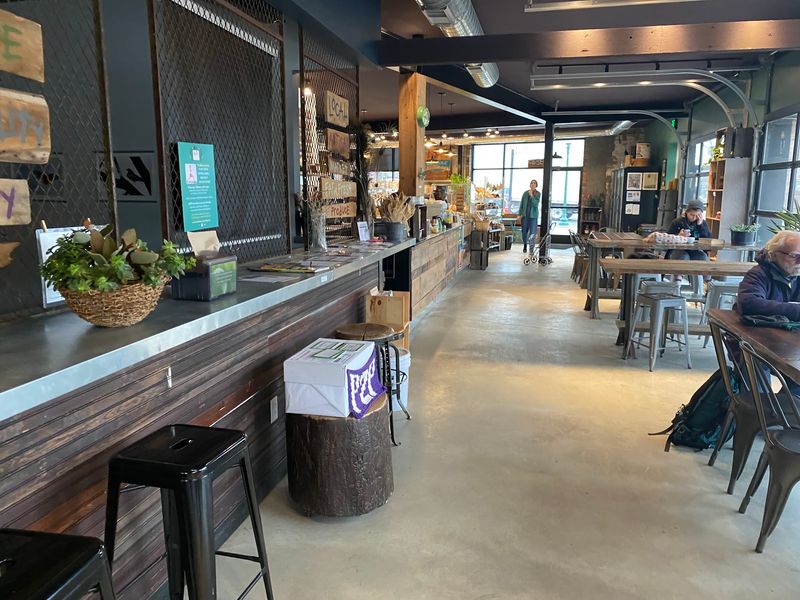
The founders of Agricole had a specific vision for what the space should feel like beyond just being a store. They wanted it to function as a “third space,” meaning a place that is neither home nor work but somewhere people genuinely want to be.
That vision shows up in the communal tables, the outdoor patio, the free WiFi, and the general sense that nobody is being rushed out the door. Regulars bring laptops.
Parents bring kids. Neighbors run into each other and end up staying for a second coffee.
The staff received customer service training from Zingtrain, the training arm of the famous Zingerman’s Deli in Ann Arbor, which gives the service a warmth that feels deliberate rather than accidental. A virtual newsletter keeps the community connected between visits, and the events calendar on the website lists pop-ups and seasonal happenings that give people reasons to return.
The whole setup rewards loyalty.
Vegan, Gluten-Free, and Every Other Dietary Need Covered
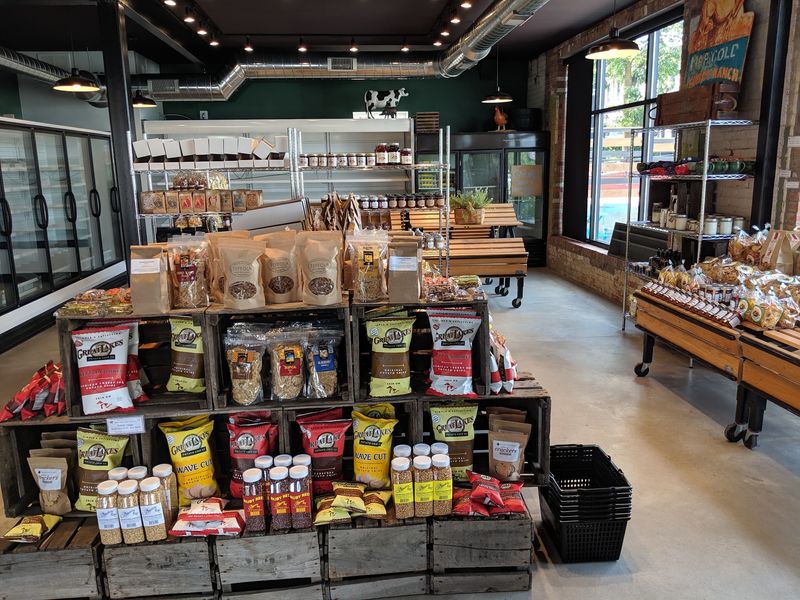
Dietary diversity is not an afterthought at Agricole. The shelves hold a thoughtful range of options for shoppers with specific needs, and the selection keeps expanding as new local producers come on board.
Vegan baked goods show up regularly, including items from Upstart Bakery, which runs pop-ups most Thursdays and Saturdays. Prepared foods from producers like Harvest Kitchen and Earthen Jar give vegan shoppers ready-to-eat options that go beyond plain produce.
The frozen section carries Nutcase Vegan products as well, which adds convenient variety.
Gluten-free items are clearly labeled and spread throughout the store rather than tucked into one small corner. Natural skincare products, including soaps, body butter, and lip balm from local makers, occupy their own section.
The beet root drink has developed its own following among regular visitors, and the beverage fridge stocked with local juices and kombucha, including Baileys kombucha, consistently draws attention from first-time shoppers.
How Agricole Humanizes the Food System One Sale at a Time
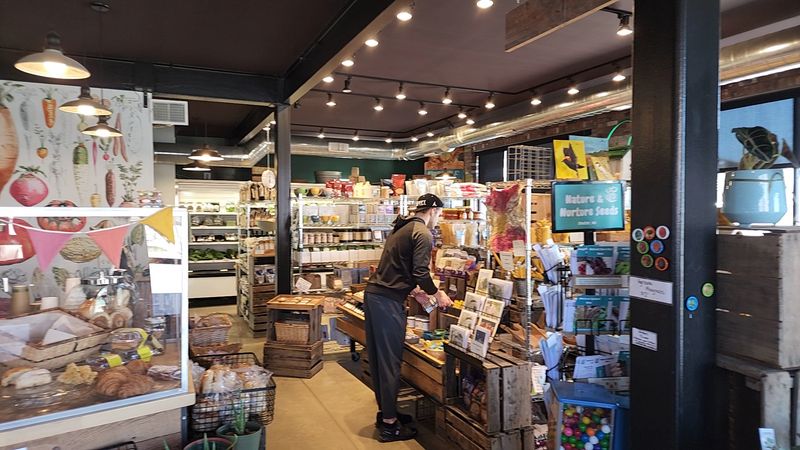
One of the quieter but more powerful things Agricole does is make the food supply chain visible. Every product on the shelves is labeled with the name of the farmer or producer who made it, which turns a routine grocery run into something more like a direct relationship.
That transparency changes how customers think about what they buy. Knowing that the eggs came from a specific farm ten miles away, or that the bread was baked by a named local baker, creates a sense of accountability that generic store brands simply cannot replicate.
The market also displays a running total of how much money has been returned to local producers since opening, which functions as a live reminder of what each purchase actually supports. That number, now past $7.5 million, gives the mission a concrete weight that mission statements alone cannot carry.
Shopping here feels less like a transaction and more like a vote for the kind of food system you want to live inside.
Planning Your Visit: Hours, Parking, and What to Expect
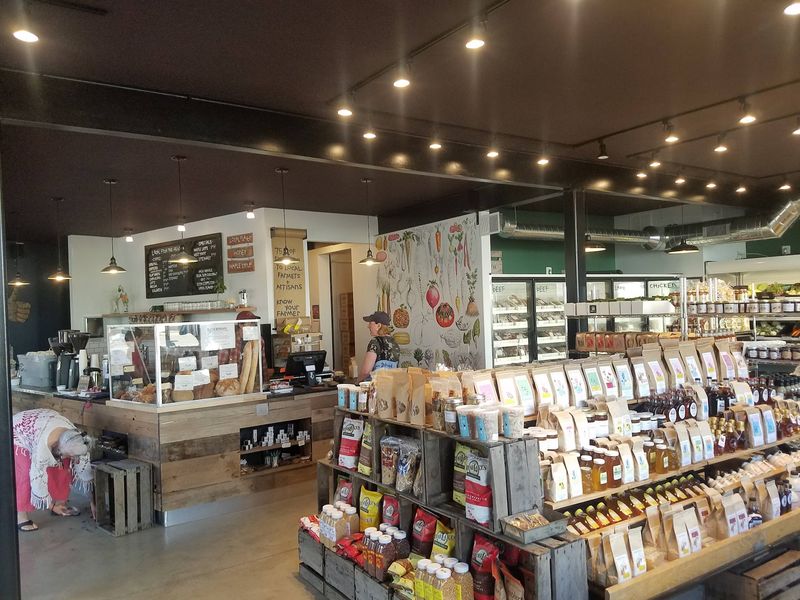
Agricole keeps consistent hours that make it easy to fit into most schedules. Monday through Friday the doors open at 7:00 AM and close at 7:00 PM, while Saturday and Sunday hours run from 8:00 AM to 6:00 PM.
Early mornings are popular with coffee regulars, and weekend afternoons draw shoppers stocking up for the week.
Free parking is available, which removes one of the most common friction points of downtown shopping. The location at the corner of Main and Jackson is walkable for many Chelsea residents, and the proximity to biking trails makes it a natural stop for cyclists passing through town.
First-time visitors should plan to spend more time than expected. The shelves reward slow browsing, and the coffee bar tends to pull people in for longer than a quick cup.
Bring cash or a card, and know that SNAP and EBT are accepted. The phone number is 734-562-2840 if you want to check on a specific product before making the trip.
Why Other Towns Are Taking Notes on the Farm Stop Model
The Farm Stop model that Agricole is built on is drawing attention well beyond Chelsea and Ann Arbor. The idea of a year-round, indoor farmers market that pays producers 75 percent of sales, lets them set their own prices, and sells products under their own names is genuinely uncommon in American retail food.
What makes the model replicable is that it does not require a wealthy customer base or a trendy urban address to work. Chelsea is a small town, and Agricole has still managed to return millions of dollars to local producers while maintaining a space that serves people across income levels through programs like Double Up Food Bucks and the Neighbor’s Basket.
The L3C business structure, the community programs, the staff training, and the physical design of the space all reflect a careful, values-driven approach that other communities are starting to study. Agricole proves that a small-town market can be both financially functional and genuinely good for the people it serves, and that combination is increasingly rare.
Share this story