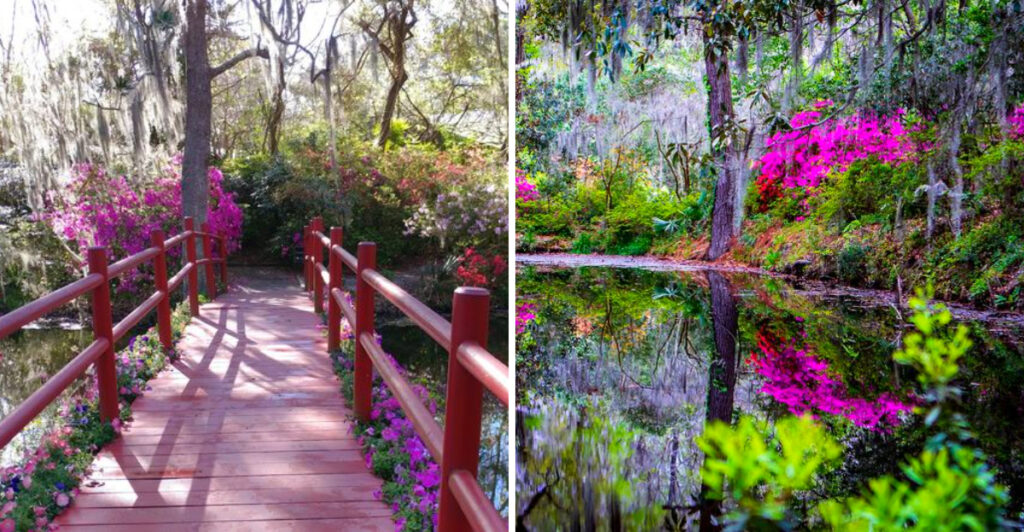
There is a garden in South Carolina where alligators glide beneath bridges draped in Spanish moss, peacocks wander freely across open lawns, and centuries-old live oaks create a canopy so thick it feels like stepping into another world. The white wooden bridges arching over dark, still water look like something straight out of a fairy tale.
What makes this place truly remarkable is not just the beauty of the blooms or the drama of the swamp, but the layers of history woven into every corner of the grounds. From pre-Revolutionary War roots to one of the most honest and moving slavery history tours in the American South, this garden offers far more than a pretty walk.
A Garden Rooted in Centuries of History
Few gardens in the United States carry as much history as this one. Magnolia Plantation and Gardens, located at 3550 Ashley River Road in Charleston, South Carolina, has roots stretching back to the 1670s, making it one of the oldest public gardens in the country.
The Drayton family established the plantation along the Ashley River, and the land has remained in family hands across more than ten generations. That kind of continuity is rare anywhere in America, let alone in a garden open to the public every day of the week.
Walking the grounds, you get a strong sense that this place has witnessed enormous change, from colonial times through the Civil War and into the present. The history here is not polished or simplified.
It is presented honestly, and that honesty is part of what makes Magnolia so worth visiting.
The Iconic White Bridges That Draw Photographers Year-Round
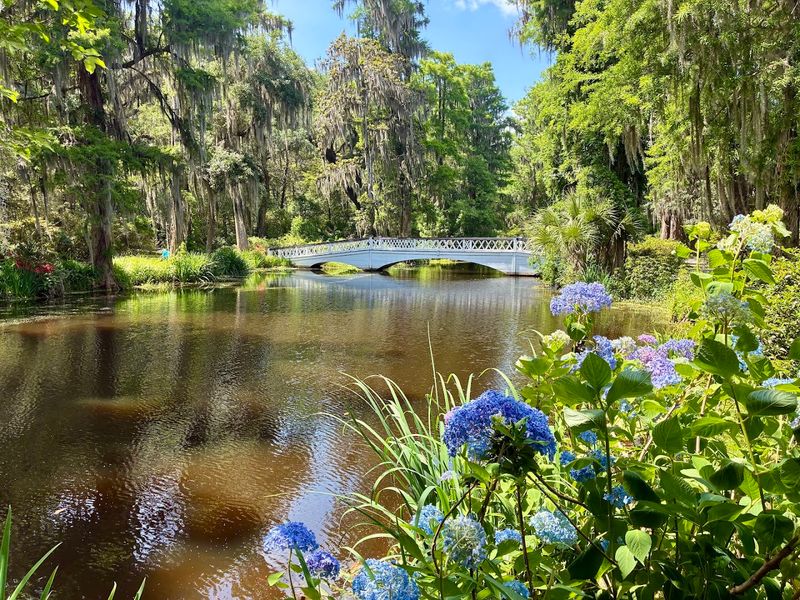
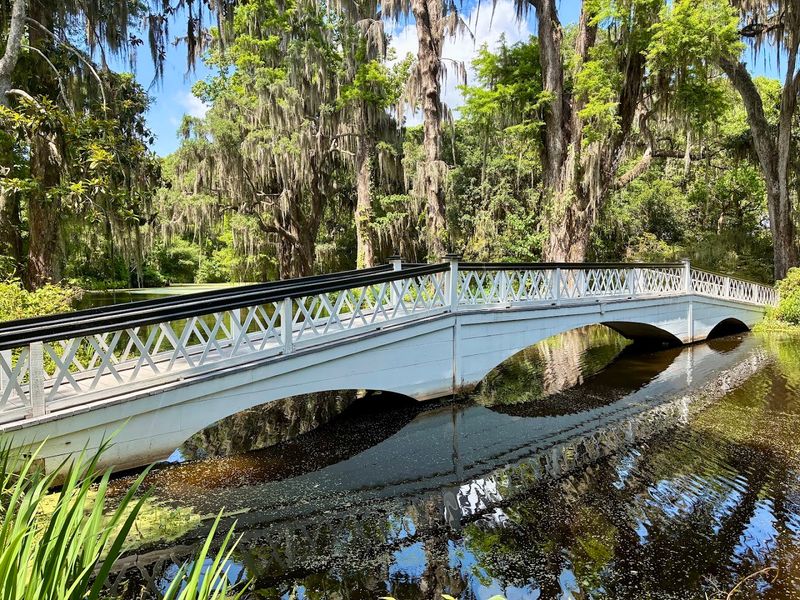
The Long White Bridge at Magnolia Plantation is one of those places where you round a corner and genuinely stop walking. The bright white arch curves gracefully over still, dark water, with Spanish moss hanging from the oaks overhead and flowering plants crowding the banks below.
It is no surprise that photographers, wedding parties, and senior portrait sessions find their way here regularly. On the day I visited, a bride and groom were taking photos near the bridge while a group of visitors quietly waited their turn to cross.
The bridge feels almost too picturesque to be real, yet it fits perfectly into the surrounding landscape. There are several bridges scattered across the property, each one framing a different view of the garden.
The white bridges have become the visual signature of Magnolia, and they absolutely live up to the reputation.
Spanish Moss and Live Oaks That Set the Scene
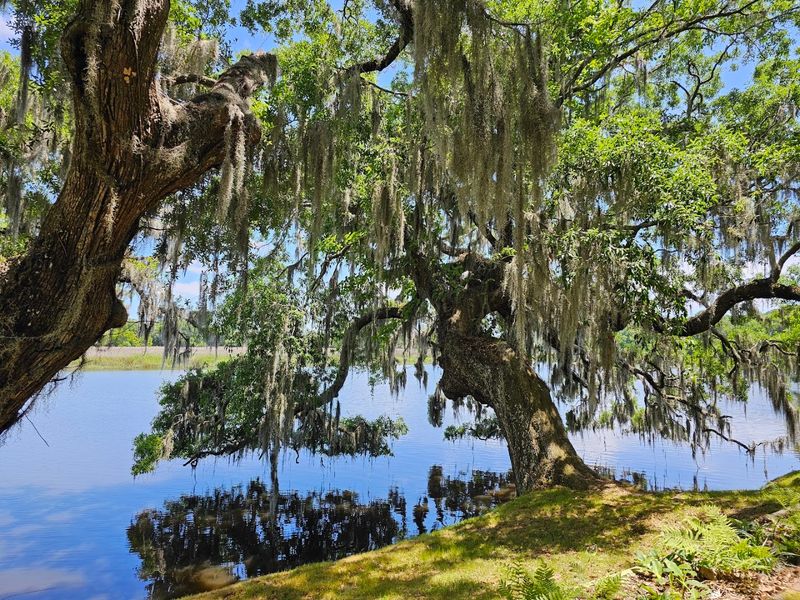
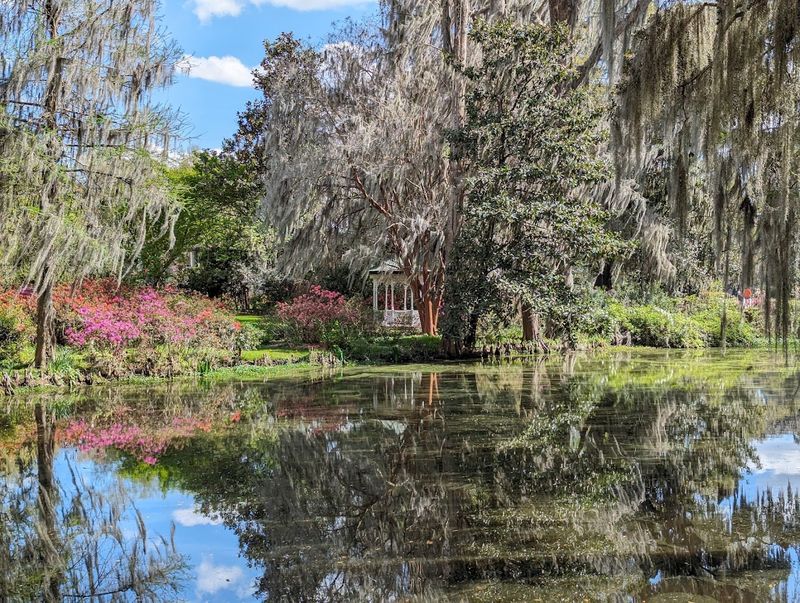
Spanish moss is one of those things that photographs beautifully but feels even more dramatic in person. At Magnolia, the live oaks are enormous, their wide-spreading branches heavy with long gray-green curtains of moss that sway gently in the coastal breeze.
These trees are not young. Some of the live oaks on the property have been growing for centuries, and their sheer size creates a sense of timelessness that is hard to describe.
Standing beneath one of them and looking up through the branches is a genuinely humbling experience.
The combination of Spanish moss, dark water, and ancient oaks creates an atmosphere unlike anything you will find in a typical botanical garden. It is moody, beautiful, and distinctly Southern in a way that feels authentic rather than staged.
The live oaks alone are worth making the trip to Charleston.
The Audubon Swamp Garden and Its Remarkable Wildlife
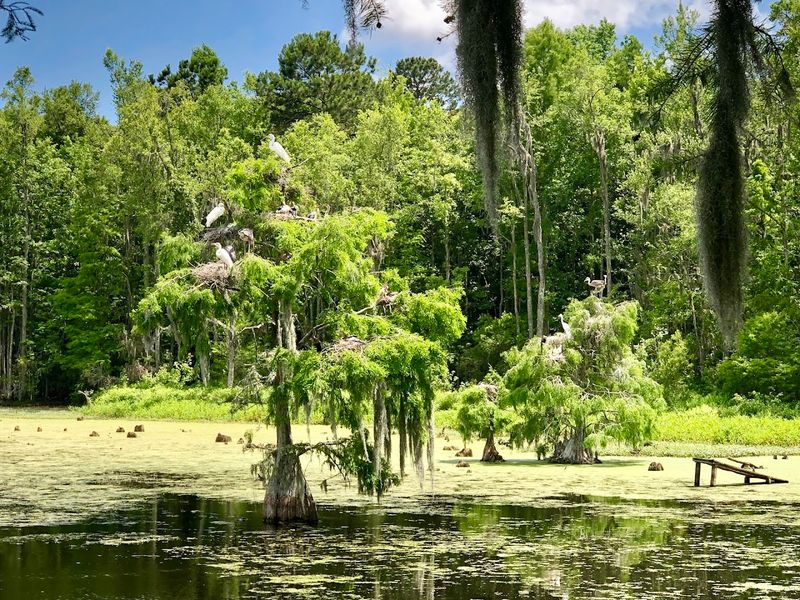
The Audubon Swamp Garden is where Magnolia truly separates itself from any ordinary garden experience. A boardwalk and trail system winds through a blackwater swamp filled with bald cypress trees, their knobby roots rising from the water like small sculptures.
On my visit, I spotted multiple alligators resting near the bank, completely unbothered by the people walking past. Great blue herons stood motionless in the shallows, and egrets moved through the reeds with quiet precision.
Turtles lined every available log, stacking up in cheerful rows in the afternoon sun.
The swamp loop trail is one of the most rewarding walks on the property. It takes you deep into a landscape that feels genuinely wild, even though you are on a well-maintained path.
Bring binoculars if you have them, because the bird variety here is outstanding and worth a slow, careful look.
The From Slavery to Freedom Tour That Changes Visitors
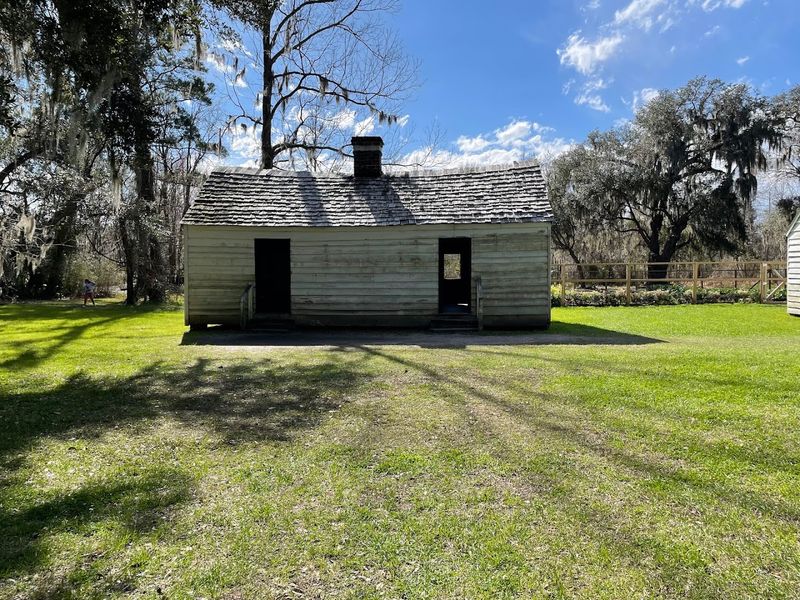
Of all the experiences available at Magnolia, the From Slavery to Freedom tour is the one that visitors talk about most. The actual cabins where enslaved people lived still stand on the property, and the tour guides present their history with remarkable depth and care.
The tour does not soften the reality of what happened here. Guides walk visitors through the daily lives of enslaved people with specific, human detail that goes far beyond dates and facts.
One visitor described walking away feeling like a different person, and I understood exactly what they meant.
What sets this tour apart from similar experiences elsewhere is its emotional honesty. The guides connect the past to the present in a way that feels meaningful rather than academic.
This is not a comfortable tour, but it is an essential one. Plan to give it your full attention, because it absolutely deserves it.
The Nature Train Tour for a Broader View of the Grounds
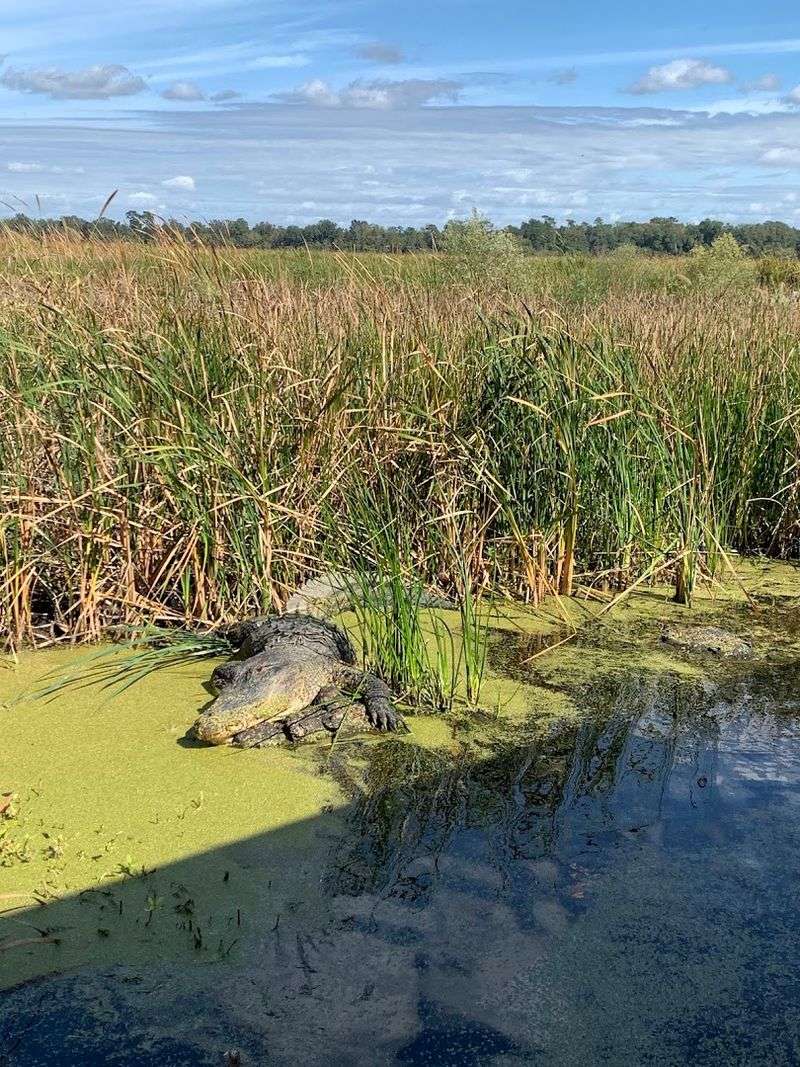
The plantation grounds are large enough that a full walking tour can take several hours, which is where the Nature Train Tour comes in handy. The open-air tram rolls through sections of the property that are harder to reach on foot, including areas deep in the swamp and along the outer edges of the gardens.
The tour guide on the tram I rode knew an impressive amount about the local bird species, pointing out herons, anhingas, and wood storks with the ease of someone who has spent years watching them. The tram also passes through areas where alligators are frequently spotted resting along the banks.
For visitors traveling with older adults or anyone who finds long walks challenging, the tram is a genuinely practical option that still delivers the full visual experience of the property. At an additional cost beyond general admission, it is well worth adding to your visit.
The Boat Tour Through the Waterways
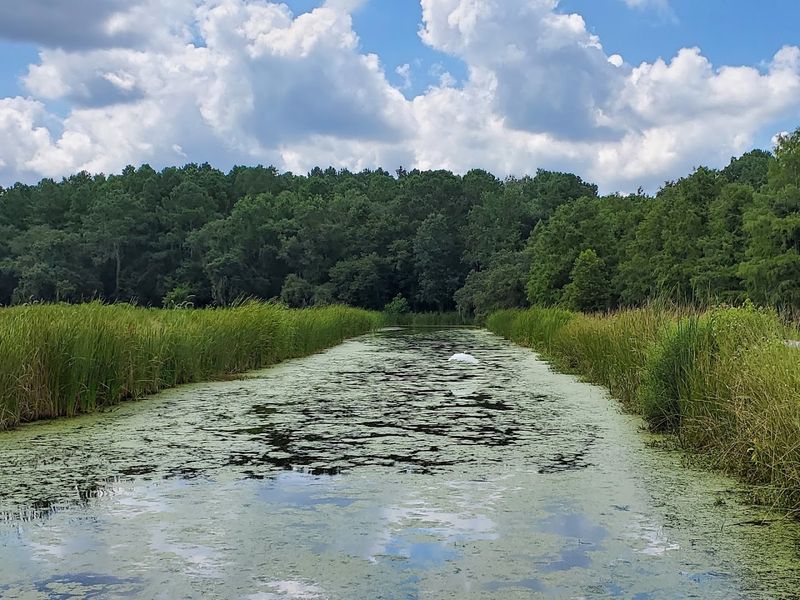
Seeing the grounds from the water is an entirely different experience from walking the paths. The boat tour at Magnolia takes visitors out onto the property’s waterways, where the perspective shifts completely and the scale of the swamp becomes much clearer.
From the boat, you get close to wildlife that stays well back from the walking trails. The guides on these tours tend to have deep knowledge of the local ecosystem, identifying bird species and pointing out alligators that blend almost perfectly into the vegetation along the banks.
The boat tour runs for approximately 30 minutes and requires an additional fee beyond general admission. It books up, so arriving early and securing your spot before exploring the rest of the grounds is a smart strategy.
The view of the bald cypress trees and hanging moss from water level is one of those images that stays with you long after the visit.
Free-Roaming Peacocks That Make the Garden Feel Magical
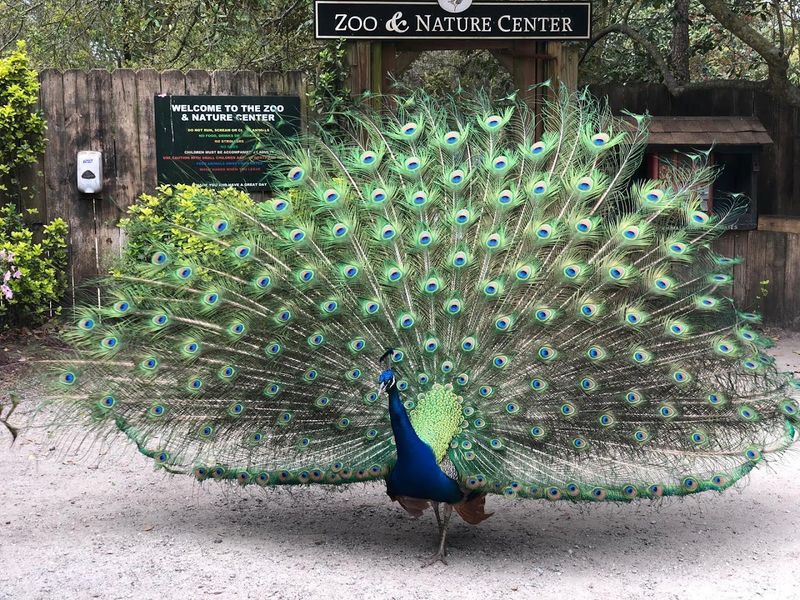
Nobody warned me about the peacocks, and honestly, that made discovering them even better. These birds roam the grounds entirely on their own terms, occasionally fanning their tail feathers into full display with no apparent concern for the crowds of visitors watching in delight.
The peacocks have developed a habit of investigating anyone eating near the Peacock Cafe, and they are persistent. One reviewer watched a peacock snatch the top piece of bread right off a sandwich.
They are not aggressive, just extremely confident about their status on the property.
Beyond the entertainment value, the peacocks add a genuine visual richness to the garden that is hard to replicate. A fully displayed peacock tail against a backdrop of azaleas in bloom is a photograph that practically takes itself.
Children absolutely love them, and adults tend to stop mid-conversation the moment one spreads its feathers nearby.
Azaleas, Wisteria, and the Spring Bloom Season
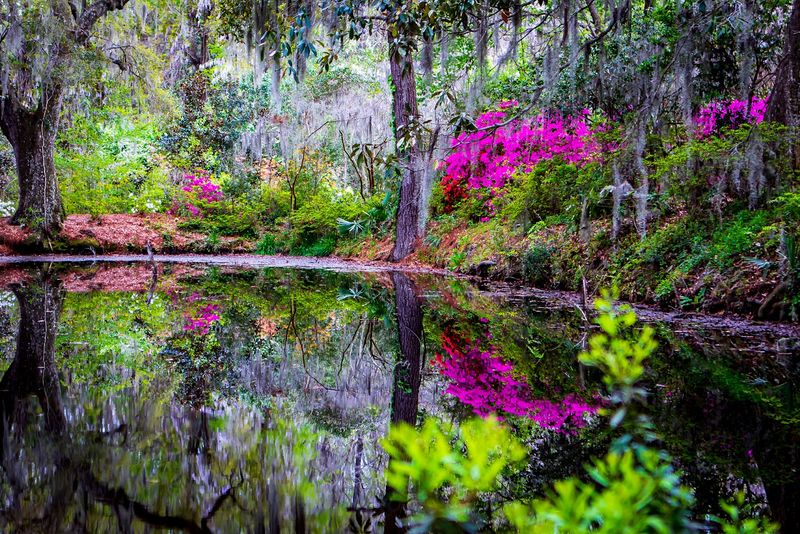
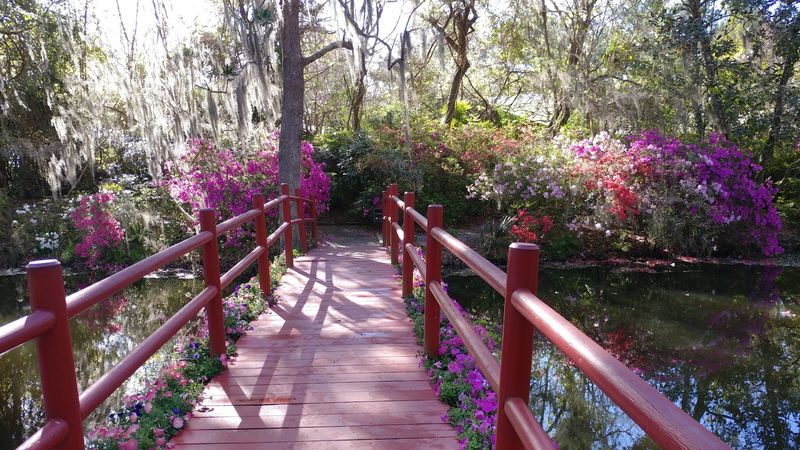
Spring is when Magnolia reaches its most dramatic visual peak. The azaleas bloom in waves of pink, purple, red, and white, covering large sections of the garden in color so vivid it almost looks unreal.
Wisteria drapes from trees and fences in long purple clusters, and snowball bushes add soft white texture to the landscape.
The combination of flowering plants against the dark water and Spanish moss creates a color contrast that is genuinely spectacular. Visiting in March or April gives you the best chance of catching the full bloom, though the exact timing shifts slightly from year to year depending on temperatures.
Even outside of peak bloom, the garden maintains a lush, well-tended appearance year-round. But spring is the season that makes visitors plan return trips.
Several people I spoke with mentioned coming back specifically to see the azaleas again, which says everything about how memorable that season here really is.
The Plantation House and Its Family History
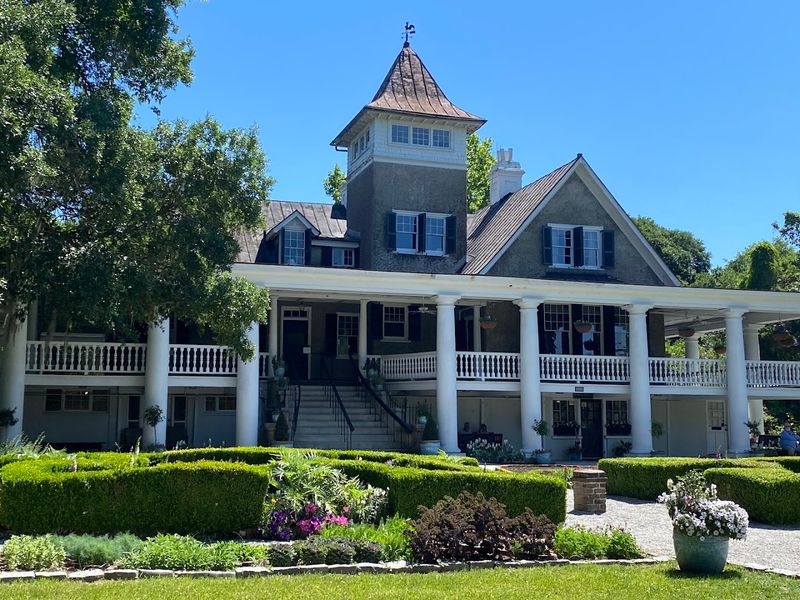
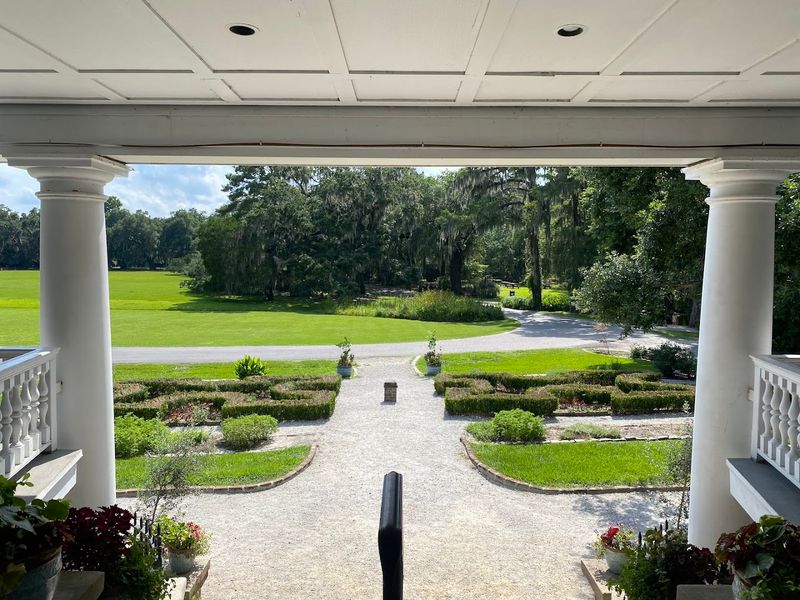
The plantation house at Magnolia has an interesting story that most visitors do not know before they arrive. The original house was burned during the Civil War, and the current structure was brought to the site from another location.
The Drayton family adapted and rebuilt, and the house that stands today reflects multiple periods of the family’s long history on the property.
The guided house tour walks visitors through furnished rooms that tell the story of more than ten generations of one family. The furniture, photographs, and household objects inside give the tour a personal quality that feels different from many historic house tours.
Spots on the house tour book up quickly, particularly during spring and on weekends, so reserving your time in advance is strongly recommended. The gift shop connected to the house is notably well-stocked with items that reflect the garden’s character rather than generic tourist merchandise.
Alligators in the Open and Why That Is Completely Normal Here
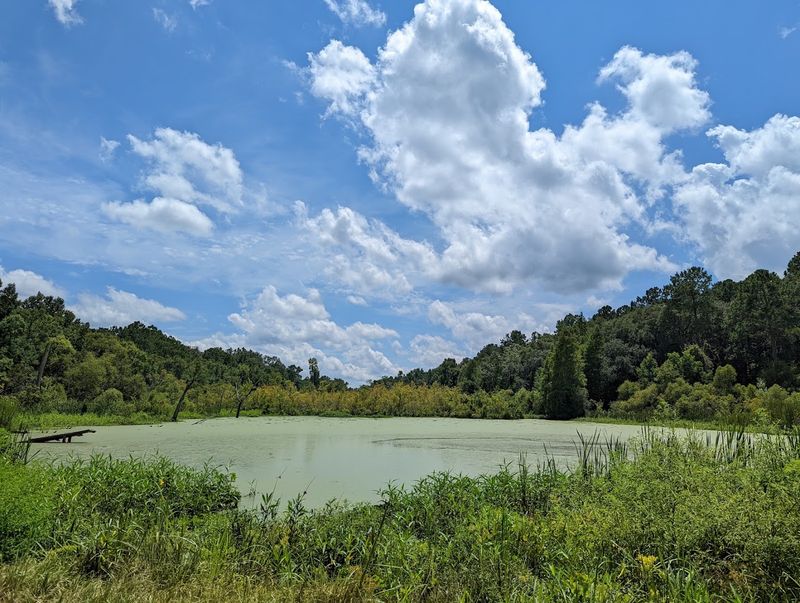
Seeing an alligator in the wild for the first time is a memorable experience. Seeing a dozen of them in a single afternoon, going about their business while tourists walk calmly past, is something else entirely.
At Magnolia, alligators are simply part of the landscape, and the garden staff and visitors alike treat them with relaxed familiarity.
The swamp trail offers the most consistent alligator sightings, with animals frequently resting on the banks or floating motionless in the water near the boardwalk. The boat tour also brings visitors close to areas where alligators congregate, giving a different angle on these animals.
The key is keeping a respectful distance and not feeding them, which the garden makes clear. Beyond alligators, the swamp is home to a wide variety of turtles, snakes, and wading birds.
The overall wildlife density at Magnolia is genuinely impressive for a garden setting.
The Wildlife Center and Animal Sanctuary on the Property
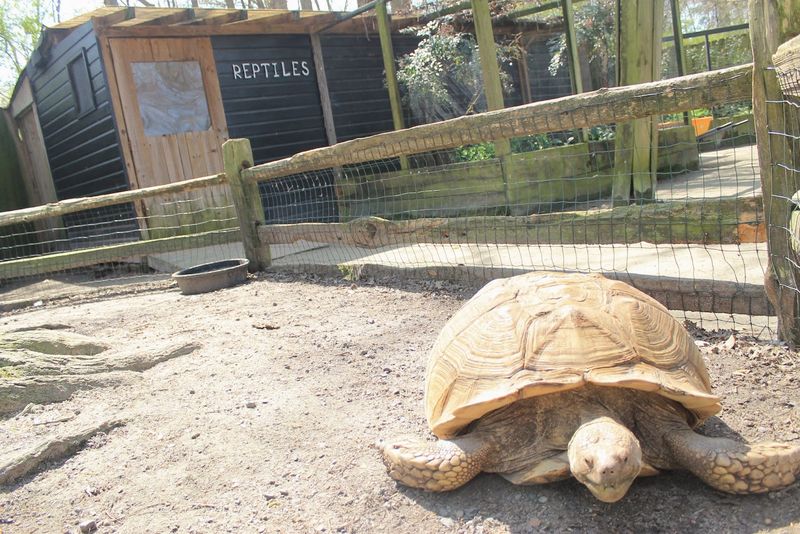
Beyond the wild animals roaming freely through the swamp and garden, Magnolia also maintains a dedicated wildlife center and animal sanctuary on the property. This area houses animals that cannot be released into the wild, providing visitors with close-up views of native species in well-maintained enclosures.
The sanctuary is a quieter corner of the property, and it tends to draw visitors who want to spend a little more time observing animals at a comfortable pace. Children find it especially engaging, though adults who enjoy wildlife photography appreciate the access it provides.
The care put into the animal habitats is noticeable, and the enclosures are designed to reflect natural environments as closely as possible. It rounds out the wildlife experience at Magnolia nicely, adding a structured complement to the more spontaneous encounters you get while walking the swamp trail and garden paths throughout the rest of the property.
Practical Tips for Planning Your Visit
Magnolia Plantation is open daily from 9 AM to 4 PM, which gives you a solid window for a full visit. Plan on spending at least three hours to cover the main garden and swamp trail on foot.
Four hours is more comfortable, especially if you add any of the paid tours.
Spring is the most popular season, and crowds can build quickly on weekends. Arriving close to opening time on a weekday gives you the best experience with fewer people on the paths.
Bug spray is a genuine necessity during warmer months, and the gift shop conveniently sells it if you forget.
The paid add-ons, including the tram tour, boat tour, and house tour, are each worth considering based on your interests. Book the house tour in advance because it sells out.
Comfortable walking shoes are essential, and a light layer is helpful in the morning before the grounds warm up fully.
The Peacock Cafe and On-Site Dining
After a few hours of walking the grounds, the Peacock Cafe becomes a welcome stop. The cafe offers a range of food options including sandwiches, snacks, and drinks.
The pulled pork barbecue comes up frequently in visitor conversations as a solid choice, and it is easy to see why it fits the setting so well.
Pricing at the cafe runs higher than you might expect for casual dining, which is worth knowing before you arrive so it does not catch you off guard. Bringing a snack or water bottle from the car is a reasonable strategy for budget-conscious visitors.
Eating outside at the cafe comes with the added entertainment of the resident peacocks investigating your lunch. The birds are bold and persistent, so keeping a hand near your plate is genuinely useful advice rather than a joke.
The setting itself, surrounded by garden scenery, makes even a simple meal feel like a pleasant occasion.
Why Magnolia Stands Apart from Other Charleston Attractions
Charleston has no shortage of historic sites and beautiful properties, which makes it meaningful that Magnolia consistently stands out as a highlight for visitors who have seen a great deal of the city. The combination of natural beauty, wildlife, honest history, and accessible tour options creates an experience that is genuinely layered.
Most plantation sites in the South lean heavily in one direction, either toward the architectural history of the main house or toward the natural landscape. Magnolia manages to hold both with equal seriousness, and the From Slavery to Freedom tour ensures that the full story of the property is told without omission.
After a visit here, nearby Charleston offers easy access to the historic district, waterfront parks, and the broader Ashley River corridor with additional sites worth exploring. Magnolia makes a strong anchor for a day trip, and most visitors leave already thinking about when they can return.
Share this story