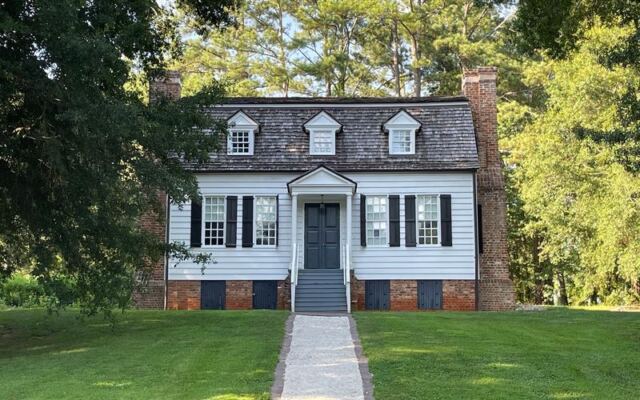
Tucked away among the greenery of South Carolina, there’s a modest wooden house that most people would drive right past without a second glance. But step inside, and you’re suddenly walking through rooms older than the United States itself.
It’s the kind of place that surprises you with just how many stories can live inside four quiet walls. If you love a good slice of history hiding in plain sight, this one is worth the detour.
A Colonial Survivor Nestled in the Upcountry
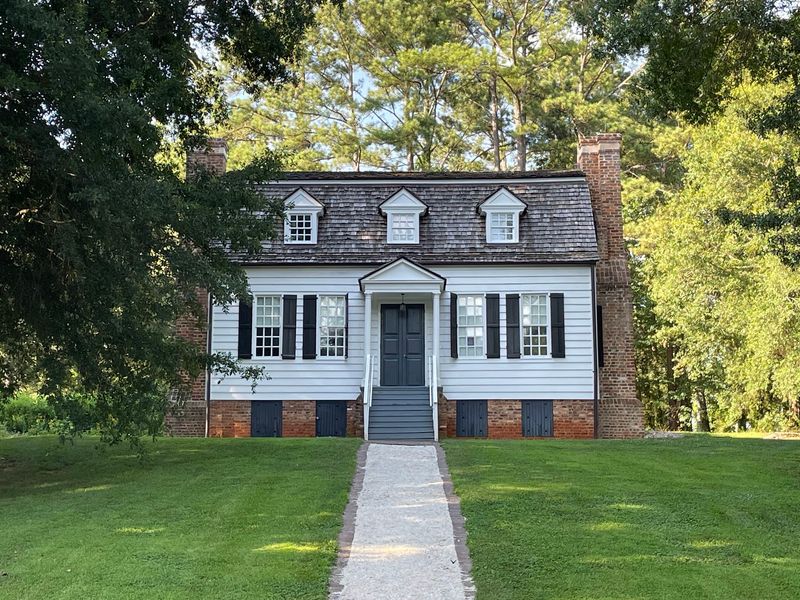
Picture a home that was already standing before South Carolina officially became a state. That’s exactly what greets you at Hanover House, sitting quietly at 113 Hanover Cir in Clemson.
Built in the 18th century, this house has watched more than 300 years of history unfold. Its walls hold stories from a time when the country was still a colony under Great Britain.
What makes it feel almost magical is how ordinary it looks from the outside. There’s no flashy sign or grand entrance, just a well-preserved wooden structure that quietly carries centuries on its shoulders.
French Huguenot Roots and Lowcountry Beginnings
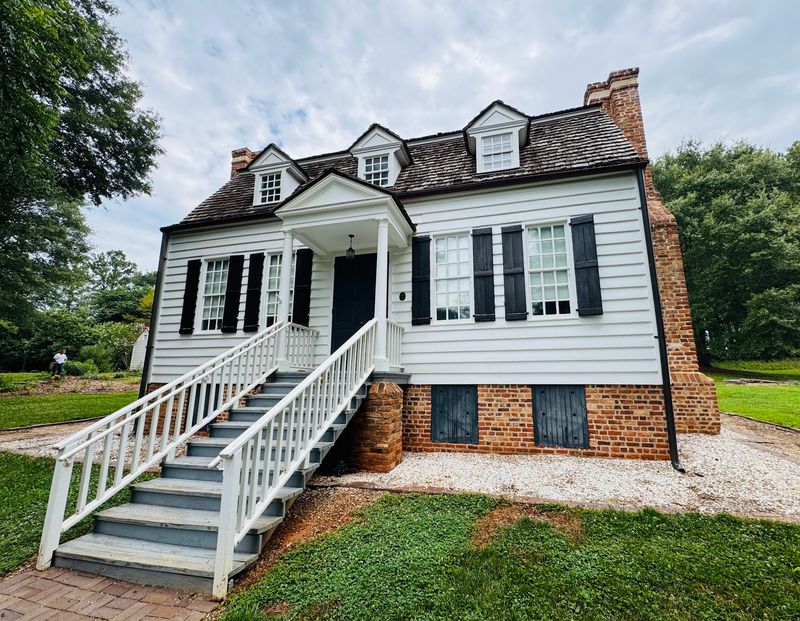
Long before it landed in Clemson, this house belonged to the Carolina Lowcountry. It stands as an important example of early 18th-century Huguenot history and architecture, a rare survivor from that era.
The French Huguenots were settlers who brought their own building style and traditions to South Carolina. You can see that heritage baked right into the home’s design and colonial character.
Visitors with St. Julien and Ravenel family connections, which covers a large share of South Carolina, often feel a special pull toward this spot. It reflects centuries of human events that shaped the state and continue to shape its future.
The House That Was Moved to Be Saved

Here’s a twist most visitors don’t expect: this home didn’t always sit where it does now. The structure was moved upstate to preserve an early example of its construction, a decision that likely kept it from vanishing entirely.
Relocating an entire centuries-old building is no small feat. It took real care and dedication to move something so fragile and so historically valuable without losing its original character.
Because of that effort, the Upcountry now holds a genuine piece of Lowcountry history. Guests frequently tip their hats to Clemson University for stepping in to restore and protect this part of the past.
Timber Joints and Old-World Craftsmanship
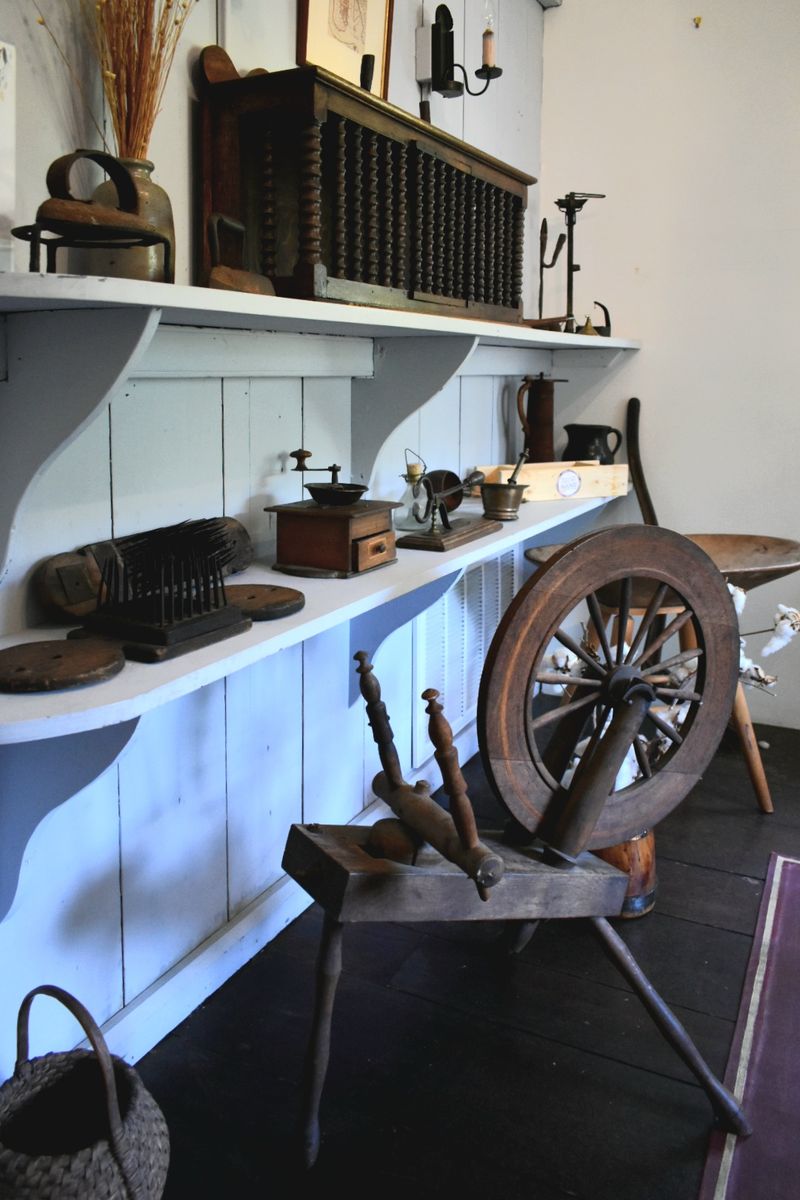
Craftsmanship from three centuries ago still shows off inside these walls. The building is noted as an early example of balloon framing, yet it still uses mortise and tenon joints, a clever blend of old and slightly newer techniques.
For anyone who loves how things were built by hand, this is a treat. Every wooden joint tells you something about the skill of the people who put it together, without modern tools or shortcuts.
You don’t need to be an architect to appreciate it either. Guides on site love pointing out the fine details in the woodwork that you might otherwise walk right past.
Period Furniture and Antique Treasures Inside
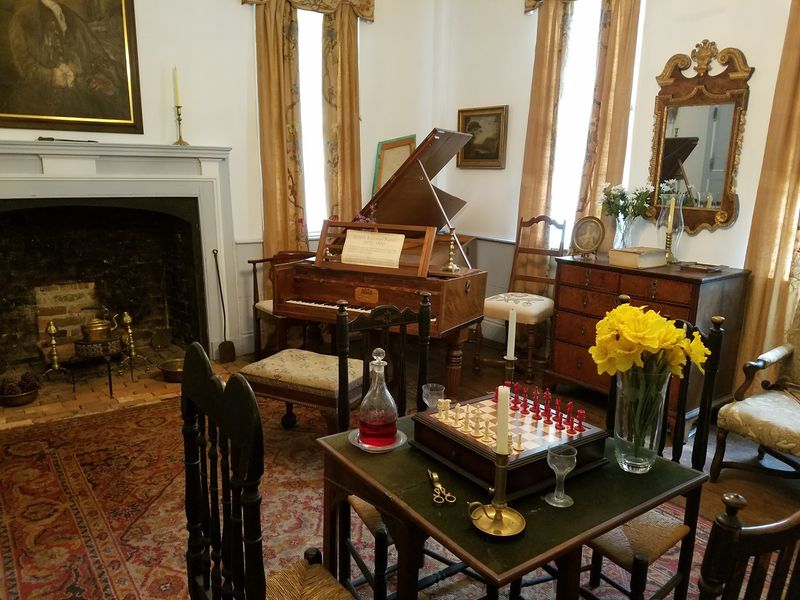
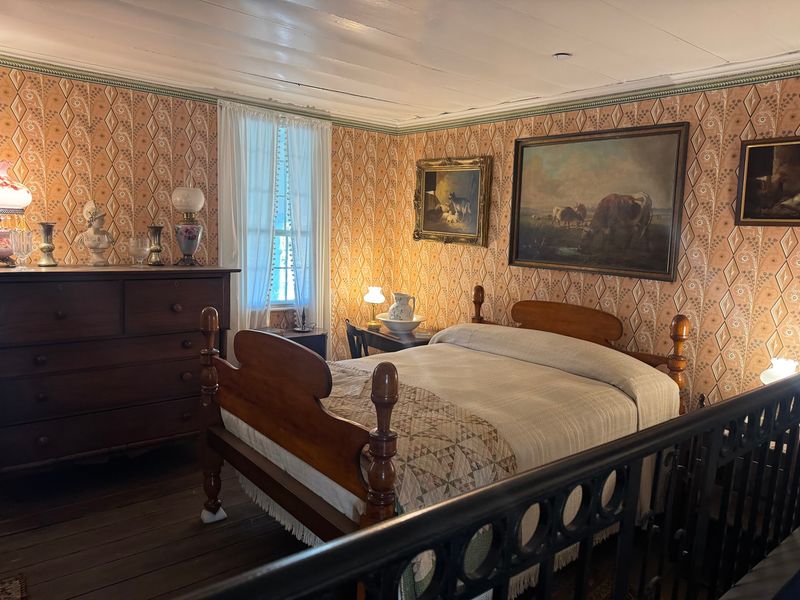
Step through the door and the past comes alive through the furnishings. The home is filled with period furniture, antiques, and historic artifacts that match the era it comes from.
Visitors often rave about how spectacular the house looks alongside its furniture and paintings. Each piece adds to the feeling that you’ve genuinely stepped back in time.
The interior itself is on the small side, but that’s part of its charm. Every room feels intentional, packed with meaning rather than empty space.
The Mystery of the Missing Fabric
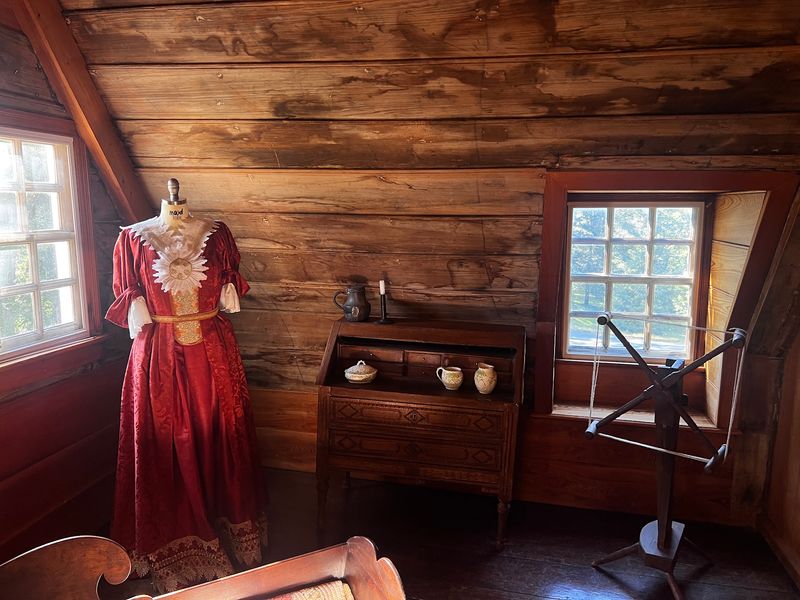
Sharp-eyed guests sometimes notice something curious during their visit. Many objects have had their fabric removed, which can leave you wondering what’s going on.
The answer is reassuring. Guides explain that anything made of fabric was carefully taken out and sent to a restoration specialist to keep it safe and well cared for.
Even without those textile pieces in place, visitors say the tour is still absolutely worth it. If anything, it’s a nice reminder that preserving history is an ongoing, hands-on job.
Guides Who Bring the History to Life
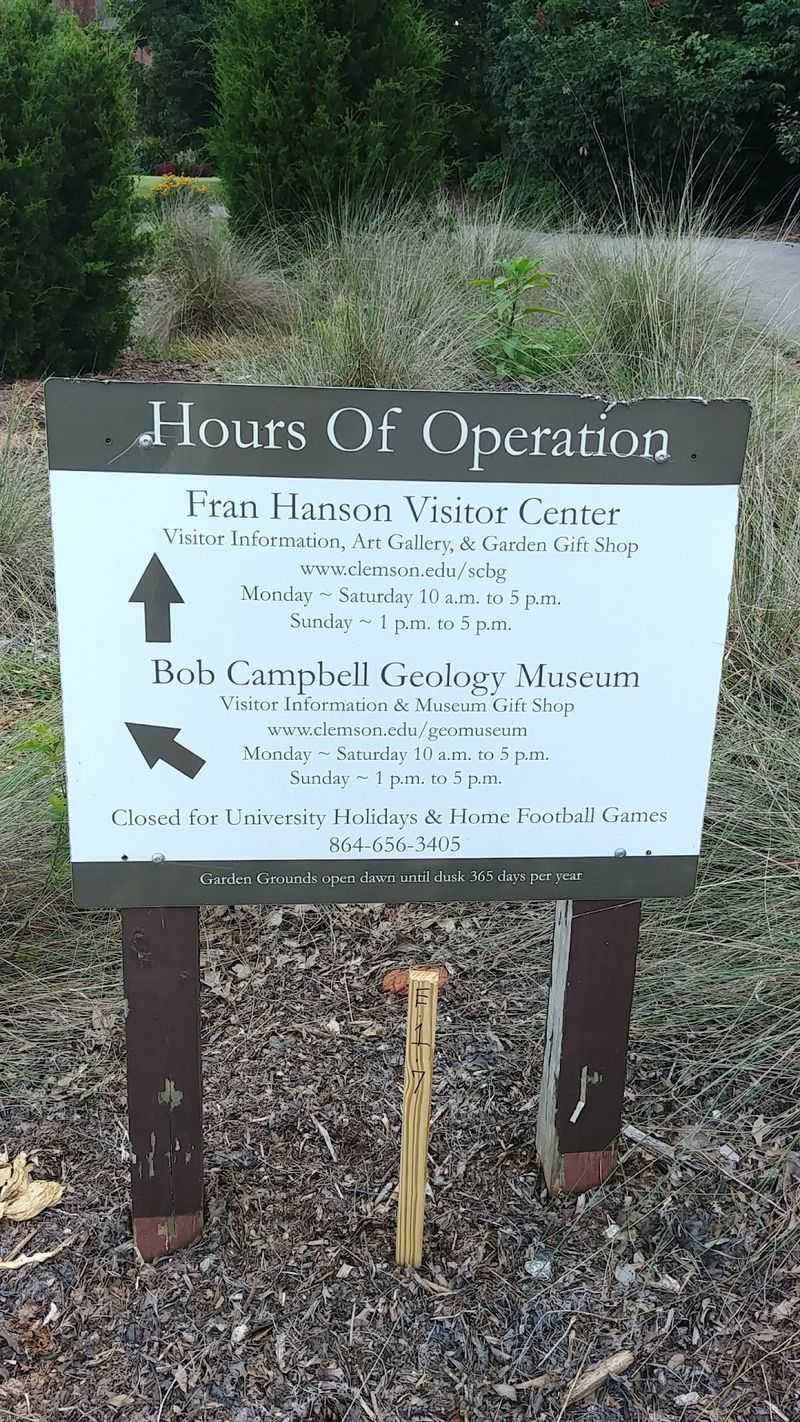
Ask any visitor what stood out, and the staff almost always come up. The people leading tours here are known for being deeply knowledgeable and genuinely eager to share what they know.
One young guide named Andrew earned glowing praise for his ability to explain everything in a room, from how objects were made to the little details you’d otherwise miss. Guests mentioned he asked about their interests and tailored the tour to match.
Others called out Georgia, Lanier, and Jamia for their warmth and southern hospitality. It’s the kind of service that turns a simple visit into something you remember.
Set Inside the South Carolina Botanical Garden
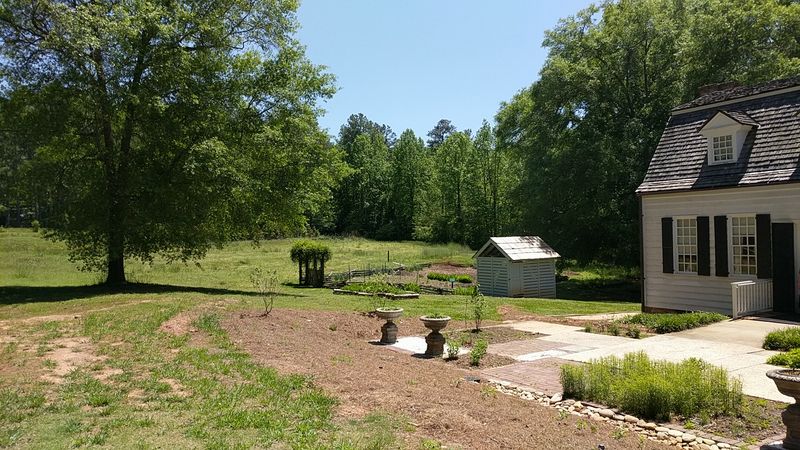
The home doesn’t stand alone in a parking lot. It sits right within the South Carolina Botanical Garden, along the arboretum trail, surrounded by natural beauty.
Many people stumble onto the house while wandering the gardens, which makes for a lovely surprise. One minute you’re strolling through greenery, the next you’re stepping into the 1700s.
Guests consistently describe the setting as a beautiful place to spend time. Pairing a garden walk with a history lesson is a combination that’s hard to beat.
A Two-Story Tour Worth Taking Your Time On
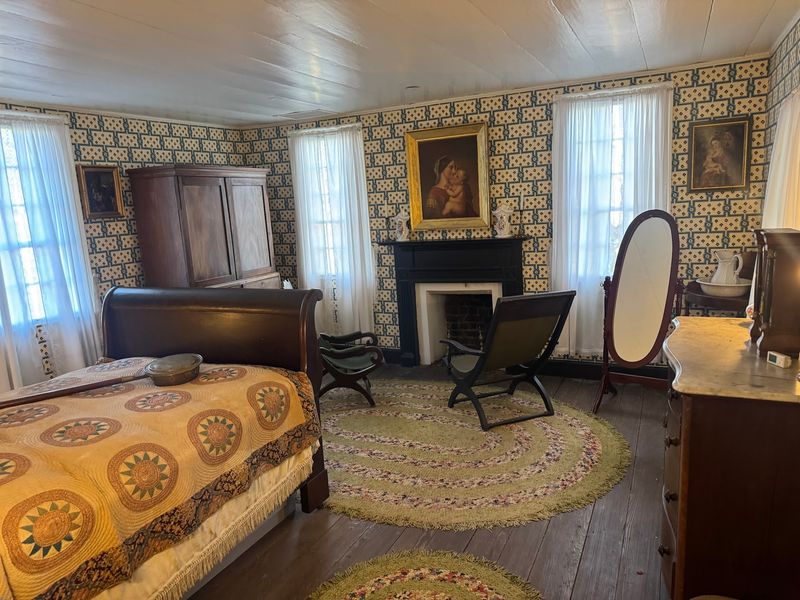
Tours here cover more than just a quick peek at one room. Visitors get to see the bottom portion of the house and then walk around the second level too.
Getting to explore both floors gives you a fuller sense of how people actually lived in this home. It’s not a rushed, roped-off experience where you only glance from a doorway.
Some folks say they enjoyed it so much they wished they could have stayed longer just to keep learning. When a tour leaves you wanting more, that’s usually a good sign.
A Camera-Friendly Trip Through Time
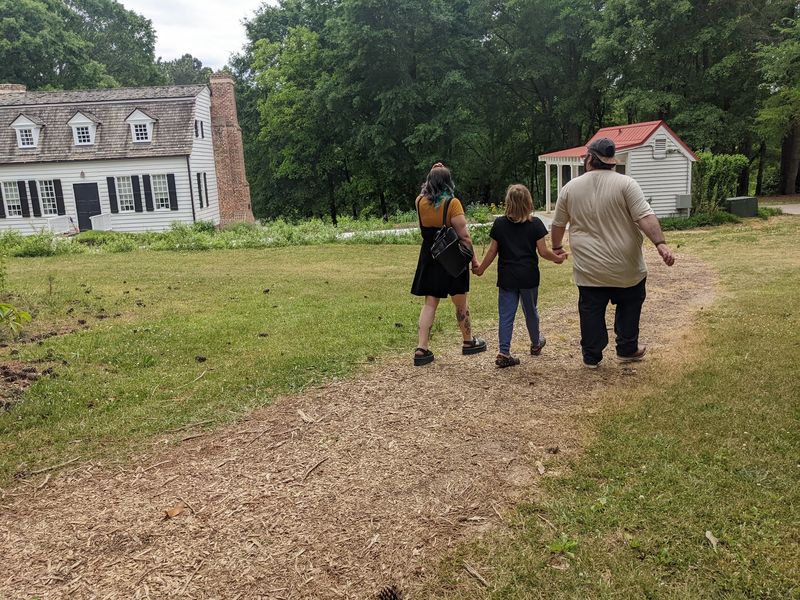
Photography lovers, this one’s for you. The home allows photos, so you can capture all those little details and stories woven into the walls.
One guest who brought a camera along said they were so thankful they did, describing the countless stories seemingly ingrained in the building. It’s the kind of place where every corner offers a shot worth keeping.
Whether you’re a serious hobbyist or just snapping memories on your phone, you’ll leave with plenty to look back on. History and good lighting make a fine team.
A Welcoming Spot for the Whole Family
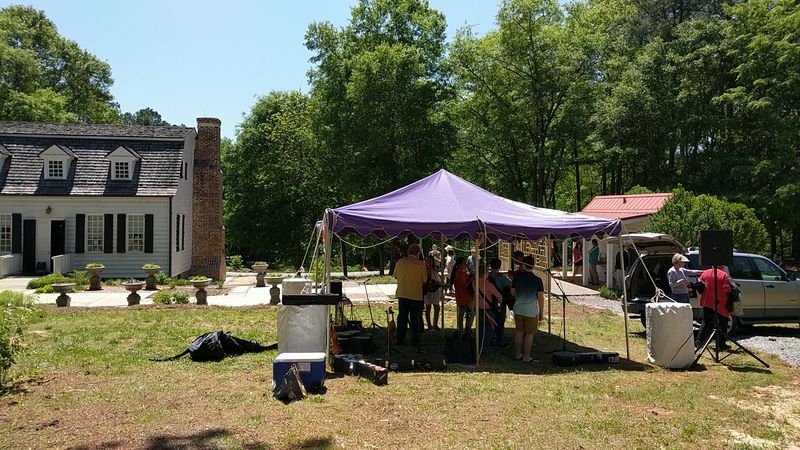
Families find a lot to love here, and it shows. Visitors describe it as an educational outing and a great place to spend time together across generations.
The staff go out of their way to make everyone feel welcome. One guest shared that their father was in a wheelchair and the team accommodated him with real professionalism and care.
Between the friendly guides and the hands-on history, kids and adults alike walk away having learned something new. It’s a rare attraction that manages to be both fun and genuinely enriching.
Finding Your Way Without the GPS Trap
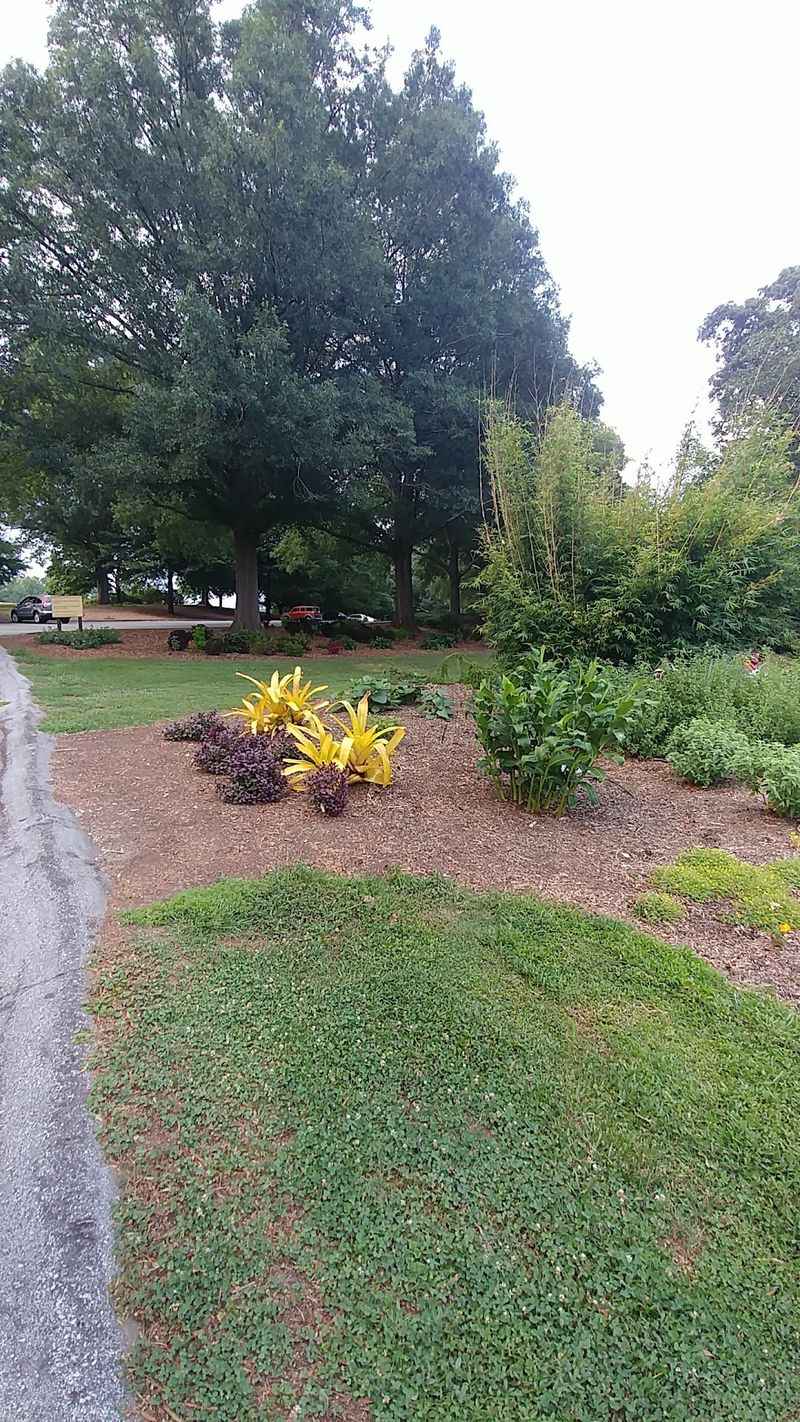
A quick word of warning that could save you a headache. Typing the address straight into your GPS may steer you toward a closed gate, a mix-up more than one visitor has run into.
The trick locals and returning guests recommend is simple. Turn into the botanical garden entrance and follow the signs from there, which leads you right where you need to be.
Free parking is available once you arrive, and guests report having no trouble finding a spot. A little planning up front makes the whole trip go smoothly.
Hours, Admission, and Handy Amenities
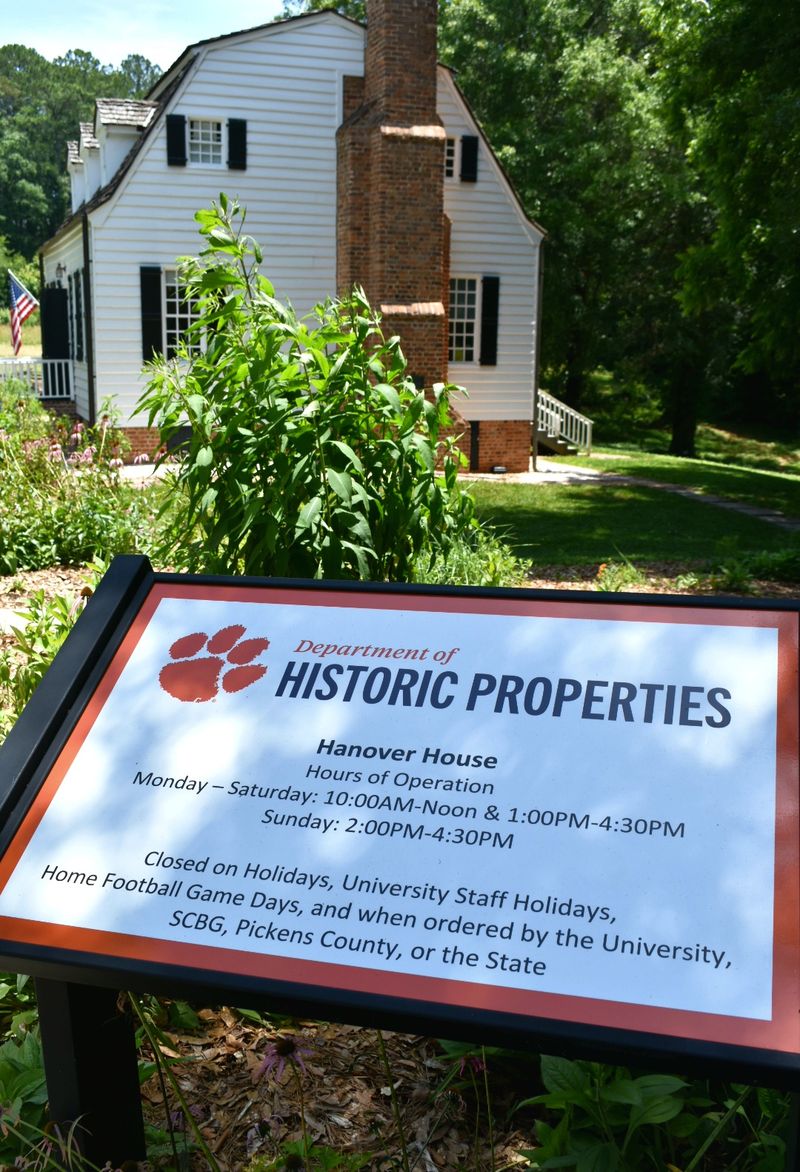
Planning a visit is refreshingly easy on the wallet. Guests happily point out that the tour is free, which makes it an easy yes for a day out.
Doors are open Tuesday through Saturday from 10 AM to 4:30 PM, while the house stays closed on Sunday and Monday. Arriving a few hours before closing still gives you plenty of time to explore.
On-site conveniences round things out nicely, with restrooms and free parking available. If you’d like more details, the phone line is +1 864-656-2241.
Why This Quiet Landmark Deserves a Visit
Some places surprise you by being far bigger on the inside than they look from the road. This historic home is exactly that kind of gem, small in footprint but enormous in significance.
Between the centuries-old craftsmanship, the passionate guides, and the garden setting all around, a visit feels like a genuine step back in time. Guests often say they recommend at least one trip, and many return over the years.
If you find yourself in this corner of South Carolina, carve out an hour or two. A 300-year-old story is waiting, and it’s happy to share.
Share this story