There is a place in northern Illinois where the city noise fades out almost completely, replaced by birdsong, rustling leaves, and the soft sound of a creek running through the woods. Most people driving through Rockford have no idea it exists, which honestly makes it even better for those who do know about it.
Over 155 acres of landscaped grounds, wooded trails, seasonal gardens, and rotating art exhibits are waiting just off the main road. I visited on a quiet weekday morning, and by the time I left, I was already planning my next trip back.
Where to Find This Green Escape
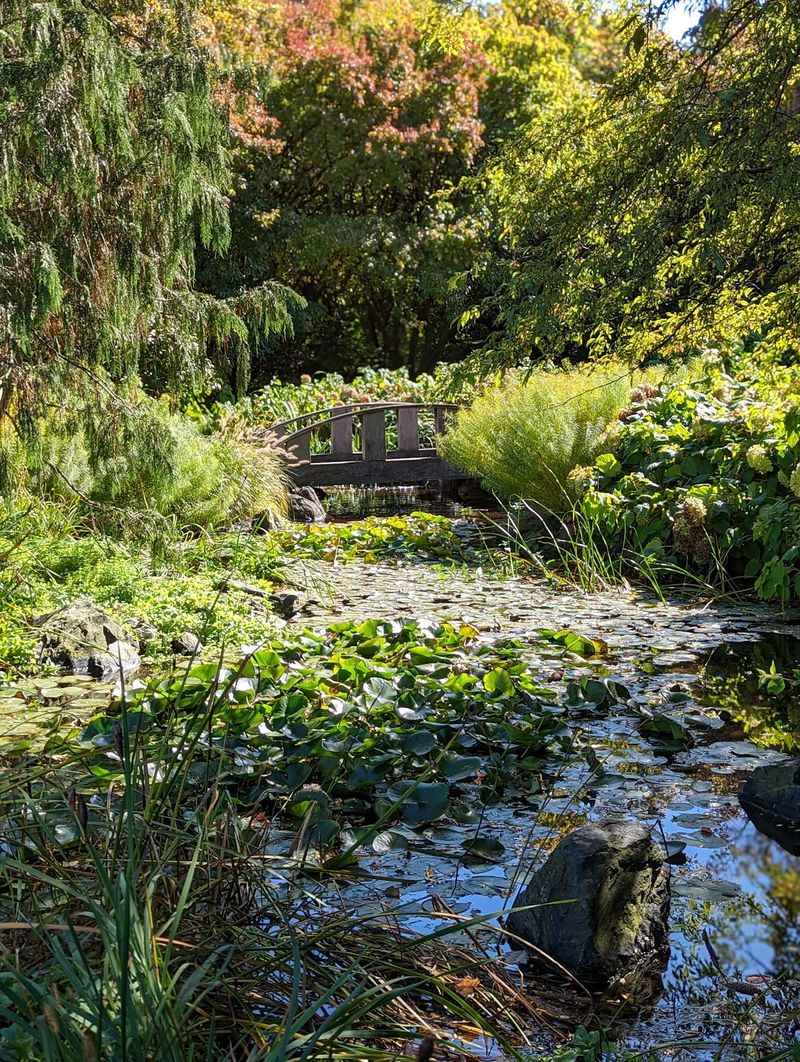
Right in the heart of Rockford, Illinois, at 2715 S Main St, Rockford, IL 61102, Klehm Arboretum and Botanic Garden sits on 155 acres of beautifully maintained grounds that genuinely surprise first-time visitors. The address sounds simple enough, but the moment you pass through the entrance, the surrounding city seems to disappear behind a wall of trees and flowering plants.
The arboretum is part of the Forest Preserves of Winnebago County, and a warm welcome sign greets you right at the gate. Parking is free, spacious, and easy to find, which is already a good start.
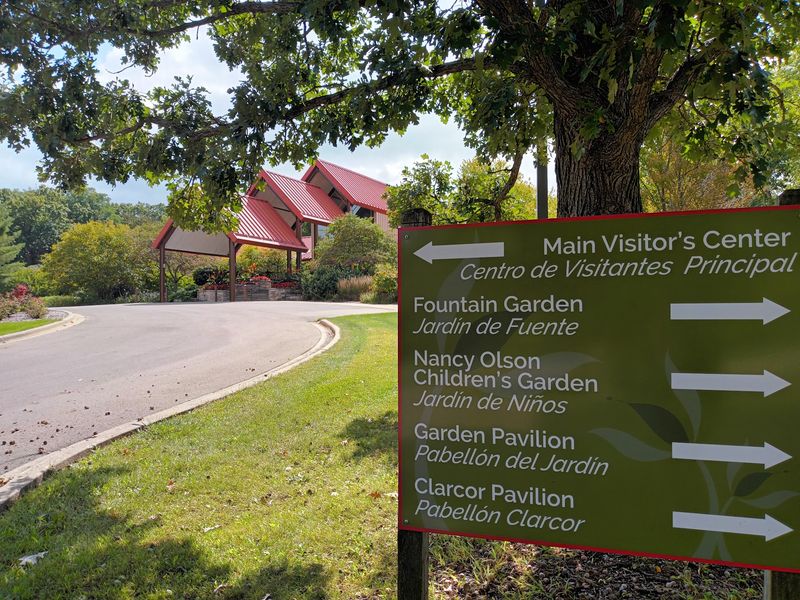
The visitor center nearby is clean, well-organized, and staffed by friendly people who are happy to hand you a map and point you in the right direction.
Hours run from 9 AM to 4 PM every day of the week, including weekends. You can reach the garden by phone at +1 815-965-8146 or check their website at klehm.org for event schedules and seasonal updates.
Admission is $12 per adult, which covers the entire grounds.
A History Rooted in Rockford
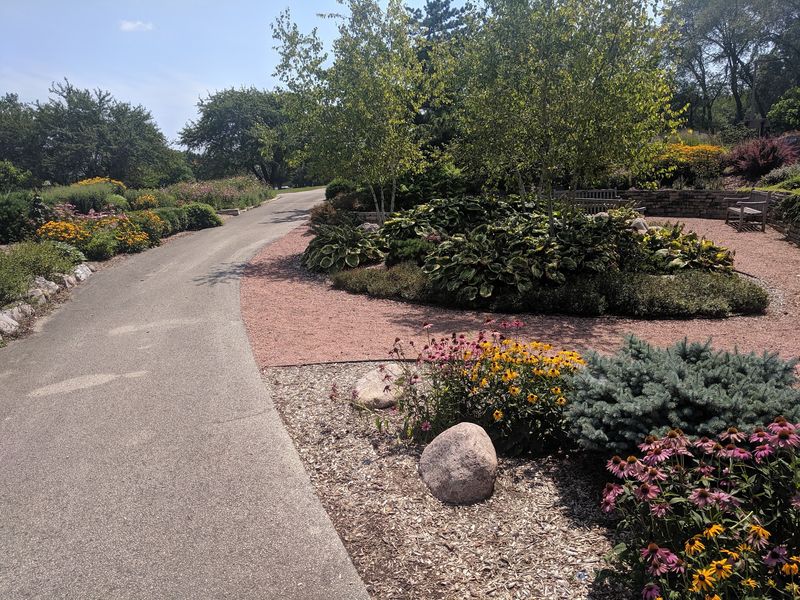
Klehm Arboretum has deep roots in Rockford’s community history, and you can feel that sense of legacy the moment you start walking its grounds. The arboretum has grown over the decades into one of northern Illinois’s most respected horticultural destinations, even if it hasn’t always gotten the wider attention it deserves.
The garden is managed by the Natural Land Institute and the Forest Preserves of Winnebago County, a partnership that has helped maintain the balance between natural woodland and cultivated garden spaces. That combination is part of what makes the place feel so layered and interesting rather than just a single-purpose green space.
Many of the trees on the property have been growing for generations, and their size alone tells a quiet story about how long this land has been cared for. Walking among oaks, ginkgos, and other mature specimens feels less like a quick stroll and more like a slow conversation with something much older than yourself.
The arboretum also houses a horticulture library on site, which is a small but meaningful detail that speaks to the institution’s commitment to education and plant science.
The Layout and the Landscape
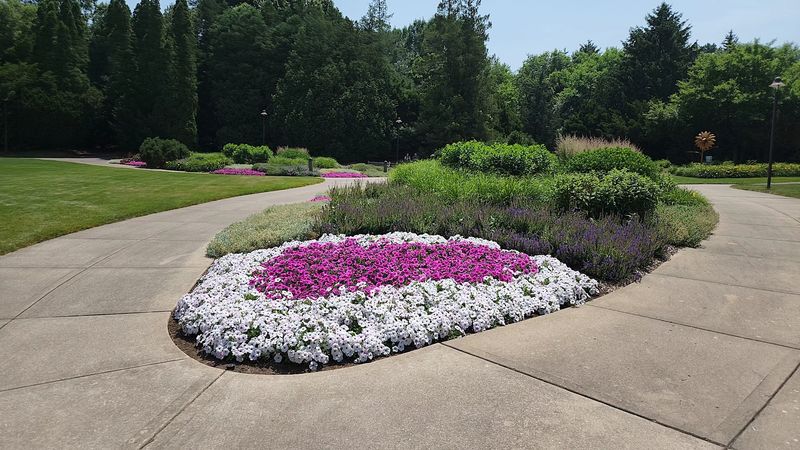
The grounds at Klehm cover 155 acres, and the variety packed into that space is genuinely impressive. You have your choice of smooth paved paths that loop around the main garden areas, or bark-covered nature trails that cut through the denser, more forested sections of the property.
The paved path stretches about 1.4 miles and keeps things accessible for strollers, wheelchairs, and anyone who just wants a comfortable walk without worrying about uneven terrain. The wooded trails are comparatively wilder and more textured, and they do a remarkable job of muffling city sounds.
A few steps into the forested sections, and you could genuinely forget that a city of over 100,000 people surrounds you.
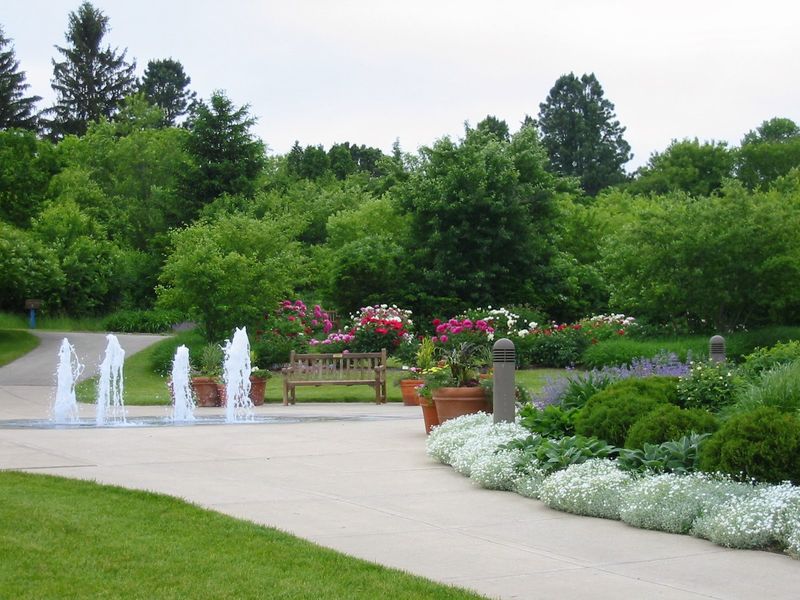
A simple map available at the visitor center helps you navigate between the key zones, including the Fountain Garden, the Children’s Garden, the prehistoric garden area, and the open meadow spaces. The layout feels thoughtful rather than haphazard, guiding you naturally from one area to the next without making the experience feel like a rigid tour.
Benches are scattered throughout, so you can sit and take everything in at your own pace whenever you feel like it.
Flowers, Trees, and the Art of Labeling
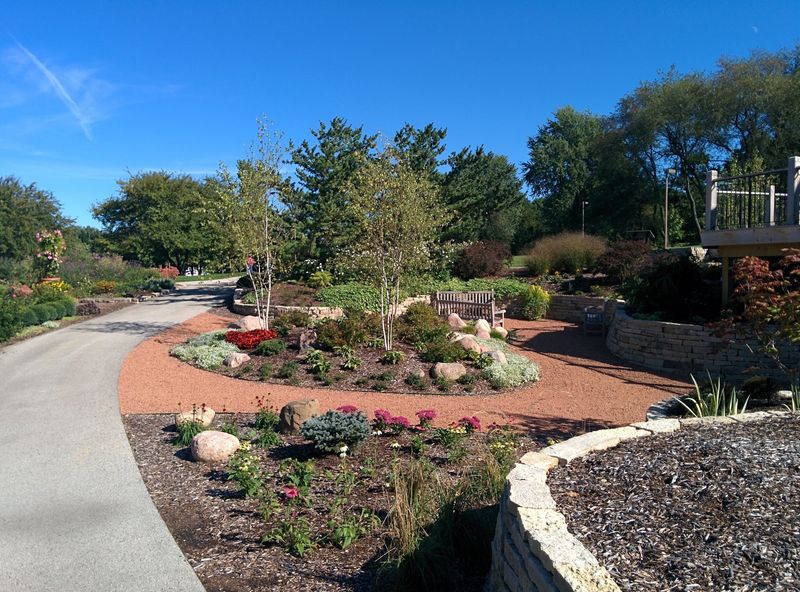
One of the small pleasures of walking through Klehm is the consistent labeling of plants and trees throughout the grounds. Nearly every significant specimen has a nameplate that shows both the scientific name and the common nickname, which makes the experience feel genuinely educational without being overwhelming or lecture-heavy.
The variety of plant life on display is broad enough to keep a curious person busy for a full afternoon. Flowering shrubs, ornamental grasses, towering hardwoods, and delicate seasonal blooms appear at different points along the path depending on the time of year.
The garden shifts its look noticeably between spring, summer, and fall, which is a big part of why repeat visitors keep coming back.
One standout specimen worth keeping an eye out for is a rare female ginkgo tree whose leaves turn a rich golden yellow in October. The ginkgo is a fascinating tree with a lineage stretching back millions of years, and seeing one this mature and healthy is a quiet privilege.
Spring brings bursts of color from flowering trees and early perennials, while summer fills the meadow sections with tall grasses and wildflowers that attract butterflies and bees in noticeable numbers.
The Children’s Garden and Family Fun
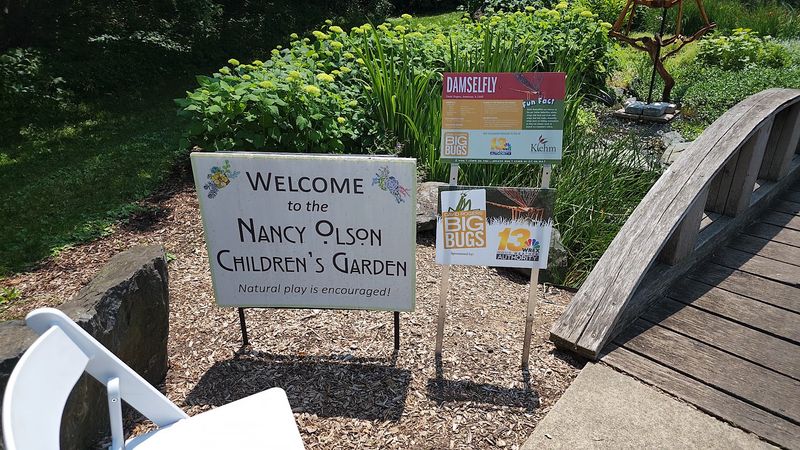
Families with young kids have a particularly good reason to make the trip to Klehm, because the Children’s Garden is genuinely well-designed and fun. A recently renovated playground built for children between the ages of 3 and 9 sits within a beautifully planted area, so the surrounding greenery makes even the play equipment feel like part of the natural setting.
The splash pad is a major hit during warm months, giving younger visitors a chance to cool off and burn some energy between nature walks. A nearby creek runs through part of the grounds, and kids tend to gravitate toward it naturally, splashing around and exploring the shallow water with the kind of enthusiasm that no scheduled activity can replicate.
Dinosaur statues scattered around the children’s area add a playful, slightly unexpected touch that tends to delight visitors of all ages. Two of the dino figures in particular seem to generate smiles even from adults who definitely weren’t planning to stop and pose for a photo.
The whole children’s section strikes a nice balance between structured play and open-ended exploration, which keeps kids engaged without making parents feel like they’re just managing chaos.
Sculptures, Art, and the Stumpery
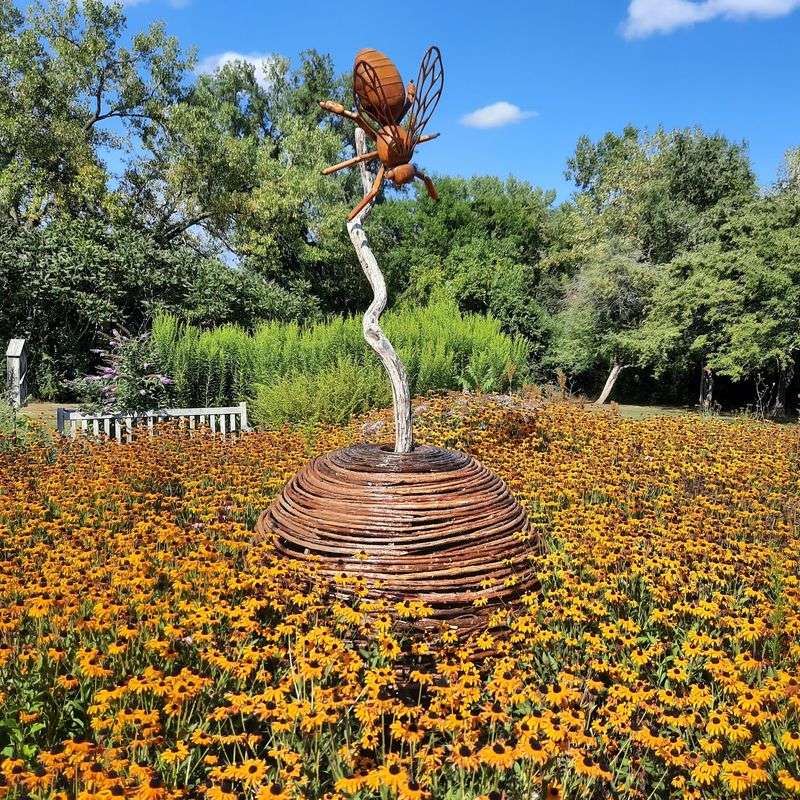
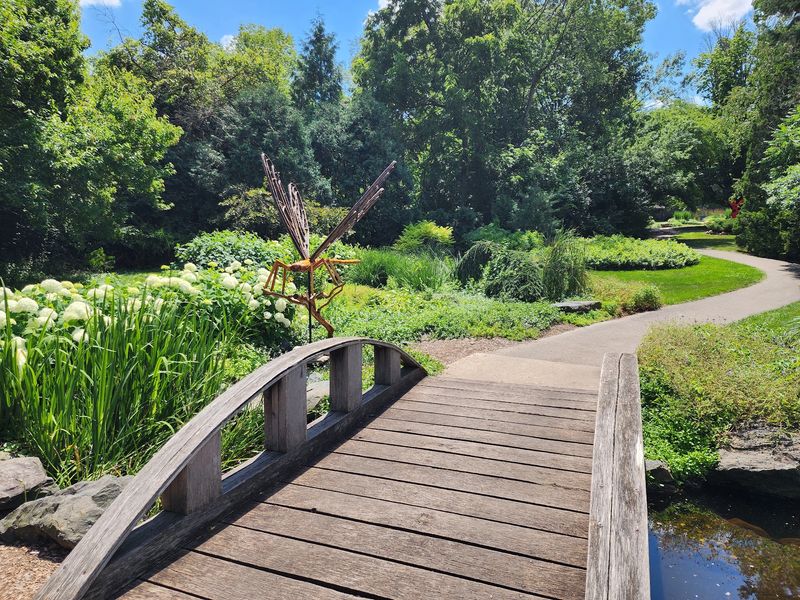
Art and nature share the grounds at Klehm in a way that feels organic rather than forced. Sculptures appear at various points along the trails, and the selection rotates frequently enough that returning visitors often discover something new on each trip.
The exhibits have ranged from oversized bug installations to carved pumpkin displays during the fall season.
One of the most talked-about recent additions is the stumpery, a creative installation built entirely from repurposed materials gathered on the arboretum grounds. Tree stumps, birch branches, fallen limbs, and dried vines have been arranged into a surprisingly beautiful and textured display that challenges the usual definition of what counts as art.
The designer behind the stumpery has become something of a local legend among regular visitors, known for being generous with his time and knowledge when people stop to ask questions.
The idea of turning discarded organic material into something visually striking fits perfectly with the arboretum’s broader philosophy of working with nature rather than against it. Seasonal themed setups, including elaborately carved pumpkins displayed during autumn events, show that the staff approaches creativity with genuine enthusiasm.
The art elements at Klehm give the garden a personality that goes well beyond a standard plant collection.
Wildlife and the Sounds of the Natural World
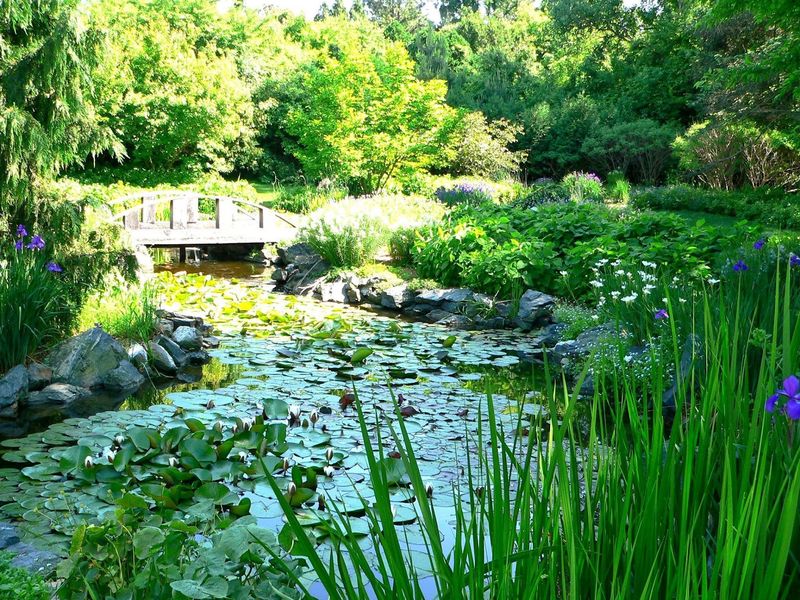
The combination of wooded trails, open meadow, creek, and diverse plant life at Klehm creates a habitat that attracts a surprising amount of wildlife. Birds are the most obvious presence, and the variety of species moving through the canopy on any given morning makes the garden a rewarding spot for casual birdwatchers and photographers alike.
The creek that winds through part of the property is one of the most naturally active areas of the grounds. Dragonflies hover over the water, small animals move through the undergrowth nearby, and the sound of running water adds a layer of calm that makes the whole experience feel restorative.
On a quiet weekday, the place can feel almost deserted, which only amplifies the sense of being somewhere genuinely peaceful.
Photographers tend to love Klehm for exactly these reasons. The combination of manicured garden areas and wilder wooded sections gives you a wide range of subjects to work with, from close-up flower shots to wide landscape frames with mature trees and dappled light.
Early morning visits tend to offer the best light and the most active wildlife, so arriving right at the 9 AM opening time is a strategy worth considering if you want the grounds mostly to yourself.
Seasonal Highlights Worth Planning Around
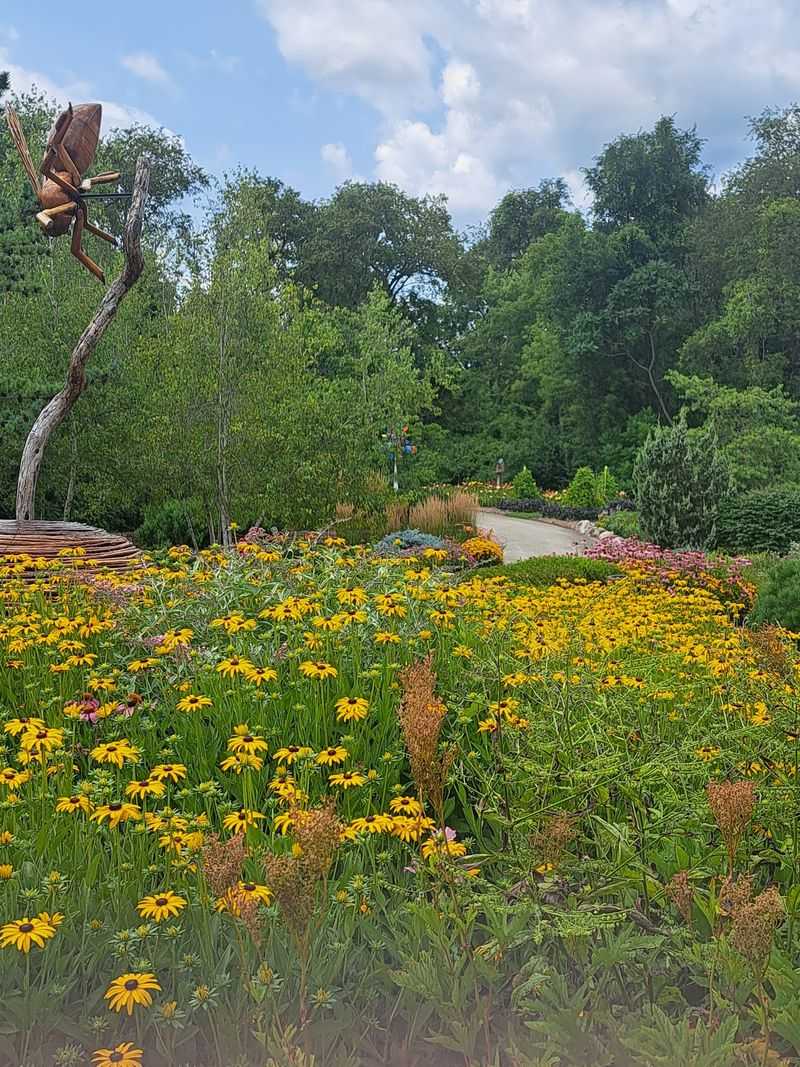
Every season brings a noticeably different version of Klehm, and that seasonal variety is one of the strongest arguments for visiting more than once a year. Spring is vivid and energetic, with flowering trees and early perennials pushing out color after a long Illinois winter.
The grounds feel almost celebratory during April and May, with new growth appearing at every turn.
Summer fills the meadow areas with tall grasses and wildflowers, and the canopy thickens enough to provide real shade on hot afternoons. The splash pad in the Children’s Garden becomes especially popular during July and August, and the trails through the forested sections stay noticeably cooler than the open paths.
Fall is widely considered the most spectacular season at Klehm, and the reasons are easy to see. The ginkgo tree turns golden, maples shift through shades of orange and red, and the overall palette of the grounds becomes something that photographers and casual visitors alike tend to describe with enthusiasm.
Halloween-themed events during autumn add a festive layer to the experience, with seasonal decorations and carved pumpkin displays that make the arboretum feel especially lively. Winter visits are quieter but offer a different kind of beauty in the bare tree forms and frost-covered garden beds.
Events, Weddings, and Special Gatherings
Beyond the daily garden experience, Klehm hosts a steady calendar of events throughout the year that give the space a lively, community-oriented energy. Classes and courses on gardening, horticulture, and plant care draw locals who want to learn practical skills in a hands-on environment.
Themed seasonal events, rotating art exhibits, and family-friendly programming keep the schedule varied and worth checking regularly.
The grounds are also a genuinely popular wedding venue, and it is easy to understand why. The combination of manicured garden areas, wooded backdrops, flowering plants, and open-air event spaces creates a setting that requires very little additional decoration.
A dedicated building on the property allows bridal parties to prepare on site, which simplifies the logistics of an outdoor ceremony considerably.
Outdoor receptions for groups of over 100 guests have been held here successfully, with catering handled through partnerships with local vendors. The food served at events on the property has consistently been praised for arriving hot and well-prepared, which is not always a given for large outdoor gatherings.
For anyone planning a corporate event, milestone celebration, or intimate ceremony, Klehm offers a backdrop that feels both polished and naturally beautiful without requiring a significant budget to pull it together.
Dog-Friendly Trails and Accessibility
Bringing a dog to Klehm is not just allowed, it is genuinely common. The paved paths are smooth and wide enough for leashed dogs to walk comfortably alongside their owners, and the shaded sections of the trail make warm-weather visits manageable for four-legged visitors as well.
Seeing people out for a morning walk with their dogs is one of the more charming everyday details of the place.
The arboretum has also made a clear effort to be accessible to visitors with mobility limitations. The paved loop path covers a solid 1.4 miles without significant inclines, and the thoughtfully designed layout means that wheelchair users and visitors with strollers can access the majority of the garden without encountering difficult terrain.
Ample restroom facilities are spread across the property, which is a practical detail that makes longer visits much more comfortable.
For visitors who want a more challenging experience, the bark-covered nature trails offer a rougher surface and a more immersive woodland feel. The two trail types complement each other well, giving different members of the same group the freedom to choose their own level of adventure.
That flexibility is one of the reasons Klehm works so well for mixed-age groups and multigenerational family outings.
Practical Tips for Your Visit
A few practical details can make a real difference in how much you enjoy your time at Klehm. Arriving early, right around the 9 AM opening time, gives you the best chance of having the trails largely to yourself, especially on weekdays when the grounds can feel almost completely quiet.
Weekend mornings tend to be busier, particularly during peak seasonal events.
Bug spray is worth packing if you plan to spend time in the denser forested sections, particularly during summer. The wooded areas are genuinely shaded and beautiful, but mosquitoes can be present in those spots during warmer months, and a little preparation goes a long way.
Comfortable walking shoes are the only real footwear requirement, though anything with a grip works better on the bark trails than smooth-soled shoes.
Admission is $12 per adult, and the garden offers memberships for frequent visitors, which quickly pay for themselves if you plan to return across multiple seasons. The horticulture library on site is a quiet bonus for plant enthusiasts who want to dig deeper into what they are seeing on the trails.
The website at klehm.org is the most reliable source for current event listings, seasonal hours, and any temporary exhibit information before you make the trip.
Why This Garden Deserves More Recognition
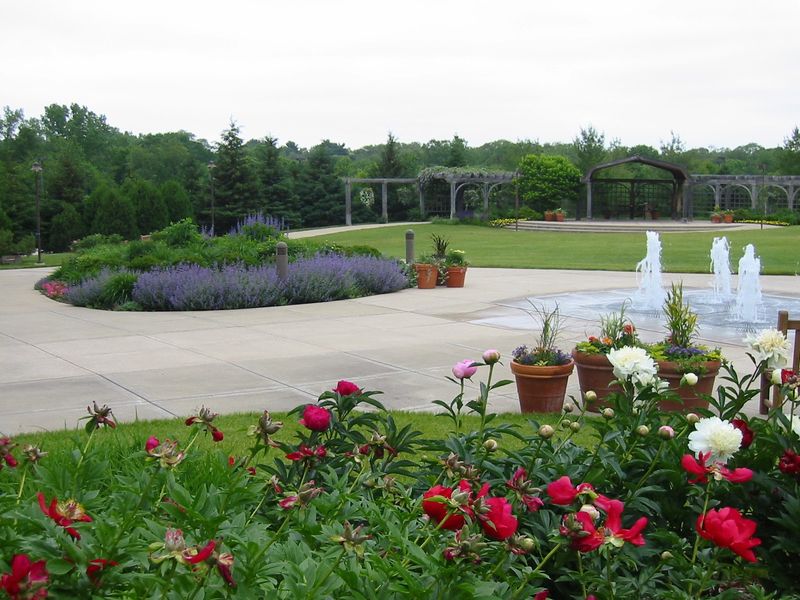
For a botanical garden of this size and quality, Klehm remains surprisingly under the radar compared to larger destinations in Illinois. The 155 acres, the rotating art exhibits, the wildlife, the accessible trails, the children’s garden, and the event programming add up to an experience that rivals much more heavily promoted attractions in the region.
The 4.6-star rating across nearly 700 reviews reflects the consistent quality of the place rather than a single lucky visit. Visitors come back across seasons, bring their families, celebrate major life events here, and still find new things to notice on each return trip.
That kind of loyalty says something real about what the arboretum has built over its years of operation.
Part of what keeps Klehm feeling special is the fact that it hasn’t been overrun by crowds. The grounds are large enough to absorb visitors comfortably, and the relatively modest entry price keeps the experience accessible without feeling cheap.
A membership is worth serious consideration for anyone who lives within a reasonable drive of Rockford. This is the kind of place that rewards slow, repeated visits far more than a single rushed afternoon, and that quality is rarer than it might seem.
Share this story