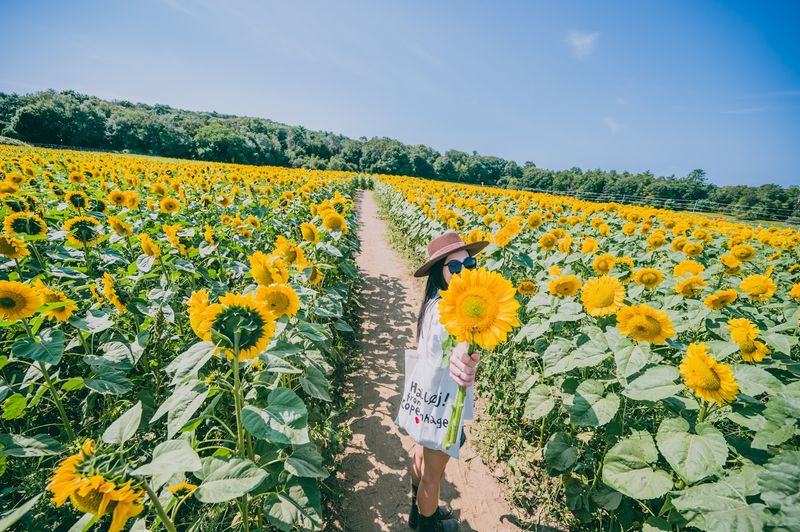
Somewhere along Boston’s North Shore, a family farm quietly grows rows of golden blooms tall enough to lose your kids in for a few happy minutes. It stays remarkably low key while flashier operations pack in crowds, and that is exactly its charm.
Baby Highland cows, friendly goats, and hay benches tucked among the flowers make it feel less like a business and more like a visit to relatives who happen to farm. The family running it will even snap your photo and share tips on growing your own blooms at home.
What follows is a full look at where to find it, what makes it special, and how to plan a visit that turns an ordinary weekend into something you will remember.
Where the Golden Rows Begin
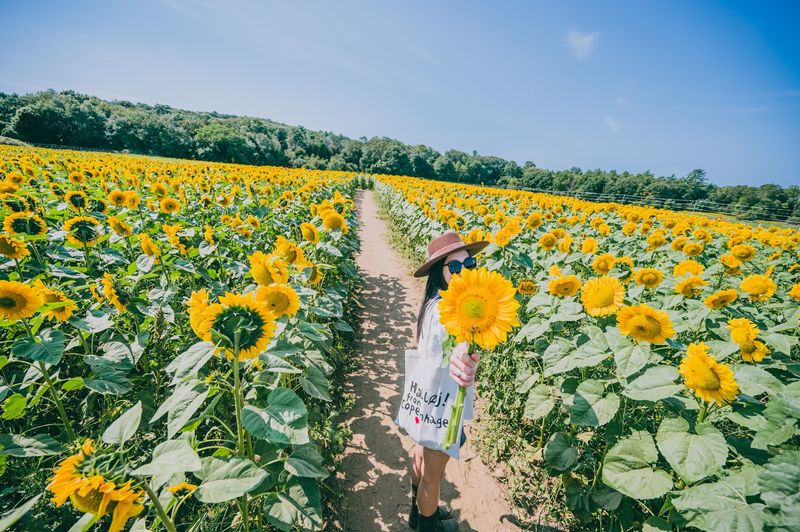
Tucked away at 20 Lowes Ln in Ipswich, Massachusetts, this North Shore farm goes by the name School Street Sunflowers, part of the larger Felix’s Family Farm operation.
The address matters more than usual here. Guests have wandered onto random streets near a school and behind a Dairy Queen before finding the right entrance, so following the farm’s own signs once you get close saves a headache.
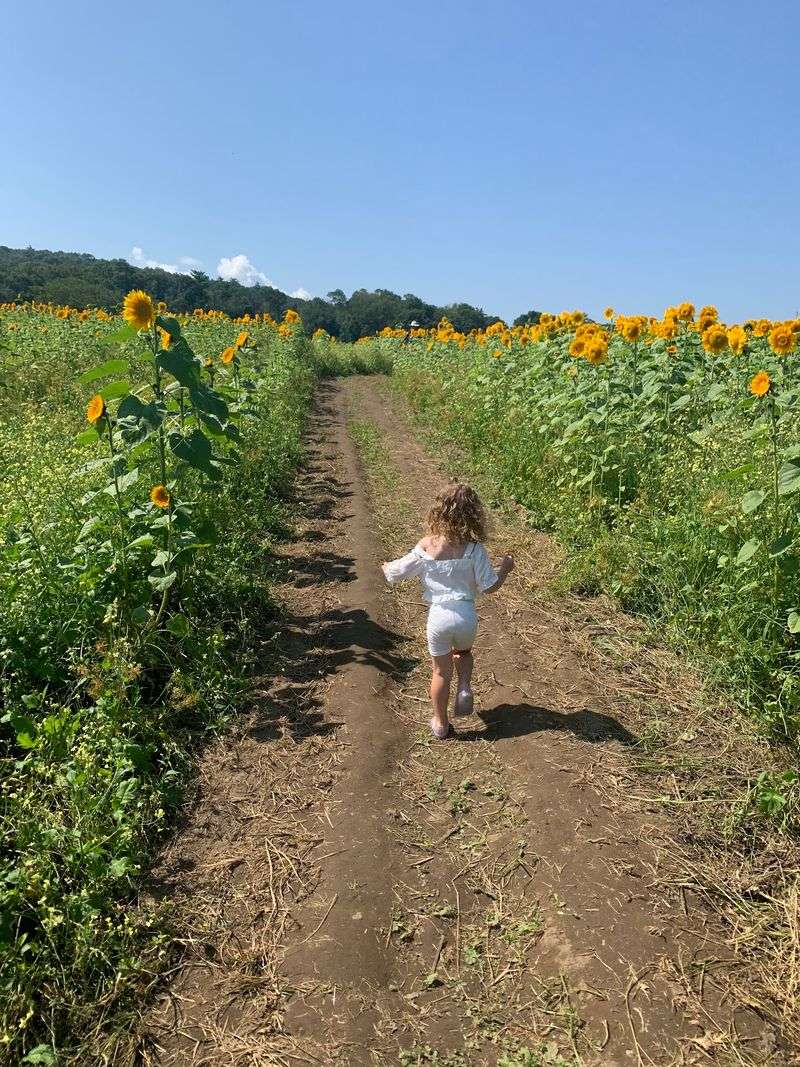
Once you land in the correct spot, parking is easy and the payoff is immediate. Rows of sunflowers stretch across the grounds with a path cut wide enough that a stroller rolls through without a fuss.
It sits comfortably within day-trip range for most eastern Massachusetts residents, which is part of why locals treasure it. You do not need to plan a big getaway to reach it.
The farm earns a 4.6-star average, and the affection people feel for the place comes through clearly. It reads as a genuine family effort rather than a slick commercial attraction.
A Farm Four Generations in the Making
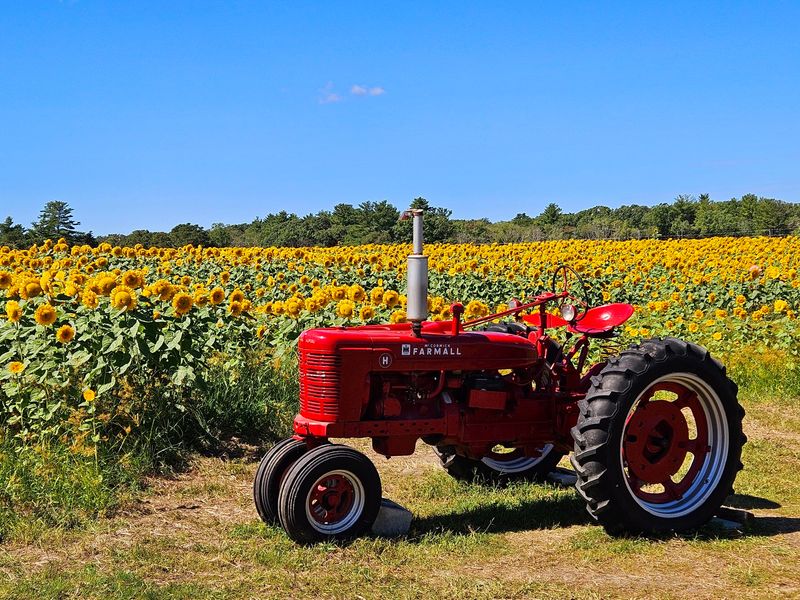
Behind every row of blooms sits a story that stretches back four generations. This is a family farm in the truest sense, worked by people who know their land and clearly enjoy sharing it.
Paul, one of the hosts, comes up again and again in the way guests describe their visits. He explains how the flowers are grown, offers pointers for replicating the results at home, and takes obvious pride in the whole operation.
That personal touch has built real loyalty. Some families return year after year, and the owner reportedly greets regulars by name, which is not something you find at larger commercial fields.
The care shows in small details too. Hay benches are scattered through the field for resting or posing, and the layout is designed so photos can capture flowers without a wall of strangers in the frame.
Growing more plants and flowers to draw new and returning guests is part of the plan the family has shared. It is a place still evolving, shaped by people who want it to keep getting better.
Baby Highland Cows Steal the Show
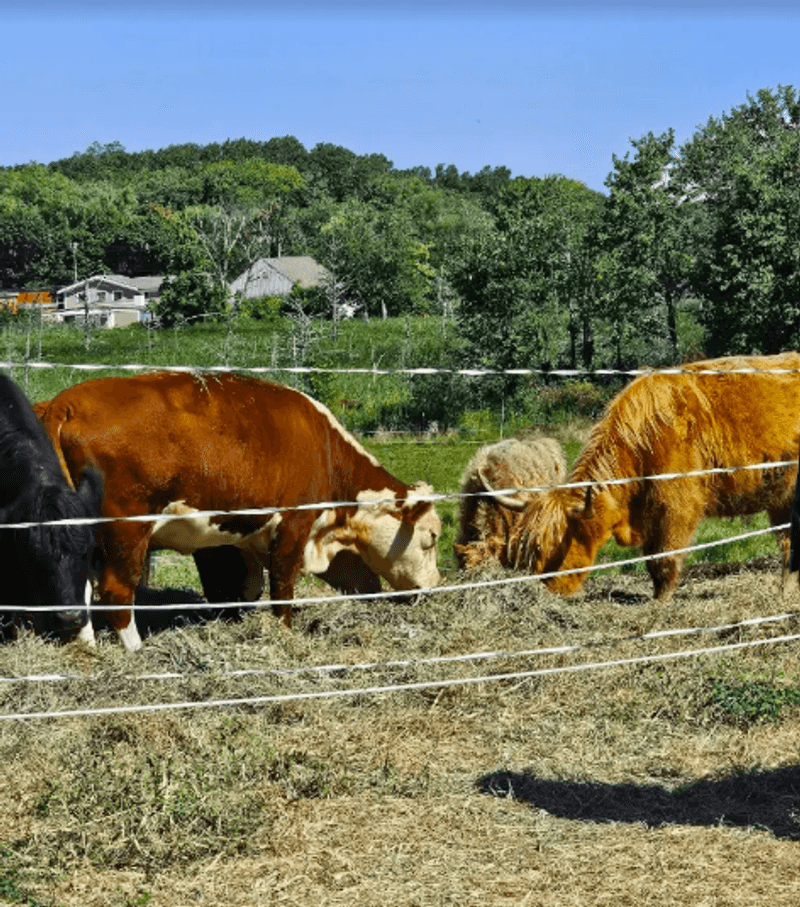
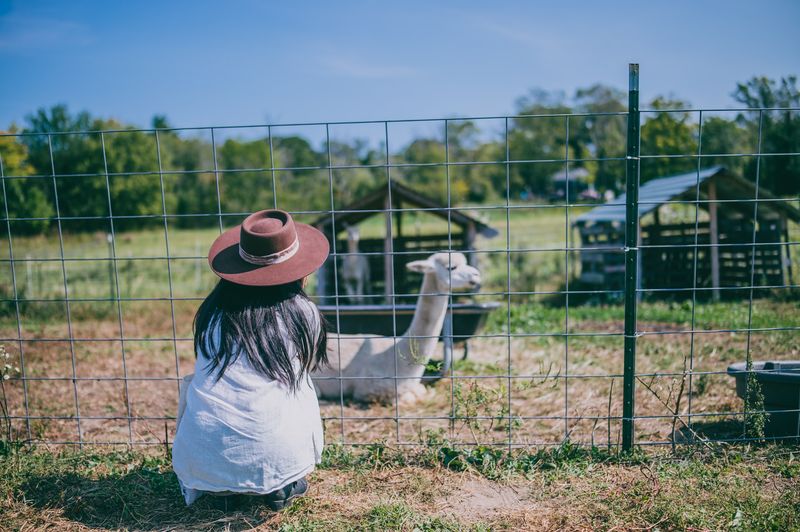
Few things at the farm win hearts as fast as the animals, and the baby Highland cows top nearly everyone’s list.
Shaggy and friendly, they turn a flower outing into something the little ones talk about for days. Kids get just excited enough seeing them, and adults tend to linger at the fence longer than they planned.
The lineup goes beyond cows. Goats, bunnies, and a horse round out the small menagerie, and several of the animals are gentle enough to pet.
Nobody comes here expecting a full zoo, and that is the point. A couple of goats, a horse, and a few cows are exactly enough to spark curiosity without overwhelming the visit.
Families celebrating milestones have found the animals add real warmth to the day. One first birthday celebration paired the bunnies, goats, and cows with the flower fields for a setting that delighted both children and grownups.
The friendliness of the animals mirrors the friendliness of the people, and that consistency is a big part of the appeal.
Cut-Your-Own Stems to Take Home
One clever feature keeps the main field looking its best while still letting you bring blooms home. A separate cut-your-own stem section lets you gather flowers without thinning out the rows people walk through.
It is a smart bit of planning. The walk-through field stays full and photogenic, and the cutting area gives you something tangible to carry away.
The hosts often add to the experience by picking a few sunflowers for guests to keep. During one first visit, the family handed over a handful of blooms simply as a kind gesture.
Beyond sunflowers, tulips make an appearance in their own season, giving returning guests a second reason to come back throughout the year.
Local honey and vegetables are also sold on site, so the trip can double as a stop for farm goods. It adds a practical layer to what might otherwise be a purely scenic outing.
Taking home a bundle of stems you chose yourself turns a quick visit into a small keepsake that lasts past the drive home.
A Photographer’s Quiet Advantage
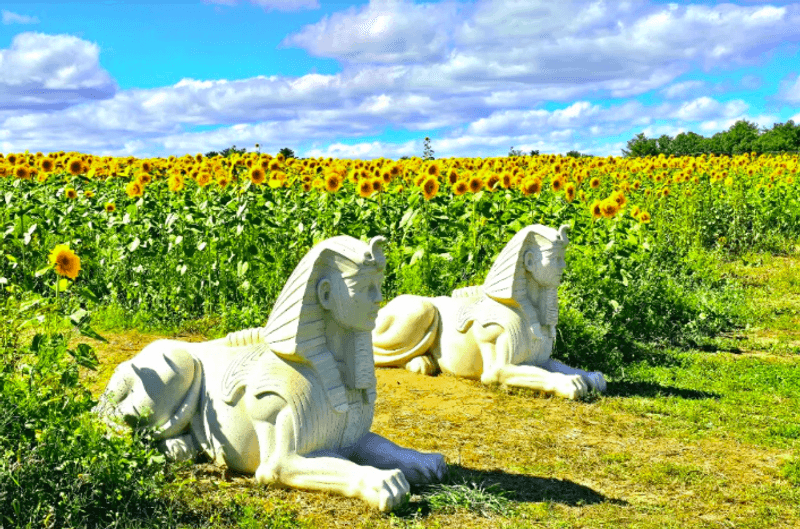
Getting a clean shot at most flower fields means dodging crowds and waiting for gaps. Here the math works in your favor.
The farm stays refreshingly uncrowded compared with the heavily commercialized operations, so there are plenty of spots to shoot without strangers wandering into the background.
Carved-out pockets among the flowers give you natural little frames for portraits. Hay benches tucked throughout add places to sit and pose, and they were clearly set up with photos in mind.
The hosts routinely offer to take pictures for guests, which means the whole group can be in the frame instead of one person always stuck behind the camera.
Engagements have been staged here, with the family working alongside couples to make the moment memorable. Milestone celebrations have leaned on the fields as a backdrop too.
Add in the dahlias that share the grounds in season, and the variety of blooms keeps every visit looking a little different.
For anyone who values a photo without the visual clutter of a mob, this farm quietly delivers what bigger names cannot.
Sweet Quotes Along the Pathway
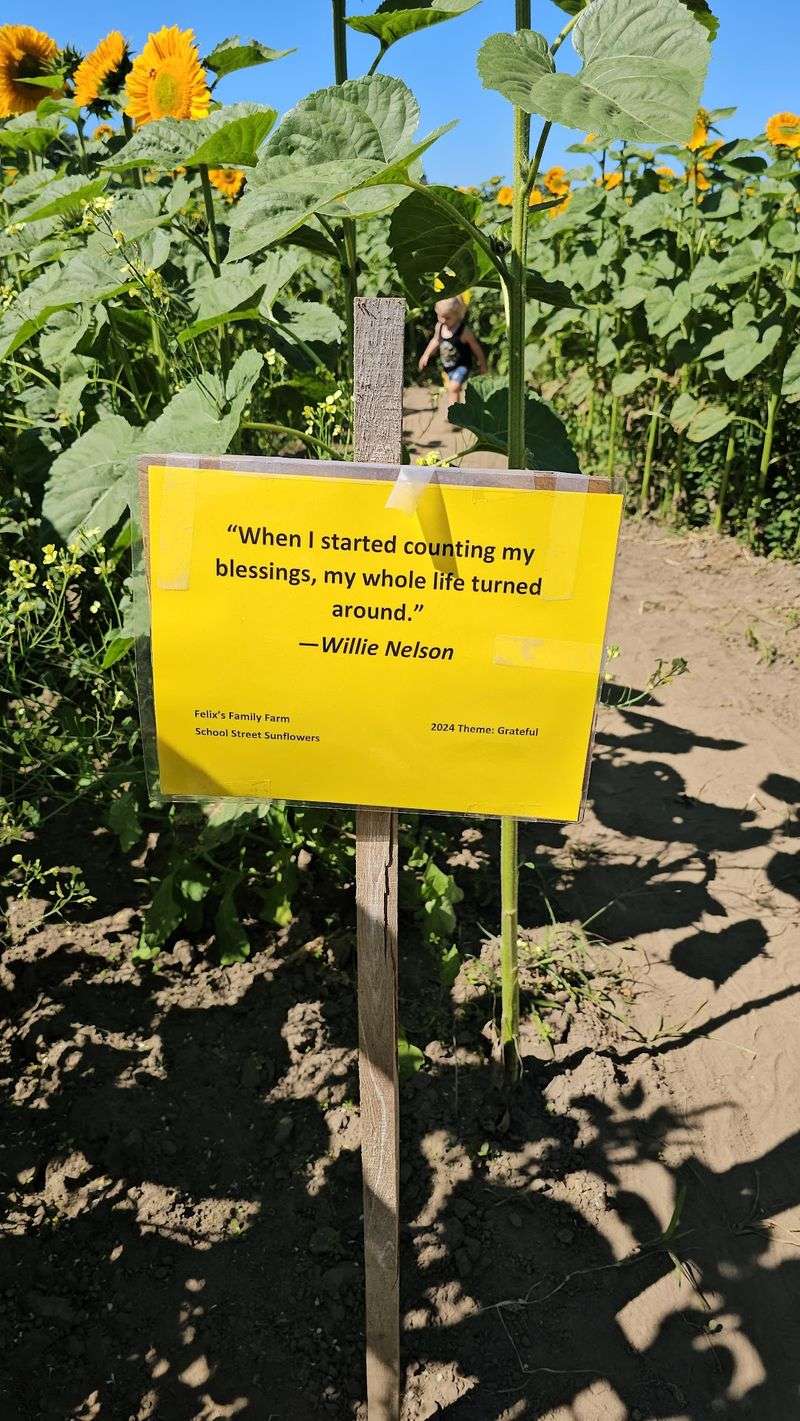
Small touches often make the biggest impression, and the quotes posted along the walking path are a favorite detail here.
As you move through the rows, little signs carry cute sayings that add a bit of charm to the stroll. They give the walk a personality beyond just flowers on either side.
Kids treat the pathway itself as an activity. Running back and forth through the rows, sometimes several times over, becomes its own kind of fun.
The path is generous in width, easily accommodating a stroller, so the youngest members of the family come along with no trouble.
Even before peak bloom, the walk holds appeal. Seeing the flowers that have not yet opened alongside the ones in full display adds an unexpected layer to the experience.
These thoughtful additions are the sort of thing that separates a place made with heart from one built purely for turnstiles. The quotes cost nothing extra and stick in your memory anyway, which tells you plenty about the people behind the farm.
Timing Your Visit for Peak Bloom
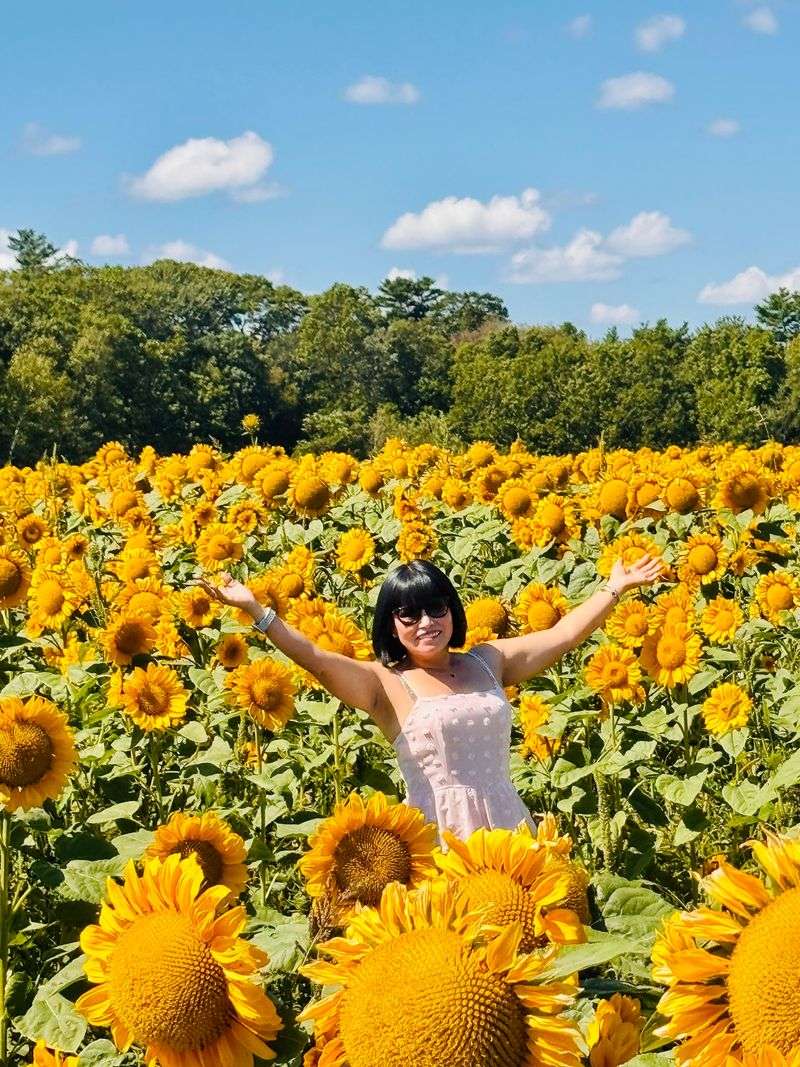
Chasing peak bloom is part of the sunflower ritual, and timing here rewards a little planning.
Late summer, roughly around mid to late August, is when the fields tend to shine. The season is relatively short, so checking ahead pays off before you commit to the drive.
Arriving just before the true peak still delivers plenty of beauty. Fields caught right before full bloom have impressed guests, with the not-yet-opened flowers adding their own appeal.
A word of honesty helps here. A few guests have arrived expecting fuller fields than they found, which is a good reminder to confirm current bloom status directly before heading out.
Weather plays its part too, as it does with any outdoor farm. Later in the season can bring its own challenges, so earlier in the bloom window is often the safer bet.
Tulips arrive in their own separate season, giving flower lovers a spring reason to visit as well. Between the two, the farm offers more than one window worth marking on the calendar.
A quick check before you go keeps your trip on track.
What It Costs and How to Get There
Keeping the day affordable is one of this farm’s quiet strengths. Entry has run around $12 for parking and admission, with young children under about five getting in free.
That price point keeps it firmly in reach for a low-effort local outing. You are not booking an expensive excursion, just a simple day trip that fits a normal weekend budget.
Parking is easy once you arrive, which is a relief given how tricky the place can be to locate the first time. Following the farm’s road signs as you get close is the surest way in.
The farm sits in Ipswich on Boston’s North Shore, well within day-trip distance for much of eastern Massachusetts. The website is the best source for current bloom updates and ticket availability.
Bringing cash is a sensible backup, since payment options have occasionally been limited to cash on site.
Dogs are welcome too, so the four-legged family member does not have to sit this one out. Confirming details before you go rounds out an easy, wallet-friendly plan.
Why Locals Keep Coming Back
Some places earn a spot on the yearly calendar, and for many North Shore families this farm has done exactly that.
The pull is not any single flashy feature. It is the combination of golden fields, gentle animals, thoughtful hosts, and a laid-back feel that never tips into overcrowded chaos.
People describe it as a hidden gem and openly hope it stays low key a while longer. That sentiment says everything about how it feels to spend a morning here.
Bilingual, welcoming staff and an owner who remembers names give the visit a personal quality that larger operations rarely match. The kindness threads through the whole experience.
It suits a wide range of guests, from toddlers running the pathways to grandparents settling onto a hay bench. Photographers, families, and couples marking a moment all find something here.
Not every visit has been flawless, and a few guests have hit off-timing or bug-heavy afternoons. Even so, the overwhelming affection for the place stands out.
For a summer day that turns into a memory, this quiet Ipswich farm makes the short drive well worth taking.
Share this story