Memphis, Tennessee holds many stories that shaped American history, but few places carry as much weight as a grand Pentecostal church on Mason Street. Built by the founder of one of the largest African American denominations in the country, this historic temple became far more than a place of worship.
It stood at the crossroads of faith, the labor movement, and the Civil Rights era, hosting one of the most powerful speeches ever delivered on American soil. From its founding roots to its enduring legacy, this church tells a story that connects communities, movements, and generations in ways that still resonate today.
The Man Behind the Name
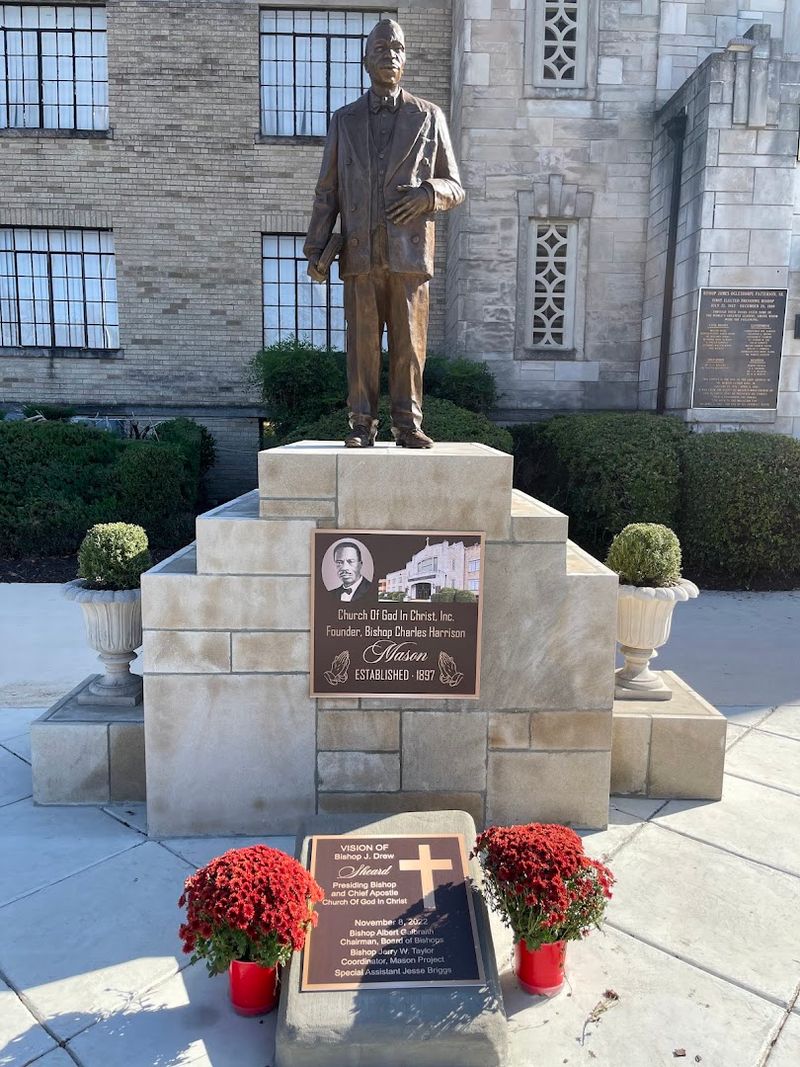
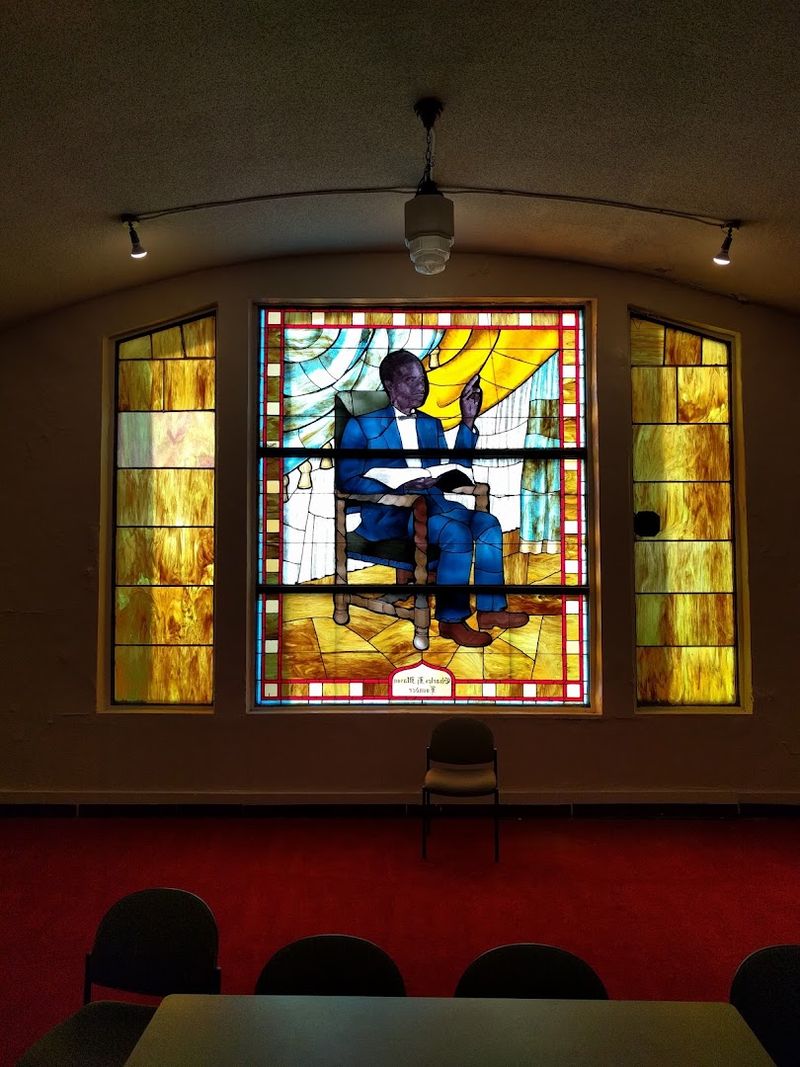
Charles Harrison Mason founded the Church of God in Christ in 1897, and his legacy is permanently woven into the fabric of American religious history. Born in 1866 to formerly enslaved parents in Tennessee, Mason grew up with a deep commitment to faith that would eventually reshape Pentecostal Christianity in the United States.
Mason was a pioneering figure who traveled to the Azusa Street Revival in Los Angeles in 1907, where he experienced what Pentecostals describe as the baptism of the Holy Spirit. He returned to Memphis transformed, and COGIC rapidly expanded under his leadership.
By the time of his passing in 1961, the denomination had grown into a national movement with millions of members. A statue of Bishop Mason was later dedicated on the temple grounds, giving future generations a permanent tribute to his vision.
His remains rest in the mausoleum inside the temple, making Mason Temple both a living institution and a sacred memorial.
A Building That Rose from Community Sacrifice
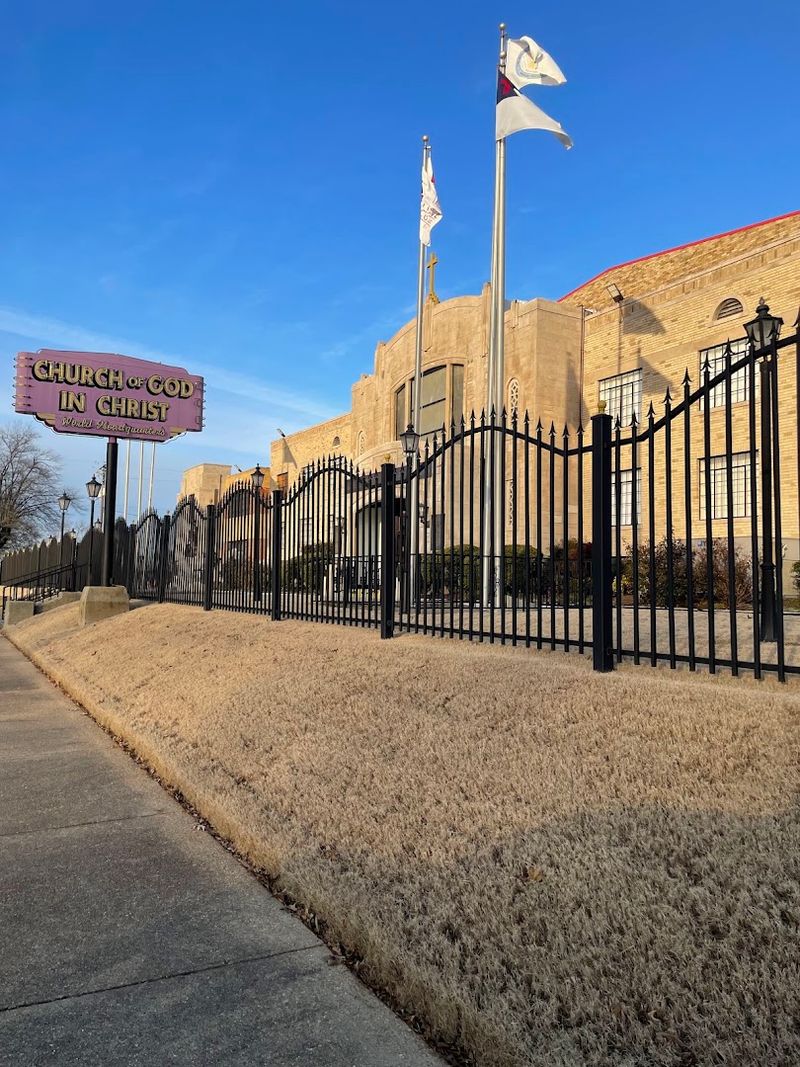
Mason Temple was not built overnight, and it was not built by a wealthy institution. The structure rose from the collective contributions of everyday COGIC members across the country who gave what they could to create a permanent home for their denomination.
The walls of the temple are literally etched with the names of those who contributed to its construction and later renovations. That detail alone speaks volumes about the communal spirit that brought the building to life.
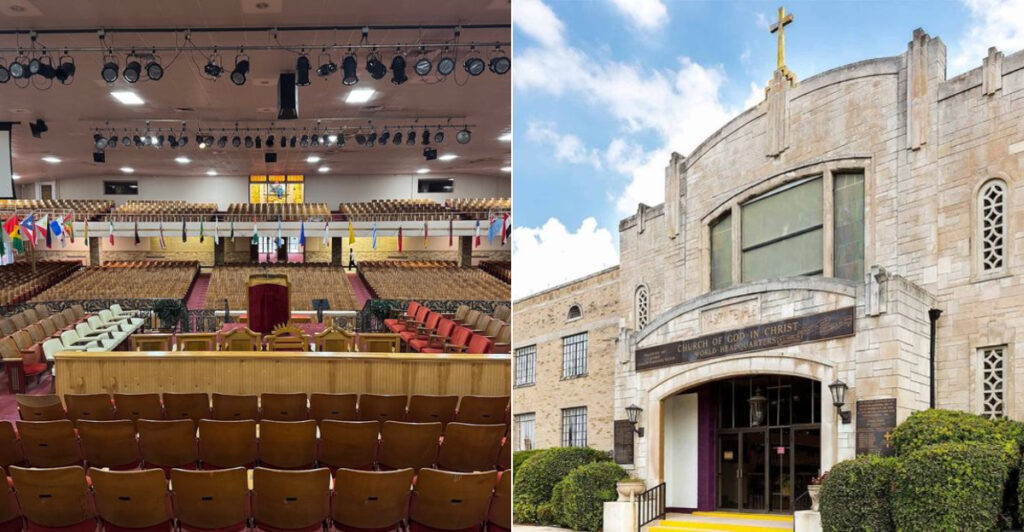
Construction of the current building was completed in 1945, giving the denomination a headquarters large enough to host its annual Holy Convocation, a gathering that draws thousands of members each November.
The interior has been preserved as close to its original design as possible, maintaining the architectural character of the mid-20th century. The care taken to protect that original design reflects how seriously the COGIC community treats its own history and heritage.
The Speech That Changed Everything
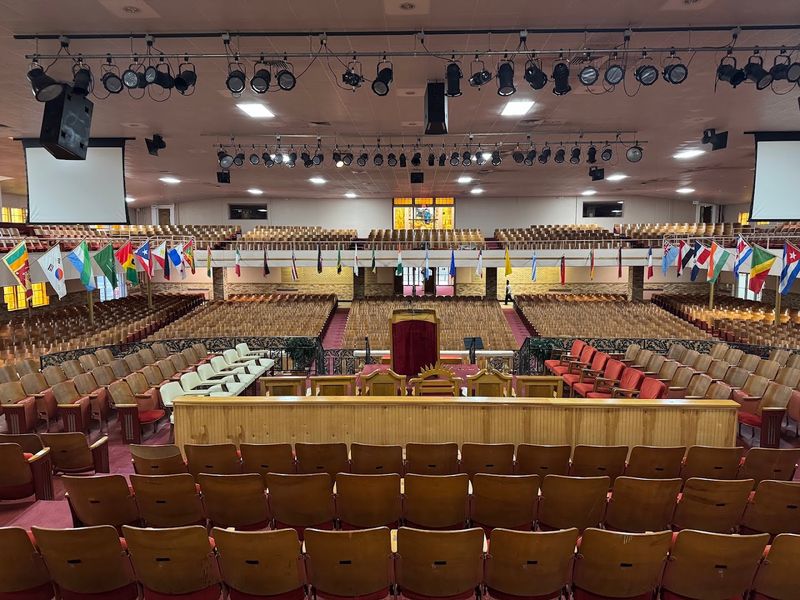
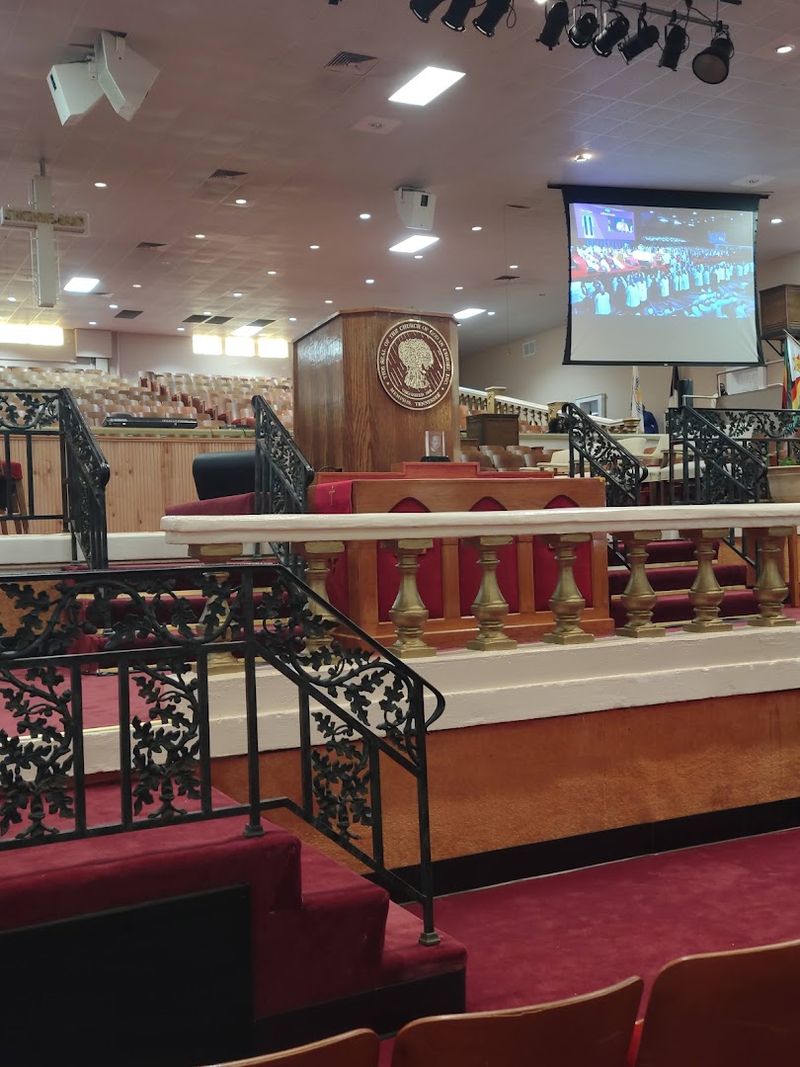
On the night of April 3, 1968, Dr. Martin Luther King Jr. stood at the pulpit of Mason Temple and delivered what would become one of the most quoted speeches in American history. Known as the “I’ve Been to the Mountaintop” address, it was his final public speech before his passing the following day.
King had originally planned to skip the event due to poor weather, but a large crowd had gathered at Mason Temple in his absence, and organizers urged him to come. He arrived and delivered a speech that many historians describe as prophetic, given what occurred just hours later.
The speech addressed the Memphis sanitation workers strike, calling for economic justice and solidarity. That a labor movement and a civil rights address intersected inside a church sanctuary shows exactly how Mason Temple functioned as a hub where faith and social justice overlapped in real and urgent ways.
The Memphis Sanitation Strike Connection
The 1968 Memphis Sanitation Strike was one of the most important labor actions of the 20th century, and Mason Temple was directly connected to it. African American sanitation workers in Memphis walked off the job in February 1968 to protest dangerous working conditions, racial discrimination, and poverty wages.
The strike drew national attention and became a rallying point for both the labor movement and the broader Civil Rights Movement. Workers carried signs reading “I Am A Man,” a simple but powerful declaration that resonated far beyond Memphis.
Mason Temple served as a key meeting place for strike supporters, organizers, and community members throughout those weeks of protest. The church provided space where workers and their allies could gather, strategize, and draw strength from their shared faith and purpose.
That combination of spiritual grounding and social action made Mason Temple more than a passive backdrop. It was an active participant in one of American history’s defining moments of working-class resistance.
Faith as a Foundation for Justice
At Mason Temple, faith was never separate from the concerns of everyday life. The COGIC tradition has always emphasized community responsibility alongside personal spiritual development, and that combination made the church a natural gathering point during moments of social crisis.
Throughout the Civil Rights Movement, Black churches across the South served as organizing centers because they were among the few spaces where African Americans could meet freely and safely. Mason Temple, as the headquarters of a major national denomination, carried particular authority and reach.
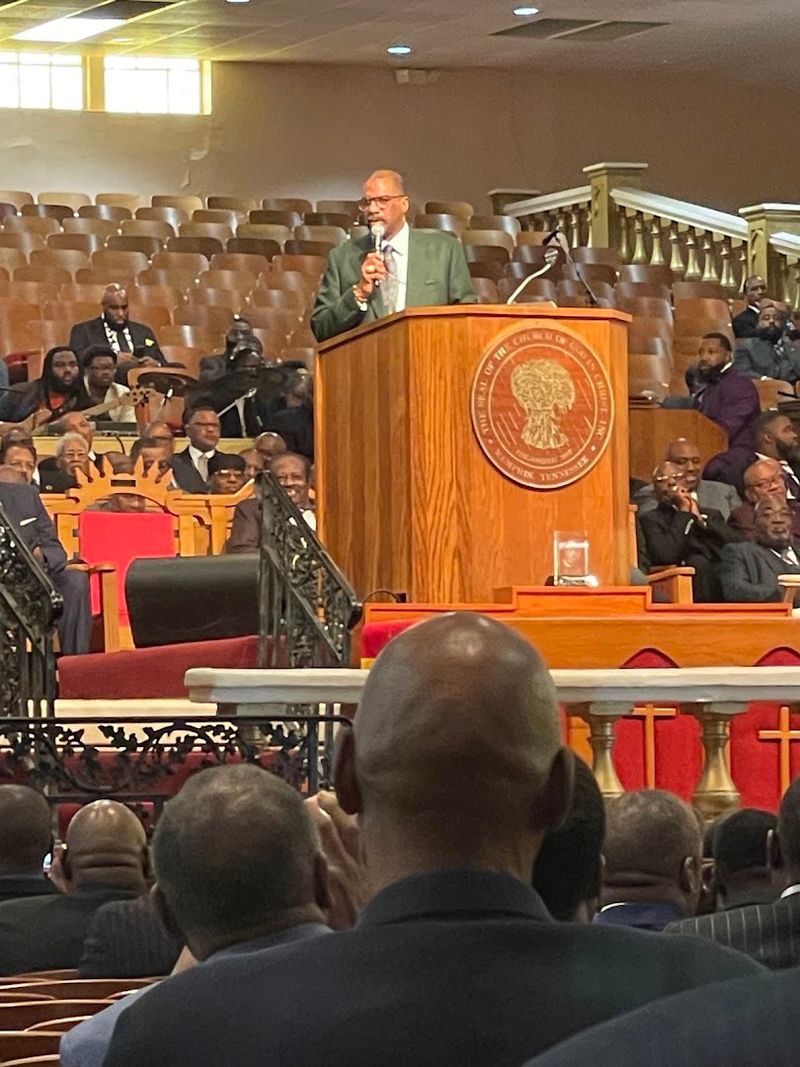
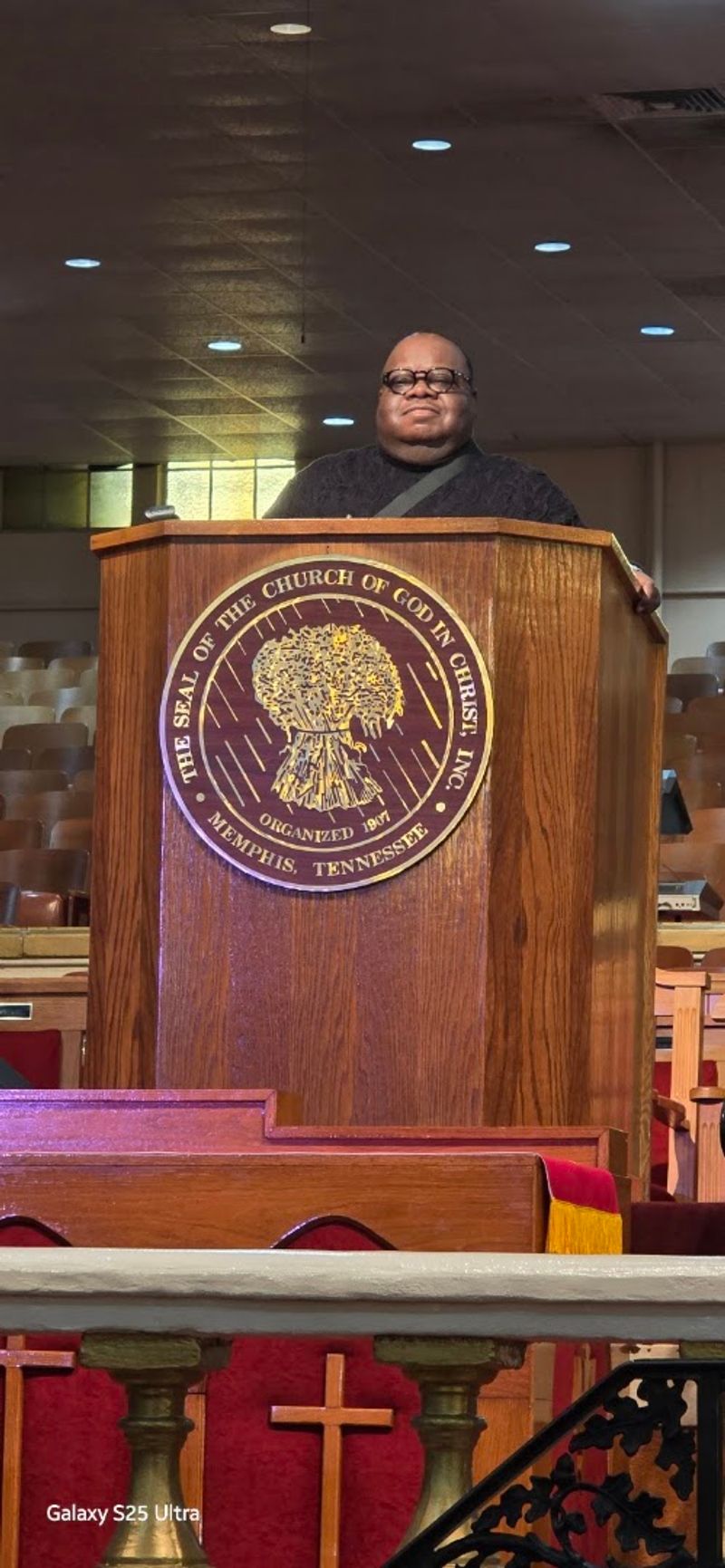
Pastors and bishops within COGIC used their platforms to speak on issues of justice, dignity, and equality. The pulpit at Mason Temple became a place where spiritual messages and calls for social change reinforced each other rather than competing.
That tradition of faith-based activism continues to shape the culture of the building today. The history embedded in those walls serves as a constant reminder that worship and justice have always belonged together.
What the Interior Holds
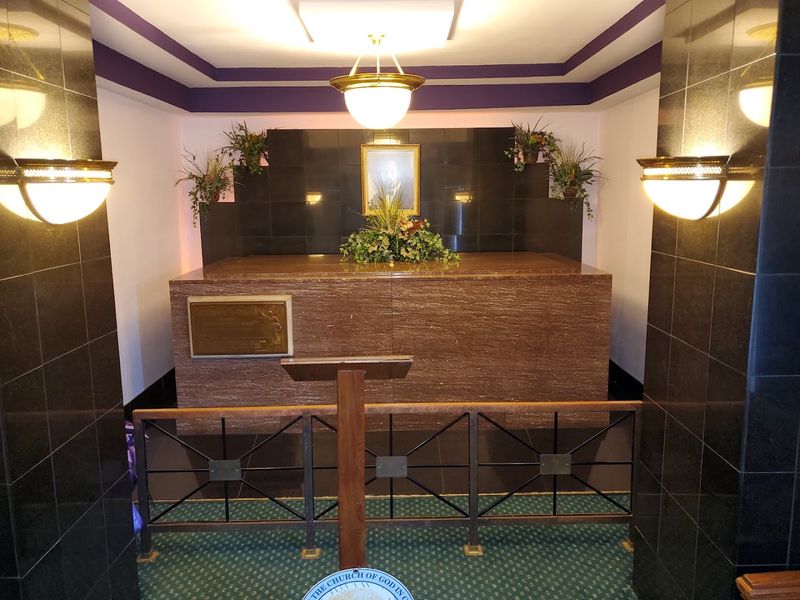
The inside of Mason Temple rewards those who take the time to explore it carefully. Beyond the main sanctuary, the building contains a library, a dedicated prayer room, and the mausoleum where Bishop Charles Harrison Mason is interred.
The library houses materials related to COGIC history, theology, and the broader Pentecostal tradition. It serves as a research resource for scholars, clergy, and members of the denomination who want to understand where COGIC came from and how it developed.
The prayer room offers a quieter, more contemplative space within the larger building. Those who have had the opportunity to spend time there describe it as a place of genuine stillness within a building that has otherwise witnessed so much historical intensity.
The mausoleum gives the entire building a layered meaning, functioning simultaneously as an active church headquarters, a civil rights landmark, and a memorial site. That combination of purposes is rarely found in a single structure anywhere in the United States.
The Holy Convocation Tradition
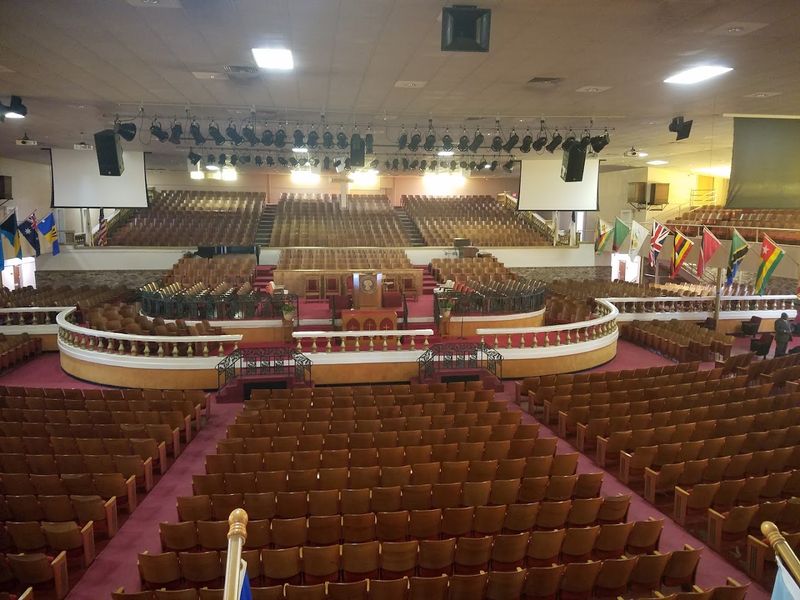
Every November, the Church of God in Christ holds its annual Holy Convocation, one of the largest religious gatherings in the United States. For much of its history, that event was held at Mason Temple in Memphis, drawing tens of thousands of members from across the country and around the world.
The Convocation is a week-long event filled with worship services, theological education, music, and denominational business. It represents the spiritual heartbeat of COGIC and reinforces the connections between local congregations and the national organization.
For a period of twelve years, the Convocation relocated to St. Louis, Missouri. However, it returned to Memphis for the 114th anniversary of its founding, bringing the gathering back to its original home at Mason Temple.
That return was significant for many COGIC members who view Memphis and Mason Temple as inseparable from the identity of the denomination. The building’s capacity to hold such a massive annual event speaks to both its physical scale and its spiritual importance.
A School of Theology on the Grounds
Mason Temple is not just a place of worship and historical memory. The complex also houses a School of Theology, which trains ministers and church leaders within the COGIC tradition.
Theological education has been a priority for COGIC since the early years of the denomination. Bishop Mason himself believed that effective ministry required both spiritual formation and intellectual preparation, and that conviction shaped how the organization developed its leadership pipeline.
The School of Theology at Mason Temple continues that tradition by providing structured religious education rooted in Pentecostal theology and practice. Students who pass through the program go on to lead congregations across the country and internationally.
Having a seminary-level institution housed within the same building that served as a Civil Rights gathering point adds another dimension to what Mason Temple represents. It is simultaneously a place of historical record, active worship, and ongoing education, making it one of the most multifunctional religious institutions in the American South.
Visiting the Temple Today
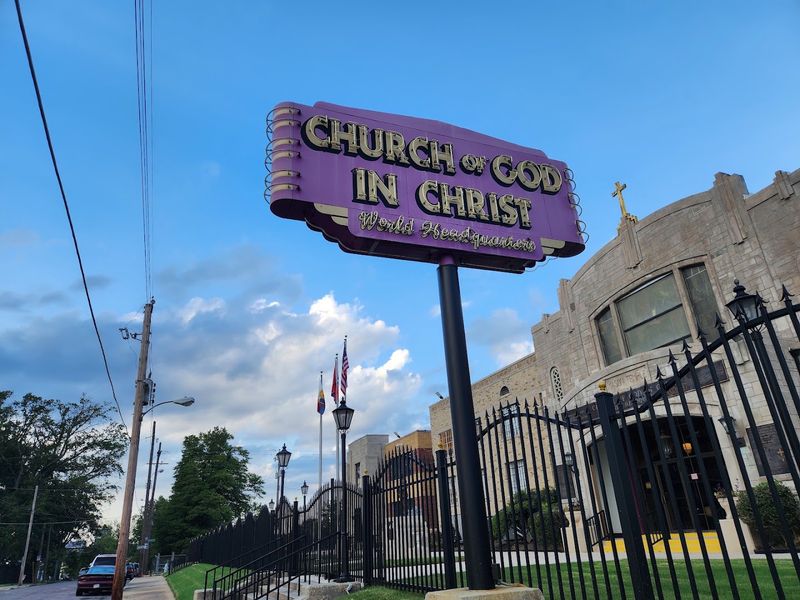
Mason Temple is open to the public, though the building’s interior access depends on scheduled events and staffing. Many people who visit find the grounds themselves to be worth the trip, even if the interior is not accessible on that particular day.
The exterior of the building, the statue of Bishop Mason, and the overall scale of the complex communicate its historical significance without requiring a guided tour. The surrounding neighborhood in south Memphis provides additional context for understanding the community from which COGIC emerged.
Those planning a visit should check ahead about interior access, particularly if they want to see the library, prayer room, or mausoleum. The building is listed as open during specific hours, and availability can vary based on church activities and events.
Combining a visit to Mason Temple with other Memphis civil rights landmarks, such as the National Civil Rights Museum, creates a fuller picture of how faith, labor, and justice movements shaped this city and the nation during the mid-20th century.
The Architecture Speaks for Itself
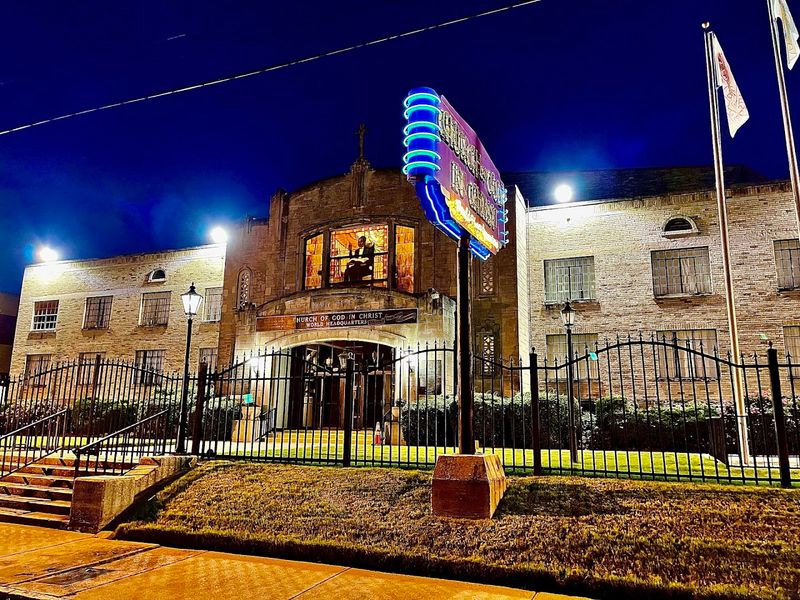
Built and completed in 1945, Mason Temple reflects the architectural ambitions of a denomination that wanted its headquarters to project permanence and dignity. The building’s scale was intentional, designed to accommodate the thousands of members who would gather for the annual Holy Convocation.
The brick construction and formal facade give the building a monumental character that stands apart from the surrounding neighborhood. From the street, it reads as a civic institution as much as a religious one, which in many ways is exactly what it became.
Interior details have been preserved with careful attention to the original design, maintaining the mid-century character of the space. That preservation effort reflects the COGIC community’s understanding that the building itself is a historical document, not just a functional space.
Architecture rarely tells a complete story on its own, but at Mason Temple, the physical structure and the events that took place within it are so closely linked that separating them would diminish both. The building and its history are inseparable.
How the Civil Rights and Labor Movements Overlapped Here
One of the most important things Mason Temple represents is the intersection of two major American movements: the Civil Rights Movement and the organized labor movement. Those two forces came together in Memphis in 1968 in ways that permanently linked the city to both struggles.
The sanitation workers who went on strike in 1968 were fighting for basic workplace rights, fair pay, and recognition of their union. Their cause attracted civil rights leaders because racial discrimination and economic exploitation were deeply intertwined in how the city treated its Black workforce.
Mason Temple became the physical meeting point for those overlapping causes. When Dr. King arrived to speak in support of the sanitation workers, he did so inside a church that had already been serving as a community anchor for decades.
That convergence was not accidental. Black churches in general, and Mason Temple specifically, had the infrastructure, the trust, and the moral authority to bring together workers, activists, clergy, and community members under one roof.
Why This Place Still Matters
Decades after the events of 1968, Mason Temple continues to draw people who want to connect with American history in a direct and personal way. The building is not a museum frozen in time.
It remains an active church headquarters, which means the history here is still living.
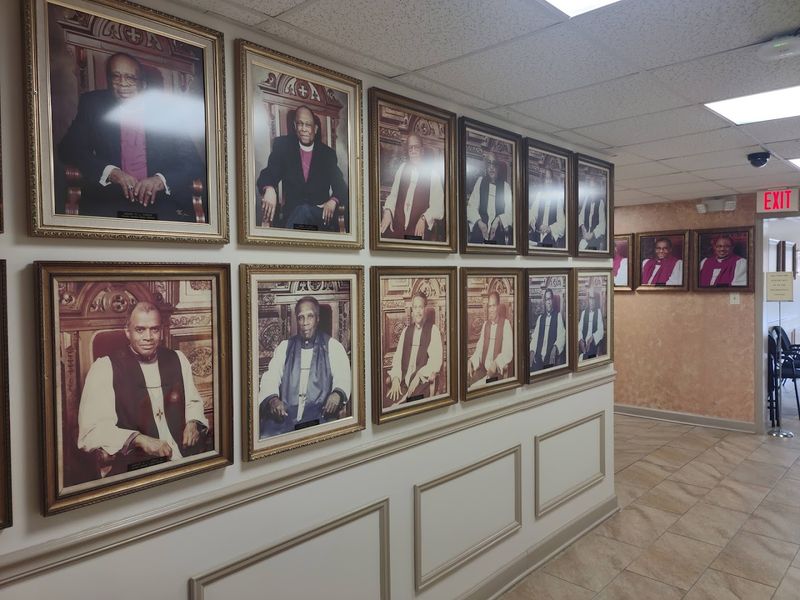
For COGIC members, a visit to Mason Temple is often described as a deeply personal experience, connecting them to the founding generation of their denomination and to the leaders who shaped it. For others, the connection to the Civil Rights Movement is the primary draw.
What makes Mason Temple unusual is that it holds multiple layers of significance simultaneously. It is a religious institution, a civil rights landmark, a labor history site, and a community anchor all at once.
Very few buildings in the United States can claim that combination of roles. That layered significance is exactly why Mason Temple deserves a place in the national conversation about history, justice, and faith in America.
Planning Your Visit to Memphis Civil Rights History
Memphis offers one of the most concentrated collections of civil rights history sites in the United States, and Mason Temple fits naturally into any itinerary focused on that history. At 930 Mason St in Memphis, the temple is accessible from the downtown area and can be combined with several nearby landmarks.
The National Civil Rights Museum, built around the former Lorraine Motel where Dr. King was staying in April 1968, is one of the most visited museums in Tennessee. Pairing it with a stop at Mason Temple creates a powerful narrative thread connecting the speech to the events that followed.
Other nearby points of interest include Beale Street, which has its own deep history in African American culture and music. Memphis rewards visitors who take the time to move beyond the tourist highlights and seek out the places where history actually happened.
Mason Temple is one of those places. The combination of faith, labor history, and civil rights legacy makes it one of the most historically layered destinations in the entire South.
Where History Lives on Mason Street
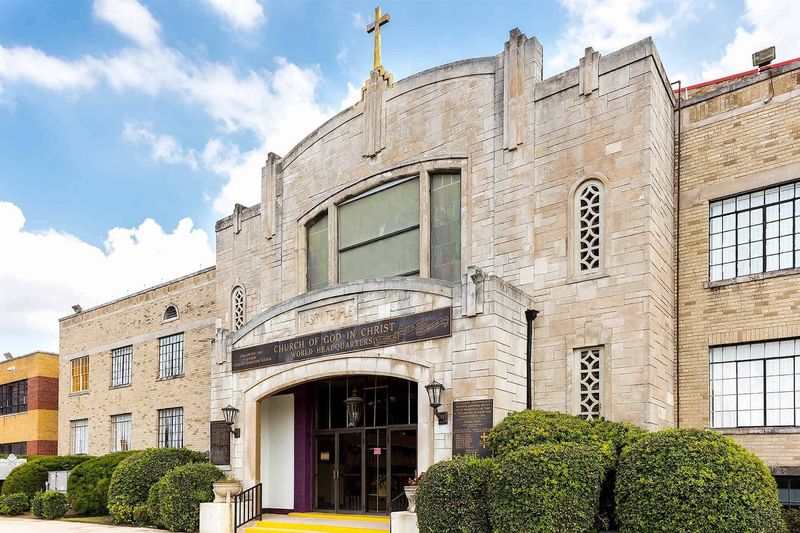
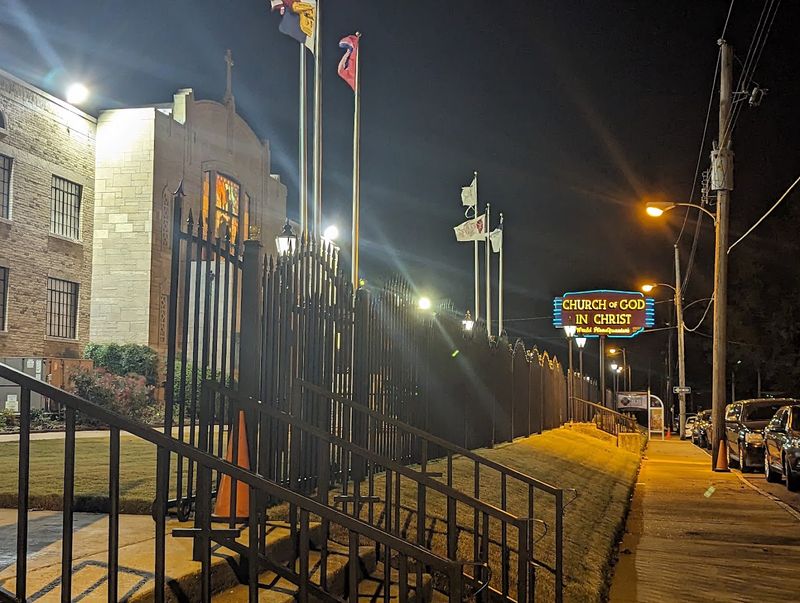
Few addresses in Memphis carry as much historical weight as 930 Mason St, Memphis, TN 38126. That is the home of Mason Temple, the World Headquarters of the Church of God in Christ, known widely as COGIC.
The building stands as one of the most historically significant religious structures in the American South. Its brick facade and grand scale tell you immediately that this is not an ordinary church.
COGIC is one of the largest African American Christian denominations in the United States, and this temple serves as its spiritual and organizational center. The building houses not only the main sanctuary but also administrative offices, a library, a prayer room, and a mausoleum.
Every corner of the property reflects decades of faith, community organizing, and cultural pride. Arriving at the grounds, even before stepping inside, gives a clear sense of the enormous history that has unfolded here.
Share this story