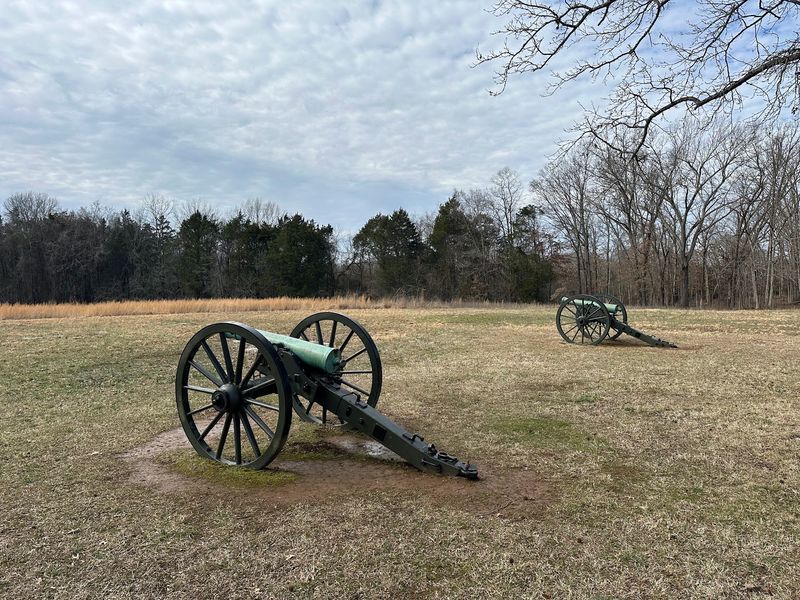
Just outside Murfreesboro sits a stretch of open fields and quiet woods that most people drive right past without knowing what happened there. In the winter of 1862 and 1863, thousands of soldiers clashed on this ground, and the casualties climbed higher than almost anyone expected.
Today you can wander the same trails, stand near the cannons, and read the numbers that still stop people cold. Best of all, it costs nothing to walk in, which makes it one of the easiest weekend history trips in the whole state.
If you think you already know Tennessee, this place has a way of surprising you.
Where the Battlefield Sits and What It Protects
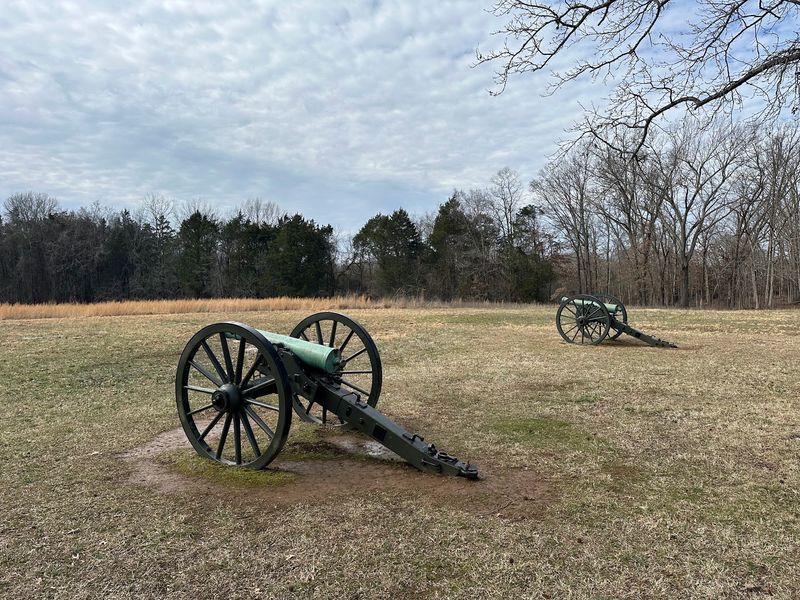
Down Old Nashville Highway, at 3501 in Murfreesboro, Tennessee, a 570-acre park holds one of the state’s most sobering Civil War stories. The address is easy to plug in, and the land opens up almost as soon as you arrive.
Run by the National Park Service, the grounds combine a battlefield, marked trails, and a national cemetery across the road. It is officially a large Civil War memorial park, and the scale is part of what makes it feel so different from a small roadside marker.
Murfreesboro puts the whole site within a short drive of Nashville, which means a lot of Tennessee families can reach it in under an hour. That closeness is a big reason it works so well as a low-key weekend outing.
The battle fought here in late 1862 into early 1863 ranks among the costliest of the war for its size, and the park exists to keep that memory intact. Standing on the same fields where all of it unfolded gives the history a weight you rarely get from a textbook.
The Story Behind the Numbers
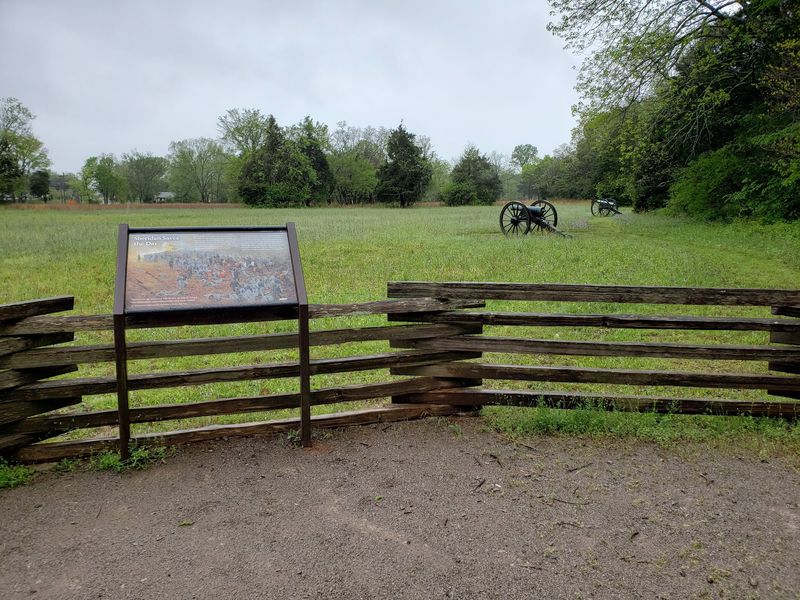
Few things hit harder than reading how many men fell here in such a short span of time. The fighting produced staggering casualties, and walking the ground makes those figures feel real instead of abstract.
What unfolded across these fields shaped the wider war in Tennessee, and the park does a careful job of laying out who fought, where the lines formed, and why the outcome mattered so much. People often mention arriving with little knowledge of the battle and leaving genuinely shaken by what they learned.
The presentation stays honest about how horrifying the events were. Regulars point out that the history itself is grim, yet the way it is explained turns a dark chapter into something you actually want to understand.
Plenty of folks show up expecting a quick stop and end up staying for hours, drawn deeper by each stop along the way. That slow pull is part of the experience.
There is also a personal thread for many families here, since the park keeps records that help people trace relatives who fought in the battle. Discovering an ancestor’s name on this ground changes the whole visit.
Miles of Trails Built for Walking and Biking
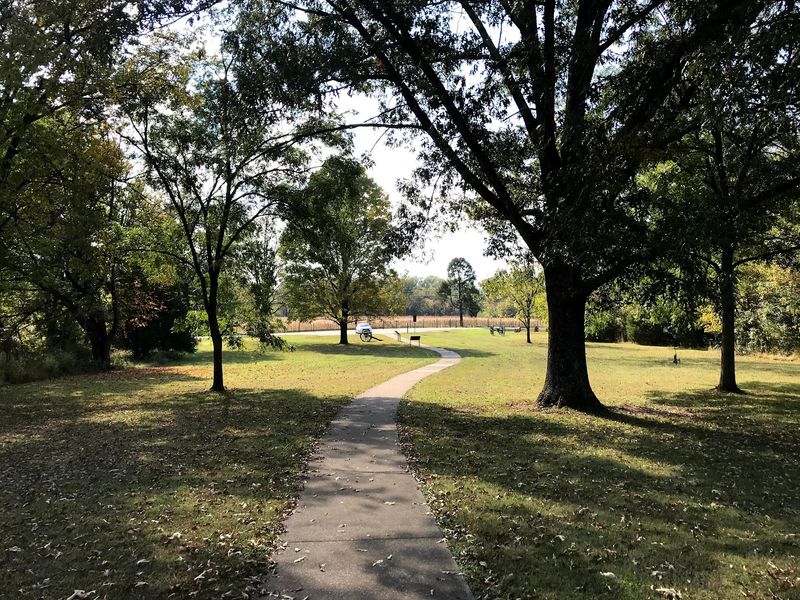
Anyone who likes stretching their legs will feel right at home on the more than seven miles of trails winding through the park. The paths are clearly marked, so you never feel lost even when you drift off into quieter corners.
Paved routes make the place friendly for bikes as well as feet, and the wide-open layout means you can walk a long way without ever feeling crowded. That sense of room to breathe is one of the things people bring up again and again.
The trails double as a peaceful escape, not just a history lesson. Many locals treat it as a regular spot for long, unhurried walks where the past and the present sit side by side.
You control how much you take on. Some folks knock out a short loop near the visitor center, while others spend the better part of a day covering the full network of paths.
One small heads-up worth remembering: ticks can be plentiful in warmer months, so it is smart to dress accordingly if you plan to wander into the grassier stretches.
Inside the Visitor Center and Museum
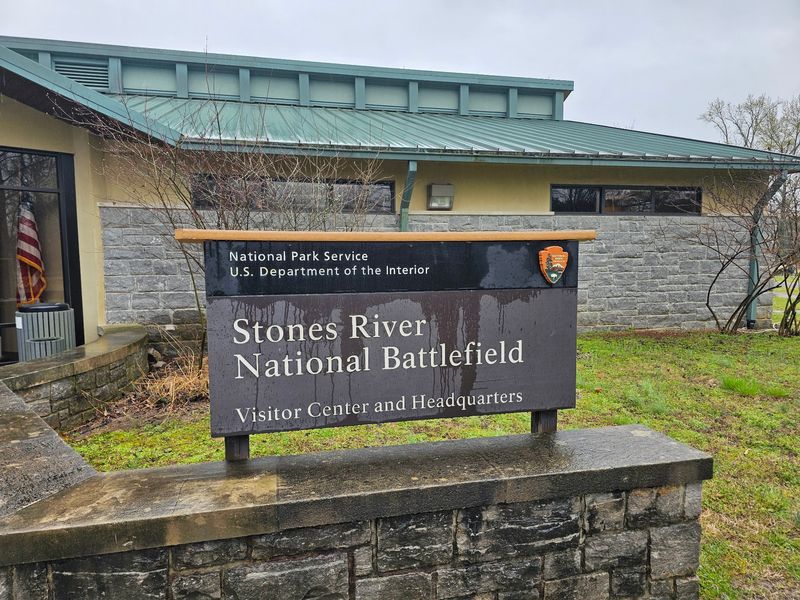
Set near the main parking area, the visitor center pulls a lot of weight for a stop that costs nothing to enter. It holds a museum packed with artifacts and a film that walks you through the battle from start to finish.
The building itself comes across as clean, modern, and well cared for, which sets a strong first impression. A gift shop rounds things out for anyone who wants a keepsake or a book to read later.
Staff here earn steady praise for being friendly and genuinely knowledgeable. People mention rangers and volunteers who take time to answer questions, point out the highlights, and make the history click.
The movie about the battle gets singled out as a smart place to begin, since it frames everything you are about to see outside. Starting indoors and then heading to the fields tends to make the whole tour land better.
Collectors will be glad to know the site carries National Park Service stamps, a nice bonus for anyone working through their NPS passport book.
Standing at the Slaughter Pen
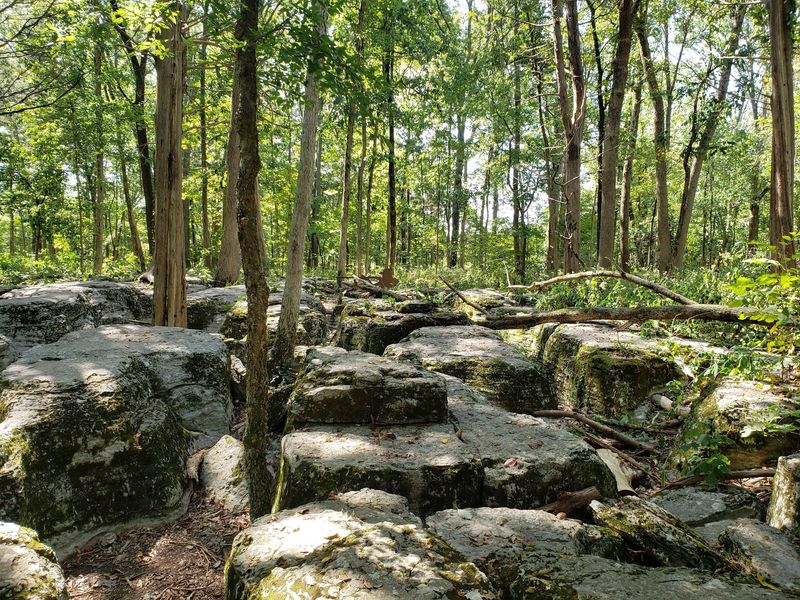
Of all the stops on the grounds, the area known as the Slaughter Pen leaves the deepest mark on people. The name alone tells you the story was not gentle, and the terrain there helps explain why.
Oddly shaped stone walls sit tucked within a stretch of forest, and those rocky formations played a real role in how the fighting played out. Seeing the land firsthand makes it obvious how the landscape shaped the battle’s brutal turns.
Folks who tour this section often describe it as unbelievable once they connect the ground under their feet to the events that happened there. It is the kind of place that turns a casual walk into something reflective.
The way the trees, rocks, and open pockets fit together gives you a real sense of the tactical advantages and dangers soldiers faced. You do not need a military background to grasp it.
Many say this single stop is the one they think about long after leaving, and it earns its spot as a highlight you should not skip while you are here.
The Self-Guided Audio and Driving Tour
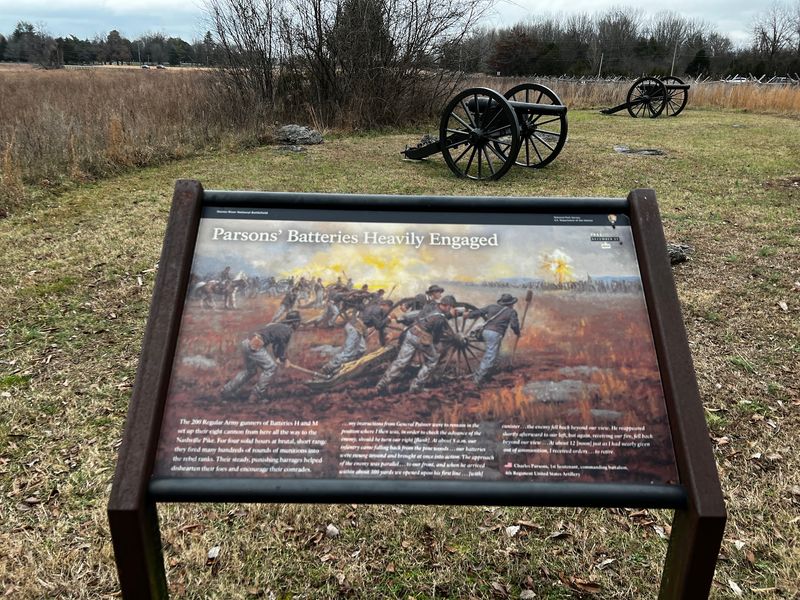
Not every historic site makes it this easy to learn as you go, but here the tour system does a lot of the heavy lifting. Five designated parking-and-touring stops are spread across the park, each one marked with a number.
At each stop you can dial a phone number and listen to a narrative that explains exactly what happened on that patch of ground. It is a simple setup that turns a quiet field into a story you can follow at your own speed.
The auto tour suits people who would rather drive between highlights, while walkers and cyclists can follow the same numbered stops on foot. Either way, the route is clear and easy to navigate.
Downloading the National Park Service app before you arrive tends to smooth out the whole experience, giving you maps and background right on your phone. A little prep goes a long way here.
There is even audio of period writings at certain points, letting you hear the words of people connected to the era rather than just facts and dates.
Cannon Demos and Living History Weekends
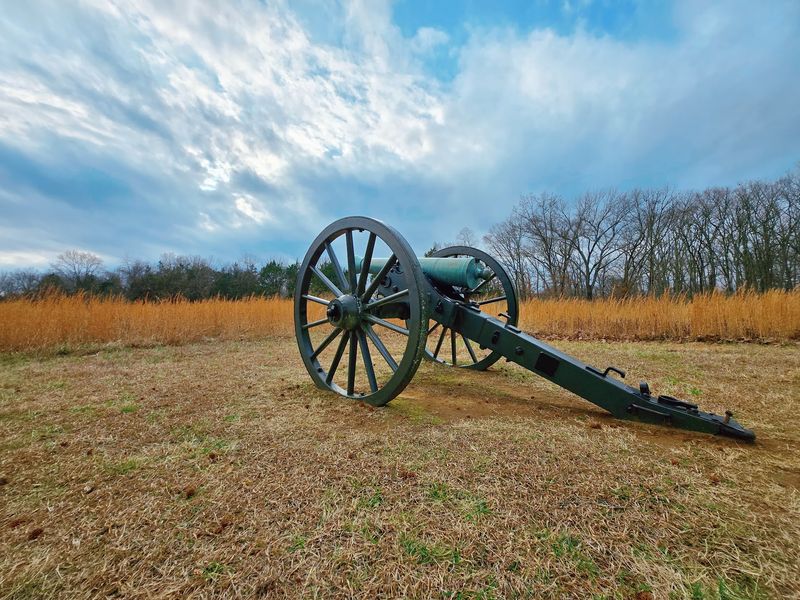
Timing your trip around a special event can turn a good visit into a memorable one. The park hosts living history programs, and the anniversary of the battle brings out full reenactments each year.
Cannon firing demonstrations are a crowd favorite, loud enough to catch everyone off guard even when they know it is coming. Musket firings add to the sense of what the era actually sounded like.
During big weekends, participants dress as period soldiers and the whole site takes on an immersive, hands-on feel. People describe these events as educational and well organized, the kind of thing that sticks with kids and adults alike.
Beyond the reenactments, there are demonstrations that break down how the cannons worked, which appeals to the curious mechanical minds in any family. Learning the how alongside the history rounds out the day nicely.
If you can line up your calendar with one of these programs, do it, because the fields come alive in a way that ordinary days simply cannot match.
A Family Trip With Junior Ranger Badges
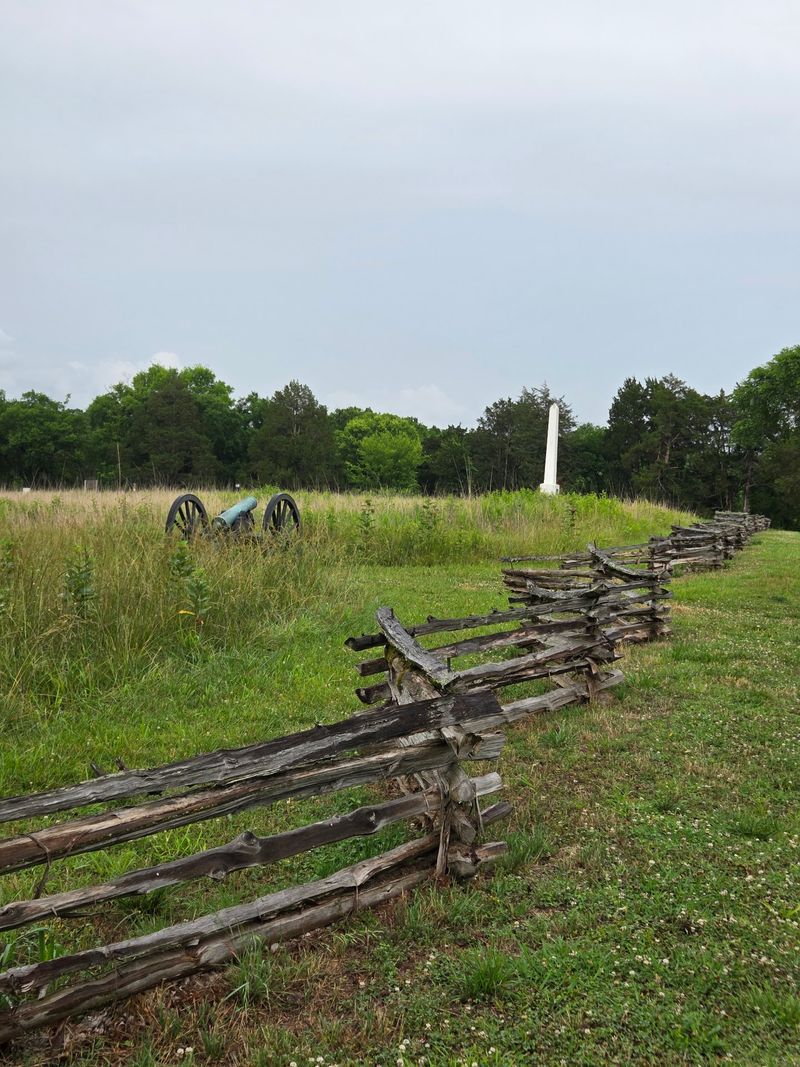
Traveling with kids? This is one of those rare historic sites that keeps younger visitors genuinely engaged instead of restless.
The Junior Ranger program hands children a booklet full of missions to complete as they explore.
Once they finish, kids earn a pin and can even be sworn in, a small ceremony that makes them feel like part of the story. Families with a wide range of ages, from little ones to teens, report having fun with the activities together.
The volunteers who run the program come across as kind and patient, taking real time with each child. That warmth is a big part of why the site works so well for multi-generational trips.
Working through the booklets naturally sparks conversation about the war, the struggles soldiers faced, and how everyone involved longed for home. It gives parents an easy way to talk through heavy history at a kid-friendly pace.
Clean restrooms and a welcoming gift shop make the practical side of a family day painless, which counts for a lot when you are herding kids.
Hours, Free Entry, and Getting There
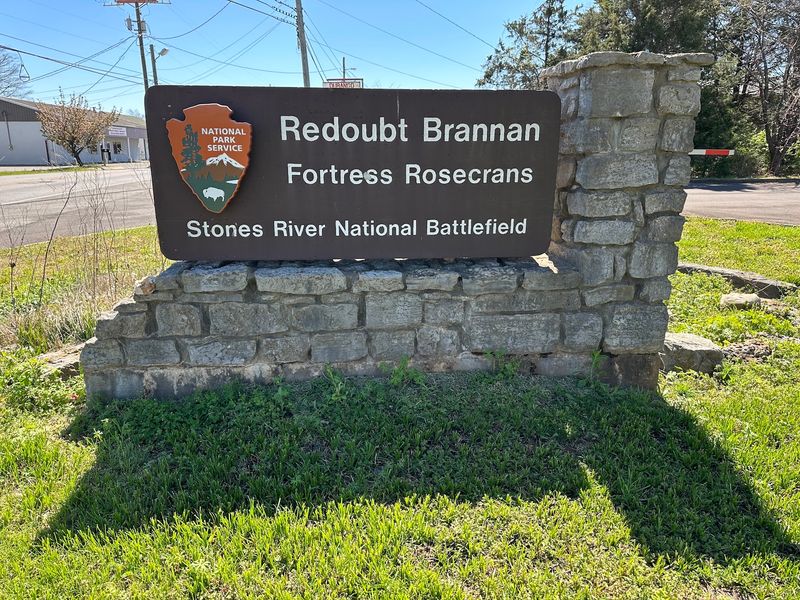
Best news first: there is no cost to get in, which makes this an easy yes for a budget-friendly weekend near Nashville. Free entry plus 570 acres of history is hard to beat.
The park keeps steady hours, opening at 8 AM Monday through Friday and 9 AM on Saturday and Sunday, with a 5 PM close each day. That gives you a solid window to explore at whatever pace suits you.
You will find the entrance at 3501 Old Nashville Highway in Murfreesboro, with ample parking at the visitor center. Most people find the lot adequate, though one honest note is worth passing along.
Accessible parking spaces can fill up, and a visitor with a disability found the limited close-in spots frustrating during a busy stretch. If mobility is a concern, arriving early on a quieter morning may help.
Rated 4.8 stars across thousands of accounts, the battlefield earns its strong reputation, and it holds up as a place worth defending on any Tennessee history list. Give it a few hours and it will likely earn a return trip.
Share this story