Just off the main roads in Murfreesboro sits a whole village that time seems to have skipped right past. Cannonsburgh Village lets you walk through a recreated 1830s-to-1930s Tennessee frontier town, complete with a gristmill, a one-room schoolhouse, a general store, and even the world’s largest cedar bucket.
What makes it feel like a local secret is that it costs nothing to wander in, and you set your own pace as you drift from cabin to cabin. Families have been bringing their kids here for years, and plenty of those kids grow up and bring their own.
If you want an afternoon that teaches a little history without draining your wallet, this quiet corner of Rutherford County has been waiting for you the whole time.
Where to Find This Slice of Old Tennessee
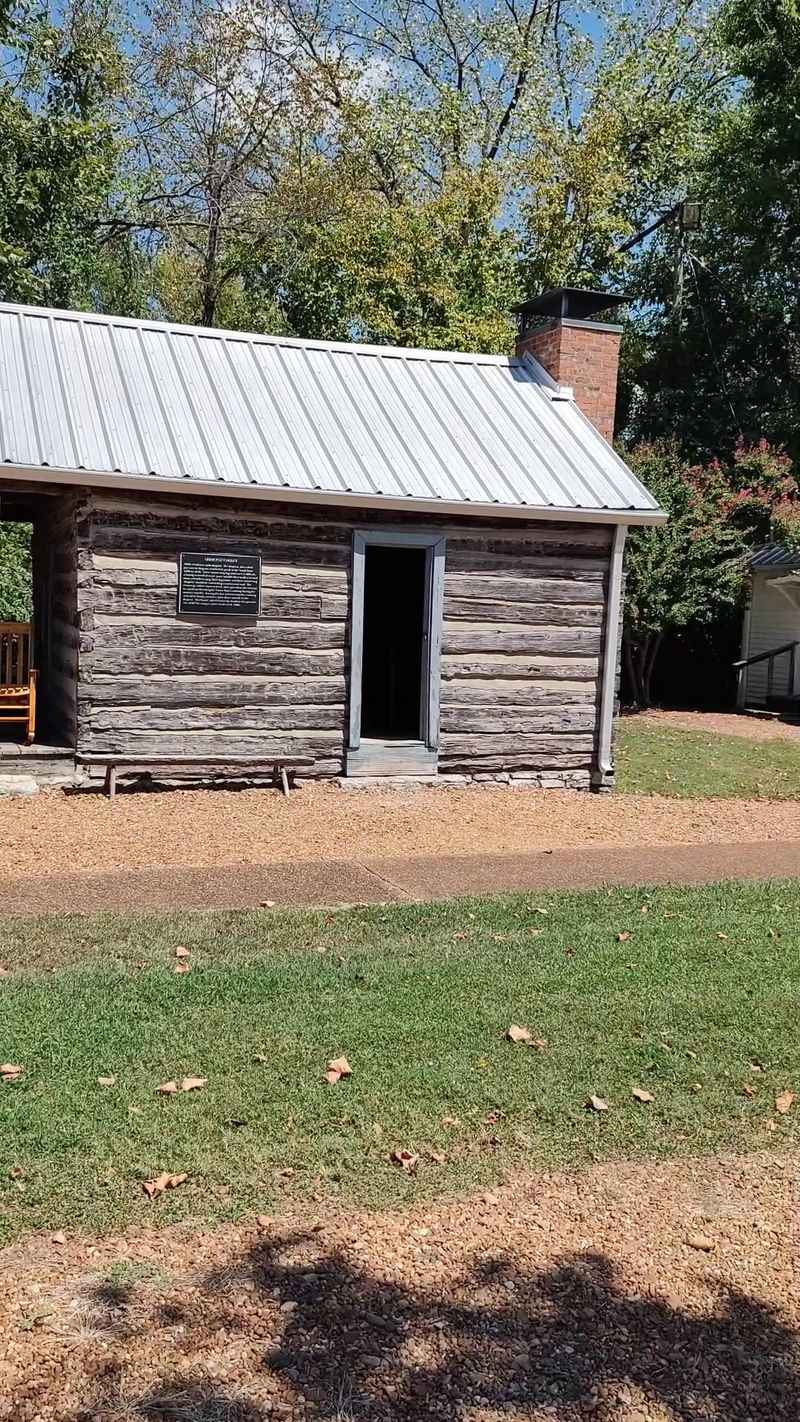
Right in the heart of Murfreesboro, at 312 S Front St, Murfreesboro, TN 37129, this open-air museum spreads across a shady stretch of grounds only minutes from downtown. Travelers passing through have found it just a short hop from their hotels, which makes it an easy stop when you have a morning to fill.
The setting works in its favor. Instead of one big building, you get a cluster of period structures scattered across neatly kept lawns, so exploring feels more like a stroll through a small town than a march through hallways.
Murfreesboro itself sits near the geographic center of Tennessee, putting the village within a comfortable weekend drive for folks coming from Nashville, Chattanooga, and beyond. Parking is simple, the layout is flat and easy to follow, and the whole place is designed for wandering at your own speed.
What surprises many first-timers is how much is packed into the grounds. You come expecting a couple of cabins and leave having spent a couple of hours tracing how rural southerners lived a century and more ago.
A Village Born From a Centennial Celebration
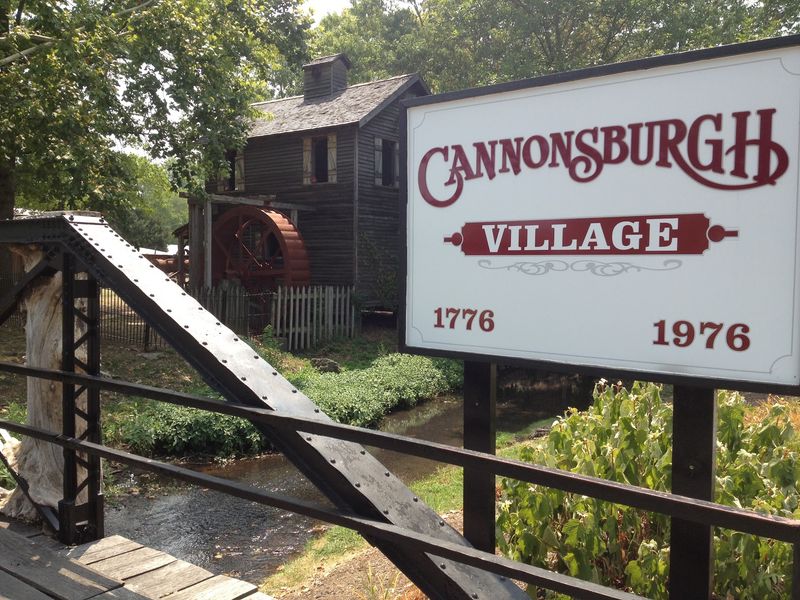
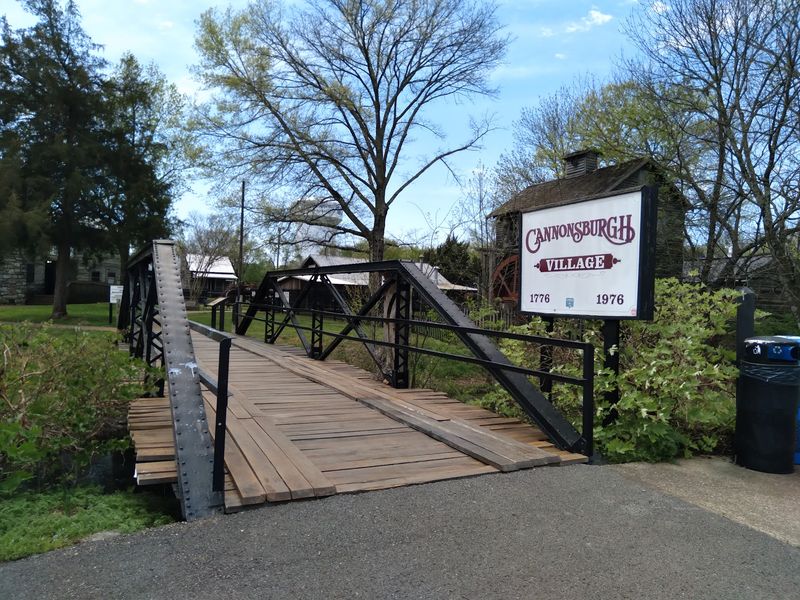
Behind the peaceful cabins is a story tied to a national milestone. The village grew out of an American Revolution Bicentennial project, and by many accounts it stands as the last village still standing from that celebration.
That origin gives the place a quiet significance beyond its charm. What started as a temporary tribute to the country’s founding era became a permanent collection of relocated and reproduced buildings, preserved for anyone curious about frontier life.
The name itself is a nod to local heritage. Murfreesboro was once called Cannonsburgh, and the village borrows that early identity, reaching back to the town’s own beginnings.
Many of the structures were gathered from around the region rather than simply built on site, and the fellow who checks you in near the entrance is happy to explain where each one came from. That backstory turns a simple walk into something closer to a history lesson, and it explains why so many families treat a visit as both a fun outing and a genuine peek into Tennessee’s past.
The Cedar Bucket Everyone Comes to See
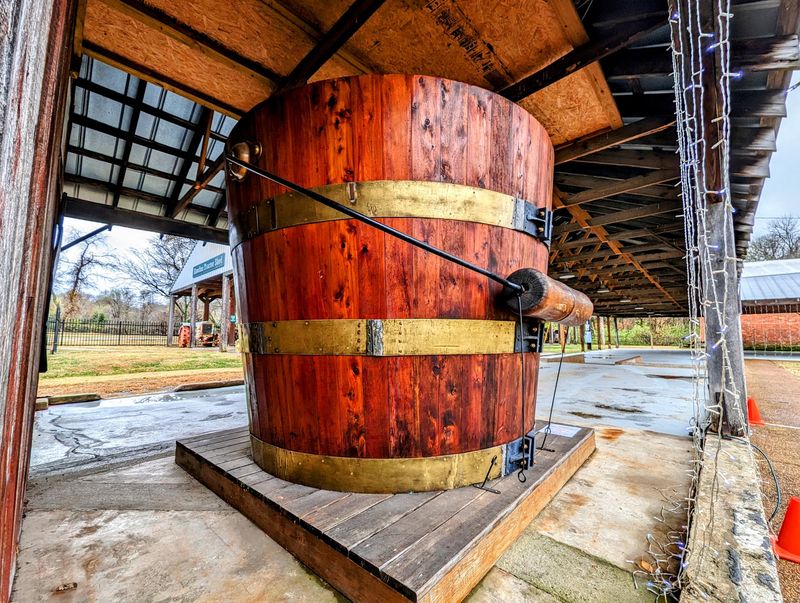
Some people drive in for one reason alone: the world’s largest cedar bucket. It sounds like a novelty, and it is, but seeing it in person tends to leave folks genuinely impressed.
Numbers help explain the appeal. The oversized cedar bucket holds more than 1,500 gallons, an unusual sight that photographs well and sparks a lot of double-takes.
What tends to happen is that guests arrive for the bucket and stay for everything else. Plenty admit they came expecting a quick photo stop and ended up touring the entire grounds because there was so much more to discover.
The bucket has become a kind of unofficial mascot for the village, the thing locals mention first when they tell out-of-towners where to go. It fits the spirit of the place perfectly, blending small-town pride with a dash of the wonderfully odd.
Don’t rush past it. Give it a moment, snap the obligatory picture, then let it pull you deeper into the rest of the village where the real storytelling begins.
Inside the Chapel That Still Hosts Weddings
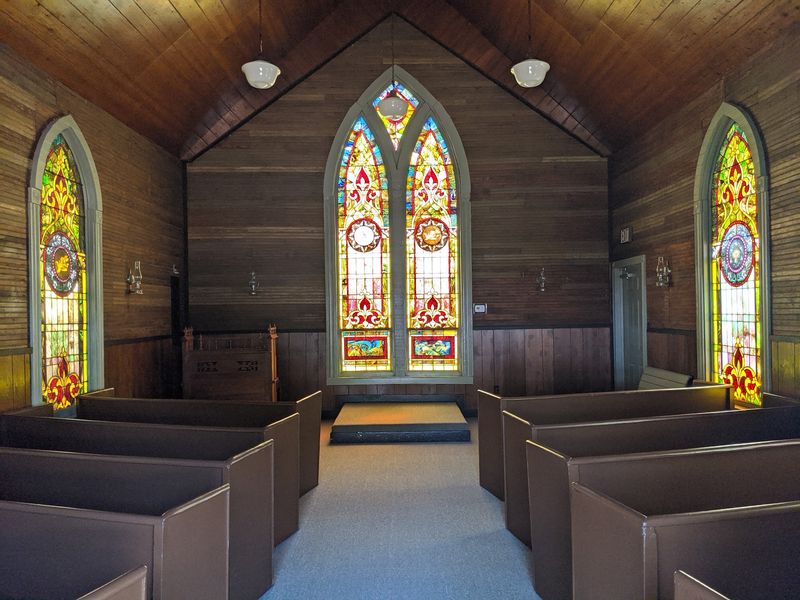
Of all the buildings scattered across the grounds, the little church tends to win people over the fastest. Guests routinely name it their favorite stop, and it is easy to see why once you step inside.
The chapel comes complete with stained glass, vintage pews, and a small organ tucked near the front. It carries the kind of intimate charm that suits a quiet moment or a special occasion.
Here is the part that surprises visitors: the chapel is not just for show. Wedding ceremonies still take place inside, and couples have exchanged vows beneath its stained glass windows.
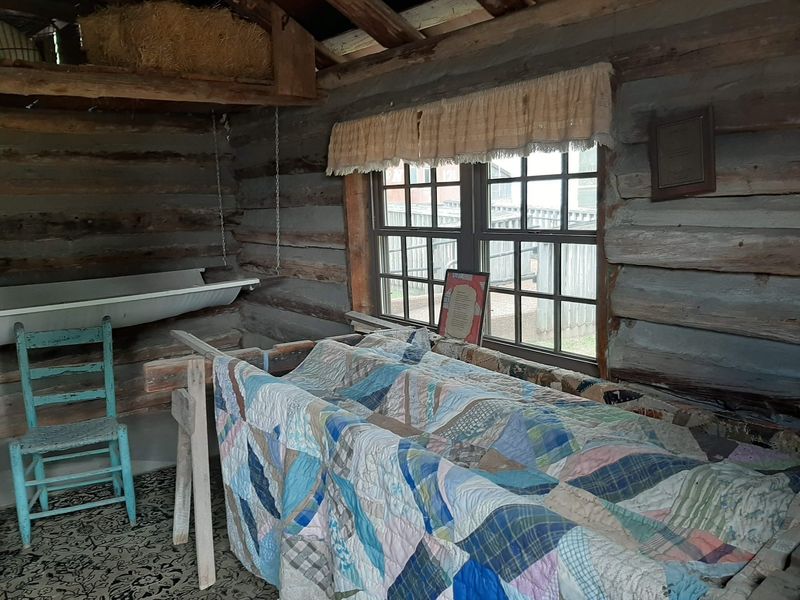
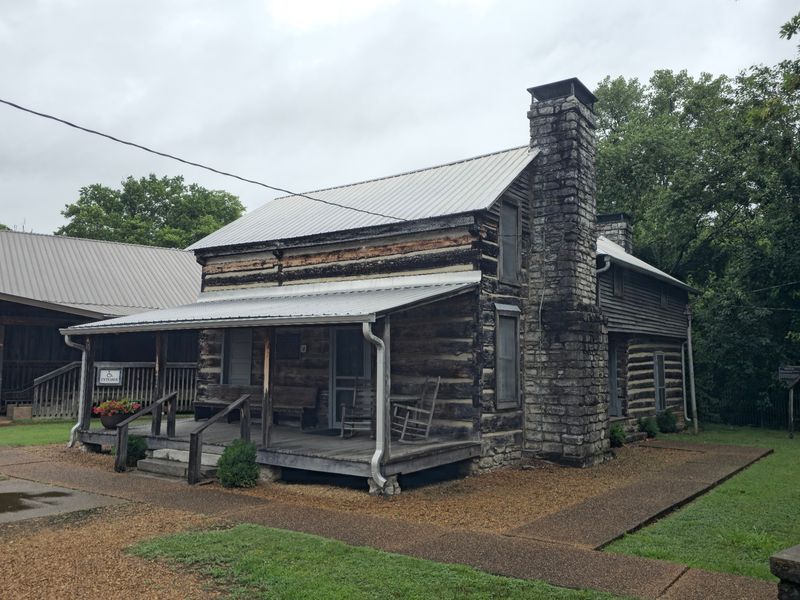
Families who have married daughters here describe using one of the period houses as a changing space, decorated right down to weathered rocking chairs and doilies, with an event hall nearby for the reception. The setting lends itself to small, personal gatherings rather than sprawling celebrations.
Even if you’re only passing through, the church rewards a slow look. It is one of those spots that quietly explains why so many people call the whole village a treasure worth defending.
Buildings That Bring Frontier Life Into Focus
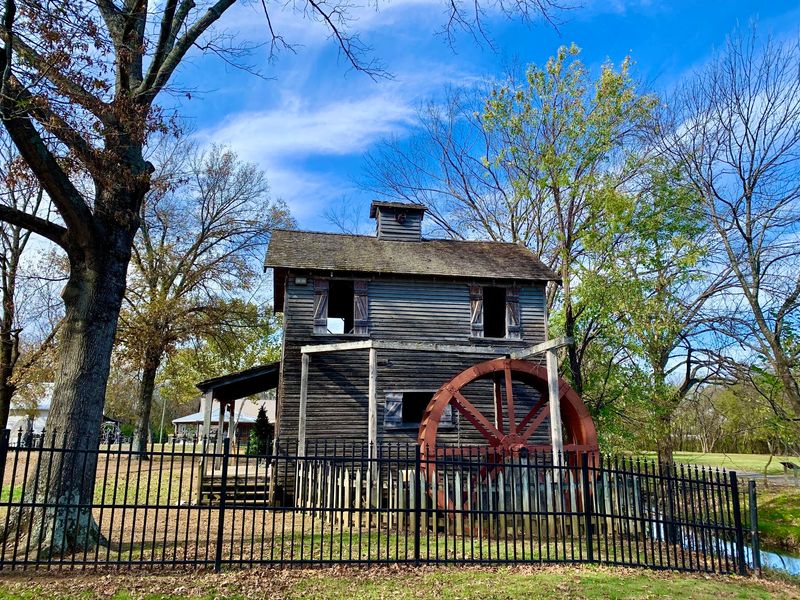
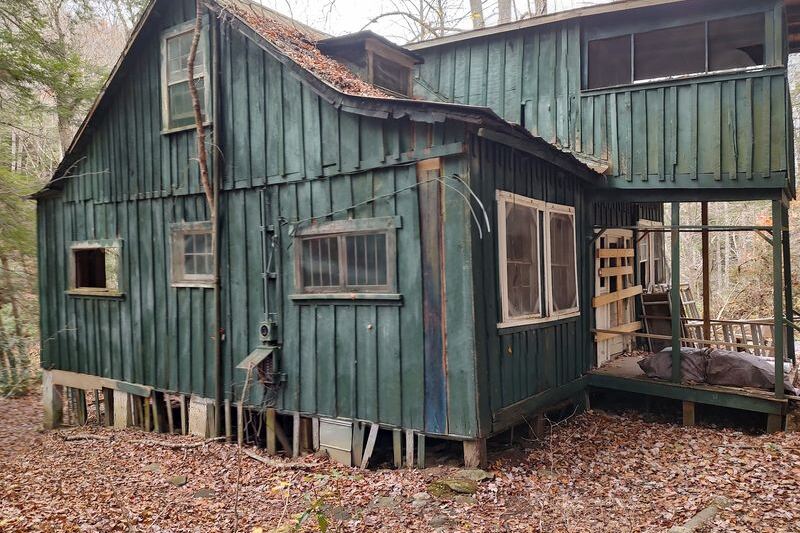
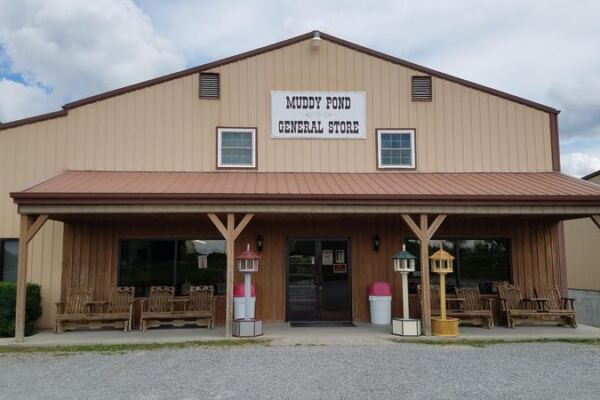
Wander past the church and you find a whole working town laid out in miniature. There’s a one-room schoolhouse, a courthouse, a general store, a granary, and a blacksmith shop, each standing in for a piece of everyday village life.
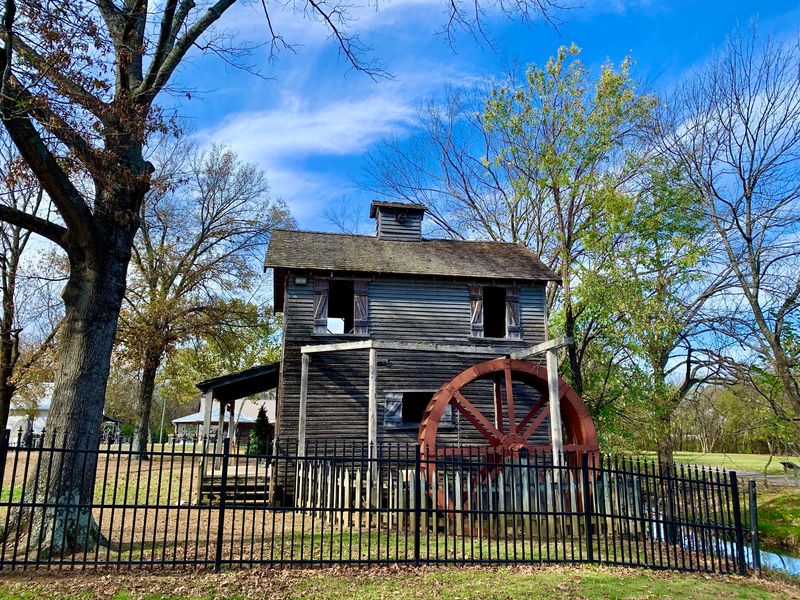
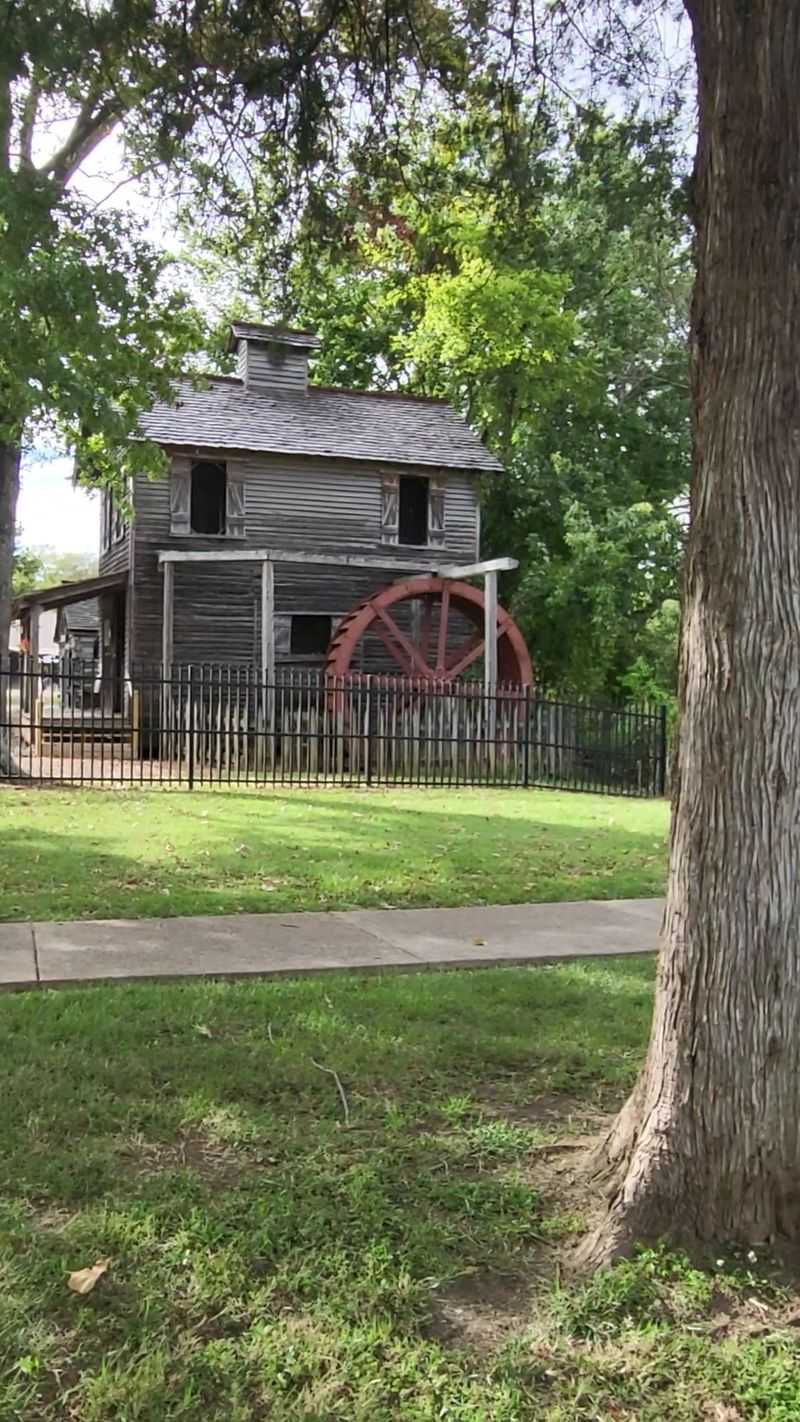
The gristmill is a highlight, offering a look at how communities once ground their grain. Every structure is filled with period-correct artifacts, so you’re not staring at empty rooms but at spaces arranged the way they might have looked generations ago.
One cabin holds a detail that fascinates nearly everyone who spots it: an old telephone switchboard, complete with a bed so the operator could sleep on the job and connect calls through the night. It is a small window into how people once stayed in touch.
The houses themselves are packed with information about living in harder times, from cooking to chores to how families made do. Kids in particular soak it up, learning firsthand how things used to be done.
Taken together, the buildings turn abstract history into something you can walk right up to and understand.
Old Tractors, Vintage Cars, and Gas Pumps
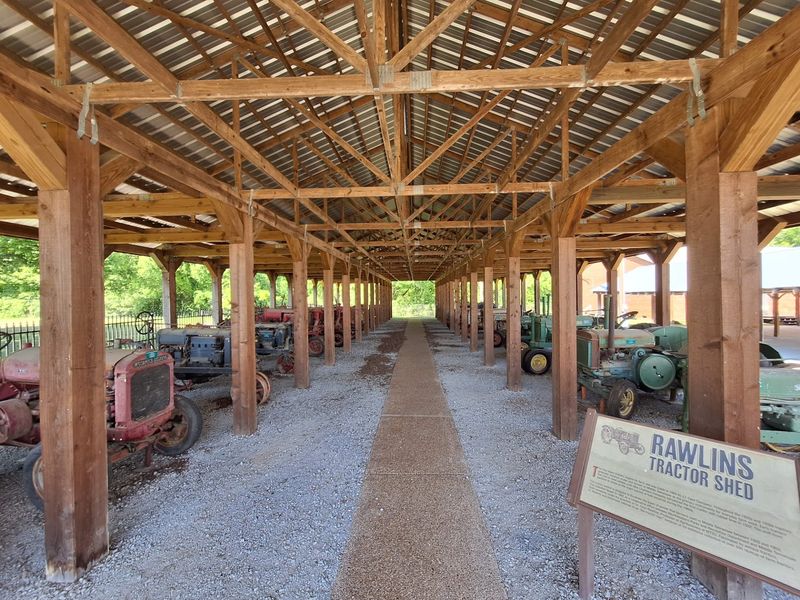
Not everything here dates to the frontier days, and that’s part of the fun. Tucked among the cabins you’ll find a collection of old tractors that draws its own steady crowd of admirers.
Machinery lovers get an extra treat at the garage, where vintage automobiles sit beside antique gas pumps. It’s a nostalgic corner that captures the shift from horse-drawn days toward the age of the automobile.
Families with different interests tend to split up here without complaint. History buffs linger in the cabins while the tractor-and-car crowd heads straight for the machines, and everyone reconvenes happy.
The tractors also tie into the village’s seasonal events, appearing as part of the scenery during festivals and celebrations throughout the year. Returning guests mention enjoying the collection again and again, treating it like an old friend they check on with each visit.
It rounds out the experience nicely. Where the cabins tell you how people lived, the tractors and cars show you how quickly that rural world began to change once engines rolled in.
A Blacksmith Forge You Can Actually Learn From
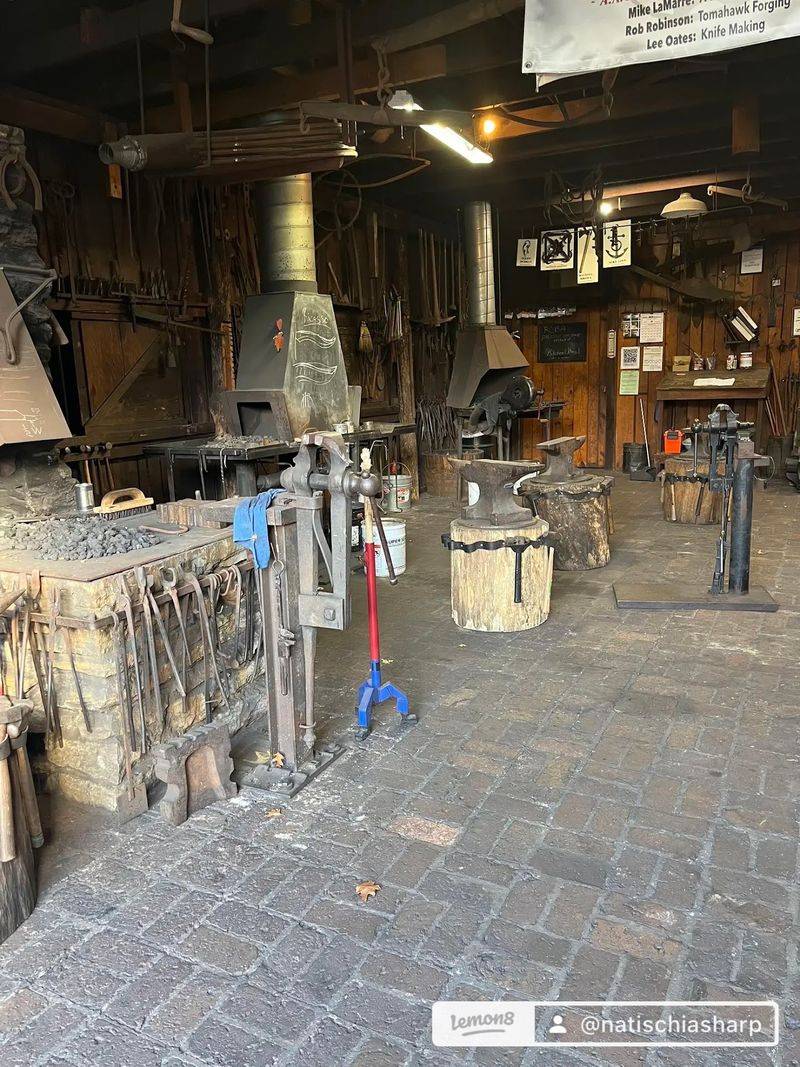
Sparks fly at Cannonsburgh in the most literal sense. The village runs an operating blacksmithing forge, and it is more than just a static display for passersby to glance at.
What sets it apart is the hands-on angle. The forge offers memberships and classes, giving locals a chance to learn the old craft of shaping metal by hammer and heat rather than just reading about it on a plaque.
That said, the blacksmith isn’t always on site, so a demonstration depends on the day you drop by. It’s worth checking ahead if watching someone work the forge is high on your list.
The presence of a living, working trade gives the whole place an authentic pulse. Instead of feeling like a frozen snapshot, the village keeps a genuine skill alive and passes it along to anyone willing to learn.
For hobbyists and history fans alike, the forge is one of those under-the-radar features that turns a simple stroll into a real learning experience, the kind you find yourself telling friends about later.
Programs and Festivals Worth Timing Your Trip Around
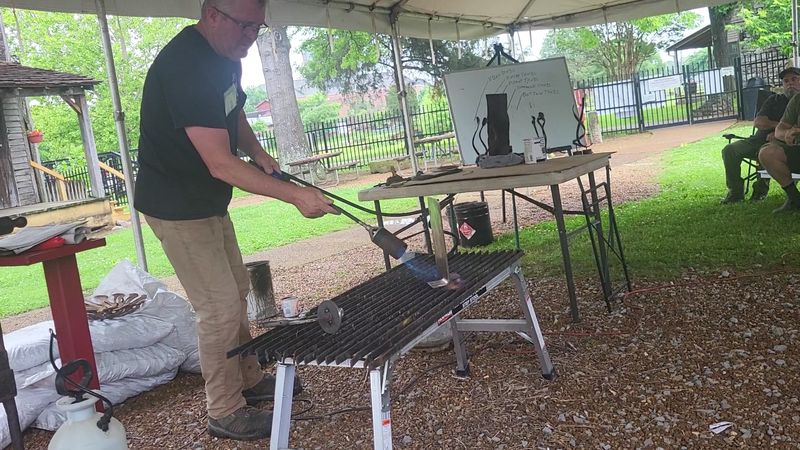
There’s often more happening here than the everyday tour lets on. The village hosts a rotating calendar of events, and checking their Facebook page before you go can turn an ordinary visit into something special.
Seasonal celebrations lead the way. A walkthrough Christmas village lights up the grounds in winter, and a Harvest Day in the fall brings family-friendly fun to the lawns.
Younger visitors are especially well cared for. The village runs toddler and kids programs, and families speak warmly of the kind, patient women who staff the children’s activities, along with an art museum and homeschool classes on various subjects.
These extras give locals a reason to return again and again rather than treating the place as a one-and-done stop. A family might come for the Christmas celebration one year and a hands-on class the next.
If your schedule is flexible, lining up your trip with an event pays off. The buildings alone are worth the drive, but catching a festival adds a layer of community warmth that turns a good afternoon into a memorable one.
The Gift Shop Full of Local Handiwork
Before you leave, the small gift shop near the entrance is worth a browse. It stocks handcrafted items made by local makers, so you’re supporting the community rather than picking up mass-produced souvenirs.
The shop doubles as a welcome desk of sorts. The friendly gentleman working there has a reputation for being genuinely informative, dishing out history and helpful pointers to anyone who stops in.
Guests often mention how much these conversations add to the day. A quick check-in can turn into a mini history lesson about where the buildings came from and what to look for as you explore.
Because the merchandise leans toward handmade and locally sourced goods, it feels like an extension of the village’s character rather than a tacked-on tourist trap. You might walk out with a small keepsake and a few new facts you didn’t have going in.
It’s the kind of low-key detail that quietly rounds out a visit, sending you off with a smile and maybe something handmade tucked under your arm.
The Easygoing, Self-Guided Feel of the Place
One thing that keeps people coming back is how relaxed the whole experience is. Tours are self-guided, so you set your own pace and linger wherever your curiosity leads.
The layout is simple and easy to follow, with plenty of spots to rest along the way and restrooms available across the grounds. Nobody rushes you from one building to the next.
Guests consistently describe the grounds as clean and beautifully kept, with meticulously manicured grass framing the buildings. A few note that some indoor displays could use a bit of dusting, though it doesn’t take away from the charm.
Winter brings an unexpected bonus. Because it’s quieter in the colder months, some travelers have found themselves practically alone, exploring the entire village at leisure with the grounds nearly to themselves.
It suits just about everyone: parents with kids, grandparents sharing memories, history lovers, and even out-of-country travelers getting their first look at rural southern life. The unhurried, wander-as-you-please rhythm is exactly what makes an afternoon here feel restful instead of rushed.
Hours, Cost, and Getting There
Planning a trip is refreshingly simple, starting with the price: admission is free, funded by voluntary donation. Many folks say it would be well worth a small fee, so a few dollars in the donation box is a fair way to say thanks.
Hours run Tuesday through Friday from 9 AM to 6 PM, Saturday from 9 AM to 4 PM, and Sunday from 1 PM to 4 PM. The village is closed on Mondays, so plan around that.
Give yourself a couple of hours to see it all properly. That’s about how long most people spend touring each structure without feeling rushed, and it’s enough time to catch the details tucked inside the cabins.
Getting there is easy since it sits right in Murfreesboro at 312 S Front St, only minutes from downtown and area hotels. That central Tennessee location keeps it within a comfortable weekend drive for much of the region.
One insider tip: during the holiday season, coming after four in the afternoon means you may catch the grounds lit up for Christmas, a lovely bonus if your timing lines up.
Why This Village Earns Its Local Following
By the time you’ve circled the grounds, it’s clear why this spot holds such a warm place in the community’s heart. It manages to be educational, budget-friendly, and genuinely fun all at once, a rare combination for a family outing.
The staff deserve much of the credit. From the welcoming folks at the front office to the patient women running the kids programs, the kindness here turns a nice visit into a memorable one.
What lingers is the feeling of having stepped back in time without leaving town. The cabins, the chapel, the giant bucket, the forge, and the tractors add up to a portrait of southern rural life that sticks with you.
Locals treat it as a place to bring guests and family across generations, the kind of near-home escape that rewards a little pride of discovery. Out-of-towners walk away calling it a must-see in Murfreesboro.
Free, unhurried, and quietly rich with history, Cannonsburgh Village is the sort of find that makes you glad you took the exit. Save it for a weekend, bring the kids, and let the old town do the rest.
Share this story