Most parks get headlines for their scenery. This park earned one for what it did with a problem nobody wanted to touch.
When thousands of illegally dumped tires showed up inside park boundaries, the team did not haul them away and call it done. They turned 24,000 tires into a mountain bike trail that went on to win national recognition.
That backstory alone is worth the drive. But the park has a lot more going on than a clever recycling project.
From ancient Native American mounds to forested hiking paths, a campground, and a pool, this west Memphis green space packs a surprising amount into one address.
The Tire Trail That Made Headlines
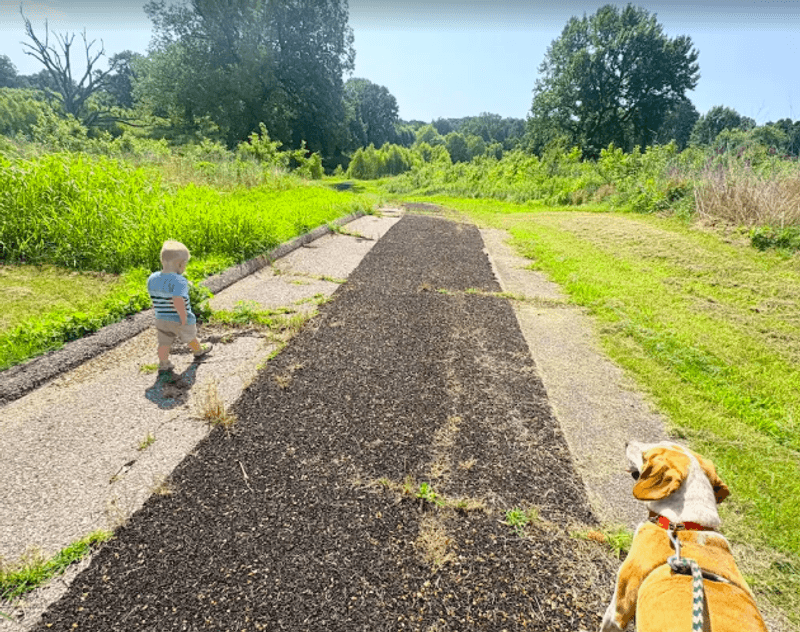
Before the mountain bike trail existed, the park had a different kind of problem. Thousands of tires had been illegally dumped inside the park boundaries over the years, creating an eyesore and a hazard that the staff had to deal with.
Rather than simply removing the tires, park officials partnered with local organizations and cycling advocates to repurpose them. The rubber material was used to build a purpose-built mountain bike trail that runs through the park’s forested terrain.
That trail went on to earn national recognition from the International Mountain Bicycling Association, putting T.O. Fuller on the map in a way that few Tennessee parks have managed.
The project is now held up as a model for creative environmental problem-solving in urban parks.
It also brought a new community of users to the park who may never have visited otherwise, broadening the park’s reach across Memphis.
A History Worth Knowing Before You Arrive
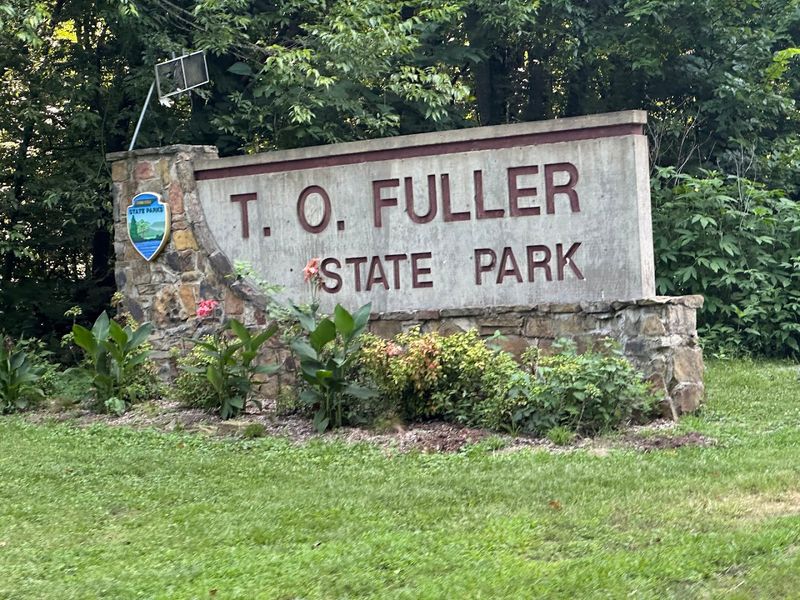
The park carries a history that goes beyond its trails and campground. When it opened in 1942, T.O.
Fuller State Park was designated specifically for African American use under Tennessee’s segregation laws, a painful reality of the time that shaped who had access to public green spaces in the American South.
That history makes the park’s survival and growth into a fully integrated public space something worth reflecting on. The name honors Thomas Oscar Fuller, a man who spent his life pushing for education and civic dignity in Memphis during an era when both were hard-won.
Understanding that background adds a layer of meaning to a simple afternoon hike. The park is not just a recreational space.
It is a physical record of social history that has been transformed into something open and welcoming to everyone.
Few state parks in the country carry that kind of weight within their borders.
The Chucalissa Archaeological Site Inside the Park
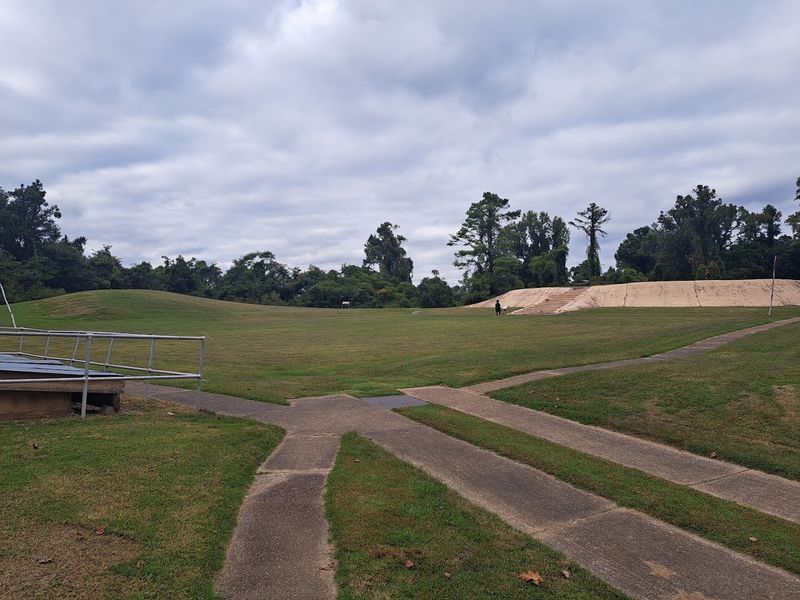
One of the most unexpected things about this park is that it contains an active archaeological site. The Chucalissa Archaeological Site, located within the park grounds, is home to a series of Native American mounds built by the Mississippian culture roughly 1,000 years ago.
The site is managed by the University of Memphis and includes the C.H. Nash Museum, which offers exhibits about the people who built and lived at Chucalissa.
Replica structures and outdoor displays give context to what the village may have looked like at its peak.
Access to the Chucalissa site is free for park campers, which makes it an excellent bonus for anyone spending a night or two at T.O. Fuller.
The Discovery Trail connects the main campground area to the mounds, turning a walk through the woods into a genuine step back through centuries of regional history.
It is a detail that sets this park apart from most others in Tennessee.
Hiking Trails That Cover Real Ground
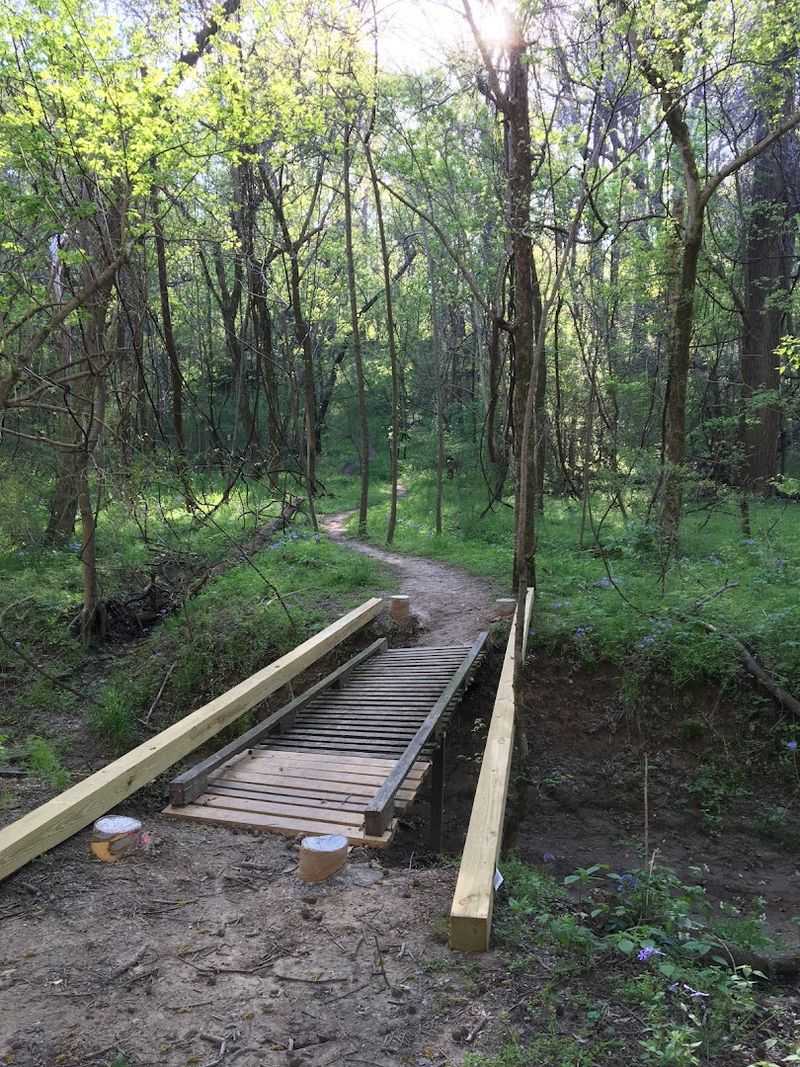
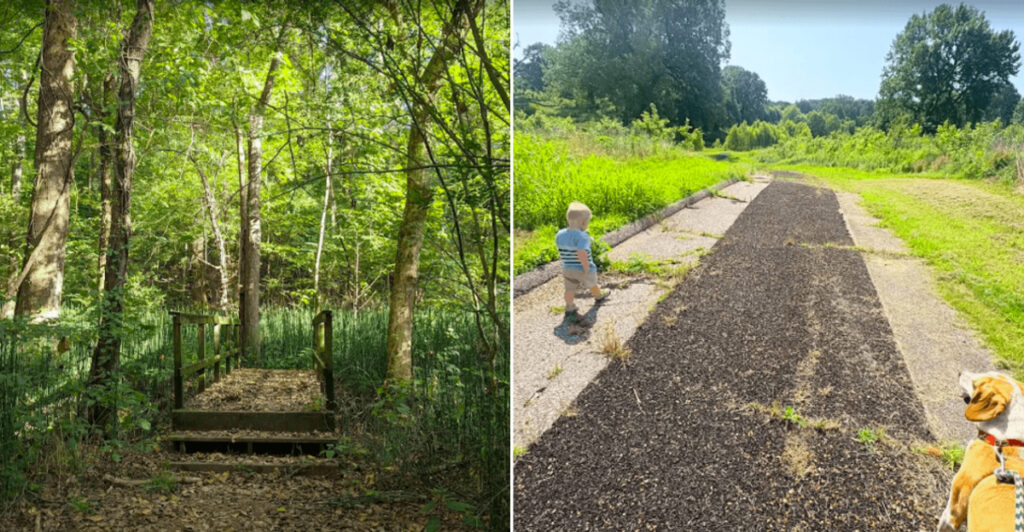
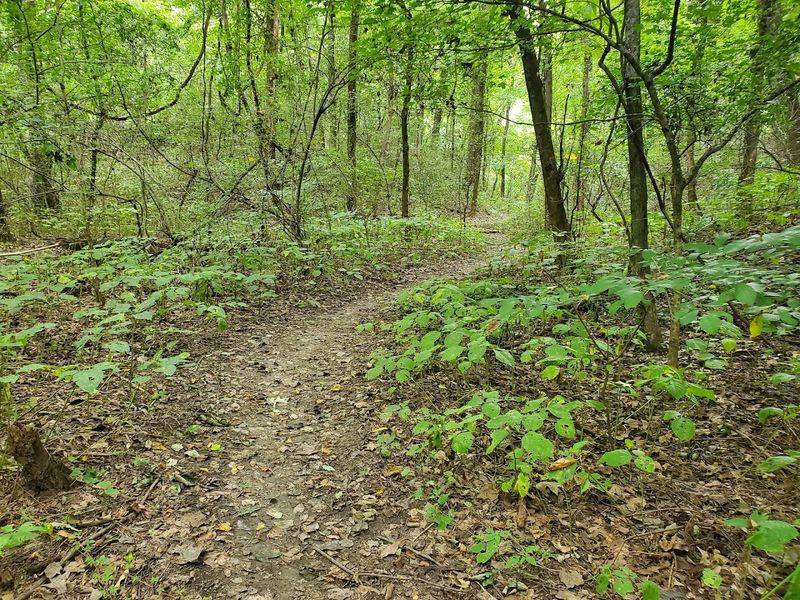
The park offers more than six miles of trails, which is a solid amount for an urban state park. The routes wind through densely wooded terrain, passing through areas that feel genuinely removed from the surrounding city despite being minutes from downtown Memphis.
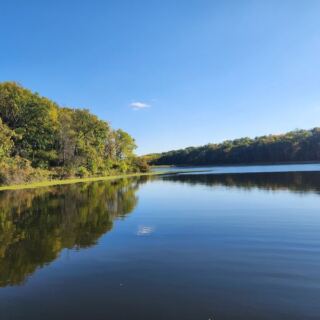
The Pond Loop Trail is one of the shorter and more accessible options, making it a good choice for families or anyone who wants a straightforward walk without committing to a longer route. The Discovery Trail is the standout for hikers who want to cover more ground and connect with the Chucalissa site.
Trail conditions can vary by season, with some sections becoming overgrown in warmer months. Wearing long pants and bringing insect repellent is a practical move, especially from spring through early fall.
The trails are not heavily trafficked, which means a quiet walk through the woods is usually easy to find on most days of the week.
Mountain Biking Scene That Keeps Growing
The mountain bike trail built from recycled tires did more than solve a waste problem. It helped establish T.O.
Fuller as a legitimate destination for the regional cycling community. The trail system has continued to develop since its initial construction, with improvements that make it suitable for riders at different skill levels.
The International Mountain Bicycling Association designation that the trail earned carries real weight in the cycling world. It signals that the trail meets professional standards for design, sustainability, and rider experience, which is not something every urban park can claim.
Memphis has been growing its cycling infrastructure steadily over the years, and T.O. Fuller fits into that broader shift.
Riders who come for the trail often discover the rest of the park in the process, whether that means checking out the mounds, grabbing a campsite, or simply exploring the wooded sections on foot afterward.
The trail brought new energy to a park that needed exactly that.
Camping Options From Basic to Plugged In
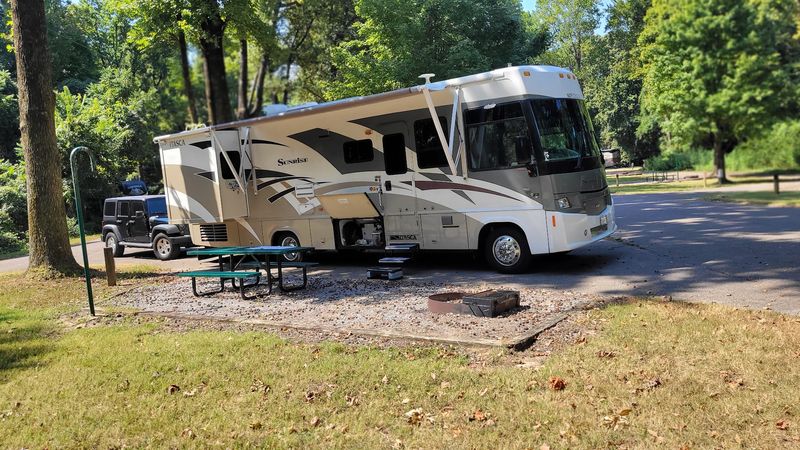
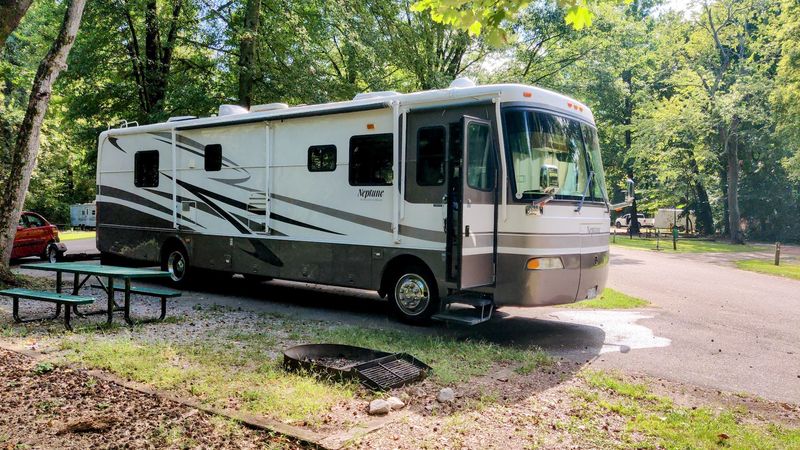
The campground at T.O. Fuller offers a range of options that work for tent campers and RV travelers alike.
Sites come with water and electric hookups, and the campground includes pull-through spots that accommodate larger rigs without too much maneuvering.
A dump station is located near the entrance, which is a practical convenience for RV users. Firewood is available at the visitor center, and the on-site camp host keeps things running smoothly, often sharing local knowledge about the park and the surrounding area.
The renovated bathhouse has been a consistent talking point among those who have stayed. Hot showers with good pressure and a clean, spacious facility make a real difference on a multi-night trip.
Laundry and ice are also available on site.
For travelers passing through Memphis heading west, the campground functions as a solid one-night stop that happens to have a lot more going on than a typical highway rest area.
The Pool and Picnic Facilities
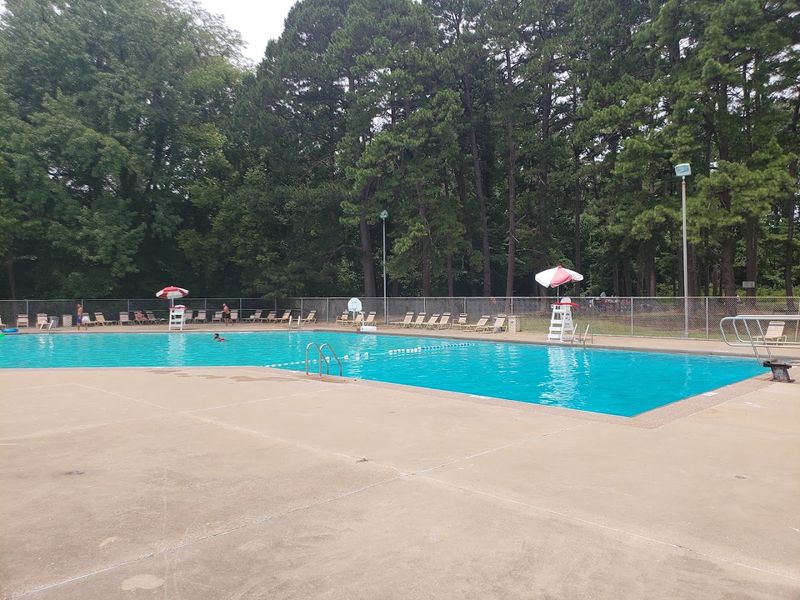
A swimming pool on the grounds makes T.O. Fuller a practical warm-weather destination for families who want more than just a walk in the woods.
The pool operates seasonally and gives the park a recreational anchor that many similar-sized state parks simply do not have.
Picnic areas are spread throughout the grounds, with covered pavilions available for group gatherings. Pavilion number four has hosted events ranging from class reunions to birthday parties, and the facilities include a kitchen area, play equipment, and a basketball court nearby.
The combination of pool, pavilions, and open lawn space makes the park genuinely useful for organized events rather than just solo or couple visits. Reserving a pavilion in advance is the smart move for larger groups, especially on summer weekends when the park sees more foot traffic.
The mix of outdoor amenities gives the park a community-center quality that keeps it relevant for Memphis residents beyond just hiking and camping.
Getting There and What to Expect on the Way
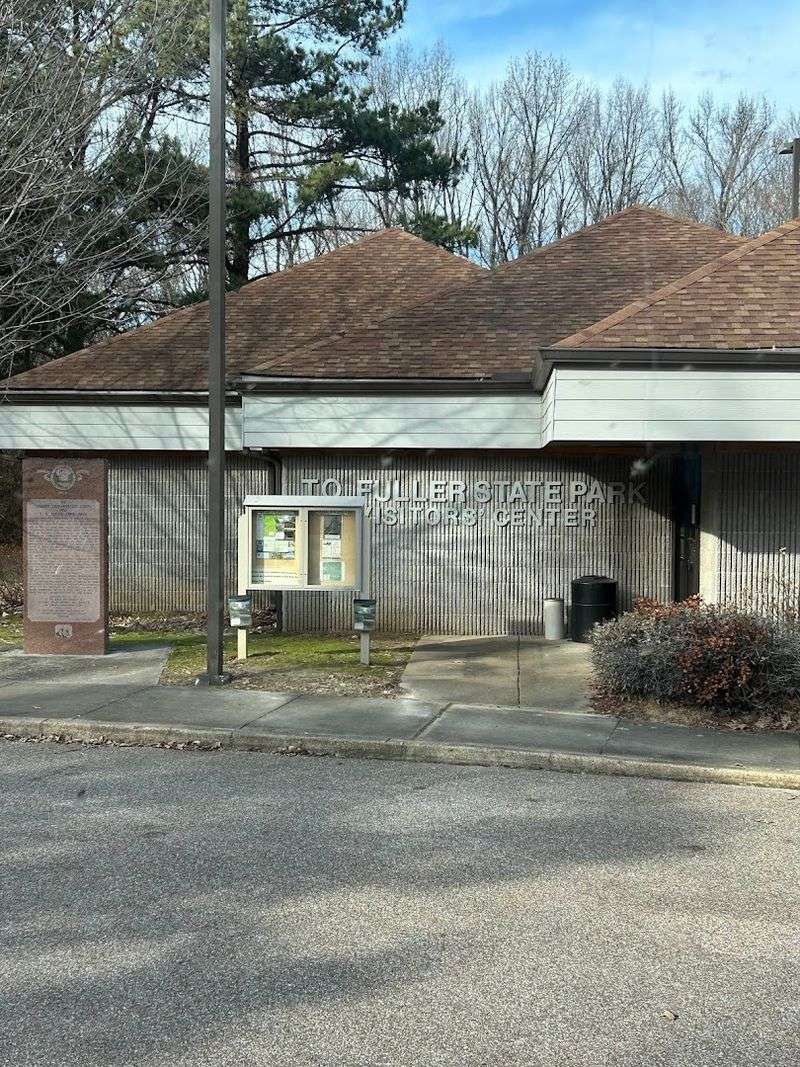
The drive to T.O. Fuller takes visitors through parts of southwest Memphis that can feel unfamiliar to those coming from other parts of the city or from out of town.
The surrounding neighborhood has a rough-around-the-edges quality that sometimes surprises first-time arrivals.
That said, the park itself is consistently described as safe and well-maintained once you are inside the gates. Rangers make regular rounds, the campground host keeps a close eye on the grounds, and the staff is known for being approachable and knowledgeable.
The main entrance is on W Mitchell Rd, and there is a back access route as well. Checking current road conditions before arrival is worth the two minutes it takes, since construction or closures can occasionally affect the primary entrance.
The park is roughly 20 minutes from downtown Memphis, which puts it close enough for a day trip but far enough to feel like a real escape from the city’s busier sections.
Park Hours and Best Times to Visit
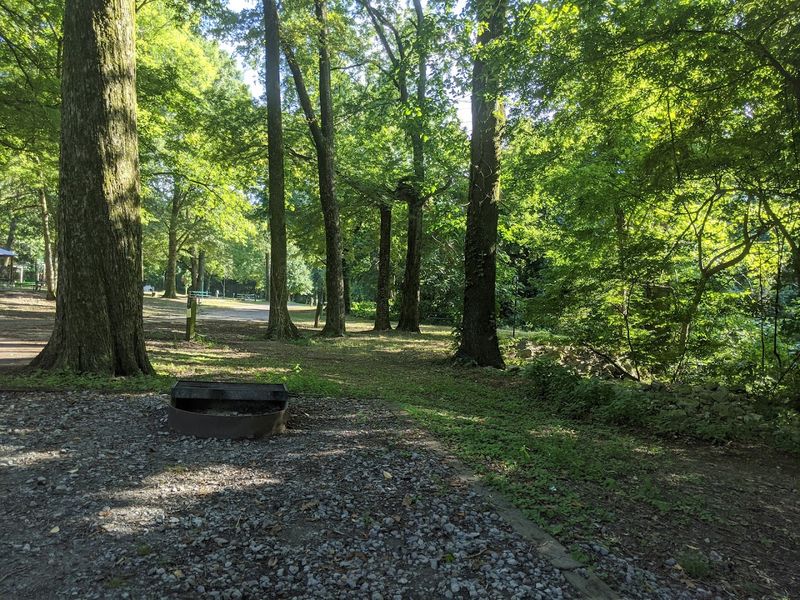
The park is open daily from 8 AM to 4 PM, which is a shorter window than some visitors expect, especially those arriving late in the afternoon. Planning the visit around those hours is important to avoid pulling up to a closed gate.
Spring and fall tend to offer the most comfortable conditions for hiking and outdoor activities. Summer in Memphis brings significant heat and humidity, along with an uptick in insects, so early morning visits during those months are far more manageable than midday outings.
Late October through November is a particularly good window for camping. The crowds thin out, the tree canopy turns, and the cooler temperatures make tent camping genuinely comfortable.
Winter visits are less common but entirely possible for day hikes, and the bare trees actually make the terrain easier to read and navigate.
Whatever the season, arriving closer to the 8 AM opening gives the best experience overall.
The Discovery Trail and Its Connection to the Mounds
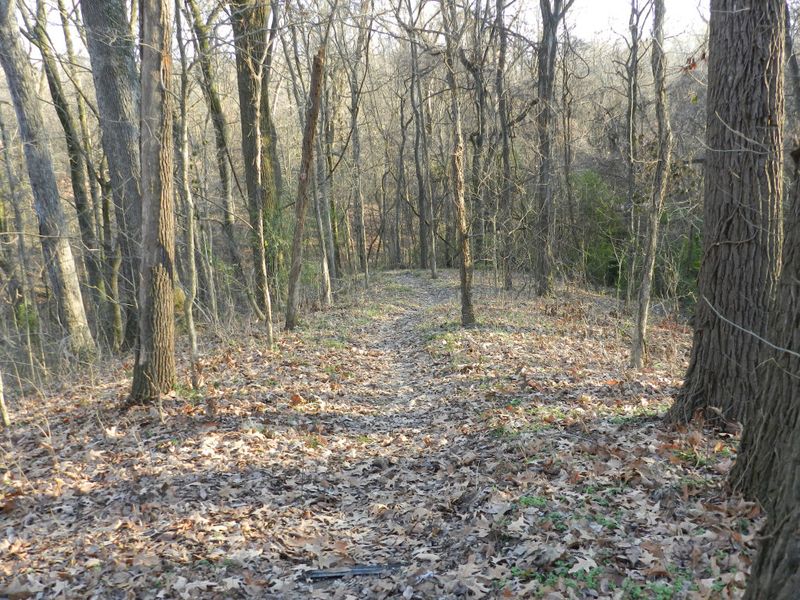
The Discovery Trail is the trail most closely associated with the park’s cultural identity. It connects the main visitor and camping area to the Chucalissa Archaeological Site, threading through forested terrain along the way.
The full loop, including the mounds section, comes in at roughly 5.5 miles.
The trail is not heavily maintained compared to some purpose-built hiking paths, and sections can become overgrown with stinging nettles in warmer months. Long pants and solid footwear are genuinely useful here, not just precautionary suggestions.
Despite those practical notes, the payoff at the end of the trail is real. Walking from a forested path directly onto a site where people lived and built ceremonial mounds a thousand years ago is a shift that few trails in Tennessee can offer.
The trail is rated as easy to moderate, making it accessible to most hikers with a reasonable level of fitness and a few hours to spare.
The Park’s Role in Memphis Green Space
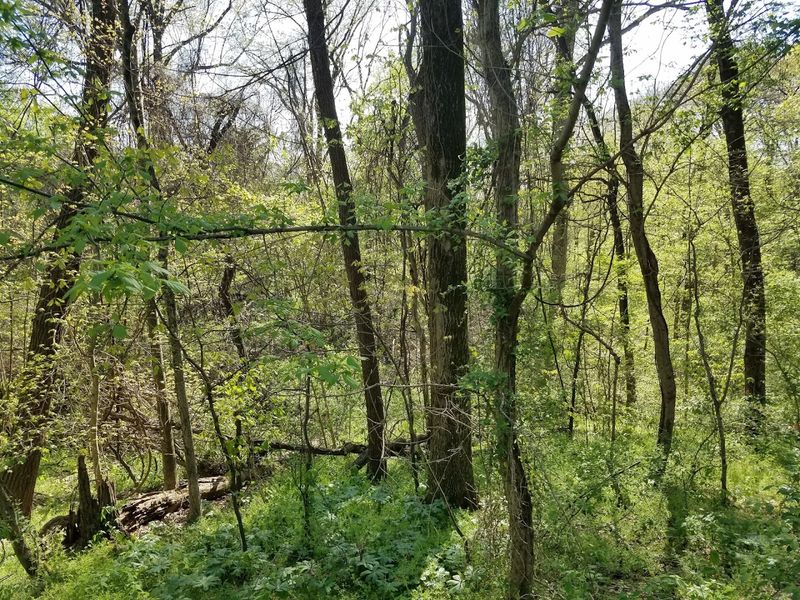
At over 1,100 acres, T.O. Fuller represents one of the largest contiguous forested areas within the Memphis city limits.
That scale matters in an urban context where green space is often fragmented and limited to narrow strips between roads and developments.
The park functions as a genuine ecological buffer, providing habitat for wildlife, filtering stormwater, and giving west Memphis residents access to outdoor space that does not require a long drive. Its location near the Mississippi River bluffs adds topographic interest that flat urban parks rarely have.
The tire trail project underscored something important about how urban parks can evolve. Rather than treating a problem as purely a maintenance issue, the park found a way to turn it into an asset that drew new users and national attention.
That kind of creative thinking has helped position T.O.
Fuller as more than just a local amenity, and more like a case study in what urban parks can accomplish when given the right support.
Practical Tips Before You Pack the Car
A few practical details can make the difference between a smooth visit and a frustrating one. The park’s hours run from 8 AM to 4 PM daily, so any activity that needs ranger or visitor center support should be planned for the first half of the day.
Insect repellent is not optional during spring and summer. Ticks and mosquitoes are present on the trails, and fire ants have been reported in open grassy areas, so checking shoes and socks after a hike is a smart habit.
Long pants on the Discovery Trail are genuinely recommended rather than just suggested.
For campers, reserving a site in advance is the safer move during summer weekends and holiday periods. The campground is not enormous, and popular dates fill up.
Firewood is sold at the visitor center rather than at individual sites, so picking it up before heading to the campsite saves a return trip.
The park’s website at tnstateparks.com has current availability and reservation options.
Where It All Starts: Address, Location, and Park Overview
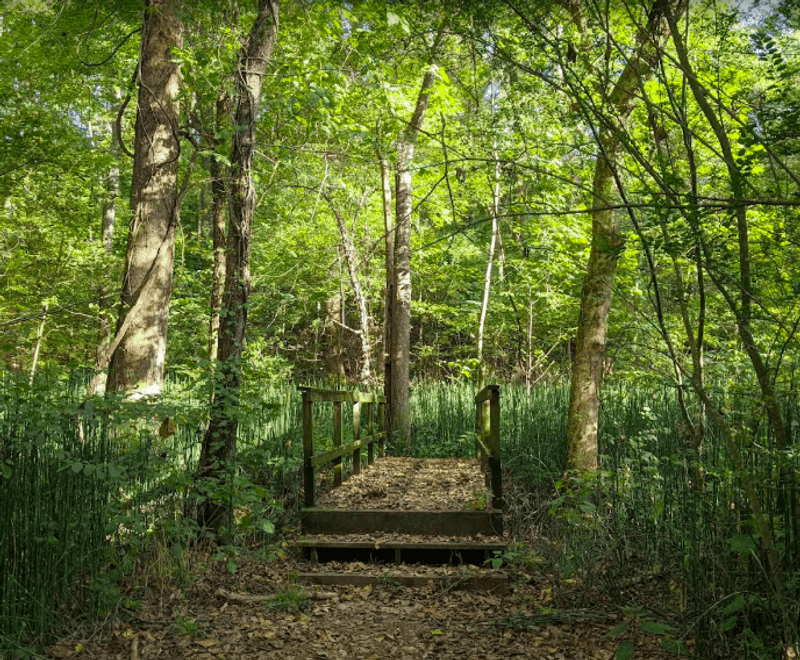
T.O. Fuller State Park sits at 1500 W Mitchell Rd, Memphis, TN 38109, tucked into the southwestern edge of the city near the Mississippi River bluffs.
The park covers roughly 1,138 acres, making it one of the larger green spaces within Memphis city limits.
It holds a notable place in American history as one of the first state parks east of the Mississippi River to be open to African American guests during the era of segregation. The park was named after Thomas Oscar Fuller, a prominent Black educator, minister, and author from Memphis.
Today it operates as a full-service Tennessee State Park, open daily from 8 AM to 4 PM. The grounds include a campground, hiking trails, a pool, picnic pavilions, and access to a nationally recognized archaeological site.
The park is managed by the Tennessee Department of Environment and Conservation.
Share this story