Tucked into the Upper Cumberland region of Tennessee sits a town that most road-trippers zip right past on their way to Nashville or Knoxville. That would be a mistake.
Cookeville anchors an area with more than 150 waterfalls within easy driving distance, earning it a bold nickname that locals wear with pride. It also happens to be a friendly college town with a walkable center, a working train depot, and enough affordable weekend energy to fill two or three days.
If you have never thought of Cookeville as a destination, the falls alone might change your mind. Here is a close look at what makes this Putnam County seat worth the drive.
Where the Waterfall Capital Sits on the Map
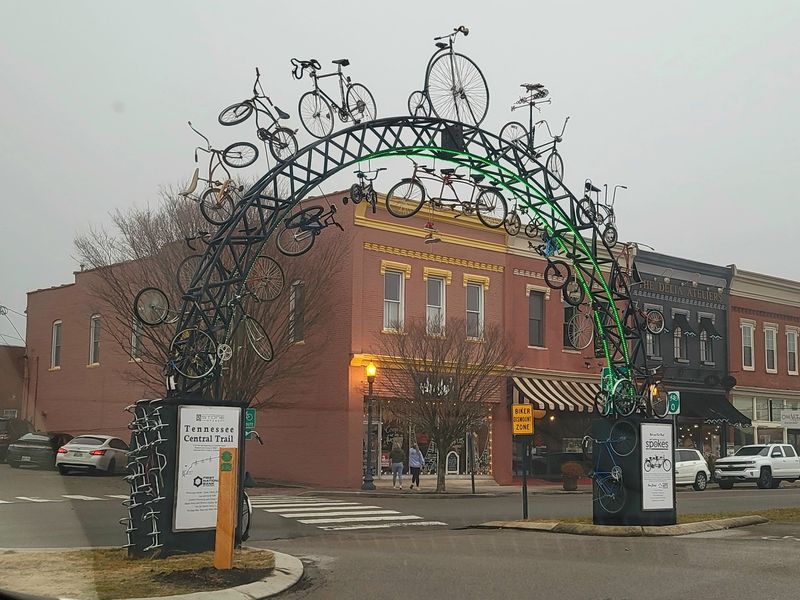
Right in the heart of the Upper Cumberland region, Cookeville serves as the county seat and largest city of Putnam County, Tennessee. You will find it along the Interstate 40 corridor, roughly halfway between Nashville and Knoxville, which makes it an easy target for a weekend run from almost anywhere in the middle of the state.
The 2020 census counted 34,842 residents here, which puts Cookeville in that sweet spot of being large enough to have real amenities but small enough to still feel like a hometown. It is officially recognized as a micropolitan area, a term for smaller cities that punch above their weight as regional economic hubs.
What lands Cookeville on so many road-trip lists, though, is geography. The town sits at the edge of the Cumberland Plateau, where creeks and rivers tumble off the highlands, creating the dense cluster of waterfalls the region is famous for.
That plateau edge is the reason more than 150 falls sit within a reasonable drive. Everything else the town offers is a bonus on top of that natural headliner.
How a Railroad Town Grew Up

Long before waterfalls made the town a getaway, the railroad made it a town at all. Cookeville took shape in the second half of the 1800s and grew steadily once the rail line arrived, turning a quiet county seat into a shipping and trading point for the surrounding farms and communities of the Upper Cumberland.
That railroad heritage still shapes the character of the place. The old depot area anchors part of the town’s identity, and the historic center carries the brick-and-storefront feel of a community that built itself around commerce and connection rather than tourism.
Being the seat of Putnam County gave Cookeville an early administrative importance, and the later arrival of higher education added a second engine to its growth. Over the decades the town kept expanding while holding onto its small-city roots.
Understanding that history helps explain why Cookeville feels both practical and welcoming today. It was never a resort built for visitors.
It is a real working town that happens to sit beside some of the most impressive natural scenery in the state.
Why It Claims the Waterfall Capital Title
Bold nicknames usually invite skepticism, but the numbers behind this one hold up. With more than 150 waterfalls scattered across the surrounding countryside, the Cookeville area has a legitimate claim to the Waterfall Capital label, and locals are happy to defend it.
The reason comes down to that plateau edge. As the Cumberland highlands drop toward the lower valleys, streams spill over layers of resistant rock, forming falls of every size.
Some plunge dramatically off tall cliffs, while others step gently down mossy ledges tucked deep in the woods.
Because they are packed so tightly into one region, you can string several together in a single day of exploring. That density is what sets the area apart from places that might have one or two famous falls and nothing else nearby.
Here the variety keeps things interesting, from roadside stops that take minutes to reach, to hidden cascades that reward a longer hike.
For a weekend traveler, that means you never run out of new water to chase. It is the kind of natural abundance that makes you wonder why the area is not more crowded.
Cummins Falls and the Famous Swimming Hole
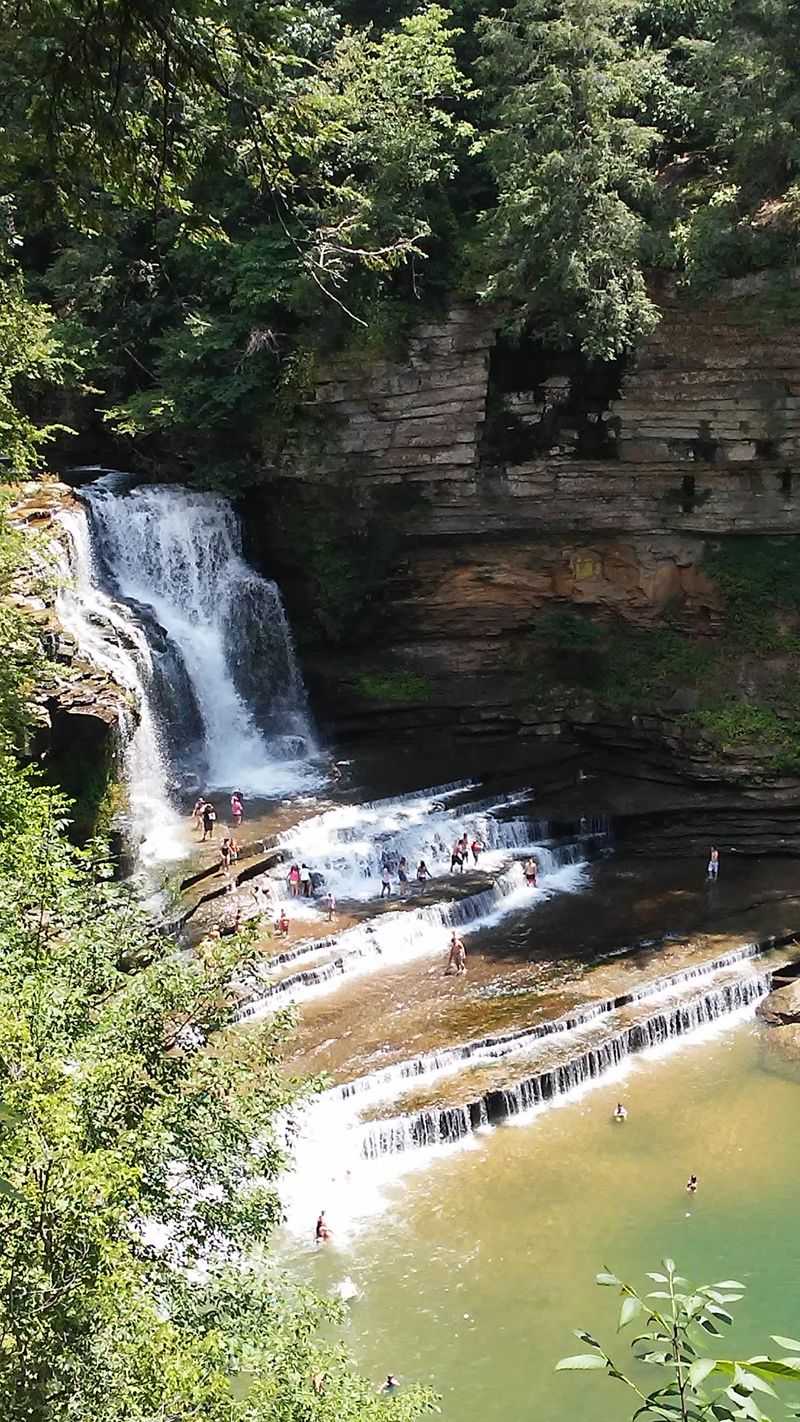
Of all the cascades in the region, one draws the biggest crowds and the loudest praise. Cummins Falls, a short drive north of town, tumbles into a broad natural basin that doubles as one of the most beloved swimming spots in Tennessee.
The falls rank among the largest in the state by volume, and the pool at the base has made it a warm-weather magnet for families and adventurers alike. Reaching the base involves a real hike, including a river crossing over uneven terrain, so the payoff feels earned rather than handed to you.
Because the gorge can be dangerous during high water, the park uses a permit system for access to the base, and it is worth checking conditions before you go. Safety here is not a suggestion.
Flash flooding has closed the gorge in the past, and rangers take it seriously.
When conditions cooperate, though, it delivers exactly the kind of experience that keeps people coming back year after year. Plenty of Middle Tennessee families count a summer trip to Cummins Falls as an annual tradition.
Burgess Falls and Its Chain of Cascades
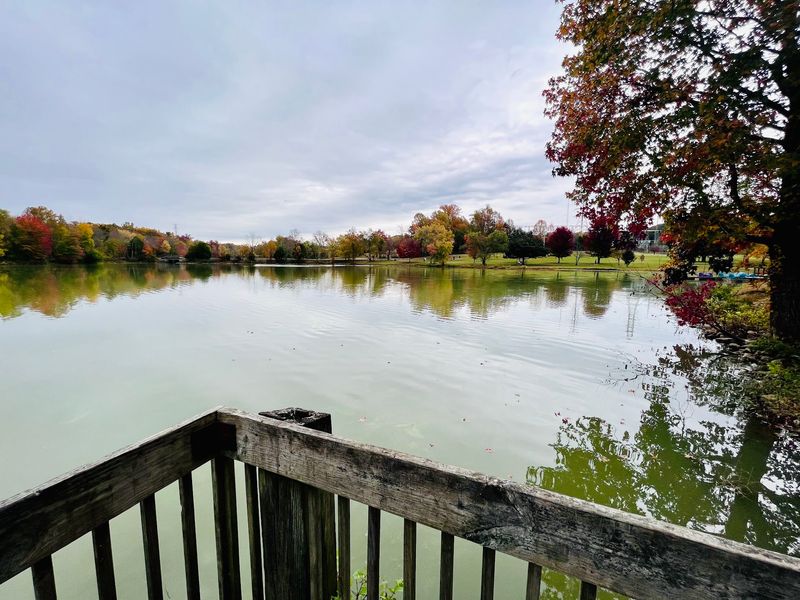
Not every waterfall trip is about a single showstopper. At Burgess Falls, southwest of Cookeville, the appeal is a whole sequence of drops that build to a grand finale along the Falling Water River.
The trail follows the river past several cascades of increasing height, each one worth a pause, before arriving at the main falls that plunge dramatically into the gorge below. It is a hike that rewards you again and again rather than making you wait for one big moment.
The state park protects the area and keeps the trails maintained, and overlooks along the way give you framed views of the water without requiring a scramble. Some lower sections of the trail have been affected by past storm damage, so access can vary, and checking current trail status before you set out is smart.
Compact enough for a half-day outing yet packed with scenery, Burgess Falls makes an ideal companion stop for anyone chasing the region’s water. Pair it with another nearby fall and you have a full day of exploring behind you.
The Walkable Heart of Downtown

After a morning in the woods, the town center gives you a place to slow down. Downtown Cookeville keeps a compact, walkable layout lined with independent shops, local eateries, and the kind of storefronts that reward wandering without a plan.
The historic depot district gives the area a distinct identity, blending the town’s railroad past with a lively present. On any given day you might find people browsing local stores, catching up over coffee, or gathering for one of the community events that fill the calendar throughout the year.
What makes it work is the balance. There is enough variety to keep a visitor busy for an afternoon, but the pace stays relaxed and unhurried.
Parking is manageable, distances are short, and the atmosphere feels genuinely local rather than staged for tourists.
For a weekend trip, that combination is gold. You can spend your energy on the trails during the day and let the downtown handle the low-key evening hours.
It is a comfortable, affordable place to unwind that never asks you to spend more than you want to.
A College Town Energy

Add a university to a mid-sized Southern town and the whole place gains a certain pulse. Tennessee Tech University calls Cookeville home, and its presence gives the community a youthful, energetic layer that a purely small-town setting would lack.
The student population brings coffee shops, casual hangouts, arts events, and a steady rhythm of activity to the area. Game days and campus events draw crowds, and the school’s engineering and research reputation adds to the town’s role as a regional hub.
For visitors, that college-town character translates into practical perks. There tend to be more dining choices, more affordable options, and a livelier evening scene than you might expect from a town this size out on the plateau.
The university also reinforces Cookeville’s identity as a place that keeps growing and reinventing itself rather than resting on nostalgia. Between the students, the faculty, and the families who put down roots here, there is a real sense of community pride.
It gives the town a forward-looking feel that pairs nicely with all that ancient plateau scenery just outside the city limits.
Room to Roam in the Parks and Trails

Waterfalls grab the headlines, but the wider landscape around Cookeville is a playground in its own right. State parks, natural areas, and local trails give hikers and families plenty of ground to cover well beyond the famous falls.
The surrounding countryside is laced with creeks, gorges, and wooded ridges that make for easygoing walks or more demanding treks depending on your mood. Because the terrain sits along the plateau edge, elevation changes keep the scenery varied, with overlooks, rock formations, and quiet forest stretches all in the mix.
Cyclists, paddlers, and anglers find their own corners of the region too, thanks to the rivers and reservoirs nearby. It all adds up to an outdoor menu broad enough to fill several return trips.
The affordability of it helps as well. Most of these natural spaces cost little or nothing to enjoy, which fits perfectly with the idea of a budget-friendly weekend escape close to home.
Whether you want a gentle stroll or a legs-burning climb, the land around Cookeville has a route with your name on it.
A Regional Hub That Delivers Comfort
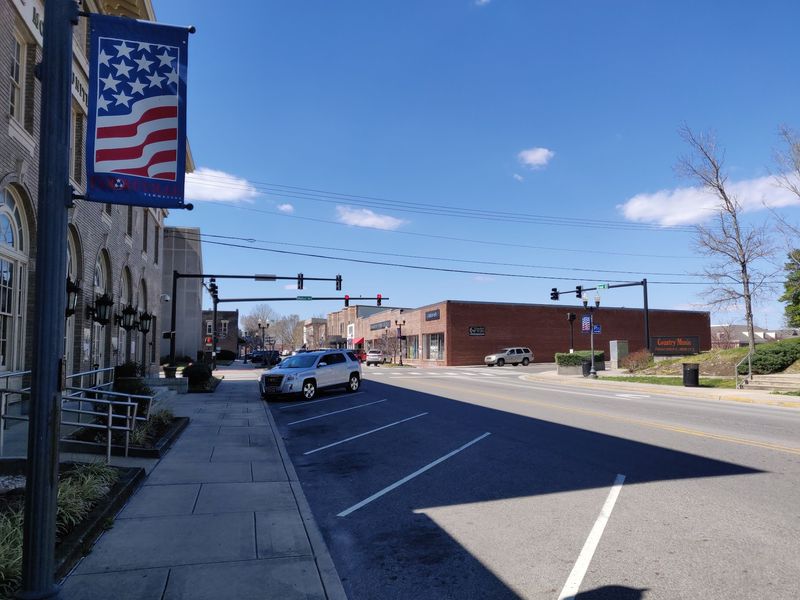
Being classified as a micropolitan area is not just a piece of trivia. It means Cookeville functions as a genuine economic anchor for the surrounding Upper Cumberland communities, and that role pays off for travelers.
Because so many people from smaller towns rely on Cookeville for shopping, healthcare, dining, and services, the town offers far more amenities than its population alone might suggest. That translates into a solid range of lodging, restaurants, and stores when you need them.
For a weekend visitor, this is the practical backbone that makes the trip smooth. You can base yourself in Cookeville, launch out to the falls and parks each day, and return to a town that has everything you need to rest and refuel.
It strikes a rare balance. Big enough to be convenient, small enough to stay affordable, and grounded enough to feel like an authentic Tennessee community rather than a tourist trap.
That dependability is a big part of why the town works so well as a home base for exploring the region.
Best Seasons to Chase the Falls

Timing your visit can make a real difference in what you get out of the area. Spring stands out as prime waterfall season, when rain and snowmelt swell the streams and every cascade runs at full strength.
Summer shifts the focus toward the swimming holes, with Cummins Falls and other pools drawing warm-weather crowds looking to cool off. It is the busiest stretch, so weekday visits and early starts help you beat the rush at the most popular spots.
Come autumn, the plateau forests turn, and the falls take on a completely different mood framed by fall color. Scenic drives through the region become an attraction all their own during those weeks.
Winter has its own quiet appeal, with thinner crowds and the chance to see falls at their most dramatic after heavy rains, though trails can be slick and some access points may change. Whenever you come, checking current conditions and any permit requirements ahead of time keeps the trip smooth.
The area rewards visitors in every season, just in different ways each time.
Getting There and Finding Your Way Around
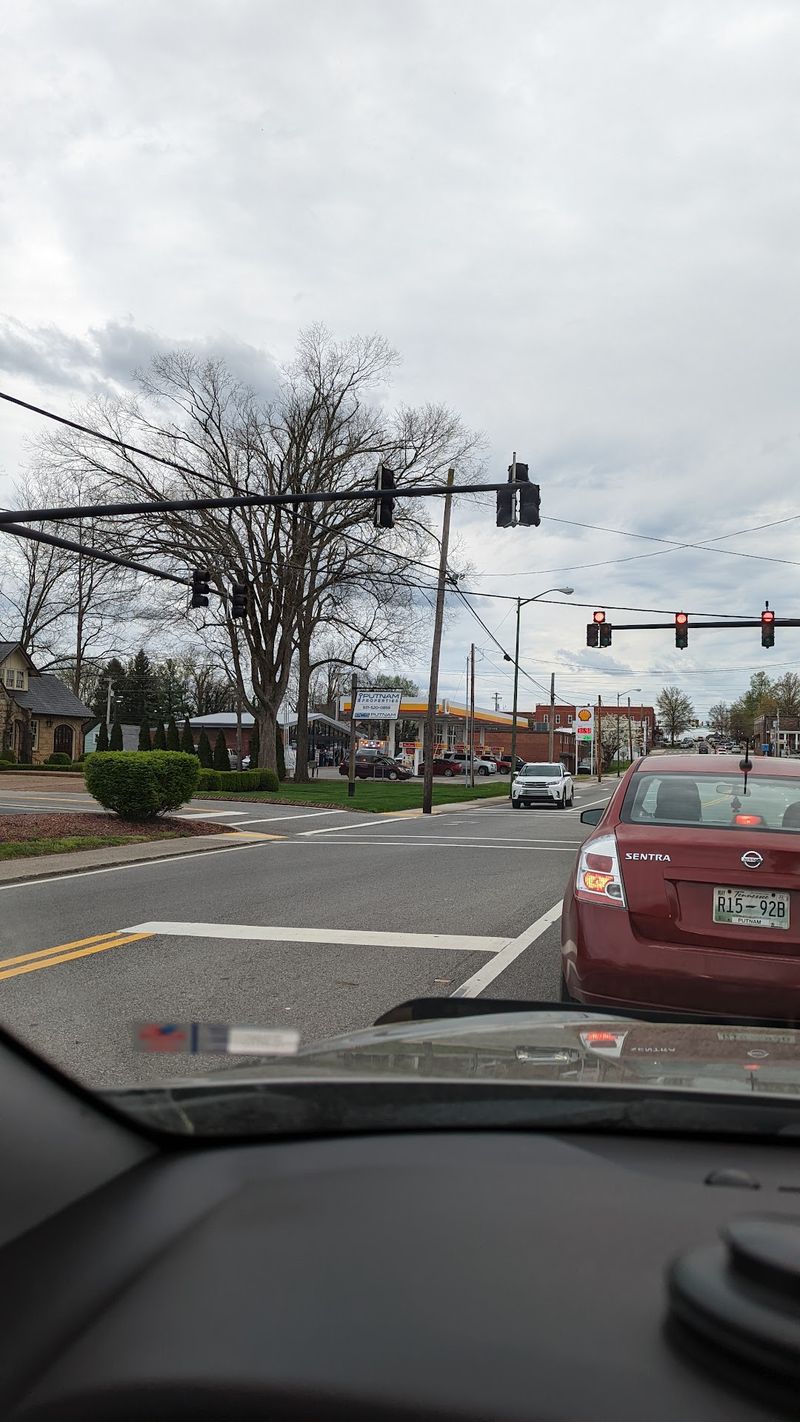
Half the appeal of Cookeville is how easy it is to reach. Sitting right on Interstate 40 roughly between Nashville and Knoxville, the town is an easy weekend drive from Middle and East Tennessee and within comfortable range of neighboring states.
Once you arrive, a car is essential. The waterfalls and state parks are spread across the surrounding countryside, so having your own wheels lets you build a flexible day of stops rather than being tied to any single site.
The town itself is simple to navigate, with the interstate corridor handling the commercial areas and the historic center offering a compact, walkable core. Distances between the popular falls are short enough that you can pair two or three in a single outing without a punishing amount of driving.
Keep in mind that some of the most popular natural areas, like Cummins Falls, use permit or access systems and can close during unsafe conditions, so it pays to check ahead. A little planning goes a long way here.
With a full tank and a rough route in mind, the whole region opens up.
Why Cookeville Deserves a Weekend

Some destinations coast on a single famous feature. Cookeville does the opposite, stacking a genuine natural wonder on top of a friendly, functional town that knows how to host a weekend without emptying your wallet.
The waterfall count alone justifies the trip. More than 150 falls within reach means you could return a dozen times and still find fresh water to explore.
Add in the swimming holes, the trails, and the plateau scenery, and the outdoor side of the visit practically plans itself.
What seals the deal is everything waiting back in town. The walkable downtown, the college-town energy, and the regional-hub convenience give you a comfortable, affordable base that feels distinctly Tennessee rather than generic.
For residents and near-state road-trippers looking for a spot that rivals far more famous destinations, this one belongs high on the list. It is the kind of place you visit once, brag about a little too much, and quietly start planning your return before you have even left.
The Waterfall Capital lives up to its name, and then some.
Share this story