Most beaches make you park far away, haul your gear across hot sand, and fight for a spot near the water. At one Texas beach, you skip all of that.
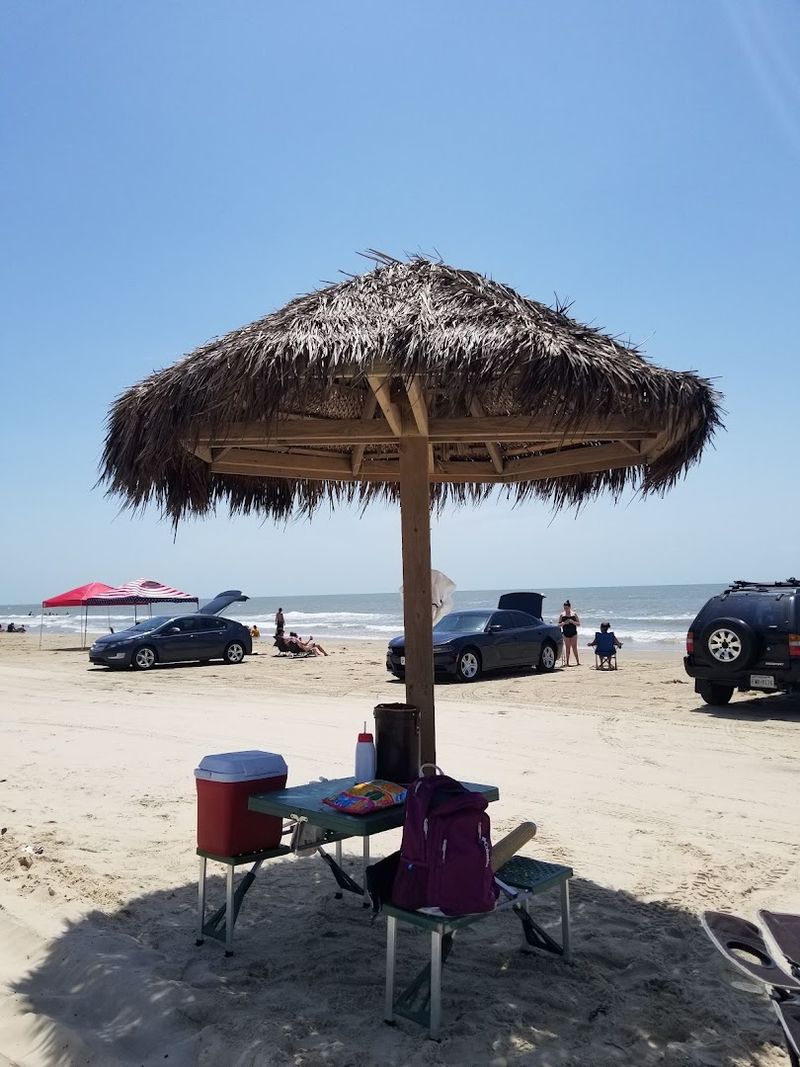
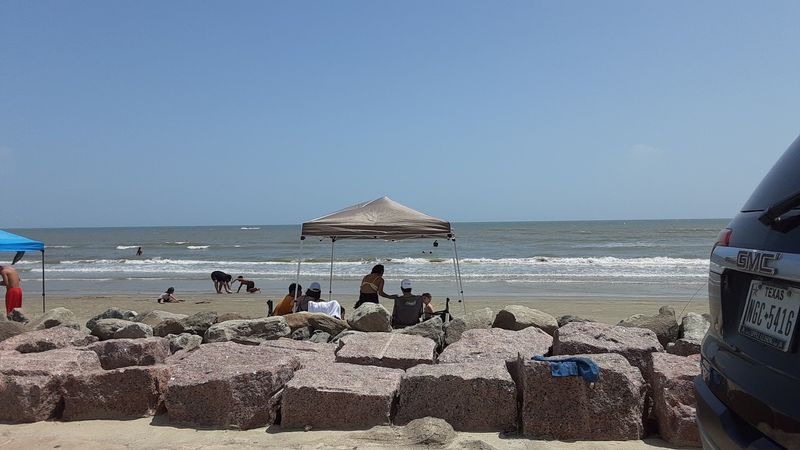
You drive your truck, SUV, or car right onto the sand and park just steps from the Gulf of Mexico. Surfside Beach, tucked along the Texas coast in Brazoria County, offers 27 miles of drivable shoreline that gives beach lovers a level of access most coastal destinations simply cannot match.
Where the Road Meets the Gulf
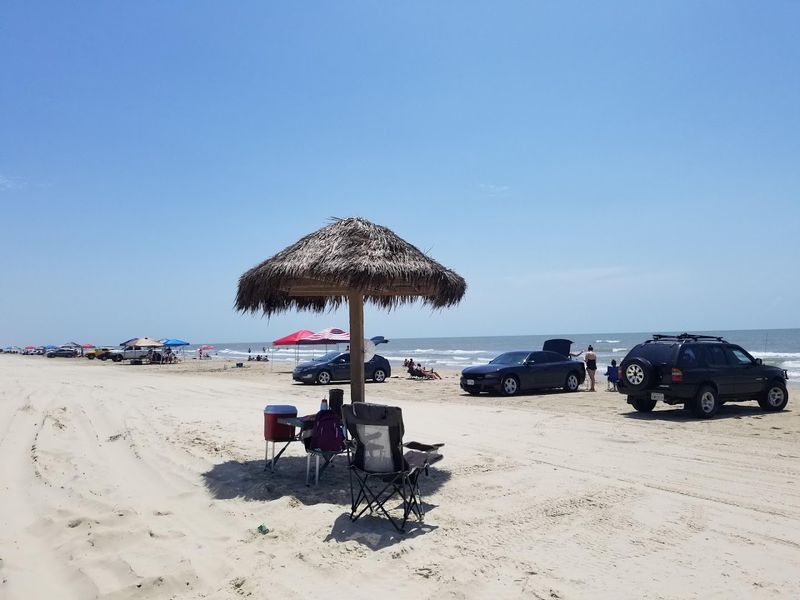
There are not many places in the United States where you can roll down your windows, feel the salt air rush in, and park your vehicle just a few feet from the ocean. Surfside Beach is one of them.
The beach sits on Follets Island along the Gulf of Mexico in Brazoria County, Texas, and it draws visitors from Houston and beyond who come specifically for this rare driving access.
The address is Surfside Beach, Texas 77541, placing it near the city of Freeport on the upper Texas coast. The drive onto the sand is legal, straightforward, and genuinely exciting the first time you do it.
You pull off the road, ease onto the packed sand, and suddenly your car becomes your beach chair, your cooler stand, and your shade shelter all at once. It changes the entire beach experience in a way that is hard to explain until you try it.
27 Miles of Open Shoreline
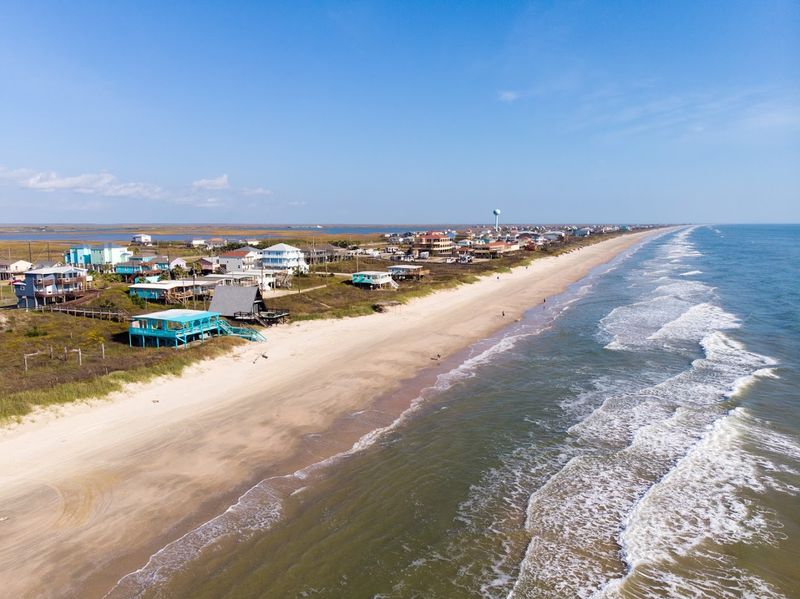
Twenty-seven miles is a long stretch of beach by any measure. At Surfside Beach, that distance means you almost never feel crowded.
Families spread out. Anglers find their own quiet spots.
Groups of friends set up chairs and grills without bumping into their neighbors.
The beach is wide and flat in most areas, which makes driving and parking comfortable even for people who have never driven on sand before. The packed lower beach near the waterline is typically the firmest surface, and most experienced visitors stick to that zone.
On a busy summer weekend, you might see hundreds of vehicles spread across several miles of coastline, yet the sheer length of the beach absorbs the crowd remarkably well. Even during peak season, it is entirely possible to drive a mile or two in either direction and find a stretch of sand that feels almost entirely your own.
How Beach Driving Actually Works Here
First-timers always have the same question: is it actually safe to drive on the sand? At Surfside Beach, the answer is yes, as long as you follow a few basic rules.
Lowering your tire pressure before hitting the sand helps prevent getting stuck, and sticking to the firmer, wet sand near the waterline is the smartest move for most standard vehicles.
Four-wheel-drive trucks and SUVs handle the beach with ease. Smaller cars with lower clearance can manage too, but drivers should stay on the packed sections and avoid soft, dry sand further from the water.
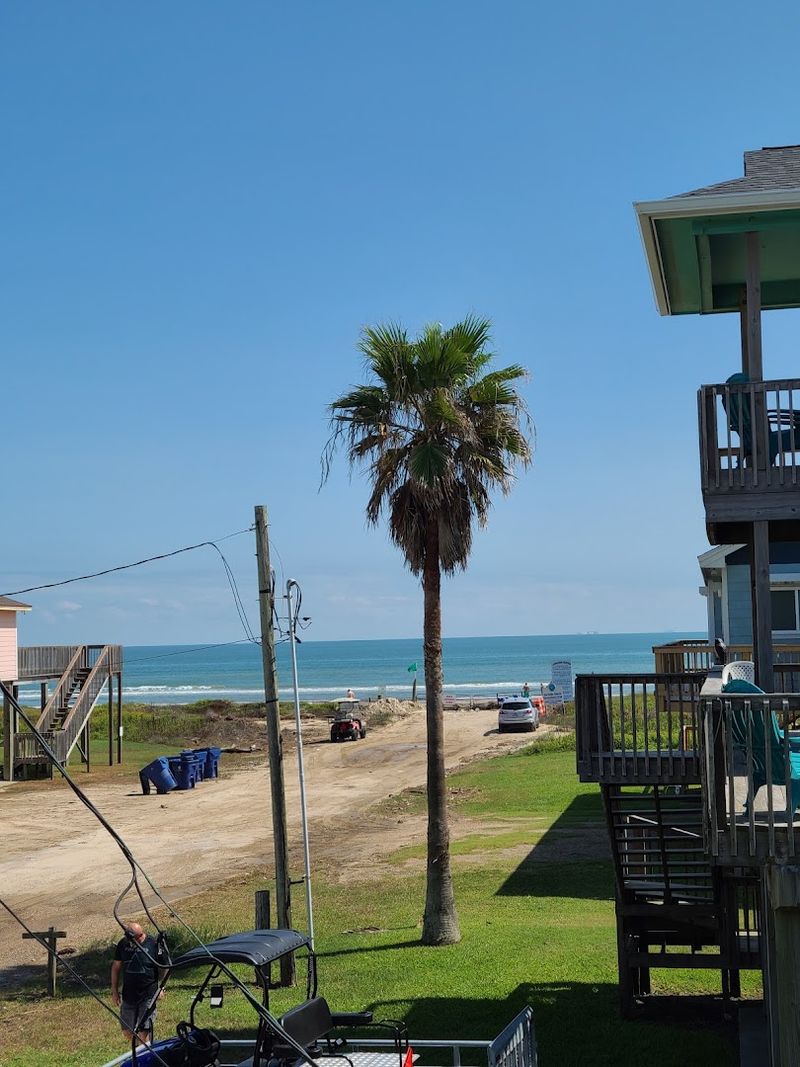
The beach has designated vehicle access points where you transition from the paved road to the sand. Signage marks these entry areas clearly.
Speed limits apply on the beach, and pedestrians always have the right of way. Once you understand the rhythm of it, beach driving feels completely natural and surprisingly relaxing.
The Small Town Behind the Big Beach
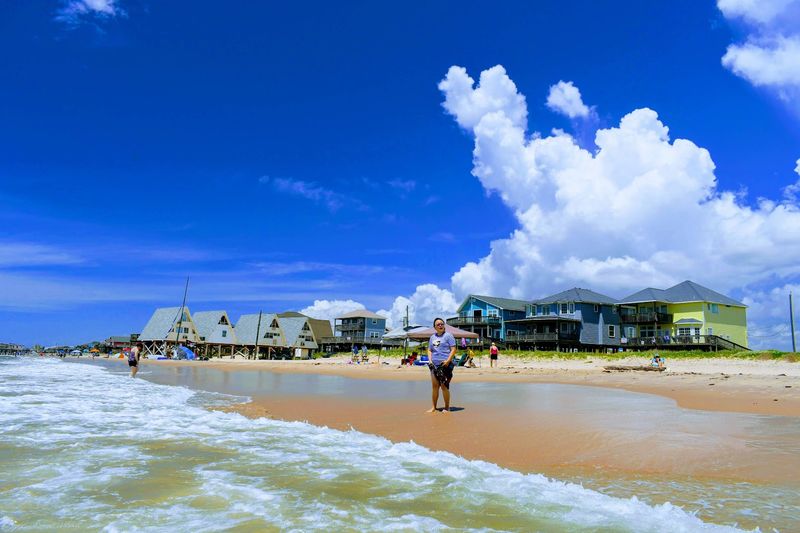
With a population of around 640 people at the 2020 census, Surfside Beach is genuinely small. There are no towering resort hotels or massive commercial strips lining the shore.
What you find instead is a laid-back coastal community that has held onto its character despite being within reasonable driving distance of one of the largest cities in the country.
Houston sits roughly an hour north, which means Surfside Beach serves as a weekend escape for millions of urban residents who need salt air and open water without a long road trip. The town itself has a quiet, unhurried energy that feels like a throwback to simpler beach vacations.
Local shops, bait stores, and casual seafood spots give the area its personality. The people who live here year-round tend to be deeply attached to the place, and that pride shows in how the community cares for its coastline and its welcoming attitude toward visitors.
Fishing From the Shore and Beyond
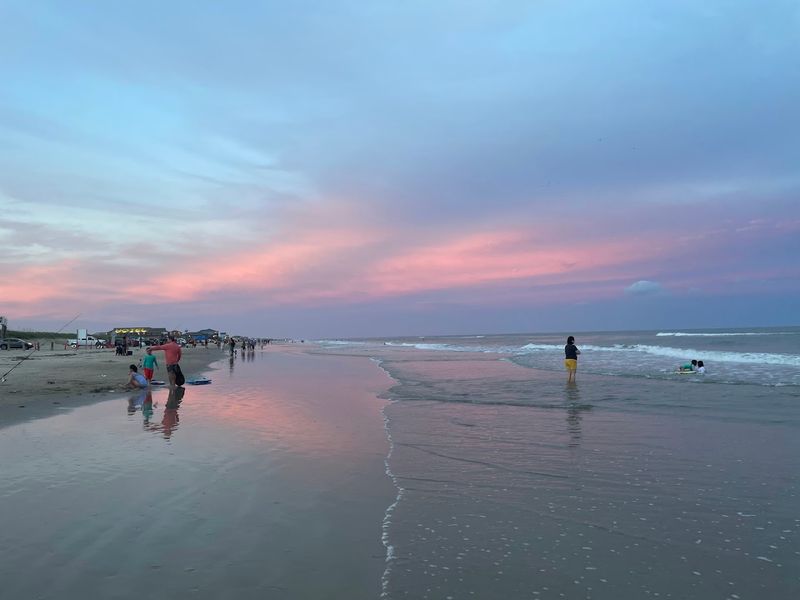
Surfside Beach has a serious fishing culture. The Gulf of Mexico waters here hold redfish, speckled trout, flounder, and a rotating cast of seasonal species that keep anglers coming back throughout the year.
Shore fishing is popular and accessible since driving directly onto the beach means you can park right next to your fishing spot without hauling heavy gear across soft sand.
The nearby Freeport area also offers access to offshore fishing charters for those who want to venture further into the Gulf. Closer to shore, the jetties near the Freeport harbor channel are a well-known fishing spot that Surfside Beach visitors frequently include in their trips.
Even casual visitors who have never held a fishing rod find themselves watching the surf anglers with genuine curiosity. There is something meditative about watching someone stand knee-deep in the Gulf, rod in hand, waiting patiently while pelicans circle overhead in the warm coastal air.
Shelling Along the Texas Coast
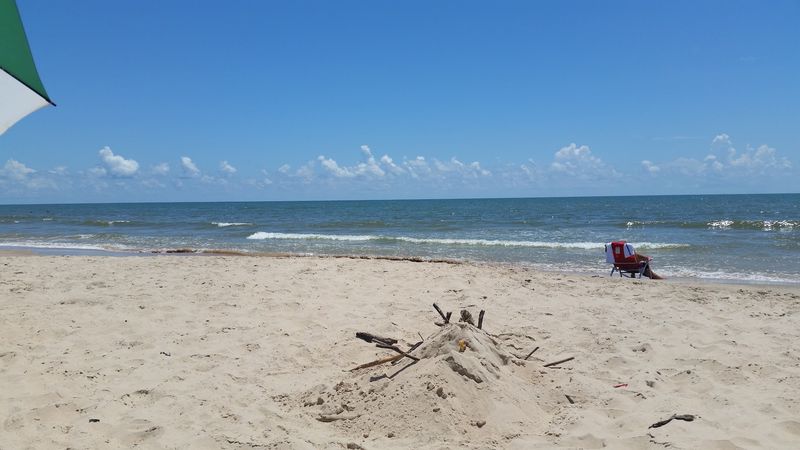
Not everyone who visits Surfside Beach comes for the driving access or the fishing. A quieter group arrives with eyes fixed on the sand, scanning the shoreline for shells.
The Gulf of Mexico deposits a steady variety of shells along this stretch of coast, and early morning low tide is the prime window for finding the best ones before other beachgoers arrive.
Lightning whelks, which happen to be the Texas state shell, wash ashore here with some regularity. Olive shells, moon snails, and various clam species are common finds.
After a strong storm, the shelling improves noticeably as the churned-up Gulf delivers shells from deeper water.
Walking the beach at dawn with no agenda beyond seeing what the tide brought in is one of those simple pleasures that Surfside Beach does particularly well. The flat, wide shoreline makes it easy to cover ground, and the early light turns the wet sand into something worth photographing even before you find a single shell.
Wildlife That Shares the Beach With You
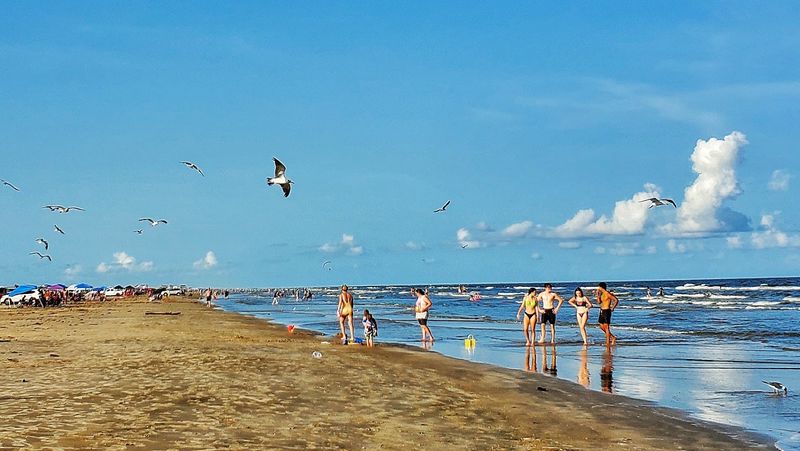
Brown pelicans are practically a permanent fixture at Surfside Beach. They cruise low over the surf in formation, occasionally breaking off to dive straight into the water after fish.
Watching them from a beach chair just feet away never really gets old, no matter how many times you have seen it.
The Brazoria County area is part of the Great Texas Coastal Birding Trail, making the broader region a magnet for birdwatchers. Shorebirds like sanderlings, willets, and black-bellied plovers work the waterline constantly.
During migration seasons, the variety increases dramatically, and birders with binoculars appear alongside the typical beach crowd.
Dolphins are also spotted regularly in the nearshore waters, especially in the early morning. Seeing a fin surface just beyond the breaking waves while you are sitting in your truck with coffee is exactly the kind of moment that makes Surfside Beach feel different from a standard beach day.
The wildlife here is not a bonus. It is part of the experience.
What Sunsets Look Like From the Sand
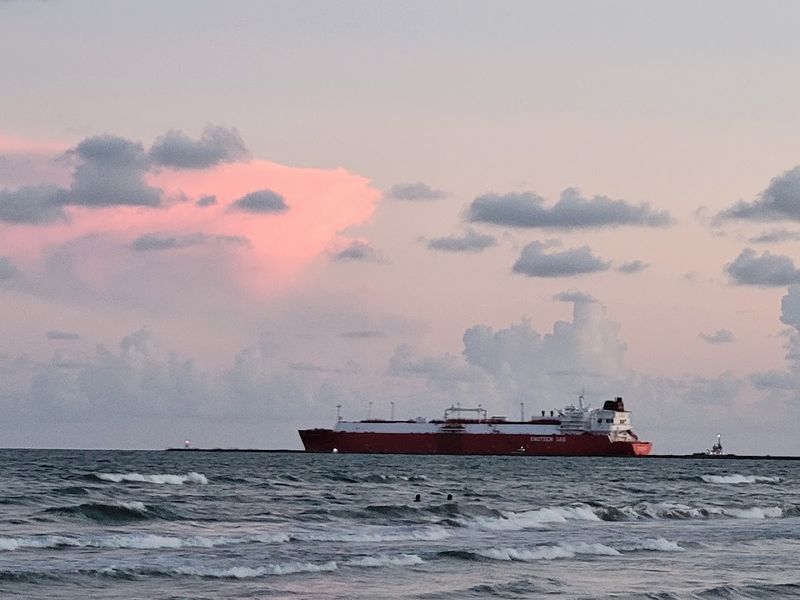
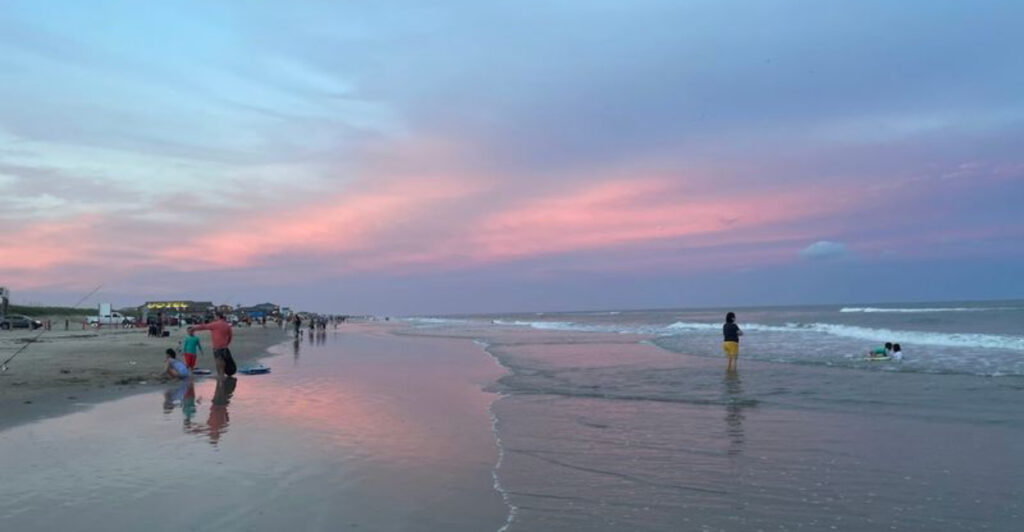
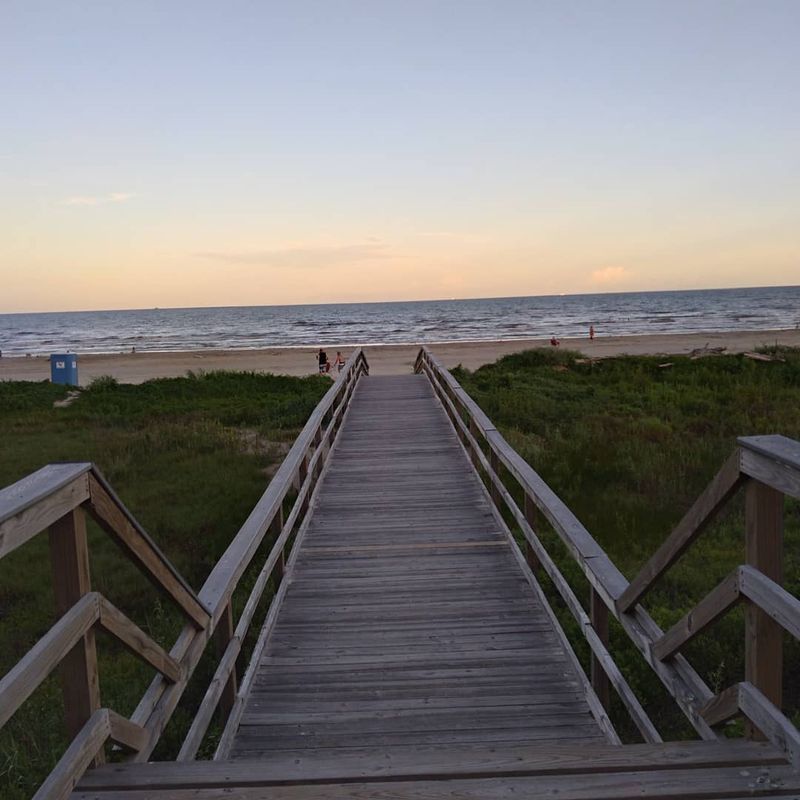
Surfside Beach faces south and southeast, which means the sunrises over the Gulf are spectacular. The sky turns shades of orange, pink, and deep red before the sun clears the horizon, and the flat, wide beach gives you an unobstructed view in every direction.
Evenings have their own appeal. As the heat of the day softens, the beach takes on a completely different personality.
Families who spent the afternoon swimming and building sandcastles settle into chairs to watch the light change. Fishermen who arrived at dusk cast into the darkening surf.
Because vehicles are allowed on the beach, some visitors back their trucks up to face the water and sit in the tailgate for the full panoramic view. It is the kind of scene that shows up in a lot of Texas travel photography, and for good reason.
The combination of open sky, Gulf water, and that warm coastal light makes for genuinely beautiful evenings that are hard to replicate anywhere else.
Camping Right Next to the Water
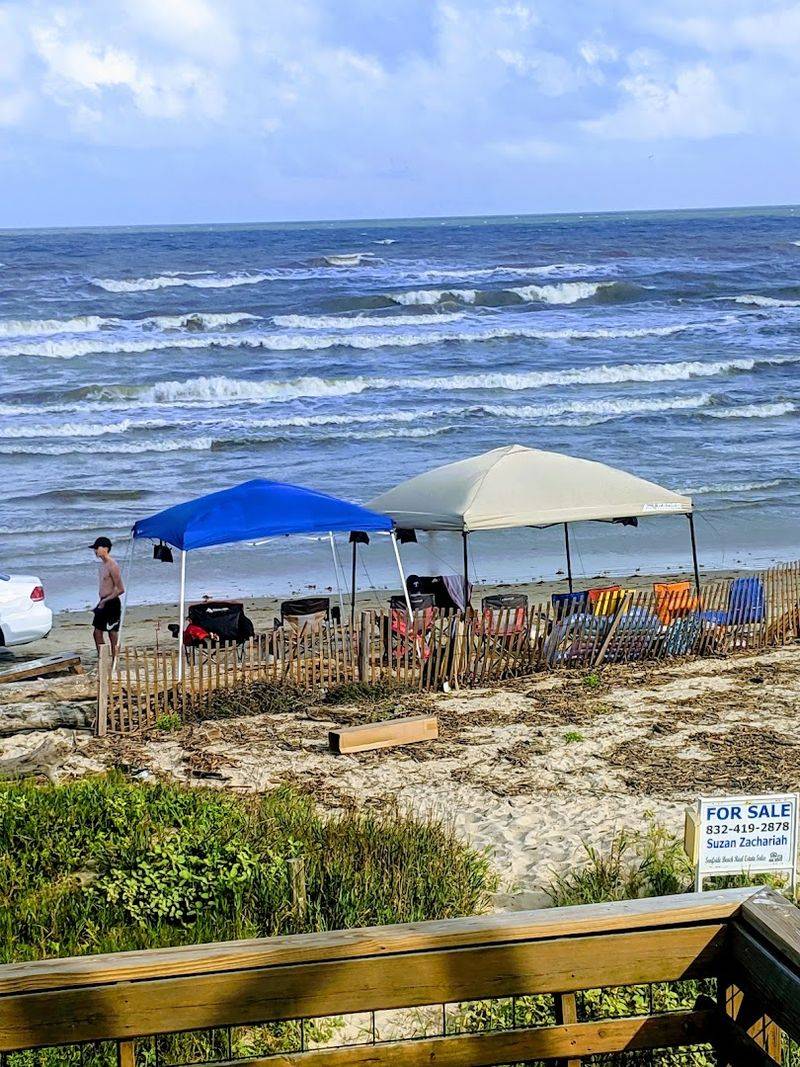
Sleeping within earshot of Gulf waves is an experience that Surfside Beach makes genuinely accessible. The beach allows overnight camping in designated areas, and the drive-on access means campers can pull their trailers, pop-up campers, or truck bed setups right onto the sand without a complicated setup process.
Waking up to the sound of the surf, stepping out of your vehicle or tent, and walking ten feet to the waterline for a morning swim is the kind of simple luxury that beach camping delivers. The flat terrain and wide beach make finding a comfortable campsite relatively easy.
Visitors should check current rules and designated camping zones before arriving, as regulations can vary by season and area of the beach. Fires may be permitted in certain sections depending on conditions.
Bringing everything you need is essential since the beach itself has limited facilities, but for those who come prepared, an overnight stay at Surfside is hard to beat.
Seafood Worth the Drive Alone
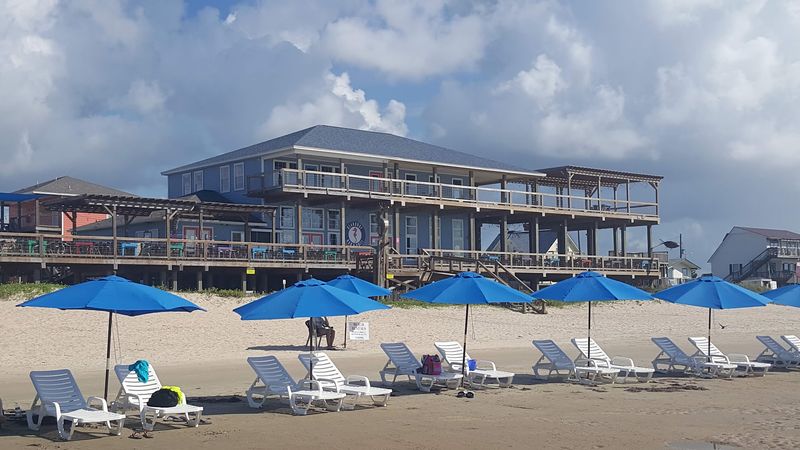
The Texas Gulf Coast is shrimping country, and the waters near Surfside Beach and Freeport are a significant part of that industry. Fresh Gulf shrimp, caught locally and served simply, is the thing to eat in this part of Texas.
Boiled, grilled, or fried, the quality of shrimp this close to the source is noticeably different from what you find inland.
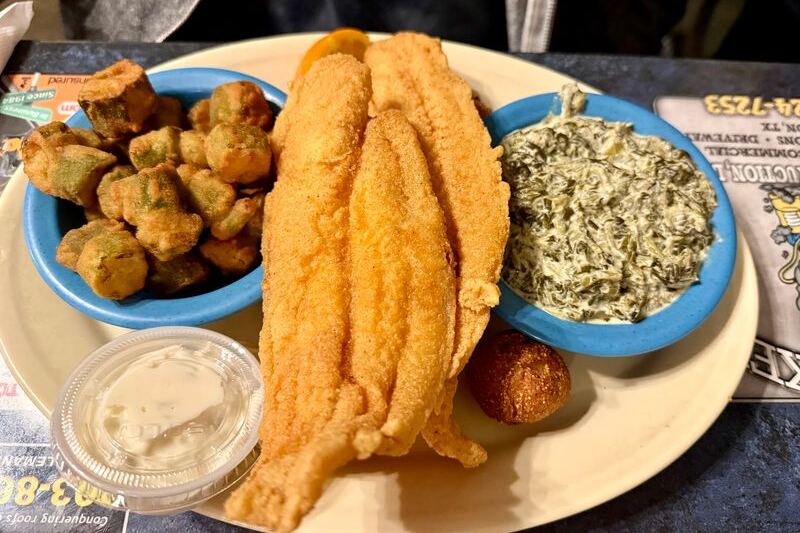
The casual seafood spots near Surfside Beach lean into that freshness without overcomplicating things. Fried fish baskets, shrimp po-boys, and Gulf oysters are the kind of food that fits the setting perfectly.
Nothing about the dining experience here is fancy, and that is entirely the point.
After a day on the beach, salt in your hair and sand between your toes, sitting down to a plate of fresh Gulf shrimp at a picnic table feels exactly right. The food tastes better out here, and anyone who has eaten fresh seafood steps from the coast understands why.
The Brazoria National Wildlife Refuge Nearby
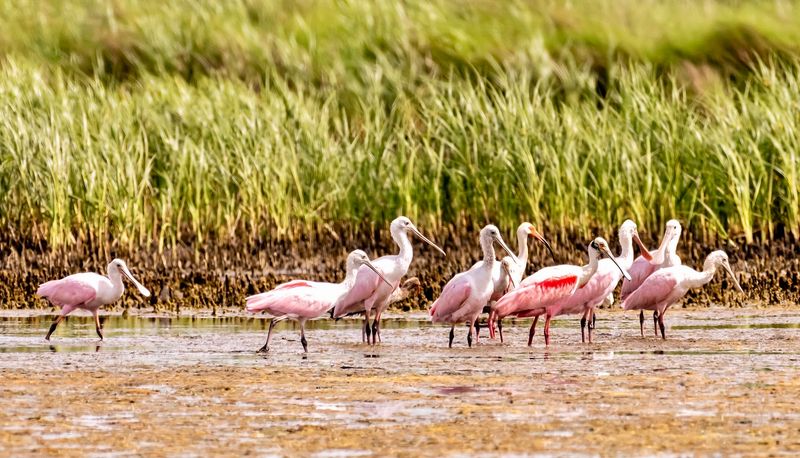
A short drive from Surfside Beach puts you at the edge of one of the more impressive wildlife refuges along the Texas coast. The Brazoria National Wildlife Refuge protects thousands of acres of coastal wetlands, prairie, and marsh habitat that supports an enormous variety of birds and other wildlife throughout the year.
Snow geese arrive in massive numbers during winter months, sometimes filling the sky in flocks that have to be seen to be believed. Roseate spoonbills, great blue herons, and numerous species of ducks use the refuge as critical habitat.
Auto tour routes make the refuge accessible without requiring hiking gear or special permits.
Pairing a beach day at Surfside with an afternoon at the refuge creates a surprisingly complete coastal Texas experience. The contrast between the open Gulf and the quiet, protected wetlands just inland is striking.
Both places reward slow, patient observation, and both deliver the kind of wildlife encounters that are genuinely difficult to find closer to the city.
Swimming in the Gulf of Mexico
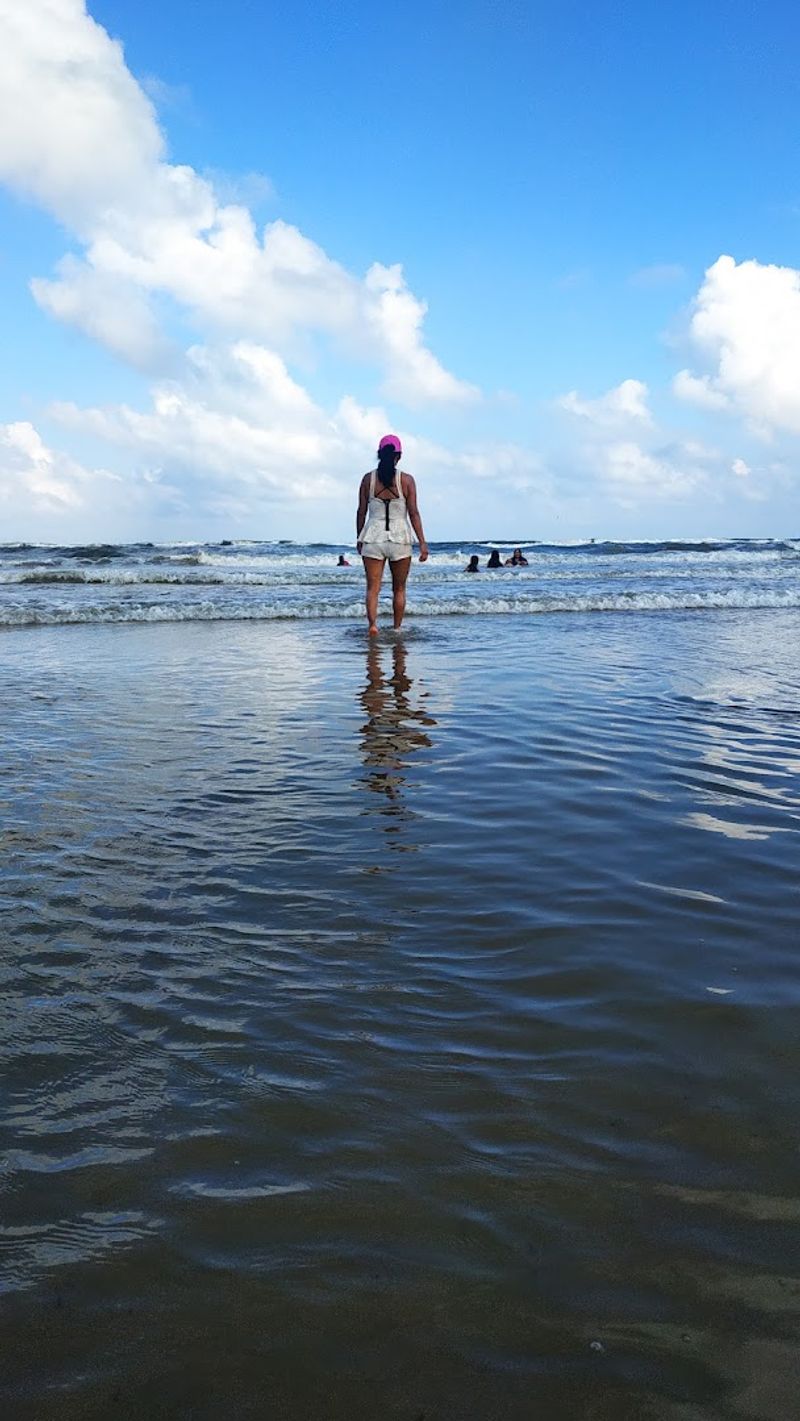
The Gulf of Mexico at Surfside Beach is warm for a significant portion of the year, which is one of the reasons Texas beach season extends well beyond the summer months. Water temperatures that would feel cold on Atlantic or Pacific beaches feel perfectly comfortable here, particularly from late spring through early fall.
The surf at Surfside is generally mild compared to more exposed coastlines, making it suitable for families with young children who want to splash in the shallows without dealing with powerful waves. That said, rip currents can develop in any Gulf beach conditions, and paying attention to posted flags and warnings is always the right move.
The shallow, warm water close to shore is where most families spend their time. Kids wade, build channels in the sand, and chase small waves while adults stand in waist-deep water enjoying the Gulf temperature.
It is uncomplicated beach swimming at its most enjoyable, and the drive-on access makes the whole setup feel effortless.
What Makes This Beach Different From Galveston
Galveston gets most of the attention when people talk about Texas beach destinations. It has the history, the infrastructure, and the name recognition.
Surfside Beach offers something different, and for a growing number of visitors, something better.
The crowds at Surfside are thinner. The commercial development along the shoreline is minimal.
The beach itself is wider and less interrupted by seawalls and jetties in most sections. And the drive-on access, which Galveston does not offer in the same way, changes the entire character of a beach day.
People who discover Surfside often describe it as feeling like what Texas beach culture used to be before heavy development arrived elsewhere. That is not a knock on Galveston, which has its own genuine appeal and history.
It is simply an acknowledgment that Surfside Beach operates on a different scale and at a different pace, one that suits a certain kind of beach visitor very well.
Tips for Your First Visit
A few practical details make a first trip to Surfside Beach significantly more enjoyable. Arriving early, especially on summer weekends, means you get your pick of spots along the beach before the crowds build.
Midday heat along the Texas coast is intense, so having shade, whether from an umbrella, a canopy, or your vehicle itself, is not optional.
Sunscreen with high SPF is essential. The Gulf Coast sun reflects off both the water and the sand, and the breeze can make it easy to underestimate how much exposure you are getting.
Bringing more water than you think you need is equally important.
For drivers heading onto the sand, a small shovel and a tow strap stored in the vehicle provide peace of mind. Most visits go smoothly, but being prepared for a stuck tire saves a lot of stress.
Checking a current tide chart before you go helps you plan your beach driving around optimal sand conditions throughout the day.
Why People Keep Coming Back
There is a specific kind of loyalty that Surfside Beach inspires in the people who visit it regularly. It is not about luxury amenities or world-class attractions.
It is about a feeling that is increasingly hard to find at popular beach destinations: the sense that the beach belongs to you, at least for the day.
Driving onto the sand, parking next to the water, setting up your chairs and cooler, and spending an entire day without once leaving your spot is a deeply satisfying experience. The simplicity of it is the whole point.
No shuttles, no long walks, no competition for a patch of sand near the water.
Surfside Beach rewards the kind of visitor who values access over amenities and open space over organized entertainment. The Gulf is right there.
The sky is enormous. The 27 miles of drivable shoreline stretch out in both directions with room for everyone.
That combination, honest and uncomplicated, is exactly what keeps people coming back season after season.
Share this story