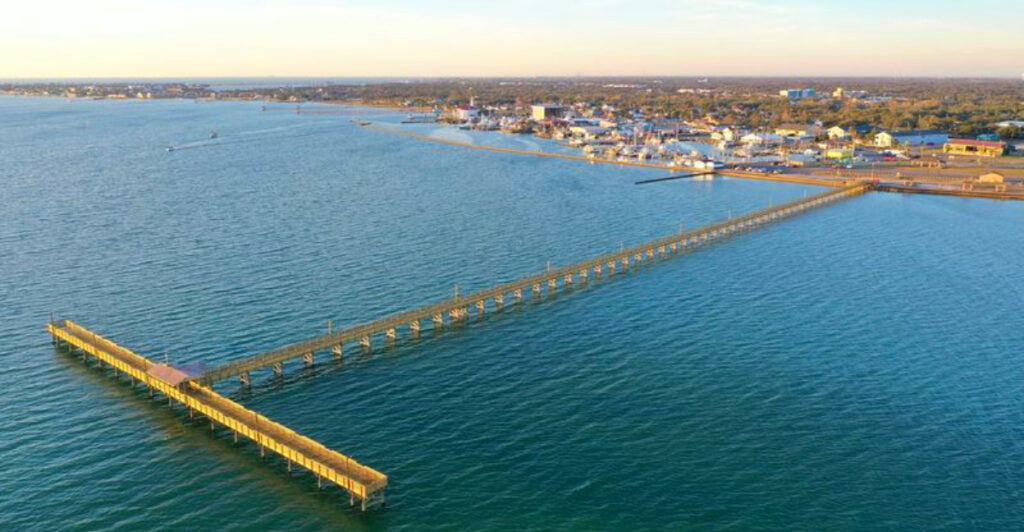
There is a small Texas coastal town where the salt air hits you the moment you step out of your car, and the first thing most visitors head straight for is a wooden pier stretching more than 1,100 feet over Aransas Bay. That pier is not just a place to fish.
It is the kind of spot where locals gather before sunrise, pelicans cruise overhead, and the water below changes color depending on the light. Fulton, Texas may have a population of just over 1,600 people, but this South Texas fishing community punches well above its weight when it comes to waterfront character, wildlife, and coastal history worth exploring.
The Town That George Ware Fulton Built
Not every small town carries its founder’s name with such a clear sense of purpose. Fulton, Texas, located in Aransas County along the Texas Gulf Coast, was named for George Ware Fulton, a land developer who shaped much of the region during the nineteenth century.
Fulton sits right alongside Rockport, its neighboring city, and the two communities share so much coastline and culture that visitors often experience them together. Still, Fulton holds its own distinct identity rooted in fishing, bay life, and a tight-knit community that has been here for generations.
The town’s position on Aransas Bay gives it a front-row seat to some of the most productive coastal waters in Texas. That geography has defined everything about Fulton, from its economy to its daily rhythms.
With a current population of roughly 1,655 residents, it remains one of the most authentically coastal towns on the entire Texas shoreline.
Fulton Pier: 1,100 Feet Over Aransas Bay
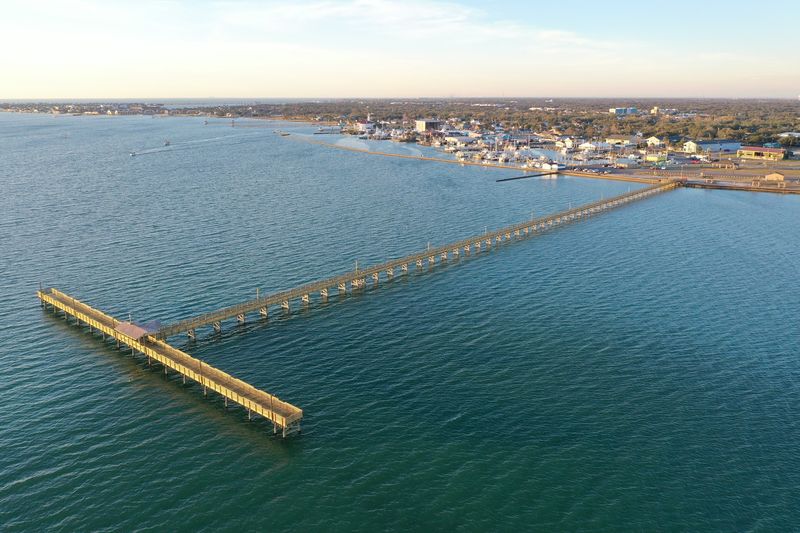
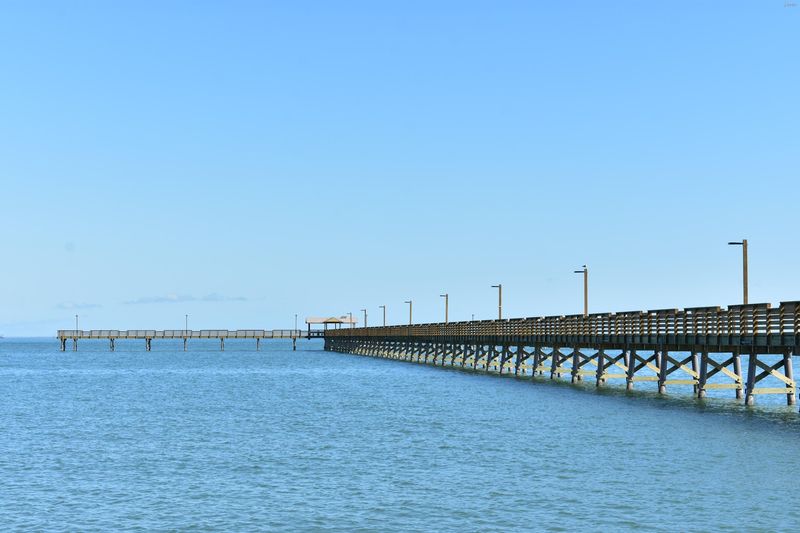
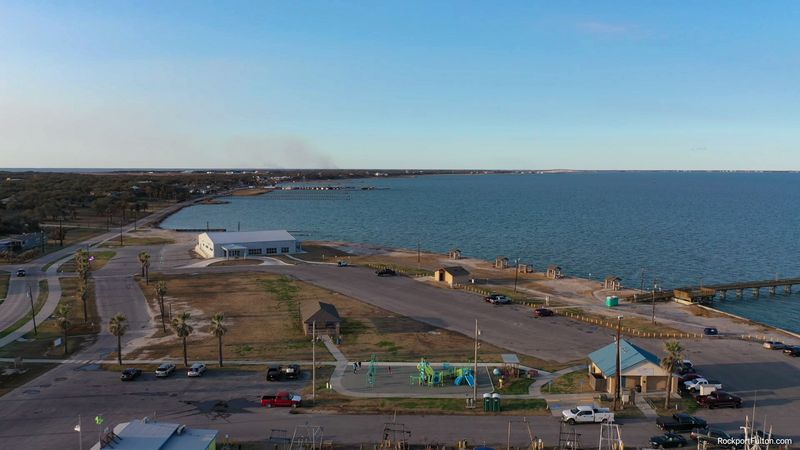
The Fulton Pier is the centerpiece of this town, and once you walk it, you understand exactly why. Stretching approximately 1,100 feet out over Aransas Bay, it gives anglers and casual visitors alike a remarkable vantage point over open water that feels miles from any shoreline crowds.
Fishing from this pier is a serious local tradition. Red drum, speckled trout, flounder, and sheepshead are among the species regularly caught here depending on the season.
Early mornings tend to be the most productive, and you will often find regulars already set up with multiple rods before the sun fully clears the horizon.
Even if fishing is not your focus, walking the length of the pier is worth every step. The bay views from the far end are wide and unobstructed.
On clear days, you can see for a considerable distance across the water in every direction.
What the Bay Looks Like at First Light
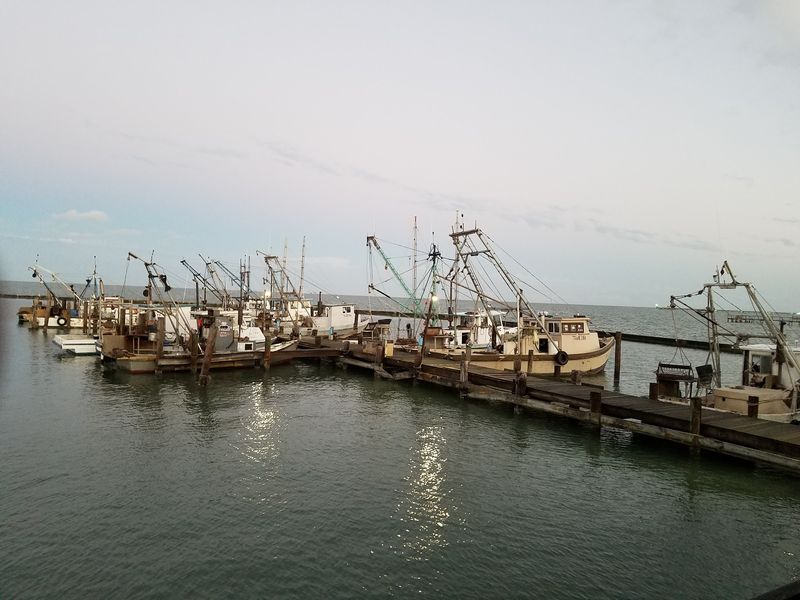
Aransas Bay at dawn is genuinely one of the quieter pleasures of visiting Fulton. The water tends to be glassy in the early hours, and the sky above the bay turns through shades of orange and pink before the full light of day arrives.
Shrimp boats head out during these early hours, their running lights visible across the water. Brown pelicans glide low over the surface, and great blue herons stand perfectly still along the shoreline like they are waiting for something only they can see.
This is the kind of morning scene that reminds you why coastal communities like Fulton have drawn people for so long. There is nothing flashy about it.
The appeal is completely honest. You are watching a working bay wake up, and it does so with a kind of unhurried grace that most people find surprisingly refreshing after even one morning spent here.
A Working Waterfront With Real History
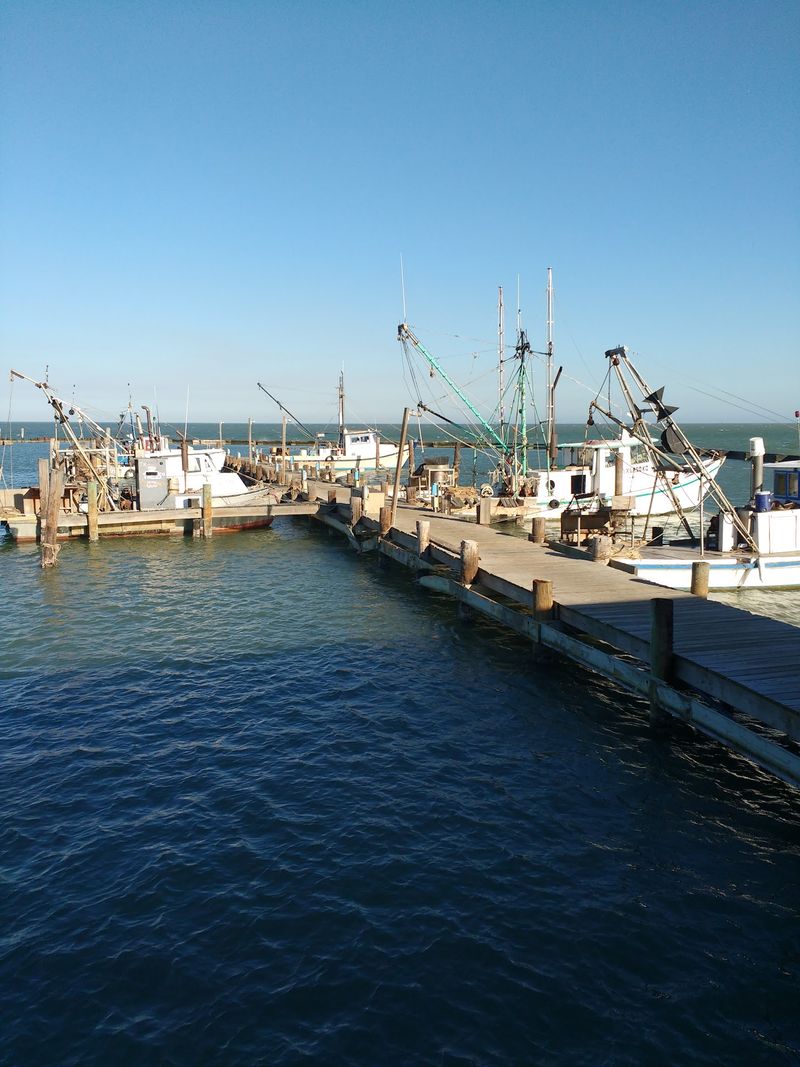
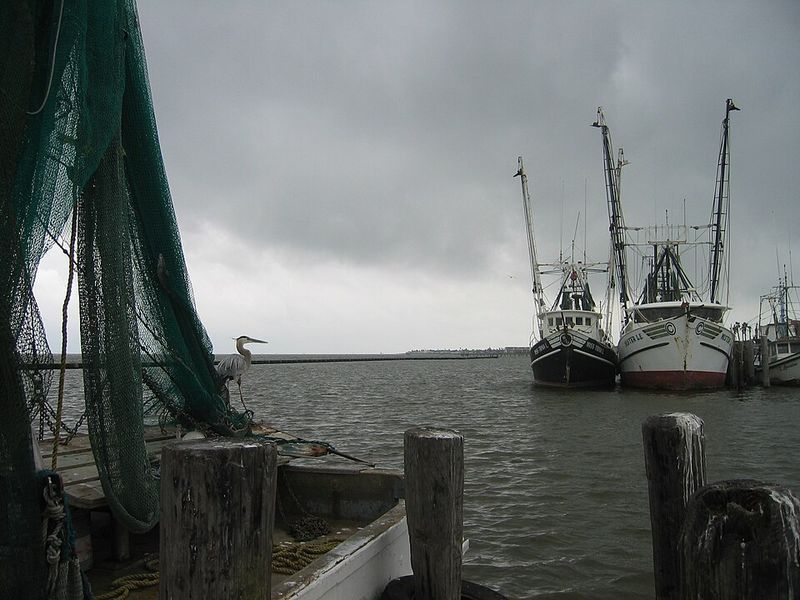
Fulton has been a working waterfront community for well over a century. The commercial fishing and shrimping industries shaped this town long before tourism became part of the equation, and traces of that heritage are still visible along the harbor.
Shrimping has been a cornerstone of the local economy here, and the boats that dock in Fulton are not decorative. They go out regularly, and the catch they bring back has supplied seafood markets and restaurants throughout the region for decades.
Walking along the harbor, you get a real sense of how much life revolves around the water in this community. The docks carry the smell of salt and diesel, and the equipment stacked along the waterfront tells the story of a fishing culture that has not softened into a purely tourist-facing version of itself.
Fulton keeps its working identity, and that authenticity is a big part of what makes it worth visiting.
The Oystercatcher Capital of the Coast
Birders who visit the Texas coast for the first time are often caught off guard by just how much wildlife activity surrounds Fulton. The town sits within one of the most important migratory bird corridors in North America, and the species diversity here is extraordinary.
American oystercatchers, roseate spoonbills, tricolored herons, reddish egrets, and black skimmers are all regularly spotted along the shoreline and tidal flats near Fulton. The mix of bay, marsh, and open water habitats creates ideal conditions for a wide range of coastal bird species throughout the year.
Fall migration brings even larger numbers of birds through the area, and spring is equally impressive. Serious birders plan entire trips around the Texas coast specifically because of this region.
For anyone who has never watched a roseate spoonbill feed in shallow water up close, the experience tends to leave a lasting impression that no photograph quite captures.
Whooping Cranes Just Down the Bay
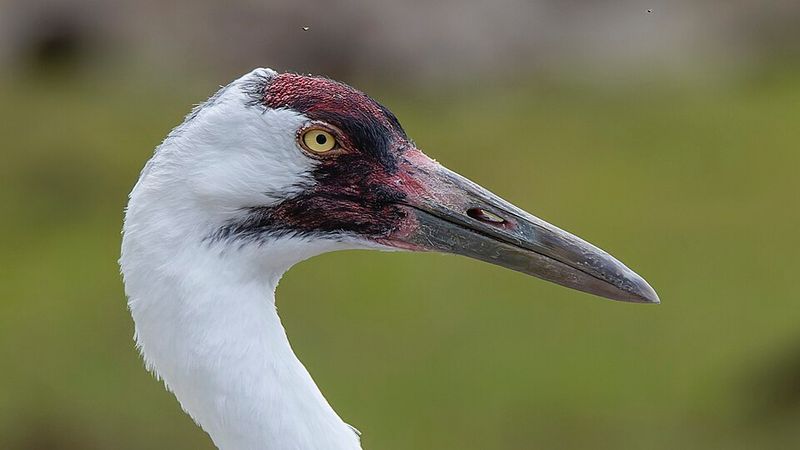
One of the most remarkable wildlife experiences accessible from Fulton involves a bird that nearly vanished from the planet. The whooping crane, North America’s tallest bird and one of its rarest, winters at Aransas National Wildlife Refuge, located just a short distance from Fulton along the same bay system.
Tour boats depart from the Rockport-Fulton area to take visitors out for closer views of these birds during the winter months. Seeing a whooping crane standing in the shallows, brilliant white against the brown marsh grass, is one of those experiences that tends to stay with people for a long time.
The population of whooping cranes that winters here represents the only naturally wild migratory flock of the species remaining. That fact alone makes the area around Fulton significant on a global scale.
Most visitors have no idea they are this close to one of conservation’s most important ongoing success stories.
Fulton Mansion State Historic Site
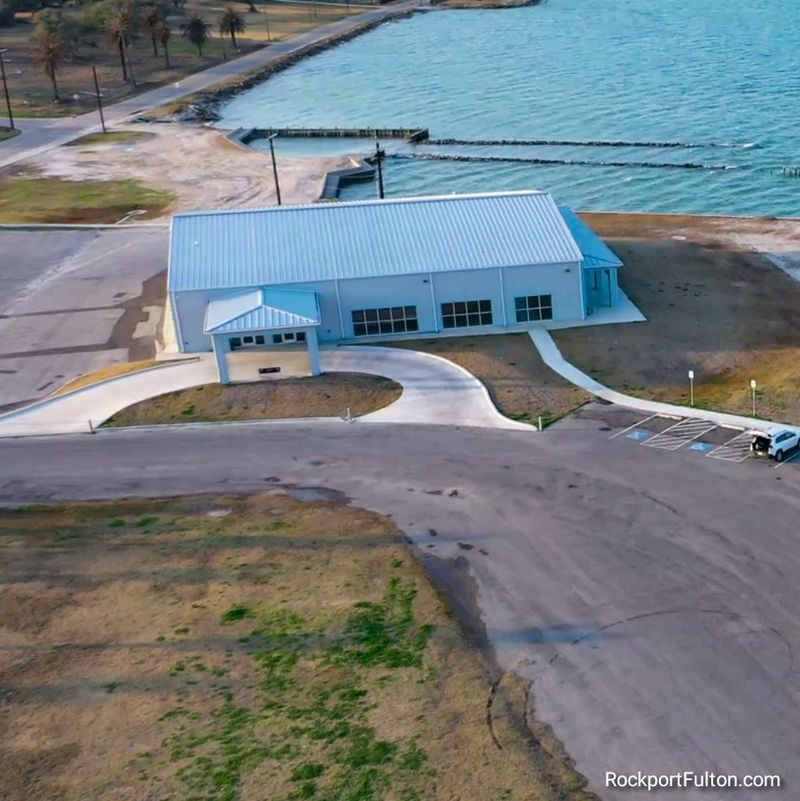
Right in the heart of Fulton sits a Victorian-era mansion that feels completely out of place until you learn who built it. The Fulton Mansion State Historic Site preserves the home of George Ware Fulton himself, constructed in the 1870s and considered remarkably advanced for its time.
The mansion featured running water, central heating, and forced-air ventilation decades before such amenities became common in American homes. Fulton was an engineer by training, and he designed the house himself with a level of technical sophistication that still impresses visitors today.
Tours of the mansion walk visitors through the restored interior, which reflects the lifestyle of a prosperous nineteenth-century Texas family. The views from the upper floors look out over the same bay that George Fulton once watched from these windows.
The property is managed by Texas Parks and Wildlife and remains one of the most historically significant sites on the entire Texas coast.
Fresh Seafood Straight From the Source
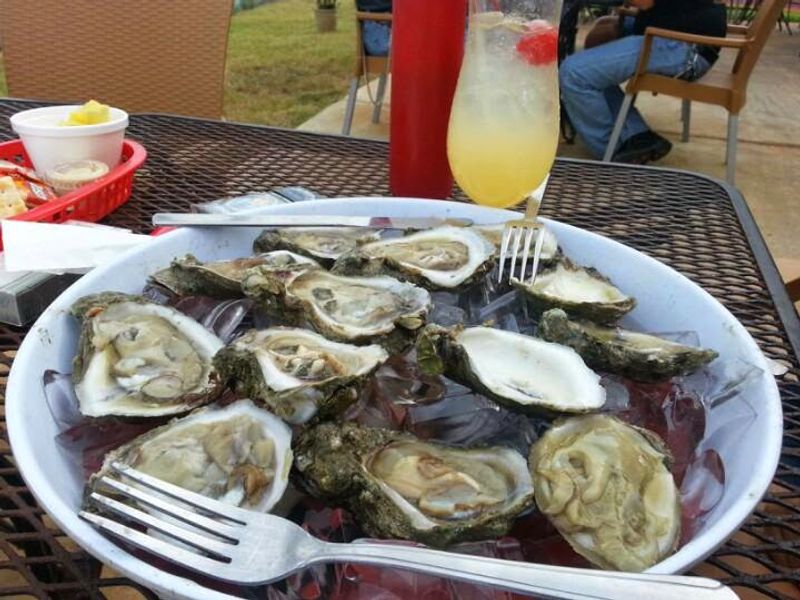
Eating seafood in Fulton carries a different weight than ordering it elsewhere. The shrimp on your plate may have been pulled from the same bay you watched that morning.
The fish may have been unloaded at a dock you walked past on your way to the pier. That kind of proximity changes how food tastes, or at least how it feels to eat it.
Waterfront seafood restaurants around Fulton and neighboring Rockport serve Gulf shrimp, oysters, red snapper, flounder, and blue crab prepared in straightforward ways that let the freshness do most of the work. Fried shrimp baskets, grilled fish tacos, and boiled crab are staples at casual spots along the water.
The portions tend to be generous, the settings are unpretentious, and the views of the bay from outdoor seating areas make the meal feel like something more than just lunch. It is the kind of food experience that is hard to replicate anywhere far from the coast.
The Aransas Bay Shoreline on Foot
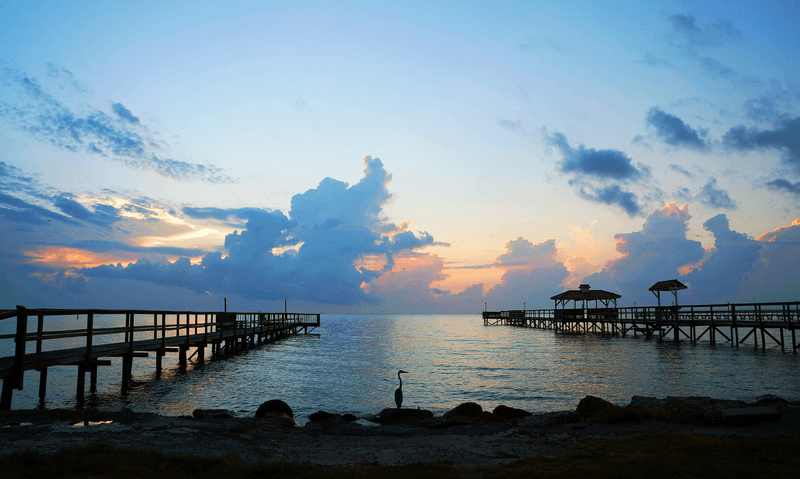
One of the most underrated ways to experience Fulton is simply walking the shoreline. The town has waterfront areas where you can stroll along the bay’s edge, watch the water, and get a feel for the pace of life here without any particular agenda.
The bay side of Fulton offers views of the open water, passing boats, and the kind of coastal scenery that reminds you how different this part of Texas feels from the inland cities just a few hours away. Egrets pick through the shallows nearby, and the breeze off the water keeps things comfortable even when the sun is strong.
There is something genuinely restorative about walking a bay shoreline in a town this small. You are not navigating crowds or competing for space.
The waterfront here has room to breathe, and that spaciousness is part of what makes Fulton feel like a place worth slowing down in for a day or two.
Kayaking and Paddling on Calm Bay Waters
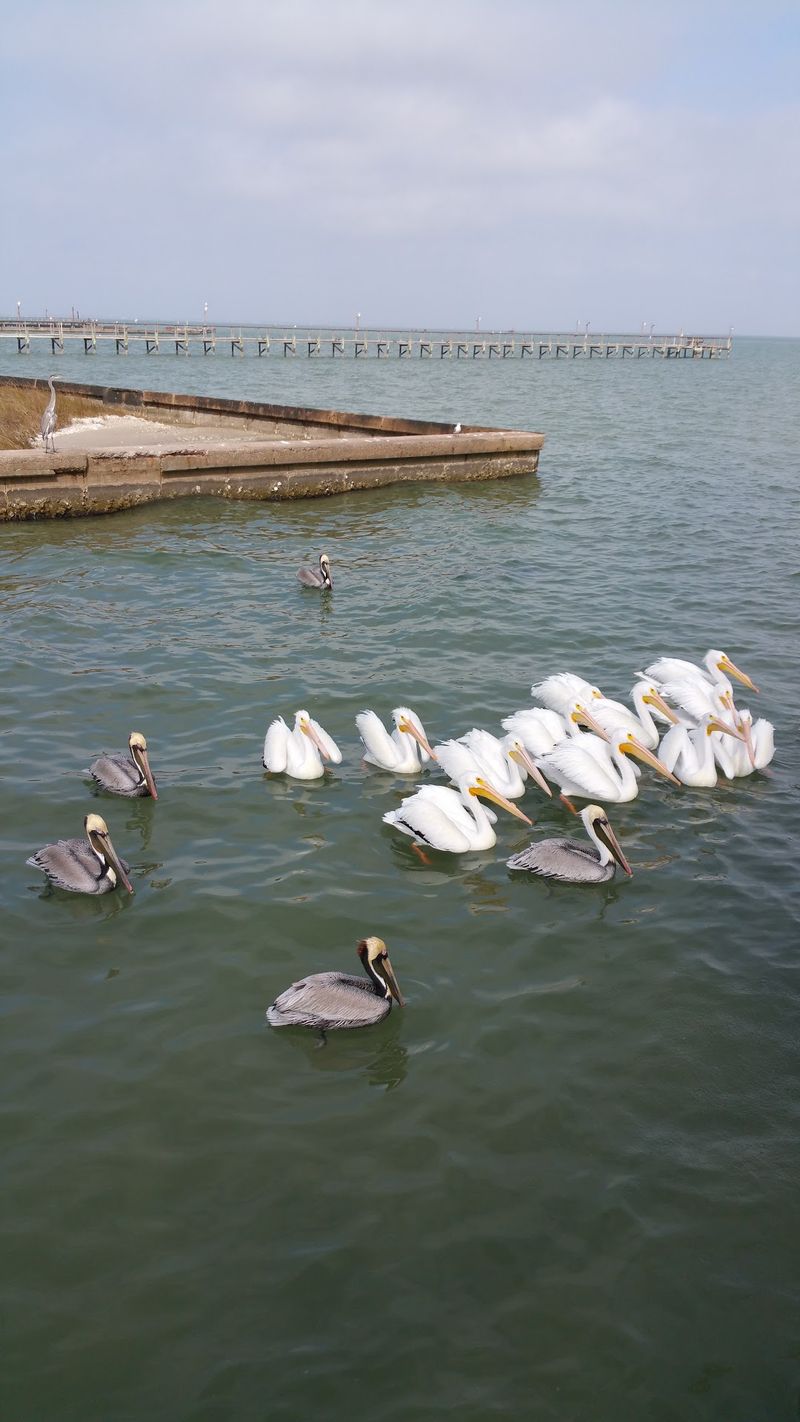
Aransas Bay’s calm, shallow waters make it one of the better spots on the Texas coast for kayaking and paddleboarding. The bay does not have the heavy surf of the Gulf side, which means even beginners can get comfortable on the water quickly without fighting significant wave action.
Paddling close to the marsh edges near Fulton puts you at eye level with the wildlife in a way that no boat tour can match. Great blue herons take off just a few feet ahead of your kayak, and mullet jump around you in the shallows.
The experience feels genuinely immersive.
Early mornings and late afternoons tend to offer the calmest conditions and the most wildlife activity. The light during those hours also makes the bay look particularly beautiful from water level.
For visitors who want a more active way to connect with the coastal environment here, paddling the bay edges near Fulton is hard to beat.
A Town That Hurricane Harvey Reshaped
Hurricane Harvey made landfall near Rockport and Fulton in August 2017 as one of the most powerful storms to hit the Texas coast in decades. The damage to both communities was severe, and the recovery process took years of sustained effort by residents and local organizations.
Fulton’s waterfront took a direct hit, and many structures along the bay were significantly damaged or destroyed. The rebuilding that followed reshaped parts of the town’s physical landscape, and some areas look noticeably newer than others as a result.
What the recovery revealed, more than anything else, was the resilience of this small community. Residents who had lived here their entire lives chose to rebuild rather than leave, and the town came back with its coastal character largely intact.
Visiting Fulton today, you see both the scars and the strength. That combination gives the town a depth that purely picture-perfect destinations rarely have.
Why Locals Return to the Pier Season After Season
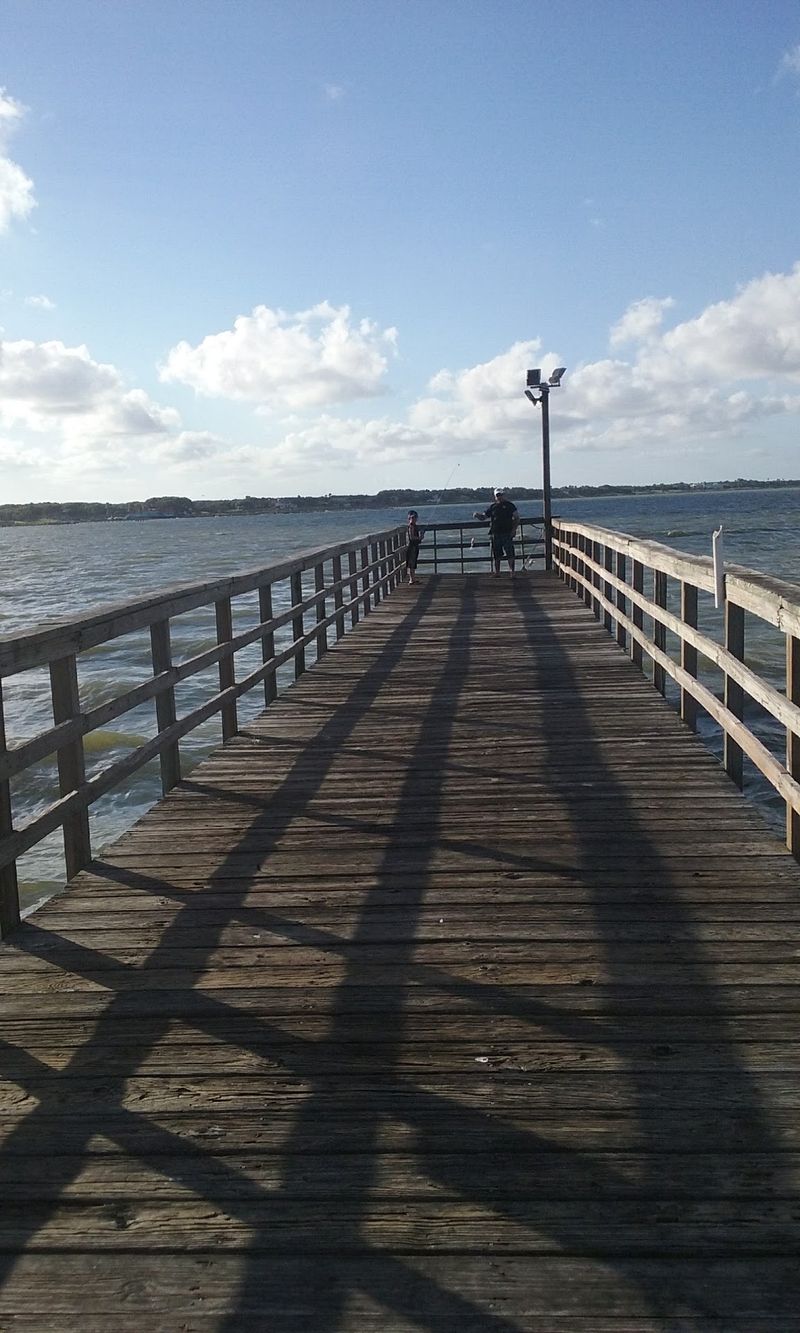
Ask a local why they keep coming back to the Fulton Pier, and the answer usually has less to do with the fish and more to do with the ritual. There is something about standing at the end of a pier over open water, watching the bay move, that functions almost like a reset button for people who live here.
Regulars know which spots along the pier tend to produce better results at different times of year. They know what the tide is doing and which bait is working that week.
That accumulated knowledge is passed between neighbors, family members, and the occasional patient stranger who asks the right questions.
The pier also works as a community gathering point in a way that is hard to manufacture artificially. Conversations happen naturally when people are standing side by side watching their lines.
For a town of 1,655 people, that kind of casual daily connection is part of what keeps the community cohesive and worth returning to.
Planning Your Visit to Fulton
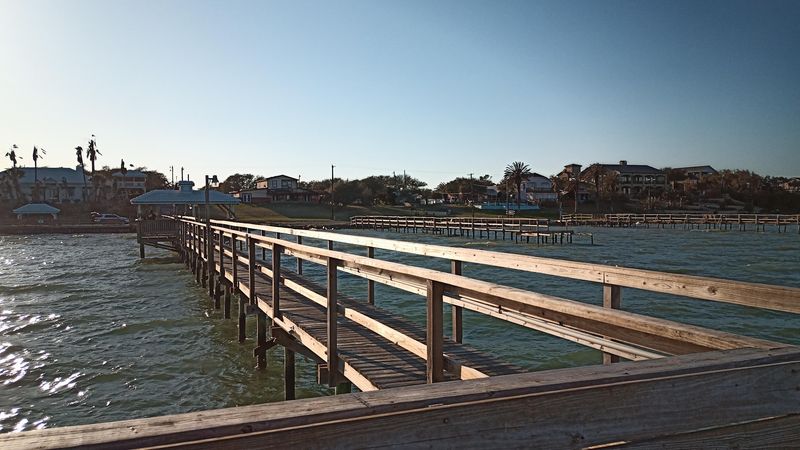
Fulton sits just off Texas State Highway 35, making it accessible by car from San Antonio in roughly two and a half hours and from Houston in about three hours. The town shares so much with neighboring Rockport that most visitors stay in one and explore both during the same trip.
The cooler months between October and April tend to be the most comfortable for outdoor activities, and winter is the prime season for whooping crane viewing at the nearby wildlife refuge. Spring brings strong birding opportunities during migration, while summer draws families to the water despite the heat.
There are no major theme parks or luxury resorts here, and that is entirely the point. Fulton rewards visitors who want real coastal character over polished tourism infrastructure.
Bring sunscreen, comfortable walking shoes, and a fishing license if you plan to use the pier. The bay will take care of the rest.
Share this story