Right in the middle of one of the busiest cities in Texas, there is a spot where the sound of rushing water replaces traffic noise and koi glide silently beneath lily pads. Most people driving along Barton Springs Road have no idea what is tucked just behind the tree line.
A 31-acre botanical garden sits quietly inside Zilker Park, holding one of the most serene Japanese garden spaces you will find anywhere in the American South. Once you walk through the entrance and pick up your map, the city starts to feel very far away.
The First Impression Walking Through the Garden Gates
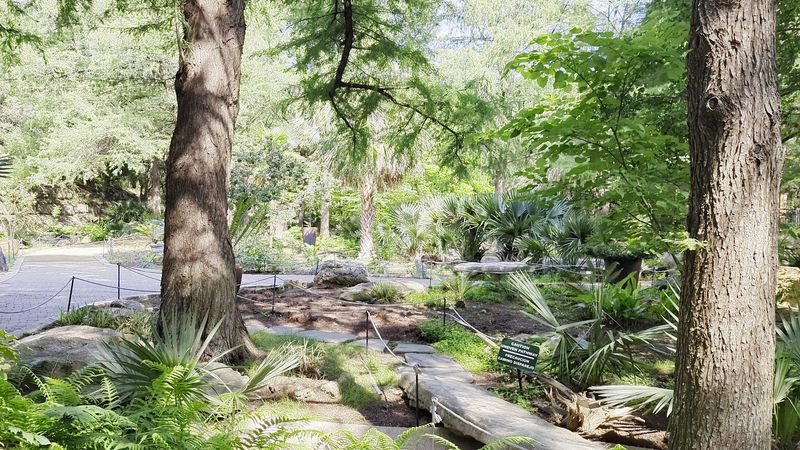
There is a moment right after you step through the entrance of Zilker Botanical Garden when the noise of Austin simply stops. The trees close in around the path, the air feels a few degrees cooler, and the whole place has a kind of quiet confidence about it.
Zilker Botanical Garden is located at 2220 Barton Springs Rd, Austin, TX 78746, inside the beloved Zilker Park. The garden opens at 8 AM every day of the week, which makes early morning one of the best times to visit before the crowds arrive.
Picking up a map at the entrance is genuinely useful here. The garden is divided into distinct themed sections, and following the map keeps you from missing anything.
Most visitors spend between 90 minutes and two hours exploring, though you could easily linger longer if the weather cooperates.
The Japanese Garden That Stops People in Their Tracks
The Japanese garden section is the reason most people come back to Zilker Botanical Garden more than once. There is something genuinely transportive about it, and that word gets overused, but here it earns its place.
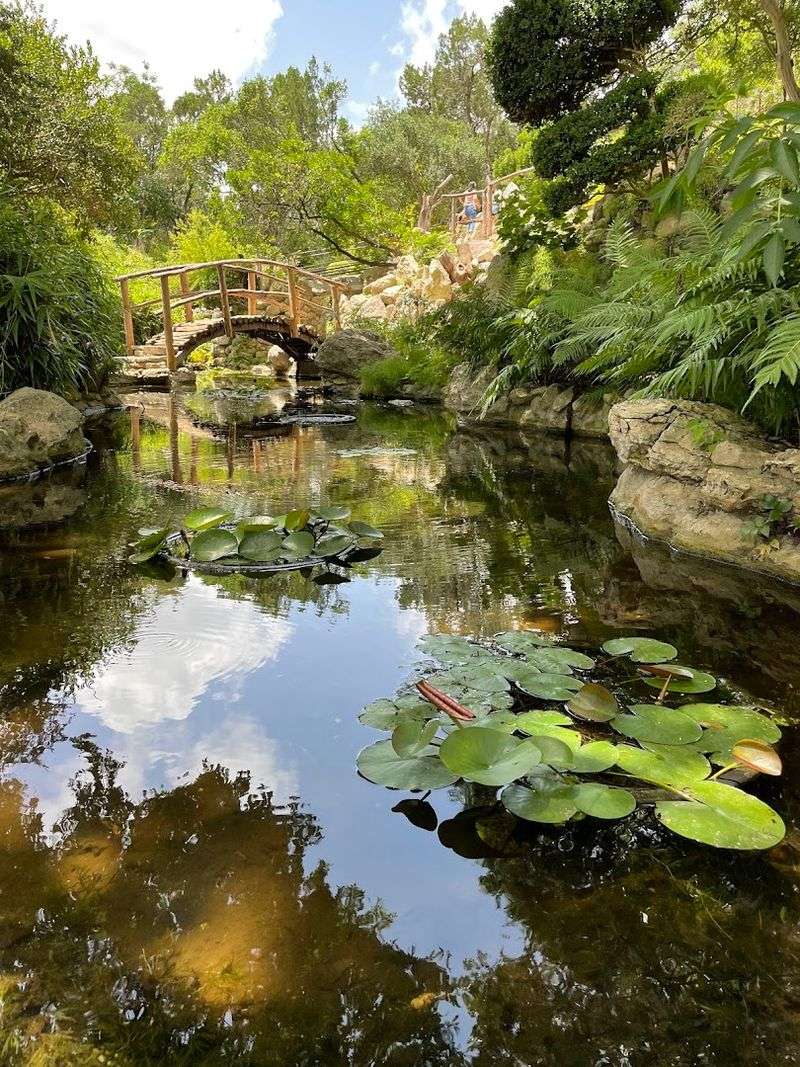
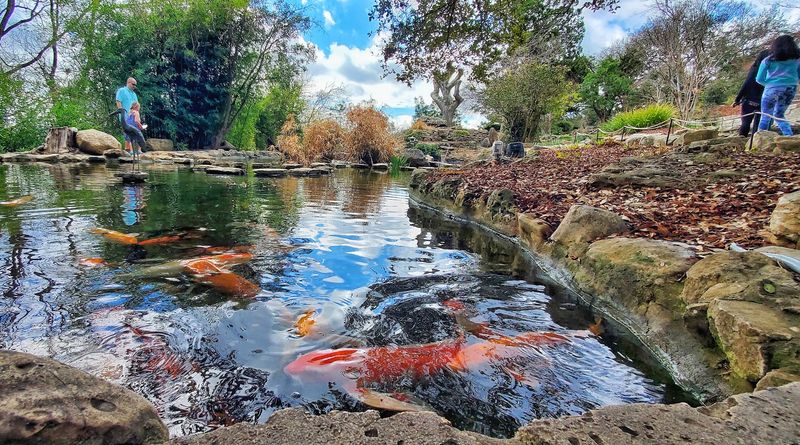
Stone lanterns line the edges of the water. Koi drift slowly through the pond, their orange and white scales catching the light filtering through the canopy above.
Water lilies spread across the surface in a way that looks almost too perfect to be real.
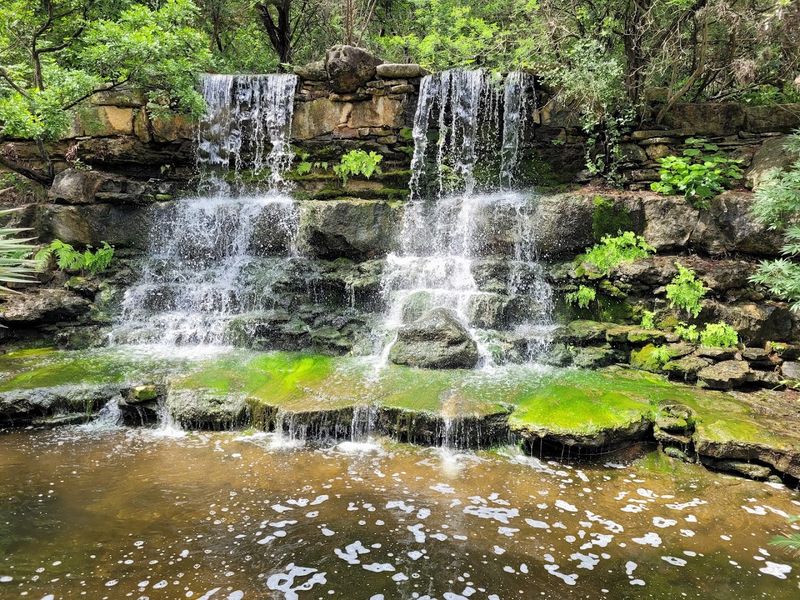
The waterfall features add a steady, soft sound that makes the whole area feel like a separate world. People sit on benches here for long stretches, not looking at their phones, just watching the fish.
That does not happen often in a city the size of Austin. The Japanese garden alone justifies the trip across town.
A Dinosaur Garden That Kids Absolutely Love

Not every botanical garden has a dinosaur. Zilker does, and it is one of those details that catches adults off guard just as much as it delights kids.
The prehistoric garden features ancient plant species alongside a dinosaur statue that has become one of the garden’s most talked-about surprises.
Cycads, ferns, and other plants that date back millions of years fill this section with a texture and color palette that feels genuinely different from the rest of the garden. It is educational without feeling like a classroom.
Families with young children tend to spend extra time here, and honestly, that energy is contagious. Watching a six-year-old sprint toward a life-size dinosaur in the middle of a botanical garden is one of those small travel moments that sticks with you.
The prehistoric garden is proof that good design can make science feel like pure fun.
The Rose Garden and Its Quiet Seasonal Charm
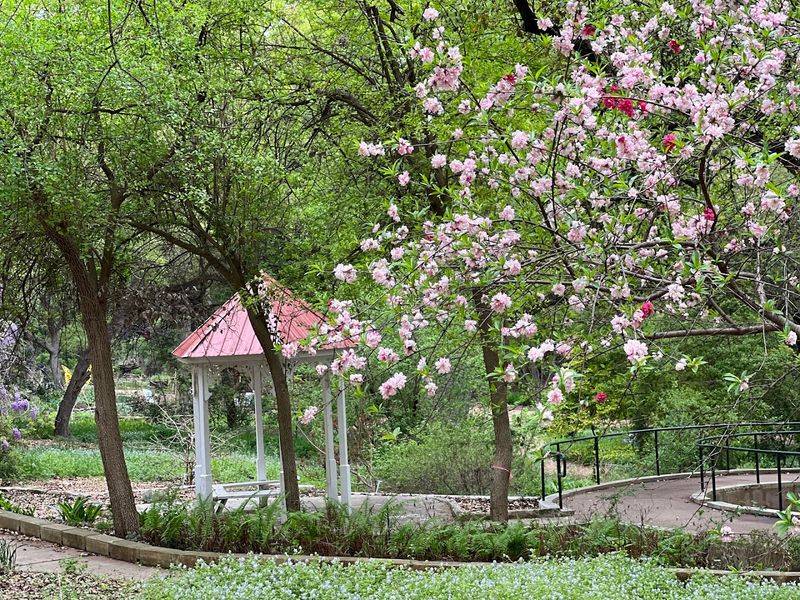
Timing a visit to catch the rose garden in full bloom is one of those small travel victories worth planning around. Spring brings an explosion of color to this section, with roses in deep red, soft pink, and warm yellow crowding the beds in every direction.
Even outside of peak bloom season, the structure of the garden is appealing. The neat rows and careful pruning give this area a more formal feel compared to the wild lushness of the Japanese section nearby.
Rose gardens can sometimes feel a little stiff, like a room nobody actually uses. This one manages to avoid that by staying approachable and easy to wander through.
Benches are placed at thoughtful intervals, so you can sit and take it all in without feeling like you need to keep moving. It rewards slow walking more than almost any other section.
The Butterfly Garden and Its Unexpected Wildlife
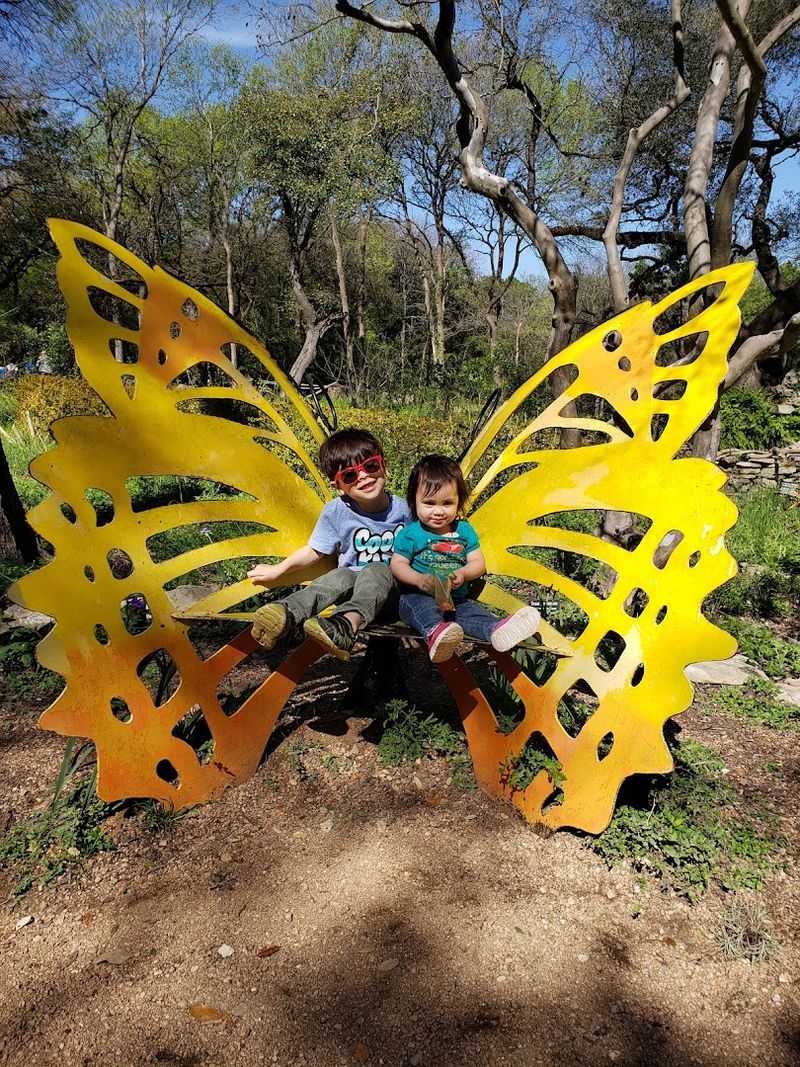
Butterflies are not shy at Zilker Botanical Garden. The butterfly garden draws a colorful variety of species, and on a warm morning, the air above the flower beds practically shimmers with wings.
Monarchs, swallowtails, and smaller species move between blooms with no particular urgency.
Hummingbirds also show up here with some regularity, which is one of those bonuses that nobody warns you about. Spotting a hummingbird in the wild, hovering just a few feet away, is the kind of thing that makes you stop mid-sentence.
Mockingbirds and lizards round out the wildlife roster, turning a walk through this section into something closer to a nature observation than a casual stroll. Visitors who bring a little patience and move slowly through this area tend to see far more than those who rush.
The butterfly garden rewards curiosity in a way that feels genuinely rewarding.
The Woodland Faerie Trail That Sparks Imagination
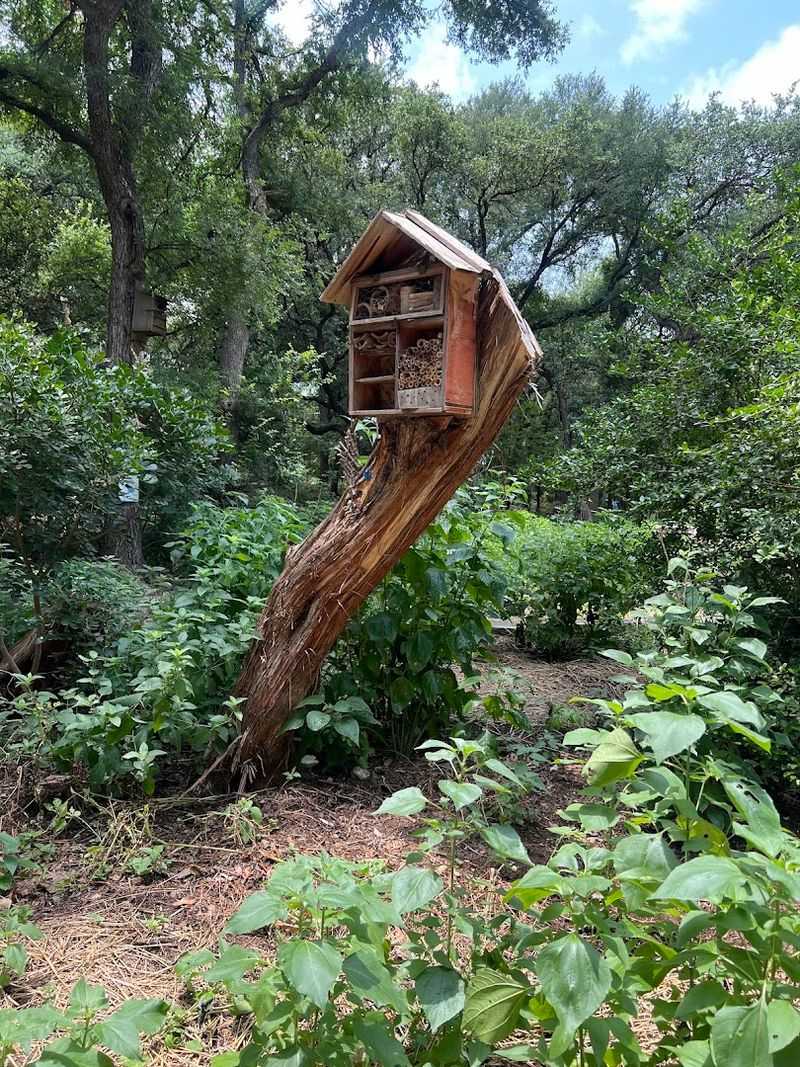
The Woodland Faerie Trail is one of those seasonal installations that turns a botanical garden visit into something genuinely magical, especially for younger visitors. Tiny fairy houses built from natural materials appear tucked into tree roots, wedged between rocks, and nestled under ferns throughout a wooded section of the garden.
The creativity on display is remarkable. Each structure is handmade and unique, ranging from elaborate multi-story designs to simple mossy shelters that look like they have always been there.
Adults who wander through this trail without kids tend to linger just as long as the children do.
When the trail is active, it adds an entirely different layer to the garden experience. It is the kind of thing that reminds you why public spaces built around creativity and nature matter so much.
Check ahead to confirm when the trail is running before planning your visit around it.
The Herb Garden and Its Practical Appeal
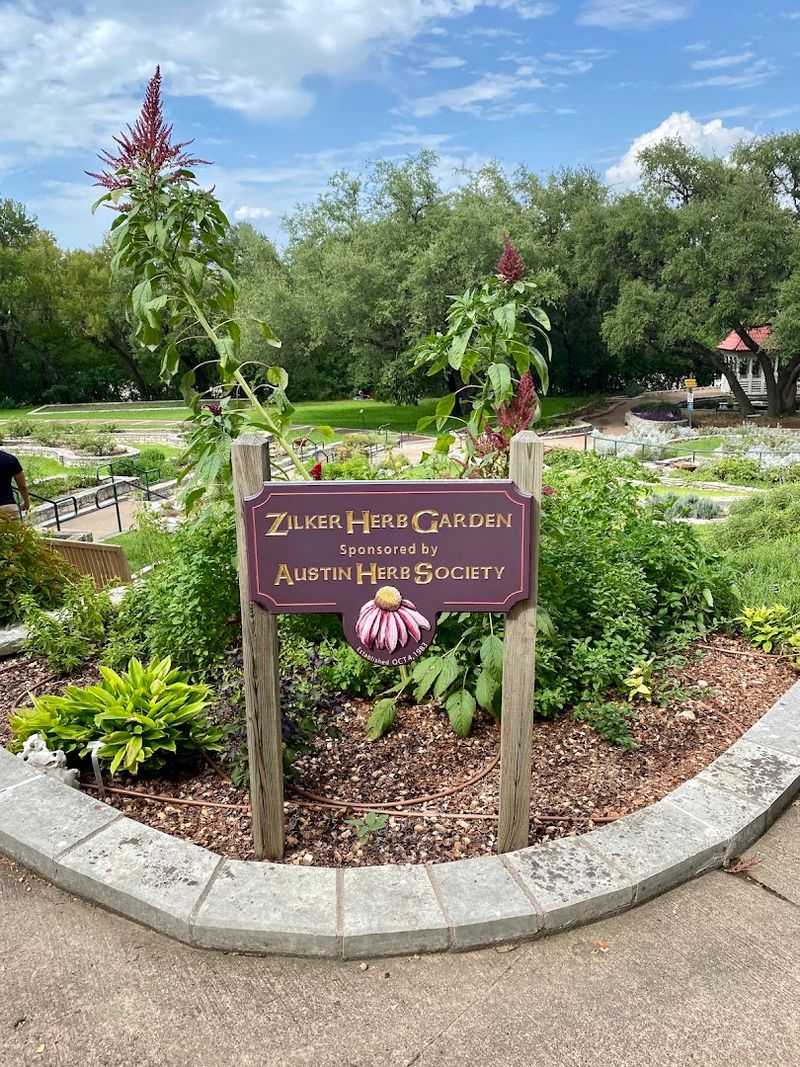
The herb garden at Zilker does something clever. It bridges the gap between ornamental beauty and everyday usefulness in a way that resonates with a wide range of visitors.
Lavender, rosemary, basil, and other familiar plants grow in well-tended beds that are as fragrant as they are visually appealing.
Walking through this section on a warm morning, when the oils in the leaves are most active, is a genuinely sensory experience. The scent combinations shift from one bed to the next in a way that keeps you moving forward just to find out what comes next.
Home gardeners find this section particularly inspiring. Seeing how different herbs are grouped and maintained at a garden of this caliber gives practical ideas that translate directly to a backyard or patio setup.
It is one of the more underrated sections of Zilker, often overshadowed by the more dramatic Japanese garden nearby.
The Escarpment Trail Through the Woods
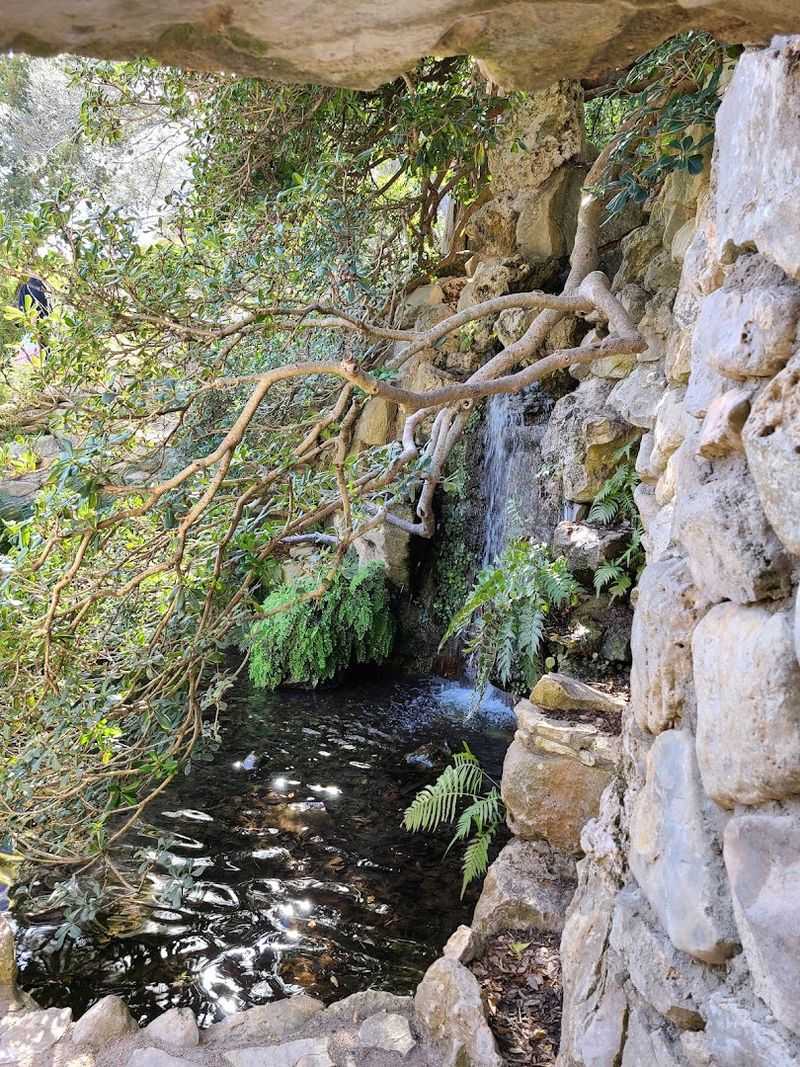
Most visitors stick to the main garden sections and never discover the escarpment trail that winds through the wooded edges of the property. That is a genuine oversight, because this trail offers a completely different atmosphere from the manicured garden beds closer to the entrance.
Cedar and oak trees create a dense canopy overhead, and the path narrows in places, giving the whole experience a more adventurous feel. The light filters through the leaves in a way that photographers tend to appreciate immediately.
The trail meanders through the woods without feeling overly long or demanding. It is accessible for most fitness levels and adds meaningful variety to the visit.
After spending time in the formal garden sections, stepping into the shaded woodland trail feels like a natural exhale. It rounds out the experience in a way that makes the overall visit feel more complete than a simple garden walk.
The Historic Schoolhouse and Blacksmith Buildings
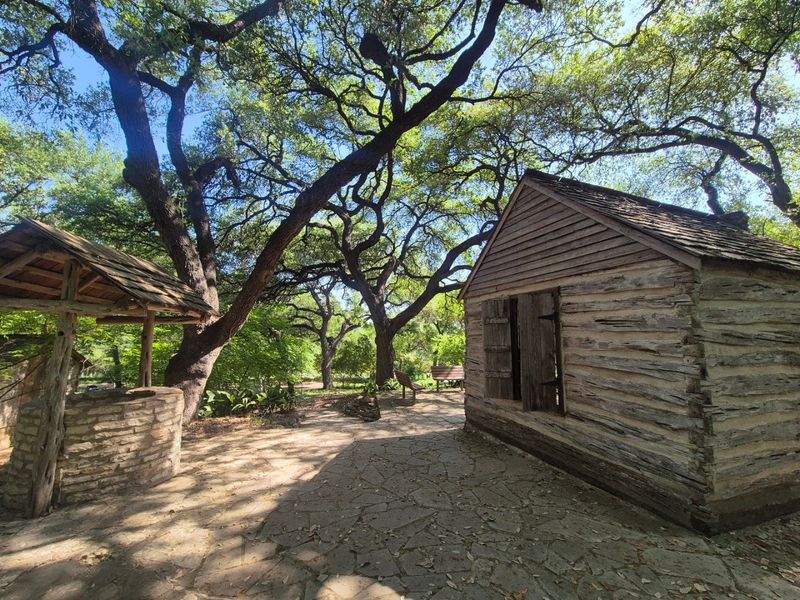
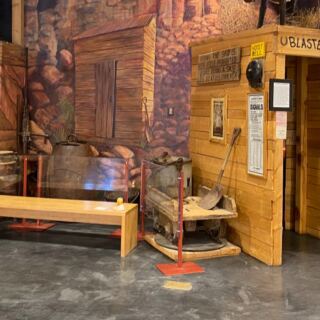
Tucked into the grounds of Zilker Botanical Garden are a historic schoolhouse and blacksmith buildings that most visitors walk past without fully registering what they are looking at. These structures add a layer of Texas history to a place that could easily just be about plants.
The buildings are not open for tours, but their exteriors alone are worth a closer look. The weathered wood and simple construction speak to an earlier era of Central Texas life, and they sit in quiet contrast to the lush cultivated gardens surrounding them.
Having these structures on the grounds gives the garden a sense of place that goes beyond horticulture. This is not just a collection of plants.
It is a piece of Austin’s history preserved alongside living, growing things. History and nature rarely coexist this comfortably, and the combination here feels both intentional and genuinely meaningful.
The Views of the Austin Skyline You Did Not Expect
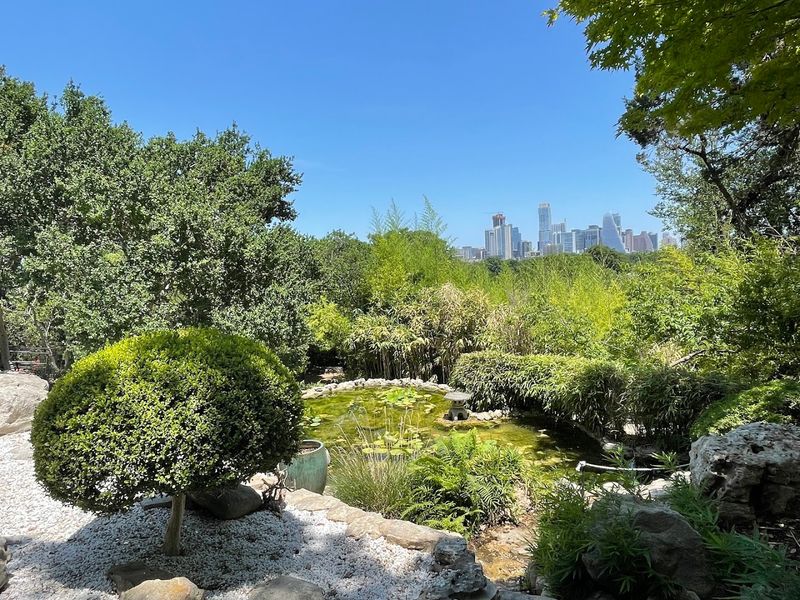
Near the visitor center, the tree line opens up just enough to reveal an unobstructed view of the Austin downtown skyline. It is one of those moments that catches you off guard, because nothing about the quiet garden paths prepares you for a city skyline suddenly appearing on the horizon.
The contrast is striking. You have just walked through koi ponds and rose gardens and wooded trails, and then the glass towers of downtown Austin materialize in the distance like a reminder of where you actually are.
This vantage point has become a favorite spot for photographs, and it is easy to understand why. The combination of green garden foreground and urban skyline background creates a composition that is hard to replicate anywhere else in the city.
One visitor mentioned eating breakfast here with that exact view, which sounds like an excellent plan worth copying.
The Succulent Garden and Its Unmistakably Texas Character
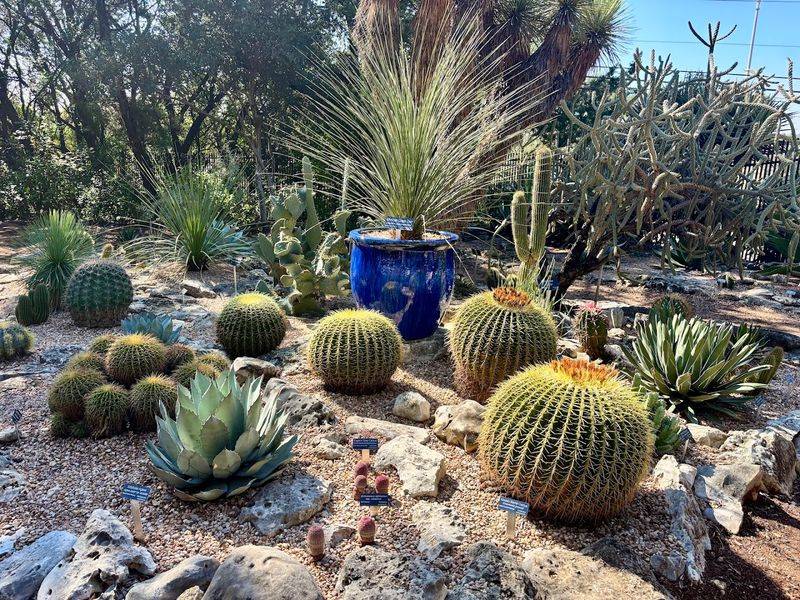
There is a small succulent garden at Zilker that packs a surprising amount of personality into a compact space. Cacti in various shapes and sizes share the beds with a wide range of succulents, and the whole section has an unmistakably Texan character that feels right at home in this city.
The textures here are unlike anything else in the garden. Smooth rosettes sit next to spiky columns, and the color palette shifts from dusty green to silver-blue to warm burgundy depending on the species.
It is visually interesting in a way that rewards close inspection.
For anyone who grows succulents at home, this section functions almost like a reference guide. Seeing mature, well-established specimens gives a clearer picture of what these plants can become with the right care and climate.
Austin’s heat suits them perfectly, and the garden makes a strong case for growing them locally.
The Garden’s Wildlife Beyond the Koi Ponds
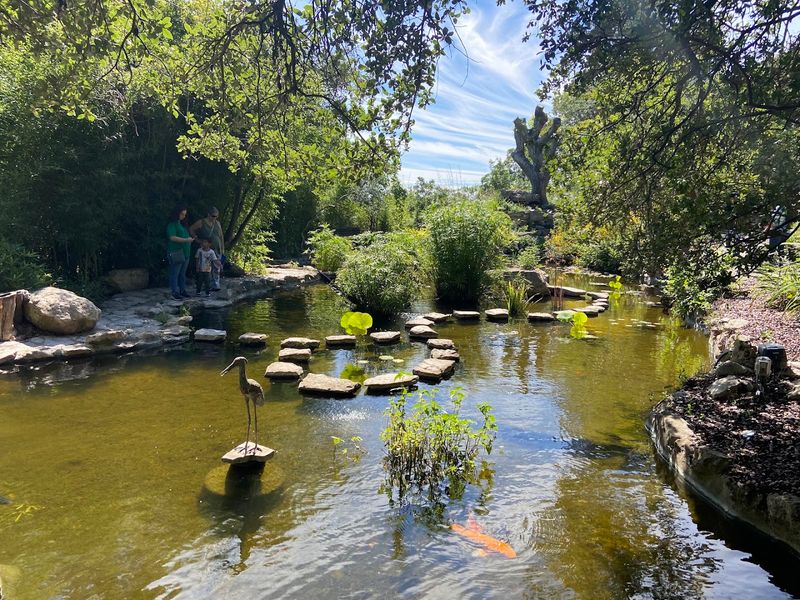
The koi get most of the attention at Zilker, but the broader wildlife picture here is worth paying close attention to. Turtles bask on rocks near the ponds with the unhurried confidence of creatures that know nobody is going to rush them.
Lizards dart across the stone paths. Bees move methodically through the flower beds.
Reptiles make occasional appearances in the less-trafficked sections of the garden, and birdwatchers find plenty to observe throughout the property. Mockingbirds are especially active and vocal, providing a natural soundtrack to the whole experience.
The wildlife at Zilker is not curated or contained. These animals have simply decided that a well-maintained botanical garden is an excellent place to live, and they are correct.
Bringing a little extra patience and moving quietly through the garden dramatically increases the chances of close wildlife encounters that no tour guide could ever guarantee.
Practical Tips for Getting the Most Out of Your Visit
Parking at Zilker Botanical Garden fills up fast, especially on weekends. Arriving early is the most reliable strategy, but if the main lot is full, an overflow lot on the opposite side of the garden handles the spillover.
Plan for a short walk regardless.
The garden is open from 8 AM to 4 PM every day of the week. Morning visits are cooler, quieter, and generally more enjoyable than afternoon visits during the hotter months.
Bringing insect repellent is a sensible precaution, though many visitors get through the whole experience without needing it.
Members of the American Horticultural Society get in free, which is a detail worth knowing before you buy a ticket. The gift shop near the visitor center carries a solid selection of garden-related items.
Casual phone photography is completely free, though professional photo shoots require a separate pass.
Why This Garden Keeps Drawing People Back
Zilker Botanical Garden is not the largest botanical garden in Texas. At 31 acres, it is compact enough to explore in a single visit, which is actually part of its appeal.
The size makes it approachable rather than overwhelming, and the variety packed into that footprint is genuinely impressive.
People come back because the garden changes. Different sections peak at different times of year, and seasonal installations like the Woodland Faerie Trail add new reasons to return even for frequent visitors.
The Japanese garden looks different in spring, summer, and fall, and each version has its own mood.
Austin is a city that moves fast and gets louder every year. Zilker Botanical Garden offers something increasingly rare in an urban environment: a place where slowing down is not just allowed but actively encouraged by everything around you.
That is a quality worth seeking out, and worth returning to.
Share this story