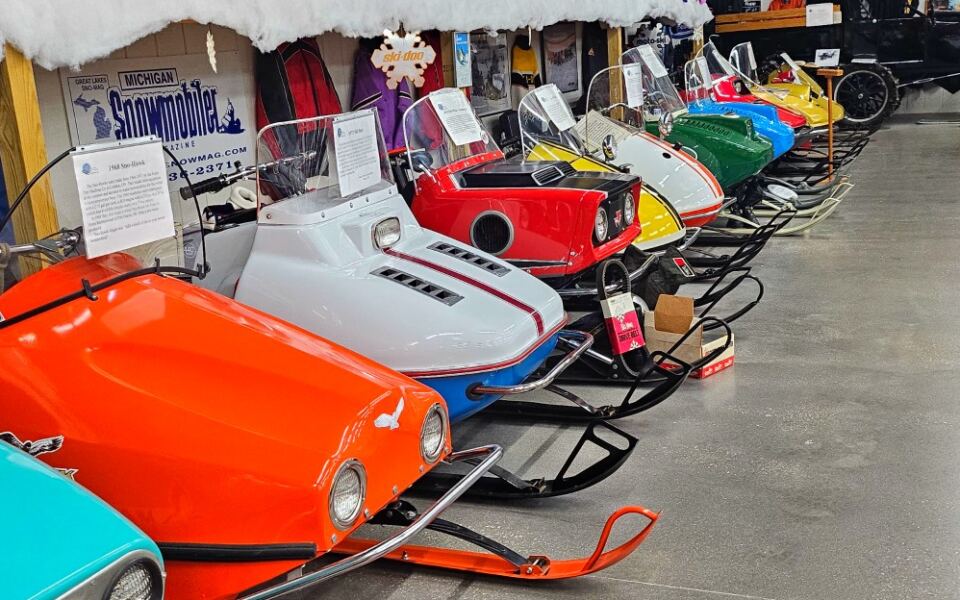
Nearly 200 vintage snowmobiles fill a small museum along US-2 in Michigan’s Upper Peninsula. Some are rare prototypes, while others come from manufacturers that disappeared decades ago.
The Top of the Lake Snowmobile Museum in Naubinway preserves machines from the early days of snowmobiling, including unusual designs that never became mainstream. Visitors can explore forgotten brands, racing history, and memorabilia from an era when dozens of companies competed to build winter machines.
One of the most surprising exhibits is a 1926 Ford Model T fitted with skis instead of wheels. And that’s only one of the unusual vehicles inside this roadside museum.
A Small Building on US-2 With a Big Winter Story
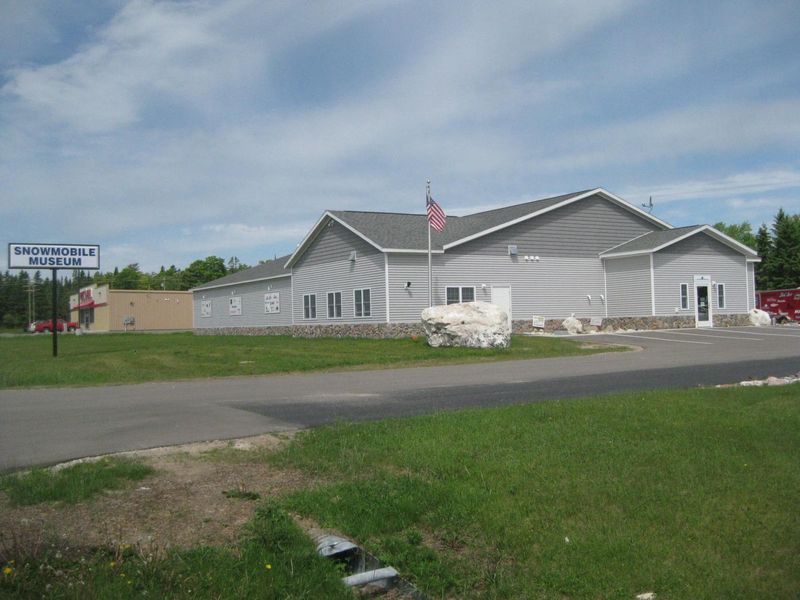
Snowmobiles changed winter life in the northern United States, and one roadside stop keeps that history close at hand. The Top-of-the-Lake Snowmobile Museum sits at W11660 US-2 in Naubinway, Michigan, in the Upper Peninsula.
Naubinway is a small community near the northern shore of Lake Michigan. That location explains the name, since the town sits near the top of the lake.
The museum is open seven days a week from 9 AM to 5 PM, based on current listings. Still, I would check ahead before a long drive, especially around holidays or bad weather.
The building holds close to 200 sleds, from the earliest machines to more modern models. It is small but packed, so every corner has something to look at.
Admission has been listed at a small fee for adults, and kids 16 and under have been admitted free. That makes it an easy family stop on a long US-2 drive.
The museum also has a loyal fan base among snowmobile riders across the Midwest. Its collection reaches back much further than most people expect, all the way to the first days of the sport.
Sleds From the Very First Days of Snowmobiling
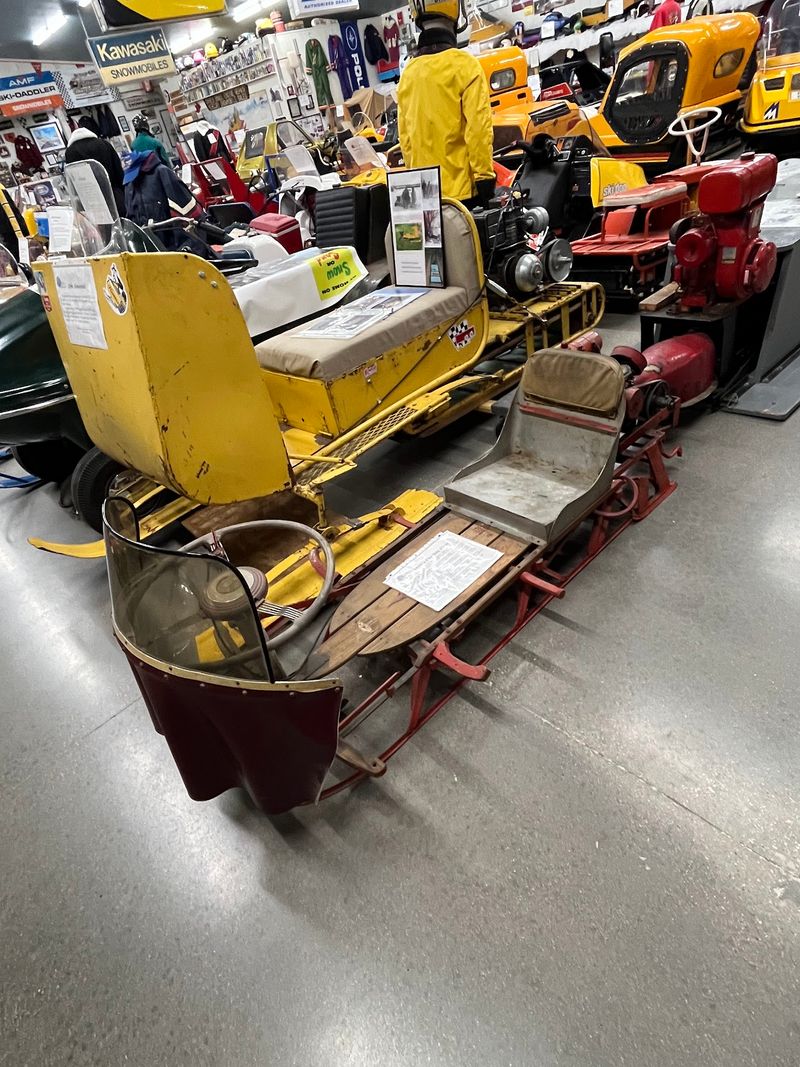
Long before sleek racing sleds, early snowmobiles looked boxy, heavy, and sometimes a little homemade. The collection here reaches back to the very beginning of the industry.
Seeing these early designs side by side shows how quickly builders were learning. Engines, tracks, and seats changed from one model to the next as companies tested new ideas.
What catches my attention is how much variety existed in those first years. Nobody had settled on one shape yet, so many machines look surprisingly different from each other.
Each sled on display includes a short written history. You don’t need to know anything about engines to enjoy the stories behind each one.
The collection continues forward through later decades, roughly into the early 1990s and beyond. Walking the rows works almost like reading a timeline of winter travel.
Families often compare the changes from year to year. Kids may spot differences in headlights, windshields, and colors faster than adults do.
Of course, the early years weren’t only about big brands. Many of those first sleds came from companies that barely lasted long enough to make a name for themselves.
Brand Names Most People Have Never Heard Of
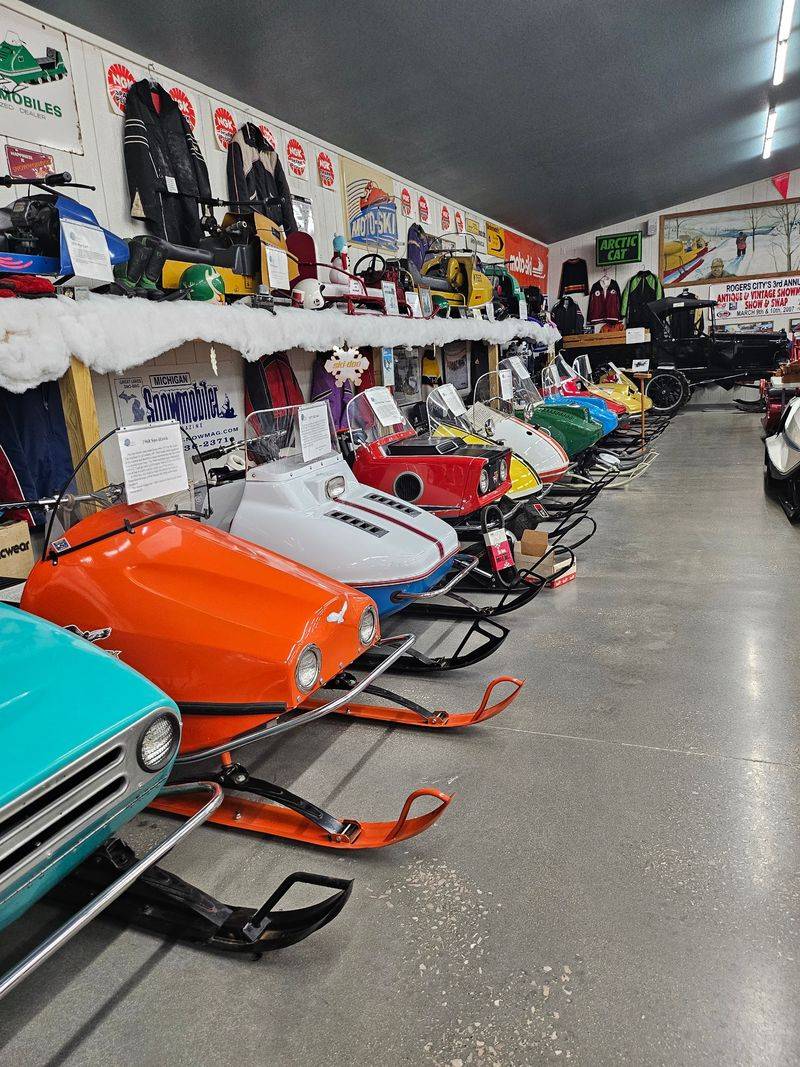
Quick quiz: how many snowmobile brands can you name? Most people stop at three or four, but this museum shows there were once many more.
The collection includes machines from companies that disappeared decades ago. Some built only a few models before closing their doors.
A few sleds here were produced in runs of 10 or fewer. Others are listed as one of a kind, which makes them extremely hard to find anywhere else.
I find the forgotten brands more interesting than the famous ones. They show how many people believed they could build a better winter machine.
The museum aims to represent every maker, big or small. That goal gives the collection a sense of completeness that a typical showroom never could.
Plenty of those small builders had ties to Michigan. The state’s snowy winters and manufacturing background made it a natural home for snowmobile experiments.
Reading the placards slowly pays off here. One short card might explain a company’s entire history in a few lines.
One brand from Ohio has an especially colorful story, and it connects to a well-known racing name.
Mickey Rupp and the Ohio Connection
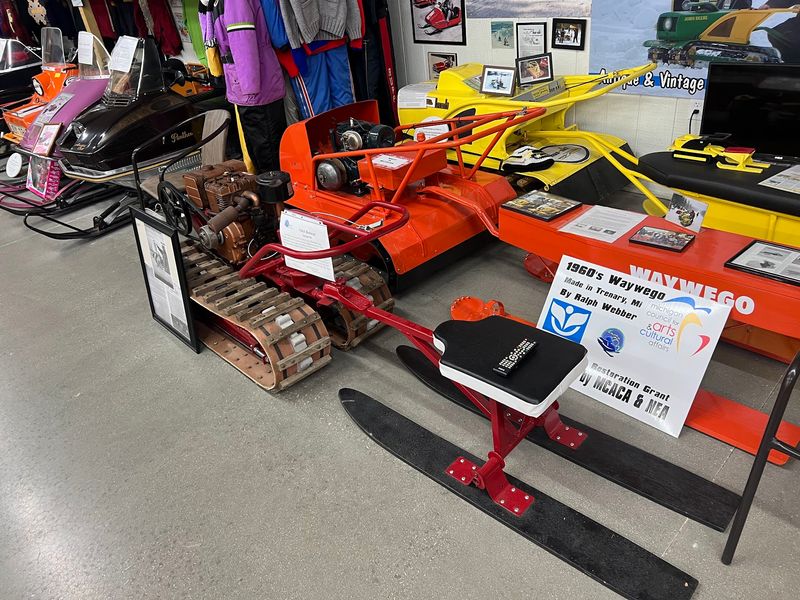
Ohio isn’t the first place most people link with snowmobiles. Yet Rupp sleds, built in Mansfield, Ohio, are part of the story told at this Michigan museum.
Mickey Rupp founded the company and became known for small motorized machines. His snowmobiles became a recognizable name during the busy early years of the sport.
Visitors from outside Michigan sometimes learn surprising facts about their own home states here. That’s one of the quieter rewards of a collection this broad.
I like that the museum doesn’t treat Michigan as the only important place. Snowmobile history crossed state lines, and the displays reflect that.
Rupp sleds sit among machines from many other makers. Comparing them helps you see how each company tried to stand out with design and color.
Brands rose and fell quickly in this industry. Some companies were bought, some merged, and others simply stopped production.
Stories like this are easier to follow with help from the people running the museum. They often share details about individual sleds, which brings the history to life in a very personal way.
Friendly Hosts Who Know Almost Every Sled
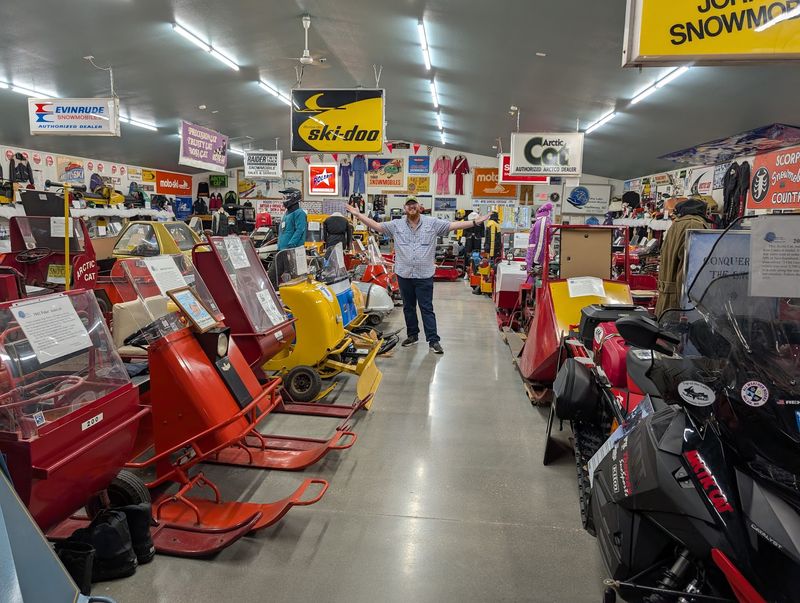
Some museums feel like libraries where you whisper and keep moving. This one feels more like a conversation with people who truly care about the collection.
The tour is self-guided, so you can wander at your own pace. Still, the staff are known for stepping in with stories about nearly every sled in the building.
Those stories add a lot. A small detail about a builder or a rare model can make a plain-looking machine suddenly interesting.
I’d recommend asking questions, even simple ones. The hosts clearly enjoy sharing what they know, and beginners are welcome.
A person named Charlie is often mentioned by returning visitors. His knowledge and warm manner have become part of the experience for many people.
Passion for the collection shows in how carefully everything is arranged. The museum is clean and well organized, which helps when there’s so much to see.
Friendly staff also make the museum feel less intimidating for non-riders. You don’t need to own a sled to enjoy an afternoon here.
Beyond the stories, the museum holds a resource that serious collectors might find even more useful.
A Research Library for Old Sled Owners
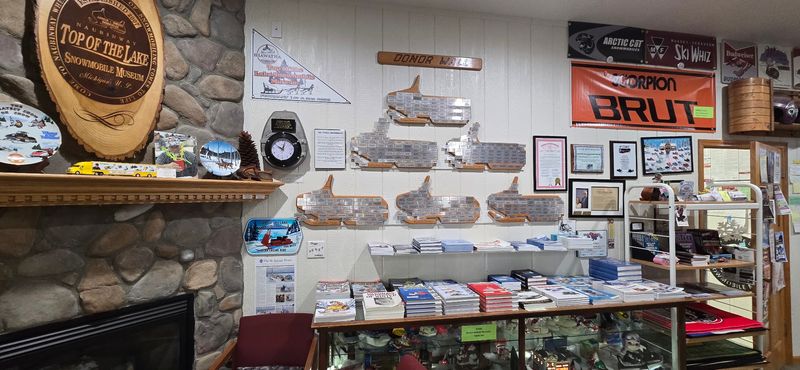
Restoring an old snowmobile can be frustrating when manuals and records have vanished. The museum keeps an extensive library that helps with exactly that problem.
Owners of older sleds can look for information about models that stopped production long ago. That kind of resource is hard to find online for obscure brands.
I think this is one of the most practical parts of the museum. It turns the collection into a working tool, not just a display.
Collectors restoring a family sled may find helpful background here. Even curious visitors can learn how these machines were marketed and sold.
Old brochures and printed materials also show changing styles. Fonts, photos, and slogans reveal a lot about how companies wanted riders to feel.
If you plan to use the library for research, call ahead first. Staff can let you know what might be available and when to visit.
The library supports the museum’s bigger goal of keeping snowmobile history from fading. Paper records can be just as rare as the machines themselves.
Of course, some history is easier to absorb on a screen.
Racing Videos and Rider Interviews on the Screens
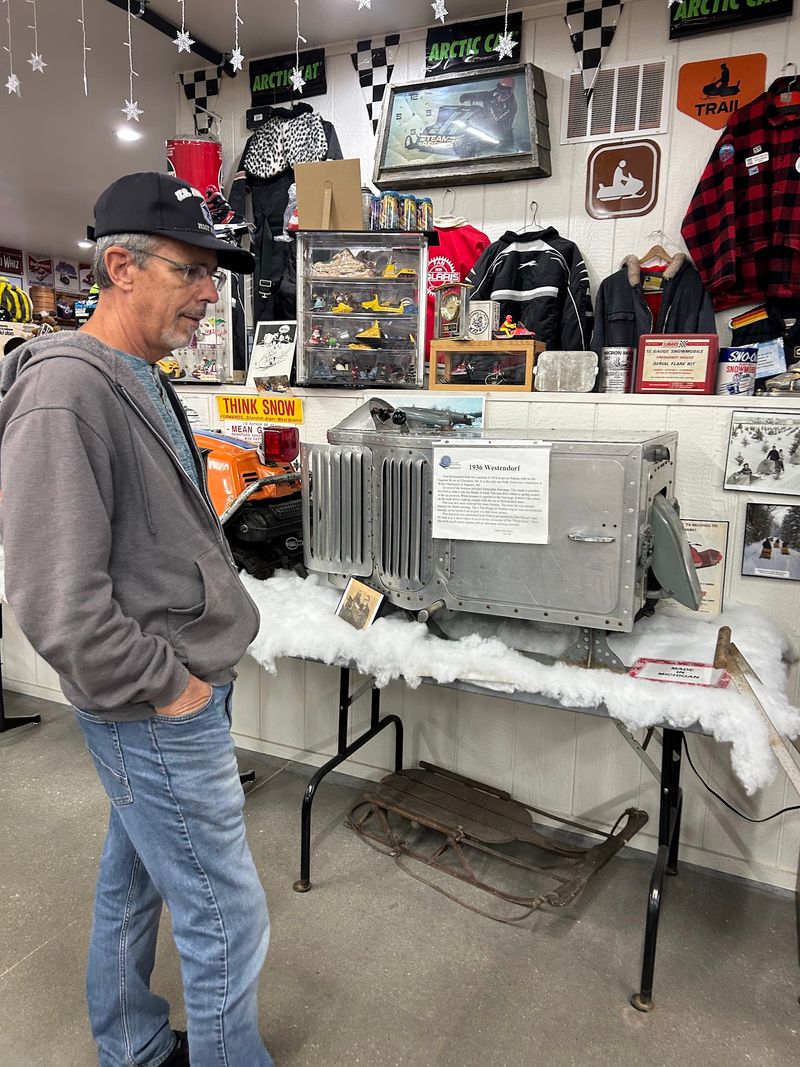
Watching a vintage sled sit still is one thing. Seeing old machines racing across the snow tells a completely different story.
Screens around the museum play historic videos, photos, and interviews with drivers. They add movement and sound to a room full of parked machines.
Racing played a big role in snowmobile history. Companies used races to prove their machines were fast, tough, and worth buying.
I’d spend a few minutes at each screen. The footage helps explain why certain designs looked the way they did.
Interviews with riders bring a human side to the collection. Hearing people describe their experiences makes the past feel closer.
Kids who drift away from the written placards may stay glued to the videos. Moving pictures can hold attention better than reading for younger visitors.
The screens also give your feet a short break. A packed museum means lots of standing and looking, so a pause helps.
After watching other people race, some visitors want a turn themselves. Luckily, the museum offers a small way to try that without any snow at all.
An Arcade Game and a Wooden Rocking Sled for Kids
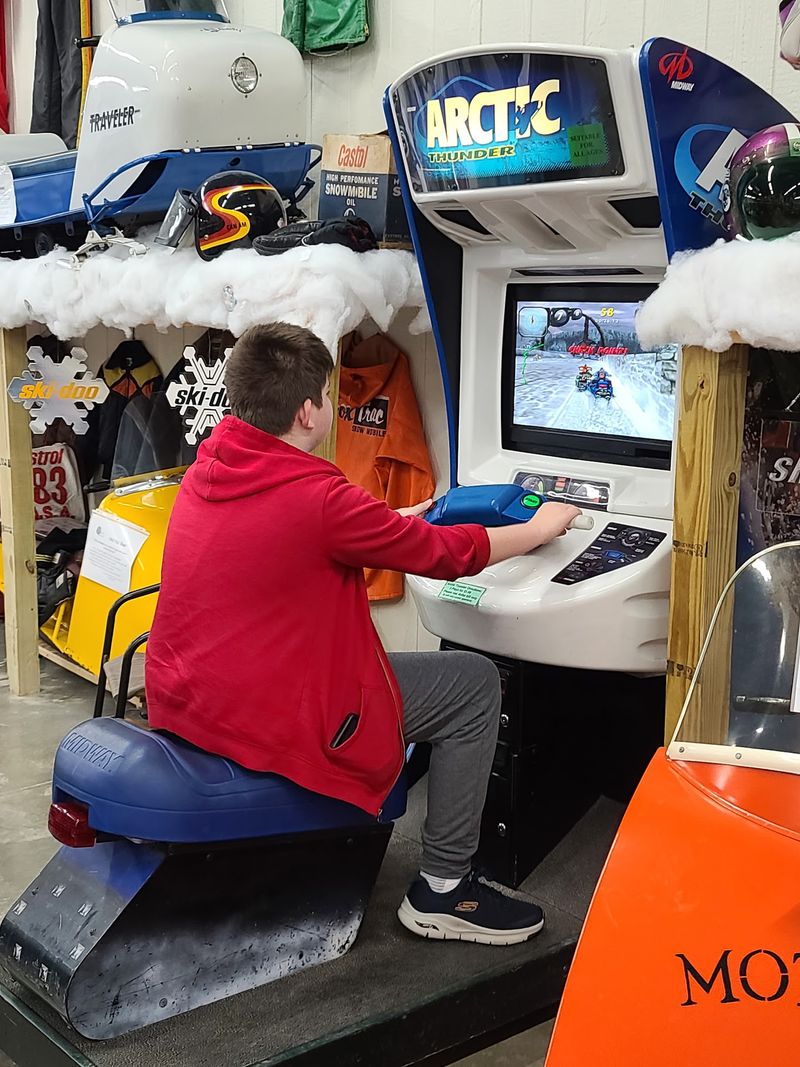
Kids can’t climb on the real sleds, which makes sense for machines this rare. Still, the museum found a couple of fun ways to let younger visitors join in.
An arcade snowmobile game lets players try a ride on screen. It has been listed as a low-cost game with a few turns per play, so bring a little cash.
There’s also a wooden rocking sled that children can ride for free. It’s a simple touch, but it gives little hands something to do.
I like that these options exist alongside the serious collection. They help families stay longer without anyone getting restless.
Parents should know the rest of the museum is look, don’t touch. Talking with kids about that before entering can make the visit smoother.
Older children often enjoy comparing sleds from different decades. Spotting changes in shape and color can become a fun game.
Families also appreciate that admission for younger visitors has been free. That keeps the stop affordable for bigger groups.
Not everything in the building runs on a track, though. One vehicle on display surprises plenty of people.
A 1926 Model T and Other Odd Machines
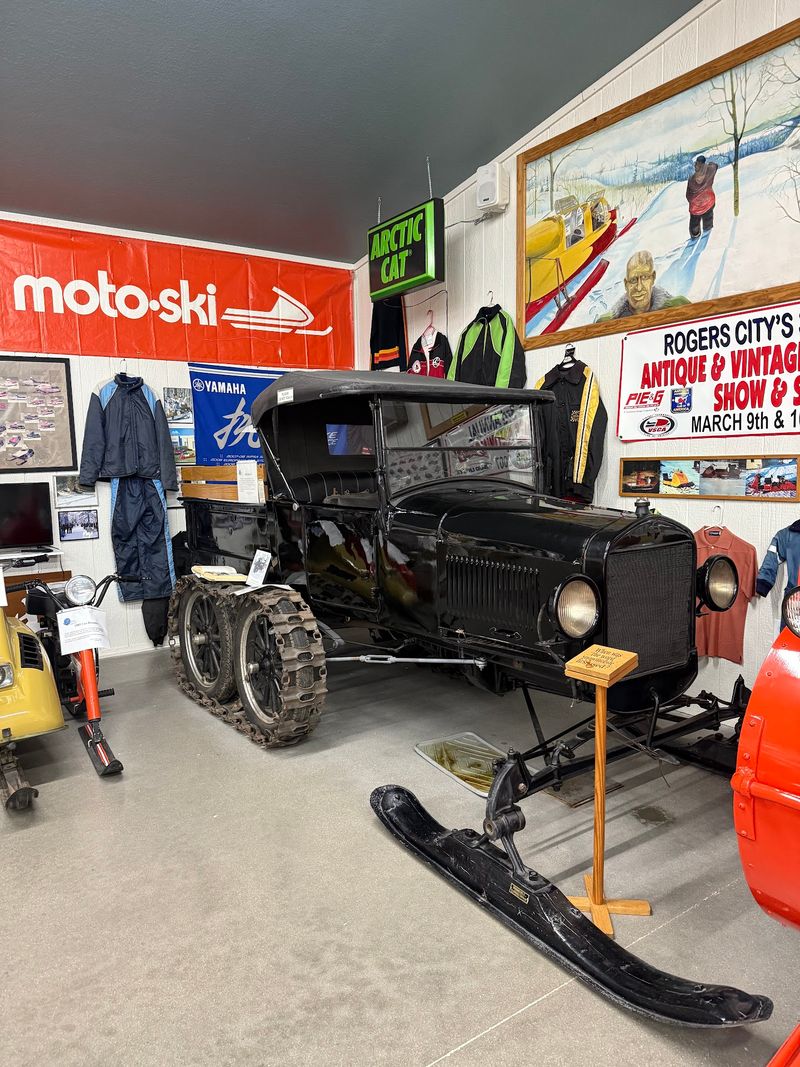
A 1926 Ford Model T is among the vehicles visitors remember most. It shows that people were trying to conquer snow long before modern snowmobiles appeared.
Early drivers sometimes modified cars to handle winter roads. These experiments helped lead to the machines that later filled the market.
A worm-drive machine also draws attention from curious guests. Its unusual design shows how creative early inventors could be.
I find these oddballs especially fun. They show the trial-and-error side of history, where not every idea became a success.
Unusual machines like these help explain why the sport developed the way it did. Each strange design taught builders something new.
The museum also displays plenty of memorabilia beyond the vehicles. Photos and artifacts fill in details that the machines alone can’t share.
Many visitors say photos don’t capture how much is packed into the space. Seeing it in person helps you appreciate the variety.
The displays also change over time, since sleds rotate. Returning visitors may spot something they missed before, which gives the museum a fresh feel on repeat trips.
Gift Shop Finds and an Overnight RV Stop
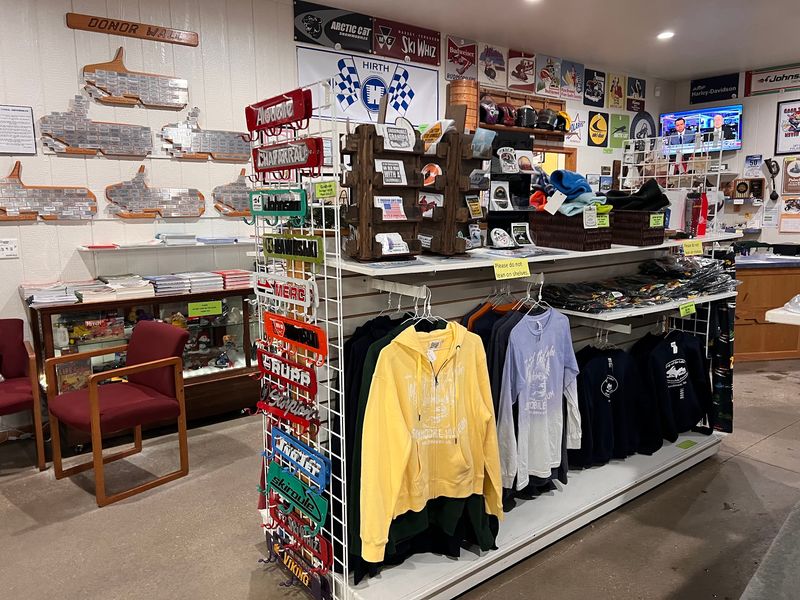
Many visits end with a stop in the gift shop, and this one is worth a look. It carries snowmobile-themed items, including T-shirts.
Buying a souvenir also helps support the museum. Small attractions like this depend on visitors to keep their doors open.
RV travelers have another reason to stop. The museum has been a Harvest Hosts location, allowing members to stay overnight in the lot.
Electric hookups have been available for RVs, along with water, for a small fee. Check current details with the museum before planning an overnight stay.
I like the idea of parking for the night and touring the collection without rushing. It turns a quick roadside visit into a relaxed stop.
Naubinway sits along US-2, a common route across the Upper Peninsula. That makes the museum easy to add to a summer road trip or a winter drive.
Bring a little extra time if you love details. Visitors often stay longer than they planned once they start reading the placards.
For snowmobile fans and curious travelers alike, this little building on the highway keeps a big piece of northern history safe.
Share this story