There is a small campus in the Red River Valley of northwestern Minnesota where students can learn to manage a real working farm, ride horses, and study precision agriculture all in the same week. Most people driving through Crookston would never guess that this quiet town is home to a university with roots stretching back to 1906.
The University of Minnesota Crookston started as an agricultural school when farming was the backbone of the entire region, and that mission has never really left. More than a century later, this campus is still turning out graduates who know how to work the land and think about the future of food production in America.
A History Rooted in the Red River Valley
When the Minnesota Legislature established a branch of the University of Minnesota in Crookston back in 1906, the goal was straightforward: train young people to farm better. The Red River Valley was one of the most productive agricultural regions in the entire country, and local leaders wanted an institution that could support that economy.
The school started as Northwest School of Agriculture, a secondary-level program focused entirely on practical farming skills. Students learned soil science, crop rotation, and animal husbandry in a hands-on environment that matched the world right outside the classroom door.
Over the decades, the institution evolved into a full four-year university under the University of Minnesota system. That agricultural identity, however, never faded.
The 1906 founding date is more than a number on a plaque. It represents over a century of commitment to the land and the people who work it.
University of Minnesota Crookston: Finding the Campus
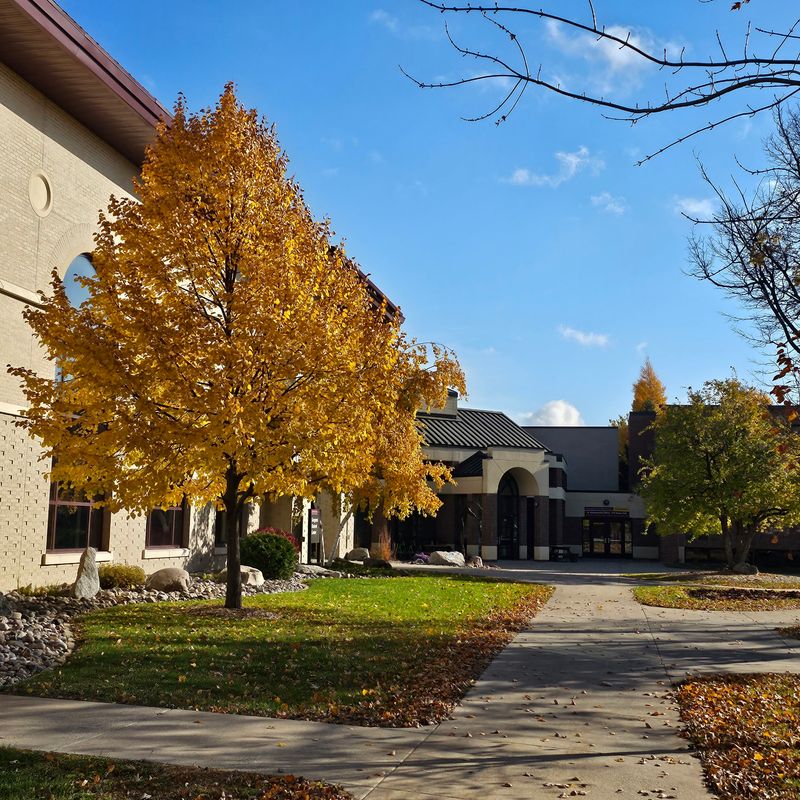
The University of Minnesota Crookston sits at 2900 University Ave, Crookston, MN 56716, United States, right on the edge of town where the campus transitions almost seamlessly into open fields. Getting there feels like a deliberate choice, and that is honestly part of the appeal.
Crookston is a small city in Polk County, about 25 miles west of Thief River Falls and not far from the North Dakota border. The flat landscape of the Red River Valley stretches out in every direction, giving the campus a wide-open, unhurried feel that is hard to find at larger universities.
First-time visitors often comment on how well-maintained the grounds look. The campus is compact enough that students can walk from one end to the other in just a few minutes, which makes it feel personal rather than overwhelming.
That accessibility shapes the entire experience here.
What Makes the Small Campus Size a Real Advantage
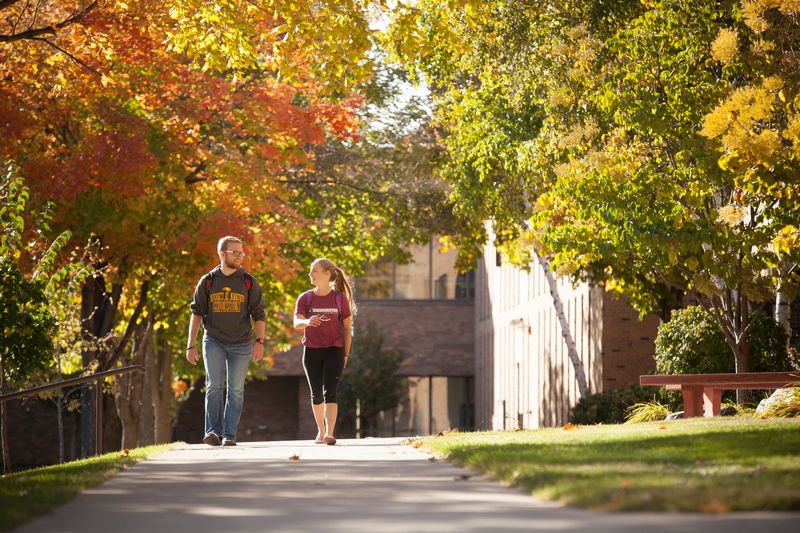
At a school with roughly 2,000 to 3,000 undergraduate students, the class sizes stay small enough that professors actually learn your name. That sounds like a minor detail, but it changes everything about how students experience their education.
Students who have spent time here consistently point to the personal connections they built with faculty as one of the most valuable parts of their time at UMN Crookston. Getting real feedback, having honest conversations about career paths, and being encouraged to take on research or hands-on projects all become much more realistic when you are not competing with hundreds of classmates for a professor’s attention.
The compact campus also means that academic buildings, student housing, dining, and recreational facilities are all close together. That physical closeness tends to bring people together socially, which is something larger universities often struggle to replicate no matter how many programs they create.
Agriculture and Animal Science Programs That Stand Out
Agriculture is not just a department at UMN Crookston. It is woven into the identity of the entire institution.
The university offers programs in crop and soil sciences, animal science, agronomy, and agricultural business, giving students a broad range of ways to build a career connected to the land.
What separates these programs from a standard textbook education is the access to real working facilities on and near campus. Students get opportunities to work directly with crops and livestock rather than just reading about them, which is exactly what employers in the agricultural sector are looking for when they hire new graduates.
The Red River Valley itself serves as a living classroom. The region produces significant quantities of sugar beets, wheat, potatoes, and soybeans, making it one of the most agriculturally rich areas in the upper Midwest.
Having that environment right outside the campus door gives students a genuine advantage that few universities can match.
Precision Agriculture and Technology on the Farm
One of the more forward-looking aspects of UMN Crookston is its focus on precision agriculture, which combines traditional farming knowledge with modern technology like GPS mapping, drone monitoring, and data analysis. This is not a trend the university recently jumped on.
It has been part of the academic mission for years.
Precision agriculture is reshaping how farmers manage their land, reduce waste, and increase yields without simply throwing more chemicals at the soil. Students who graduate with this skill set are entering a job market that is actively hungry for people who understand both the science of farming and the technology that supports it.
The flat, expansive landscape of the Red River Valley is actually ideal for demonstrating precision agriculture techniques. There is plenty of open ground to work with, and the scale of farming operations in the region means students can see these technologies applied at a genuinely commercial level rather than just in a demonstration plot.
The Equestrian Program That Turns Heads
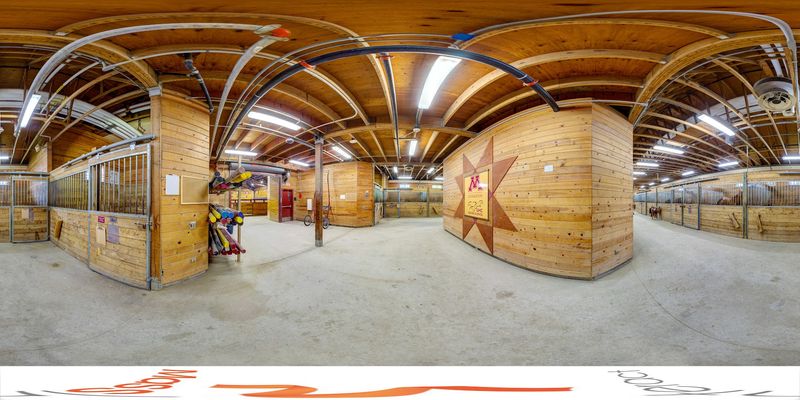
Not every university in Minnesota has an equestrian arena, but UMN Crookston does, and it is one of those features that genuinely surprises people who are just learning about the campus for the first time. The equestrian facilities allow students to work with horses as part of their academic and extracurricular experience.
For students interested in animal science or equine management, having direct access to horses on campus is a significant draw. It is not just about riding for recreation.
The program connects to broader studies in animal behavior, veterinary preparation, and agricultural management.
The arena itself has received positive attention from students and visitors who have spent time there. It represents the kind of hands-on, practical learning environment that defines what UMN Crookston is trying to do across all of its programs.
A school that started by teaching people to farm has grown into one that teaches people to work with animals in ways that are both traditional and professionally relevant.
Natural Resources and Environmental Science Opportunities
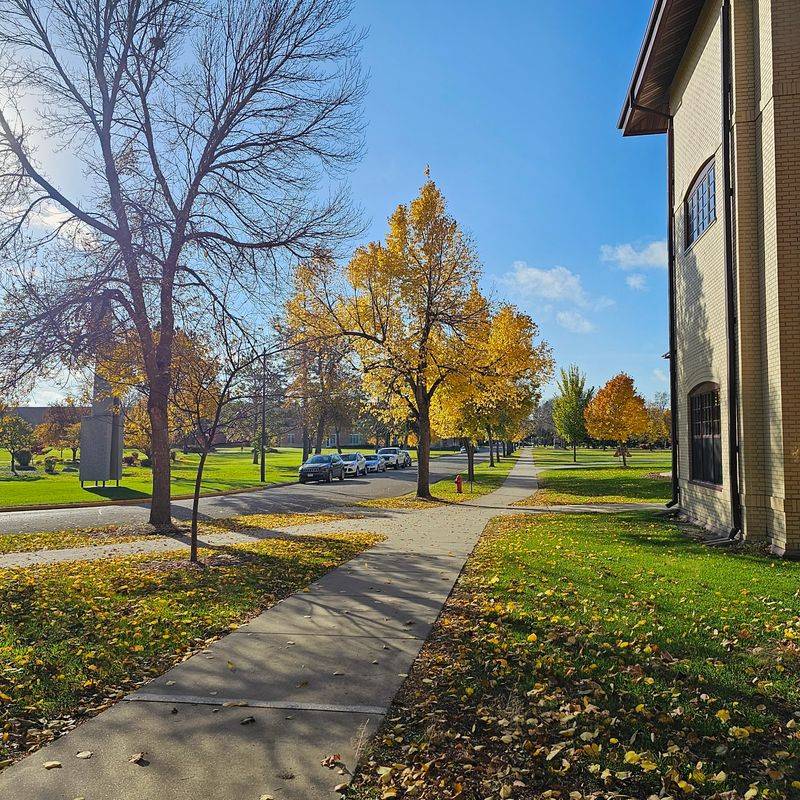
Beyond agriculture, UMN Crookston has developed strong programming in natural resources and environmental science. The location in northwestern Minnesota is genuinely well-suited for this kind of study, with rivers, wetlands, prairies, and agricultural land all within reach of campus.
Students in these programs spend time in the field rather than being confined to lecture halls. That outdoor component is not just a perk.
It is central to the academic approach. Learning to assess soil health, monitor wildlife populations, or evaluate water quality requires getting outside and doing the actual work.
The Red River itself runs near Crookston, and the surrounding landscape provides a variety of ecosystems worth studying. For students who want a career in conservation, land management, or environmental consulting, the combination of classroom instruction and regional fieldwork at UMN Crookston gives them a foundation that holds up when they enter the workforce.
The land teaches its own lessons here.
What International Students Find Here
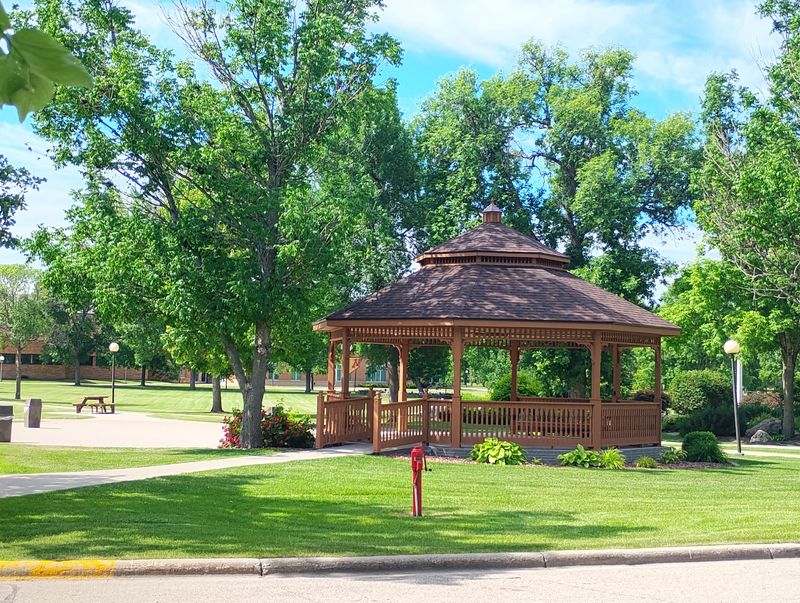
For international students, arriving at a small campus in rural Minnesota can feel like a significant adjustment. The town is quiet, the winters are long, and the landscape looks nothing like most of the places students are coming from.
And yet, UMN Crookston has built a reputation for making international students feel genuinely welcomed and supported.
The small campus size plays a direct role in that experience. There are fewer students to get lost among, which means connections form more quickly.
Professors are accessible, and the community around campus tends to be friendly in the way that small Midwestern towns often are.
Students who have completed their first year here often describe a growing sense of belonging that surprised them. The academic support available at a smaller campus can also be more direct and personalized than what international students might experience at a large research university.
That combination of community and support keeps students engaged and on track toward graduation.
Campus Beauty and Year-Round Upkeep
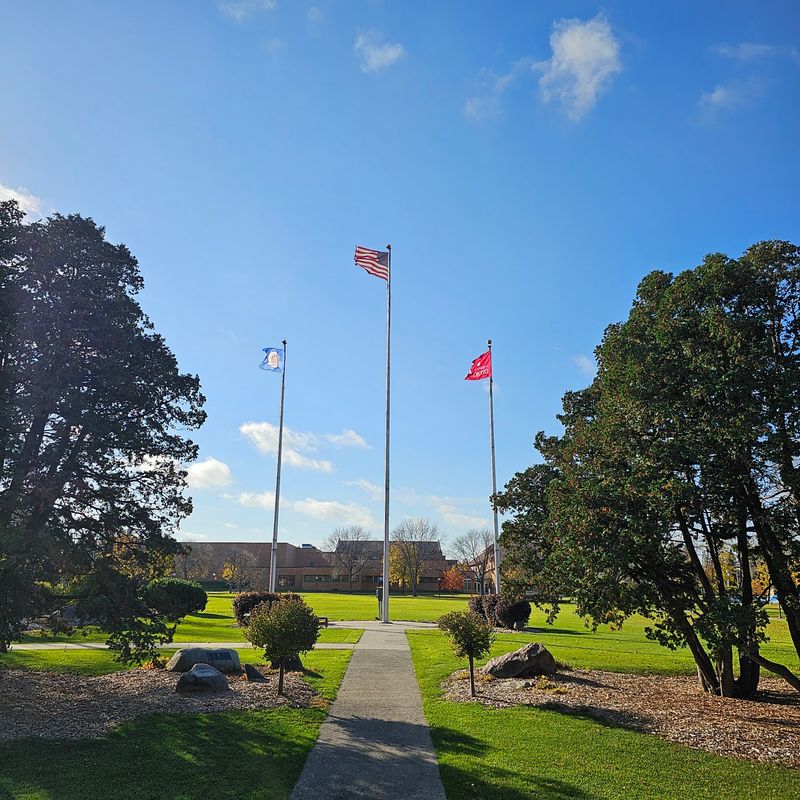
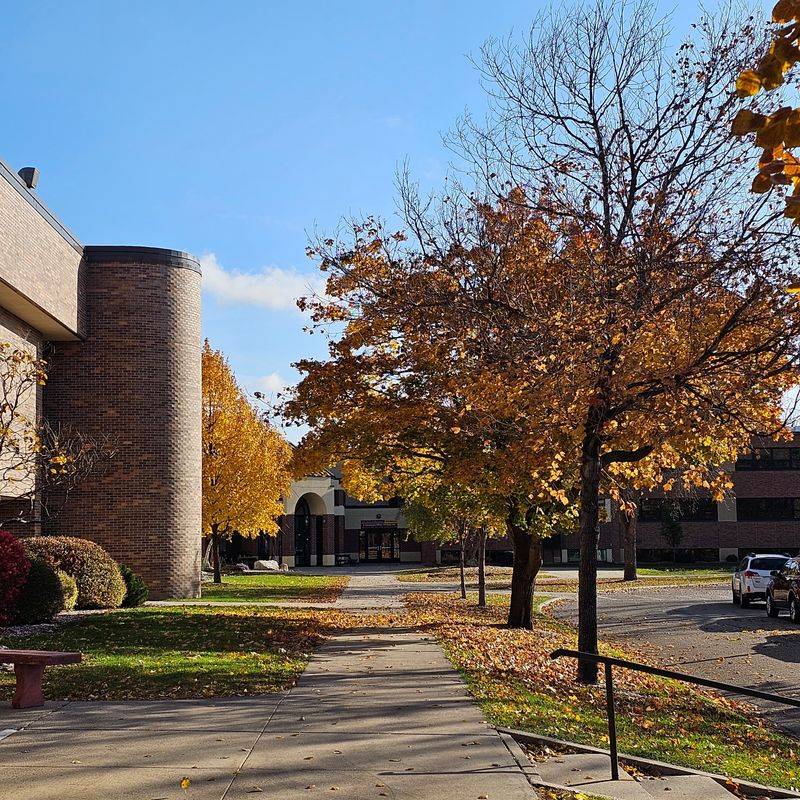
The campus at UMN Crookston is routinely described as beautiful and immaculate by people who visit for the first time. That is not a small thing.
A well-kept campus communicates something about how an institution values its environment and the people who spend time there every day.
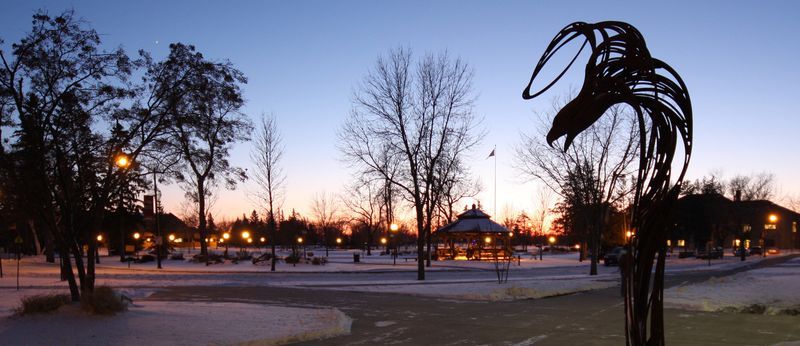
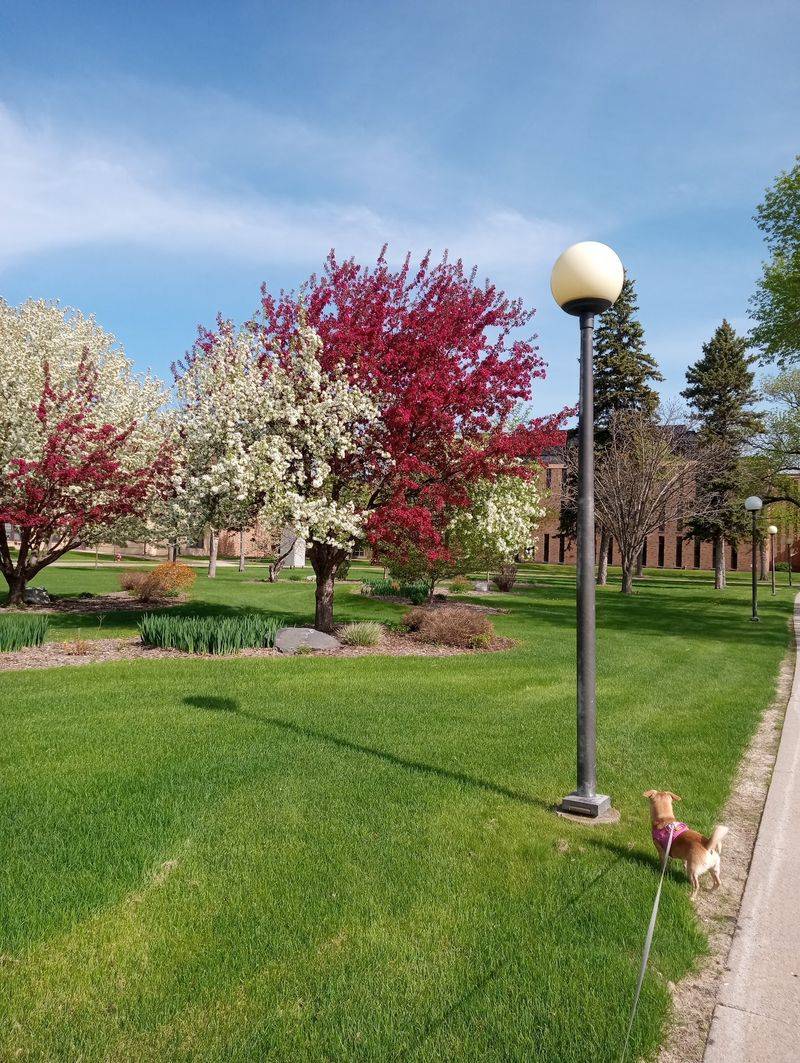
The grounds are compact and walkable, with maintained lawns and clean facilities that make the space feel cared for rather than neglected. For prospective students touring the campus, that first visual impression matters, and Crookston tends to deliver a positive one.
The surrounding landscape also contributes to the overall atmosphere. The wide-open skies of the Red River Valley give the campus a sense of space that contrasts nicely with the close-knit community inside it.
In fall, the colors can be striking across the flat terrain. In spring, the fields coming back to life around campus serve as a quiet reminder of what this university has always been about.
Athletics and Campus Life Beyond the Classroom
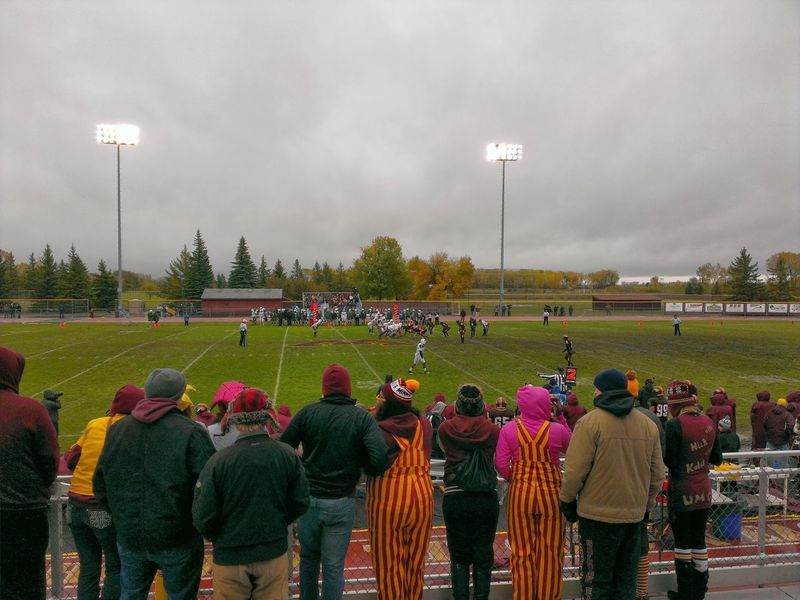
Campus life at UMN Crookston extends well beyond academics. The university competes in NCAA Division II athletics, and sports like baseball, softball, basketball, and golf give students a way to stay connected to competitive athletics while pursuing their degrees.
The alumni baseball game is one of those events that brings former students back to campus and reminds current ones that the community extends well past graduation. There is something genuinely fun about seeing that kind of tradition play out on a small campus where everyone knows each other.
Beyond organized sports, students find ways to get involved in clubs, student organizations, and campus events that make the experience feel fuller. The smaller student body means that getting involved is easier here than at a large university.
You do not need to fight your way into a club or wait for an opportunity. At UMN Crookston, those opportunities tend to find you if you show up ready.
The University of Minnesota Connection and What It Means
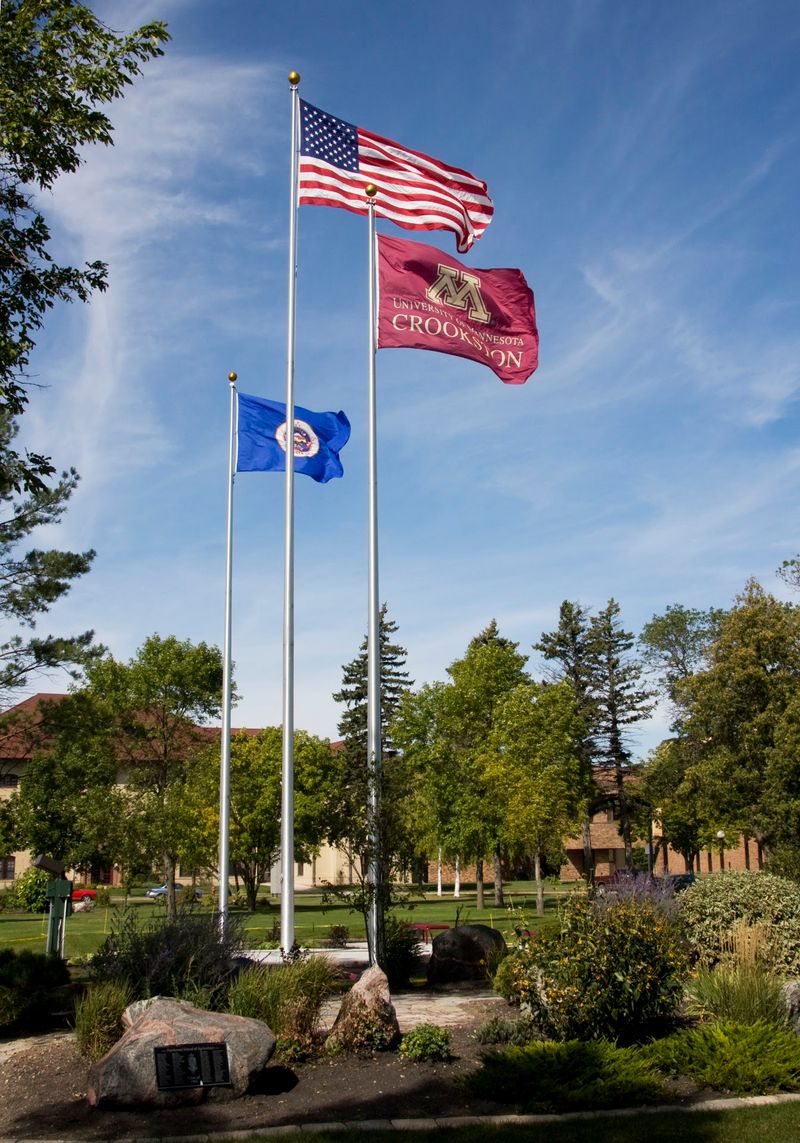
Being part of the University of Minnesota system is not a small thing. UMN Crookston students graduate with a degree from one of the most recognized public university systems in the country, which carries real weight when they enter the job market or apply to graduate programs.
That connection also means access to resources, research opportunities, and academic programs that go beyond what a fully independent small college could offer. Students get the benefits of a tight-knit campus community while still being part of a much larger academic institution with a strong national reputation.
For students who want the personal attention of a small school without giving up the prestige of a major university system, UMN Crookston offers a combination that is genuinely rare. The University of Minnesota name opens doors, and the Crookston campus gives students the skills and experience to walk through them confidently once those doors are open.
Why This Campus Still Matters More Than a Century Later
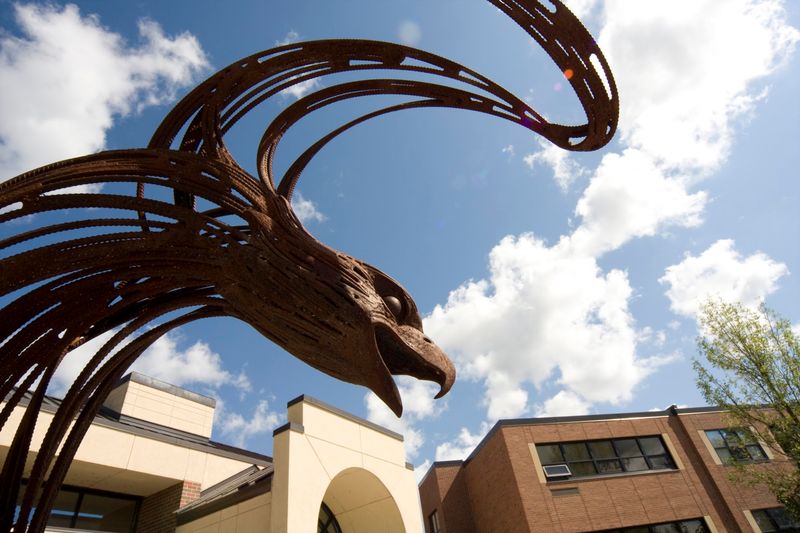
A lot has changed since 1906, but the core reason this campus exists has not. The Red River Valley still needs people who understand agriculture, natural resources, and land management.
The methods have evolved dramatically, but the need for skilled, educated graduates who can work in that environment remains as strong as ever.
UMN Crookston has adapted by adding technology-focused programs, expanding into business and health sciences, and building partnerships that connect students with real career opportunities before they graduate. The agricultural roots give the institution a clear sense of purpose that many universities struggle to define.
Visiting this campus leaves you with the impression that the people here know exactly what they are doing and why they are doing it. That clarity is refreshing.
Whether you are a prospective student, a curious traveler passing through Crookston, or someone who grew up farming in the Red River Valley, this university has something worth paying attention to.
Share this story