There is a state park in northern Illinois where you can hike along sandstone bluffs, watch the Illinois River roll by, and then turn a corner to find two bison staring back at you from behind a fence. Not a photo.
Not a statue. Real, living bison, right there in the middle of a public park.
Buffalo Rock State Park does not show up on most people’s travel radar, and honestly, that is part of what makes it so worth visiting. This place packs a lot of personality into 290 acres, and once you know what is waiting there, it is hard not to want to make the drive.
Where Exactly This Park Sits and How to Find It
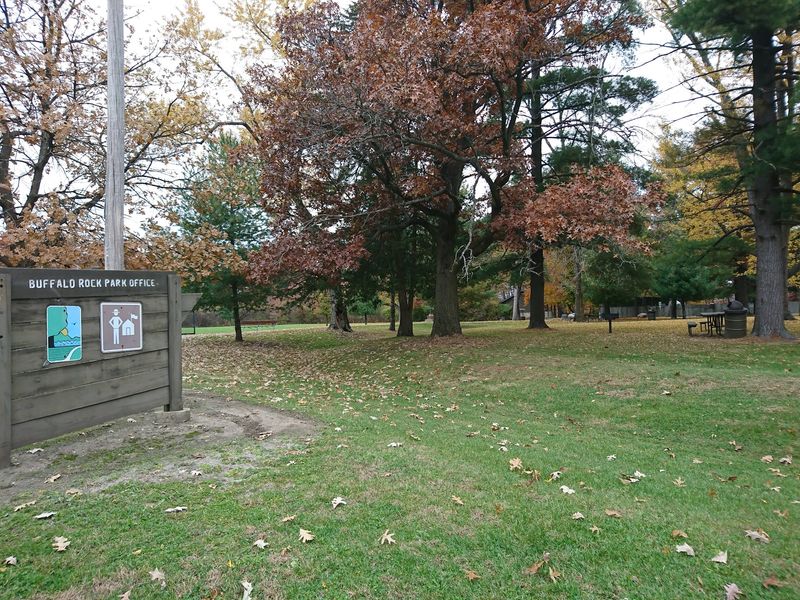
Buffalo Rock State Park sits at 1300 N 27th Rd, Ottawa, IL 61350, right in LaSalle County in north-central Illinois. The park is open every day from 8 AM to 7 PM, which gives you a solid window to explore without feeling rushed.
Ottawa is already a worthwhile destination on its own, but this park adds a natural layer that most people driving through the area completely miss. The drive up to the park entrance is scenic in a quiet, understated way, with rolling terrain and tree cover that hints at what is ahead.
Parking is spacious and well-organized, with room for larger vehicles and even RVs. Signs at the entrance are clear enough to get you oriented quickly.
If you want to call ahead or check on conditions before your visit, the park can be reached at 815-433-2220, and the Illinois DNR website has updated information at dnr.illinois.gov.
The park covers 290 acres total, which is not enormous, but it is laid out in a way that feels varied and interesting as you move through it.
The Bison You Probably Did Not Expect to Find Here
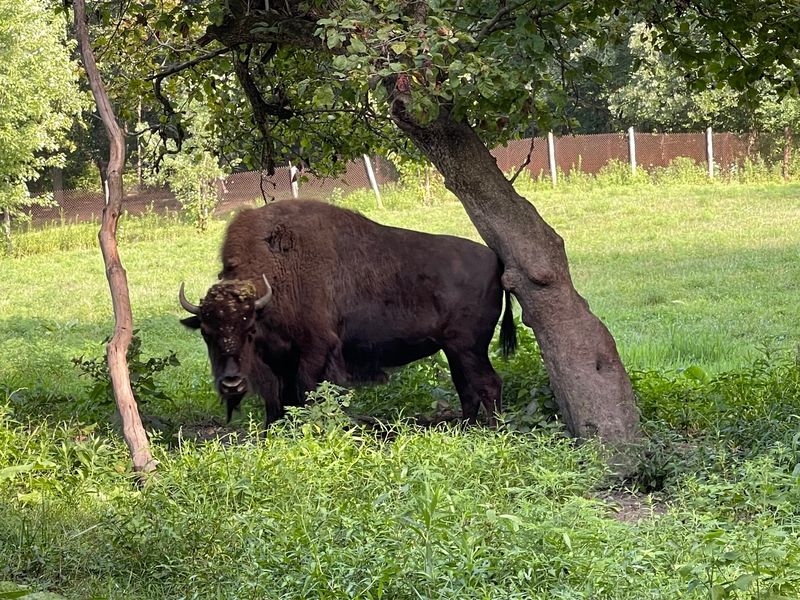
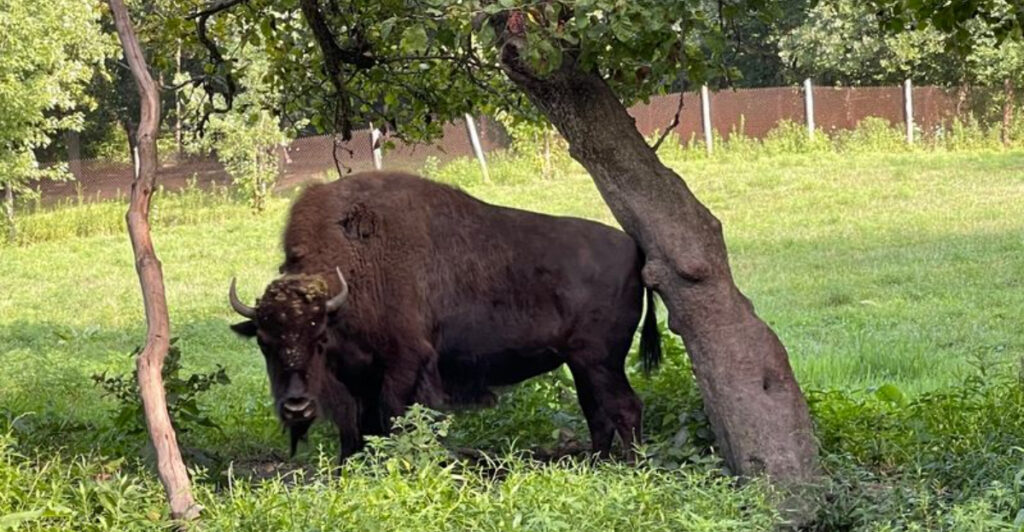
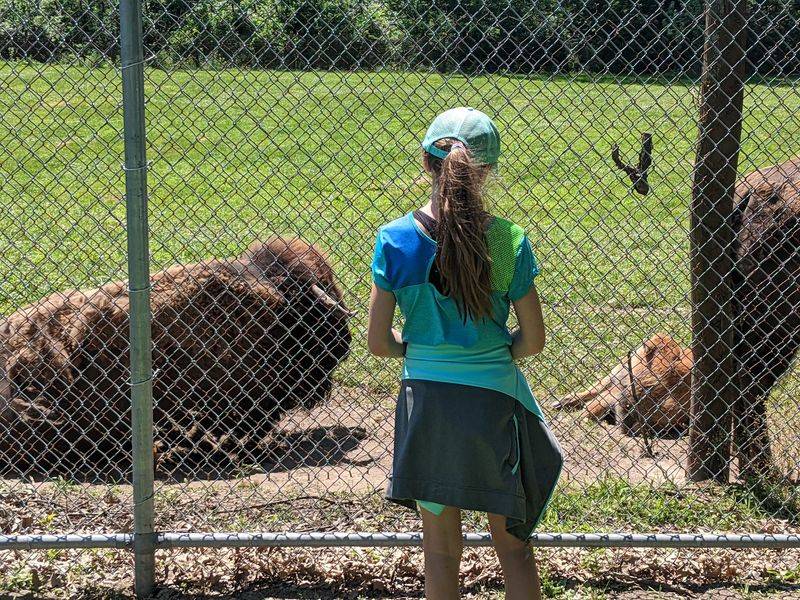
The bison are the headline act at this park, and they do not disappoint. Two of them live in a fenced enclosure near the parking area, and seeing them up close for the first time is genuinely surprising, especially if you were only expecting hiking trails.
These animals are massive. Standing near the fence and watching them move around gives you a real sense of just how big bison actually are in person.
It is a different experience entirely from seeing them in a photo or a documentary.
The enclosure is well-maintained, with enough space for the animals to move around and graze. The area around the fence is clean and accessible, making it easy for visitors of all ages to get a good look.
Kids especially tend to light up when they see the bison for the first time.
The park carries the name Buffalo Rock, and these animals are the living, breathing reason why. Spotting them on a quiet morning, when the park is not crowded, feels like a small reward for making the trip out here.
The Illinois River Views From the Bluffs
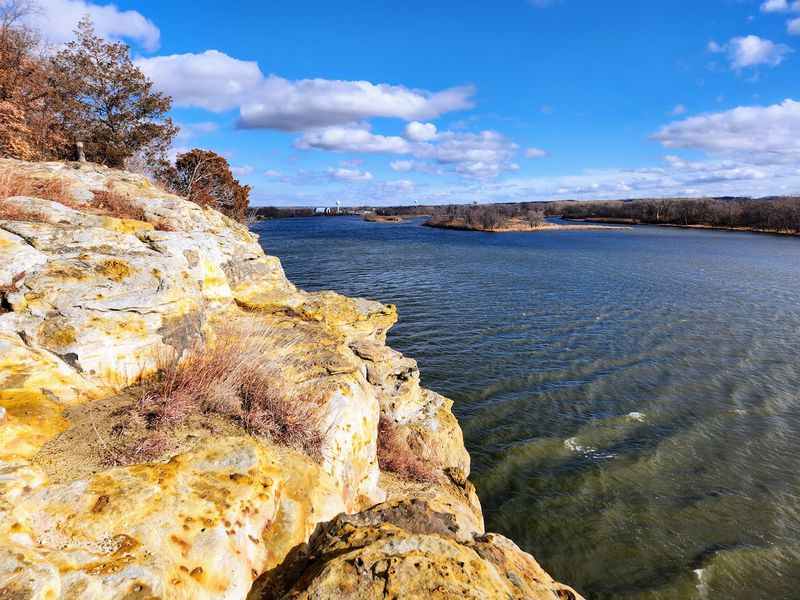
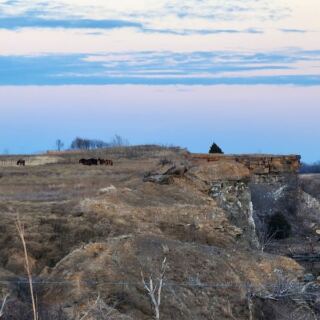
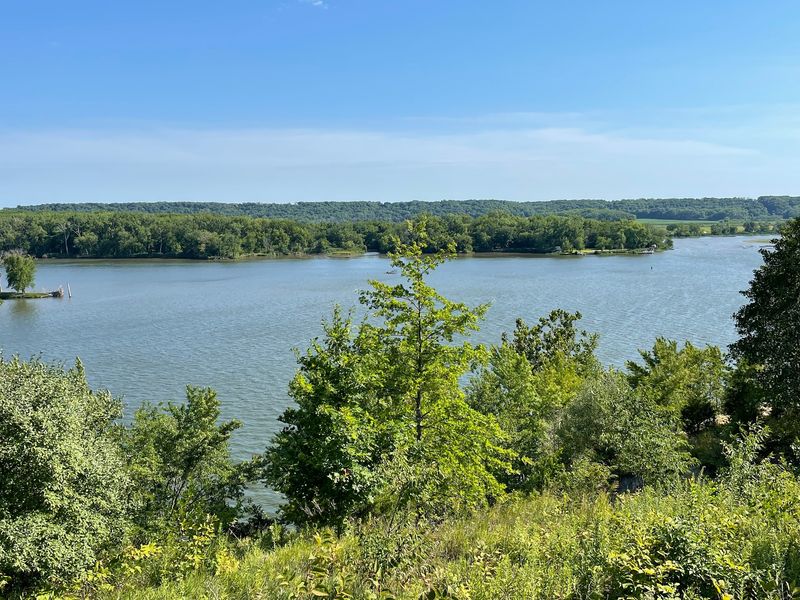
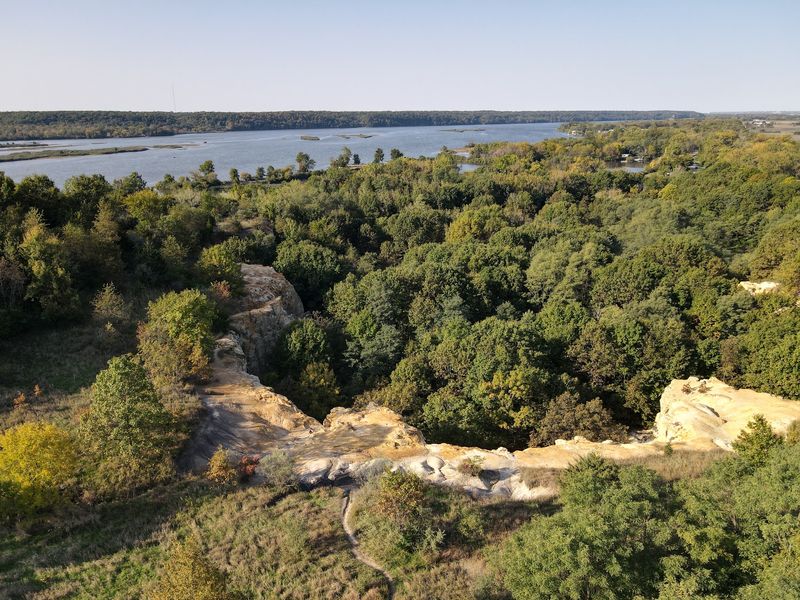
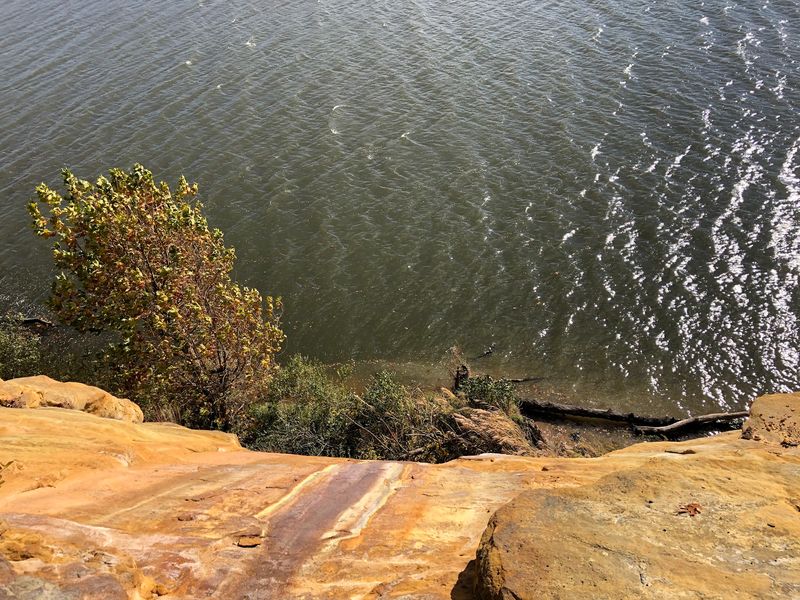
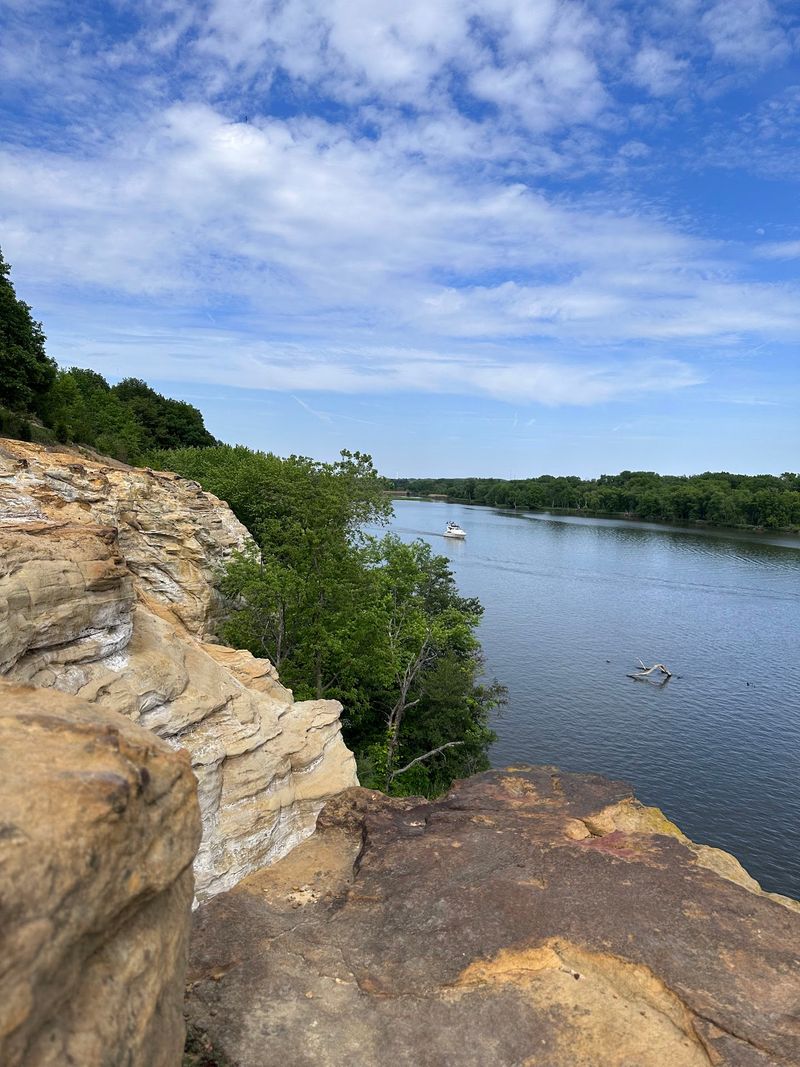
The bluff overlook at Buffalo Rock State Park is the kind of view that makes you stop walking and just stand there for a minute. The Illinois River stretches out wide and calm below, framed by forested hills on both sides, and on a clear day the whole scene looks almost painted.
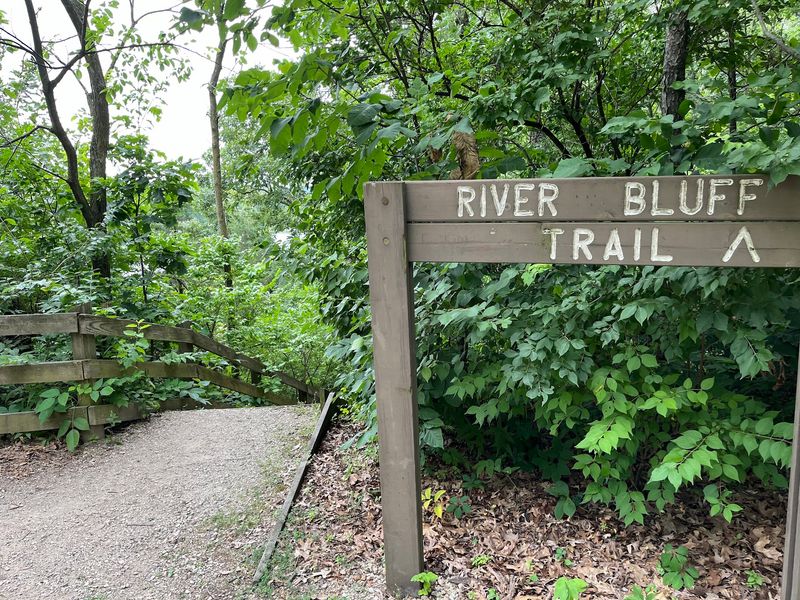
Getting to the overlook does not require any serious hiking skill. The trail leading up to it is manageable for most fitness levels, though some sections near the edge do require a bit of careful footing.
A walking stick or trekking pole is handy if you are not fully confident on uneven ground.
The best time to catch the view is in the morning, when the light hits the water at a low angle and the park is still quiet. Fall is another excellent season, when the trees along the bluffs turn orange and red and the whole landscape shifts into something different.
The overlook is the emotional high point of any visit here, and it earns its reputation as the most memorable spot in the park without needing any extra fanfare.
Hiking Trails That Are Friendlier Than You Might Think
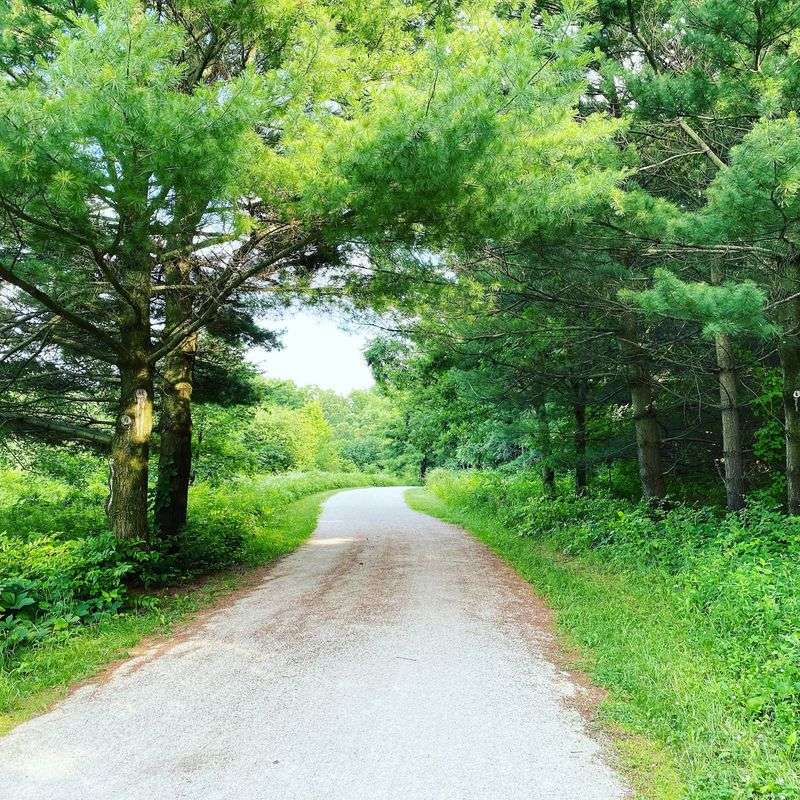
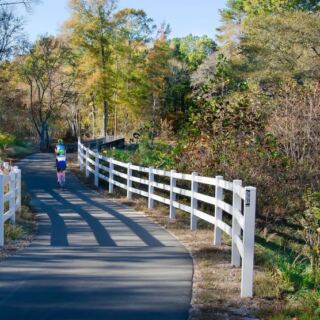
One of the best things about the trails here is that they are genuinely accessible. Unlike the steep, stair-heavy paths at nearby Starved Rock, Buffalo Rock offers flatter terrain that works well for families with young kids, people who need a lower-impact outing, or anyone whose legs are still recovering from a more intense hike the day before.
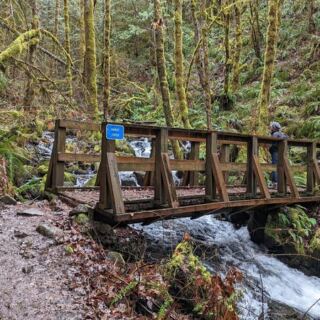
The main trail follows the river’s edge along a gravel path, passing through sections of savanna, open prairie, and light woodland. The variety keeps things interesting without ever getting exhausting.
Most visitors cover around two to three miles total, which is a comfortable distance for a leisurely morning or afternoon out.
Wildflowers appear along the path in spring and early summer, adding color to the walk. Bird activity is high throughout the park, and sightings of eagles along the river corridor have been reported by multiple visitors.
The trails are clean and clearly marked, though some informational signs have gone missing over the years and have not yet been replaced.
The overall trail experience is relaxed and rewarding, with enough natural variety to keep the walk feeling fresh from start to finish.
The Effigy Earthworks and What They Actually Are
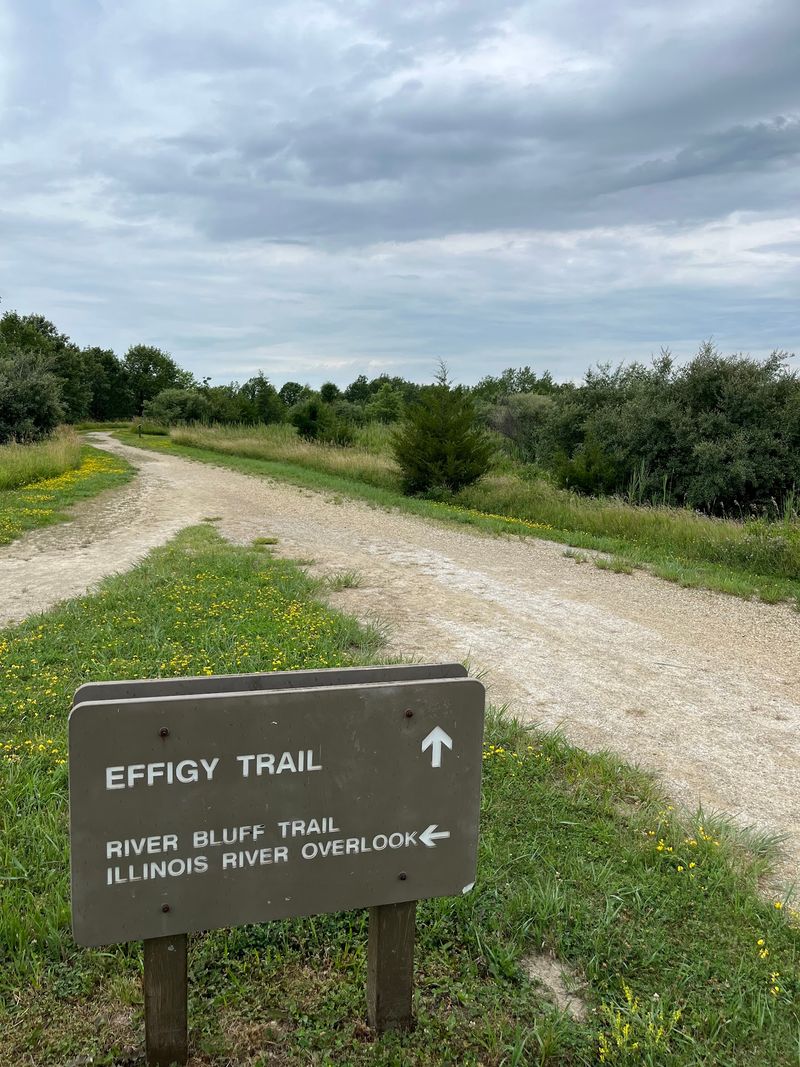
Buffalo Rock has a feature that catches many visitors off guard: a set of large effigy earthworks built into the landscape of the park. These are not ancient Native American burial mounds, despite what some signage might suggest to a first-time visitor.
They are actually a modern art installation created in 1983 by artist Michael Heizer.
The earthworks are shaped like animals, including a catfish, a turtle, a frog, a snake, and a water strider. Each figure is enormous, designed to be fully appreciated from above rather than from ground level.
From the trail, you are essentially walking alongside the edges of these massive shapes without seeing the full picture.
That disconnect between what you experience on the ground and what the artwork actually looks like from a distance is part of what makes it interesting. Some visitors feel underwhelmed at first, then genuinely fascinated once they understand the scale and concept behind it.
The earthworks add a layer of cultural and artistic depth to the park that sets it apart from a typical nature trail. They reward a little research before your visit so you know what you are actually looking at.
Picnicking With a View: The Park’s Open Green Spaces
There is something deeply satisfying about spreading out a picnic blanket at a spot where the scenery actually earns it. Buffalo Rock delivers on that front with generous open green spaces, well-placed picnic tables, and shelters that make outdoor dining comfortable even on unpredictable days.
One of the picnic shelters includes a fireplace, which is a detail that feels almost luxurious for a state park of this size. It turns the space into a usable gathering spot even when the weather is not fully cooperating.
The grounds around the picnic areas are clean and maintained, with enough shade to make a summer afternoon bearable.
The park also has a baseball field and a playground, which means families with kids of different ages can all find something to do while lunch is being set up. It is the kind of place where you might plan to stay for an hour and end up spending most of the day.
Outhouses are available throughout the park, and seasonal restrooms open when the weather warms up. The overall infrastructure is solid for a park that does not see the same crowd volume as its more famous neighbors in the region.
Camping at Buffalo Rock: What to Expect
For visitors who want to stay longer than a day trip allows, Buffalo Rock State Park offers camping facilities that keep things simple and close to nature. The campground is not a resort-style setup, but that is exactly the point.
It is the kind of camping that feels like actual camping.
The sites are spread across the park’s 290 acres, giving campers access to the same trails, bluff views, and wildlife the day visitors enjoy, but with the added bonus of watching the light change over the Illinois River at dusk. Morning at this park, before the day visitors arrive, has a stillness to it that is hard to find anywhere else in the region.
The park’s relatively low profile means campgrounds here are quieter and less competitive to book than those at Starved Rock, which fills up fast on weekends. If you are planning a weekend trip and want a base for exploring LaSalle County’s three state parks, Buffalo Rock makes a practical and peaceful home base.
Check the Illinois DNR website for current campsite availability and reservation details before your trip, as seasonal schedules and site capacities can change.
Wildlife Beyond the Bison: What Else Lives Here
The bison get most of the attention, but the wildlife at Buffalo Rock extends well beyond the fenced enclosure near the parking lot. The park’s mix of savanna, prairie, and river corridor creates habitat for a surprisingly wide range of species.
Bird activity here is genuinely impressive. Multiple visitors have reported bald eagle sightings along the Illinois River, which is not something you expect to check off a list at a small state park.
Waterfowl, woodpeckers, and various songbirds are also common throughout the park depending on the season.
Deer move through the park regularly, and the park is part of a hunting zone from October through January, so hikers during that period should be aware of their surroundings. The effigy trail is specifically marked with caution notices during hunting season.
Spring and early summer bring wildflowers to the trail edges, and the mix of plant communities across the park supports pollinators and smaller wildlife that add life to any walk. The park does not just have nature as a backdrop; the natural systems here are active and worth paying attention to as you move through.
How Buffalo Rock Compares to Starved Rock and Matthiessen
LaSalle County is home to three state parks that each offer something different, and understanding how they relate to each other helps you plan a smarter visit. Starved Rock is the most dramatic of the three, with deep sandstone canyons and waterfalls that draw large crowds year-round.
Matthiessen sits right next to it and offers a slightly less trafficked but equally stunning gorge experience.
Buffalo Rock is the quieter, flatter alternative. The terrain here is gentler, the crowds are smaller, and the overall atmosphere is more relaxed.
That is not a criticism; it is a feature. After spending a morning climbing stairs and navigating canyon trails at Starved Rock, a flat riverside walk at Buffalo Rock feels like exactly the right change of pace.
The bison and the effigy earthworks give Buffalo Rock a personality that the other two parks do not have. It is not trying to compete on dramatic geology.
It brings different strengths to the table and holds its own because of them.
Visiting all three in a single weekend is very doable, and each one will leave you with a different kind of memory, which is the best possible outcome for a park road trip.
The Nearby Shooting Range: Something to Know Before You Go
One thing that comes up consistently in visitor feedback about this park is the sound of gunfire from a nearby shooting range. It is worth knowing about before you arrive so it does not catch you off guard mid-hike.
The range is not part of the park itself, but it is close enough that the sound carries across the trails, especially on weekends when activity there tends to be higher. For some visitors, it is a minor background detail that does not affect the experience much.
For others, particularly those seeking total quiet, it is more noticeable and distracting.
The practical solution most regulars recommend is visiting on a weekday. Midweek mornings tend to be significantly quieter, both from range noise and from general park traffic.
The trails feel more personal, the bison are easier to observe without a crowd at the fence, and the bluff overlook becomes a genuinely peaceful stop.
The park itself is beautiful and well-maintained regardless of what day you visit. Going in with accurate expectations makes the experience much more enjoyable, and a weekday visit removes most of the variables that generate complaints from weekend visitors.
Best Times of Year to Visit Buffalo Rock
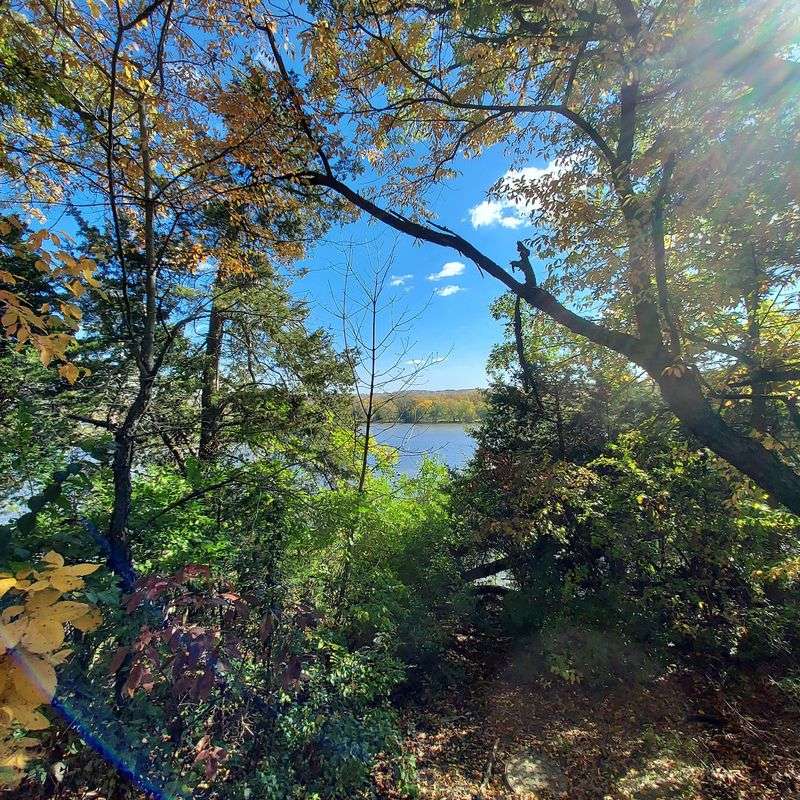
Every season at Buffalo Rock offers something worth seeing, but some times of year are better suited to different kinds of visitors. Spring is a strong choice, especially mid-April through May, when wildflowers line the trails and the trees are just starting to leaf out.
The temperatures are manageable, and the park has a fresh, awakening quality that is hard to find later in the season.
Fall is arguably the peak season for scenery. The foliage along the bluffs turns vivid shades of orange and red, and the contrast against the wide Illinois River below is striking.
Crowds are lighter than at Starved Rock during the same period, which makes the experience feel more personal.
Summer is warm and occasionally humid, but early morning visits are comfortable and the park is lush and green. Winter visits are possible and surprisingly peaceful, with the bare trees opening up longer sightlines across the river and through the woodland sections of the trail.
The park closes at 7 PM daily, so planning your arrival with enough time to complete the main trail loop and stop at the bison enclosure is worth thinking through before you head out.
Practical Tips for Getting the Most Out of Your Visit
A little preparation goes a long way at Buffalo Rock. The park is free to enter, which makes it an easy addition to any road trip through north-central Illinois without any budget pressure.
Parking is free as well, and the lot is large enough to handle a decent crowd without congestion.
Wear comfortable walking shoes with some grip. The main trail is mostly gravel and packed earth, but sections near the bluff overlook can be uneven.
A walking pole is helpful if you plan to navigate any of the steeper viewpoint areas.
Bring water and snacks, especially in warmer months. There are no food vendors inside the park, and the nearest town services are a short drive away in Ottawa.
A small cooler in the car for post-hike snacks is always a good call.
If seeing the bison is a priority, head to the enclosure area first rather than saving it for the end of your visit. Animals are generally more active in the morning, and you will have the fence to yourself before the midday visitors arrive.
The park phone number is 815-433-2220 if you need to confirm hours or conditions before making the drive.
Share this story