There is something about the sound of a steam whistle cutting through crisp Illinois air that makes you stop whatever you are doing and just listen. A small railroad tucked into the countryside near Freeport pulls you straight into another era, where coal smoke, wooden benches, and friendly conductors are part of the deal.
This is not a polished theme park experience with flashy rides and overpriced snacks. It is a genuine, volunteer-run heritage railroad with a working steam locomotive, a fascinating museum, and enough history to fill a rainy afternoon twice over.
Whether you are a lifelong train enthusiast or just someone looking for a genuinely different kind of outing, this place has a way of winning people over fast.
Where the Journey Begins: The Railroad’s Home Base
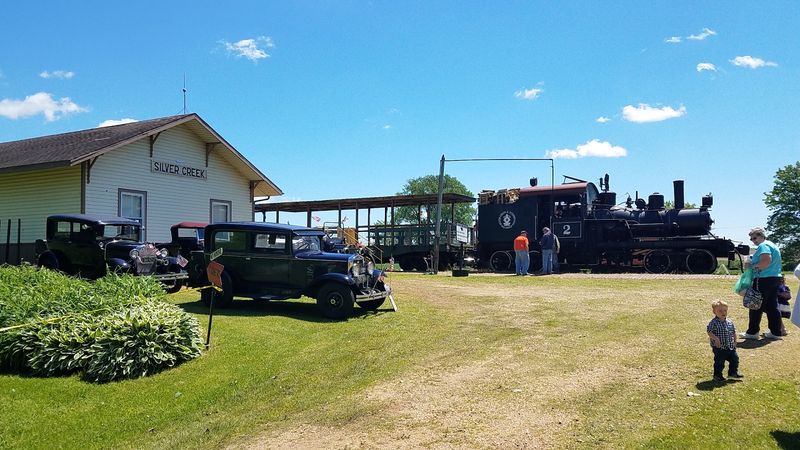
The Silver Creek and Stephenson Railroad and Museum sits at W Lamm Rd, Freeport, IL 61032, right in the heart of Stephenson County in northern Illinois. Getting there is part of the charm, because the drive takes you through rolling farmland and quiet country roads that feel worlds away from city noise.
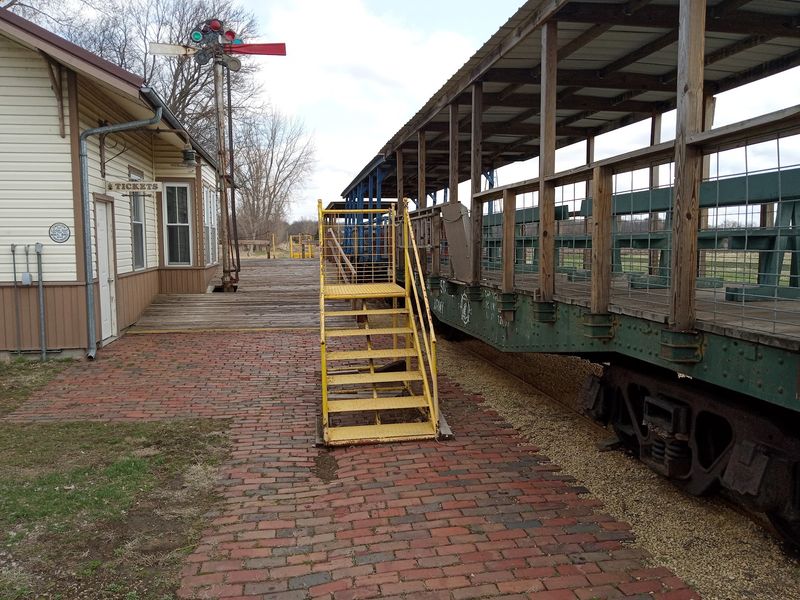
The property itself is modest in size but big on character. A lovely station building greets you as you arrive, and it is clear from the moment you walk up that this place is maintained with real care and pride.
The grounds are tidy, the equipment is well-kept, and there is an immediate sense that the people running this operation genuinely love what they do.
The railroad is operated by volunteers who are passionate about preserving local history, and that enthusiasm is contagious. You can reach them at +1 815-235-2198 or visit the website at thefreeportshow.com for seasonal schedules.
Knowing the hours before you go is smart, since the season typically wraps up in October.
The Wood-Fired Locomotive That Steals the Show
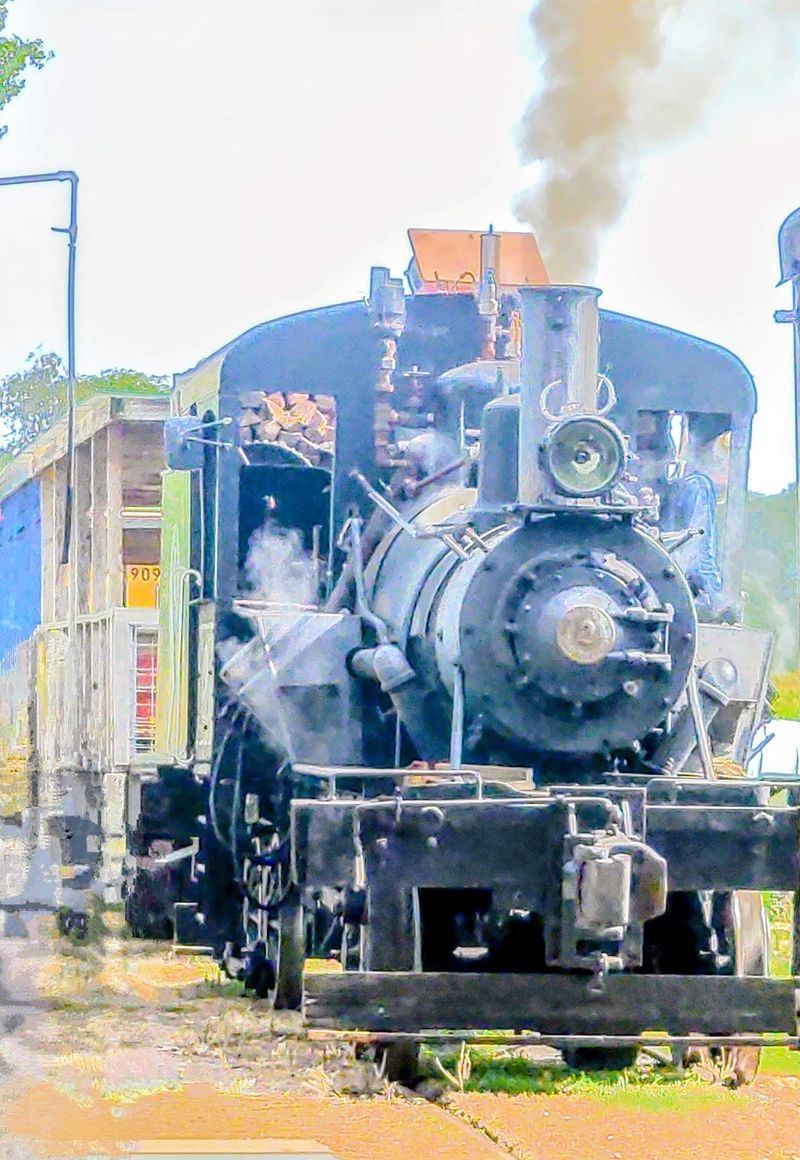
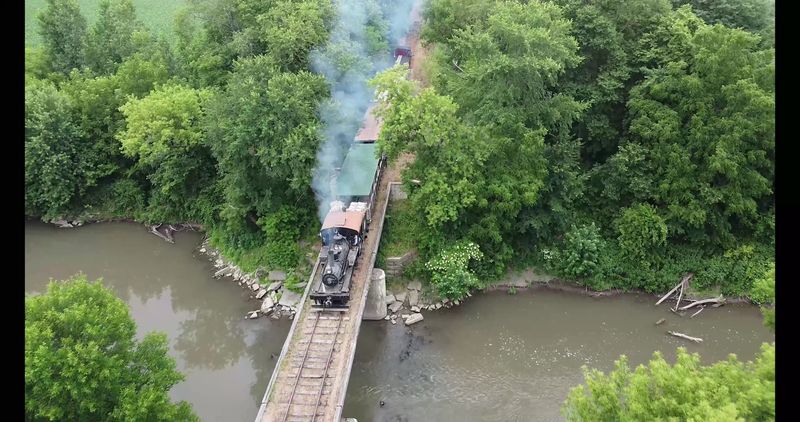
Not many railroads in the entire country still operate a wood-fired steam locomotive, which makes this one genuinely rare. The locomotive burns actual wood rather than coal or diesel, giving it a distinctive smell and sound that passengers notice right away.
That crackling, hissing energy is nothing like what you get from a modern engine.
The train travels about 1.5 miles out along a former branch line before reversing and heading back to the station. It is a short ride, but the pace is slow and relaxed, which gives you time to actually absorb the scenery instead of rushing past it.
Open-air cars built from flatcars offer bench seating, and the breeze makes the ride feel refreshing on a warm day.
A diesel switcher sometimes fills in when the steam locomotive is not running, so the experience can vary depending on your visit date. Still, catching the steam engine in action is worth planning around.
The engineer and conductor are friendly, knowledgeable, and happy to talk about how the locomotive works, which adds a layer of depth to the whole experience.
Cab Rides: Getting Up Close With Railroad History
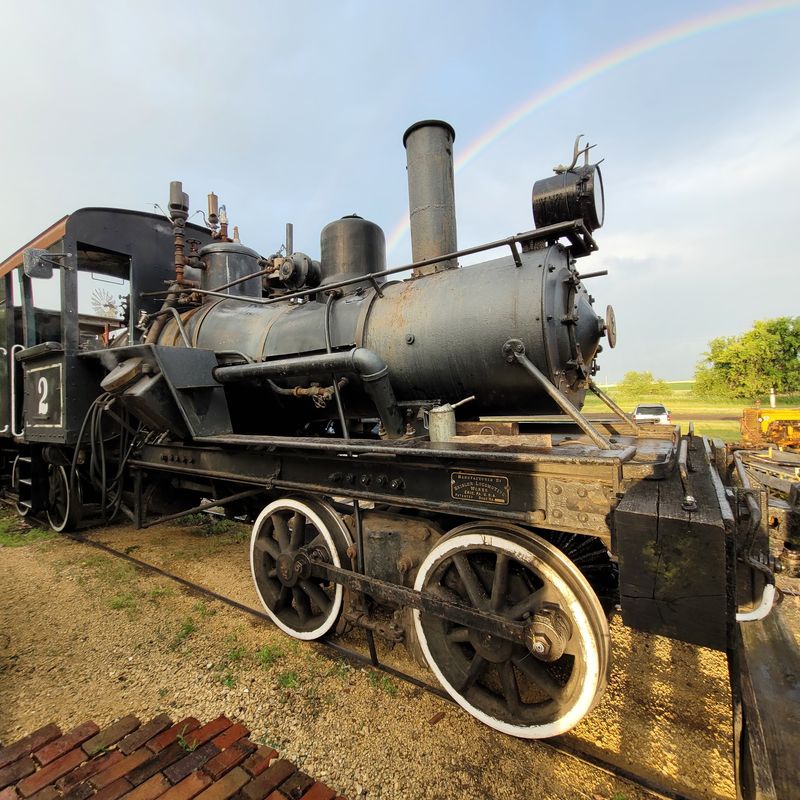
For a very modest extra cost, visitors can climb up into the locomotive cab and ride alongside the engineer. This is the kind of access that most heritage railroads simply do not offer, and it turns a pleasant train ride into something genuinely memorable.
The cab is tight, loud, and warm, and it smells like hot metal and wood smoke in the best possible way.
The engineers running the locomotive are enthusiastic about sharing what they know. They will walk you through the controls, explain how the throttle and brakes work, and give you a real sense of what it took to operate these machines back when they were the primary way goods and people moved across the country.
It is hands-on history without the velvet rope.
Anyone with even a passing interest in mechanical things will find the cab ride completely absorbing. Kids tend to be wide-eyed the entire time, and adults are not far behind.
The whole experience costs very little, and the memories it creates are worth far more than the ticket price. Do not skip this one if you have the chance.
The Museum Across the Street: A Rural Life Time Capsule
Right across the street from the station, a museum dedicated to rural life in Stephenson County waits to be explored. The layout is thoughtful and easy to follow, with each room designed around a specific theme that represents a slice of everyday life from generations past.
Nothing feels thrown together here.
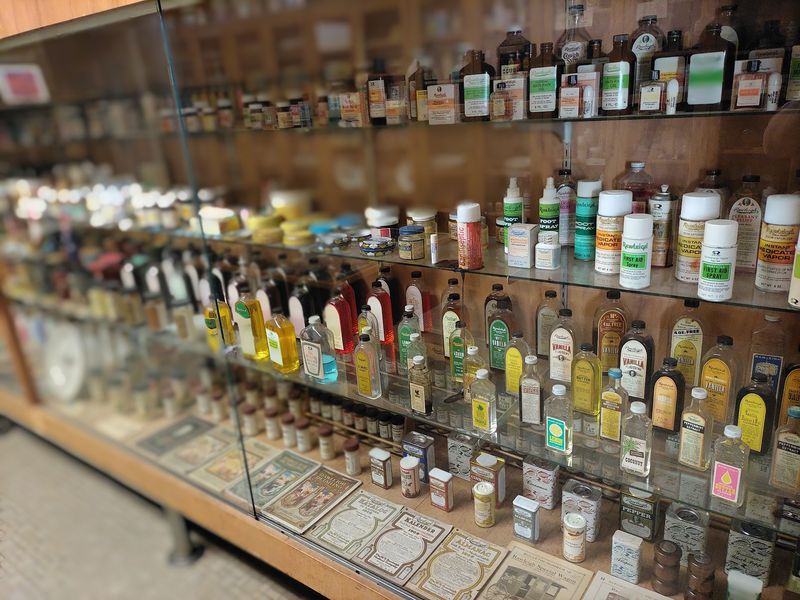
The rooms cover a wide range of topics, from domestic life to agriculture to commerce, and they are filled with authentic artifacts that spark real curiosity. One standout feature is an extensive collection of items connected to the Rawlings Company, a local manufacturer that produced a surprising variety of products over the years.
Bottles, tools, and household goods from that era fill display cases in a way that makes history feel personal rather than distant.
A detailed model railroad layout adds another layer of interest for visitors of all ages. There is also a striking wall painting of Freeport that captures the town at an earlier point in its history, and it draws you in the moment you walk through the front door.
Budget at least two hours here, because the museum is much larger and more detailed than it looks from the outside.
The Corliss Engine: A Giant Piece of Industrial History
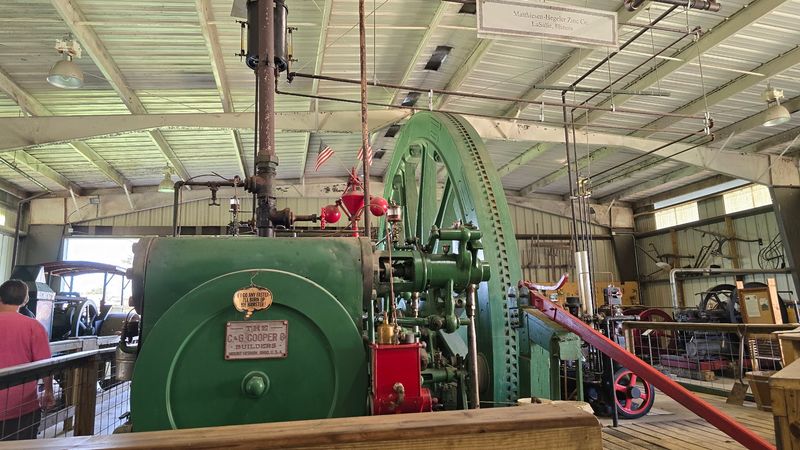
Behind the main museum building, a separate structure houses one of the most impressive pieces of machinery you are likely to see outside of a major industrial museum. The Corliss engine on display is enormous, and just standing next to it gives you a sense of the scale of power that once drove American industry forward.
The engine was manufactured in Lockport, Illinois, and the story of how it was acquired, disassembled, transported, and reassembled at this location is worth asking the staff about directly. They tell it with obvious pride, and the details are genuinely fascinating.
Moving something of that size and complexity without modern heavy equipment is a feat in itself.
The building also houses a solid collection of other antique engines, each with its own background and mechanical personality. YouTube videos show the Corliss running at full power, which gives you context for just how impressive it must have been in operation.
Even if machines are not usually your thing, the sheer craftsmanship on display here is hard not to appreciate. This is industrial heritage at its most tangible.
Train of Terror: Halloween on the Rails
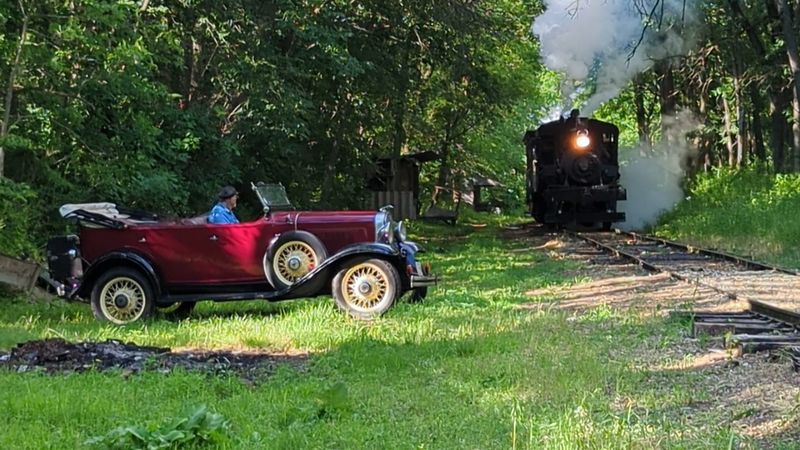
Every October, the Silver Creek and Stephenson Railroad transforms into something a little more theatrical. The Train of Terror event turns the regular evening ride into a Halloween experience that draws families from across the region.
The train rolls through the dark, and things jump out along the route in ways that are fun without being truly frightening.
The event is clearly designed with families in mind. Young children can handle it, and older kids find it entertaining rather than overwhelming.
The whole setup leans into the spirit of the season without crossing into territory that would send anyone running back to the car. It is the kind of Halloween fun that works for a wide age range.
Tickets for Train of Terror cannot be purchased in advance, which means arriving early is a smart move if you want to avoid a long wait. The event is cash only, so plan accordingly.
Popcorn and small snacks are available on site, which helps keep energy levels up during the wait. Families who make this an annual tradition tend to come back year after year, and that kind of loyalty says a lot about the experience.
The Open-Air Cars: Riding Through the Countryside
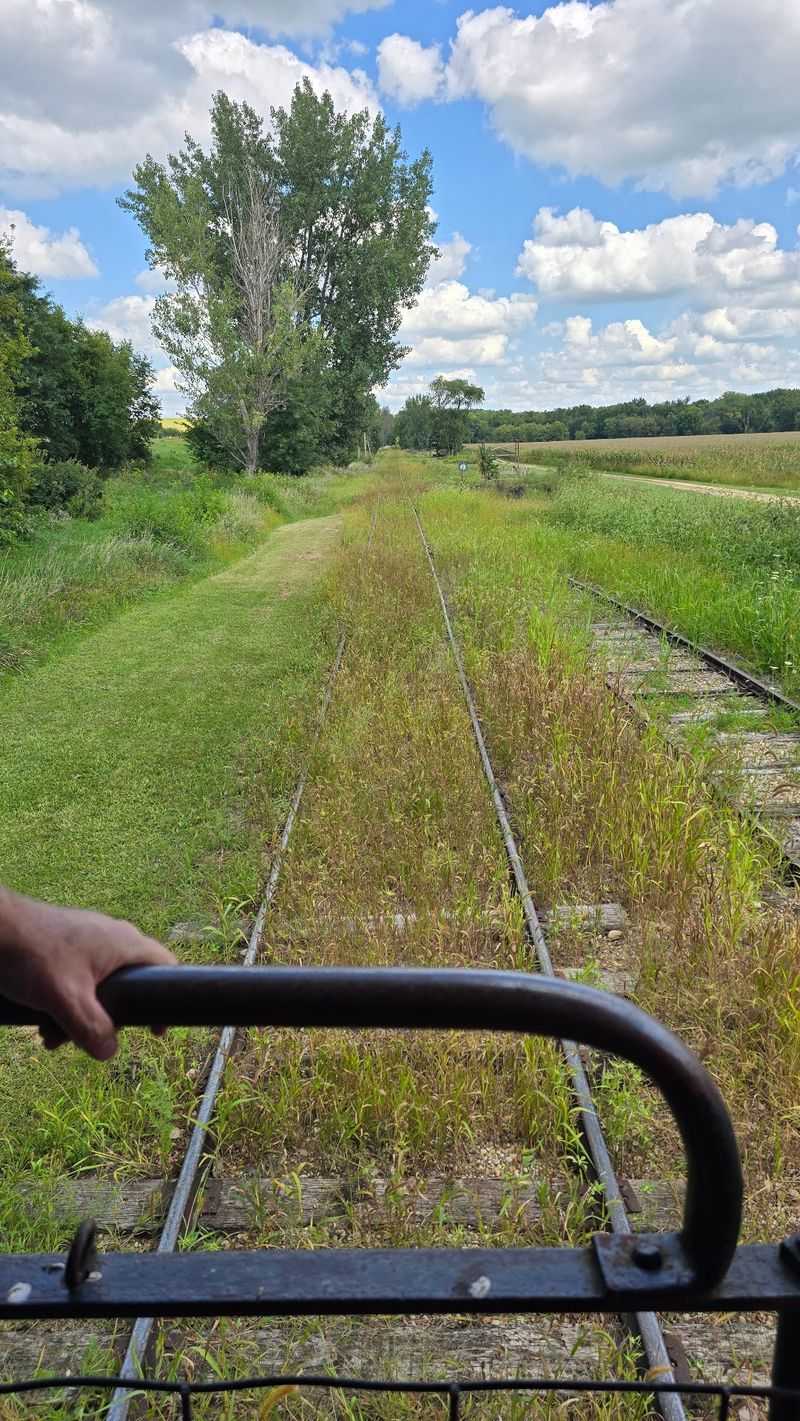
The open-air cars used on this railroad are built from converted flatcars, which gives them a rugged, utilitarian charm that fits the whole experience perfectly. Bench seating runs along the sides, and the lack of walls means you get an unobstructed view of the landscape rolling past on both sides of the track.
The route passes through a mix of wooded stretches and open farm fields, and the slow pace of the train gives you time to actually notice the details. Birds, wildflowers, and the occasional glimpse of distant silos all become part of the scenery.
There is a simplicity to the ride that feels genuinely refreshing in a world full of screens and noise.
The train does travel at a leisurely speed, which some visitors find surprisingly relaxing once they settle into the rhythm of it. A few riders have noted that faster would be more exciting, but the laid-back pace is kind of the point.
This is not a thrill ride. It is a rolling conversation with the past, and the countryside of Stephenson County makes a pretty decent backdrop for that kind of reflection.
The Volunteers Who Keep It All Running
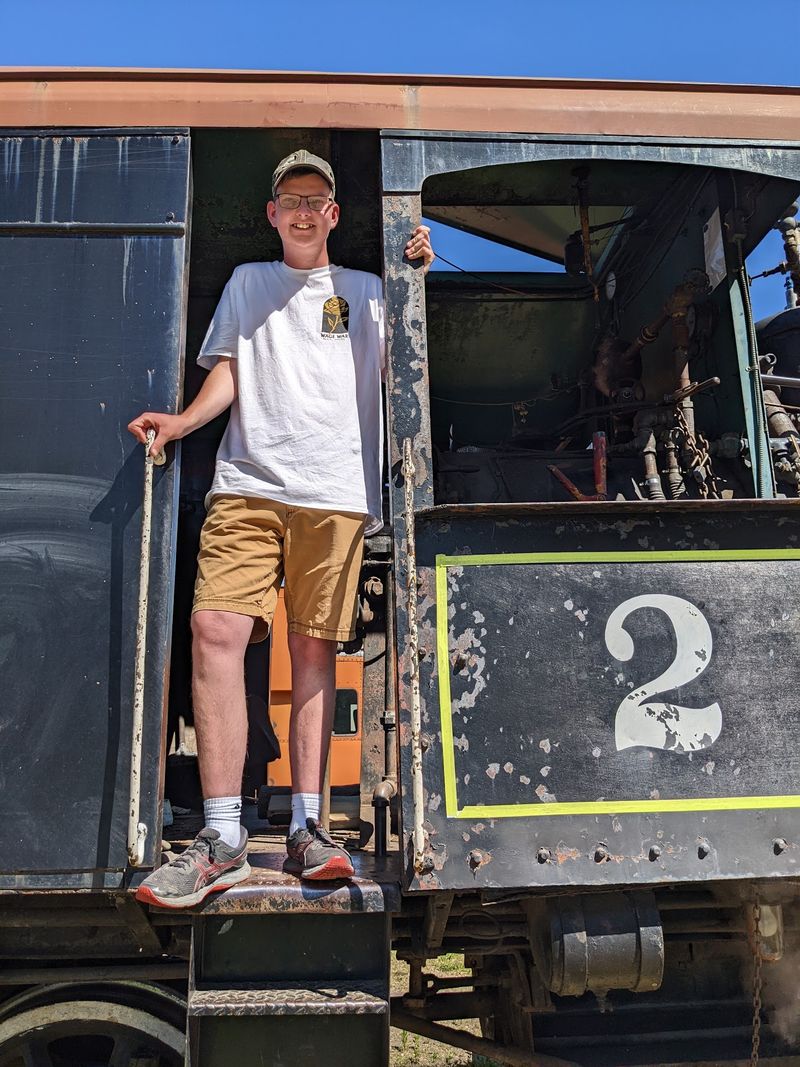
A place like this does not run itself, and the team of volunteers behind the Silver Creek and Stephenson Railroad deserves a lot of credit. These are people who spend their weekends maintaining equipment, guiding visitors, and sharing stories because they genuinely care about keeping this history alive.
That energy is felt throughout the entire visit.
The staff are approachable and knowledgeable, and they seem to enjoy the conversations that come up naturally during the ride or the museum tour. Ask about the railroad’s history, the origins of a particular piece of equipment, or how the locomotive is maintained, and you will get a real answer with real detail.
Nobody is reading from a script here.
That personal touch makes a significant difference in how the experience feels. Big attractions can sometimes feel transactional, where you pay, you ride, you leave.
Here, the interaction with the people running the place is part of what makes it worth the trip. More than one visitor has walked away impressed not just by the trains and the museum, but by the warmth of the people who keep it all going day after day.
Practical Tips Before You Visit
A few practical details can make the difference between a smooth visit and a frustrating one. The railroad operates on a seasonal schedule and typically closes for the season in October, so checking current hours before making the drive is essential.
The website at thefreeportshow.com is the best starting point, though calling ahead at +1 815-235-2198 is even more reliable.
Cash is the only payment method accepted, so stop at an ATM before heading out to the countryside. Ticket prices are quite affordable, and the cab ride upgrade is priced low enough that there is really no reason to skip it.
Bringing a few extra dollars for snacks like popcorn is a good idea, especially if you are visiting with children.
Parking is available on site, and the grounds are manageable for visitors with limited mobility, though it is worth calling ahead to confirm accessibility details for specific areas. Arriving early during popular events like Train of Terror is strongly recommended since tickets are only sold at the door.
A visit here pairs well with a picnic lunch, since the surrounding countryside has plenty of quiet spots to enjoy before or after your time at the railroad.
Why This Little Railroad Leaves a Big Impression
Some places are impressive because of their size or their budget. This one earns its reputation through something harder to manufacture: authenticity.
The Silver Creek and Stephenson Railroad is a genuine labor of love, and that quality shows up in every detail, from the maintained equipment to the enthusiastic staff to the thoughtfully arranged museum rooms.
The experience appeals to a genuinely wide range of visitors. Train enthusiasts will find plenty to geek out over, from the wood-fired locomotive to the Corliss engine.
Families with young children will appreciate the accessible, affordable, and low-pressure atmosphere. History lovers will find the museum alone worth the trip, even without the train ride.
There is also something quietly meaningful about supporting a place like this. Heritage railroads depend on community interest to survive, and every ticket sold helps keep the equipment running and the stories alive for another generation.
This corner of Stephenson County holds onto a piece of American history that might otherwise disappear, and the people behind it are doing that work with real dedication. A visit here is not just a fun afternoon out.
It is a small act of appreciation for something genuinely worth preserving.
Share this story