Somewhere in the quiet corner of southeast Tennessee, a set of restored railcars still climbs a mountain the slow way, curling above a river gorge that most people drive right past without a second glance. The ride crosses a famous trestle, loops through forest, and pauses in a small copper town where shops and cafes wait for the next round of hungry passengers.
What starts as a simple day trip turns into hours of narration, history, and views that stack ridge upon ridge. Keep reading to find out where this vintage journey begins and why the loop it travels is one of the rarest in the entire country.
Where the Journey Begins in Delano
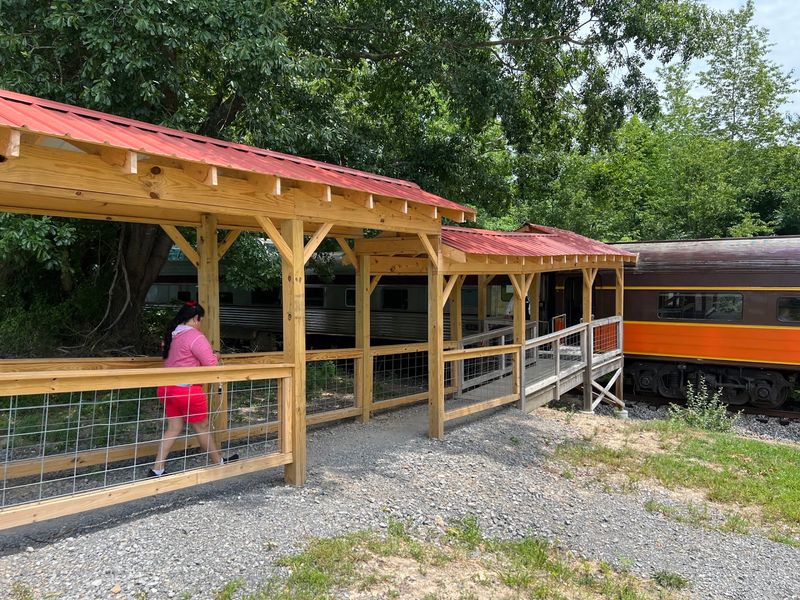
Tucked along US-411 in the tiny community of Delano, the Tennessee Valley Railroad runs its Hiwassee River Scenic Railroad from a station at 9406 US-411, Delano, TN 37325. It sits far enough from any city that the drive itself feels like part of the trip.
The location puts riders right at the doorstep of the Cherokee National Forest, where the tracks head straight into ridge country. Handicapped parking is available near the boarding area, though the cars themselves have narrow halls and stairs.
Regulars mention arriving early to check in and settle in before departure, since seating fills and the schedule keeps to its clock. Trains carry visitors up the mountain and back, with the whole affair anchored to this quiet stretch of highway that hides one of the state’s most surprising rides.
A Loop That Almost No One Else Has
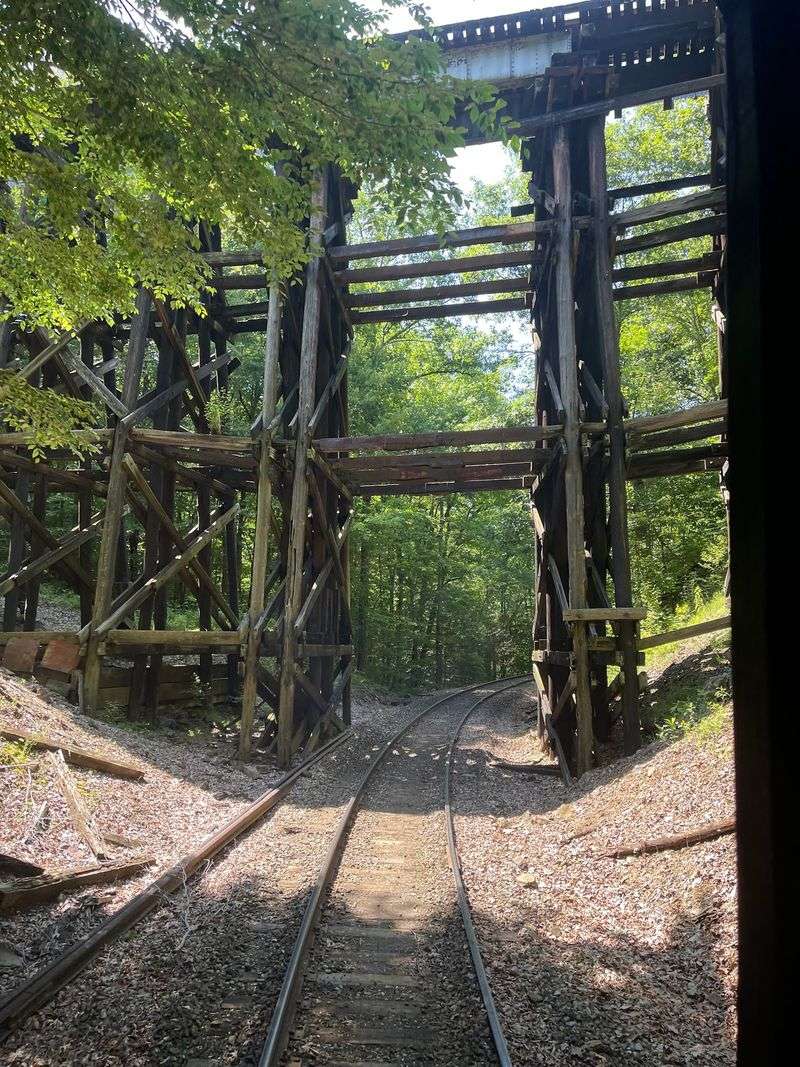
The centerpiece of the whole trip is the Hiwassee Loop, a spiraling stretch of track that lets the train gain elevation by curling around and over itself. It stands as one of only four remaining rail loops of its kind left in the United States.
Engineers built the loop to conquer a steep grade that a straight line simply could not manage. Riders end up crossing above tracks they traveled minutes earlier, which makes the climb feel almost like a puzzle solving itself.
Passengers say the loop is the reason the trip runs a bit long, since it sits a good distance up the line. Nobody seems to mind much once they realize how uncommon the feature is.
Reaching this rare piece of railroad engineering is exactly what makes the ride worth boarding.
Riding Beside the River Gorge
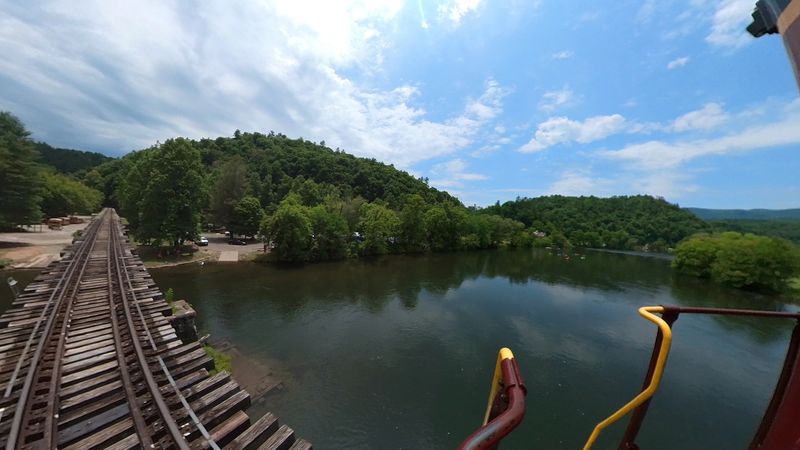
Much of the ride hugs the Hiwassee River as it cuts through a deep gorge lined by tall ridges and peaks. For roughly the first two-thirds of the trip, the water stays close, twisting alongside the tracks the whole way.
The gorge gives the journey its most memorable stretch, with the mountain river running below and steep slopes climbing on either side. It is the kind of setting that stays hard to reach by car, which is part of what makes seeing it by rail feel special.
Passengers frequently point to this section as the highlight, mentioning river views that open up around each bend. Slow train speeds give everyone plenty of time to take it in.
Traveling this narrow corridor between water and stone is where the whole route earns its scenic reputation.
Crossing the Famous Trestle Bridge
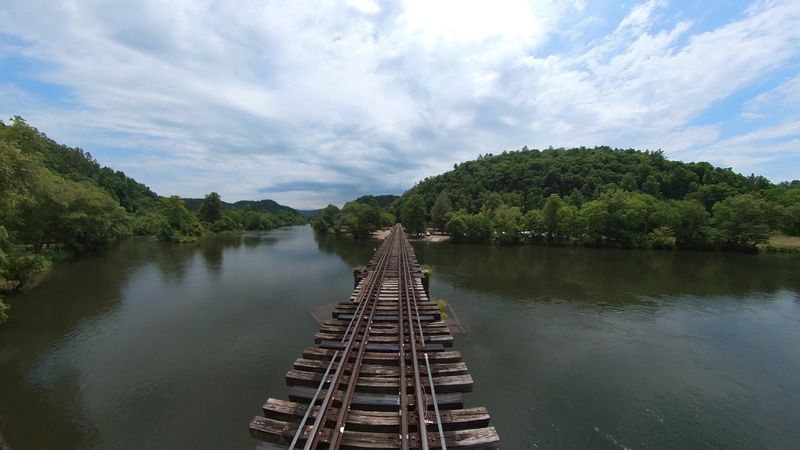
Among the standout moments is the crossing of the Hiwassee Trestle Bridge, a large structure that carries the train high above the landscape below. Families who have made the trip describe the sheer size of the construction as astonishing.
Passing over the trestle gives riders a rare vantage point, looking down at the terrain the tracks have been climbing. It arrives as one of those milestones the narration builds toward during the ride.
The bridge ties directly into the loop and gorge sections, forming part of the engineering that lets the train work its way up the mountain. Guides tend to point it out well ahead of time so no one misses the approach.
Rolling across this piece of railroad history adds a genuine sense of scale to a trip already stacked with big views.
Vintage Cars With Real Stories
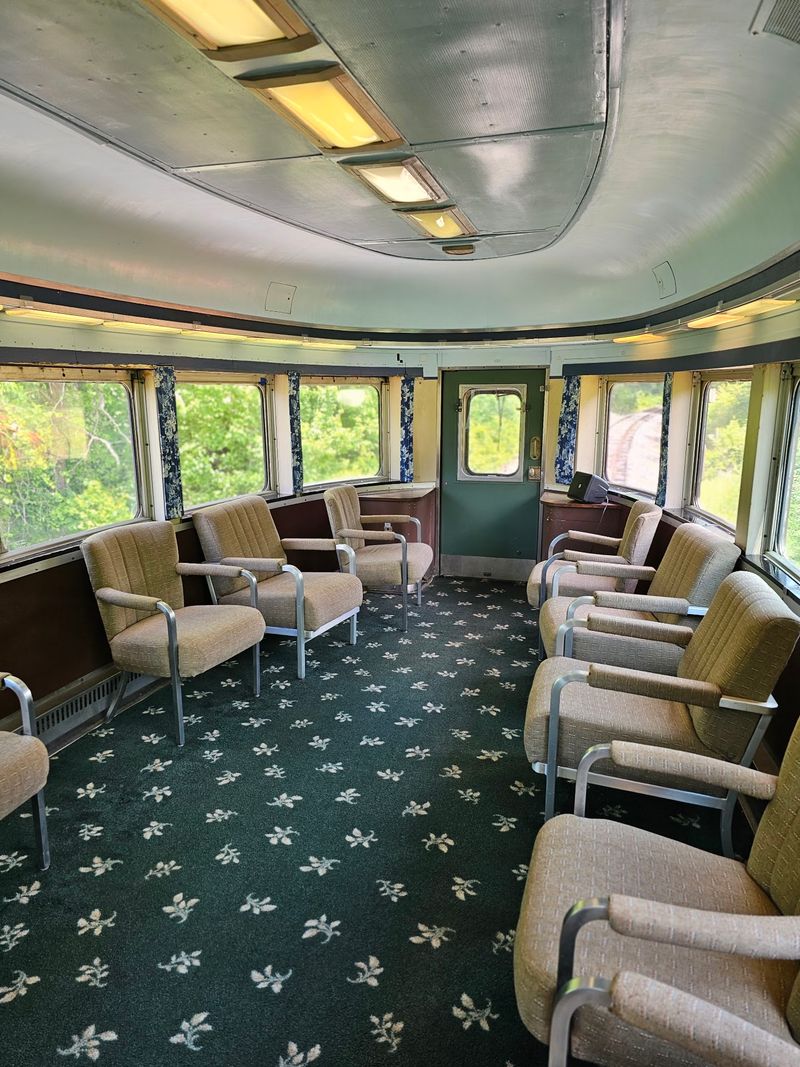
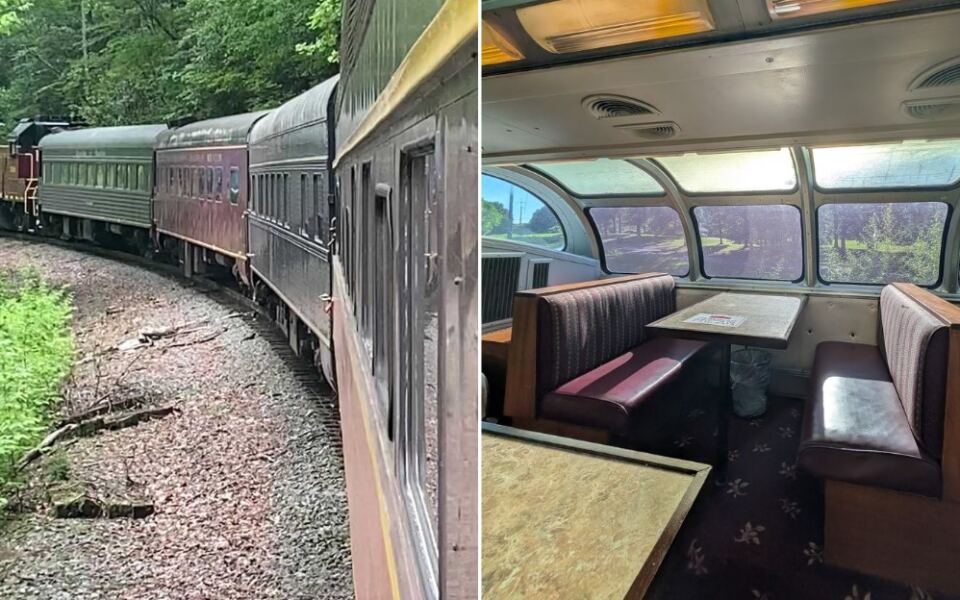
Every car on this railroad carries its own history, and part of the fun is learning what makes each one different. Riders travel aboard restored coaches, including an L&N car, that have been kept in careful shape.
The interiors show off the craftsmanship of an older era, and passengers often note how interesting the individual cars are once you start noticing the details. Even the restrooms draw comment, with one tucked into car four described as clean and cleverly compact.
Because the equipment is genuinely old, small quirks come with the territory, and the crew works to keep everything running smoothly. Guests are encouraged to walk between cars and explore during the ride.
Wandering through these well-cared-for coaches turns the train itself into a moving museum worth poking around in.
The Dome and Observation Seats
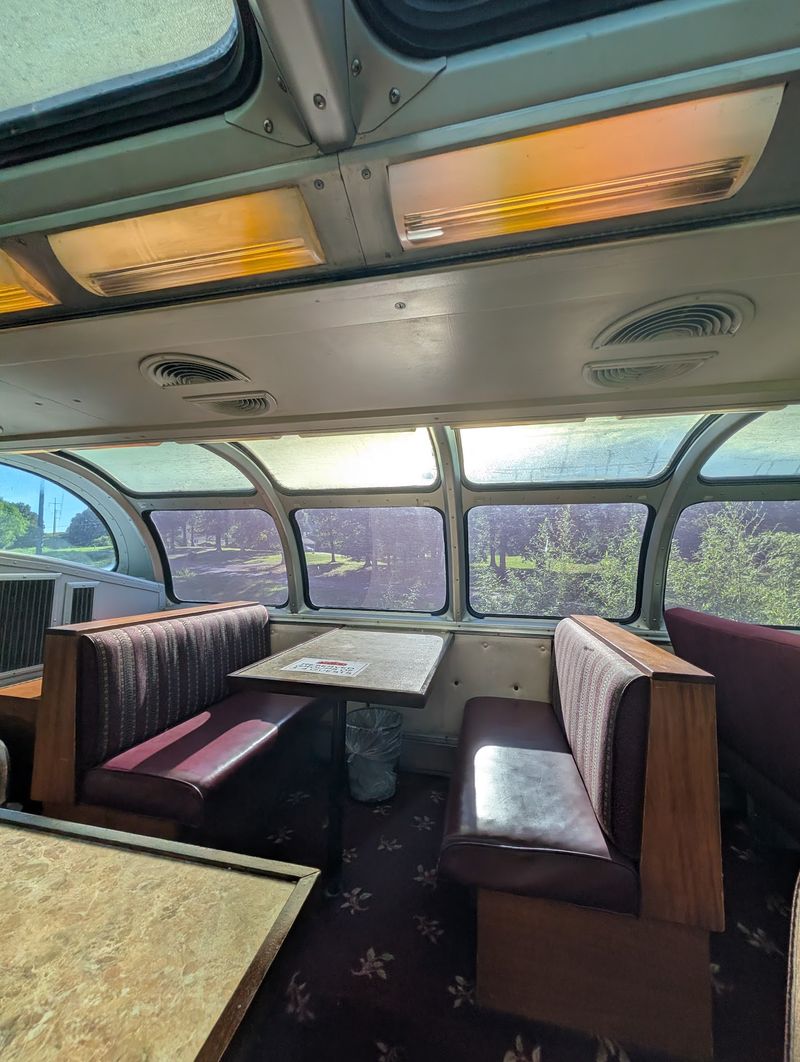
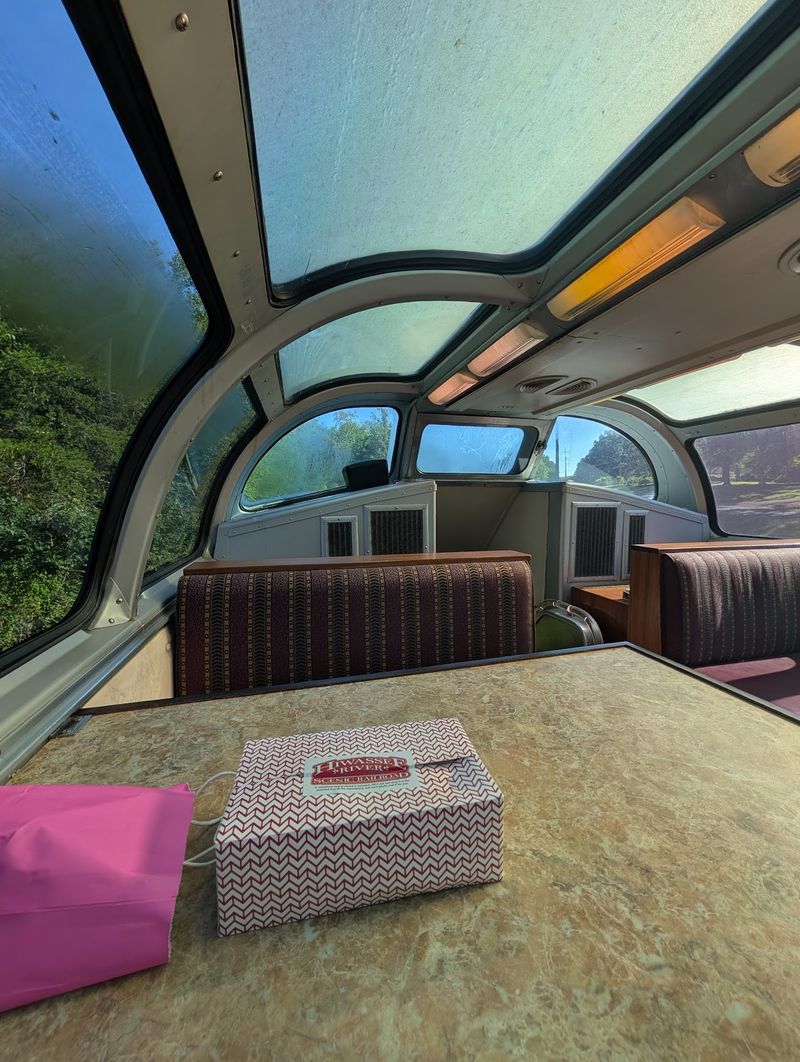
For the widest views on the whole route, the glass-topped dome and observation cars are the seats to chase. Sitting up in the dome puts riders eye-level with the ridgelines and gives an open look at the passing forest.
Passengers with these tickets often mention a complimentary snack box and sodas included with the upgraded seating. The elevated perch turns the scenery into the main event and consistently earns recommendations from those who splurge.
Some travelers describe the upper level almost becoming a friendly gathering spot, with everyone swapping the view and enjoying the climb together. The comfort and vantage point make the longer trip easier to sit through.
Choosing a spot in one of these cars is the single tip that comes up again and again for getting the most out of the ride.
Narration, Banjo, and Onboard Fun
Part of what keeps the hours moving is the crew, who mix history lessons with a good sense of humor over the onboard speakers. Conductors and guides point out sights along the route and share facts about the area and the train itself.
Music often joins the ride, with banjo playing and interactive songs adding a bit of entertainment between the scenic stretches. Passengers describe the commentary as both educational and comedic, which helps the miles slip by.
Guides like those the families remember fondly tend to become part of the memory, chatting with riders and keeping the mood light. Their knowledge of the gorge, the loop, and the cars adds depth to every mile.
Having friendly narrators steering the story is what nudges this from a simple train ride toward a genuine day out.
The Turnaround Town of Copperhill
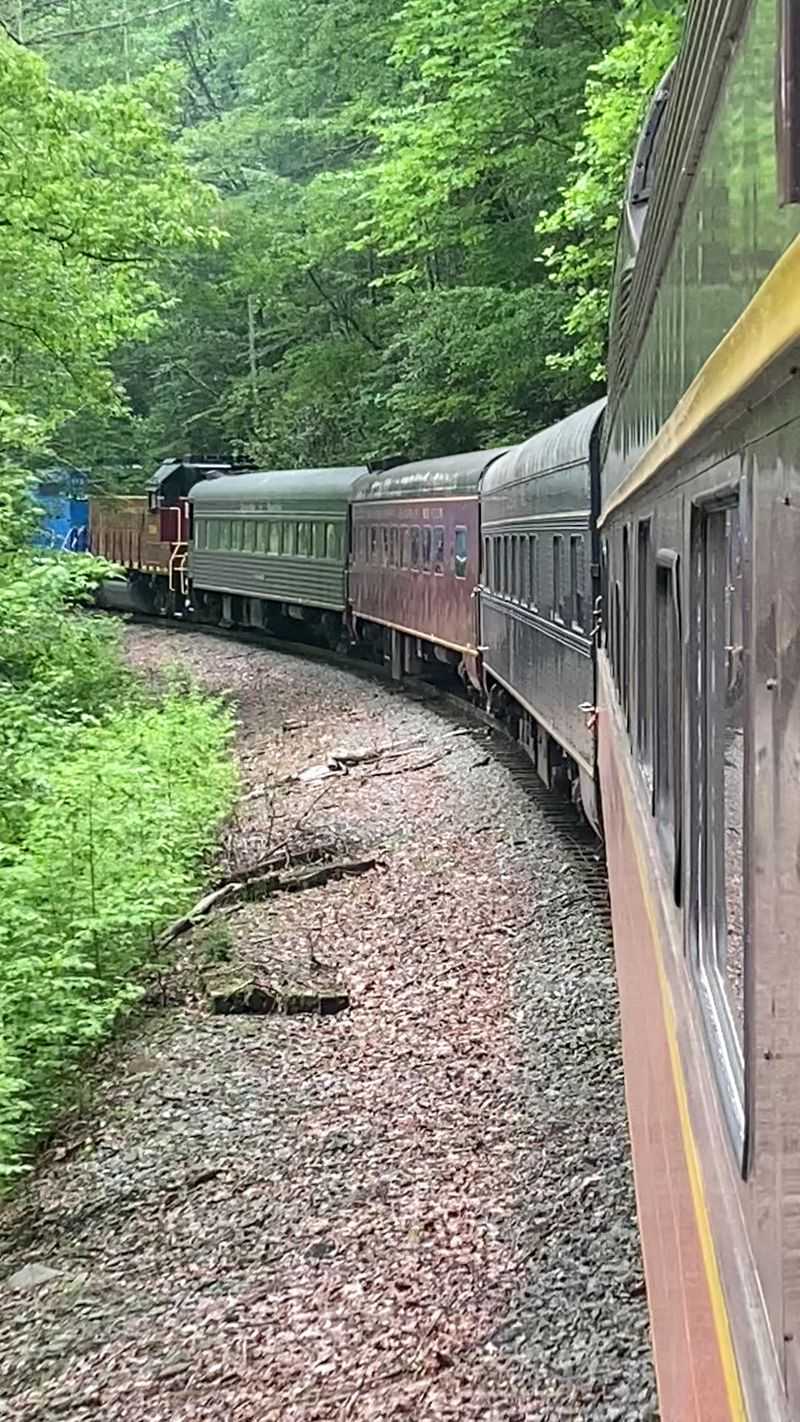
The longer trips roll all the way to the copper country near Copperhill, Tennessee and McCaysville, Georgia, where the train pauses before heading back. It is the spot where two towns meet along the state line, and it gives riders a real break in the day.
The stop lasts over an hour, long enough to grab a meal and stretch your legs. Shop owners and eateries in the little downtown welcome the crowd, and passengers speak warmly about the local cafes and stores.
One café even serves authentic Cuban food, a surprising find at the end of a mountain rail line. Wandering the streets breaks up the ride and adds a small-town chapter to the trip.
Stepping off in this copper corner gives the journey a proper midpoint destination rather than just a spot to reverse.
Choosing Your Ride Length
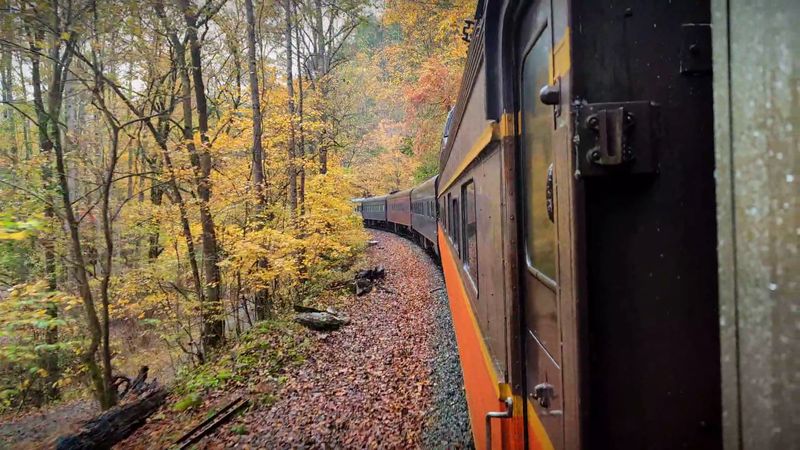
Flexibility is one of the nicer surprises here, since the railroad offers a few different ways to experience the line. The shorter Hiwassee Loop runs around four to four and a half hours and still covers the loop and gorge.
Those wanting the full experience can book the all-day trip that reaches the copper towns, a journey stretching to roughly eight hours through the Cherokee National Forest. Both options travel alongside the river and cross the same rare loop.
Riders who take the shorter version often say they left wanting to come back for the longer haul. The trade-off comes down to how much time you want to spend soaking in the scenery.
Matching the trip length to your day makes it easy to plan whether you have an afternoon or a whole outing to give.
Planning Your Visit and What to Bring
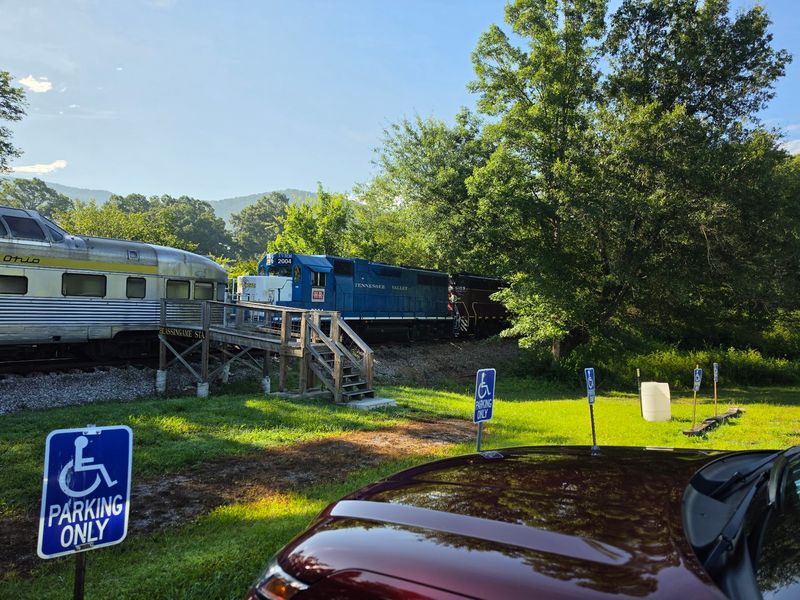
A little preparation goes a long way on this railroad, starting with the schedule. The station runs Thursday through Sunday, opening at 9 AM on Thursday and Saturday, 9 AM on Friday until 4:30 PM, and Sunday from 12:30 to 5 PM, while Monday through Wednesday stay closed.
Onboard snacks, drinks, and gift purchases are cash only, so bringing bills is smart. Guests can also carry a small cooler with their own drinks and snacks aboard.
Because the vintage cars have narrow hallways and stairs, the trip is not friendly to wheelchairs or scooters, though handicapped parking sits close by. Arriving early to check in helps you settle before departure.
Sorting out timing, cash, and packing ahead of time keeps the focus on the ride instead of last-minute scrambling.
Why This Ride Sticks With People
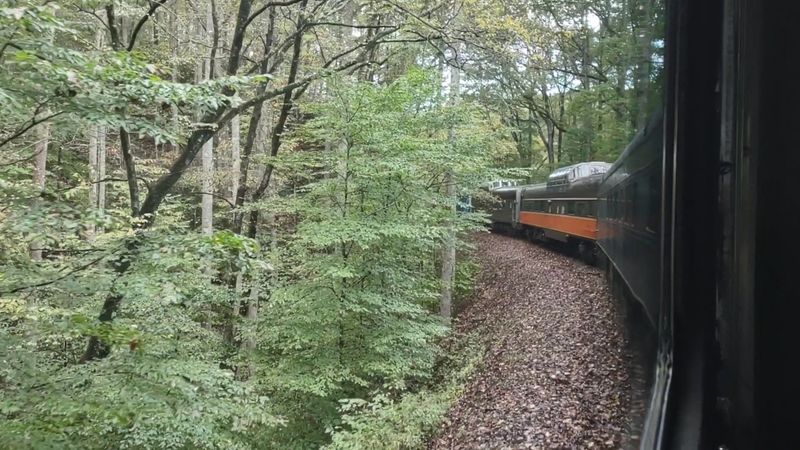
What lingers after the trip is the mix of peace, nostalgia, and genuine surprise that this route delivers. Families who ride once tend to talk about coming back, whether to try the longer trip or catch the fall colors from a dome car.
Autumn draws special praise, when the forest turns gold and yellow and the thinner leaves open up wider views of the gorge. Early spring earns a mention too, for the same reason.
Between the rare loop, the river gorge, the trestle, and the restored cars, the ride packs in more than most day trips near home. It rewards curiosity and pride in a corner of Tennessee many never knew held a working piece of railroad history.
Board it once, and this vintage climb along the Hiwassee has a way of earning a return trip.
Share this story