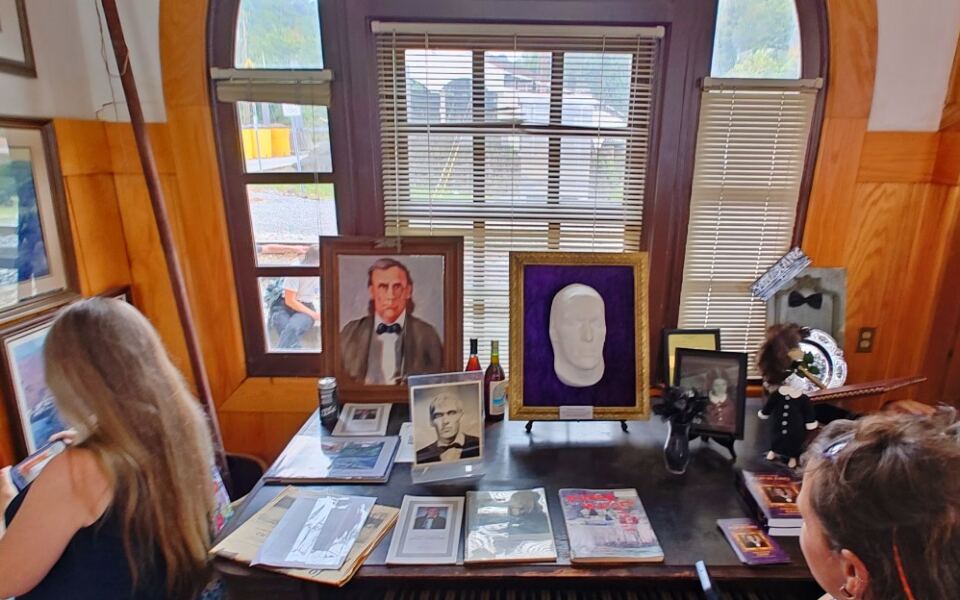
Two preserved human bodies are among the last things you would expect to find inside a historic West Virginia railroad station. But the Barbour County Historical Museum in Philippi has them, along with Civil War weapons, railroad artifacts, early medical exhibits, and the story of a prosthetic-leg innovation that began during the war.
The museum occupies Philippi’s former B&O Railroad station and focuses heavily on the history of Barbour County. That includes the June 3, 1861 Battle of Philippi, widely recognized as the first organized land battle of the Civil War.
Yet the Civil War collection is only part of what makes this small museum unusual. Its two famous Philippi mummies and several unexpected connections to medicine and pop culture make the collection much broader than the building first suggests.
A Historic Train Station That Became a Time Capsule
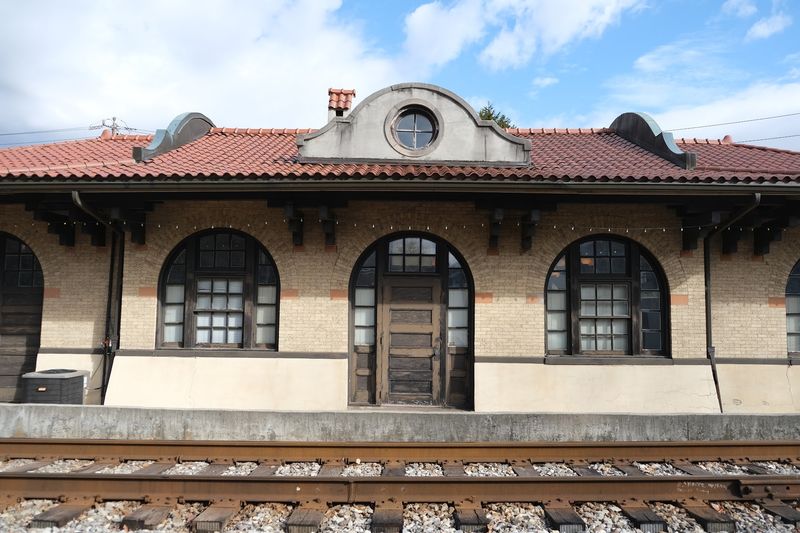
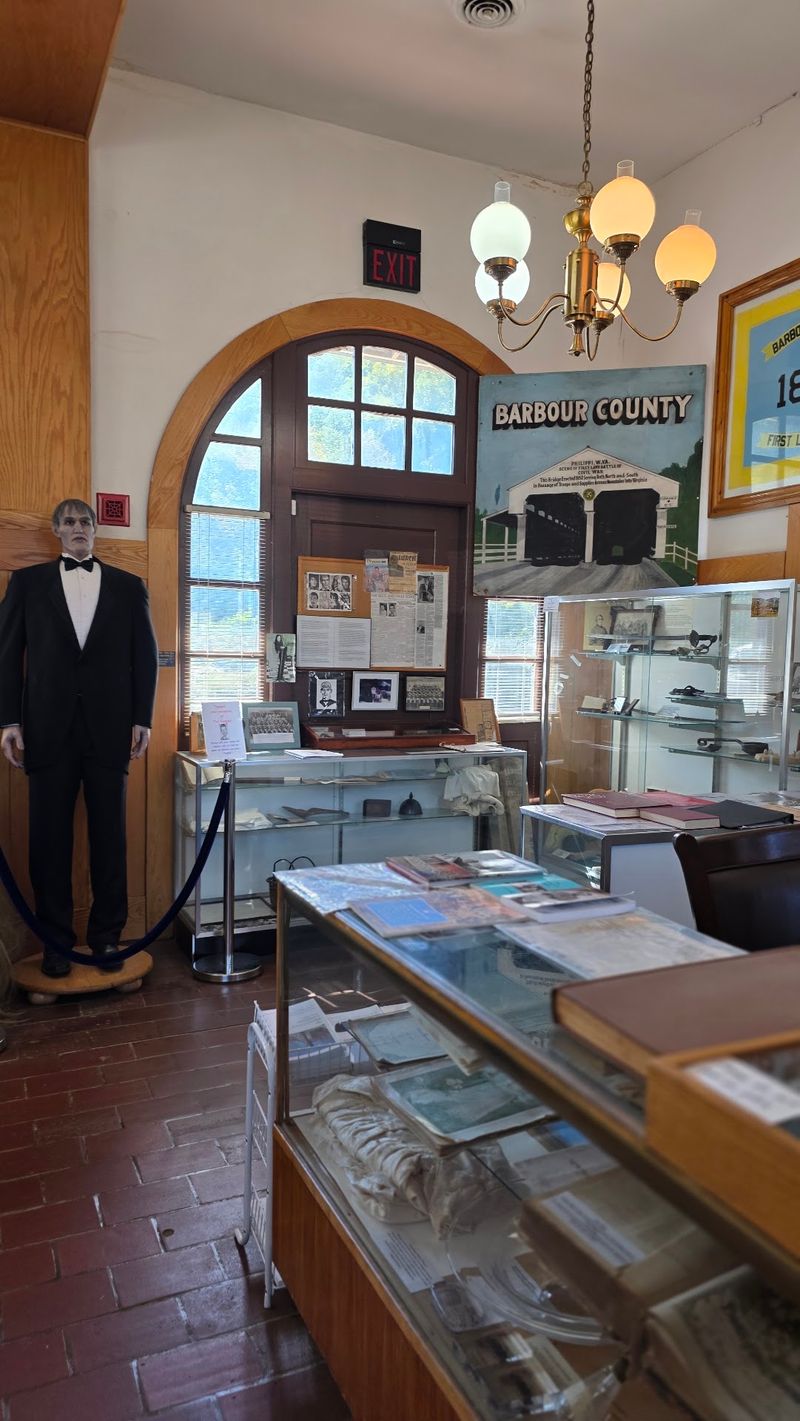
Not every museum gets to live inside a building that is itself a historical artifact. The Barbour County Historical Museum calls the 1911 Philippi B&O Railroad station home, and the Mission Revival architecture gives the place an unmistakable character before you even step inside.
The building sits at 13 Museum St., Philippi, WV 26416, right in the heart of a small Appalachian town along the Tygart Valley River in Barbour County. The arched details and clay-toned exterior stand out against the surrounding hills, making it easy to spot from the road.
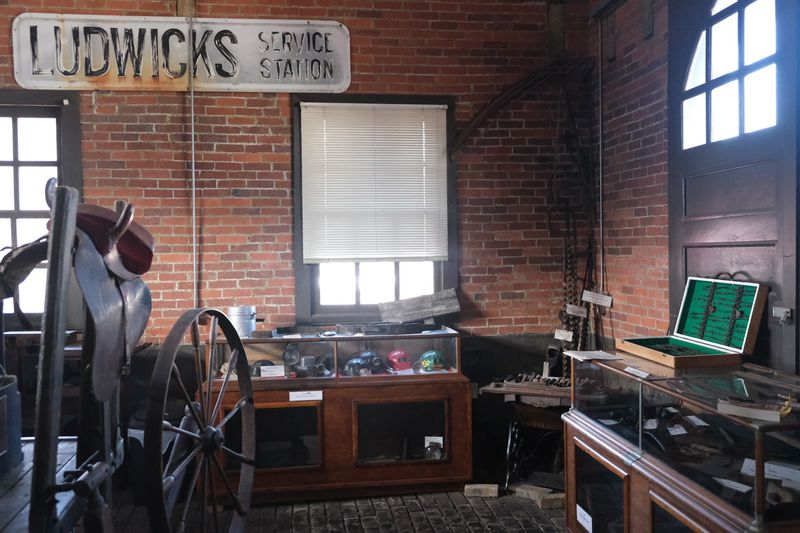
That former train depot energy still lingers inside, and the museum has leaned into it beautifully, incorporating railroad artifacts into the collection that reflect the building’s original purpose. The B&O Railroad was a critical supply line during the Civil War, so the connection between the structure and the history it now preserves feels completely natural.
It is a pairing that works on every level.
The Battle That Put Philippi on the Map Forever
On June 3, 1861, Philippi became the site of the first organized land battle of the Civil War, a fact that shapes everything about this museum and the town around it. Union forces moved quickly to secure the Baltimore and Ohio Railroad, catching Confederate troops so off guard that the retreat became famously nicknamed the “Philippi Races.”
That nickname tells you something important: the Confederate forces fled so fast that the engagement was over almost before it started. But the strategic significance was real, and the museum takes that history seriously with exhibits covering the battle in careful detail.
Maps, weapons, flags, and personal accounts paint a picture of what those early weeks of the war looked like on the ground in western Virginia. Understanding this battle also helps explain why the region ultimately sided with the Union and eventually became the state of West Virginia.
The museum gives that context in a way that feels vivid rather than textbook-dry.
Civil War Artifacts That Cover an Entire Era of Conflict
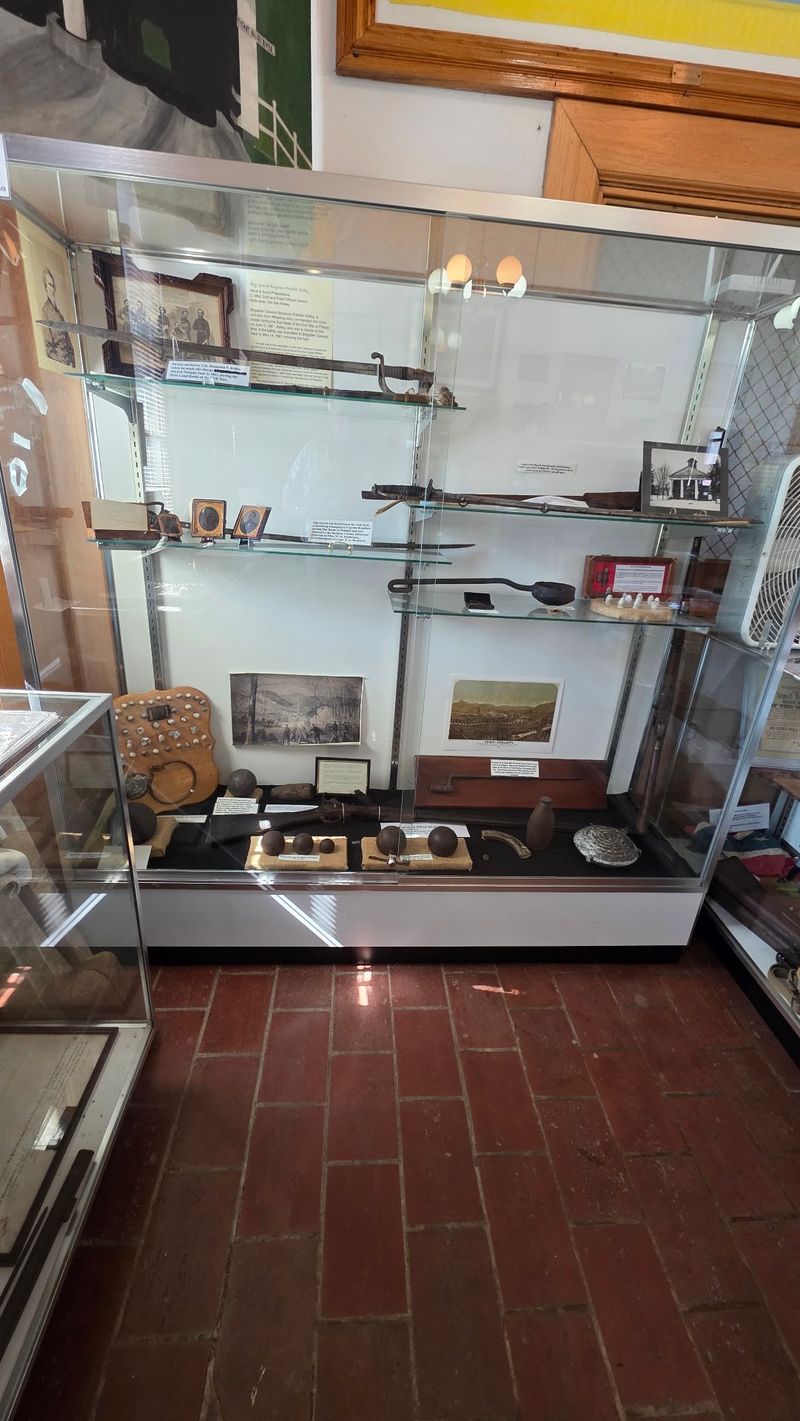
The Civil War collection here is genuinely impressive for a museum of this size. Guns, cannons, knives, military uniforms, and regimental flags fill the displays, and each item carries a story tied directly to Barbour County and the broader conflict that reshaped the nation.
What makes the collection feel personal rather than generic is the focus on local veterans and local units. These were not anonymous soldiers; they were men from the surrounding hills and valleys, and the museum treats their service with real respect.
Visitors who come expecting a quick glance tend to linger far longer than planned. The volunteer guides are knowledgeable enough to add context to almost every artifact on display, turning a browse into something closer to a private history lesson.
The variety of weapons alone covers enough ground to satisfy anyone with even a passing interest in military history, and the flags and uniforms add a human dimension that photographs and textbooks rarely capture as well.
The Philippi Mummies and the Secret Nobody Could Buy
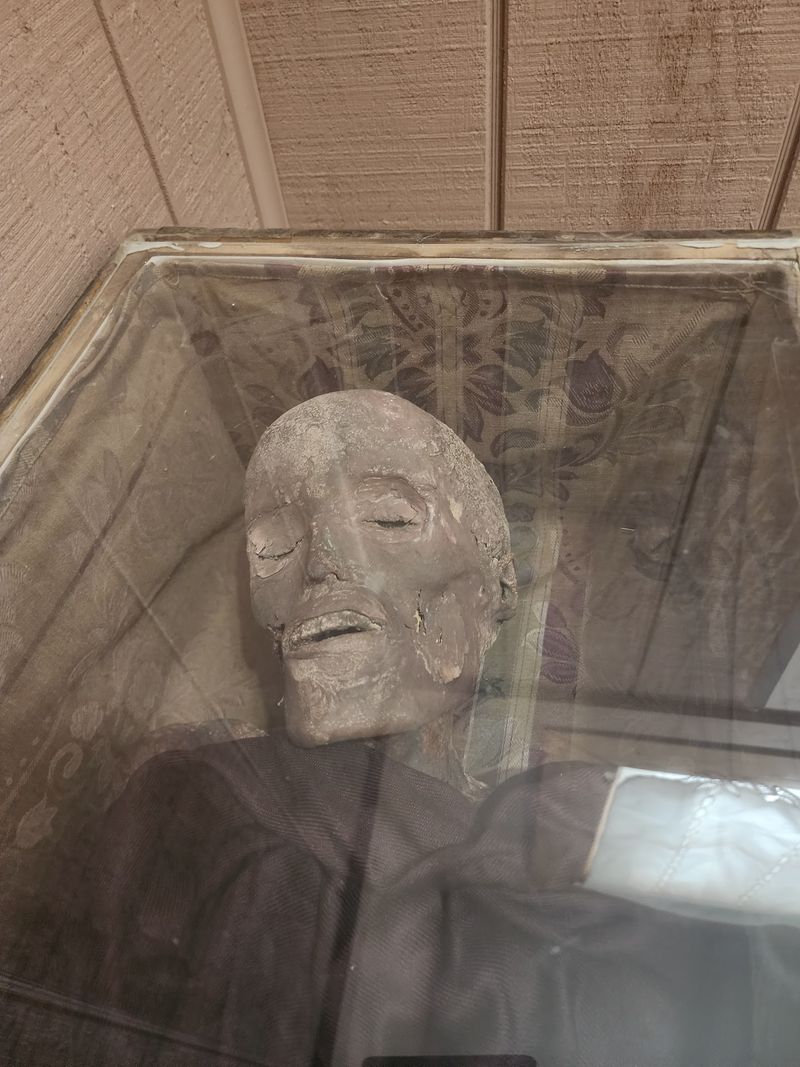
Graham Hamrick was a Philippi store owner and undertaker in the late 1800s who became fascinated with ancient Egyptian mummification. By 1888, after years of experimenting on vegetables and animals, he had developed and patented his own preservation process and applied it to two anonymous female bodies obtained from the West Virginia Hospital for the Insane.
The result is two remarkably well-preserved mummies that now rest in glass-topped wooden coffins inside the museum. They are genuinely startling to see in person, and the museum handles their display with a sensitivity that acknowledges the complicated ethics of how they came to exist.
Here is the part that makes the story even more interesting: the Smithsonian Institution reportedly offered to display the mummies, but Hamrick refused because he would not reveal his secret preservation method. That method went with him, and the mummies remain in Philippi to this day.
Viewing them costs just one dollar, which might be the best dollar you spend on any museum visit this year.
Doctor Myers’ Remedies and a Glimpse Into Old-Time Medicine
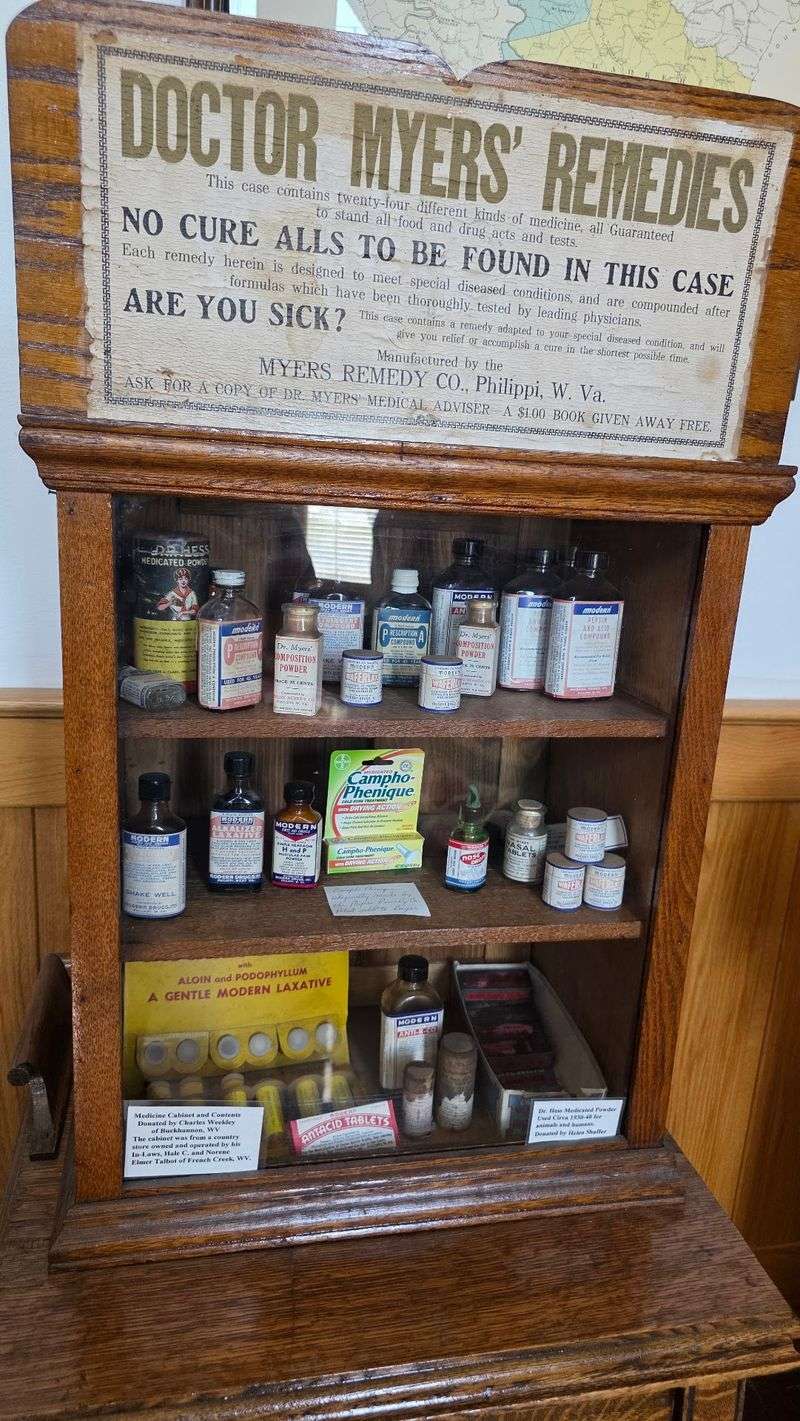
Before modern medicine standardized treatments, local physicians and entrepreneurs filled the gap with their own remedies, and the Doctor Myers exhibit captures that era with surprising specificity. The display features 24 distinct physician-endorsed medicines that were produced locally right here in Philippi.
Each remedy was guaranteed to treat a specific ailment, and reading through the claims today is equal parts fascinating and amusing. The Myers switchboard anchors the display and adds a technological dimension that reflects how interconnected commerce and medicine were in small-town Appalachian life at the turn of the century.
The exhibit does a smart job of placing these remedies in context rather than simply mocking them. People trusted these products, local doctors endorsed them, and the community built a small industry around them.
Understanding that helps you appreciate how much healthcare has changed and also how much the desire for reliable cures has stayed exactly the same across generations. It is one of the more underrated corners of the museum.
A Collection That Spans Centuries of Barbour County Life
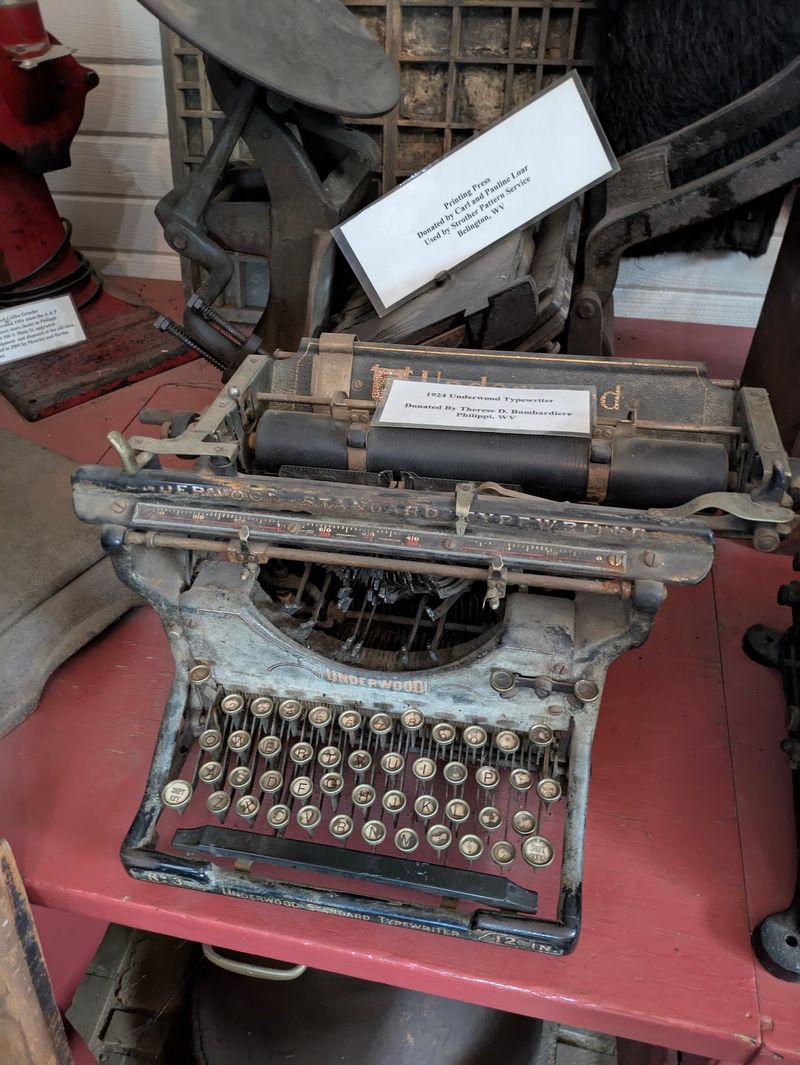
The Civil War and the mummies get most of the attention, but the broader collection here is quietly impressive on its own terms. The museum covers Barbour County history from 1635 through the Civil War, into the early 1900s, and all the way to more recent times.
Ceramics, domestic pottery, vintage cameras, period clothing, historical tools, manuscripts, and old newspapers fill the cases with the kind of detail that makes local history feel alive rather than archived. Railroad artifacts tie back to the building’s original identity as a B&O depot, giving the collection a satisfying internal logic.
What strikes you after spending time with all of it is how complete the picture becomes. You leave with a real sense of what daily life looked like in this corner of Appalachia across multiple generations, not just during the dramatic moments, but in the quieter years between them.
That depth is what separates a great regional museum from one that simply collects old things and hopes visitors find them interesting.
The Lurch Connection That Nobody Sees Coming
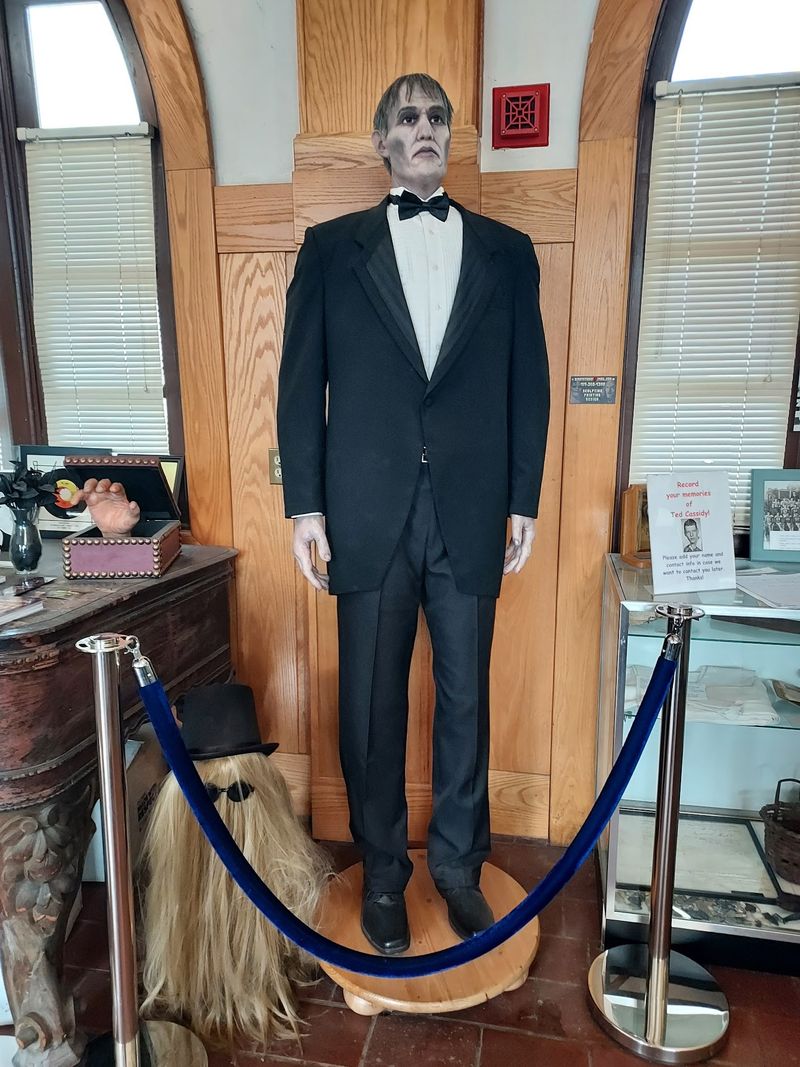
Ted Cassidy, the actor best known for playing Lurch on the original Addams Family television series, grew up in Philippi, West Virginia. The museum celebrates that connection with photographs and memorabilia, including a high school football team photo where a young Cassidy is clearly visible wearing jersey number 70.
At six feet nine inches tall, he was hard to miss even as a teenager, and the photo is one of those genuinely delightful surprises that small-town museums sometimes hide in plain sight. There is also a Lurch mannequin on the premises that visitors consistently mention as a memorable detail.
The Cassidy connection adds a pop culture thread to what is otherwise a deeply historical collection, and it works surprisingly well. It gives younger visitors an unexpected entry point into the museum’s story and reminds everyone that small towns often produce outsized personalities.
If you walk past the football photo without stopping to look closely, you will genuinely regret it once someone points out who is standing in the back row.
Volunteer Guides Who Know Every Story Behind Every Artifact
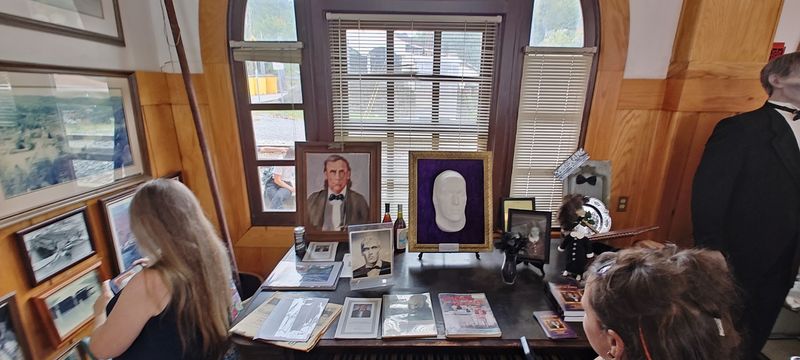
The museum runs entirely on volunteer power, and that fact alone makes it worth supporting. The guides here are not reading from scripts; they are genuinely passionate about Barbour County history and eager to share everything they know with whoever walks through the door.
The depth of knowledge on display is remarkable. Volunteers can speak to the backstory of individual artifacts, the personal histories of local veterans, the science behind the mummies, and the quirky details that never make it into official histories.
That kind of informed enthusiasm transforms a self-guided browse into something much more engaging.
The museum is open Wednesday through Saturday from 11 AM to 4 PM. Outside those hours, reaching out via the museum’s Facebook or Instagram page can connect you with a volunteer willing to arrange a private tour.
For a museum with free general admission and a one-dollar fee to see the mummies, the experience punches well above its price point, and the people running it deserve real credit for keeping it alive.
The Philippi Covered Bridge and What Else to See Nearby
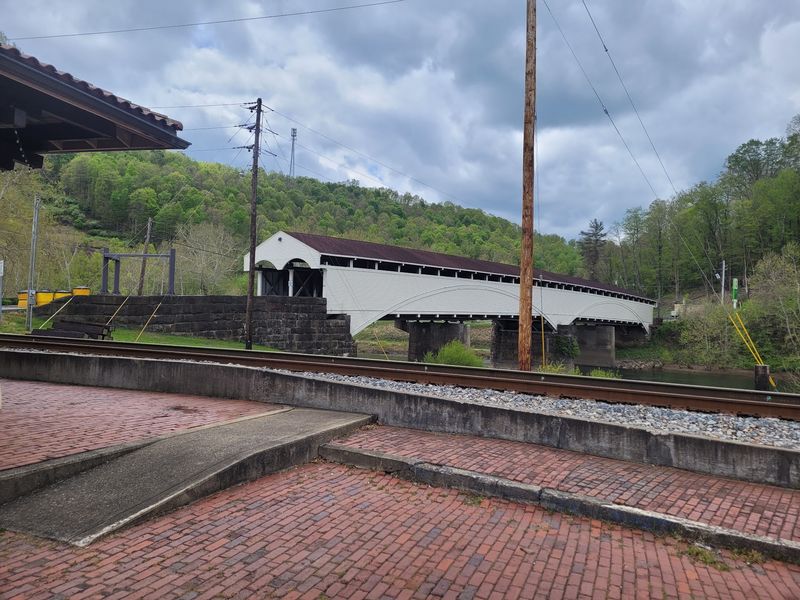
The museum anchors a visit to Philippi, but the town itself rewards a longer stay. The Philippi Covered Bridge, built in 1852, is the oldest and longest covered bridge in West Virginia still carrying traffic.
During the Civil War, it was the first bridge captured by either side, making it historically significant on top of being genuinely photogenic.
The Adaland Mansion, a Greek Revival structure built in 1870, offers historical tours and hosts events that connect visitors to the region’s post-war era. Blue and Gray Park provides a quiet outdoor space that commemorates the battle, and Talbott’s Hill on the Alderson Broaddus University campus marks another key site from the June 1861 engagement.
Every June, the town hosts the Blue and Gray Reunion, featuring reenactments, encampments, artillery demonstrations, a Civil War Ball, and living history programs. Timing a visit around that event turns a museum trip into a full weekend of immersive history.
Philippi rewards the curious traveler who slows down long enough to look around.
Why This Museum Deserves a Spot on Your Travel List
A 4.7-star rating across dozens of reviews is not something a museum earns by accident. The Barbour County Historical Museum has built that reputation through a combination of genuinely unusual artifacts, knowledgeable volunteers, and an atmosphere that feels welcoming rather than intimidating.
General admission is free, and the one-dollar fee to see the mummies is the kind of price that feels almost too good to be true. The museum can be reached at (304) 457-4846 or by email at [email protected], and the team is responsive to visitors who want to arrange visits outside regular hours.
What makes this place stick with you after you leave is not any single artifact but the cumulative effect of all of them together. The Civil War relics, the mummies, the Hanger prosthetic, the Doctor Myers remedies, the Ted Cassidy photos, and the railroad history all combine into a portrait of a place that has lived through more than most small towns ever experience.
That story deserves to be heard, and this museum tells it beautifully.
Share this story