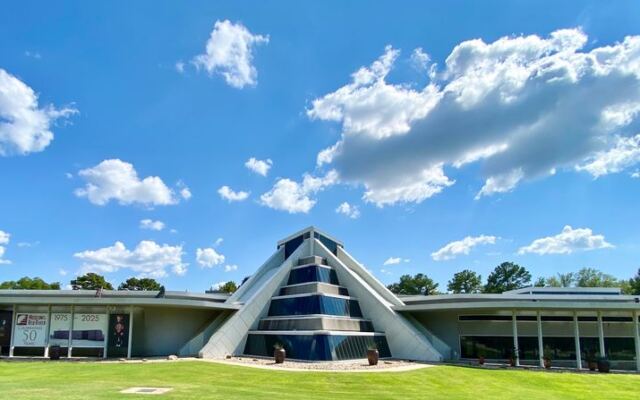
Some of the best surprises in Oklahoma hide behind plain roadside signs you have driven past a dozen times. I pulled over expecting a quick look and a few dusty displays, and I walked out an hour later still buzzing about giant fossils, drawers full of arrowheads, and a forest path out back.
It is free, it is packed with wonders, and it might just be the most curious stop in the southeast corner of the state. If you love a good hidden find, this one deserves a spot on your next road trip.
A Free Museum in Oklahoma’s Southeast Corner
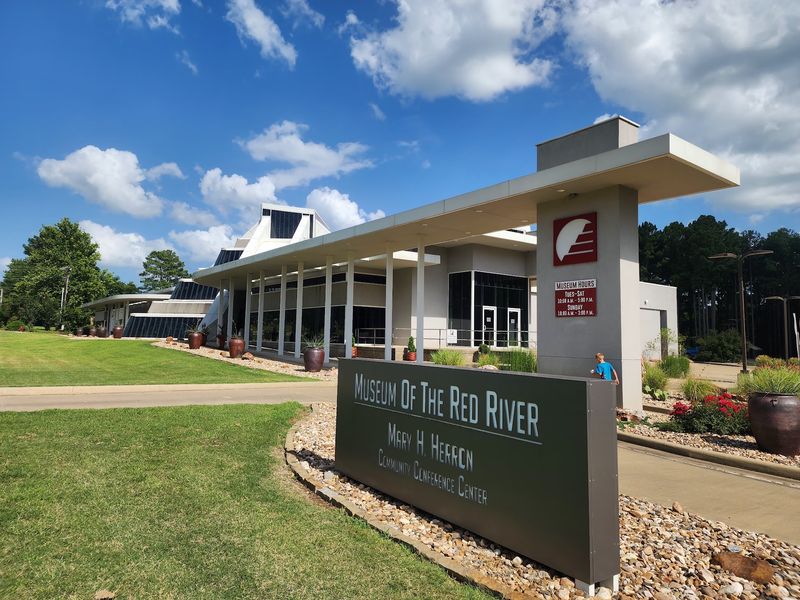
Tucked along East Lincoln Road in Idabel, the Museum of the Red River sits at 812 E Lincoln Rd, deep in McCurtain County. Plenty of travelers heading to nearby Beavers Bend cruise right past it without a second glance.
That is a mistake worth avoiding.
Inside, you will find a mix of local Native American artifacts, ancient fossils, pottery, woven baskets, and treasures gathered from cultures around the world. The headline act is a towering dinosaur cast tied directly to this part of Oklahoma.
Add a hands-on learning center for kids, a well-stocked gift shop, and a shady wooded area out back, and you have a stop that feels much bigger than its size.
Here is the part that makes people do a double take: admission is free. Visitors often say they could hardly believe it, given how much there is to see and how carefully the exhibits are arranged.
Donations are welcomed at the door, and many guests happily drop something in before leaving.
Calling it small would be accurate, yet that label sells it short. Folks who planned a fifteen-minute peek regularly report staying well over an hour.
Consider yourself warned, and maybe leave some wiggle room in your schedule.
How Local Businesses Keep the Doors Open for Everyone
Ever wonder how a museum this good manages to charge nothing at the door? The answer comes straight from the staff.
Free admission is made possible by Corporate Partners, mostly local small businesses that back the museum’s mission of offering educational programs and learning opportunities at minimal cost.
That arrangement gives the place a real community heartbeat. Neighbors in Idabel and across McCurtain County are, in a way, treating every visitor who walks through the entrance.
It is a quiet kind of generosity, and travelers notice it. Many say the free entry felt almost too kind for the quality on display.
Because of that, a donation box near the front gets plenty of love. Guests often mention tossing in a few dollars or buying souvenirs as a way to give back.
Neither is required, but both help keep the exhibits fresh and the programs running.
Staff members also set the tone right from the start. Visitors frequently describe the women at the front desk as sweet, helpful, and happy to share a quick overview of what lies ahead.
That short introduction helps first-timers get their bearings before wandering into the galleries, and it makes the whole visit feel personal rather than rushed.
Oklahoma’s Official State Dinosaur Up Close
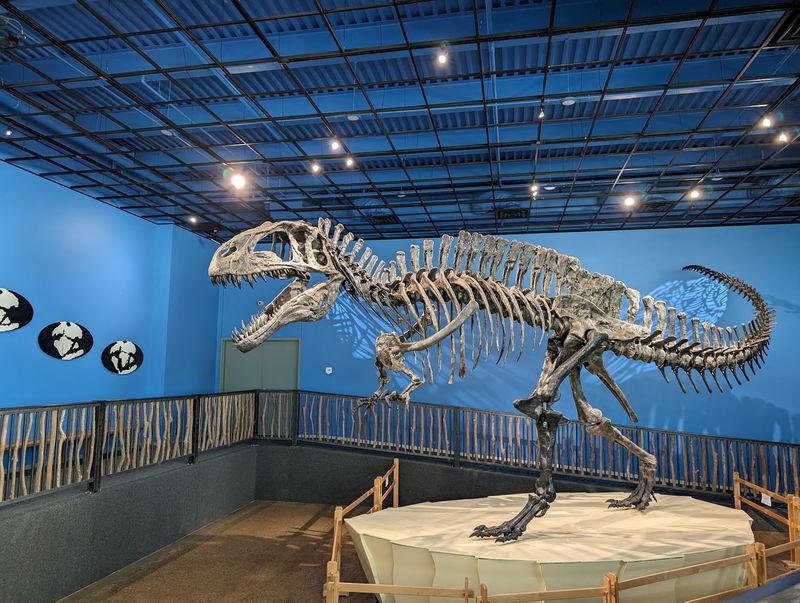
Picture a predator stretching longer than a school bus, with a ridge of tall spines running down its back. Now picture it standing in a museum in a small southeastern Oklahoma town.
That is exactly what greets visitors here, and it is the reason many families pull into the parking lot in the first place.
The towering skeleton is a cast of Acrocanthosaurus atokensis, a meat-eater found right here in McCurtain County. According to museum staff, the species dates back roughly 110 to 120 million years.
Even better for local pride, it holds the title of official State Dinosaur of Oklahoma.
Kids sometimes call it a T-Rex, and honestly, nobody blames them. The sheer scale leaves young visitors wide-eyed, and plenty of adults admit they were just as impressed.
Guests describe it as massive, and photos rarely capture how it seems to fill the room.
Fun fact for your next trivia night: the second part of its scientific name points to Atoka County, also in Oklahoma. So this is a homegrown giant through and through.
Standing beneath it, you get a real sense that ancient creatures once roamed the very hills you drove through to get here.
Drawers Upon Drawers of Arrowheads
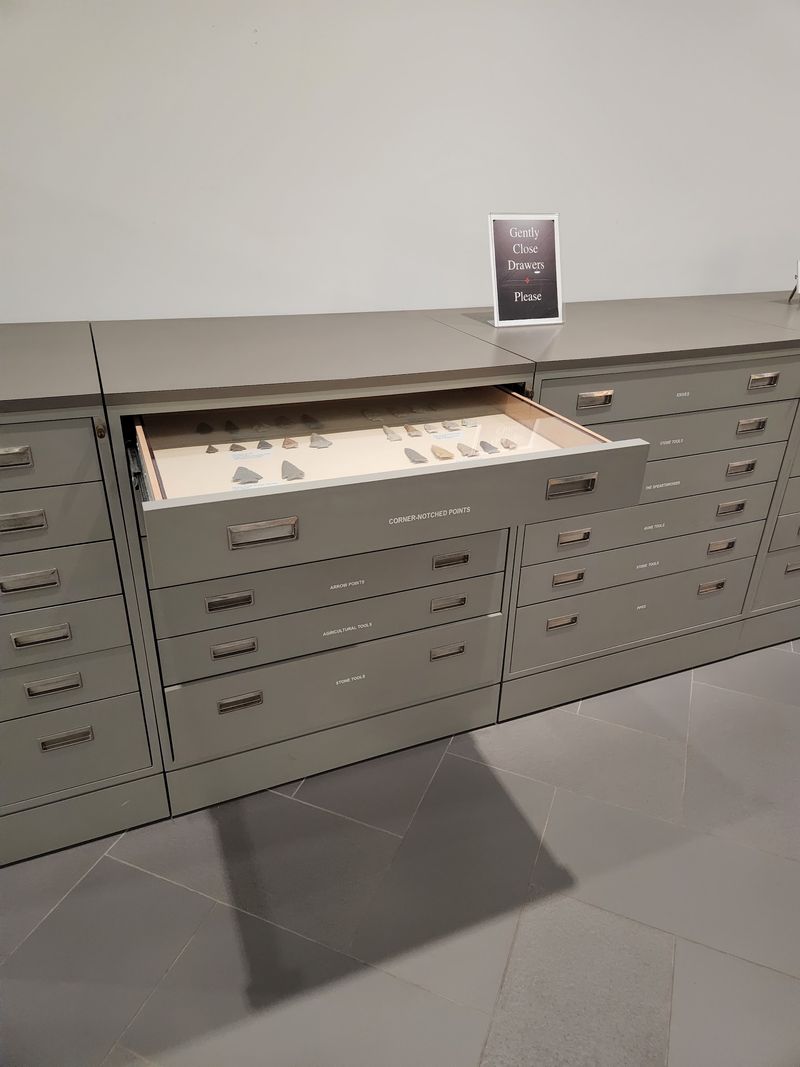
One traveler put it simply: they had never seen so many types and sizes of arrowheads in one place. That reaction pops up again and again among people who visit the Museum of the Red River.
The collection is a quiet showstopper.
What makes it fun is the way it is presented. Rather than only sitting behind glass, many points are stored in drawers you can pull open and explore.
Each one reveals rows of carefully arranged stone tools, from tiny delicate tips to larger, heavier pieces. It feels a bit like opening a treasure chest over and over.
For history lovers, the variety tells a story about craftsmanship and the people who lived along the Red River region long ago. Shapes, materials, and sizes shift from drawer to drawer, inviting you to slow down and compare.
You may find yourself guessing what each piece was used for.
Kids enjoy the surprise of each new drawer, while grown-ups tend to linger over the details. Bring patience, because it is easy to spend a surprising chunk of time here.
If you have ever walked a creek bed hoping to spot a point of your own, this section will feel like a dream come true.
Native Pottery and a Mountain of Woven Baskets
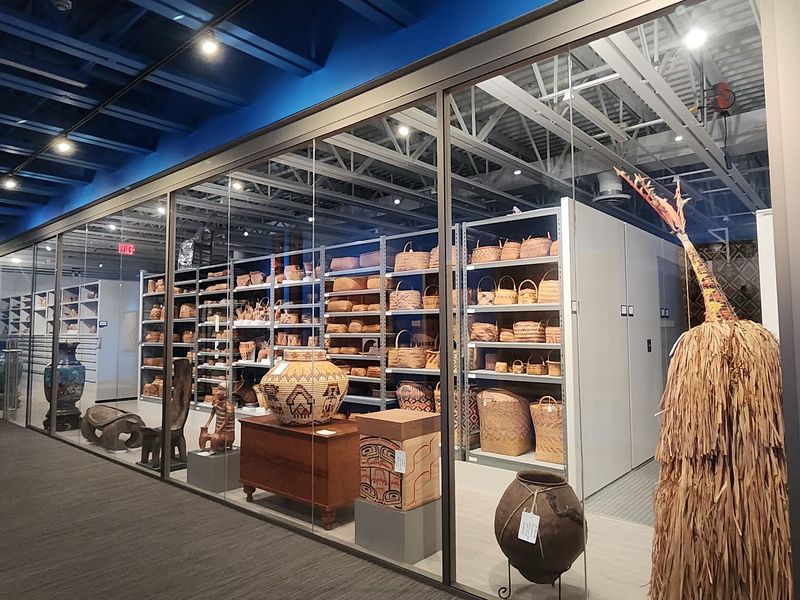
Clay and fiber carry stories just as well as words do. At this museum, Native American pottery and woven baskets take center stage in a way that surprises many first-time guests.
Visitors describe the pieces as both beautiful and educational, a combination that is harder to pull off than it sounds.
The pottery shows off shapes and finishes that hint at everyday life and artistry from long ago. Some pieces are simple and practical, while others feel more decorative.
Looking closely, you start to notice textures and patterns you would miss at a glance.
Then there are the baskets. One visitor called it a massive collection, and that is not an exaggeration.
Rows of tightly woven work show off incredible patience and skill. If you have ever tried basket weaving yourself, you will appreciate just how much effort went into each one.
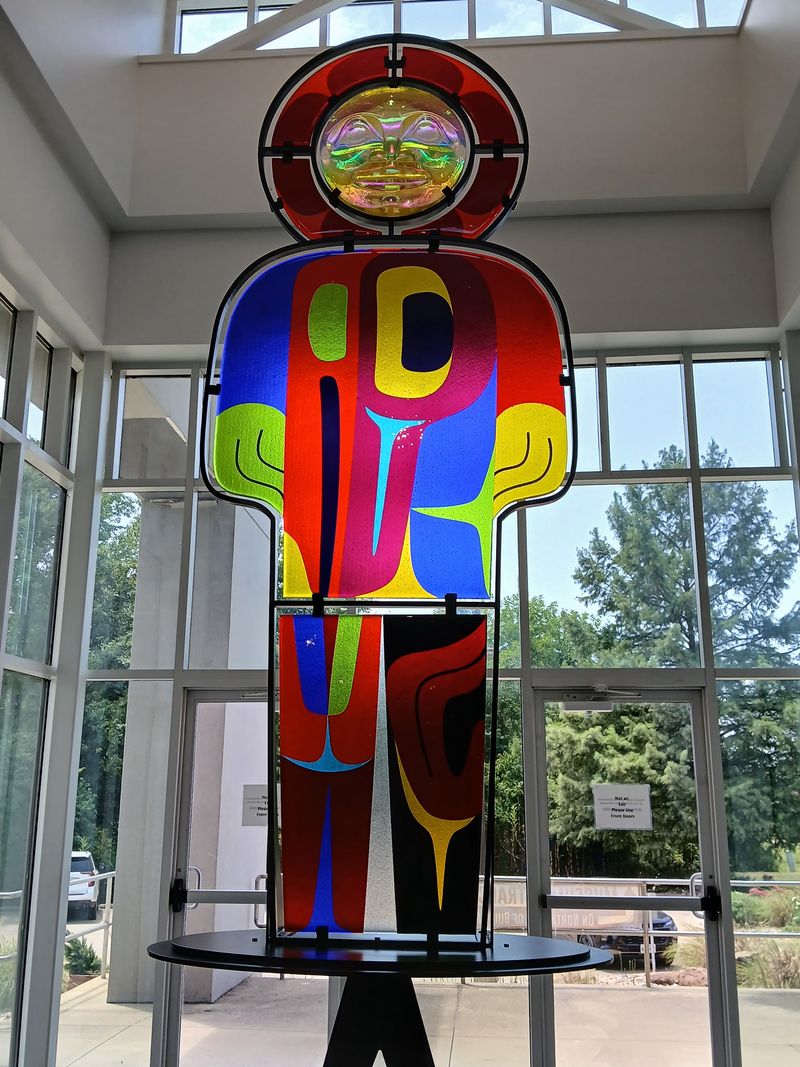
Indigenous art also appears throughout the galleries, giving the region’s first peoples a strong voice in the museum. For anyone curious about Native heritage in southeastern Oklahoma, this is a rewarding place to start.
Take your time here. The details reward a slower pace, and the craftsmanship tends to stick with you long after you leave.
Masks, Helmets, and Treasures From Faraway Lands
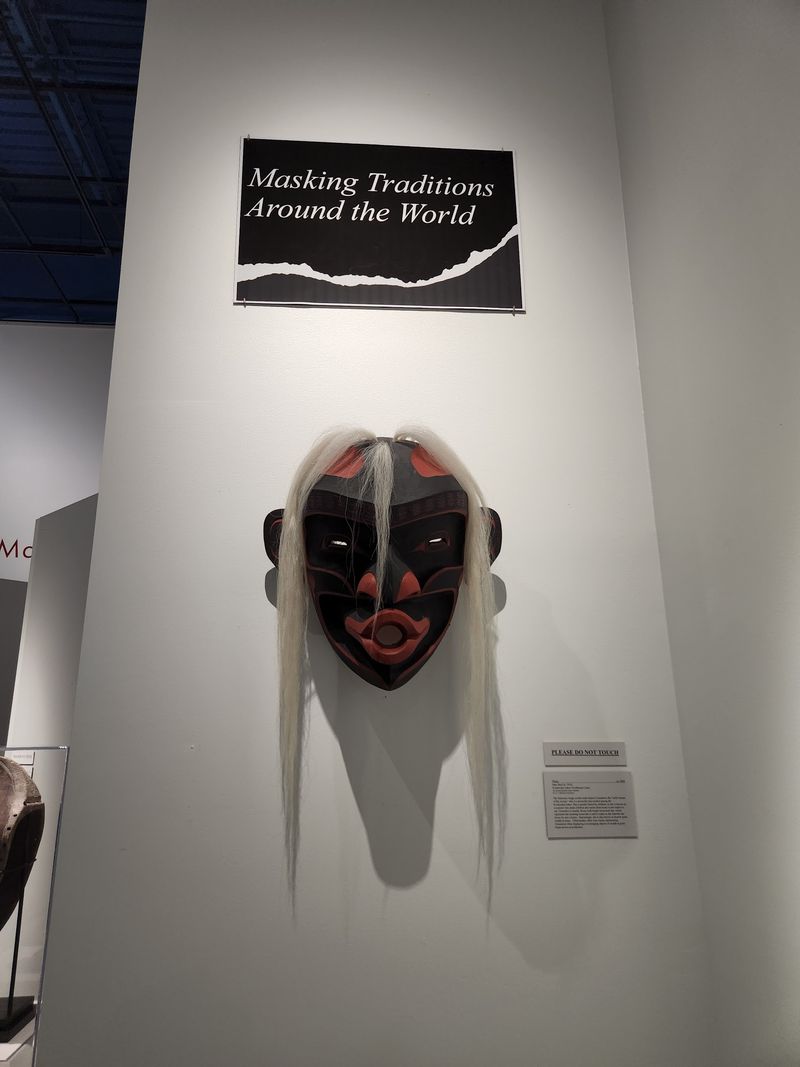
Walk a little farther and the museum suddenly widens its lens to the whole globe. Alongside local finds, the collection includes artifacts and artwork from many parts of the world, much of it gifted by donors from far and wide.
A room devoted to masks of the world catches plenty of attention. Faces carved, painted, and shaped in countless styles stare back from the displays.
Some look playful, others serious, and together they make an eye-catching gallery that sparks conversations about how different cultures celebrate and tell stories.
Another favorite among visitors is a Spanish helmet. It is the sort of object that makes you stop and wonder how it traveled through history to land in a small Oklahoma town.
Pieces like that add a sense of adventure to the visit.
Scattered throughout the space are statues, paintings, gems, and other unexpected items. Guests often describe the exhibits as interesting, unique, and colorful, which fits perfectly.
Some visitors even enjoyed peeking at museum storage areas, getting a behind-the-scenes feel for how collections are cared for. If your crew includes curious minds of all ages, this global mix keeps things lively and unpredictable from one corner to the next.
Galleries That Change Every Few Months
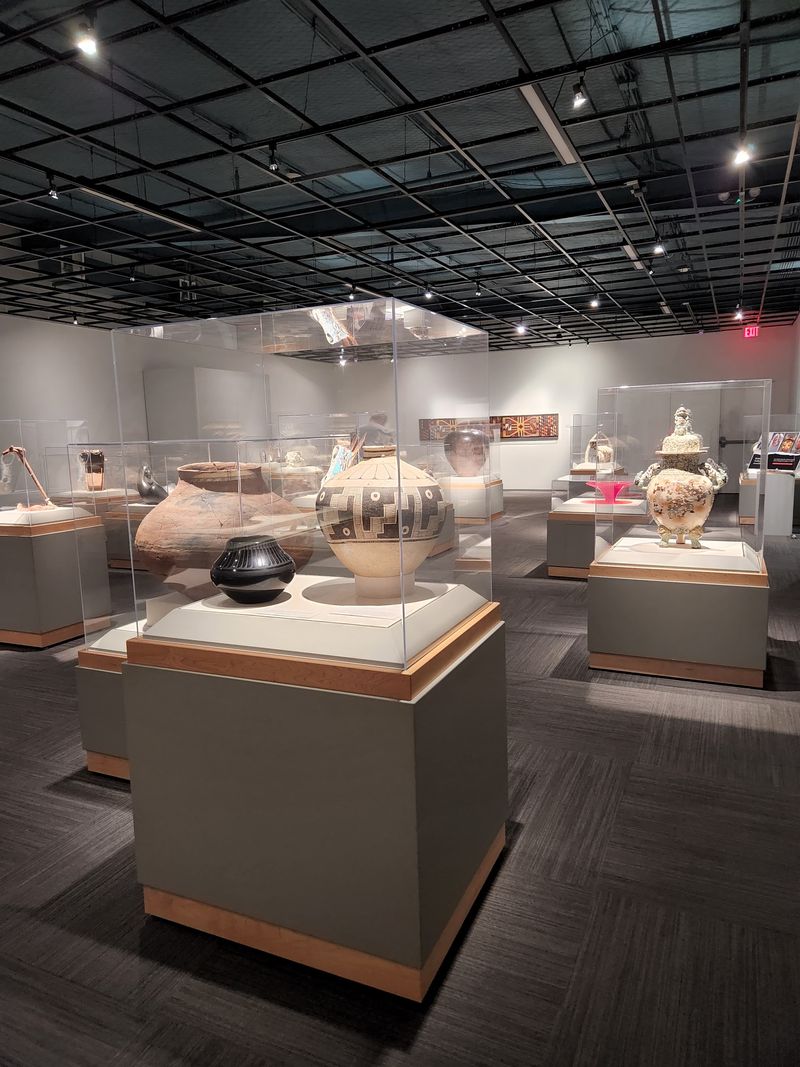
Already been once? Good news.
According to the museum staff, the major exhibits rotate roughly every nine weeks, so there is almost always something new waiting inside.
That changing lineup gives locals and repeat travelers a real reason to return. A family who swung by last spring may discover an entirely different main gallery on their next trip.
It keeps the experience fresh and turns a one-time stop into a recurring tradition for some visitors.
Permanent favorites like the dinosaur and arrowhead drawers stay put, so you will not miss the classics. The rotating spaces simply add a new layer each season.
Visitors describe the exhibits as really well done, and the regular refresh suggests a team that cares about keeping things interesting.
For travelers who rent cabins in the area every year, this is a handy detail to remember. Adding the museum to your yearly routine could reveal a brand-new theme each visit.
It also makes for a nice rainy-day plan or a cooler-weather outing when the lake feels a bit chilly.
If you want to know what is currently showing, checking the museum website before your drive is a smart move. That way, you can plan around something that truly excites you.
The Learning Center Where Kids Take Over
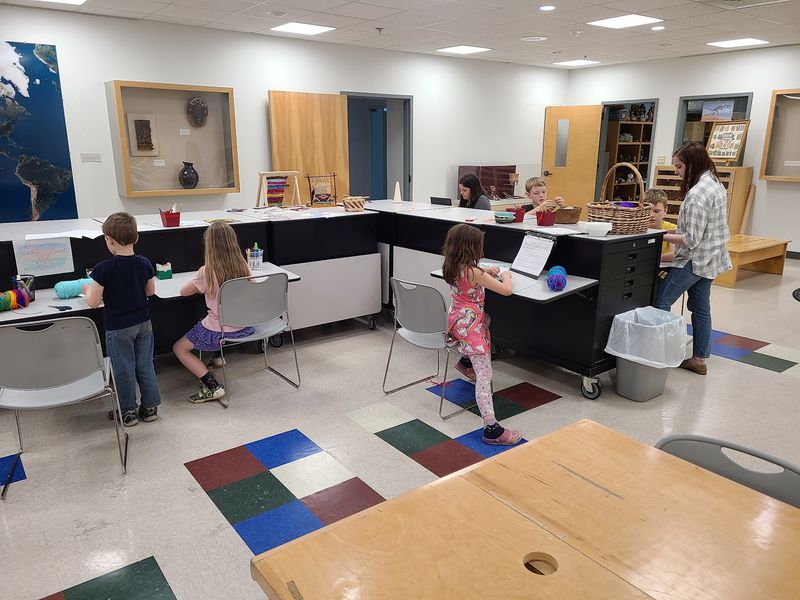
Eight kids, ages three months to eleven years, and a quiet afternoon. That is how one family described their visit, crediting the museum for keeping everyone so engaged that chaos never showed up.
Much of that magic happens in the learning center.
Near the end of the galleries, a big room is set aside for hands-on fun. Children can try weaving crafts, play with dinosaur toys, work on puzzles, color to their hearts content, and curl up with books.
Some guests have even stumbled onto workshops and joined in to make picture art together.
A drum invites little ones to tap out a rhythm, which kids adore. Fair warning, it can get a bit loud, and at least one parent playfully grumbled about the pounding.
Still, most agree it adds to the interactive spirit.
Grandparents especially rave about this space. One visitor said the grandchildren had an amazing time and learned while they played.
Even adults admit they enjoyed the room as much as the more serious exhibits.
If you are traveling with restless youngsters, save this stop for last. It works like a reward after the galleries and gives everyone a chance to stretch, create, and burn off energy.
Outdoor Murals and a Hidden Woodland Path
Step out the back exit and the adventure keeps going. Three large murals line an outside wall, and they are designed for photos.
Stand in front of one, snap a picture, and it looks like you have been transported straight into the scene.
Families love these selfie spots, and they make a fun souvenir that costs nothing. Grab a few silly poses before moving on.
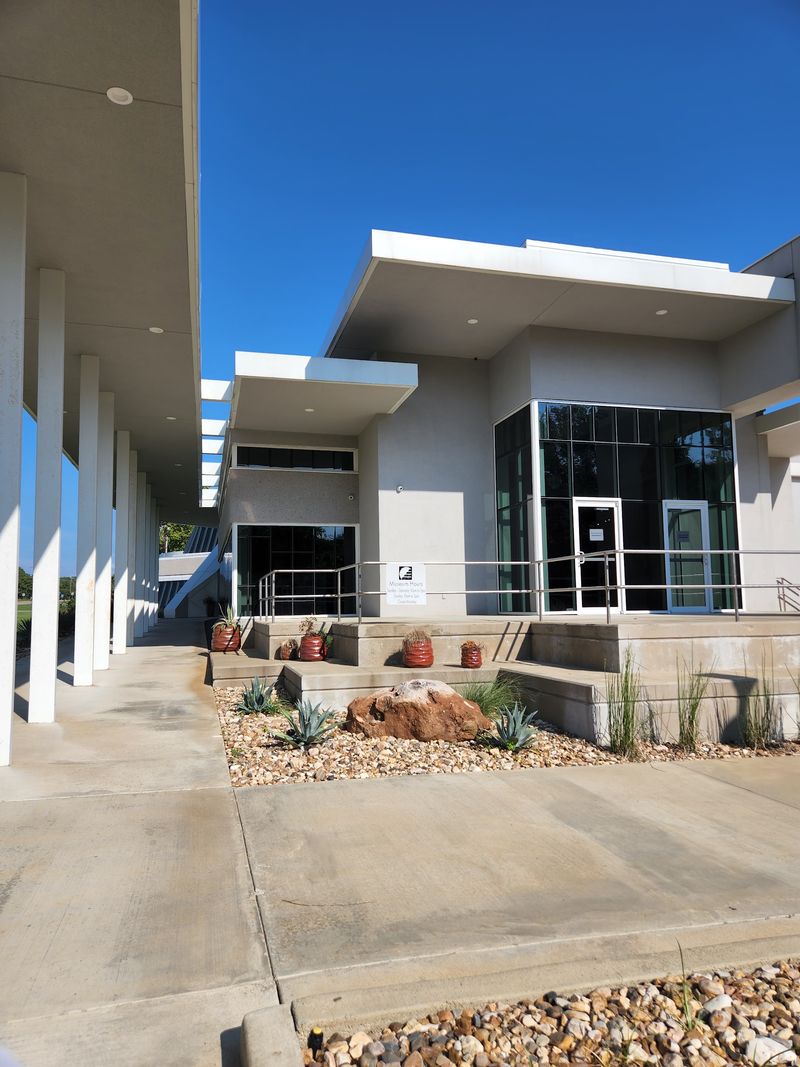
The building itself also earns compliments, with visitors calling its exterior unique and interesting, so it is worth a shot or two as well.
Then comes the surprise many people never expect. Behind the parking lot sits a small forested area with very tall trees, an old wooden bridge, and a pond nearby.
One visitor even called it the highlight of their entire trip.
It is a peaceful little corner, perfect for stretching your legs after time indoors. The shade feels welcome on warmer days, and the bridge adds an old-timey charm that is hard to resist.
For anyone who loves pairing culture with a bit of fresh air, this outdoor bonus seals the deal. Bring comfortable shoes, take your time, and let the quiet woods round out your visit.
A Gift Shop With Actual Meteorites
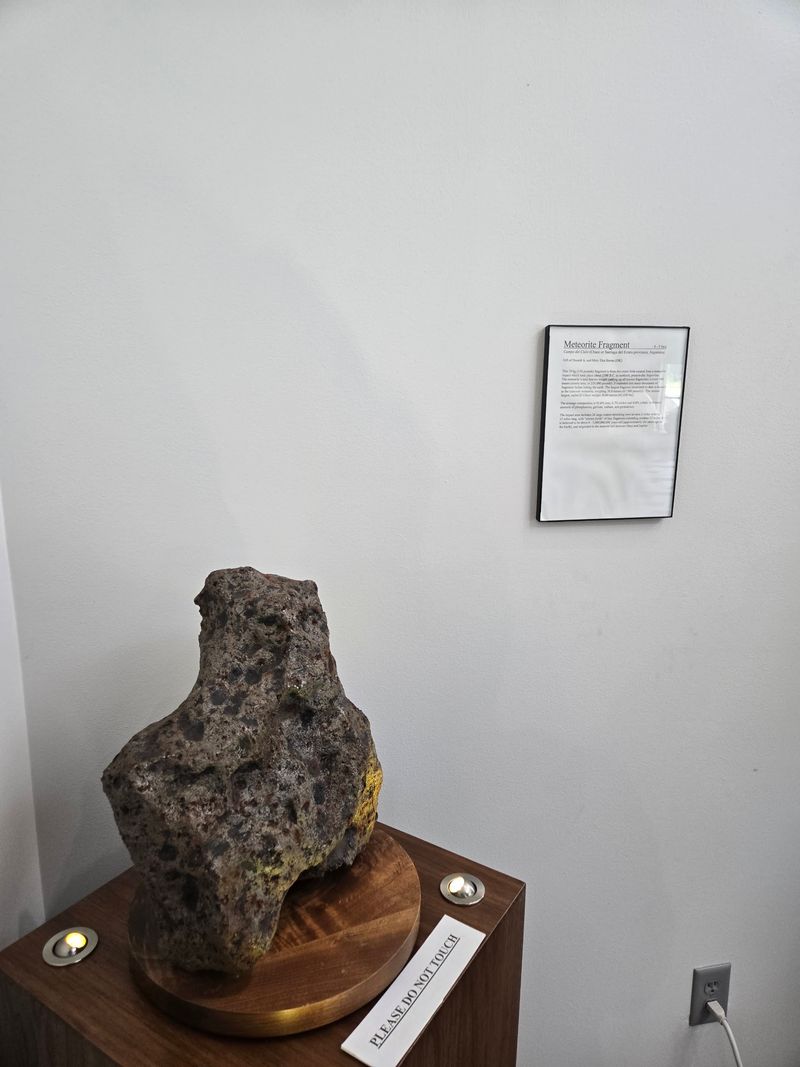
Most museum gift shops sell postcards and keychains. This one lets you take home a little piece of outer space.
One visitor happily walked out with a meteorite fragment, and that sort of surprise sums up the shop pretty well.
Located near the admissions area, the Museum Store is stocked with unusual finds that stand out from typical souvenir fare. Guests frequently describe it as better than expected, which is high praise for a shop attached to a free museum.
The staff say they take pride in choosing unique items for visitors.
Shopping here also does some good. Many families mention buying souvenirs as a way to support the museum, since admission does not cost a cent.
It is a simple, feel-good way to give back while grabbing something memorable.
Kids may gravitate toward dinosaur goodies, while rock lovers can browse for interesting stones and specimens. History fans might find items tied to the themes they just explored inside.
Budget a few extra minutes, because browsing is half the fun.
Before you leave, think about something to remind you of that towering dinosaur or those drawers of arrowheads. A small keepsake goes a long way toward keeping the memory alive.
Planning Your Stop: Hours and Getting There
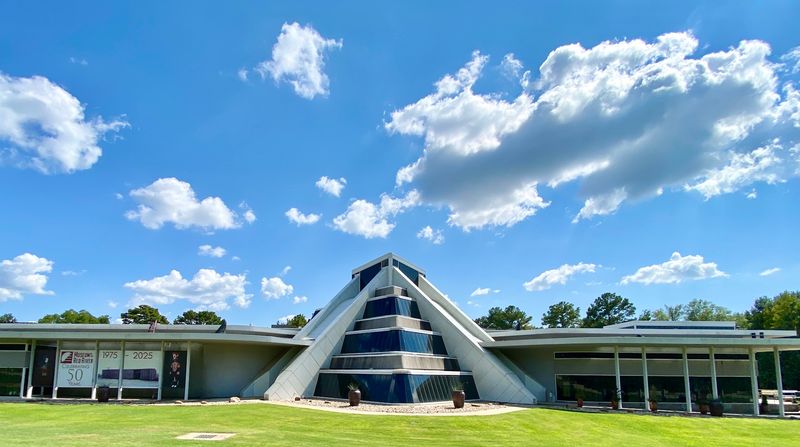
Timing matters, so keep this handy. The museum is open Tuesday through Saturday from 10 a.m. to 5 p.m., and on Sunday from 10 a.m. to 3 p.m.
It is closed on Mondays, which catches some road-trippers off guard.
You will find it at 812 E Lincoln Rd in Idabel, Oklahoma. Many visitors make the short drive over from vacation cabins near Beavers Bend, turning it into an easy half-day outing.
Others work it into longer trips through the southeast corner of the state.
Admission is free, with donations gladly accepted. Plan on about an hour, though plenty of guests stay longer once the arrowhead drawers and kids room start working their charm.
Clean restrooms are available, and the building is described as tidy and well kept.
Have a question before heading out? You can call the museum at 580-286-3616 or visit museumoftheredriver.org to check current exhibits.
Since main galleries rotate every few months, a quick look online helps you know what is on display.
Pair your visit with time at nearby lakes and trails for a well-rounded day. Culture in the morning, nature in the afternoon makes for a pretty sweet Oklahoma itinerary.
Why This Idabel Gem Earns a Detour
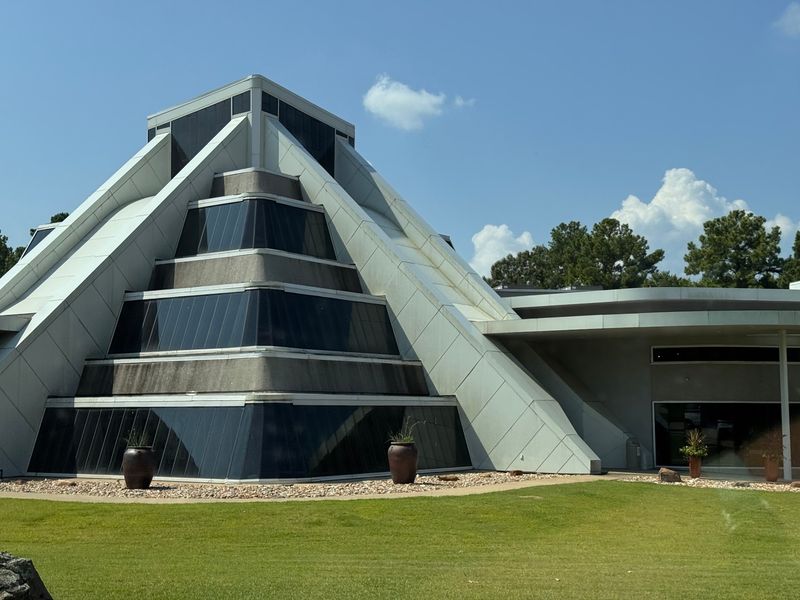
Some places shout for attention. The Museum of the Red River just quietly waits for you to finally pull over.
Plenty of visitors admit they drove past several times before stopping, and nearly all of them wish they had come sooner.
What makes it work is the mix. A homegrown state dinosaur, drawers packed with arrowheads, gorgeous pottery and baskets, masks from distant lands, a buzzing kids room, photo murals, and a peaceful woodland path all fit under one roof and just beyond it.
That is a lot of wonder for zero dollars at the door.
History buffs will find plenty to chew on. Families with energetic kids get a rare calm afternoon.
Curious travelers simply looking for something different discover a spot that feels genuinely local and lovingly cared for.
No, it is not a sprawling big-city institution, and it does not try to be. Its charm comes from friendly staff, thoughtful exhibits, and a community that keeps the doors open for everyone.
So next time you are heading toward southeastern Oklahoma, leave room for this detour. Bring the kids, bring your camera, and maybe bring a few dollars for the donation box on your way out.
Share this story