Some of the best Oklahoma memories start with a winding road you almost skipped. I packed a sandwich, expected a quick look at a few animals, and found myself watching a herd of bison graze beside a quiet lake instead.
Past the trees waited an oilman’s rustic lodge, a museum packed with surprises, and enough wild hills to fill a whole day. If you love places that turn out bigger and stranger than they look on a map, this one belongs on your list.
A Hidden Preserve in the Osage Hills
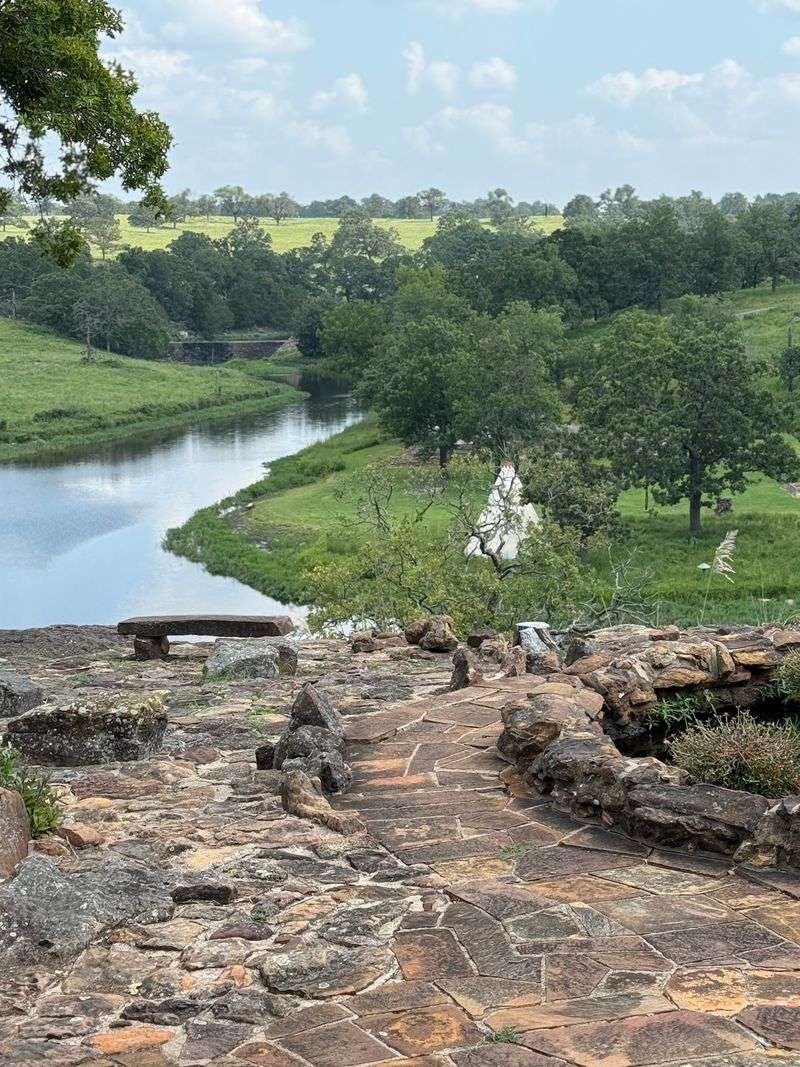
Tucked into the wooded hills southwest of Bartlesville, Oklahoma, Woolaroc Museum and Wildlife Preserve sits at 1925 Woolaroc Ranch Road. From Tulsa, visitors say the trip takes about 45 minutes heading north, which makes it an easy day trip for most of the region.
So what exactly is it? Picture a sprawling preserve of roughly 3,700 acres where wildlife wanders freely, paired with a rustic lodge and a museum devoted to Southwest art and relics.
Add hiking trails, a petting zoo, a playground, and a fire tower lookout, and you start to see why one stop turns into a full afternoon.
Many guests describe it as an under-discovered treasure, a hidden gem in the woods, or even the best kept secret in the country. That reputation feels earned once you pass the entrance gate and the trees open up to grassy pastures.
Travelers passing through the state often mention stumbling onto it by chance and calling it one of their favorite stops. Locals, meanwhile, keep coming back season after season.
Whether you arrive curious or skeptical, the place has a sneaky way of stretching your plans and filling your camera roll before you even reach the museum doors.
Frank Phillips and the Story Behind the Ranch
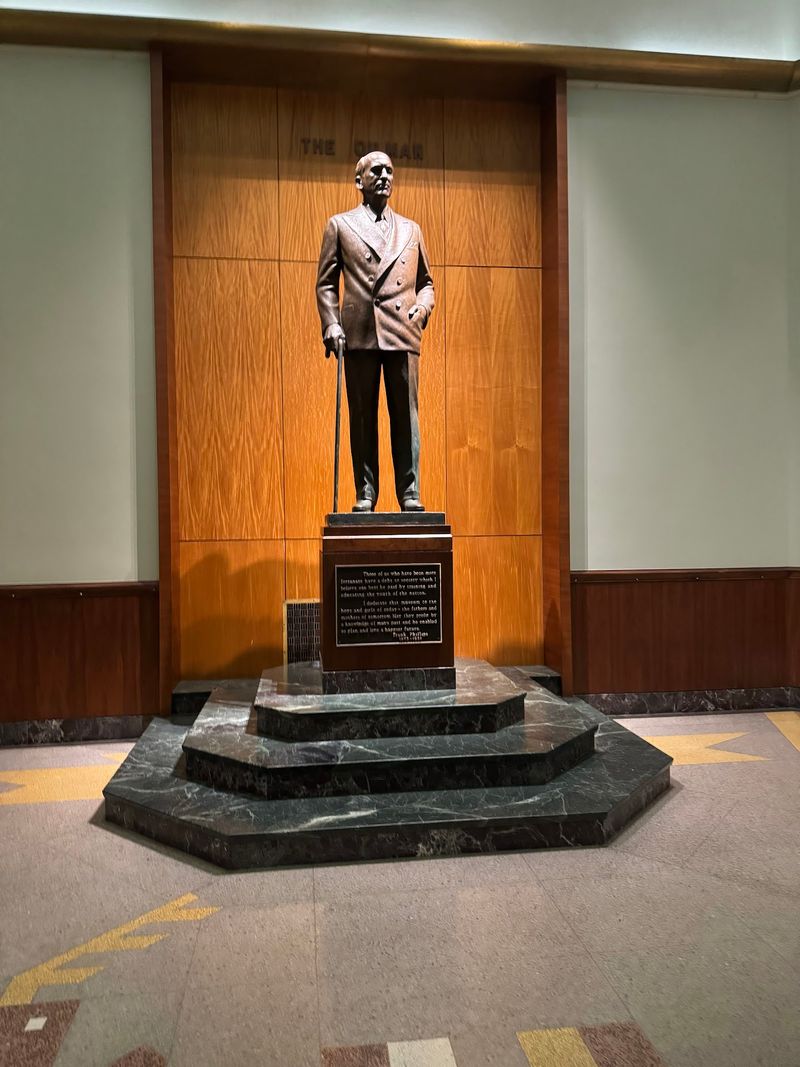
Oil money built plenty of fancy mansions in the 1920s, but Frank Phillips chose something different. The founder of Phillips 66 created Woolaroc as a ranch retreat in the hills, filling it with animals, art, and artifacts that reflected his love of the American West.
Visitors who arrive knowing little about him often leave fascinated. One guest admitted being unaware of Phillips before visiting Bartlesville and walking away convinced he was a very interesting man.
Learning about Phillips and his family ranks among the favorite parts of the trip for many people.
Fun fact: the name Woolaroc blends three words that describe the setting, woods, lakes, and rocks. Once you see the landscape, the name makes perfect sense.
The history here does not stop with one oilman, either. The museum tells a broad story of the oil industry alongside Native American heritage, and one guest called it the nicest American historical view of both that they had ever seen.
Movie fans might enjoy a modern twist too. Guests mention that Woolaroc hosted meetings while Killers of the Flower Moon was filming in the area, linking this 1920s retreat to a recent Hollywood chapter of Osage County history.
Bison Along the Drive In
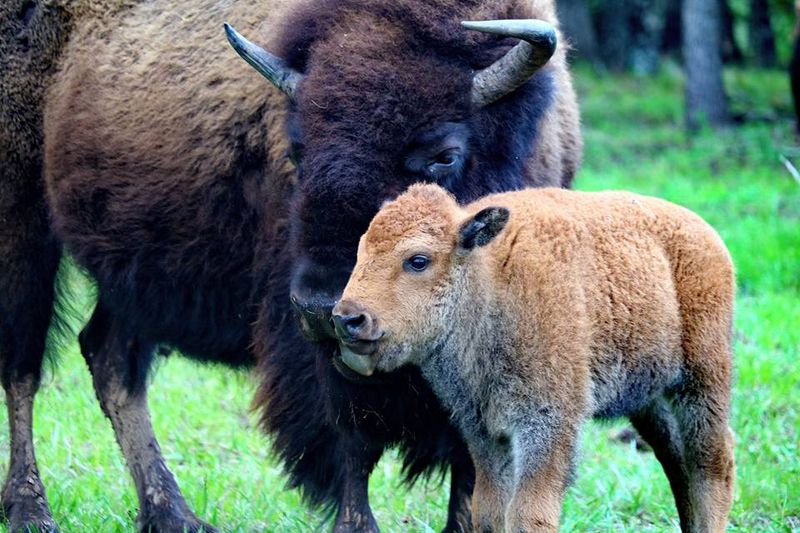
Brake lights ahead usually mean one thing at Woolaroc: bison. The scenic drive into the property passes through open range where the shaggy giants roam, and for many families they are the main event.
One visitor described the awesome sight of a herd grazing near a peaceful lake, a scene that feels almost too picture-perfect to be real. Others simply say the bison did not disappoint, which is high praise when you have driven a long way hoping to spot them.
Keep your windows handy and your camera ready. The animals move at their own pace, and sometimes they wander close enough that you can study their massive heads and curly coats without leaving your seat.
Timing plays a part, of course. Wild animals do not follow a schedule, so sightings can change from one visit to the next.
Some guests felt the drive was a little shorter than they expected, while others called it the highlight of the day.
A smart tip from a returning family: do the loop again on your way out. Buses and traffic often thin by afternoon, giving you a calmer second look at the herd before heading home.
Ostriches, Emus, and Other Free-Range Surprises
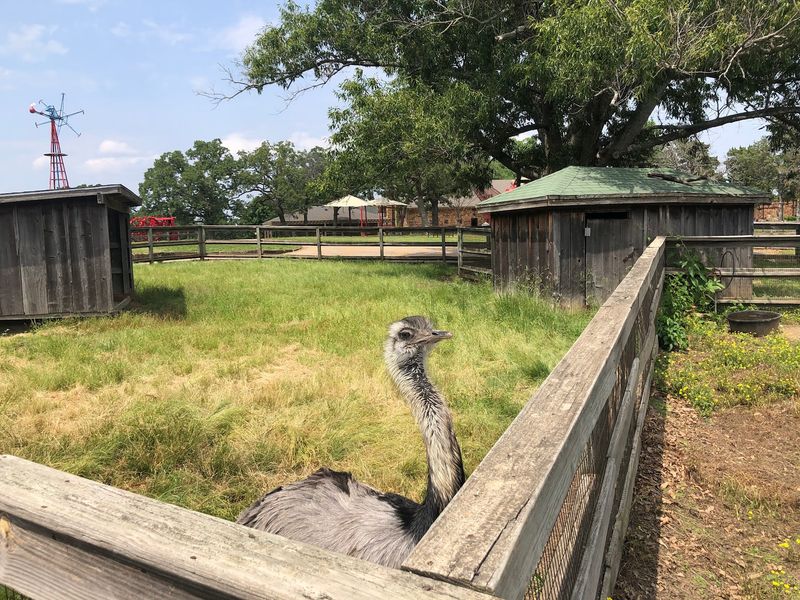
Nobody warns you about the ostriches. One group laughed through their whole drive after the big birds sprinted straight up to the fence, clearly hoping for snacks.
Bison may get top billing, but the cast of characters runs deep. Visitors mention emus, water buffalo, cattle, and several deer drifting through the trees.
Animals rank as the most talked-about topic by far, and it is easy to understand why.
Then come the real wild cards. One lucky family watched a wild bobcat dash across the road right in front of their car, a moment they clearly will not forget.
Sightings like that remind you this is a living preserve, not a zoo with tidy enclosures.
Kids especially love playing spot-the-animal from the back seat. Turn it into a game, keep a running list, and see who finds the most creatures before you reach the museum parking lot.
Guests often praise how nicely the grounds and animals are cared for. The pastures look healthy, the fences are tidy, and the whole setting feels peaceful.
It gives the drive a gentle, unhurried rhythm that makes the wildlife viewing feel more like a safari than a quick roadside stop.
The Rustic 1920s Lodge
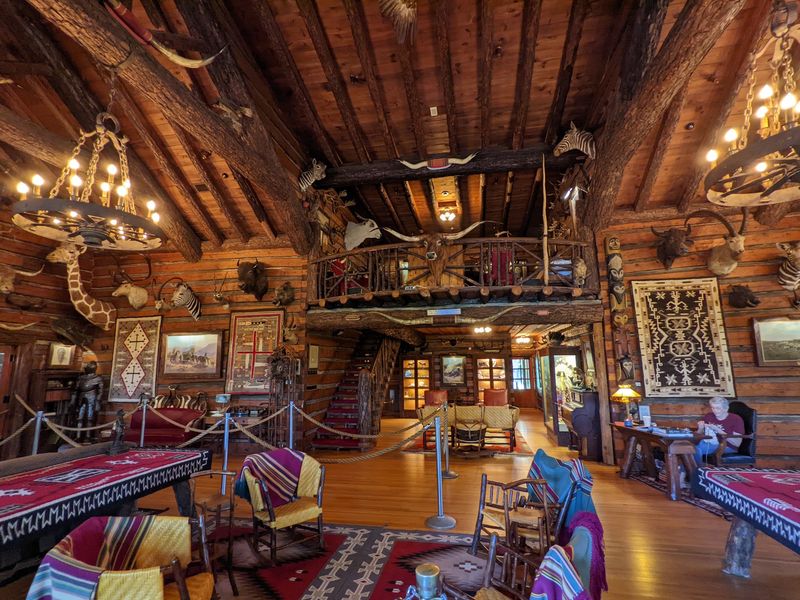
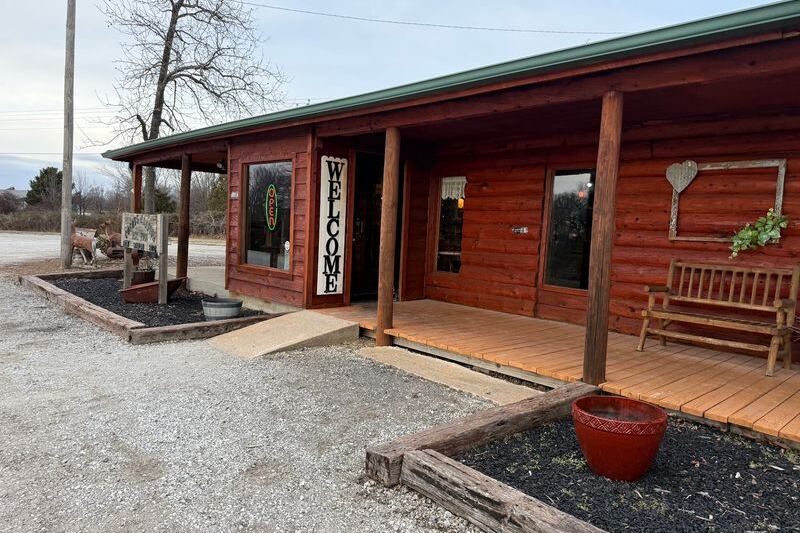
Step inside the lodge and the decades seem to fall away. Built as Frank Phillips’s country escape, this rustic log building captures the rugged charm the oilman loved, all timber and character instead of marble and glitter.
The building itself earns plenty of admiration. Guests describe the setting as beautiful and the buildings as beautiful too, a nice reminder that architecture here is part of the attraction, not just a backdrop.
What makes the lodge memorable for many people, though, are the people inside. Volunteers working there are described as friendly and knowledgeable, ready with stories that bring the rooms to life.
One visitor said they learned a lot from a gentleman in the lodge and genuinely enjoyed the conversation.
That kind of chat is worth seeking out. Ask a question or two, and you may walk away with tales about who visited, how the retreat was used, and what life looked like here during the oil boom.
Take a slow lap rather than rushing through. Look up at the beams, notice the details, and imagine the gatherings that filled these rooms nearly a century ago.
It is a quieter stop than the museum, but it holds the heart of the ranch’s story.
A Museum Far Bigger Than Expected
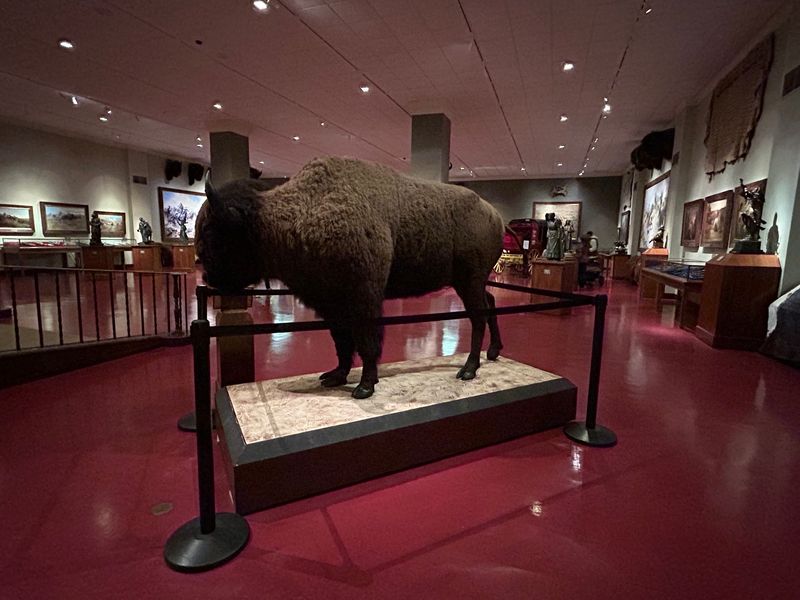
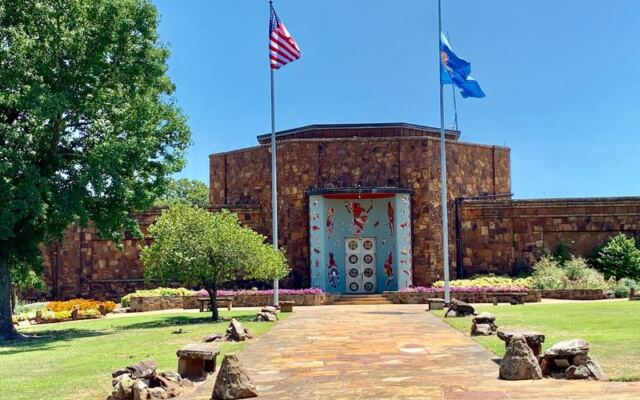
Here is the twist most first-timers do not see coming. After a drive full of bison and ostriches, the museum turns out to be the star of the show.
Visitors use words like jaw dropping, world class, and much larger and more upscale than they expected. One guest said they spent well over an hour inside and still felt there was more to see.
Another snapped photos of so many items that they could only share 50 online, with plenty left over.
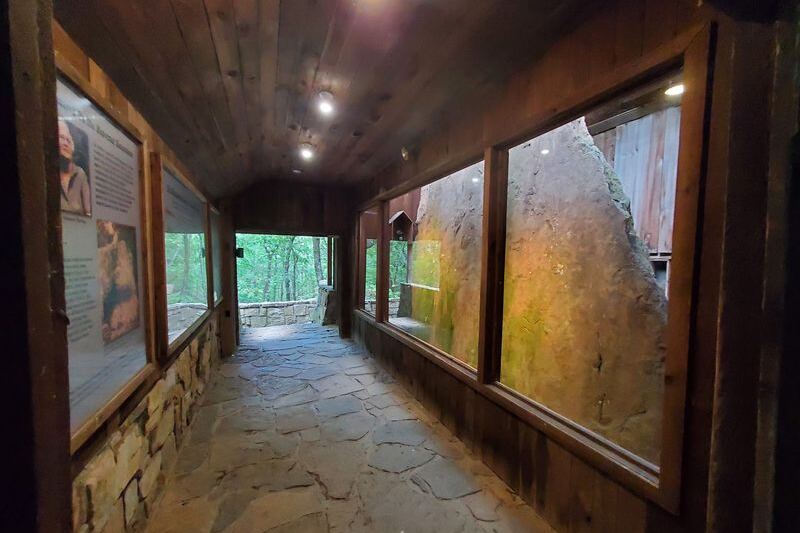
The collection, gathered by Frank Phillips, includes Western art, Native American artifacts, firearms, sculptures, and historical exhibits. Paintings line the walls, statues fill the halls, and stories from the past pop up around every corner.
Some fans even compare it favorably with larger museums elsewhere in Oklahoma, which says a lot about the quality packed into this wooded corner of the state.
Plan your time wisely. A common regret among guests is not leaving enough room for the museum after enjoying the animals.
If you can, give it at least an hour or two, wear comfy shoes, and wander slowly. The exhibits reward people who linger and read the little placards.
Native American History and Artifacts
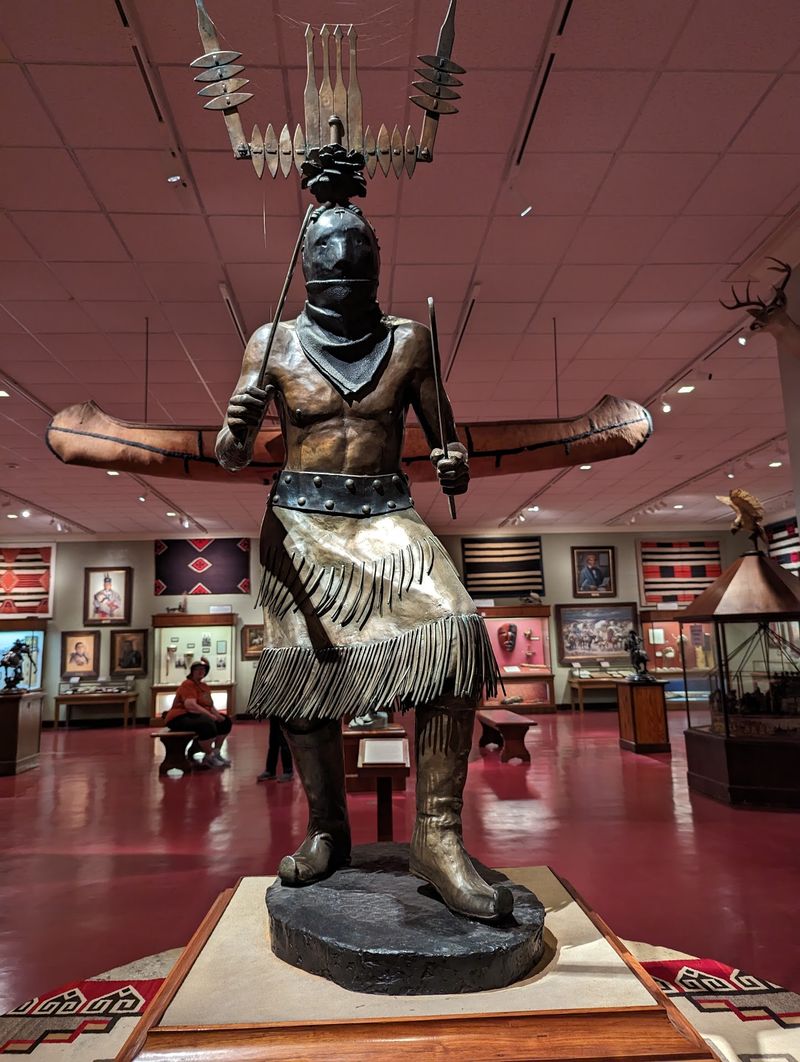
Ask returning visitors about their favorite room, and many will point to the Native American exhibits. The museum holds a deep collection of artifacts that tell stories of the people who lived on these lands long before oil wells dotted the prairie.
Guests mention learning so much history about Native Americans that it became the most meaningful part of their trip. Displays mix everyday objects with artwork, giving a fuller sense of culture, craft, and tradition.
Early American artifacts sit alongside these collections too, offering a wider picture of how the region changed over time. It is the kind of exhibit that sparks questions on the car ride home.
Outside, the learning continues. One family walked to a tipi and listened to a historical guide explain the area, the farm, and the historical context.
They called it informative and wonderful, especially for kids who learn best by hearing stories in person.
For parents hoping to sneak a little education into a fun outing, this is a great opportunity. Pair the museum displays with the outdoor talk, and young visitors get both the objects and the stories behind them, which helps the history stick far better than any textbook page.
Shrunken Heads, Colts, and Curious Oddities
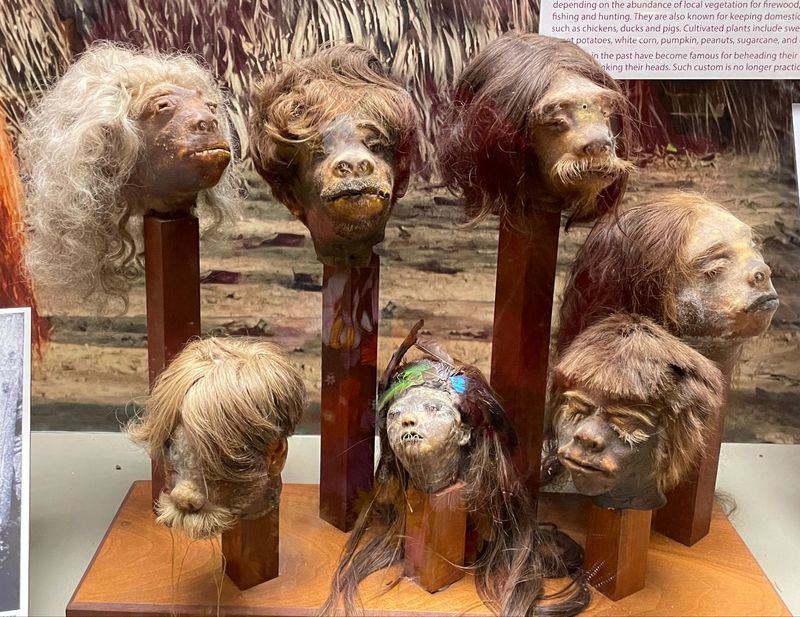
Just when you think you have the museum figured out, it throws you a curveball. Tucked among the elegant paintings are a few genuine oddities, and the shrunken heads tend to stop people in their tracks.
One visitor summed it up perfectly, praising the beautiful period artwork along with a few surprises, then adding an excited note about those shrunken heads. They are exactly the kind of strange detail that makes a field trip unforgettable.
History buffs and collectors have another reason to slow down. The museum houses an impressive firearms collection, and one guest said it held the most extensive collection of Colt handguns they had ever seen.
These historic pieces sit behind glass as part of the frontier story.
That mix is part of the charm. One minute you are admiring a peaceful landscape painting, and the next you are staring at something bizarre from another corner of the world.
Frank Phillips clearly collected what fascinated him, and his curiosity shows. If you enjoy quirky museums and offbeat Oklahoma stops, give yourself extra time in these rooms.
Kids who seem bored by art often perk right up here, pointing and asking a hundred questions.
Mountain Men, Tomahawks, and Black Powder
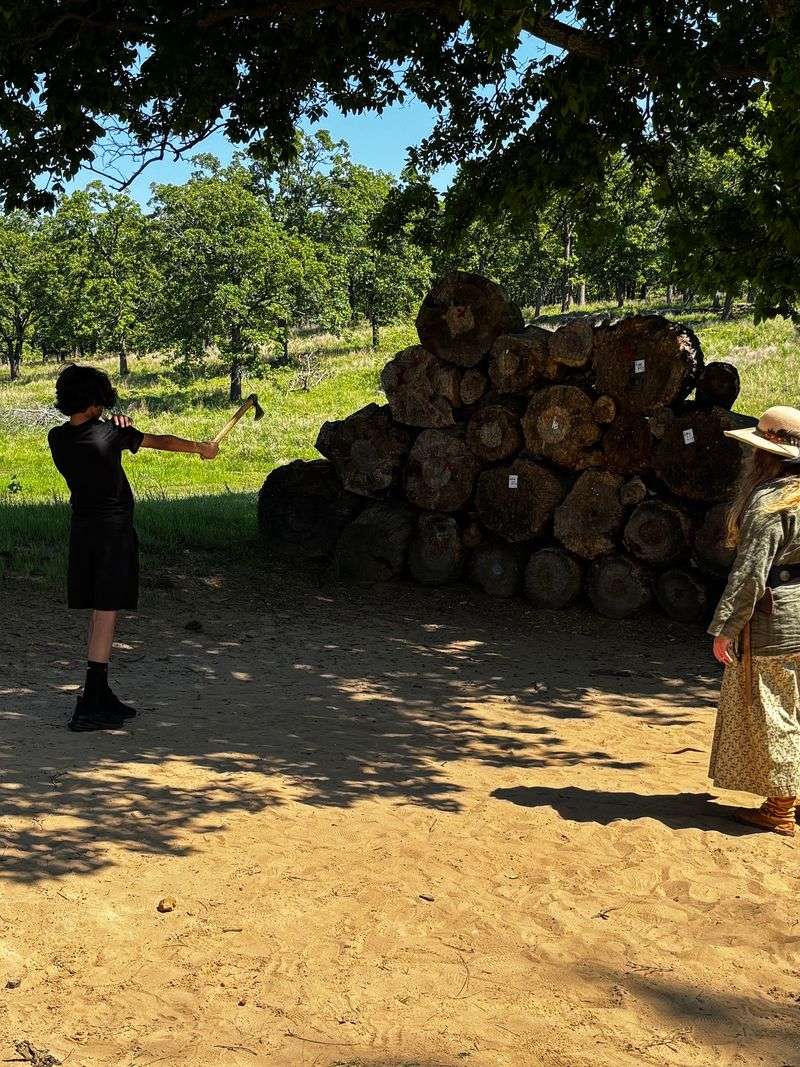
Thunk. That satisfying sound of a tomahawk hitting wood is one many guests remember long after they leave.
On the way into the preserve, a mountain man experience brings frontier life to life with hands-on fun.
Visitors mention trying tomahawk throwing and axe throwing, and some even got to fire a black powder musket under careful guidance. For curious kids and adults alike, it is a memorable change from simply reading signs.
The reenactors earn warm praise for their patience. One family said their young son’s favorite part was the mountain men, who calmly answered every single question he asked.
That kind of attention makes history feel personal.
Mountain men rank among the most mentioned features at Woolaroc, right behind the animals and the petting zoo. Clearly, people love a chance to step into the boots of early traders and trappers.
Activities like these may vary by day, so it is wise to call ahead if throwing a tomahawk is high on your wish list. Even if you only stop to chat, the camp offers a lively glimpse into how folks survived in the woods long before oil changed the region forever.
Petting Zoo, Playground, and the Fire Tower Climb
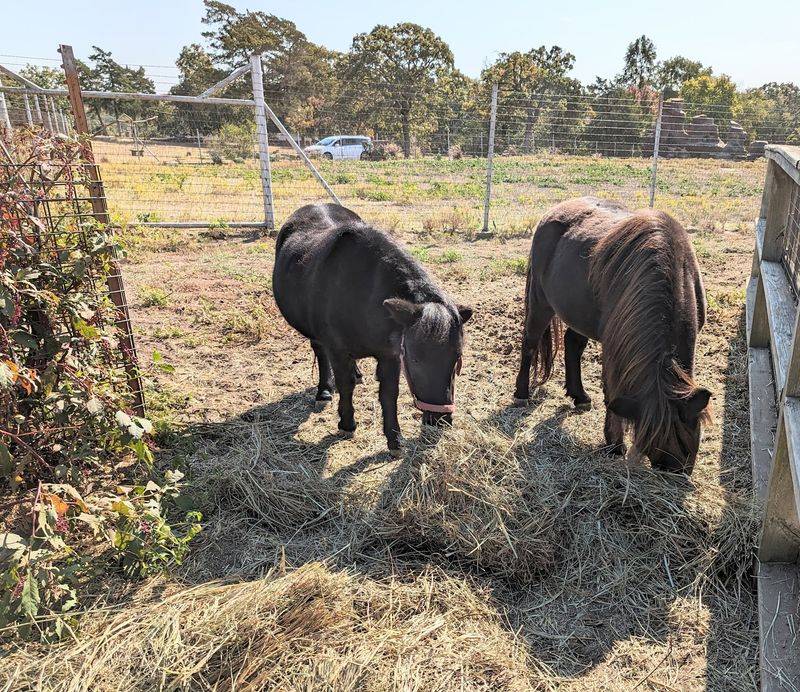
Little hands reaching for friendly goats might be the most common sight at Woolaroc. The petting zoo is the single most mentioned feature among visitors, and families rave about it again and again.
Guests describe it as very good and a must for young animal lovers. After riding in the car for the drive, kids finally get to meet some creatures up close, which makes the whole day feel complete.
Nearby, a playground gives restless legs a place to run. One mom said it was a favorite for her six-year-old, and another called it cute for the kiddos.
It is a smart break between the museum and the trails.
For a bit of adventure, the fire tower lookout waits for climbers. Both a six-year-old and a sixteen-year-old in one family named it their favorite, proving it bridges the age gap nicely.
Guests also say the lookout offers lovely views.
Hikers have options too, with good trails winding through the preserve. Pack a picnic like some families do, grab a spot near the entrance, and let everyone recharge.
Between animals, climbing, and fresh air, kids usually sleep well on the ride home.
Seasonal Fun from Kidsfest to Wonderland of Lights
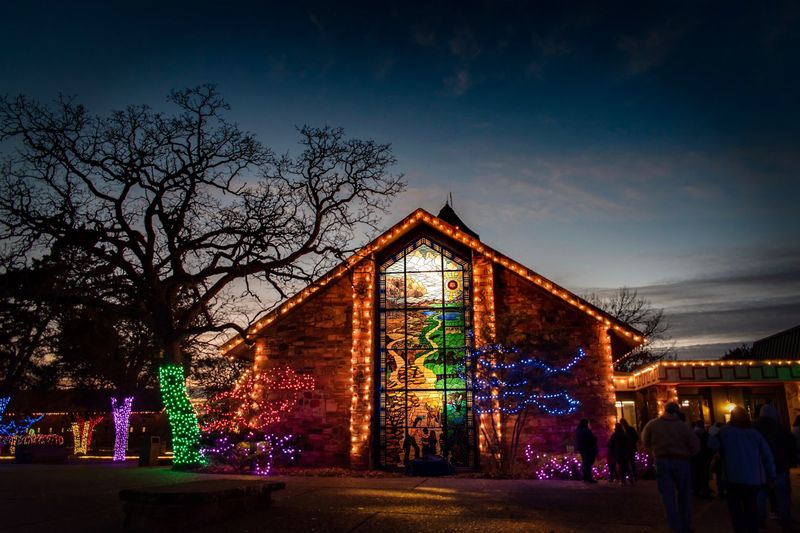
Woolaroc does not just sit still between seasons. Special events give families fresh reasons to return throughout the year.
During Kidsfest, visitors mention inflatables, horse rides, and plenty of animal fun, all on top of regular museum access. One family called it an amazing time and promised to come back.
Winter brings the Wonderland of Lights, running from 5:30 to 9 pm on event nights. Wildlife viewing is not possible after dark, but the grounds glow with activities like the museum, photos with Santa and Mrs. Claus in the museum lobby, the petting zoo, and a hayride that picks up outside the petting zoo barn.
Crowds come with the magic, so a seasoned guest shared a clever strategy. Ride the hayride first, then head to the museum for Santa photos once the indoor rush thins.
Doing it in reverse order can mean waiting 45 minutes to an hour for the hayride in chilly weather.
Cars line up before the gates open, and weekends stay busy. The same guest suggested skipping long lines for snacks and hot cocoa if time is tight.
Still, families agree the holiday glow is well worth bundling up for.
Planning Your Visit: Hours, Timing, and Tips
Mark your calendar carefully, because Woolaroc keeps a schedule that can trip up weekday planners. The museum and preserve open Wednesday through Sunday from 10 am to 5 pm, and they close on Mondays and Tuesdays.
Getting there is straightforward. Head to 1925 Woolaroc Ranch Road near Bartlesville, about 45 minutes north of Tulsa.
For questions, call 918-336-0307 or check woolaroc.org for current details and events.
Visitors consistently say the price feels fair. One guest noted it was not very expensive for how much there is to explore, which is welcome news for families on a budget.
Timing can shape your day. School field trips are common, so one visitor suggested arriving after lunch on Fridays when buses tend to clear out.
Another family saw many buses but still found the grounds less crowded than feared.
Budget a full day if possible. Between the drive, the lodge, the museum, and the activities, many people say you could easily spend hours and still wish for more.
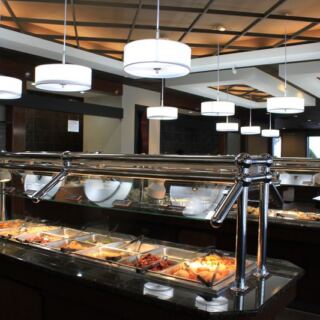
A small cafe and a gift shop, which guests describe as amazing, are on site, and picnics near the entrance are a popular way to refuel.
Why Woolaroc Earns a Spot on Your Oklahoma List
Some places check one box. Woolaroc quietly checks almost all of them, from wildlife and western art to hands-on history and wide open scenery.
Visitors return to the same idea again and again: there is something for everyone. Grandparents enjoy the art and stories of Frank Phillips, teens race up the fire tower, little ones giggle at the petting zoo, and everybody gets excited when the bison appear.
Friendly staff and volunteers add warmth to the experience. Guests describe them as knowledgeable and extraordinary, the kind of people who make a good outing feel special.
Even the cafe worker earned a shout-out for being helpful.
Is it perfect for every traveler? Folks expecting a long safari-style drive might find that part shorter than imagined.
Most, though, are won over once they step inside the surprisingly grand museum.
For road-trippers crossing the state or locals hunting for a new weekend plan, this wooded retreat delivers far more than its quiet entrance suggests. Come for the bison, stay for the shrunken heads and the stories, and leave already plotting a return trip to see what you missed the first time around.
Share this story