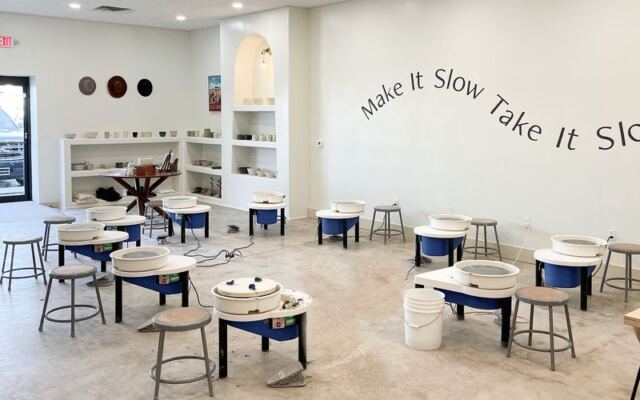
Some of the best hands-on discoveries in Oklahoma start with a quiet curiosity about what clay feels like when it spins under your fingers. Maybe you have admired a handmade cup on a friend’s shelf and wondered how anyone gets the walls so smooth.
A short beginner session in Oklahoma can give you a real taste of that craft without a big commitment. Here is what to expect, what is promised, and what to ask before you book.
A beginner wheel class, not an evening mug lesson
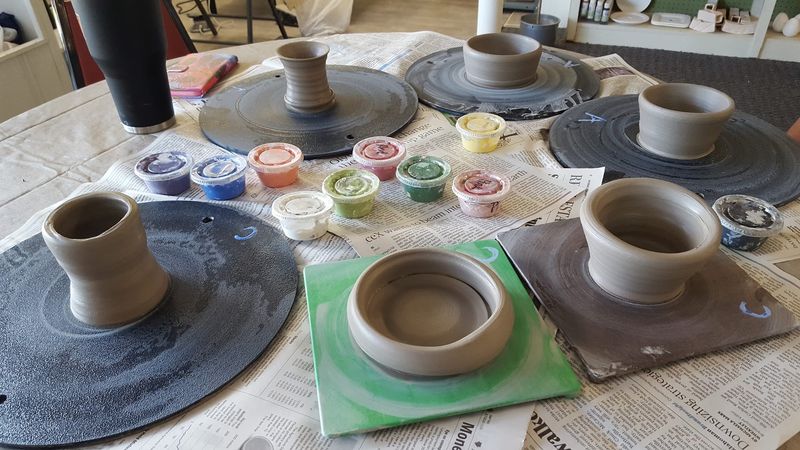
Let’s fix the timing first. The title of this article hints at an evening mug lesson, but the Oklahoma City option we found, The House of Clay, lists its beginner class in the morning instead.
According to the studio’s class page, the session runs about one hour, from 9 to 10 a.m., Tuesday through Saturday.
The listed price is $65 per person, and supplies are included. You will not need to bring clay, tools, or anything fancy.
The studio also lists three thrown pieces per person, which we will unpack in the next section.
Booking works a little differently than most online classes. Reservations are made by phone, not by email.
The studio prefers two participants and allows up to four, so this suits a pair of friends, a date, or a small family group better than a big party.
Schedules and prices can change, so treat these details as what is currently published, not as a promise. Call ahead to confirm the days, the time, and the cost before you plan your week around it.
Think of the class as a short, hands-on introduction to the wheel, not a full pottery course and not a guaranteed mug-making lesson.
Three thrown pieces make this a first taste
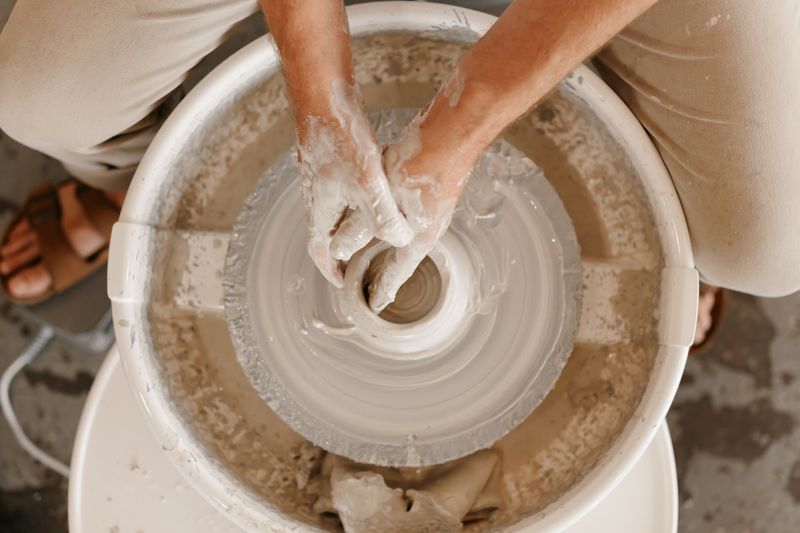
Picture a sampler plate, only made of clay. The studio describes its one-time class as a way to try wheel throwing or to find out whether you want to keep going, and that framing is useful.
You are buying a taste, not a diploma.
What the studio promises is three thrown pieces per person, plus the chance to choose a glaze. That is the full list of commitments on the page.
Nothing there says what those pieces will look like or what shape they will take.
That gap matters. Three pieces does not mean three tidy bowls or three matching cups.
A first-timer’s clay can lean, wobble, or collapse into a lump, and that is a normal part of learning. Whether each piece survives drying and finishing is also not guaranteed by the listing.
So who is this for? Anyone curious about pottery who wants to feel the wheel before buying a longer course or tools.
It also suits people who like making things with their hands and can laugh at a lopsided result.
If you walk in hoping for a gallery-ready set, you may be disappointed. If you walk in hoping for an hour of squishy, focused fun with something to show for it later, you are on the right track.
Centering, opening, and pulling the clay

Every wheel session follows a rough rhythm, and knowing it helps you picture the hour. A ceramics tutorial from the Oregon State University Craft Center presents three distinct steps: centering the clay, opening it, and pulling up the walls.
Centering comes first. You press a ball of wet clay onto the spinning wheel and use steady pressure from your hands until it runs smooth and balanced.
It sounds simple, and it is famously tricky for newcomers.
Opening is next. You push your thumbs or fingers down into the middle of the spinning clay to create a hollow, leaving a floor at the bottom.
Then comes pulling, where you gently squeeze and lift the clay between your hands so the walls rise and thin out.
Here is the honest part. That tutorial describes a general sequence, not what a particular instructor will cover in one hour.
It also does not mean a first-timer will master any of it in a single morning.
Expect to get a feel for the motions, maybe with plenty of help, and expect some wobbly attempts. Wet hands, a steady wheel, and patience will do more for you than strength.
Ask the instructor questions as you go, because small adjustments make a big difference.
A mug is not a guaranteed outcome

Here is the plain truth: the listing does not promise a mug. It says three thrown pieces.
It does not say those pieces will be mugs, and it does not say whether students make handles.
If a mug is the whole point for you, call before you reserve. Ask the studio whether a mug is realistic in this one-hour session.
Also ask what happens if a piece does not make it through drying and finishing.
For context, another Oklahoma City studio handles things differently. Spain Pottery Studio’s class listings describe a four-week course that teaches mugs, cups, and plates, and they list a separate two-hour introductory lesson for throwing up to three pieces.
That comparison is not a ranking, and the classes are not equivalent. They are built for different goals.
A short intro lets you test the wheel, while a multi-week course gives time to practice, trim, and glaze a specific form.
One more way to think about it: a mug asks a lot of a beginner. The walls need an even thickness, the shape needs to hold, and a handle adds another step.
Going in with open expectations, and a few good questions, keeps the morning fun.
Expect to wait for finished pottery
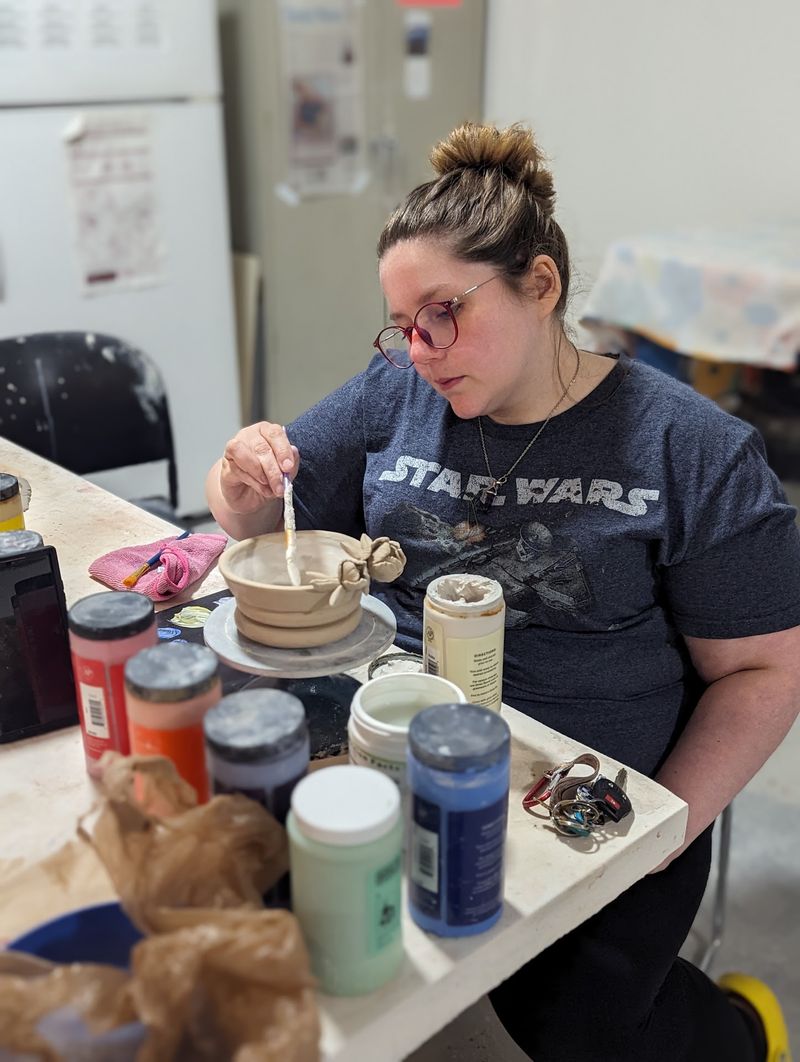
Clay does not hurry. You shape your pieces in the studio, but you will not walk out with finished work.
The House of Clay says drying and glazing take about 2½ weeks, so plan on a return trip later to collect whatever comes out.
Why so long? Functional pottery moves through stages.
A Purdue Extension handbook describes shaping and drying, a bisque firing, glazing, and then a second firing.
Each stage carries some risk. Not every class piece is guaranteed to survive, and the studio’s listing does not promise otherwise.
Think of it as a hopeful wait, a bit like waiting on photos from a roll of film.
On safety, the studio states that its finished class pieces are food safe. That assurance belongs to The House of Clay and its process, so keep it attached to them.
It does not mean all handmade pottery is food safe.
For a reason to stay careful with pottery from other sources, FDA guidance on lead-glazed pottery explains that improper firing or glaze problems can let lead contaminate food. Ask the studio any questions you have about pickup and use.
Prepare for a messy, beginner-friendly session
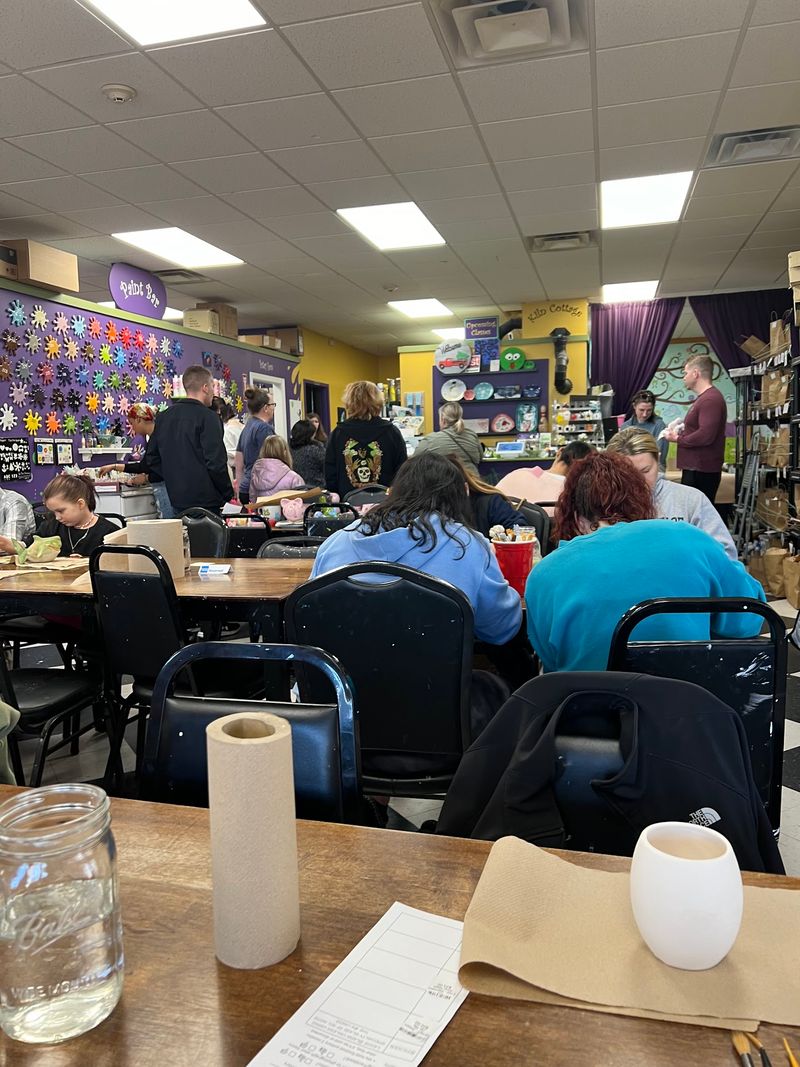
Wear something you would not cry over. Clay splashes, water drips, and sleeves find the wheel.
Closed-toe shoes and short or rolled-up sleeves help, and you can skip rings and long dangling jewelry.
Follow the instructor’s directions from start to finish. They know the wheel, the pace, and the safe way to handle the studio’s materials, and your best results will come from listening.
Dust deserves a quick word. University of Utah safety guidance notes that dry clay scraps can become airborne silica dust.
Do not dry-sand pottery or sweep dry clay. If something needs cleaning, use damp methods, such as a wet sponge or cloth.
Before you go, run through a short checklist. Confirm the current schedule and the $65 price with The House of Clay.
Reserve by phone, and ask whether making a mug is realistic in this session.
Go in expecting a first hands-on taste of the wheel, with finished pieces available weeks later if they complete the process. Clay rewards the curious more than the perfect.
Share this story