Oklahoma has a way of hiding its best food spots in plain sight, tucked along ordinary streets where you might never think to stop. Stumbling onto a place like this feels less like finding a restaurant and more like being let in on a secret that the neighborhood has kept for years.
The smell hits you before you even read the sign, and suddenly you realize you are about to eat something genuinely special. If handmade, fresh-cooked Salvadoran food is new to you, prepare to wonder why it took you so long to discover it.
Where El Majahual Sits in Oklahoma City
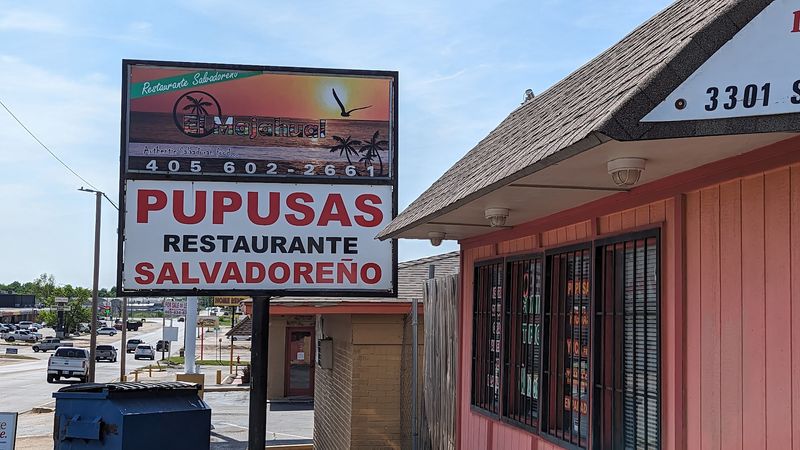
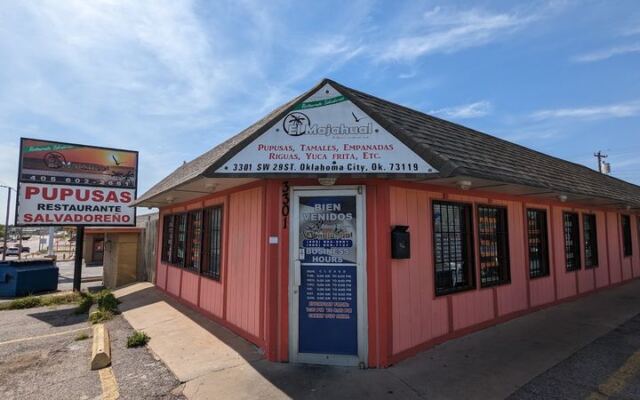
On the south side of Oklahoma City, along a stretch of SW 29th Street that blends auto shops and strip malls, El Majahual Authentic Salvadorean Food occupies a small, unassuming building that could easily be missed at highway speed. The address places it close enough to Will Rogers World Airport that travelers passing through have made it a regular stop, though most of its loyal crowd comes from the surrounding neighborhoods.
The exterior offers no grand promises. There is no flashy signage fighting for your attention, no elaborate facade dressing up what is inside.
What you get instead is a clean, modest space that signals exactly what the kitchen prioritizes: the food itself.
Parking can be a bit awkward, as the lot is small and the spot stays busier than its size might suggest. Regulars know to arrive with patience already packed.
The building sits in a part of the city where Central American communities have quietly built a rich food culture, and El Majahual has become one of its most celebrated anchors, drawing visitors from across the metro who have heard the word-of-mouth buzz and made the trip south to find out for themselves.
The Story Behind the Small Team Running the Kitchen
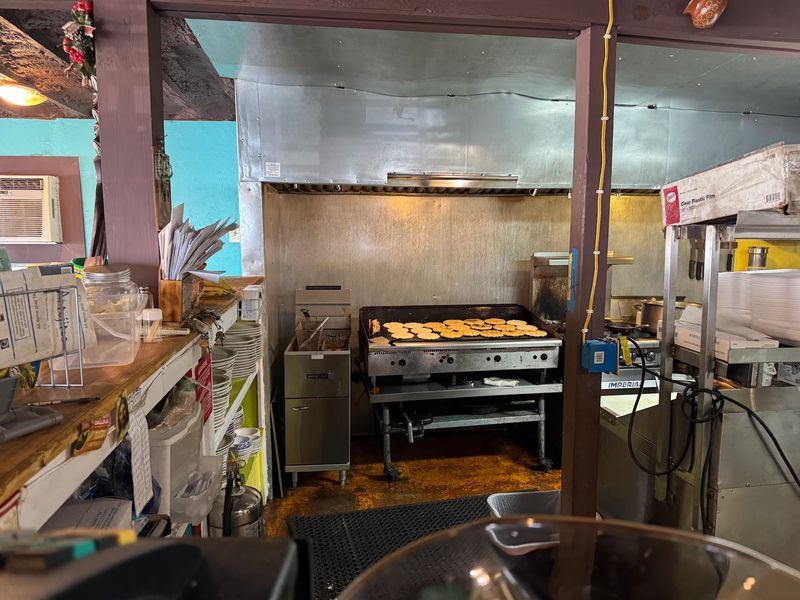
Almost every time someone walks through the door at El Majahual, they are greeted by a crew of three women who handle everything from cooking to serving to cleaning, six days a week without a break in the rhythm. Regulars mention this detail with a kind of reverence, recognizing just how much work goes into keeping a place like this running at the pace it does.
The operation is family-style in the truest sense. Visitors describe the staff as warm and attentive even on the busiest days, with a friendliness that feels genuinely earned rather than rehearsed.
Occasionally a fourth person steps in to help during a rush, but the core team remains consistent and familiar to anyone who returns more than once.
Because everything is made to order, the kitchen does not rush. Pupusas take time to press and cook properly, and the women behind the counter take that time seriously.
People who arrive expecting fast food may need to recalibrate their expectations. Those who settle in and let the process unfold tend to leave far more satisfied, often commenting that the wait is a small price for food that tastes this fresh and this carefully made.
Pupusas: The Heart of Every Visit
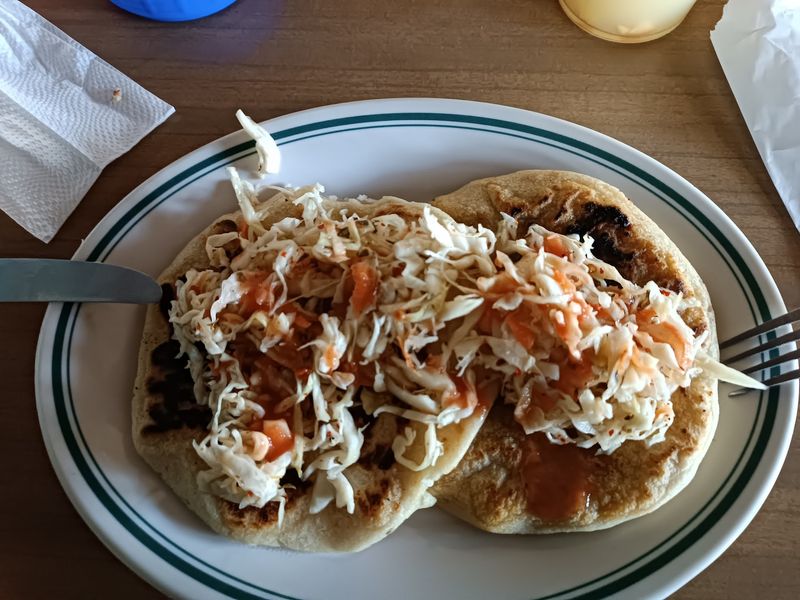
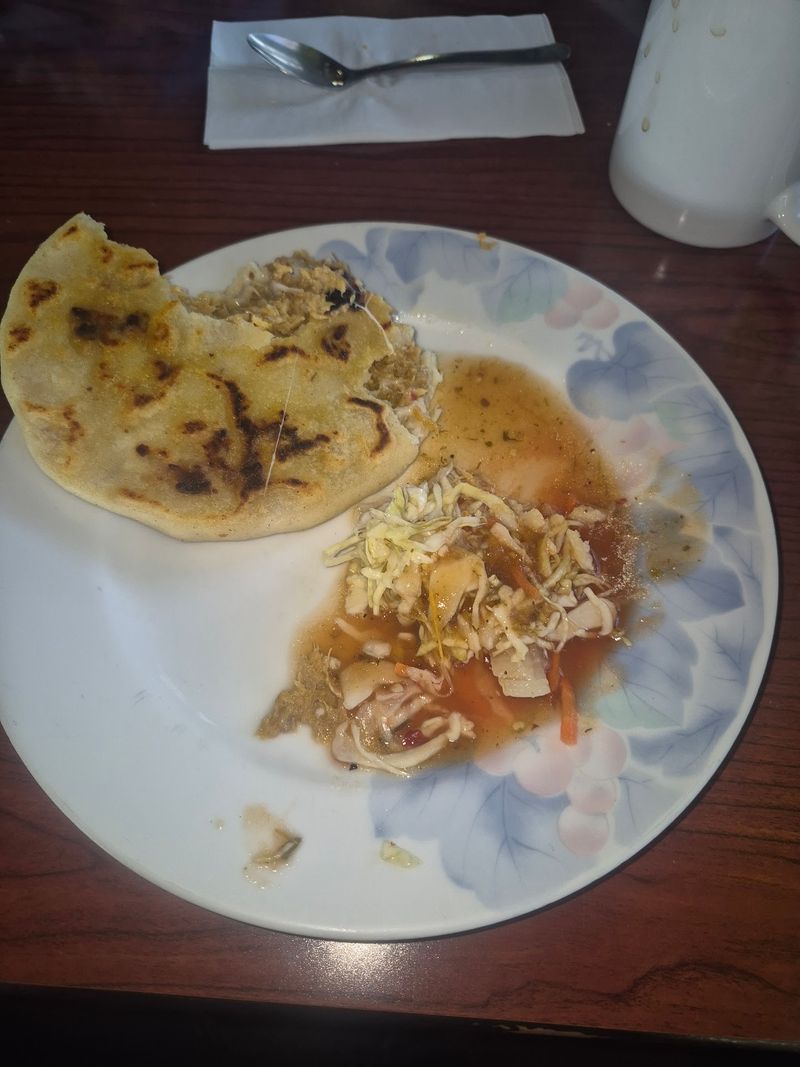
Pupusas are the reason most people find El Majahual in the first place, and they are the reason people keep coming back. Handmade from masa and cooked fresh on a griddle, each one arrives at the table hot, slightly crispy at the edges, and filled with combinations like cheese with loroco, beans and cheese, or chicharron.
Loroco is an edible flower bud native to Central America, and its earthy, slightly grassy flavor gives the cheese pupusa a character that is hard to find anywhere else in Oklahoma City.
Visitors consistently describe them as tasting like something made at home rather than produced in a commercial kitchen. The masa is soft inside, with just enough chew to feel substantial.
Some reviewers note a bit of richness from the griddle, which is simply part of the cooking method and adds to the flavor rather than distracting from it.
Each pupusa arrives ready to be topped with curtido and salsa, the two condiments that complete the experience. Without those additions, you have a good meal.
With them, you have something that feels complete and deeply satisfying, the kind of food that sticks in your memory long after the plate is cleared.
Curtido and Salsa: The Toppings That Complete the Plate
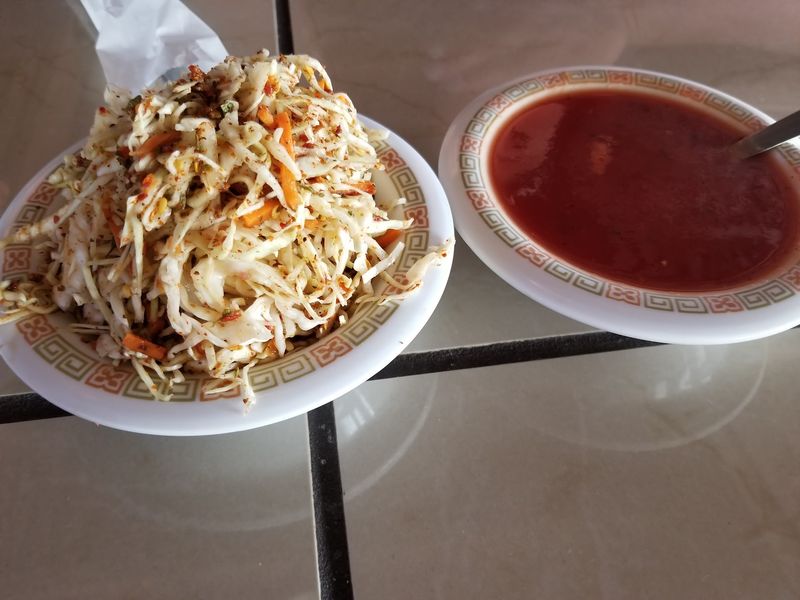
Curtido is the tangy, lightly fermented cabbage slaw that sits alongside every order of pupusas at El Majahual, and it deserves its own moment of appreciation. Thinly shredded and pickled with vinegar and oregano, it provides a bright, zesty contrast to the richness of the masa and cheese.
Regulars mention the curtido specifically as one of the details that signals the kitchen is paying attention to the full experience, not just the main dish.
Two salsas accompany the meal: a mild red sauce built for additional flavor rather than heat, and a hotter option that brings a genuinely different character to each bite. Neither one overwhelms; both are designed to enhance.
Visitors who grew up eating Mexican salsas sometimes note the difference in profile, finding the Salvadoran versions lighter and more herb-forward.
Together, the curtido and salsas turn a simple plate into something layered and complex. Tearing off a piece of pupusa, loading it with slaw, and dragging it through the sauce is the kind of eating ritual that feels satisfying on a sensory level.
It is the sort of combination that makes you pause mid-bite and think about how well these flavors were designed to work together across generations of cooking tradition.
Beyond Pupusas: Yuca, Tamales, and Horchata
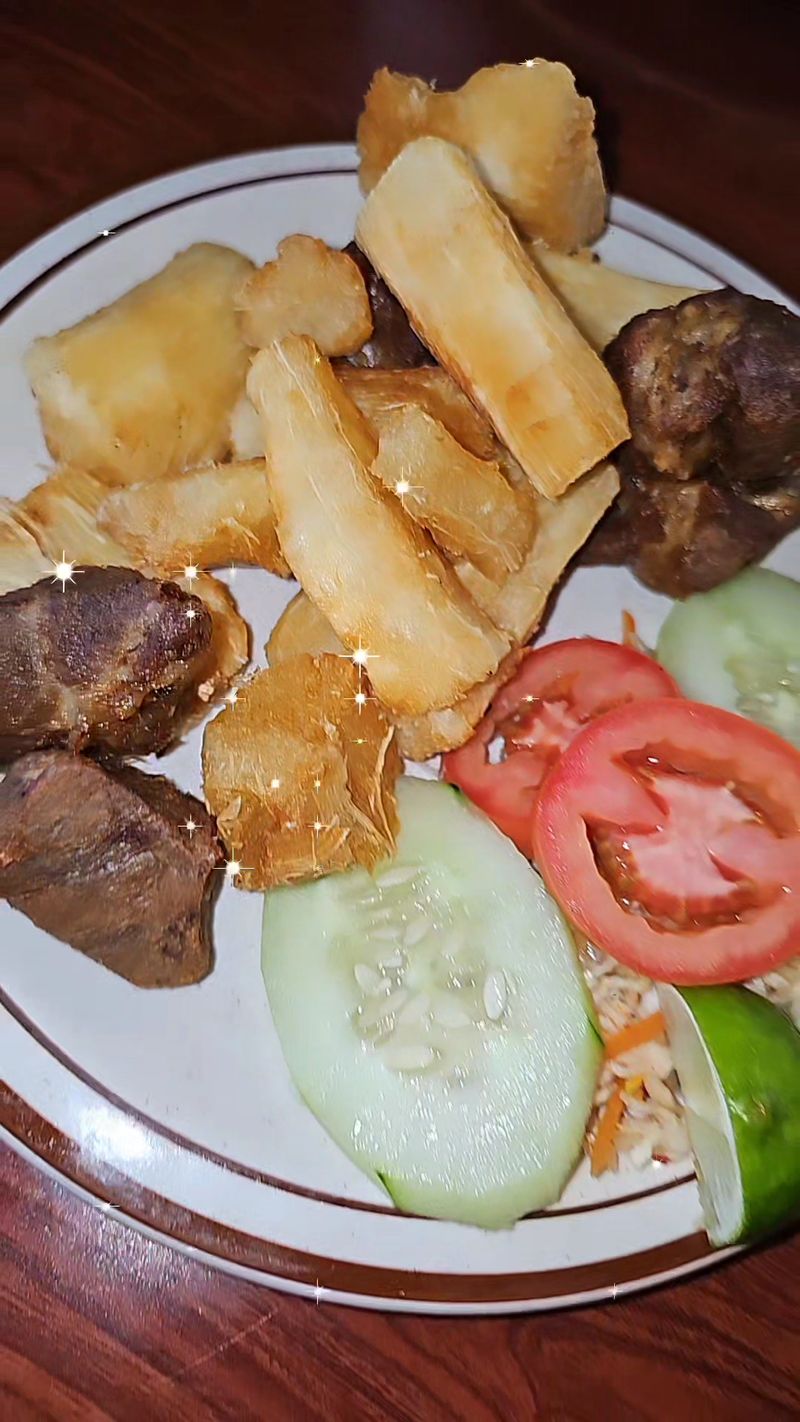
Pupusas rightfully claim the spotlight, but the rest of the menu at El Majahual holds up with equal care. Yuca frita, or fried cassava root, shows up as a crowd favorite among those willing to explore past the main attraction.
Served hot and crispy, it carries a starchy, slightly sweet quality that pairs naturally with the accompanying sauces. People who try it for the first time often find themselves ordering it again on the very next visit.
Tamales with crema round out the menu with something softer and more delicate. Visitors describe them as sweet and pillowy, the kind of comfort food that feels celebratory without being heavy.
Plantains appear on the menu as well, offering a caramelized sweetness that balances the savory notes across the table.
Salvadoran horchata is worth ordering even if you think you already know what horchata tastes like. The version here is made from morro seeds rather than rice, giving it a thicker, milkier texture with a subtle hint of something almost coffee-like in the finish.
Visitors familiar with Mexican horchata are often surprised by how different and deeply flavorful the Salvadoran style turns out to be. It is a genuine discovery for first-timers.
The Atmosphere Inside and Who Feels at Home Here
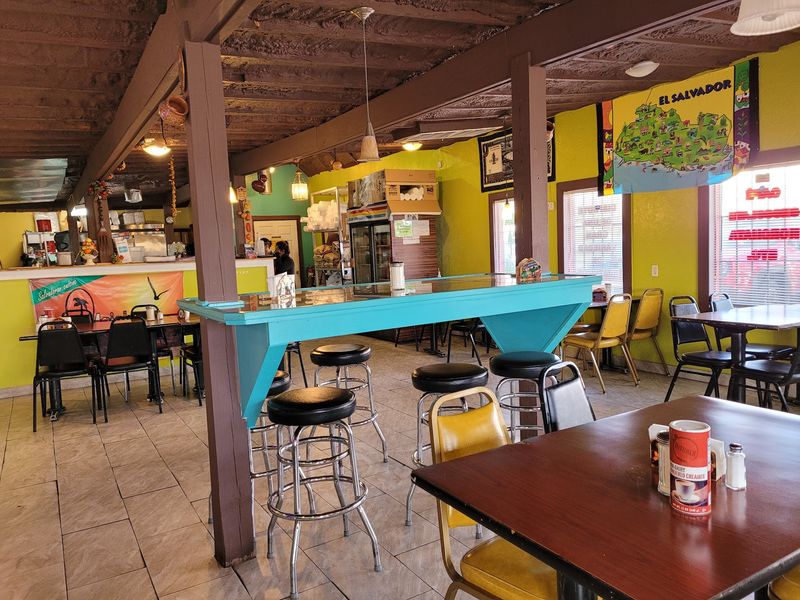
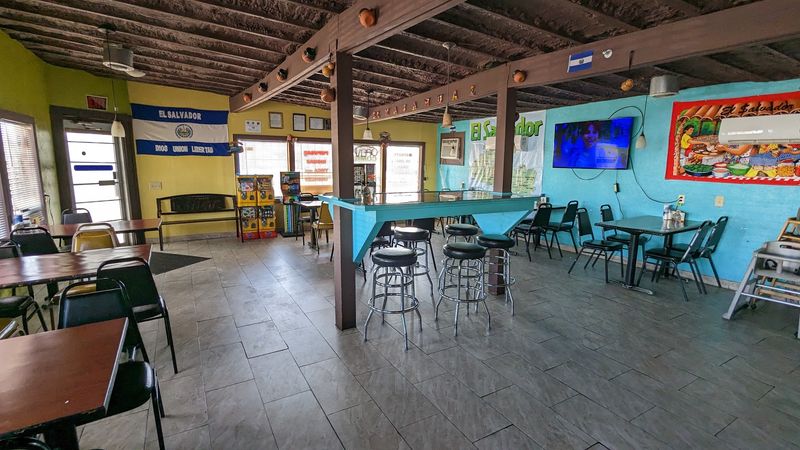
Walking into El Majahual feels like stepping into a neighborhood spot that was never designed for tourists. The dining room is small and modestly furnished, clean and well-maintained without any attempt at trendy decor.
A photo menu on the wall helps first-timers navigate the options without needing to know the Spanish names in advance, which is a practical and welcoming touch for newcomers to Salvadoran cuisine.
The crowd skews local, with regulars who clearly know the staff by name and newcomers who arrived on a recommendation and are busy taking their first curious bites. Families, solo diners, and small groups all seem equally comfortable in the space.
On busy days, the room fills up quickly, and the energy shifts from quiet to lively without becoming chaotic.
One thing worth knowing before you go: the interior can get warm, especially during summer months. Visitors have noted that air conditioning is not always enough to offset the heat from the cooking griddles.
If you are sensitive to heat, arriving earlier in the day or on a cooler afternoon may improve the experience. That said, most people who mention the warmth still leave with nothing but good things to say about the food and the people who made it.
Hours, Prices, and What to Expect on Your First Visit
El Majahual is open Tuesday through Sunday from 10:30 AM to 8:00 PM, giving you a solid window for both lunch and an early dinner. Monday is the one day the kitchen rests, so plan accordingly.
The restaurant can be reached at 405-602-2261, and there is also an online ordering option through their website for those who prefer to call ahead or pick up.
Pricing lands in the $20 to $30 range per person, which is reasonable given that everything is made fresh to order. Pupusas are individually priced and filling enough that two or three make a satisfying meal for most people.
One reviewer cheerfully admitted that finishing a third pupusa was simply not possible, which gives you a sense of how substantial each one is.
First-time visitors should come with a flexible mindset around timing. Because the food is cooked to order by a small team, wait times can stretch during busy periods, particularly on weekend lunches when the place fills up fast.
Arriving closer to opening time or calling ahead can help. The menu includes photos, prices are clearly listed, and the staff are welcoming even across language differences, making the experience accessible for anyone willing to show up with an open appetite and a little patience.
A Quiet Gem Worth the Drive Across Town
Not every great meal comes from a place with a long line out the door or a splashy social media presence. Some of the most memorable food in any city hides in buildings that look like nothing from the outside and turn out to be everything once you sit down.
El Majahual fits that description precisely, and the people who have found it tend to treat it like a personal discovery worth sharing.
Visitors who grew up eating Salvadoran food call it authentic. Those trying it for the first time call it a revelation.
Catering orders have introduced the food to office crowds who had never considered Salvadoran cuisine before, and many of those people end up making the trip to the restaurant to experience the full sit-down version. The word-of-mouth reputation has built steadily over years, rooted in consistency and care rather than hype.
For anyone in Oklahoma City looking for a meal that feels genuinely different from the usual rotation, El Majahual offers something rare: food made with real technique, real ingredients, and real warmth from the people preparing it. The drive to SW 29th Street is short, the prices are fair, and the pupusas alone make the whole trip more than worth it.
Share this story