Some of the best places in Oklahoma hide in plain sight, behind a front door you might walk right past. I went in expecting a quick look at a few old maps and dusty photos.
Then I climbed a flight of stairs and found a room so lovely it felt like stepping into the pages of an old storybook. If you have ever wondered how Oklahoma went from open prairie to the 46th state, this little treasure tells the tale and saves its best surprise for the second floor.
A Brick Storehouse on East Oklahoma Avenue
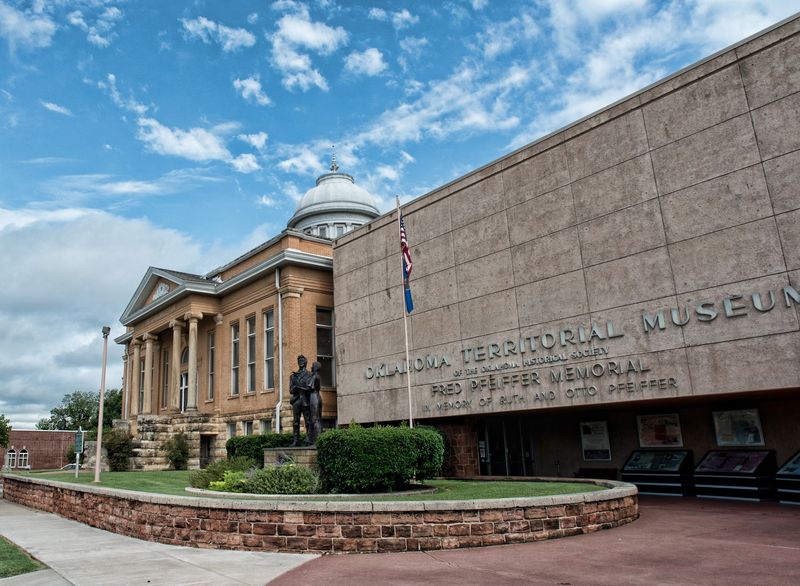
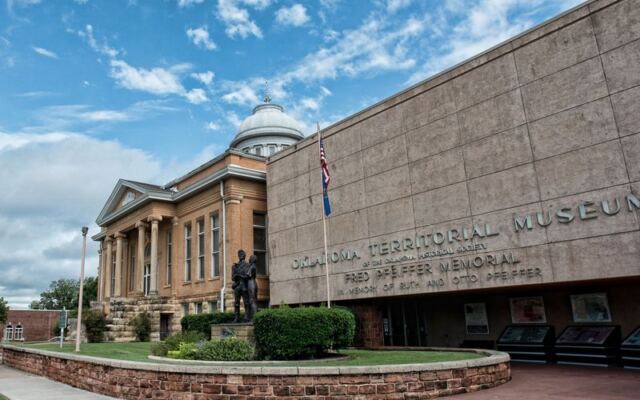
Guthrie wears its history on every street corner, but one address holds more of it than most. At 406 E Oklahoma Ave sits the Oklahoma Territorial Museum, a local history museum paired with a stately Carnegie library built in 1902.
From the sidewalk, it looks dignified rather than flashy. The library building shows off a Renaissance Revival style, with the kind of formal, balanced lines that early city builders loved when they wanted a place to feel permanent and important.
Inside, the museum traces the story of the Oklahoma Territory, from the land runs through the push for statehood.
Run by the Oklahoma Historical Society, the museum spreads across two floors. The ground level handles the big story with panels, photographs, documents, and artifacts.
Upstairs, things get dreamy, because that is where the old Carnegie library waits with its tall ceiling and wooden floors.
Many visitors arrive expecting a quick stop and leave saying it ranks among the best museums they have seen in the state. That reaction makes sense once you realize how much is packed under one roof.
Think of it as a time capsule with a front desk, a gift shop, and a staircase leading somewhere special.
When Guthrie Held the Capital
Here is a trivia question that stumps plenty of people: what was Oklahoma’s first capital? Not Oklahoma City.
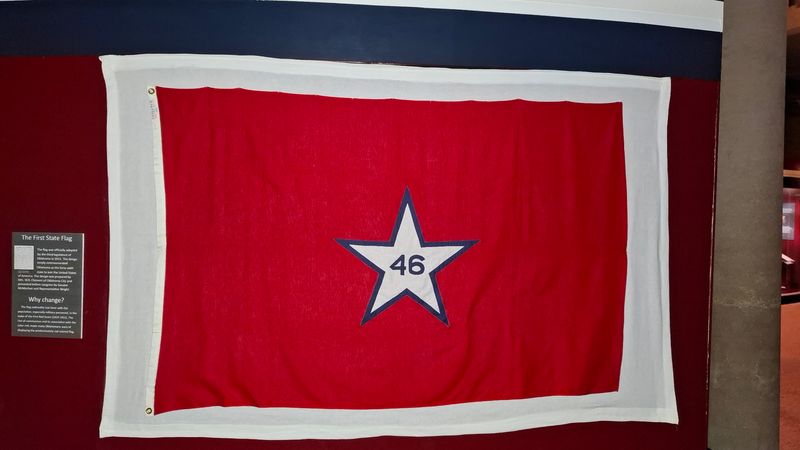
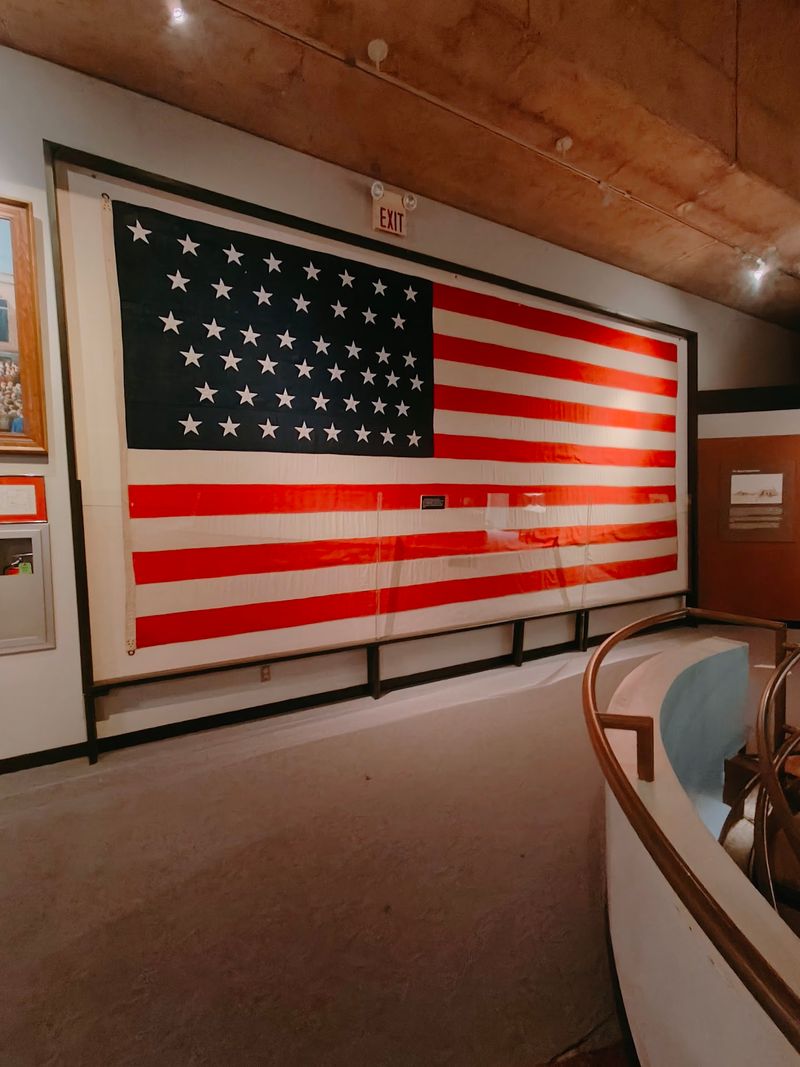
Guthrie held that title, serving as the capital of Oklahoma Territory before the state joined the Union as number 46.
That fact sits at the heart of the museum. Exhibits walk you through the territorial period, explaining how settlers poured in, how towns sprang up almost overnight, and how leaders hammered out a state constitution.
Visitors often say they finally understood how Oklahoma actually became a state after spending an afternoon here.
Then comes the twist everyone talks about. The capital eventually moved from Guthrie to Oklahoma City, and the museum explains how that shift unfolded.
Some locals still describe it with a wink as the capital being stolen, and you will hear that colorful version of the story repeated around town as part of local lore.
Knowing this backstory changes how the whole town feels. Those grand brick buildings downtown were built by people who believed Guthrie would lead the state for generations.
Walking out of the museum, you start seeing the streets as a stage set from a bigger drama, frozen at the moment the spotlight shifted south.
The Carnegie Library Upstairs
Climb the stairs slowly. The moment you step into the old library, the room seems to exhale, all high ceiling and warm wooden floors that creak under your shoes like an old house telling secrets.
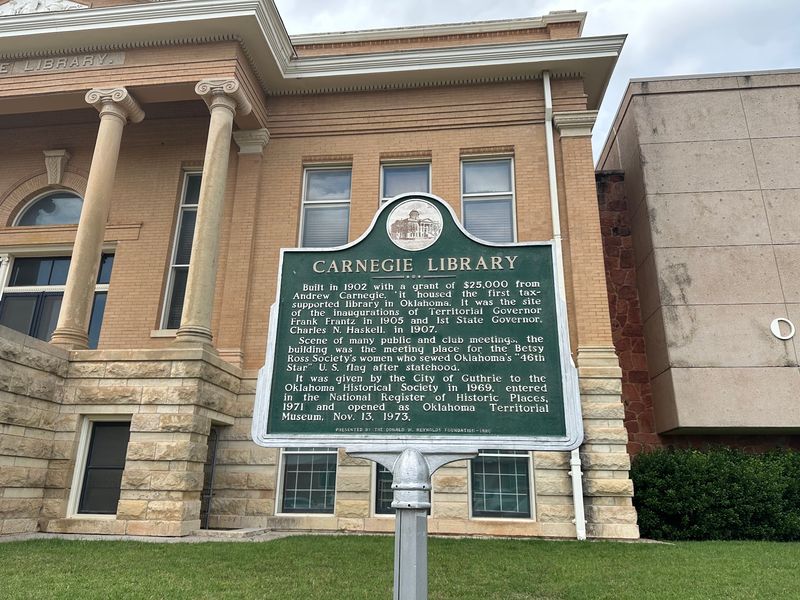
Built in 1902, it was the first Carnegie library in Oklahoma, making it one of the oldest library buildings in the state. Steel magnate Andrew Carnegie funded libraries across the country, and this one became the territory’s proud first.
Today it is beautifully cared for and filled with interesting details and exhibits.
Visitors use words like stunning and beautiful again and again when they describe it. One guest called the second floor the jewel of the whole visit, partly because it holds more genuine artifacts with explanations.
Another found an old Sears book that described a building they grew up near in Chicago, which shows how personal these shelves can feel.
The atmosphere really does seem lifted from a novel. Sunlight, polished wood, and that hushed library feeling combine into something cozy and a little magical.
Bring a phone with room for photos, because the views inside are worth capturing. Just keep in mind the floor announces every step, which somehow only adds to the charm.
Land Runs, Pioneers, and the Road to Statehood
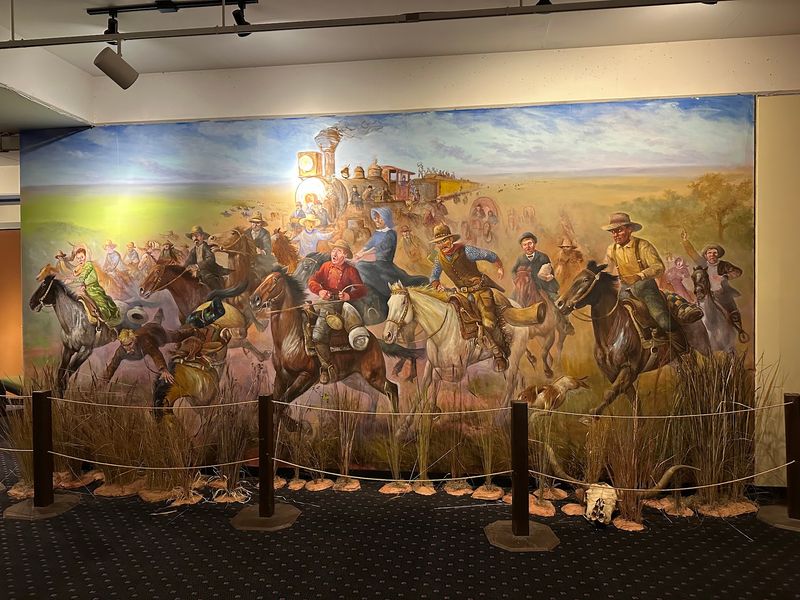
Picture thousands of hopeful settlers lined up, waiting for a signal to race across open land and claim a homestead. That scene kicks off much of the museum’s story, and the exhibits build steadily from there.
The ground floor follows a clear path through history. You learn about the land runs, pioneer life, and how the territory developed its government and basic infrastructure.
Collections include artifacts, documents, and photographs that bring the early days into focus. One fan praised the honest portrayal of the Eighty Niners, the settlers who carved out new homes in the territory.
Guests frequently mention how organized and well laid out everything feels. The displays flow naturally, so you are never confused about where to go next.
Plenty of information sits beside each topic, which history lovers adore.
Not every corner gets equal praise, though. A few visitors wished certain areas were lit a little better, and one hoped the first floor had more original artifacts instead of mostly panels.
Another noted that exhibit numbers feel somewhat limited for a two-story space. Even so, most people leave impressed by how much they learned, especially those who arrived knowing very little about Oklahoma’s beginnings.
Marshals, Outlaws, and One Very Convincing Jail Mannequin
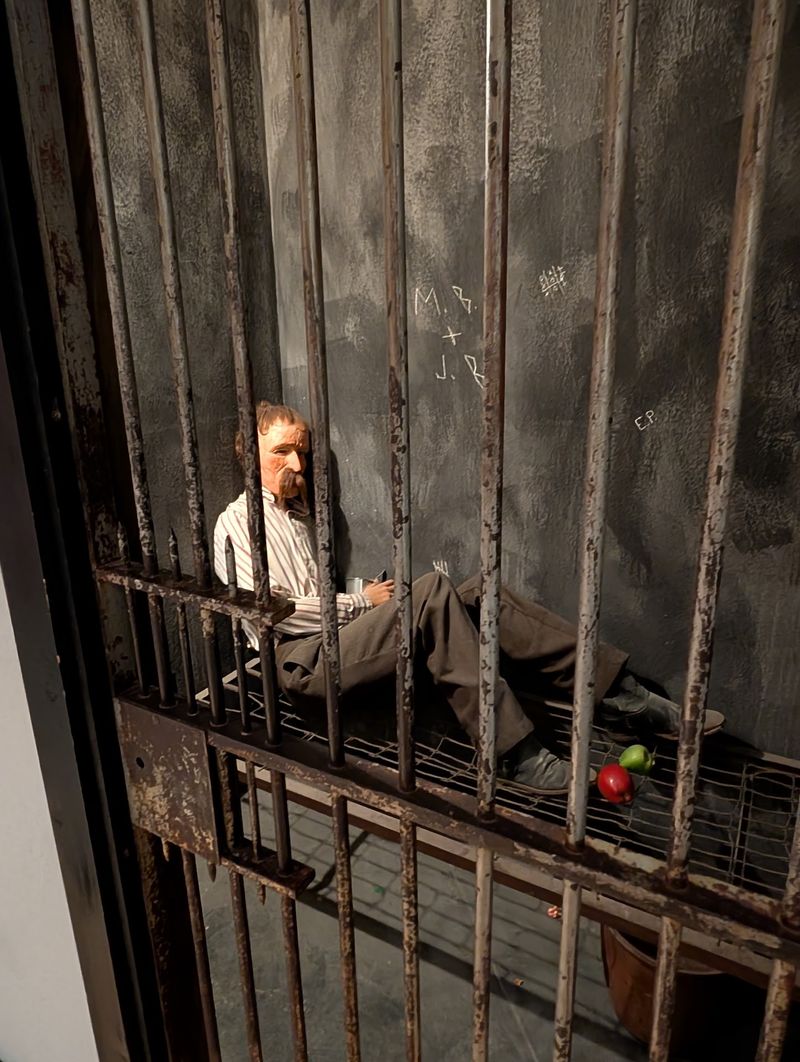
Fair warning: someone in a jail cell might startle you. More than one visitor has admitted to jumping when they spotted the life-sized mannequin sitting behind bars, and they laughed about it afterward.
That jail display ties into one of the museum’s crowd favorites, an exhibit on the US Marshals Service and its work keeping order in the rough-and-tumble territory. Lawmen rode long distances to track down outlaws in a land still finding its footing, and the stories here make that era feel vivid without getting grim.
For families, this section often turns into the highlight. Kids love a good surprise, and few things beat peeking into a cell and finding a figure staring back.
It also opens the door to easy conversations about how rules and courts came to the frontier.
Don’t skip the material on Judge Frank Dale either. Visitors suggest reading up on him, since his home still stands about a mile away and now operates as a bed and breakfast.
One traveler drove by after the museum and was even invited in for a tour. Keep an eye out for The Judges Chambers, a name that connects those stories back to the town itself.
Quiet Halls and Friendly Faces
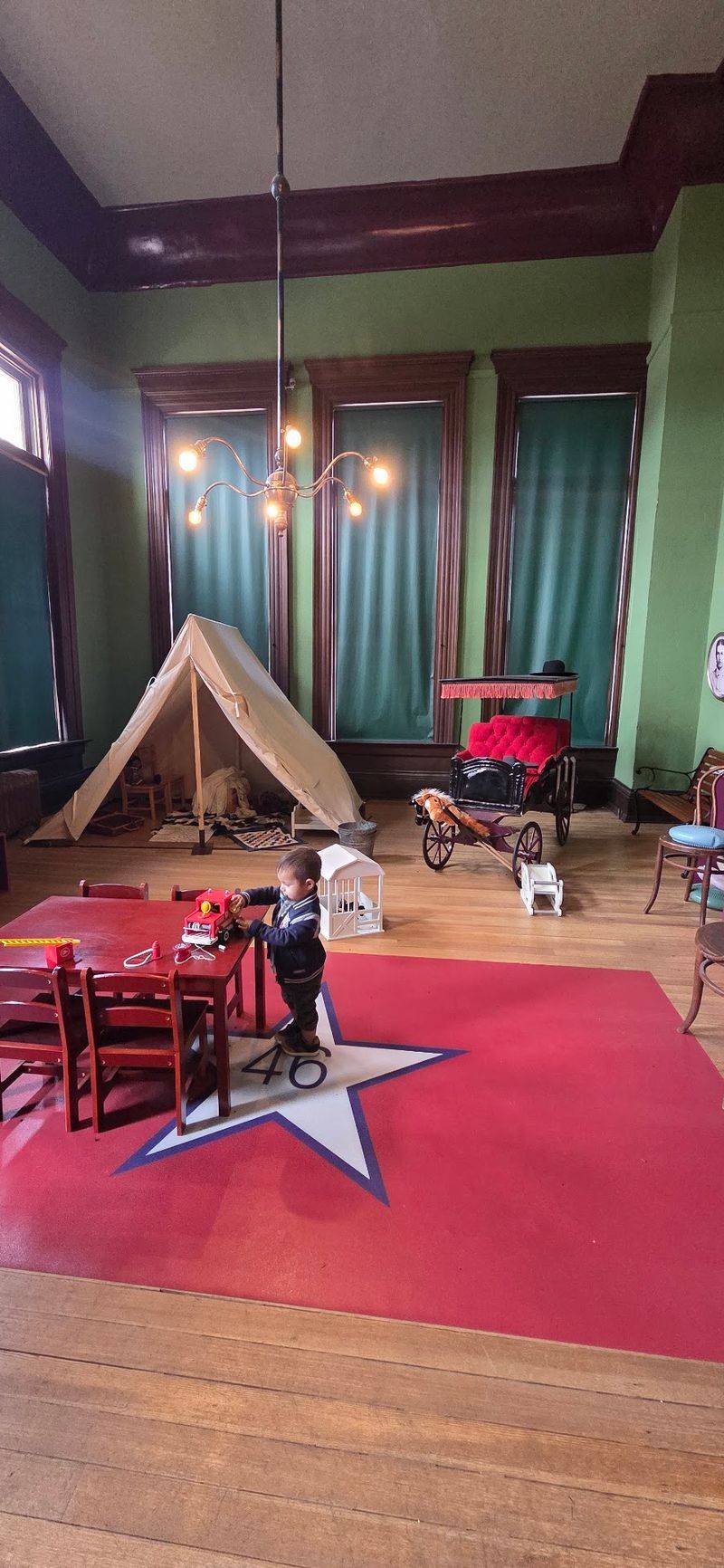
Peaceful is the word that keeps popping up. On many days, especially weekdays, you may have whole rooms to yourself, which makes reading every panel feel relaxed instead of rushed.
The people working here earn heaps of praise. Guests describe the staff as knowledgeable, pleasant, and full of smiles, with the curator happy to answer questions and front desk folks sharing plenty of background before you even start.
Docents get mentioned too, so ask questions freely.
Families will feel right at home. The museum is considered kid-friendly, and teachers have pointed out that it would make a terrific spot for an educational field trip.
Programs and resources aim at visitors of all ages, from school groups to curious grandparents. The museum has also hosted events like living history demonstrations, lectures, and special exhibits, so check ahead to see what is planned.
Before leaving, stop by the small gift shop. It carries nice gifts for family members and keeps a guest book you can sign, a sweet little ritual for road-trippers collecting memories.
Visitors also mention very clean restrooms, a small detail that matters on a long day of exploring. Honest note: a handful of guests saw cobwebs on some cases during slow weekdays, a reminder that the place has a lived-in, old-building feel.
Hours, Admission, and a Tip About Summer Heat
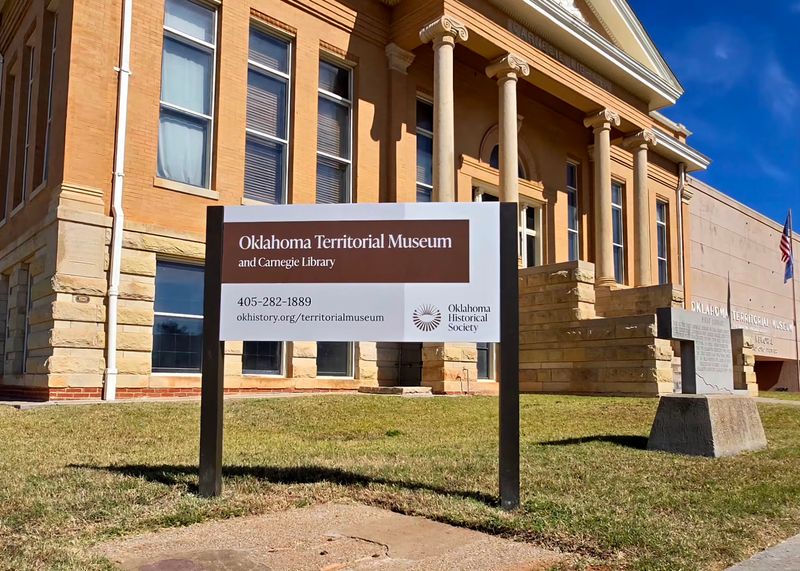
Planning makes this visit smoother, so here are the basics. The museum opens Tuesday through Saturday from 9 AM to 5 PM and stays closed on Sundays and Mondays.
You can reach the staff at 405-282-1889 or browse the Oklahoma Historical Society website for current details.
Admission reports vary over time. Several visitors listed prices of $7 for adults and $5 for seniors, while one more recent guest mentioned free entry with donations strongly encouraged.
Military members reportedly get in free, and seniors have received discounts. Since policies can change, confirm before you go.
Give yourself time. Guests recommend at least two hours if you like reading everything, and history buffs may want even longer.
Rushing through would mean missing the best parts upstairs.
Now the weather warning. The library floor is not air conditioned, according to visitors, and one person advised against touring on a 100 degree day.
Another recent guest found the cooling inside struggling and the building warm. In the hot Oklahoma summer, aim for a morning visit, wear light clothing, and maybe bring a water bottle for the car.
Spring, fall, and winter make the creaky upstairs room far more comfortable to linger in.
Worth the Climb
So, should this spot land on your Oklahoma bucket list? For anyone who loves stories, old buildings, or the strange twists of state history, the answer leans strongly toward yes.
Out-of-state travelers have called it an excellent introduction to Oklahoma. A Texas visitor said they learned so much, and a newcomer to the state found it a great way to understand their new home.
Longtime residents often admit it outshines bigger museums they have explored around the state.
It is not perfect. Lighting could be brighter in spots, the first floor leans heavily on panels, and the summer heat upstairs can test your patience.
Yet those quirks feel small next to the payoff of standing inside Oklahoma’s first Carnegie library, where wood floors creak and tall ceilings make you whisper without meaning to.
Pair your visit with a stroll through historic downtown Guthrie, or swing past the old Frank Dale home a short drive away. Together they turn a museum stop into a full day of time travel.
And when you climb that staircase and the library opens up before you, don’t be surprised if you feel like the main character in a very good book.
Share this story