Some of the biggest moments in American history happened in places so small you could drive right past them. Tucked away in North Carolina sits a modest farmhouse where two tired generals sat down at a simple table in the spring of 1865.
What they agreed on helped end the Civil War for thousands of soldiers across several states. Once you learn the story, that little wooden house starts to feel like one of the most important rooms in the country.
A Farmhouse on the Edge of Durham
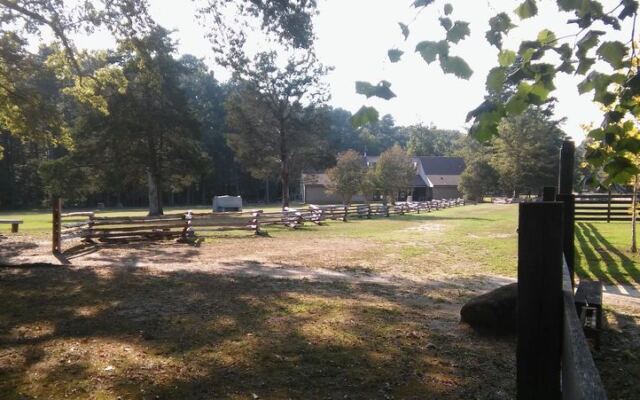
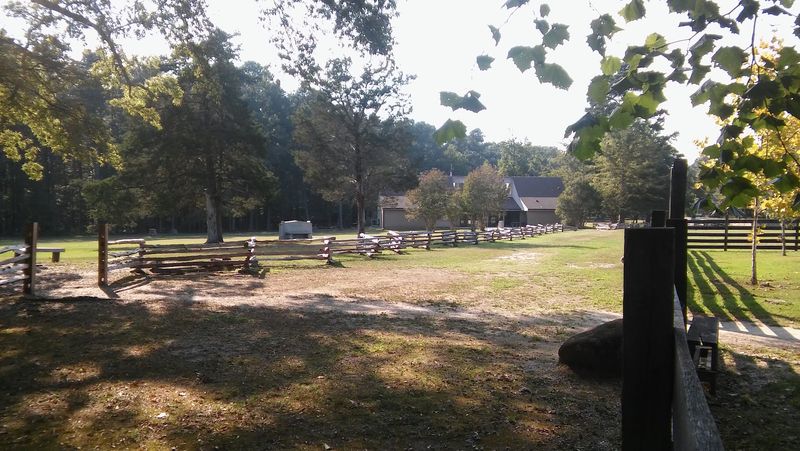
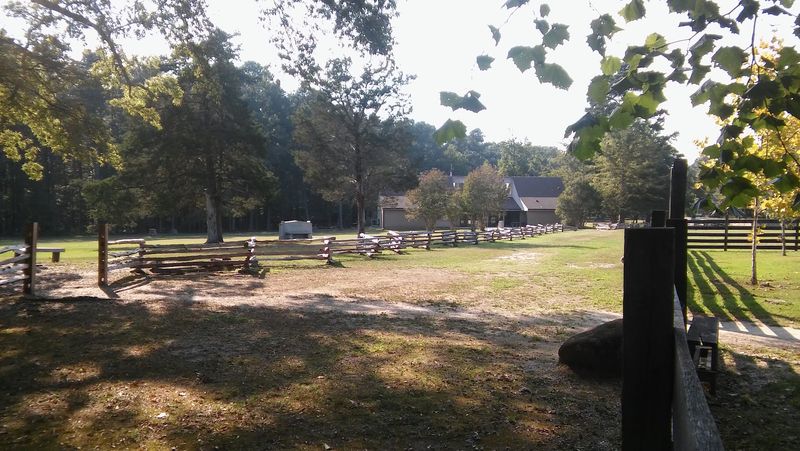
Picture a plain wooden home with a stone chimney, a split-rail fence, and a few shady trees. That is Bennett Place, a state historic site in Durham, North Carolina.
Nothing about it shouts for attention, and that is part of its quiet charm.
Back in the 1860s, the home belonged to James and Nancy Bennitt, a farming family who grew crops and sold goods to travelers on a nearby road. Their life was simple, and their home was small.
Nobody expected it to land in history books.
Today, the site sits in a peaceful pocket of Durham, a short drive from busy streets and college campuses. Visitors often say the setting feels calm and unhurried.
It is the kind of place where you can slow down, read a sign or two, and let your imagination fill in the rest of the story.
Spring of 1865 and a Nation Ready for Peace
By April 1865, the war had stretched on for four long years. News traveled slowly, and many soldiers in North Carolina were weary, hungry, and far from home.
Everyone could sense the end was near, but nobody knew exactly how it would come.
Robert E. Lee had already surrendered in Virginia at Appomattox.
Still, another large Confederate army remained in the field, led by General Joseph E. Johnston.
Facing him was Union General William T. Sherman, whose troops had marched through Georgia and the Carolinas.
Both leaders understood that more fighting would only bring more hardship. So they agreed to meet under a white flag somewhere between their lines.
The spot they picked, almost by chance, was the Bennitt family farmhouse. Fun fact: the family name was spelled Bennitt, though the site is known today as Bennett Place.
The Talks Around a Simple Table
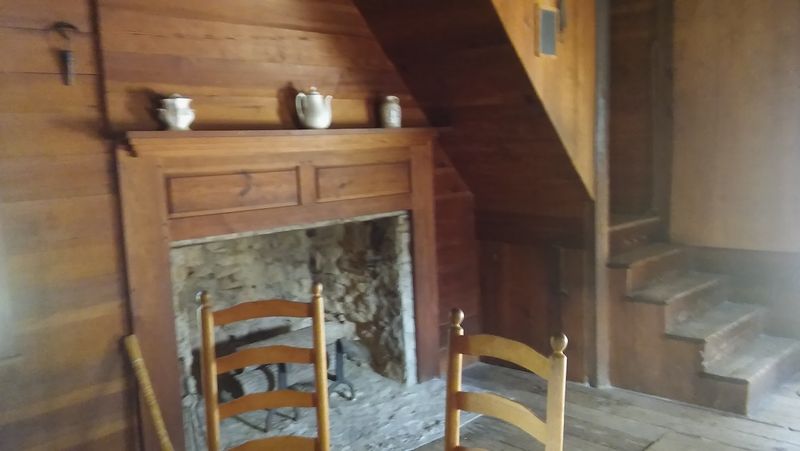
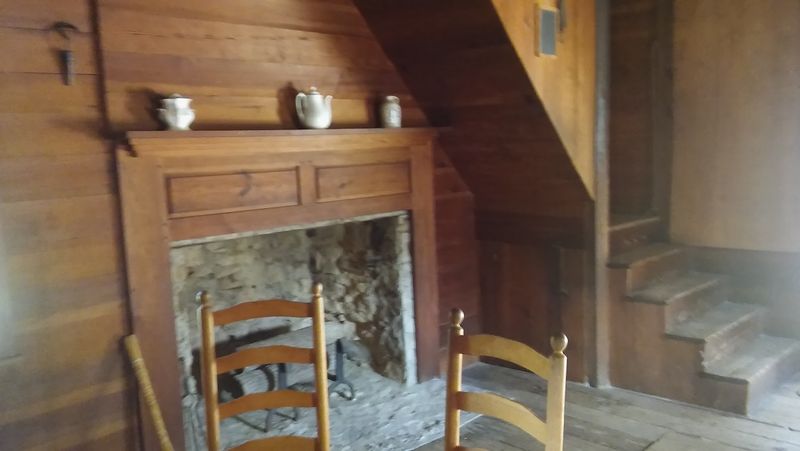
Imagine two famous generals squeezed into a small farmhouse room, talking over a plain wooden table. That scene really happened here, and more than once.
Sherman and Johnston met at the house several times over a span of days.
Their first agreement went further than expected, touching on big political questions. Leaders in Washington turned it down, so the generals had to return and try again.
On April 26, 1865, they signed simpler terms that matched what Lee had accepted in Virginia.
The result was huge. The agreement covered roughly 89,000 soldiers in North Carolina, South Carolina, Georgia, and Florida.
It became the largest troop surrender of the entire war. Not bad for a house most people had never heard of a month earlier.
Standing in that space, you may find it hard to believe so much was decided in so little room.
Rebuilt Walls That Tell an Old Story
Here is a surprising twist. The original farmhouse was lost to a fire in the 1920s, long after the generals had gone home.
For a while, all that remained was the memory and the land.
Local people refused to let the story fade. In the 1960s, the house and its kitchen were carefully rebuilt using old photographs and sketches as guides.
Some materials came from other historic buildings nearby, giving the structures an authentic, weathered feel.
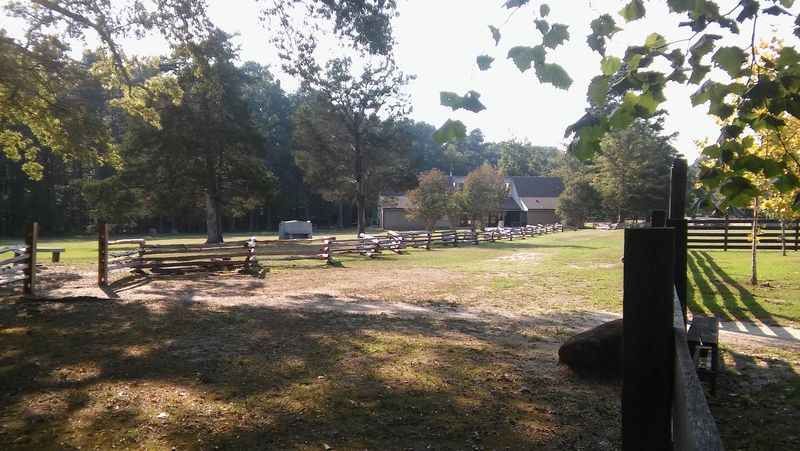
Walking up to the buildings now, you see a farm scene that looks much like it did in 1865. The smokehouse, the kitchen, and the main house help you picture daily life for a small farming family.
Visitors often mention how the reconstruction makes history feel real instead of distant. It is a lovely reminder that a community can protect its past when it cares enough to try.
Unity Monument and Peaceful Grounds
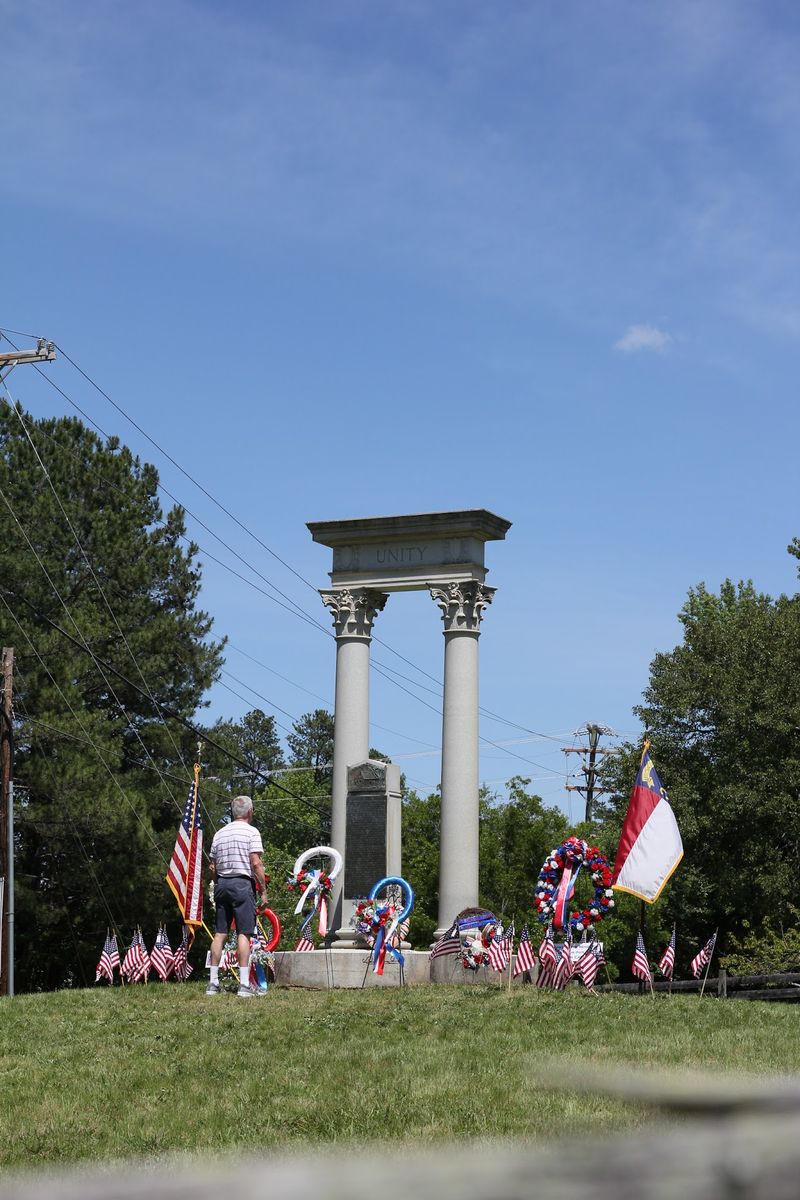
Two tall stone columns stand side by side on the grounds, joined at the top by a single stone piece. Known as the Unity Monument, it was built to honor the coming together of a divided nation.
Many guests pause here longer than they planned.
The symbolism is easy for kids and adults to understand. One column stands for the North, one for the South, and the top piece stands for unity.
It makes a great starting point for family talks about how people can heal after hard times.
Around the monument, the lawn and trees create a calm space to stroll. You will find markers that explain what happened and why it mattered.
Spring brings fresh green leaves, while fall adds warm colors to the scene. Bring a camera, because the light on the stone can look beautiful late in the day.
Visitor Center Exhibits and Living History Days
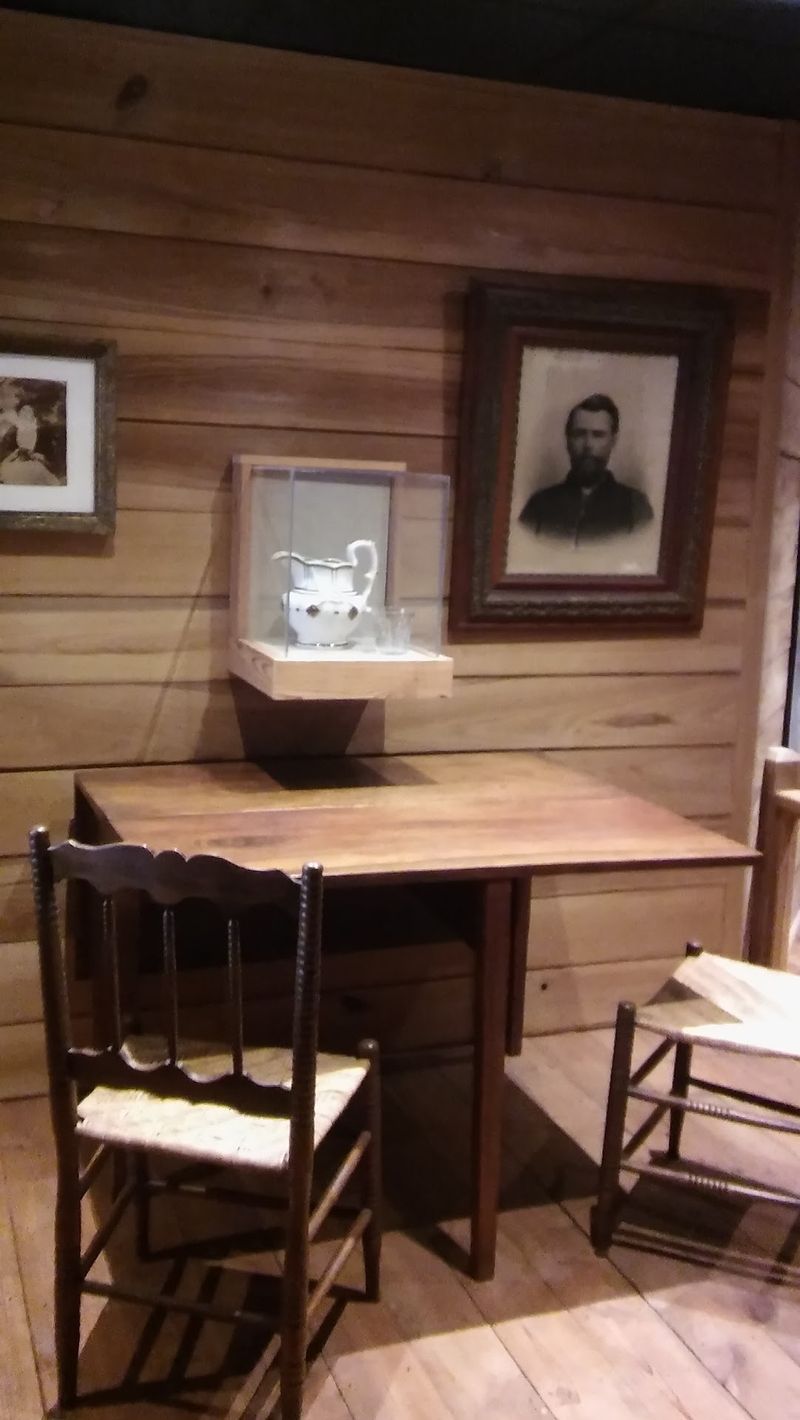
Curious minds will want to start inside the visitor center. Exhibits there explain the war in North Carolina and the meetings that unfolded at the farmhouse.
There is also usually a short film that sets the scene before you head outside.
Display cases hold items from the era, helping you connect names and dates to real objects. Kids often enjoy spotting old uniforms, letters, and everyday farm tools.
The details make the story feel personal rather than like a page from a textbook.
Throughout the year, the site has been known to host special programs. Reenactors in period clothing sometimes demonstrate camp life, cooking, and the routines of soldiers waiting for news.
Anniversary events in April can be especially popular. Because schedules can change, check ahead before planning a trip around a specific program.
Catching one of these days can turn a quick visit into a memorable afternoon.
Who Will Love an Afternoon Here
History fans are the obvious match, but they are far from the only ones who leave smiling. Families looking for a calm, educational outing will find plenty to talk about.
Students studying the Civil War get a real place to anchor their lessons.
The pace here is gentle. You will not find crowds pushing past you or loud attractions competing for attention.
Instead, there is room to wander, read, and ask questions at your own speed.
Budget-minded North Carolina explorers will also appreciate it. State historic sites are generally known for being friendly to the wallet, which makes this an easy add-on to a Durham day trip.
Pair it with a picnic, a nearby park, or lunch at a local diner. Couples, retirees, and solo travelers who enjoy quiet places with deep stories will feel right at home.
Planning Your Trip and a Final Word
Getting there is simple. Bennett Place sits in Durham, NC 27705, just off major roads that connect the Triangle area.
Most visitors arrive by car, and the drive feels easy for a half-day outing.
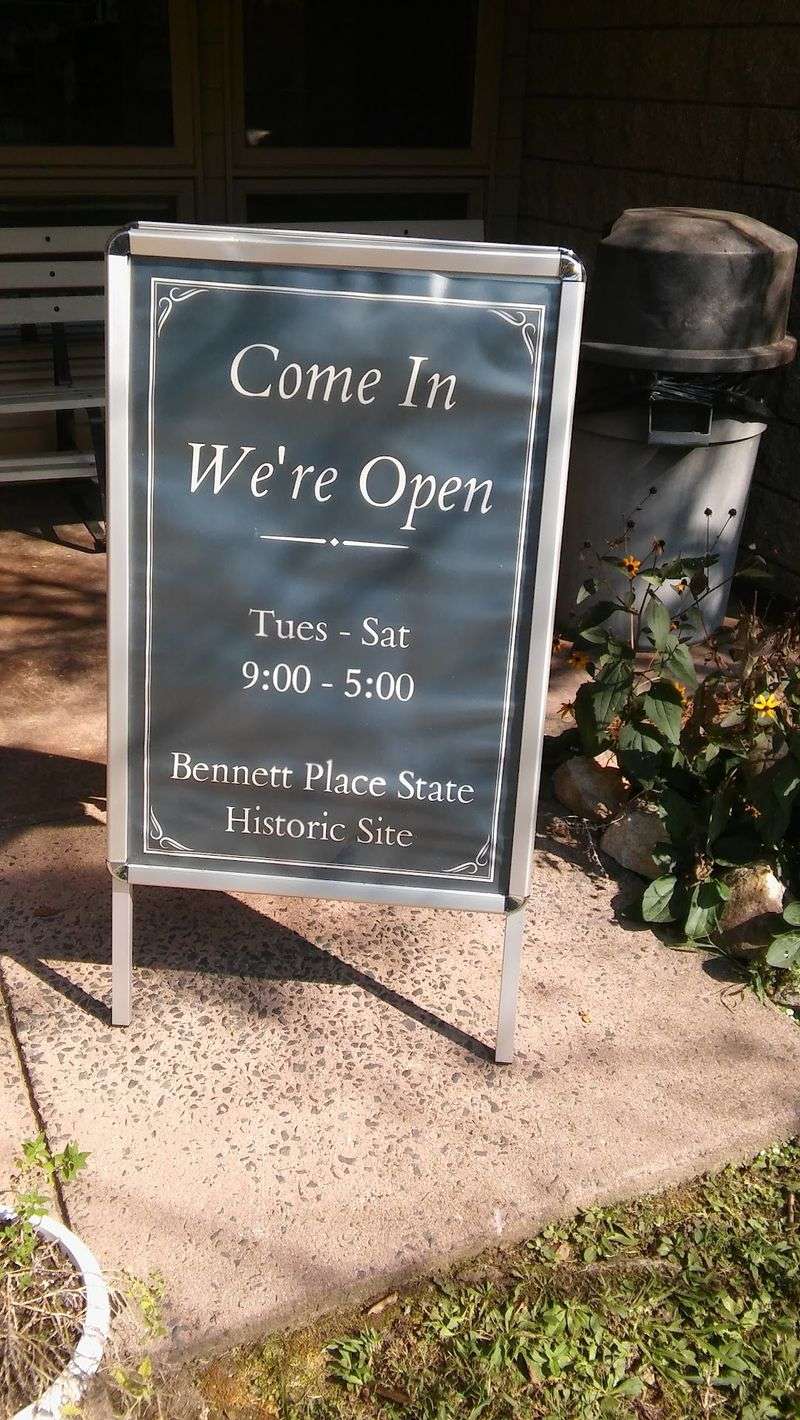
Hours, admission details, and special event schedules can shift with the seasons, so check the official North Carolina Historic Sites page before you go. Calling ahead is smart if you hope to tour the inside of the farmhouse or catch a guided program.
Wear comfy shoes, since you will be walking on grass and paths.
So is it worth the trip? For anyone who loves discovering quiet places with huge stories, the answer is likely yes.
A small house, a plain table, and two weary generals helped bring peace to thousands of families. Standing on that same ground may leave you thinking about it long after you drive home.
Share this story