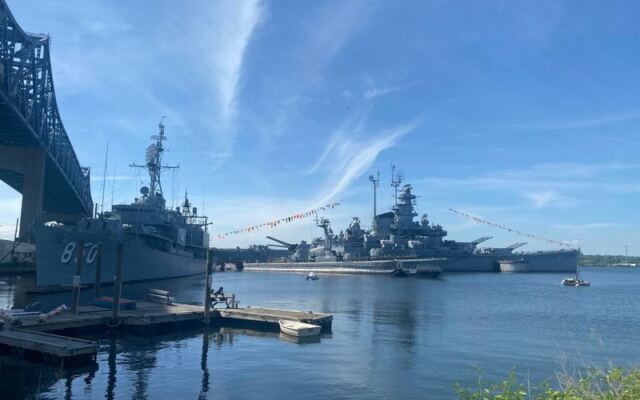
Most people drive past a riverfront in southeastern Massachusetts without realizing a full fleet of warships is parked right there, waiting to be explored. You can climb down narrow ladders, duck through steel hatches, and stand on the bridge of a battleship that once served in World War II.
It costs one easy day trip and no passport, yet it feels like a hidden chapter of history sitting close to home. Keep reading to learn which ship to tour first, what to wear, and how long to stay.
A Fleet Parked on the Taunton River
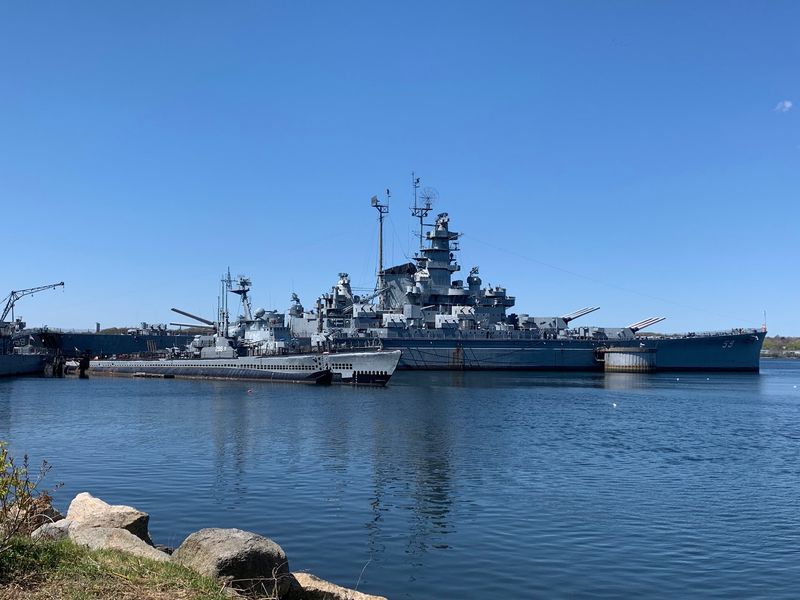
Few museums float, and this one does. Battleship Cove sits at 5 Water St, Fall River, MA 02721, on the South Coast of Massachusetts, right along the Taunton River.
The site works as both a maritime museum and a memorial to World War II Navy ships. It holds what is described as the world’s largest collection of US naval ships, all gathered in one walkable waterfront spot.
The headliners are easy to list. There is the battleship USS Massachusetts, the submarine USS Lionfish, the destroyer USS Joseph P.
Kennedy Jr., and several PT boats.
Having three major warships together with such open access is a big part of the appeal. Many people mention that one stop lets them see a wide range of naval history without driving between separate sites.
For Massachusetts residents, that means a full day of history sits just off the highway. The next question is which deck deserves your first footstep.
Big Mamie, the Star of the Cove
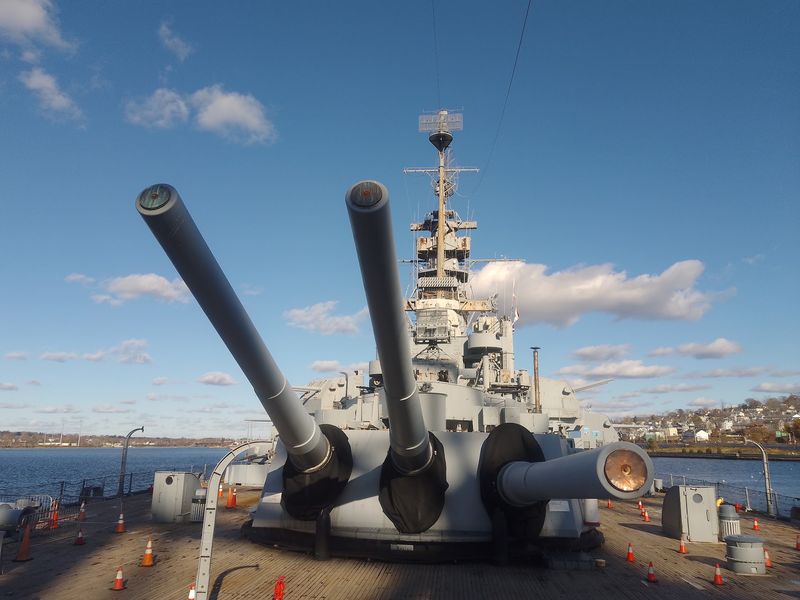
Sailors gave her a nickname that stuck: Big Mamie. The USS Massachusetts is a World War II battleship, and she anchors the whole collection.
Her size, weight, and big guns leave a strong first impression. She also houses a maritime museum inside, so the history lessons continue well below the main deck.
One detail stands out for battleship fans. A lot of the USS Massachusetts is open to explore, including areas that other preserved battleships often keep closed.
Stories and facts are posted along the route, explaining how a true battleship operated in her day. Learning how the crew lived and worked turns steel corridors into something personal.
A smart move is to head inside and down to the lowest compartments first. The lower decks hold more to see, so starting there saves energy for the upper levels later in the day.
She is the biggest ship here, and she earns every minute.
The View From the Bridge
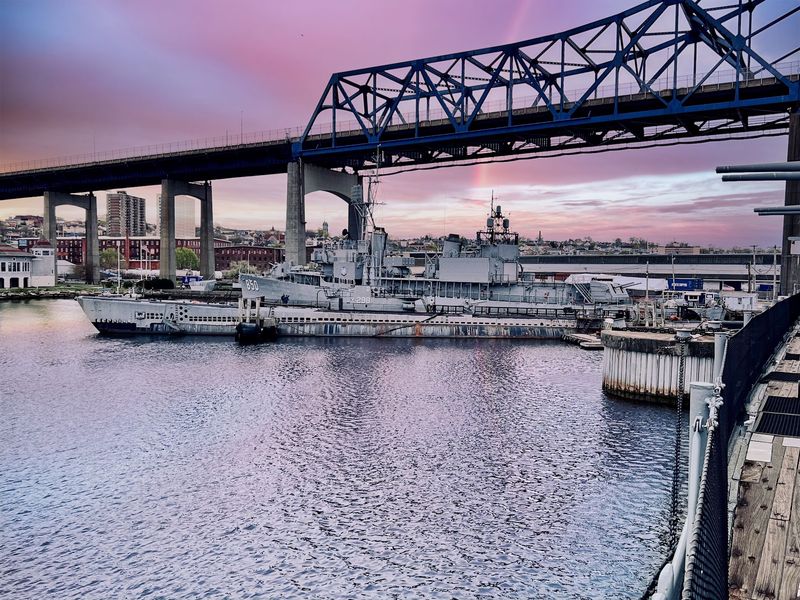
High above the main deck, the battleship’s bridge offers one of the best moments of the visit. Standing there and looking out through the bridge windows gives a captain’s-eye view of the water.
The scenery is a bonus many people do not expect. From the USS Massachusetts, the Taunton River stretches out below, and the nearby bridge frames the scene.
Getting up there takes some climbing, of course. Plenty of stairs lead to the top, so pacing yourself on the lower decks pays off.
Fall foliage season makes this perch especially appealing for a day trip. Clear autumn days are good for photos from the upper decks, and the Heritage trail nearby also gives fine views of the ships from land.
Bring a phone with plenty of storage. The bridge tends to be the spot where everyone suddenly becomes a photographer, and the river view rarely disappoints.
Tight Squeeze Aboard the Lionfish
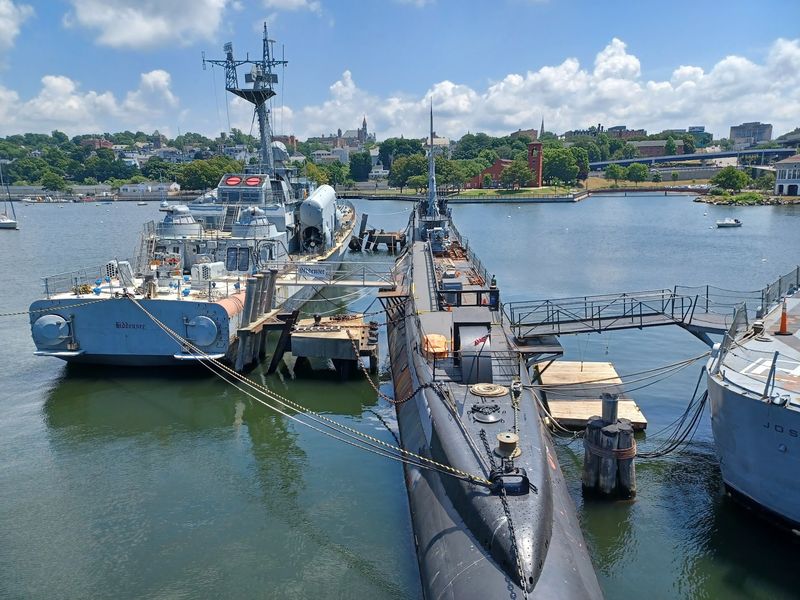
Personal space was not on the menu for submarine crews. The USS Lionfish, a World War II submarine, is famous here for just how cramped it is inside.
Many guests call the sub one of the best parts of the whole visit. It is also the quickest ship to tour, which makes it a popular first stop before tackling the larger vessels.
Walking through means ducking under pipes and squeezing past bunks in narrow spaces. Some spots are tight enough that larger adults may need to turn sideways, and anyone uneasy in small spaces should plan accordingly.
The Lionfish is also a working preservation project. Staff and volunteers can sometimes be seen restoring the sub, and at times it has been closed for repairs.
A donation box helps support that effort. Dropping something in on the way out is a simple way to help keep this piece of history afloat for the next generation.
Destroyer Decks and PT Boat Details
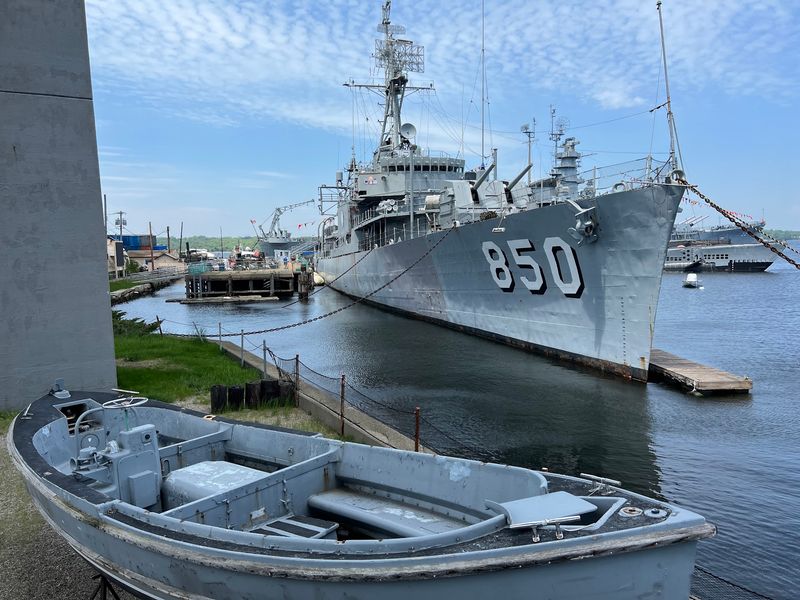
Second in size but not in interest, the USS Joseph P. Kennedy Jr. is a Vietnam-era destroyer.
Its presence stretches the collection past World War II into later decades of naval service.
Touring the destroyer takes less time than the battleship, but there is still plenty to explore. Some guests feel its upper decks are set up a little nicer inside than those of the bigger ship.
Knowledgeable staff members are sometimes stationed aboard. Running into one can turn a quick walk-through into a much deeper lesson about life at sea.
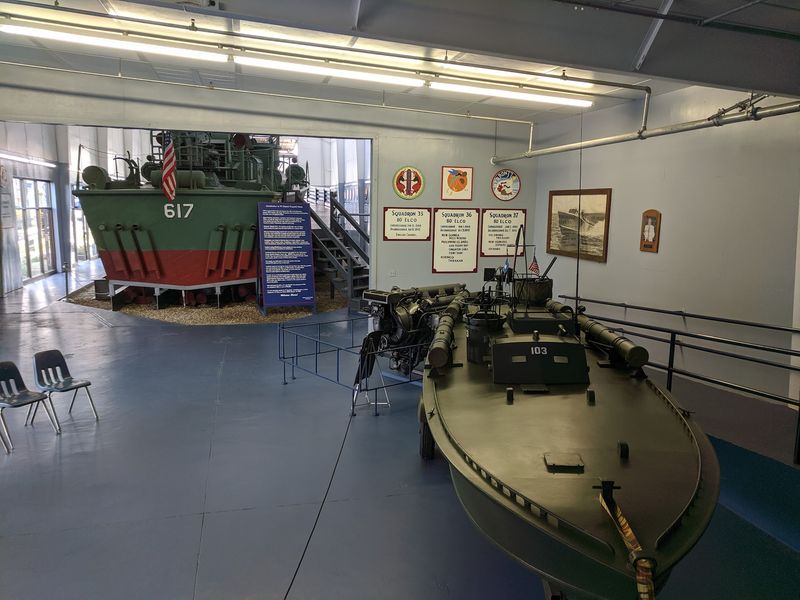
Then come the PT boats. These small, fast patrol craft offer a sharp contrast to the giants nearby, showing how varied the Navy’s fleet really was.
Seeing big and small vessels side by side helps the whole story click. A suggested order: sub first, destroyer second, battleship last.
Films, Tents, and Extra Exhibits
Not every lesson requires a ladder. A building near the ships plays several informative videos about naval history, and it often wins praise as a highlight.
At least five different videos run there. They cover history that many people say goes beyond what they learned in school.
The film building is a great option for anyone in the group who cannot manage the ships. Grandparents or friends with mobility limits can still enjoy a meaningful part of the visit.
Exhibits also fill nearby tents, and those are easy to miss. Make a point to stop in, since they add context about the ships and the history behind them.
Informational signs along the waterfront and Heritage trail fill in details too. A few guests wish for more labels inside rooms explaining their use, so reading ahead can help.
Knowledge here comes in many formats, and each one adds a piece.
Sleepovers in Sailor Bunks
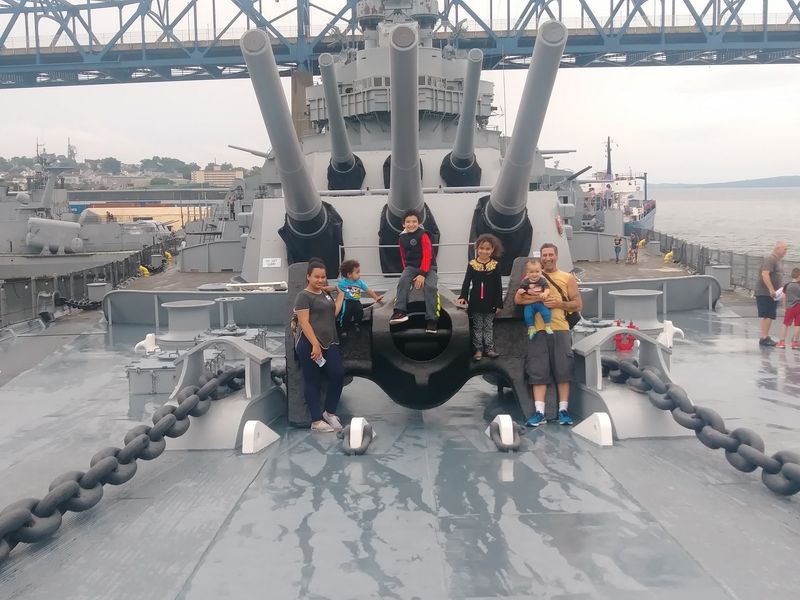
Scout troops have a special way to experience the cove. Overnight stays let groups sleep aboard the battleship in the original sailor bunk beds.
Cub Scout troops have returned for this more than once. The night usually includes exploring the battleship, the destroyer, and the submarine together as a group.
Day guests will pass through the interior deck set up with these bunks. Some find that section repetitive, since it shows row after row of similar sleeping areas.
Still, the bunks tell a story on their own. Seeing how many people packed into those spaces shows how crowded daily life aboard a warship could be.
For parents planning a scouting adventure, it is worth checking the official website for details on group programs. Few Massachusetts field trips let kids actually sleep inside history.
Lights out has never felt quite so historic.
Who Will Love It Most
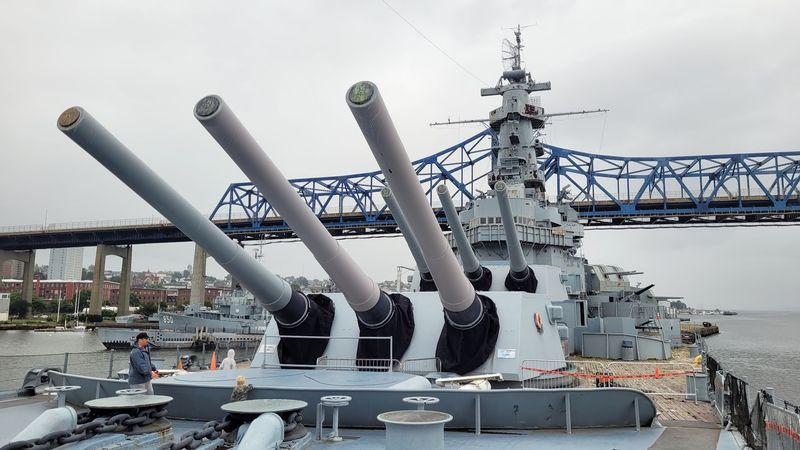
Kids tend to treat the ships like the world’s biggest jungle gym. Families with children as young as four and eight have spent hours here, and the little explorers often leave asking to return.
The self-guided format is a big draw. There is no set order, so groups move at their own pace and linger wherever curiosity strikes.
History fans get plenty too. People with relatives who served in World War II often come away with new appreciation for life aboard these vessels.
There are honest limits to consider. The ships involve steep stairs, ladders, narrow corridors, and high metal door frames to step over, so moderate fitness helps.
Anyone who dislikes tight spaces may find parts of the sub and lower decks challenging. Some areas also show their age, so watching your step makes sense.
Prepared visitors get the most from every deck.
Hours, Parking, and Smart Timing
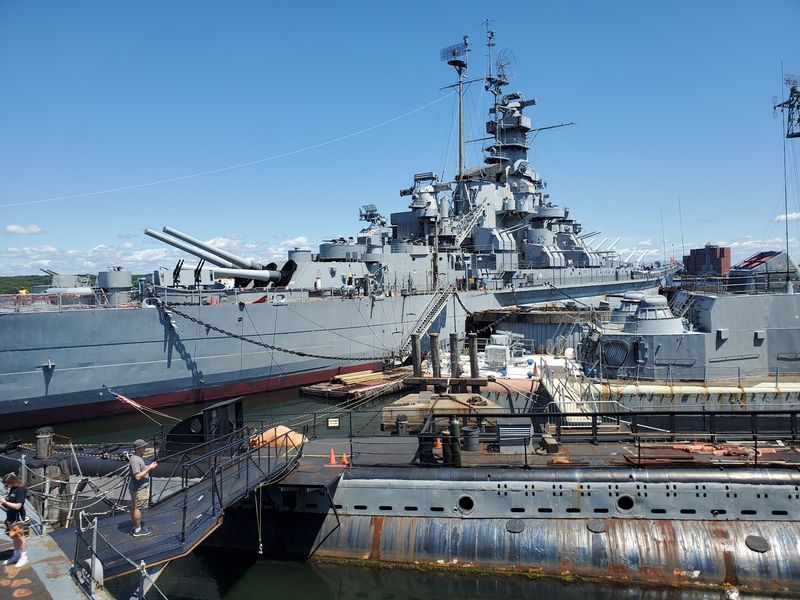
Timing matters more than most people expect. Battleship Cove is open daily from 9 am to 5 pm, but the last ticket sells around 3:30 pm.
Arriving near closing can mean missing the ships entirely. Aim for a morning start, since two hours is the minimum to see everything and three to four hours feels more comfortable.
Parking is free, which helps keep this an affordable outing. A carousel sits near the parking lot, and a boardwalk adds a pleasant walk along the water.
Footwear is a real safety issue here. Sneakers are the way to go, not sandals, because of all the steep stairs.
A cafeteria aboard the USS Massachusetts serves quick lunches at reasonable prices, plus drinks. Rainy days work fine too, since so much of the tour is inside.
For updates, check battleshipcove.org before heading out.
Why the Drive Pays Off
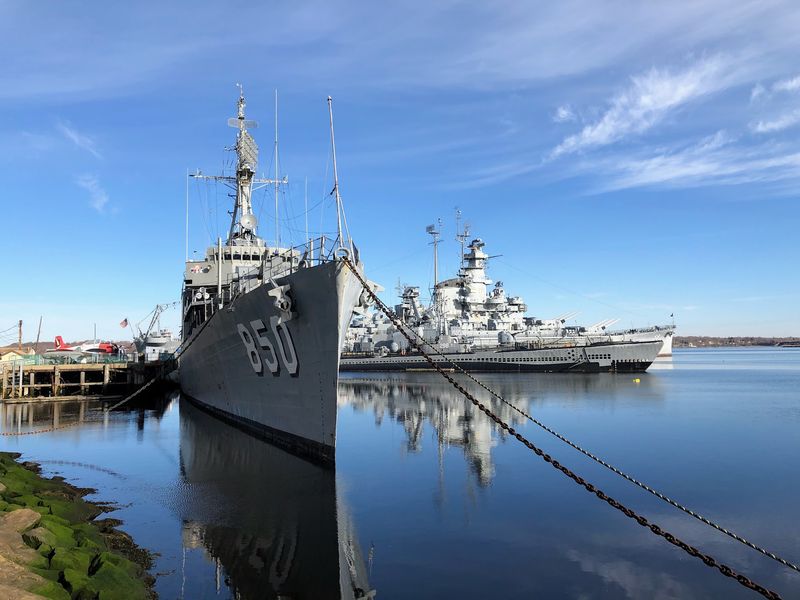
Some day trips fade from memory by dinner. This one tends to stick, thanks to the chance to touch history instead of just reading about it.
Families have traveled from Connecticut and New York to explore these ships. Massachusetts residents get the bonus of having it practically in the backyard.
The area stretches the day further. A maritime museum within walking distance shows ship models, including a large Titanic model, and a riverside restaurant nearby offers views of the battleship standing watch.
The experience is not polished everywhere. Some corners show wear, and certain displays could use more signs, yet most guests leave impressed by the sheer access.
Pick a crisp fall weekday, wear sturdy shoes, and start with the sub. By the time you reach Big Mamie’s bridge, you will understand why so many locals keep coming back, and why this waterfront deserves a spot on your list.
Share this story