Some of the best stops in Oklahoma are the ones you almost drive right past. A quiet turnoff, a few old brick buildings, and suddenly you are standing inside a story that spans more than a century.
I went looking for a quick break from the road and found cavalry legends, wartime secrets, and whispered tales of soldiers who never quite clocked out. If you love history with a little shiver mixed in, this spot deserves a place on your map.
A Frontier Post Off Old Route 66
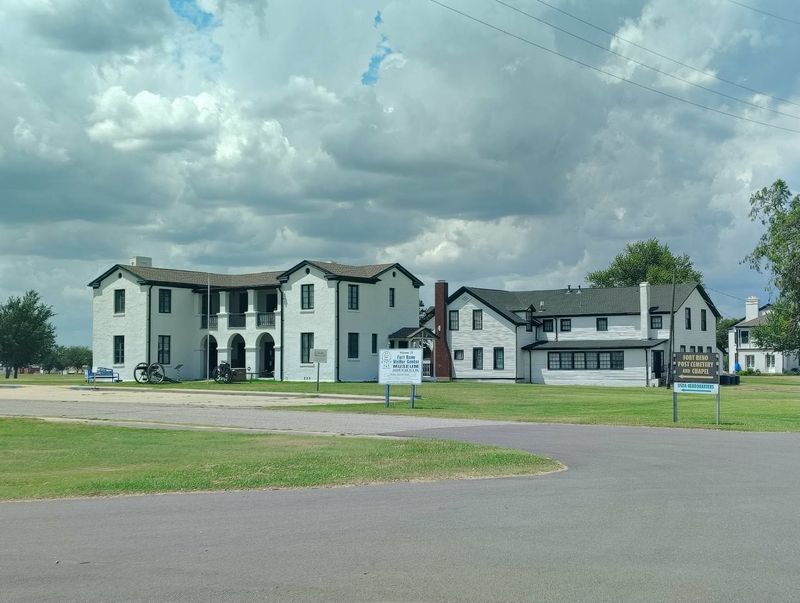
Just west of El Reno, on a stretch of historic Route 66, sits a cluster of old military buildings that many travelers never notice. Fort Reno lives at 7107 W Cheyenne St, and plenty of visitors admit they found it completely by accident.
That happy surprise is part of the charm.
Officially, it is a historical place with a museum, restored buildings, a parade ground, and a cemetery tucked far at the back. Unofficially, it is one of those Oklahoma spots that locals talk about with a grin and a lowered voice.
Stories passed around the area claim that uniformed figures still seem to wander the grounds once the sun goes down.
Nobody can prove those tales, of course, and they belong firmly in the folklore column. Still, walking across the open lawns, it is easy to see why the legends stick around.
The buildings feel like they are holding their breath, waiting for a bugle call.
Visitors often describe the place as having far more history than they expected. Some planned a five-minute peek and ended up staying for hours.
Whether you come for the past or the mystery, the fort rewards curiosity in a big way, and it asks very little of you in return.
Roots in the Indian Wars Era
Back in the 1870s, the plains of western Oklahoma looked very different. Fort Reno came to life during the Indian Wars period, when the Army set up posts across the frontier.
The site carries the weight of that complicated chapter in American history.
Guides and staff at the museum dig into this era with real care. Visitors say the tours cover the Indian Wars, the cavalry units stationed here, and how the fort’s purpose shifted over the decades.
It is not a quick slogan kind of history, and the people sharing it seem to know that.
Many guests leave saying they learned far more than they bargained for. One common takeaway is how the fort tied into the wider story of the region, including nearby agency and mission staff whose lives connected with the post.
That layered past gives the grounds a thoughtful mood.
Understanding these roots changes how you see everything else on the property. The parade ground stops being just a lawn, and the old walls stop being just walls.
Each corner seems to hint at the people who lived, worked, and waited here long before Route 66 ever brought road-trippers rolling by on summer vacations.
Horses, Mules, and a Famous Steed Named Black Jack
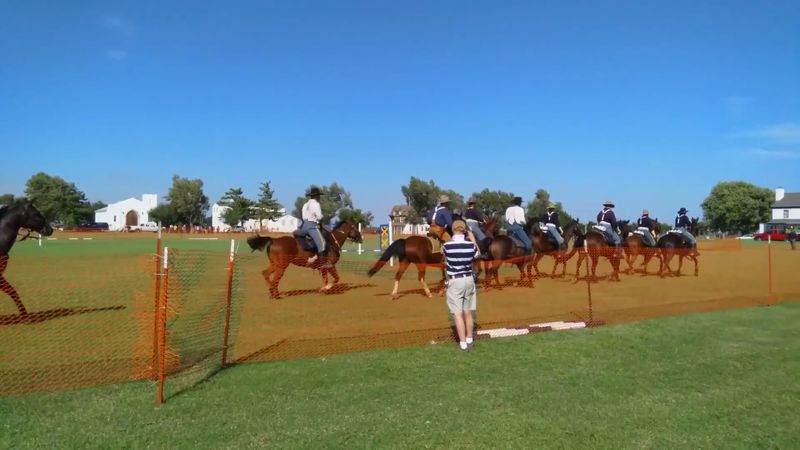
Here is a fun bit of trivia to bring to your next road trip conversation. Fort Reno once raised and trained horses and mules that supported military services around the world.
For a long stretch, the place was basically a giant classroom for four-legged recruits.
The most famous graduate is a horse named Black Jack. According to the fort’s history, he served as the riderless horse in more than 1,000 ceremonies at Arlington National Cemetery.
Those included the state farewells for Presidents John F. Kennedy, Lyndon B.
Johnson, and Herbert Hoover, plus General Douglas MacArthur.
Think about that for a second. A horse with Oklahoma roots stood at the center of some of the most watched moments in national history.
That is the kind of connection that makes a small museum suddenly feel enormous.
The cavalry spirit has not faded, either. The fort is home to the US Cavalry Association and has hosted a cavalry competition in September.
Horse lovers tend to light up here, and even folks who barely know a saddle from a stirrup walk away impressed by how much these animals meant to the country and to this patch of prairie.
Wartime Secrets of a Prisoner Camp
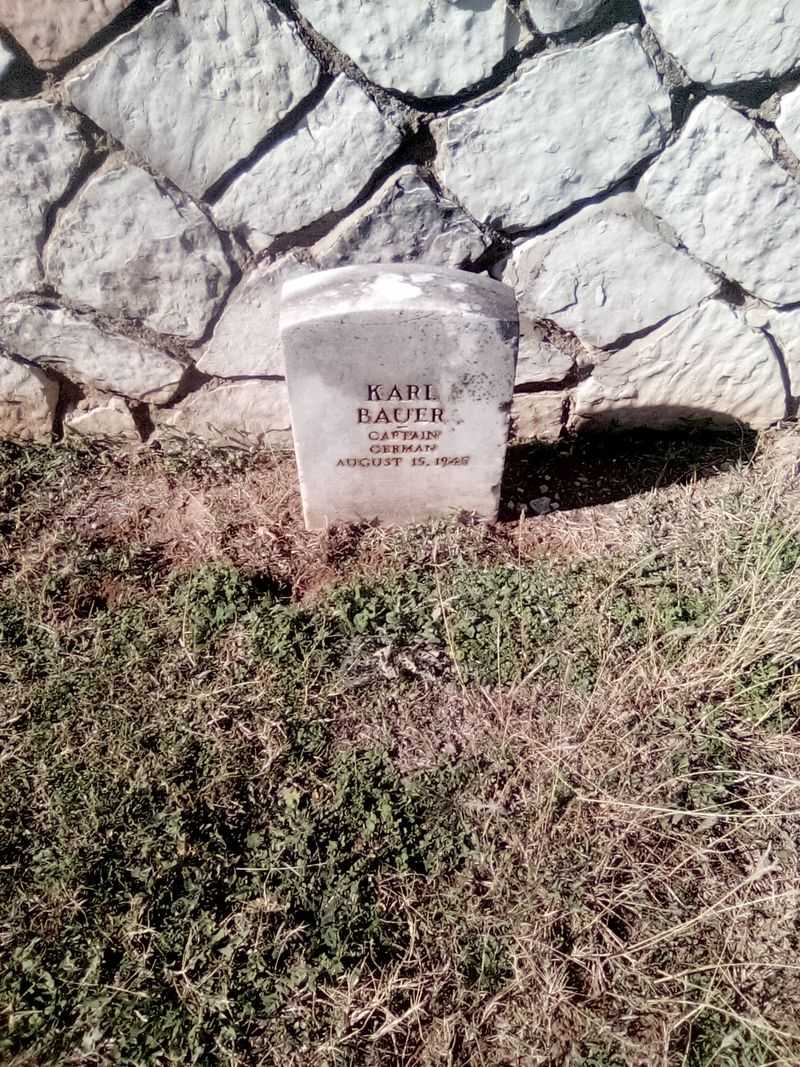
Few people driving through central Oklahoma would guess that this quiet post once held prisoners from overseas. During World War II, Fort Reno served as a prisoner of war camp.
German and Italian prisoners were kept here while the war raged on across the ocean.
Visitors frequently call this the detail that surprised them most. It flips the usual picture of the war, bringing a piece of that global conflict right into the Oklahoma countryside.
Guides also touch on the fort’s role during World War I, so the timeline keeps stretching in unexpected directions.
Standing on the grounds, you can almost imagine the strange mix of daily routines that must have played out. Soldiers, staff, and captive men all shared this flat, windy landscape for a time.
It is the kind of history that rarely shows up in textbooks.
Much of the legend about after-dark patrols seems to grow from this long, crowded past. With so many chapters layered on one site, locals have plenty of material for spooky campfire talk.
The facts alone, though, are compelling enough to make the trip worthwhile, no ghost sightings required to enjoy the stories this place holds.
The Cemetery Way Out Back
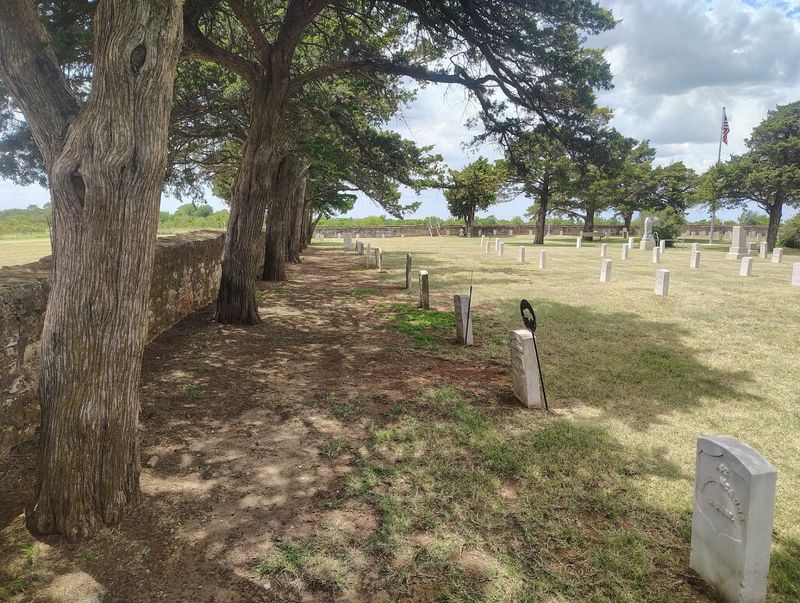
Ask almost anyone who has visited, and they will give you the same tip: do not skip the cemetery. It sits way at the back of the property, up a hill, and many guests recommend driving rather than walking.
The trip is short, but the mood shifts quickly.
Inside, you will find very old graves belonging to early soldiers, staff, their families, and some agency mission staff. The stones are weathered, the grass is tidy, and the quiet is the deep kind you rarely find anymore.
Visitors describe it as well kept and genuinely interesting to stroll through.
Then there is the separate section. Up and over a ladder at the back, a dedicated area holds German and Italian prisoners of war who passed while in custody.
Seeing their names on Oklahoma soil is a moving reminder of how far the war reached.
Not surprisingly, this hilltop is where many of the local ghost stories gather. Some say the patrols they imagine end right here.
Whether you feel a chill or simply a sense of respect, the cemetery tends to be the part of the visit people remember longest, and talk about most on the drive home.
Restored Buildings and the Museum Inside
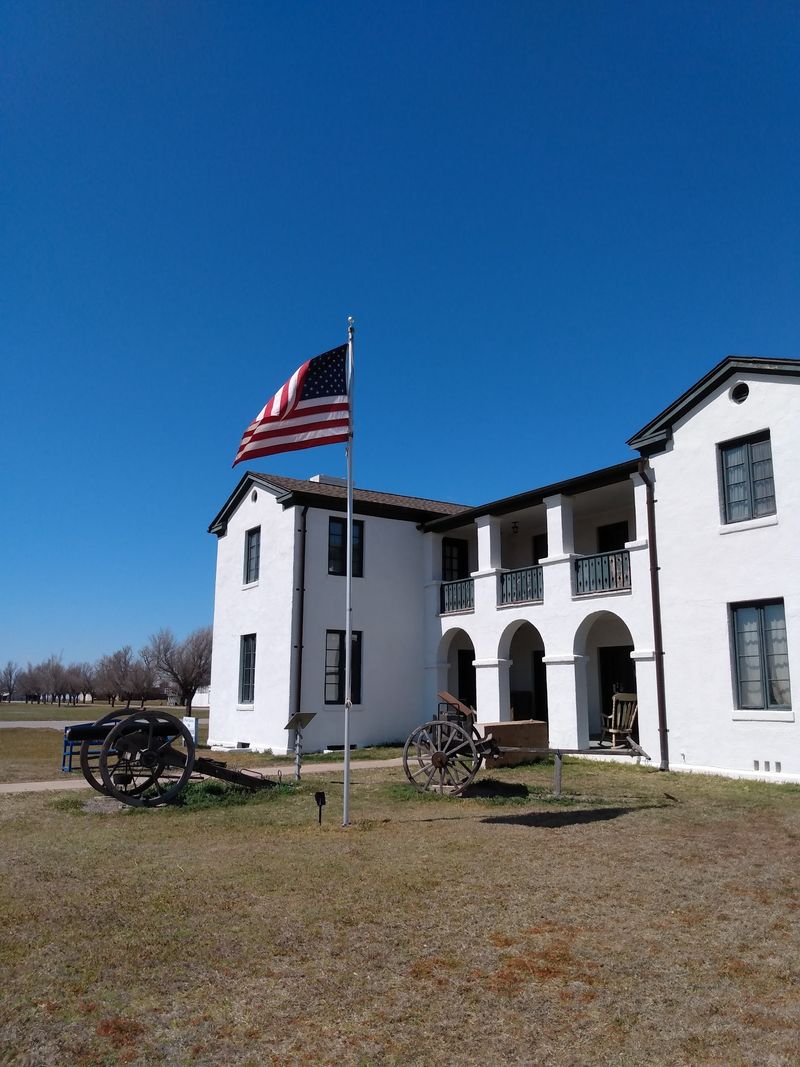
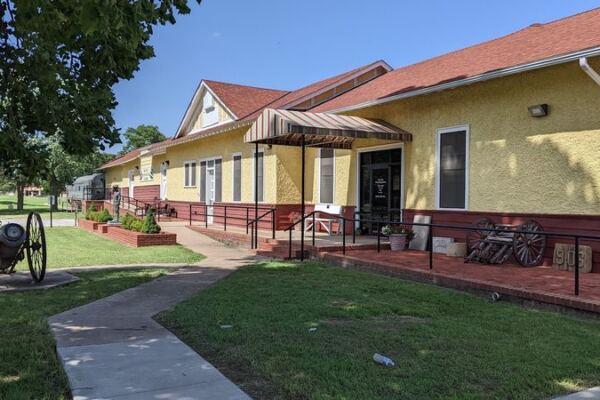
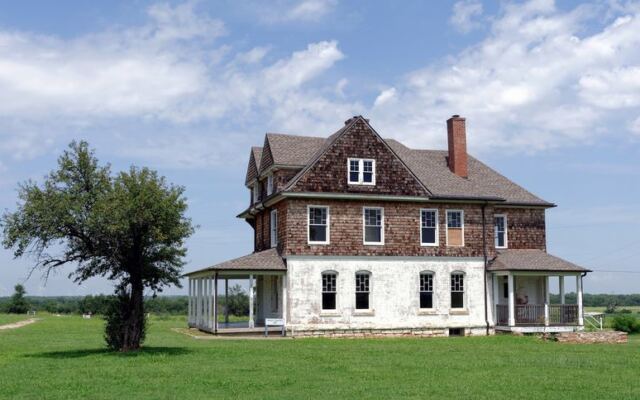
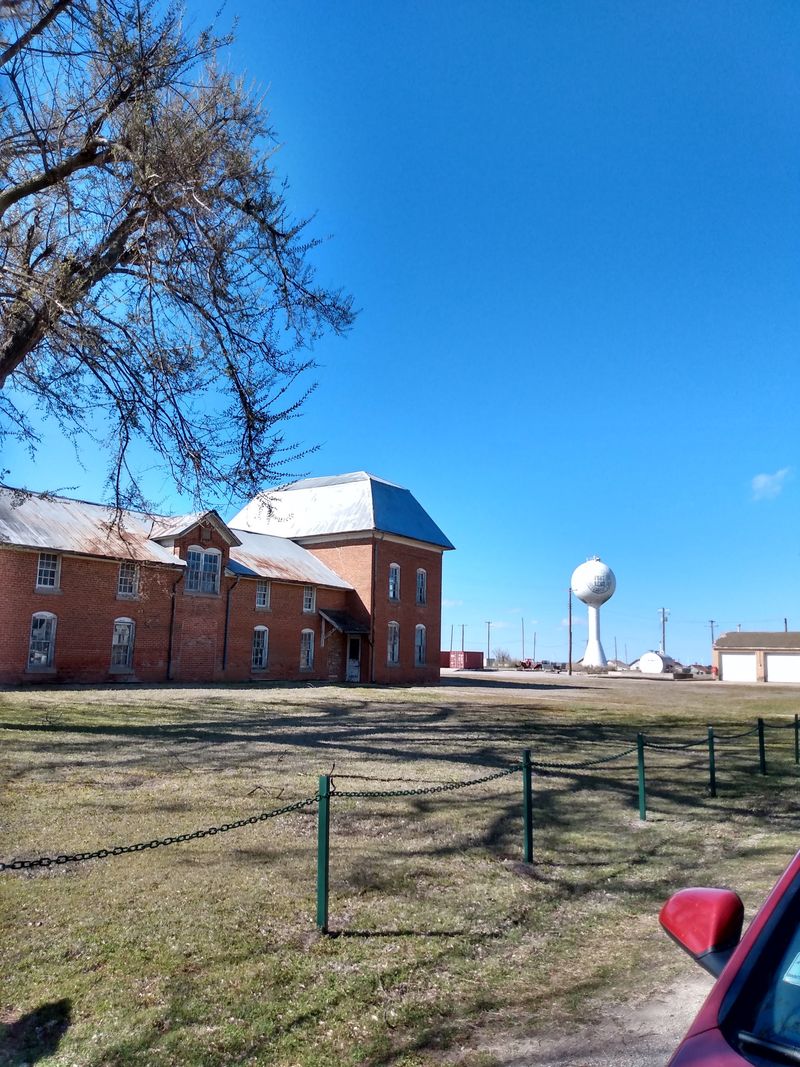
Picture a row of sturdy old buildings framing a grassy parade ground, some freshly restored and others still waiting their turn. That is the core of a Fort Reno visit.
Restoration is very much a work in progress, which gives the place an honest, lived-in feel.
The main building gets plenty of praise for its beauty. Not every structure is open to the public, since some are closed for safety, but there is still lots to see from outside.
One visitor mentioned that only a couple of buildings could be entered during their trip, yet they still found plenty to enjoy.
The museum itself is small but packed with documentation. Exhibits help you feel like you are stepping back in time, covering cavalry life, the wars, and the fort’s many uses.
Some guests note that many pieces are replicas rather than originals, and a few think the displays could use some polish.
Even so, the overall impression is warm. Most people leave feeling informed and glad they came.
Keep your expectations realistic about size, and you will likely appreciate how much story fits inside these modest rooms. The upstairs areas are not accessible, but the main museum floor is.
Deb and the Storytellers Behind the Desk
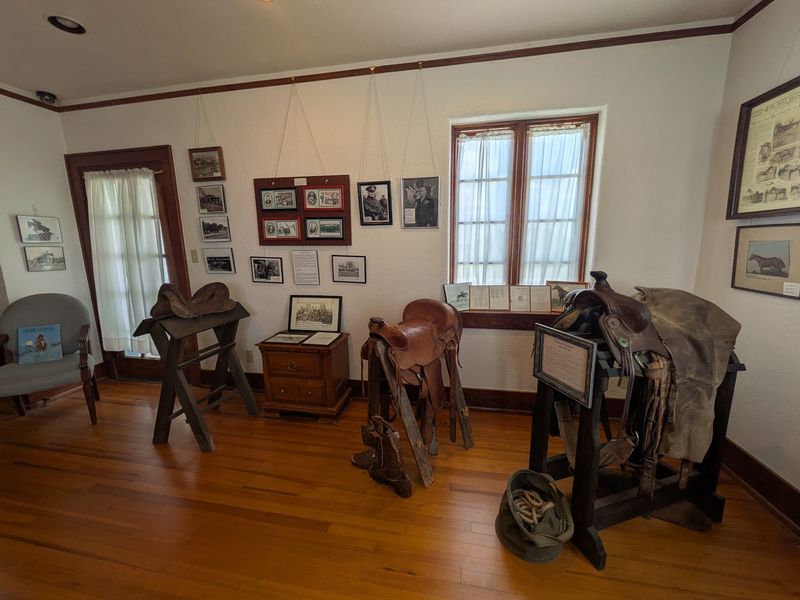
Sometimes the best exhibit in a museum is a person. At Fort Reno, that person is often Deb, and her name pops up again and again in visitor stories.
People call her a historian extraordinaire, the sweetest host, and someone you absolutely must chat with.
She and other staff members share the fort’s history with obvious passion. Guests mention long, friendly conversations at the museum desk that turned a quick stop into a highlight of the trip.
Deb has also spoken with visitors about the grant writing it takes to keep the place running.
Earlier tours have even featured reenactors, adding a dramatic flair to the storytelling. Guides have walked groups through the Indian Wars, cavalry life, and the world wars with energy that visitors still remember years later.
Some spent several hours touring and never felt bored.
Here is a gentle heads-up, though. The fort is run largely by volunteers, so someone may step away now and then.
If the museum is briefly closed, look for a note on the door and be patient. Wandering the grounds while you wait is a pleasant way to pass the time, and the conversation afterward is usually worth it.
Cannon Smoke at the Christmas Guns Ceremony
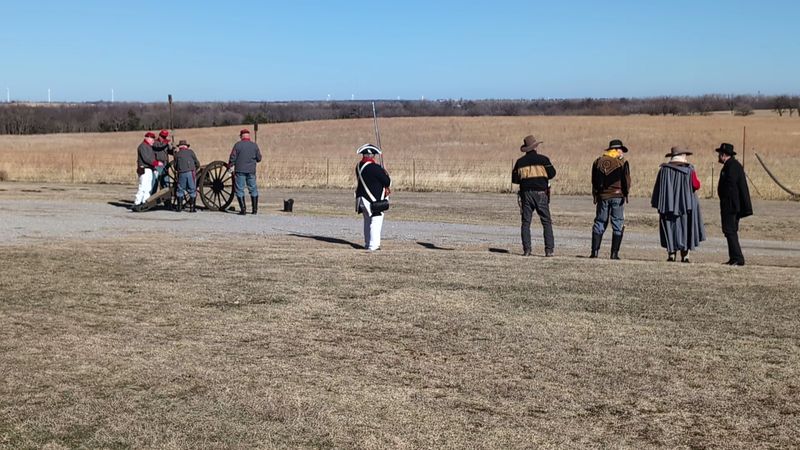
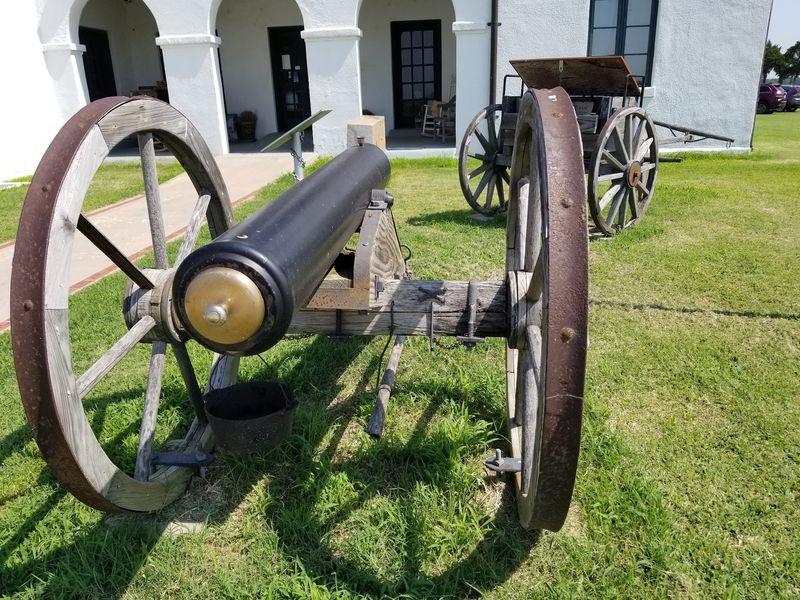
Boom! If you have ever wanted to hear an old cannon roar to life, mark your calendar for the holidays.
Fort Reno hosts a Christmas guns event paired with a wreath placing ceremony, and fans of history rave about it.
Visitors describe watching a real old cannon being fired, with pistol shots ringing out in between. The sound rolls across the open prairie in a way that photos simply cannot capture.
One family called it fantastic and urged anyone with even a slight interest in history to go.
The wreath placing adds a reflective touch to all that noise. It honors the people connected to the fort and gives the season a meaningful backdrop.
Combined with the cavalry heritage, it feels like a living tradition rather than a staged show.
Kids seem to enjoy these outings, too, though maybe not always for the reasons adults expect. One parent laughed that their nine-year-old was happiest just running circles outside with a friend.
Honestly, that counts as a win. Wide lawns, booming history, and room to roam make for a memorable winter outing that is quite different from the typical holiday light display.
Open Grounds, Big Skies, and Spooky Vibes
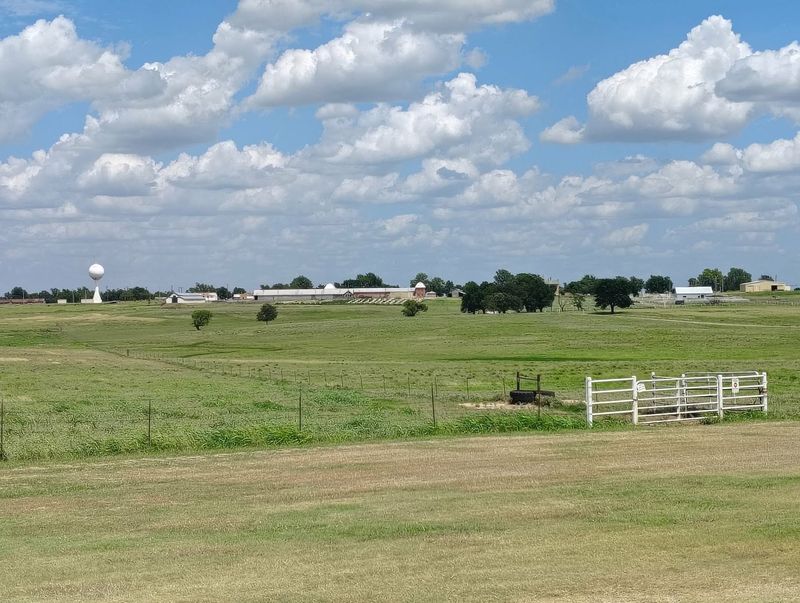
Sunlight, wide walkways, and long views define daytime here. Visitors love strolling the beautifully kept grounds and snapping photos of the old structures against the endless Oklahoma sky.
One road-tripper said the detour was worth it just for the views.
Much of the original post land now belongs to the US Department of Agriculture, which uses it for cattle grazing and prairie ecology research. That keeps the surroundings open and rural, adding to the frontier feel.
You get history and landscape in one easy package.
Who will enjoy it most? History buffs, cavalry fans, Route 66 travelers, and anyone who likes a dash of mystery should feel right at home.
Families can let kids stretch their legs, while quieter visitors can soak up the reflective mood near the cemetery.
As for the after-dark soldiers, consider them part of the local lore. The fort closes in the afternoon, so you will not be walking the grounds at midnight.
Still, as shadows lengthen near closing time, it is fun to imagine boots crunching across the parade ground. A little imagination goes a long way in a place with this many stories behind it.
Planning Your Visit: Hours, Fees, and Parking
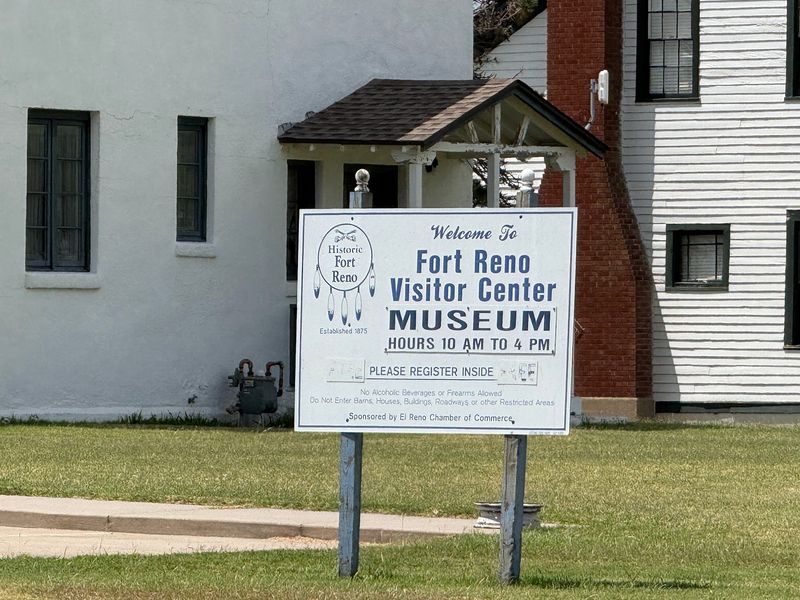
Timing matters, so plan around the schedule before you hit the road. Fort Reno is open Monday through Friday from 10 AM to 4 PM.
It is closed on Saturday and Sunday, which catches some weekend travelers off guard.
Admission is budget friendly. A recent visitor mentioned a $5.00 entry fee, while an earlier report listed $6 for adults and $4 for kids, so expect something in that range.
You can also explore a good amount outside even if you skip the paid museum.
Getting there is simple. Head west of El Reno along historic Route 66 to 7107 W Cheyenne St. Parking sits right outside, and the grounds offer wide walkways that are easy to navigate.
A few practical tips help. The museum floor is accessible, but upstairs areas are not.
Because volunteers run things, it is smart to call ahead at 405-262-3987 or check fortreno.org, especially if you are driving a distance. Meetings or short closures sometimes happen.
Finally, think about leaving a donation. Much of the operating budget comes from visitor gifts and local preservation groups, so every bit helps keep the doors open.
Why the Detour Earns Its Spot
One visitor called Fort Reno a national treasure that few people bother to explore, and that line sums it up nicely. It is small, a bit rough around some edges, and absolutely bursting with stories.
Few roadside stops pack this much into a quiet patch of prairie.
You get the Indian Wars era, the cavalry legacy, a famous horse tied to presidential farewells, a World War II prison camp, and a hilltop cemetery that stays with you. Add friendly volunteers and a sprinkle of ghostly local lore, and the mix feels uniquely Oklahoman.
Is it perfect? Not quite.
Some buildings need serious care, a few exhibits lean on replicas, and the museum is modest in size. Yet those imperfections remind you that preservation takes work, and your visit actually helps.
For Route 66 travelers, it is a quick, rewarding detour. For history lovers, it could fill an entire afternoon.
And for anyone who enjoys wondering whether the past ever really leaves, the fort offers plenty to ponder. Go on a weekday, talk with the staff, climb to the cemetery, and see if you sense those patrols for yourself.
Share this story