Some of the best surprises in Oklahoma hide behind plain brick walls and quiet parking lots. I walked in expecting a quick look around and walked out hours later, hungry for lunch and still curious about creatures older than the plains themselves.
Giant skeletons, strange skulls, and hands-on dig pits turned a simple stop into a trip I keep thinking about. If you love a place that quietly outshines what you expected, keep reading.
A Campus Treasure on Chautauqua Avenue
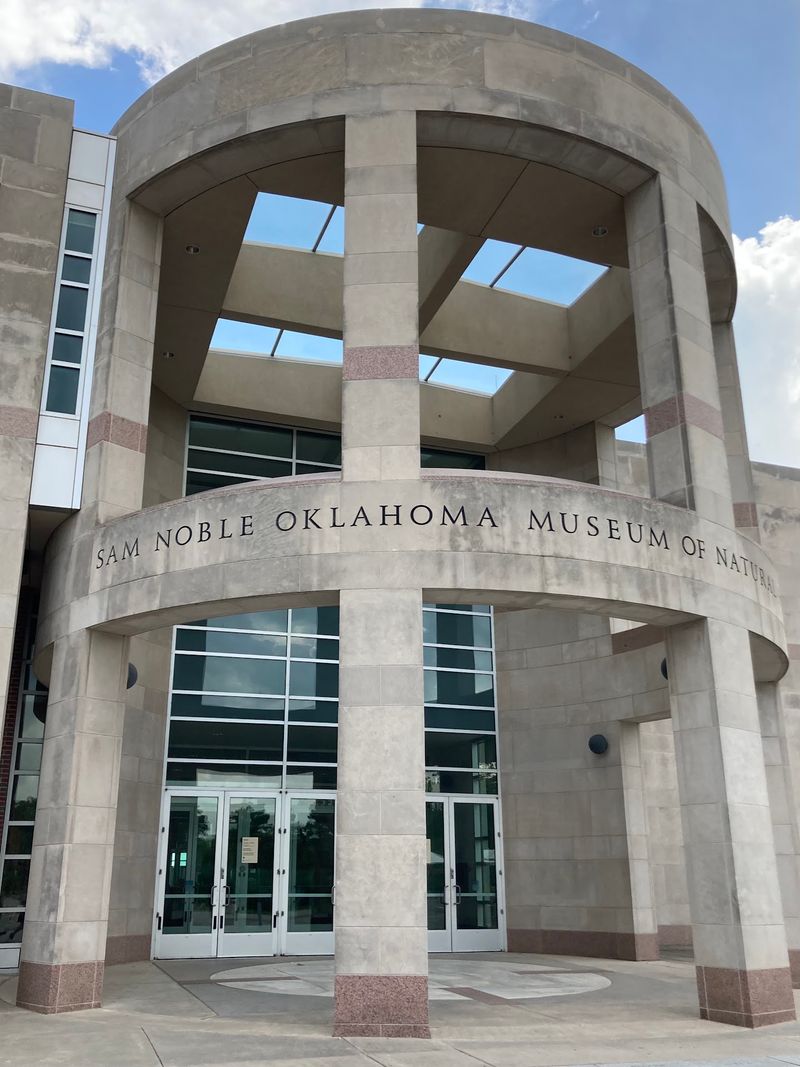
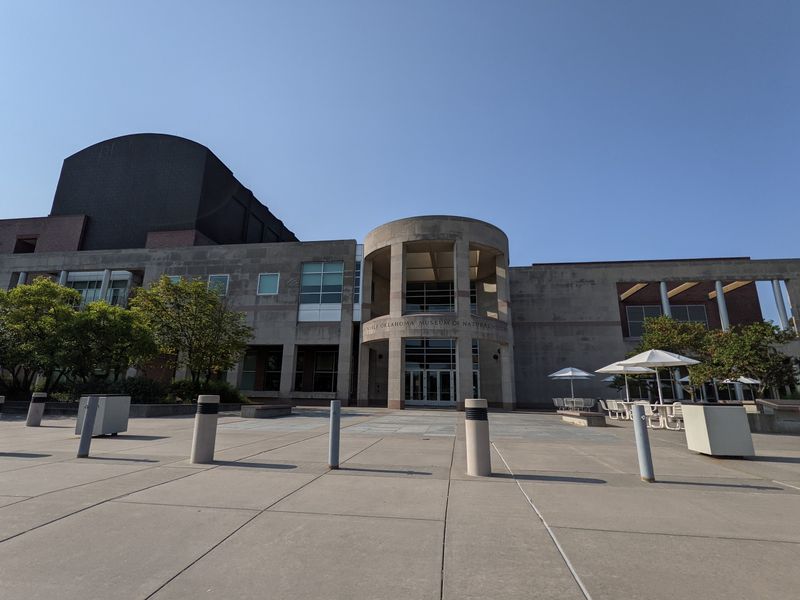
Tucked onto the University of Oklahoma side of town, the Sam Noble Oklahoma Museum of Natural History sits at 2401 Chautauqua Ave in Norman. From the street, it looks like a tidy campus building.
Step inside, though, and you find one of the most talked-about natural history museums in the state.
The museum focuses on artwork, artifacts, and dinosaur bones. Its exhibits trace natural and cultural history across a jaw-dropping span of time, reaching back roughly 4 billion years.
That is a lot of story to pack into one building, and somehow it all fits without feeling cramped.
Visitors often describe it as the best museum in Norman, and some go further and call it the best in Oklahoma for anyone who loves anthropology. Being part of the OU campus gives it an academic backbone.
You can sense that research energy in how carefully the displays are labeled and arranged.
For road-trippers cruising through central Oklahoma, it makes an easy detour. Norman is close to Oklahoma City, so the museum pairs well with a day of exploring the metro.
Plan on staying longer than you think, because most people do.
Four Billion Years in a Single Afternoon
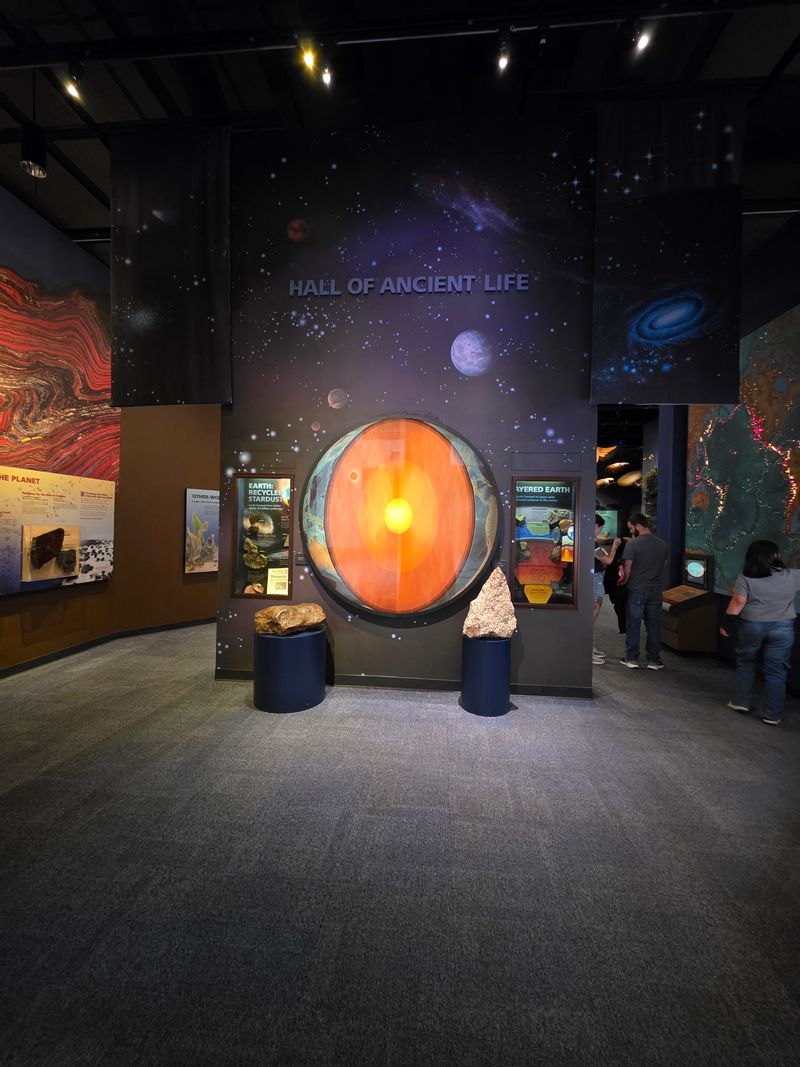
Imagine strolling from the earliest chapters of Earth to the present day before your stomach starts growling for dinner. That is the basic promise here.
The museum’s exhibits chronicle natural and cultural history stretching back about 4 billion years.
What makes the journey work is how much of it ties back to Oklahoma itself. Guests regularly point out that the museum feels tailored to the state, from ancient life that once roamed this land to the people who shaped its more recent past.
Instead of a generic world tour, you get a story with a hometown accent.
Each section is documented in plain, everyday language. One family noted that the content was presented in layman’s terms that everyone in their group could follow.
That matters when you are trying to keep a curious 10-year-old and a history-loving grandparent equally engaged.
Longtime visitors say the depth is real. One guest mentioned coming for nearly two decades and still finding new things to learn.
Another family admitted they have visited many times and still have not read every panel. Consider it a museum that rewards return trips rather than one quick checklist visit.
Towering Dinosaur Skeletons
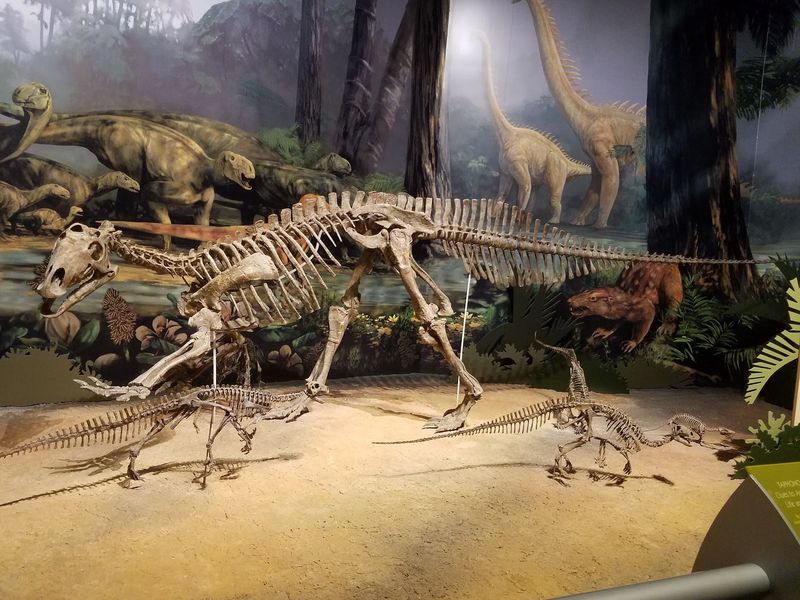
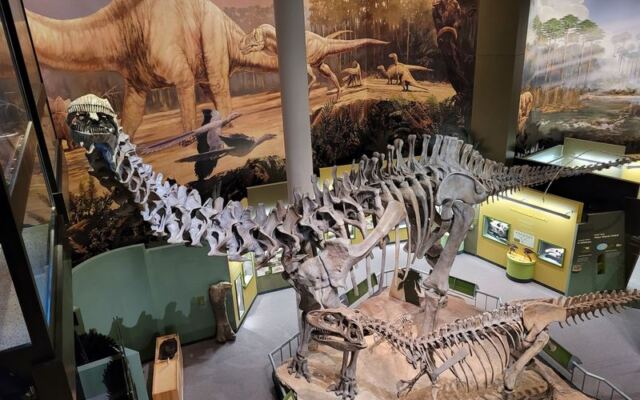
Neck craned, mouth open, eyes wide. That is the pose almost everyone strikes on entering the dinosaur hall.
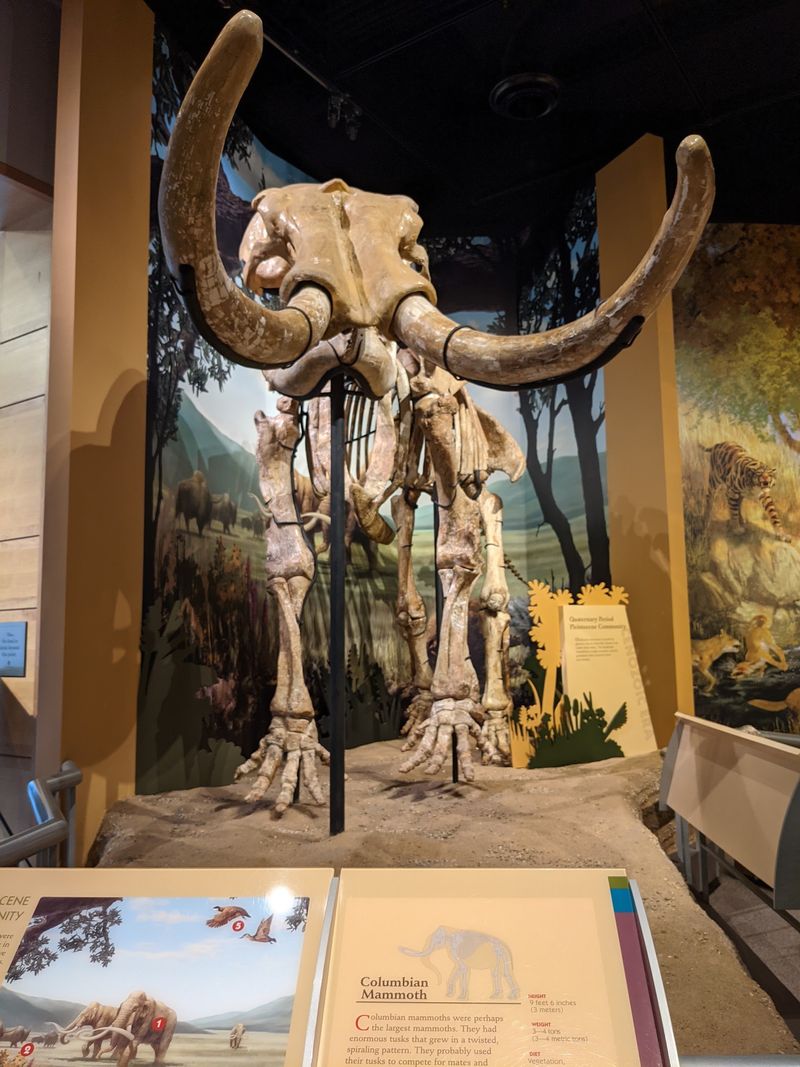
Dinosaurs are, by far, the most talked-about feature of this museum, and it is easy to see why.
The mounted skeletons are huge. A parent who brought a 12-year-old son said the sheer size of the dinosaurs amazed them both.
Another family called it the best museum they had seen for dinosaur bones, praising how each section was clearly explained.
There is something almost humbling about standing beneath a creature that walked this region long before any highway or town existed. The bones feel less like museum props and more like a doorway into a lost world.
Kids tend to sprint ahead, while adults linger to read every label.
One visitor drove about an hour and a half because their daughter had been begging to see dinosaur bones. They ended up staying around three hours, soaking in the giants and everything around them.
If your crew has a dinosaur fan, and most crews do, this hall alone justifies the drive. Bring a camera, and maybe a little patience for photo requests.
The Pentaceratops Skull and Other Showstoppers
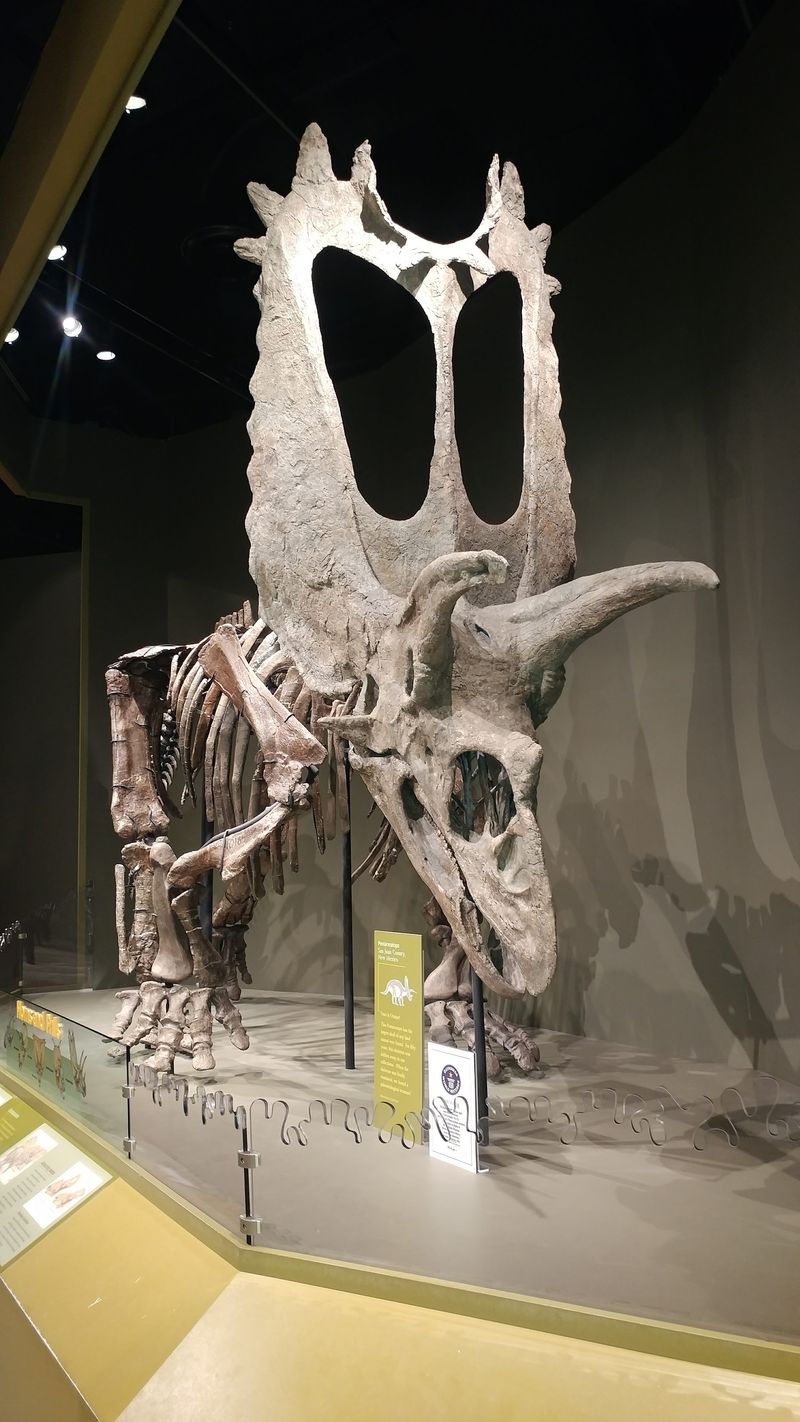
Few fossils make people stop mid-sentence quite like a giant horned skull. Among the museum’s most memorable pieces is a Pentaceratops skull, a name that comes up again and again when visitors swap highlights.
Pentaceratops was a cousin of the better-known Triceratops, famous for its sweeping frill and horns. Seeing a skull like that up close helps you grasp just how big these plant-eaters were.
Photos rarely capture the scale, so the in-person moment hits differently.
Skulls in general are a recurring favorite. Guests mention them often when describing what stuck with them after leaving.
There is a certain thrill in studying the shape of an ancient head, picturing the animal that once carried it across prehistoric landscapes.
Fun fact: the name Pentaceratops roughly means “five-horned face,” even though some of those horns are really bony cheek spikes. Kids love that kind of trivia, and it makes a great conversation starter on the drive home.
Take your time around this display. Walk all the way around if you can, and notice how the frill flares out.
It is one of those quiet museum moments that feels bigger than a single exhibit case.
Fossils Far Beyond the Famous Dinosaurs
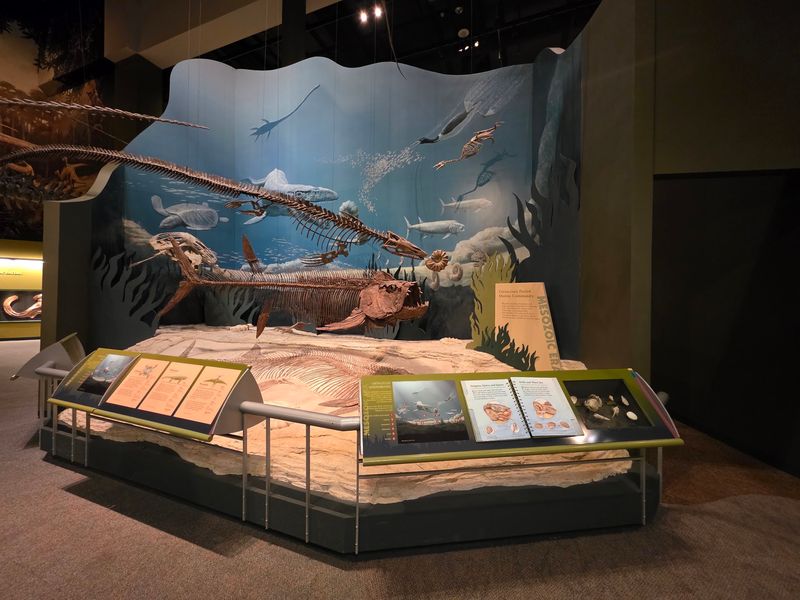
Dinosaurs grab the headlines, but the quieter cases deserve your attention too. Fossils of all kinds fill the galleries, and they rank among the most mentioned features after the big skeletons.
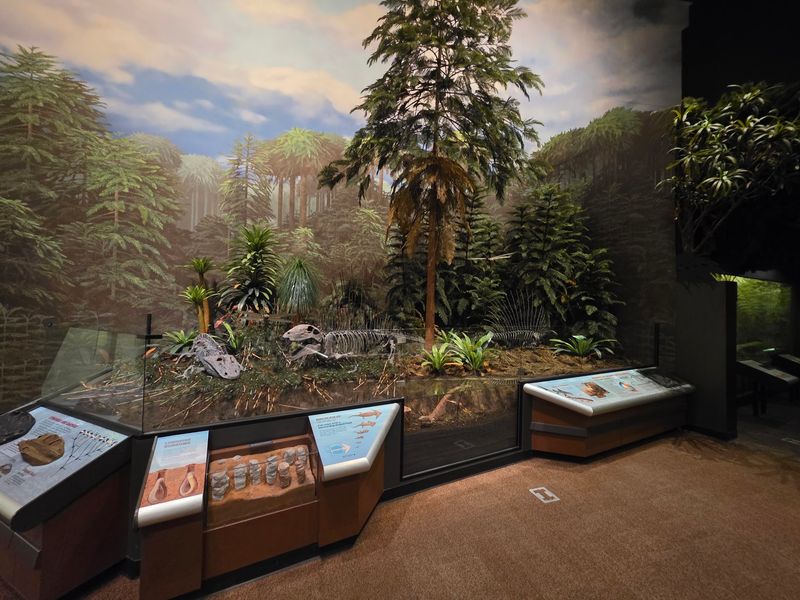
Wandering past these displays feels a bit like flipping through Earth’s old photo album. Tiny sea creatures, ancient plants, and long-gone animals each tell a piece of the story.
Many relate directly to Oklahoma, a reminder that this landlocked state has a surprisingly wild prehistoric past.
Guests appreciate how well organized everything is. One visitor praised the museum as clean, orderly, and fascinating, adding that there was simply so much to see.
The layout guides you through without making you feel lost or rushed.
Patience pays off here. Read a few labels slowly instead of skimming, and you start noticing patterns in how life changed over millions of years.
Some visitors say certain sections feel more academic, which makes sense for a museum connected to a university.
If you love the hunt for small details, this is your playground. Bring curiosity, comfortable shoes, and a willingness to lean in close.
The fossils reward the kind of visitor who enjoys discovering something others walk right past.
Digging Fun Inside the Discovery Room
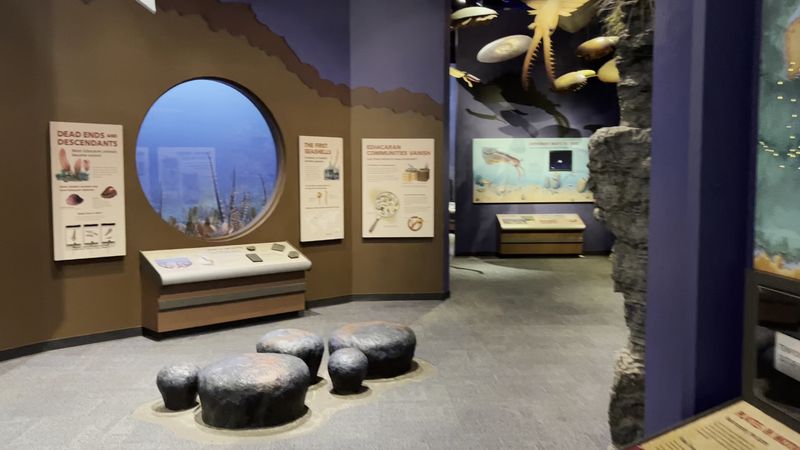
Little hands, big brushes, and buried treasure. The Discovery Room is where younger guests get to act like real paleontologists, and families talk about it constantly.
Inside, kids can dig for fossils and work on puzzles. One parent described it as a kid play area that kept their children happily busy.
Another called it an amazing activity room for little ones who want to interact rather than just look.
For parents, this space can be a lifesaver. After an hour of reading signs and walking galleries, small kids often need a break that still feels connected to the adventure.
Letting them uncover a “bone” of their own turns what they just saw into something they can actually touch.
It also sparks great questions. A child who finds a pretend fossil tends to want to know what animal it came from, which sends everyone back into the halls with fresh excitement.
That loop of play and learning is exactly what makes the room so popular.
Plan some time here, especially with preschoolers or early elementary kids. You might find the grown-ups sneaking a turn with the brushes too.
Nobody has to know.
Hands-On Exhibits and Pop-Up Quizzes
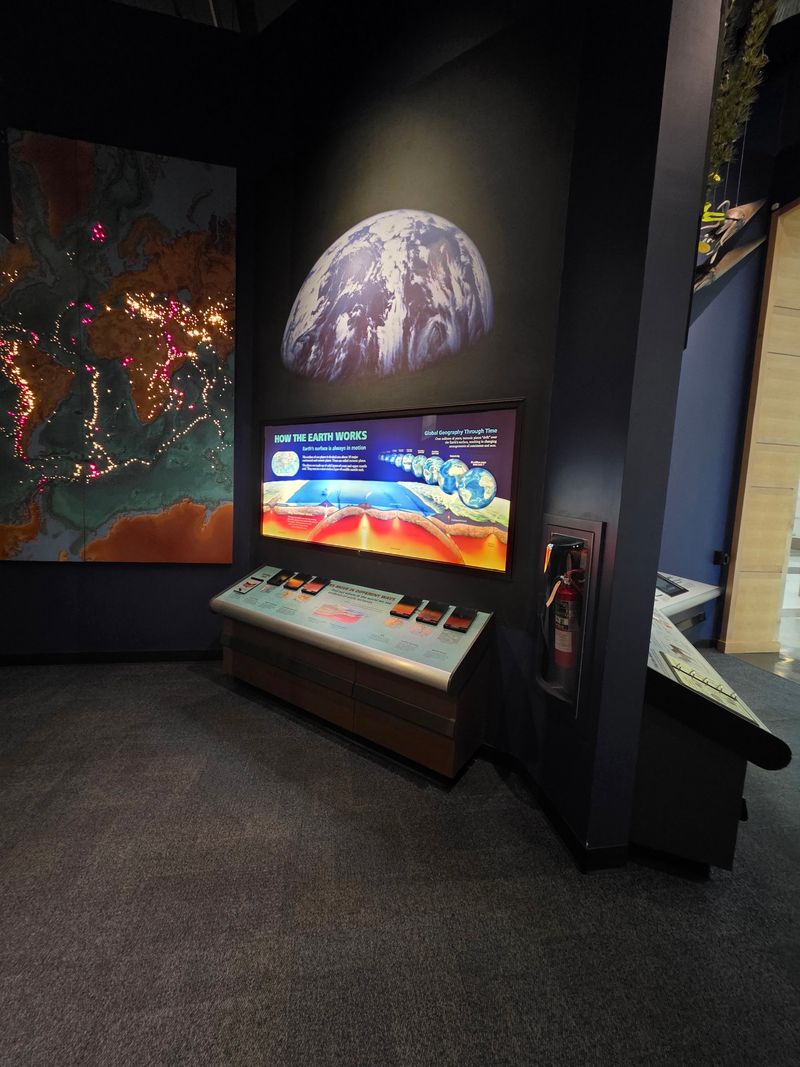
Ever caught yourself guessing an answer before reading the sign? The museum leans right into that instinct.
Interactive exhibits show up throughout the building, and they are among the features guests mention most.
One visitor loved that questions are sprinkled through the displays, giving you a chance to test what you already know. It turns a walk through history into a friendly little game.
Even adults find themselves keeping score.
These touch points are not only for small children. A parent who brought a 15-year-old said she had a blast and loved the whole place.
They spent a couple of hours and felt they could have stayed a couple more, thanks to the steady stream of interactive stops.
Other guests describe the touching opportunities as a big part of what keeps history feeling tangible. Reading about an ancient animal is one thing.
Handling, pressing, and exploring brings it to life in a way that sticks.
For mixed-age groups, this balance is gold. Younger kids get buttons and textures, older kids get challenges, and adults get rich content underneath.
Everyone walks away with a slightly different favorite, which makes the car ride home far more interesting.
Native American Heritage and Oklahoma’s Human Story
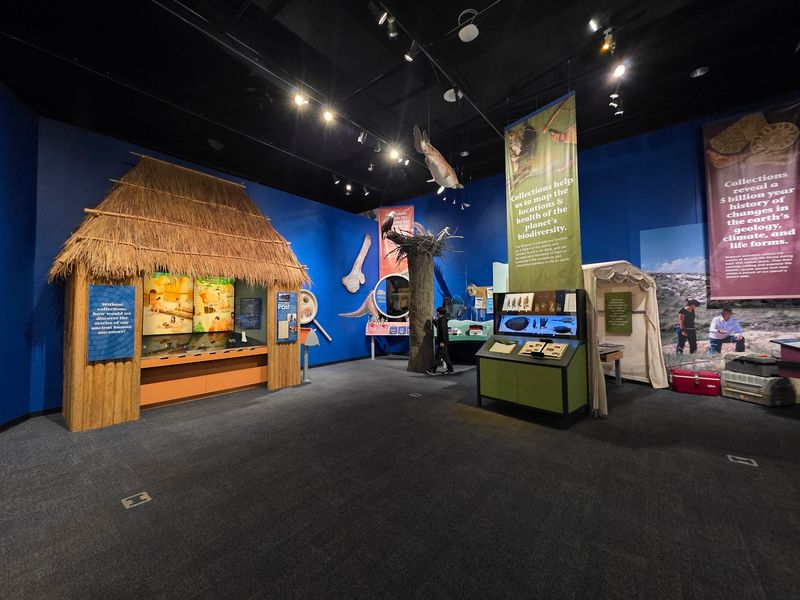
Bones tell only part of the tale. Beyond the prehistoric halls, the museum explores Oklahoma’s human history, and visitors single out its Native American exhibit as a real highlight.
One guest who listed dinosaurs as a favorite also called the Native American exhibit amazing. That combination says a lot about the museum’s range.
You can go from ancient giants to the cultures and artwork of the people who have called this land home, all in one visit.
The exhibits cover many aspects of Oklahoma’s history, according to a regular who has been visiting for years. Artwork and artifacts sit alongside natural history, creating a fuller picture of the state.
For anyone curious about how Oklahoma became the place it is today, this section offers meaningful context.
Aspiring anthropologists and history buffs especially seem to connect with this part of the building. The displays are thoughtful, and the museum’s university ties show in the care given to cultural material.
Slow down here. Read the stories, study the craftsmanship, and let the objects speak.
It is a quieter, more reflective stretch of the museum, and many visitors find it one of the most memorable parts of the day.
Wildlife Galleries, a Rainforest, and a Narwhal
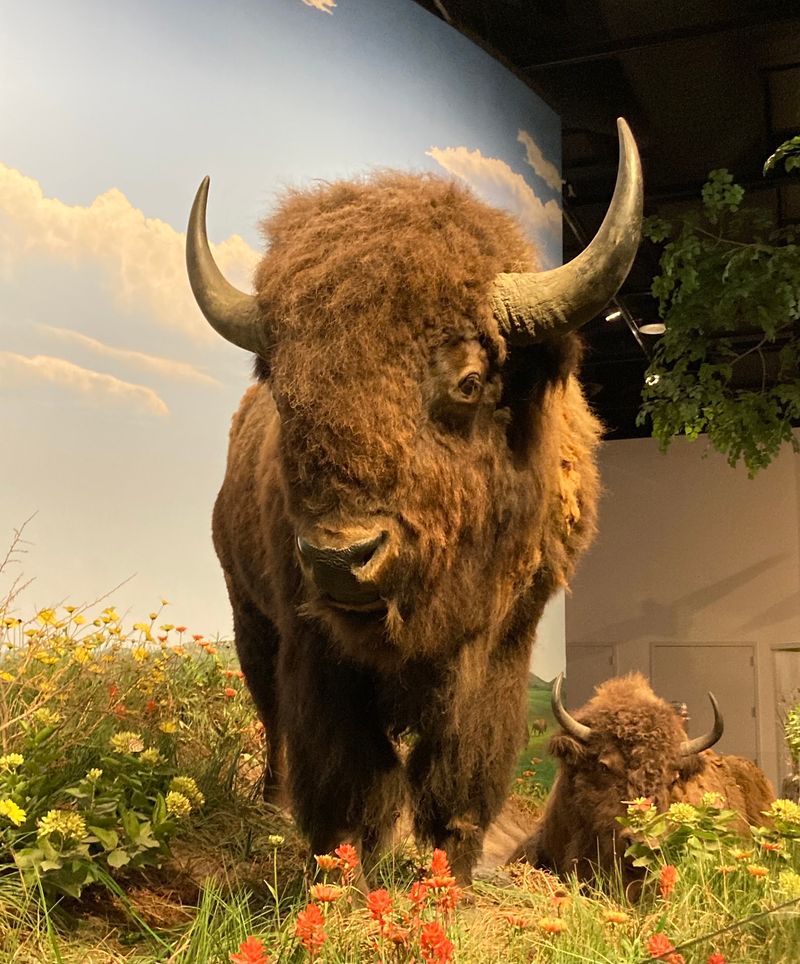
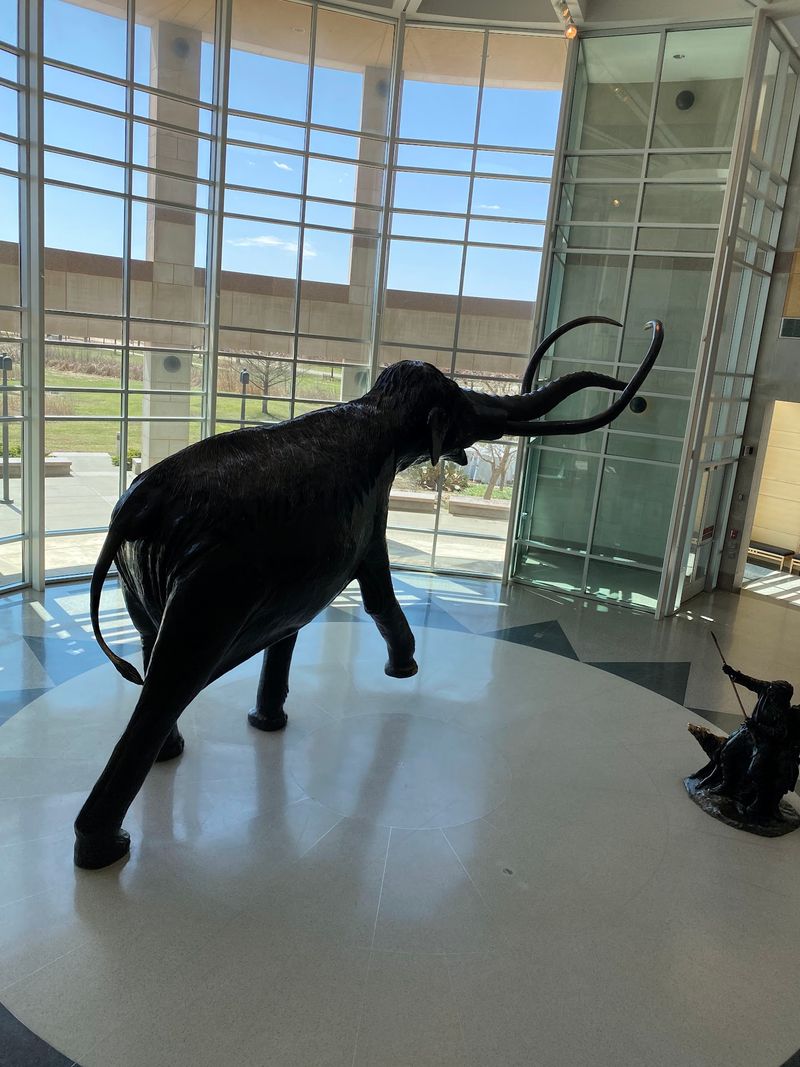
Picture a narwhal, that unicorn of the sea, sharing a building with prairie critters and a rainforest. Odd neighbors, sure, but it works.
The museum’s animal exhibits bring together a surprising variety of creatures.
Wildlife of Oklahoma earns plenty of love from visitors. Seeing familiar local animals displayed in detail gives you a fresh appreciation for what lives in the woods, rivers, and plains around you.
It might even inspire your next hike or float trip.
Then come the curveballs. A rainforest exhibit and a narwhal exhibit both pop up in visitor chatter.
They add a dose of global wonder to a museum that otherwise keeps its heart firmly in Oklahoma. Kids especially get excited about that long spiral tusk.
One parent summed it up simply: tons of dinosaurs, plus exhibits featuring all different types of animals. That mix keeps energy high as you move from room to room.
Just when attention starts to fade, something new and unexpected appears.
Animal lovers could easily spend an hour in these galleries alone. Take a moment to compare creatures from different habitats.
The contrasts make for fun family debates about which animal is the coolest.
Rotating Exhibits and Weekend Extras
Already seen the dinosaurs? Good news: there is often a reason to come back.
Visitors say most of the temporary displays are worth a special trip on their own.
Rotating exhibits keep the museum feeling fresh, even for longtime fans. Because the permanent collection is already so deep, these extras act like bonus chapters.
Checking the museum’s website before you go is a smart way to see what is currently on view.
Weekends bring added fun. According to one family who visits often, extra activities pop up on weekends at least once a month.
Those events give kids something new to look forward to and make repeat visits feel like a fresh outing.
Memberships come with perks too. The same family mentioned special offers for members, which could make sense if you live nearby or plan to return several times a year.
For locals with young kids, that kind of setup turns the museum into a reliable go-to spot.
One small heads-up: a couple of visitors noticed a section closed off during their trip. Exhibits change and sometimes need work.
Calling ahead at 405-325-7977 can help you avoid surprises if there is something specific you hope to see.
Cool Air, Clean Halls, and Easy Access
Pack a sweater. Seriously.
One guest gave a cheerful warning to wear warm clothing because the air conditioning runs strong to help preserve the exhibits.
That chill turns into a perk during an Oklahoma summer. A parent noted the museum is a great place to take kids during the hot months, and it is hard to argue with that logic.
When the pavement is sizzling outside, a cool, quiet hall full of fossils sounds pretty perfect.
Cleanliness comes up often. Visitors describe the museum as clean, well organized, and beautiful, and families mention tidy bathrooms too.
One traveler added that it was never crowded during their visit, which made exploring feel relaxed.
Accessibility gets thoughtful attention. There is an elevator for guests who need it, and one longtime supporter praised how easy it is for everyone to get around.
A visitor with a sore back did mention needing to sit often, so plan for breaks if long walks are tough for you.
Staff warmth is another theme. Guests repeatedly describe the museum team as friendly, courteous, and helpful.
That welcoming tone sets the mood from the moment you walk through the door.
Who Will Love It Most
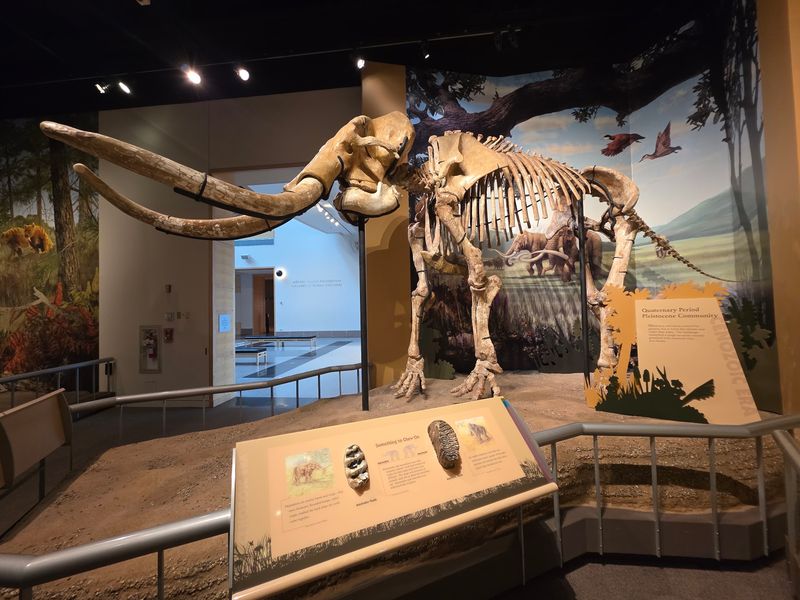
Toddlers, teens, grandparents, and grad students all find their way here. Visitors often describe the museum as fantastic for all ages, with plenty for kids to touch while still offering real depth for adult history buffs.
Young children seem to have the easiest time falling in love. Dig pits, puzzles, and towering skeletons make for a wonderland.
Several guests flatly say young kids will adore it.
Teens can surprise you. One parent watched a 15-year-old have a blast, and a 12-year-old boy left impressed by the dinosaurs.
Interactive quizzes and hands-on displays help keep older kids engaged.
Adults who enjoy reading and digging into details get a lot out of it too. Some visitors feel parts of the museum lean toward archaeology and anthropology students, which fits its campus home.
For curious grown-ups, that depth is a bonus.
To be fair, not everyone leaves thrilled. One group of adults and a teenager found it less exciting than they expected, and another guest felt some areas were slower than others.
If your group craves fast-paced action, set expectations.
Teachers, though, appreciate that the museum accepts purchase orders, making it a solid option for student groups and field trips.
Hours, Prices, and Getting There
Timing your trip right makes everything smoother. The museum is open Tuesday through Saturday from 10 AM to 5 PM, and Sunday from 1 to 5 PM.
Mondays are closed, so skip those.
How long should you budget? Most visitors spend two to three and a half hours, and several said they could have stayed even longer.
Arriving in the morning on a weekday gives you the most breathing room.
Pricing is described by guests as extremely affordable. Military members and veterans get in free, a thoughtful touch for service families.
For context, one group of three adults and a teen paid about 47 dollars total, so families should plan accordingly and check the website for current rates.
Finding it is simple. The address is 2401 Chautauqua Ave, Norman, OK 73072, on the University of Oklahoma side of town.
Norman sits a short drive from Oklahoma City, making the museum an easy day-trip anchor.
Have questions before you go? Call 405-325-7977 or visit samnoblemuseum.ou.edu for updates on exhibits and events.
A quick check can save you from surprises like temporarily closed sections.
Do not forget the gift shop on your way out, which many visitors say carries a nice variety.
A Prehistoric Detour Worth Making
Leaving here, you might notice the drive home feels a little different. The plains outside the car window suddenly seem ancient, full of stories buried under the grass.
That shift in perspective is the quiet gift this museum gives.
Across hundreds of visits, the same themes keep surfacing. Massive dinosaurs.
Thoughtful fossil displays. Hands-on rooms that turn kids into explorers.
A strong sense of Oklahoma pride woven through it all.
No place is perfect, and a few guests wished for more excitement or noticed areas under renovation. Even so, most people walk away impressed, often planning their next trip before they reach the parking lot.
Families who have visited for years still find new corners to explore.
For road-trippers chasing the best of Oklahoma, this stop belongs on the list. It is indoor-friendly, cool on scorching days, and affordable for families, with free entry for military and veterans.
Add a lunch stop nearby, and you have an easy, memorable day out.
So grab a jacket, round up the dinosaur fans in your life, and head toward Norman. Those 4 billion years of history are waiting, and they make for remarkably good company.
Share this story