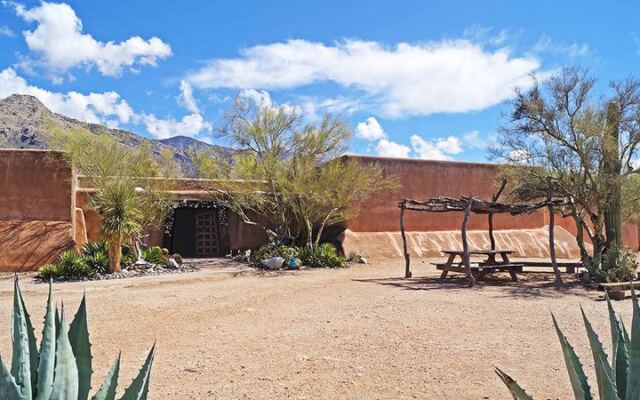
On the north side of Tucson, a low adobe complex sits quietly among the cactus. From the parking lot it looks plain, but it holds one artist’s whole life story on 10 acres of desert.
Inside are colorful paintings, a hand-built chapel, garden paths, and the rooms where the artist once lived. Here is what to know before you go, including the real cost of a ticket and the best way to explore.
An Artist’s Desert Address
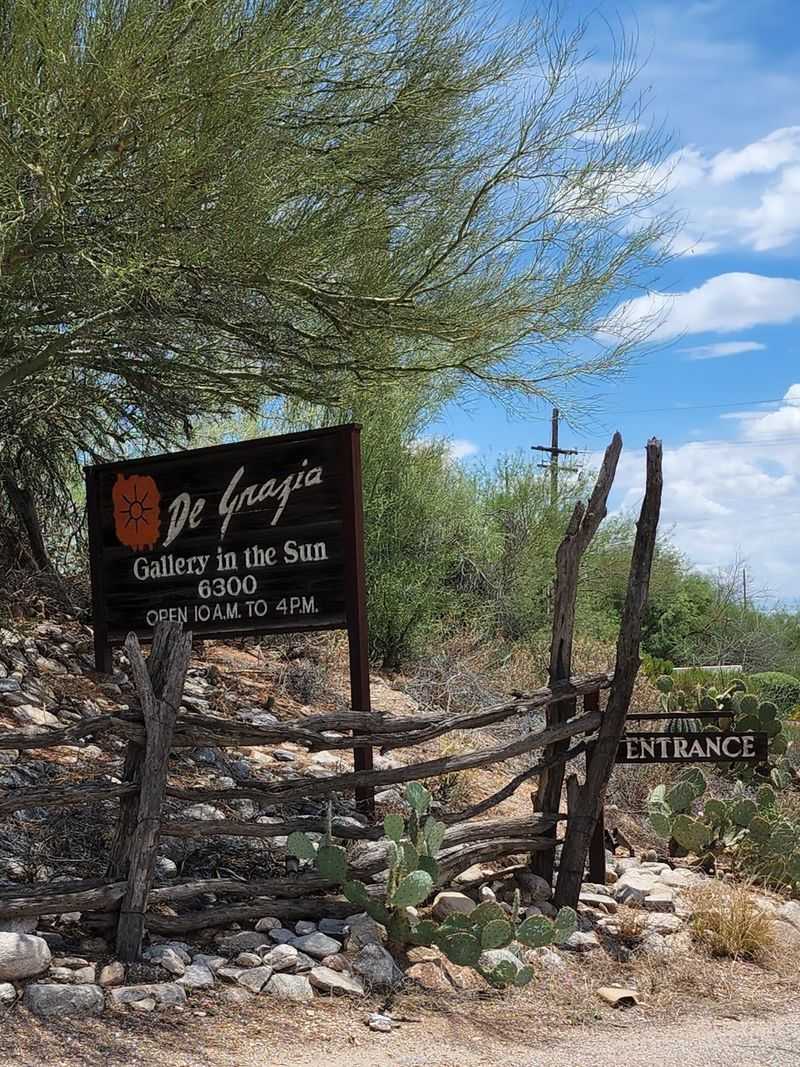
Some of the best art spaces in Arizona hide behind modest walls, and this one proves it. DeGrazia Gallery in the Sun stands at 6300 N Swan Rd, Tucson, AZ 85718, in the foothills on the north side of the city.
The museum showcases the work of Ted DeGrazia, a Southwestern artist known across the region. His paintings fill a gallery set on 10 acres of desert land.
From the parking area, the first impression can be underwhelming. The buildings sit low and earth-toned, blending into the landscape around them.
That modest front changes quickly once the doors open. Rooms of bold color, varied textures, and many designs wait inside, along with gardens and outbuildings beyond.
Many locals call it a quintessential Tucson stop. Long-time residents who have never gone often find it is one of the most overlooked spots in town, and that alone makes the first visit feel like a small discovery.
The Man Behind the Mission
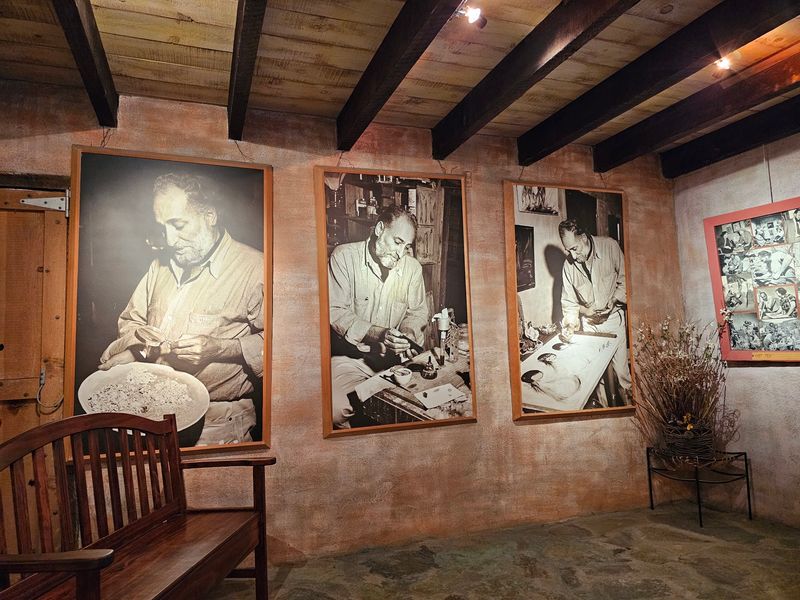
Ted DeGrazia spent his life painting the Arizona desert and the people who called it home. The property gives a clear look at that vision, both in his art and in the place he built.
For many who grew up in Phoenix, Mesa, or elsewhere in the Southwest, his work feels like part of childhood. His images showed up in homes and shops across the region for decades.
Some people arrive with mixed feelings about the man himself. A walk through the galleries often shifts that view, since the collection shows how talented he was across his entire career.
The staff adds a lot here. They share history and background freely, which helps first-timers connect the pieces to the person.
His styles, eras, and moods vary widely from room to room. Even a short visit can spark enough curiosity to send someone home looking for more of his story.
Adobe Walls With a Story
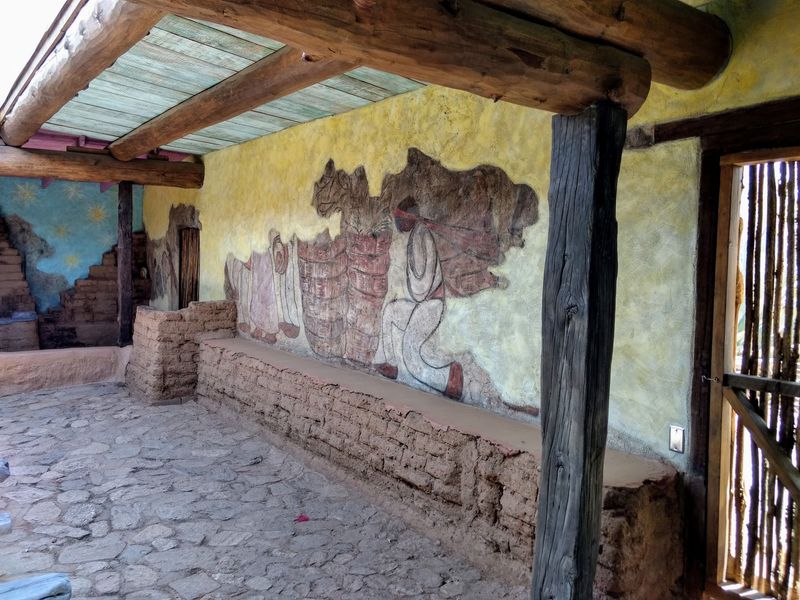
Recycled materials and natural building supplies shaped much of this museum. The result is a structure that feels rooted in the desert rather than placed on top of it.
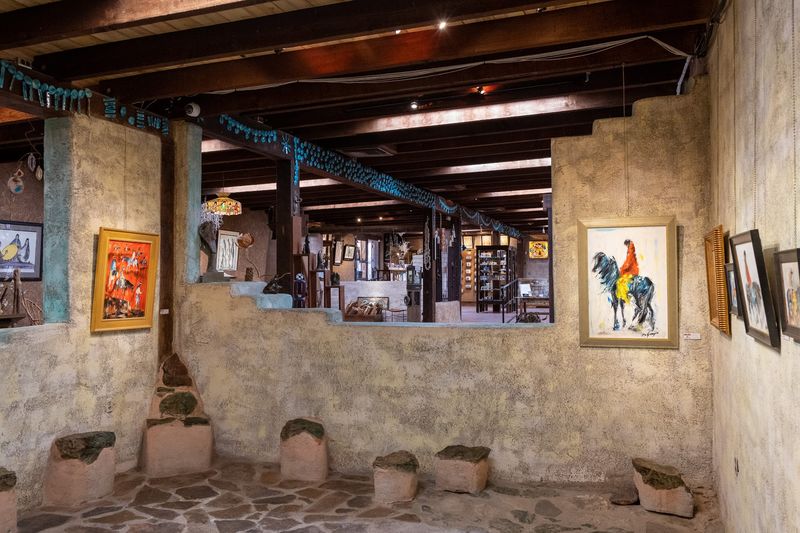
The main gallery lives inside an old adobe building. Moving through its rooms is a highlight on its own, apart from the art hanging on the walls.
Southwestern architecture comes up again and again as a reason to make the trip. Even people who do not care much for DeGrazia’s paintings often say the buildings alone justify the stop.
The layout of the galleries works well, too. Rooms flow from one to the next, so the collection unfolds in a natural order.
Small details reward a slow pace. Doorways, ceilings, and wall textures all reflect the hands-on way the place was built, and they offer a peek at what Tucson was like before the crowds arrived.
A Chapel Worth the Detour
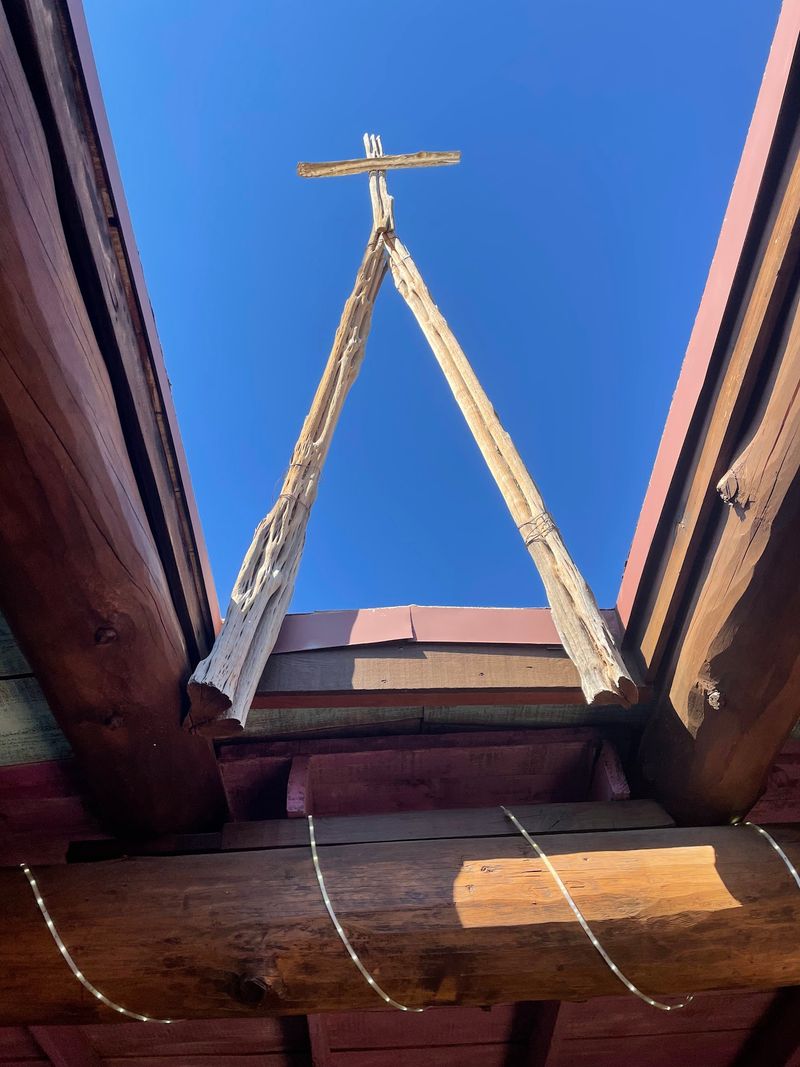
Ask regulars which spot not to miss, and the chapel tops the list. It sits on the grounds as a separate stop from the main gallery.
The title of this article mentions a shrine to Santa Rita, and the chapel is the spiritual heart of the property. It is a quiet space that many people call the most memorable part of the visit.
Plan a few minutes here instead of a quick glance. The chapel reflects the same handmade spirit seen throughout the grounds.
It also pairs well with the gardens. A loop that links the chapel, the courtyard, and the gallery covers the property’s best moments.
Photographers tend to linger. The setting suits careful framing, so keep the camera ready and let the place set a slower rhythm for the rest of the walk.
Gardens, Cactus, and a Courtyard
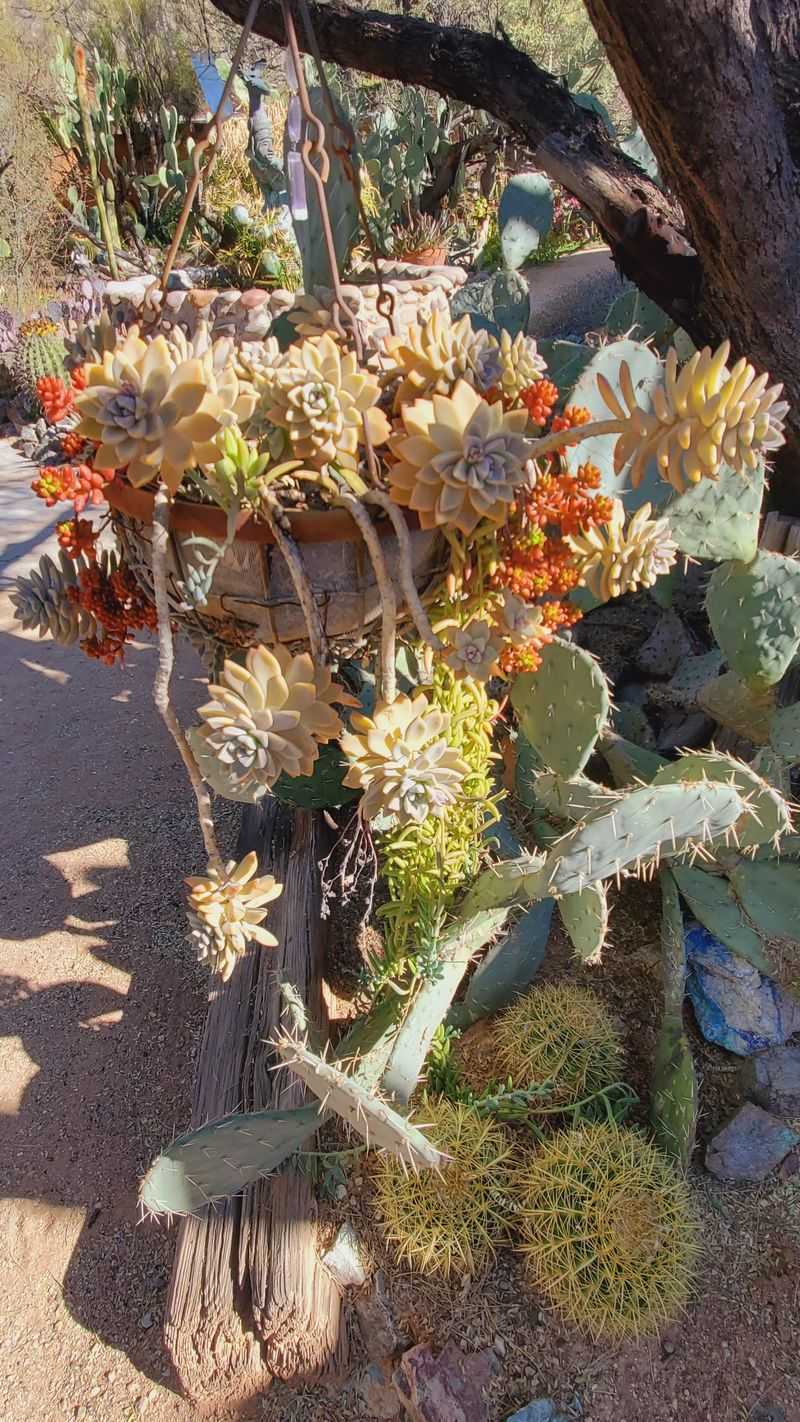
Gardens draw more praise than almost anything else on the property. The outdoor paths turn a museum trip into a stroll across the desert.
Cactus and native plants line the grounds, and the courtyard garden stands out in early spring. Landscaping ties the buildings together so the property feels like one connected space.
Shaded picnic tables appear around the grounds. Bringing lunch and turning the visit into a relaxed afternoon is a popular choice.
A free pamphlet at the start is worth grabbing. It covers the history in detail and includes a map to guide the way between buildings and gardens.
Families should keep an eye on young children outdoors. The open-air desert gardens include cactus and uneven ground, so close supervision makes the walk easier for everyone.
Many Mediums Under One Roof
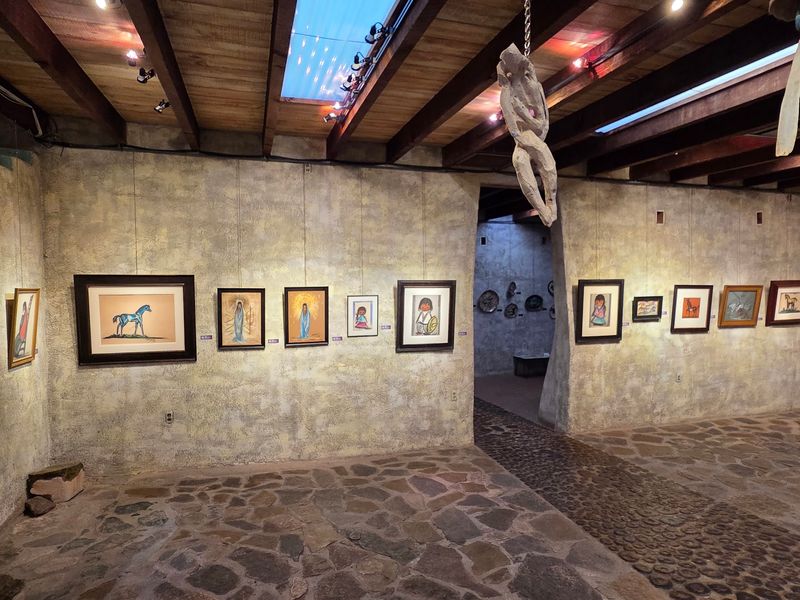
Paintings are only the beginning. DeGrazia worked in a surprising number of formats, and the collection shows just how prolific he was.
Drawings, paintings, sculptures, and jewelry all share space here. Moving between them gives a sense of an artist who never stopped experimenting.
A short video explains his work and life. Watching it before touring the galleries helps the art make more sense, and many people recommend doing it first.
Plenty of room inside and out means there is space to study each piece. The setup feels personal rather than crowded.
Occasionally, guest artists set up on site. One recent visit featured artist Francisco Norzagary showing his own work and sharing his story, a bonus that adds a living layer to the experience, though such appearances are not guaranteed.
His Home, Hiding in Plain Sight
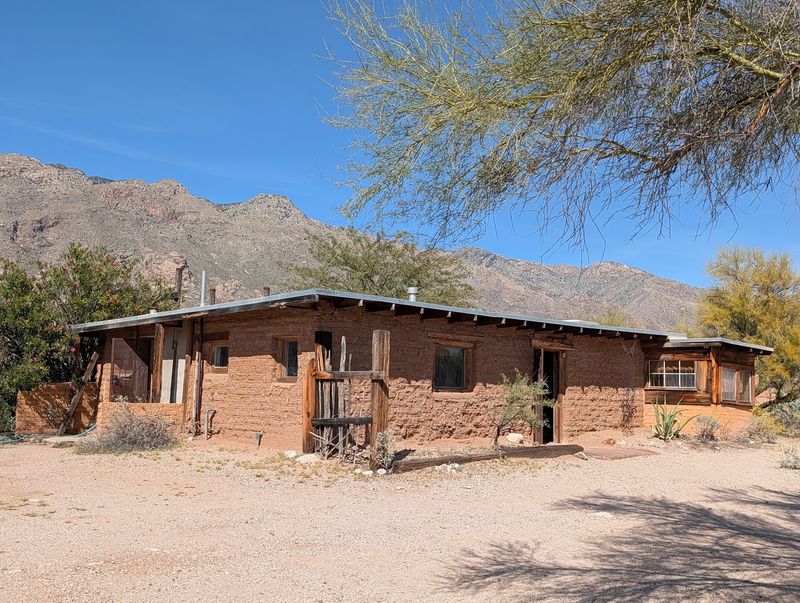
Plenty of people miss it the first time around. The front buildings on the property were actually DeGrazia’s home.
These rooms are open and easy to explore. A few photographs inside offer a glimpse of daily life in the space.
Second visits often reveal details overlooked the first time. That makes the home section a strong reason to return, even for those who think they have seen everything.
Accessibility is generally good across the grounds. Still, several small steps exist, so anyone using a wheelchair or walker should plan routes with that in mind.
Seeing where the artist lived adds depth to the galleries. The paintings feel less like museum pieces and more like the output of a real person working on this land, which may be the property’s most quietly powerful lesson.
Four-Legged Friends and a Furry Mascot
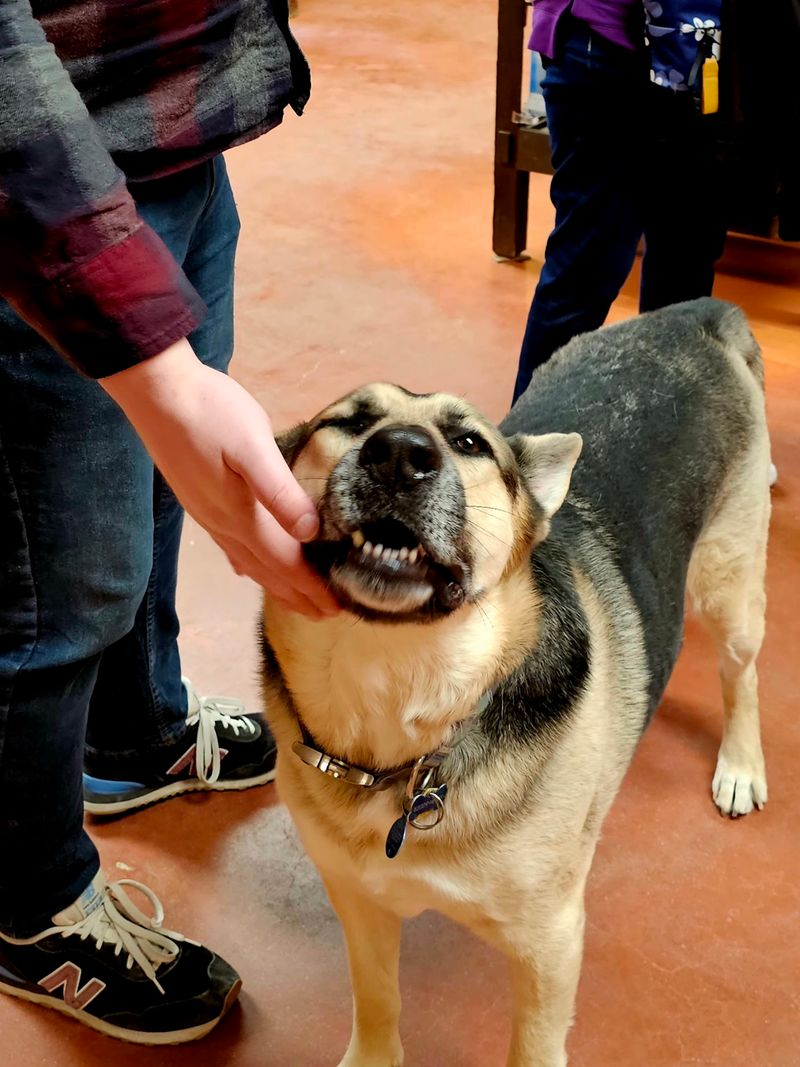
Good news for dog owners: leashed dogs are welcome. Few museums allow pets inside, so this policy makes the gallery a rare outing for the whole family.
The property even has a resident mascot. A friendly and gentle German Shepherd named Shane has greeted guests at the entrance.
The atmosphere suits many kinds of travelers. Couples turn it into a date, art fans study the collection, and families explore the paths together.
Staff are often described as personable and knowledgeable. One moment at the ticket desk did leave a group confused, since admission signs were hard to spot, so ask at the front if unsure.
The overall mood stays peaceful. Calm courtyards and spread-out buildings help people slow down and take a real break from the busy day.
Tickets, Hours, and a Gift Shop Finale
Despite the headline, a regular visit is not free. General admission has been about $10, which most people consider well worth it.
Free admission does happen during special events. The gallery’s anniversary party has opened the doors at no charge, so watching the official website for event dates can save a few dollars.
The gallery opens daily from 10 am to 4 pm. Ample parking and easy access make arrival simple.
Most tours take between 45 minutes and an hour and a half, including time in the gift shop. Nearly everyone leaves with a trinket or print from that shop.
For a fuller outing, Mona’s Danish Bakery sits down the street. Pair the two, and a quiet morning becomes a well-rounded Tucson day built around one artist’s desert dream.
Share this story