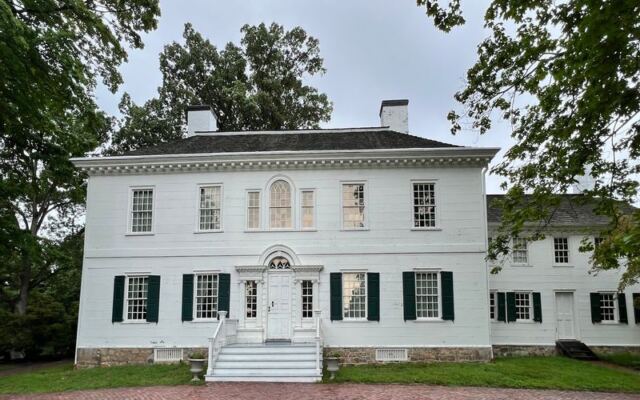
A house where George Washington spent a whole winter still opens its doors, and the tour costs nothing. The free tickets go first come, first served.
At the start of the tour, a guide may even let a visitor turn the key in the front door.
During the winter of 1779 to 1780, Washington ran his army from these rooms. Martha was there.
So was Alexander Hamilton. Meanwhile, the family who owned the place squeezed into just two rooms.
This spot sits right here in New Jersey, and plenty of people drive past it without a second thought. I like how something so huge in the story of America hides in plain sight.
The floors still slant a little. The rooms are set up the way they might have looked back then.
So how crowded do you think that house felt?
A Georgian House With A Famous Winter Guest
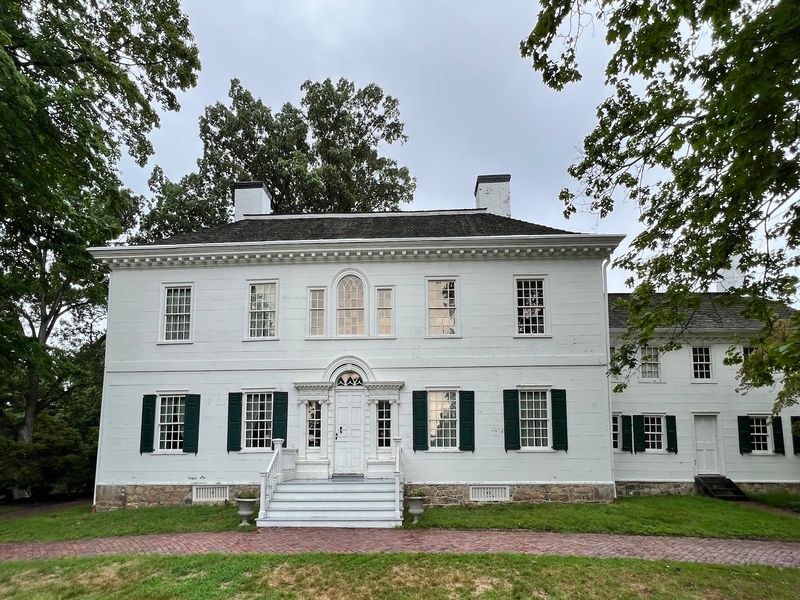
Few homes in America can claim a guest list quite like this one. The Ford Mansion served as George Washington’s headquarters during the winter of 1779 to 1780.
The house belongs to Morristown National Historical Park, which the National Park Service runs. It’s a large Georgian style home, and it ranks among the earliest house museums in the United States.
Here’s what makes it fun. You don’t just read about the Revolutionary War from behind glass.
You walk through rooms where the commander of the Continental Army actually lived and worked.
The house is shown only by guided tour. That means a guide leads small groups from room to room, sharing stories along the way.
Tickets are free, which feels almost too good for a place with this much history. You pick them up at the nearby museum building on the same property.
For New Jersey residents, it’s a chance to see your home state at the center of the nation’s founding. For day-trippers, it’s an easy and meaningful stop.
Either way, the price tag can’t be beaten, and the story is worth every minute.
The Iron Maker Who Built It
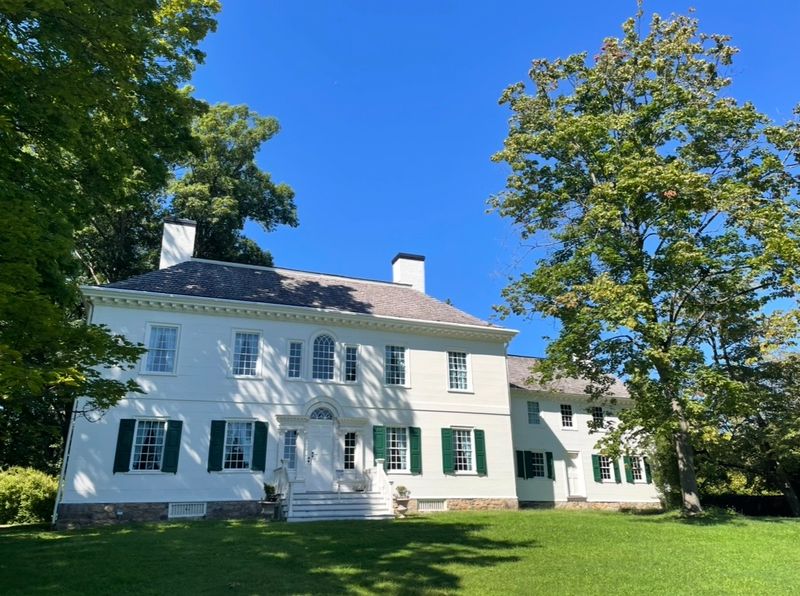
Long before Washington showed up, a local iron manufacturer named Jacob Ford Jr. had this house built in the early 1770s. He lived here with his wife, Theodosia, and their children.
Ford also served as a colonel in the Morris County Militia during the Revolutionary War. His life ended in January 1777, while 35 soldiers from Delaware were briefly quartered in the house.
Theodosia then faced a big decision a few years later. In December 1779, she allowed General Washington to use her home as his headquarters.
That choice changed everything about the household. She and her four children moved into just two rooms, while the army leadership took over the rest.
After Washington’s six-month stay, the Ford family kept living here. They stayed until the 1870s, when the house was sold at auction.
It’s a story about a real family, not just famous generals. I believe that’s part of what makes the tour feel so personal.
You’re stepping into a home first, and a military headquarters second. That mix gives every room a little extra weight and a lot more heart.
One Crowded Winter Under One Roof
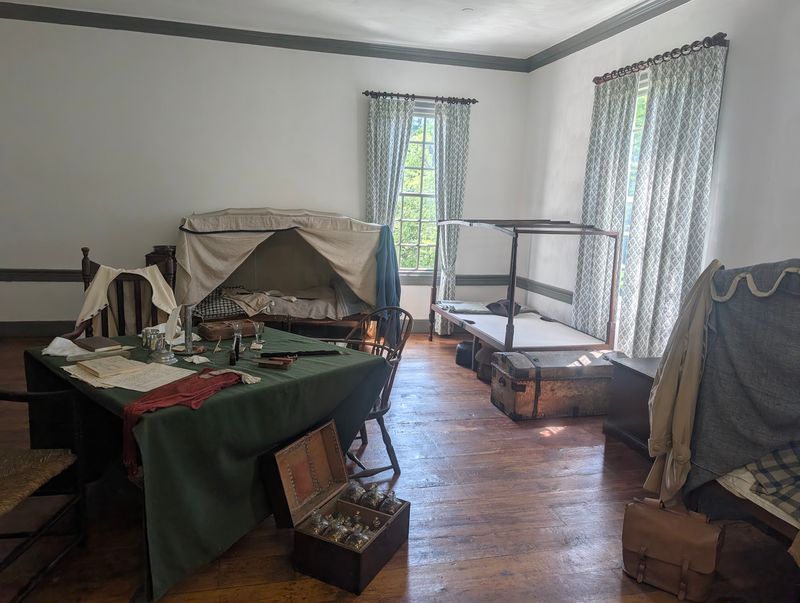
Try counting heads for a moment. General Washington, Martha Washington, five aides-de-camp, and eighteen servants all lived in this house that winter.
Visiting dignitaries came and went too. Sometimes guards were inside as well.
Alexander Hamilton, one of Washington’s aides, also stayed here.
And remember, the Ford family was still home. Mrs. Ford and her four children kept living upstairs in their two rooms.
That adds up to a very busy house. Guides help bring that picture to life by explaining what daily life looked like with so many people inside.
The winter of 1779 to 1780 was a long and difficult one for the Continental Army. The tour gives a sense of the daily struggles of that season and the hardships soldiers endured.
Hearing it inside the actual rooms hits differently than reading it in a textbook. Suddenly the hallways feel narrow.
The staircases feel steep. And the whole idea of running a revolution from a borrowed family home starts to feel wonderfully real.
It’s history with elbows bumping, and that’s exactly why it sticks with you.
Rooms Dressed For The 1700s
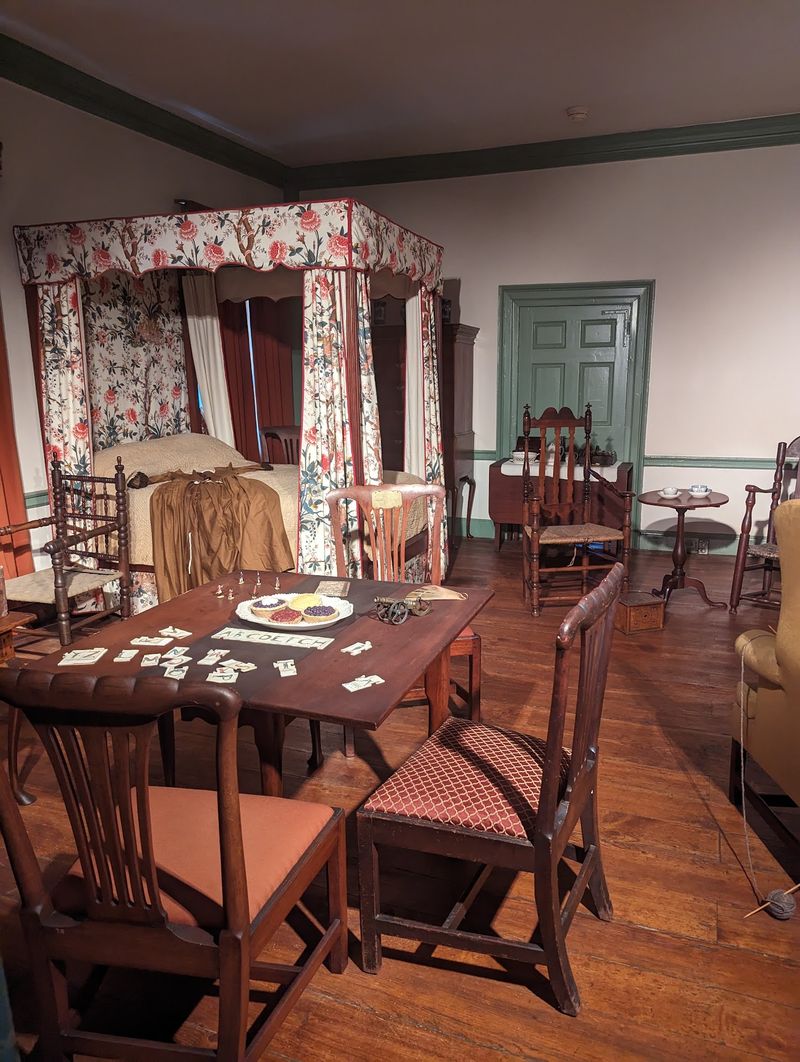
Slanted floors are part of the charm here. In some rooms, both the ceilings and floors tilt slightly, a reminder of how old this building really is.
The Ford Mansion is furnished to reflect how it might have appeared during Washington’s stay. That means period furniture and historical decorative arts fill the rooms.
The house also has plenty of nooks and crannies. Each one seems to hold its own small story about the people who passed through.
Guides walk you through the history of the house and each room in turn. You’ll hear how spaces were used and who might have spent time in them.
Seeing architecture from this period up close is a real treat. Old houses like this one show how people built and lived long before modern comforts.
The home is well maintained and nicely furnished. It doesn’t feel dusty or forgotten.
Instead, it feels cared for, like someone simply stepped out for a while. Keep your eyes moving, because details hide everywhere, from the corners to the furnishings.
One visit probably won’t catch them all, which is a pretty good excuse to come back.
Guides Who Turn Rooms Into Stories
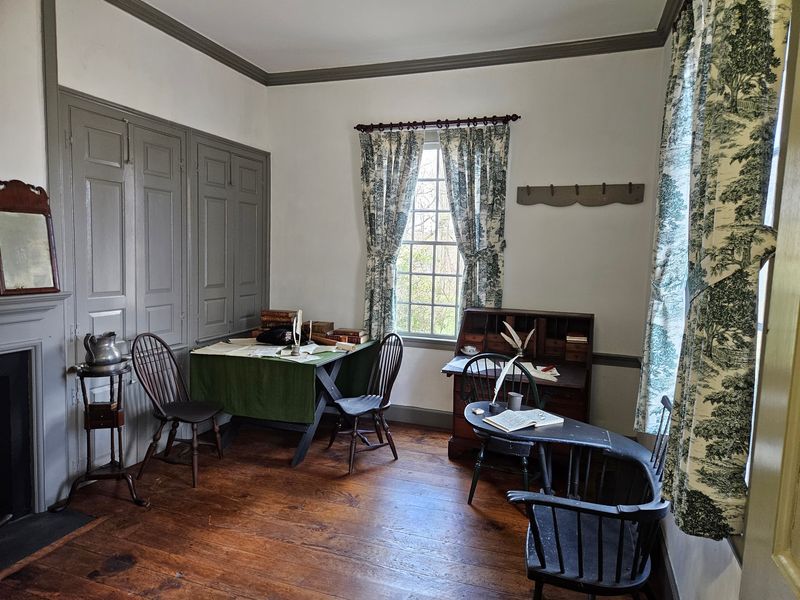
A great guide can make a quiet room feel loud with history. At the Ford Mansion, the guided tour is the only way inside, so the guides really matter.
The tour runs about an hour long. During that time, the guide shares the history of the house and fills in what life was like with so many soldiers present.
Context is a big part of the experience. Guides connect the house to the wider history of that period and New Jersey’s part in the Revolutionary War.
One fun touch stands out. Some tours have let visitors open the mansion’s front door with the key, which is a great little moment.
Groups move through the house together, so you can ask questions as you go. It feels more like a conversation than a lecture.
The guides also help explain the significant events that tied this house to the larger war. You leave knowing why it mattered, not just that Washington slept here.
That’s a big difference. Honestly, for a free tour, the depth of storytelling is a pleasant surprise that makes the hour fly by.
The Museum Next Door Deserves Its Own Time
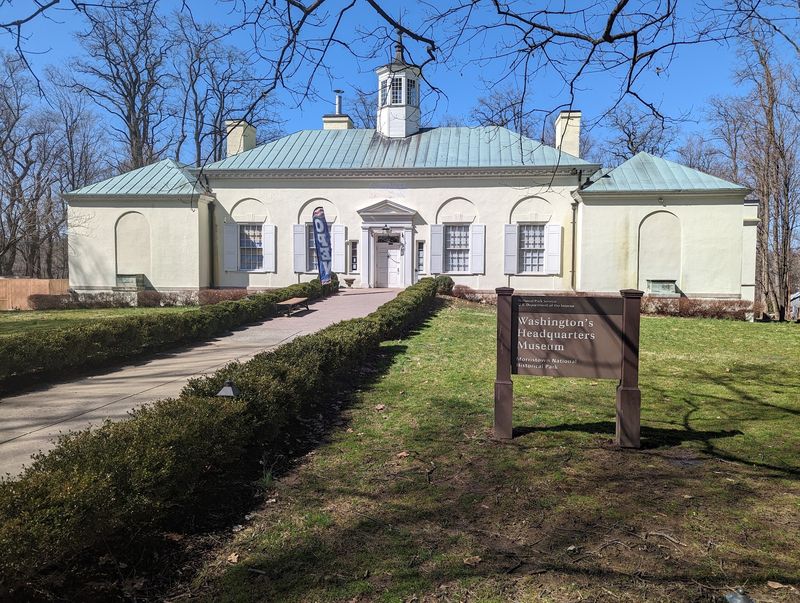
Your visit actually begins next door. Tickets for the house come from the Washington’s Headquarters Museum, which sits on the same property.
That museum is more than a ticket counter. It holds a visitor center, a small gift shop, and exhibits worth exploring before or after your tour.
Be sure to check out the bottom floor. Exhibits there help set the stage for what you’ll see inside the house.
The building also houses collections connected to the Washington Association of New Jersey. Over the years, those collections have included Revolutionary War era items such as powder horns and period pamphlets.
Families should know about the discovery center for children. It gives younger visitors something hands-on to enjoy.
Waiting for your tour time? The museum is the perfect place to spend it.
You can browse, learn a little, and arrive at the mansion already curious. In many ways, the museum and the house work as a team.
One gives you the big picture, and the other lets you stand inside it. Skipping either one would mean missing half the story.
How A House Became A Museum So Early
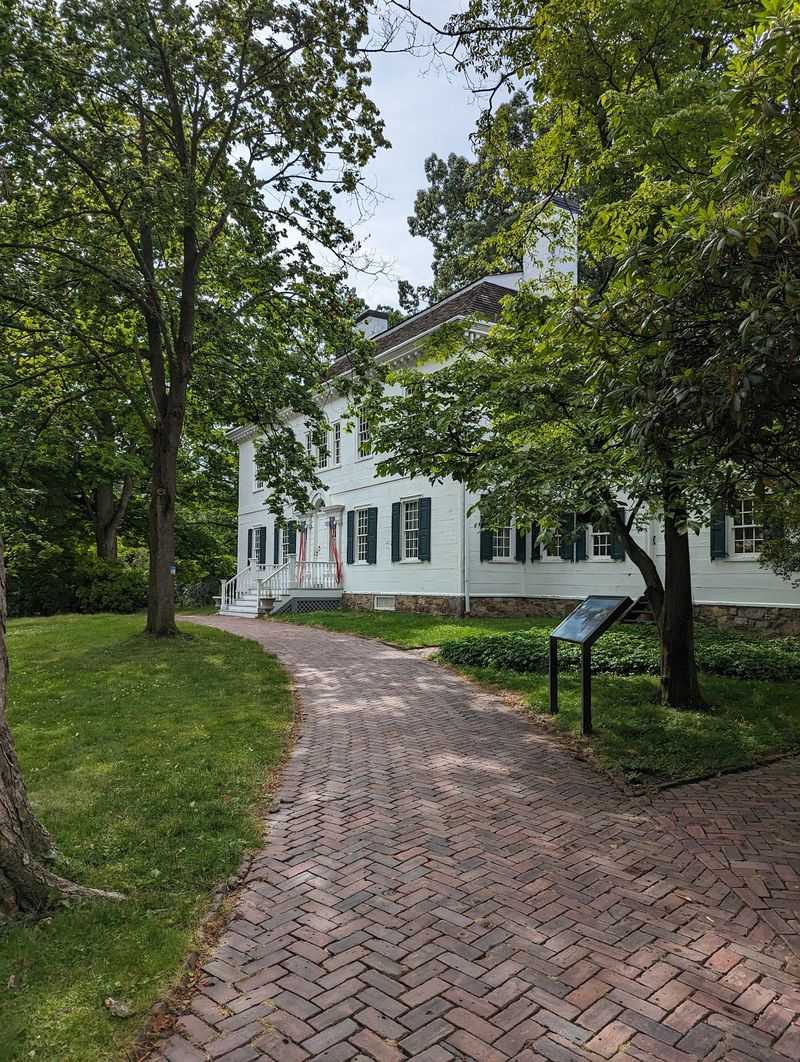
Back in the 1870s, the Ford house hit the auction block. That’s when four prominent New Jersey men stepped in and bought it.
They created the Washington Association of New Jersey to preserve the house. Their goal was to share it with the public.
Thanks to them, it became one of the earliest house museums in the United States. That’s a pretty proud claim for a home in Morris County.
The story didn’t stop there. In 1933, the Washington Association donated the house and its extensive collections to the National Park Service.
Today the mansion is part of Morristown National Historical Park. It’s still open to visitors, still guided, and still free.
I can’t help admiring people who saw value in an old house long before historic preservation was common. Without them, this place might have become just another private home.
Instead, generations of visitors have walked through these same rooms. That’s a legacy New Jersey can feel good about, and it adds another layer of meaning to every step of the tour.
Free Tickets, Limited Days, And A Few Smart Tips
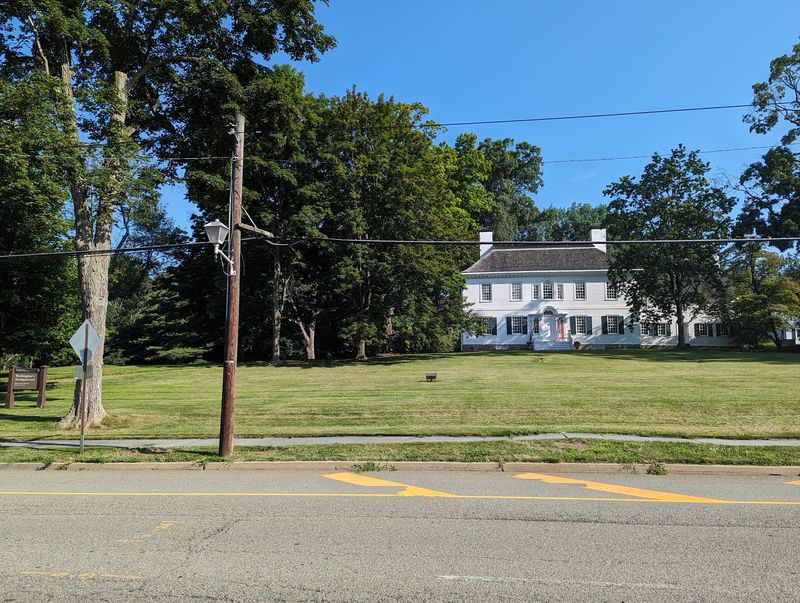
Planning ahead pays off here. The Ford Mansion sits at 30 Washington Pl, Morristown, NJ 07960, and tours run Thursday through Sunday from 11 AM to 3 PM.
The house is closed Monday through Wednesday. It can also close at times for renovations or special events, so check the park’s schedule before heading out.
Tickets are free, but you need to grab a timed pass at the museum first. They’re handed out on a first come, first served basis.
Arriving early is a smart move. On a busy day, the next available tour might be an hour or more away.
Tour times are posted on the park’s webpage. A quick look before you leave home can save some guesswork.
One more thing matters for some visitors. The tour involves climbing several staircases, so it may not suit anyone who can’t manage stairs.
If that’s a concern, the museum next door still offers plenty to explore. With a little planning, the whole visit should feel easy and relaxed, leaving you free to focus on the history.
Why This Stop Belongs On Your New Jersey List
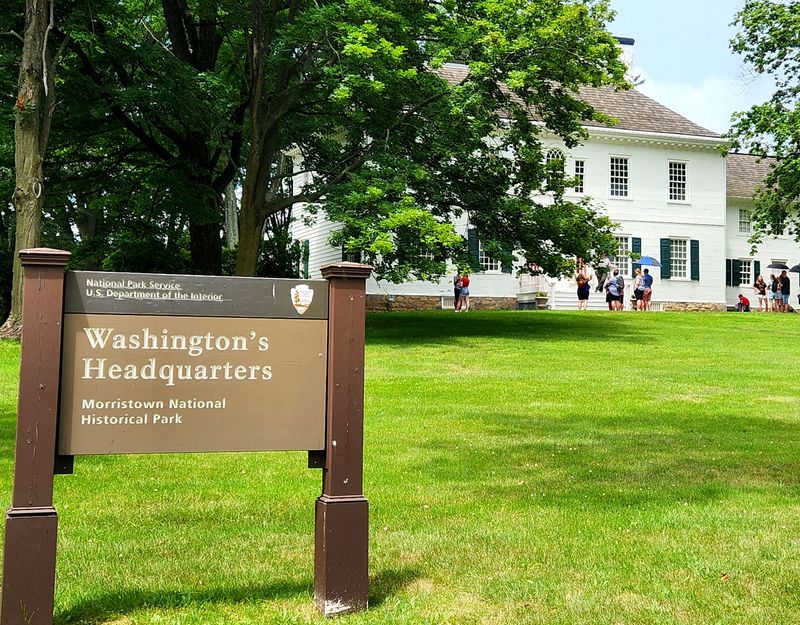
History buffs will feel right at home. But even casual visitors can find plenty to love about the Ford Mansion.
It’s educational without feeling stiff. The tour shows New Jersey’s role in the Revolutionary War in a way that’s easy to follow.
Families get bonus points thanks to the children’s discovery center next door. Kids can explore while adults soak up the details.
The free admission makes it an easy yes. You can plan a whole afternoon around it without worrying about the cost.
Morristown National Historical Park offers even more beyond this one house. Pairing the mansion with the museum makes for a full and satisfying outing.
What sticks with you most is the human side. A widow sharing her home, a crowded winter, and a general working out of borrowed rooms.
Those stories feel close and real. If you live in New Jersey and haven’t visited yet, this might be the easiest history lesson you’ll ever take.
Grab a free pass, climb those slanted stairs, and see where a big chapter of America unfolded right down the road.
Share this story