A handler kneels beside a full-grown alligator, close enough to touch its jaw, while a crowd leans in and nobody blinks. That scene plays out in the Florida Everglades, a short drive west of the big city lights.
The show isn’t just about thrills. It explains how one Tribe learned to live alongside these reptiles in the swamp for generations.
At the end, some guests even get to hold a baby gator.
I like how the place mixes drama with real history. There’s a museum, handmade beadwork, and airboats waiting just past the sawgrass.
And tucked between all that, you might find warm fry bread and a plate of gator bites. Who knew a quick roadside stop could teach you this much about Florida before lunch?
A Village Sitting Right on the Edge of the Everglades
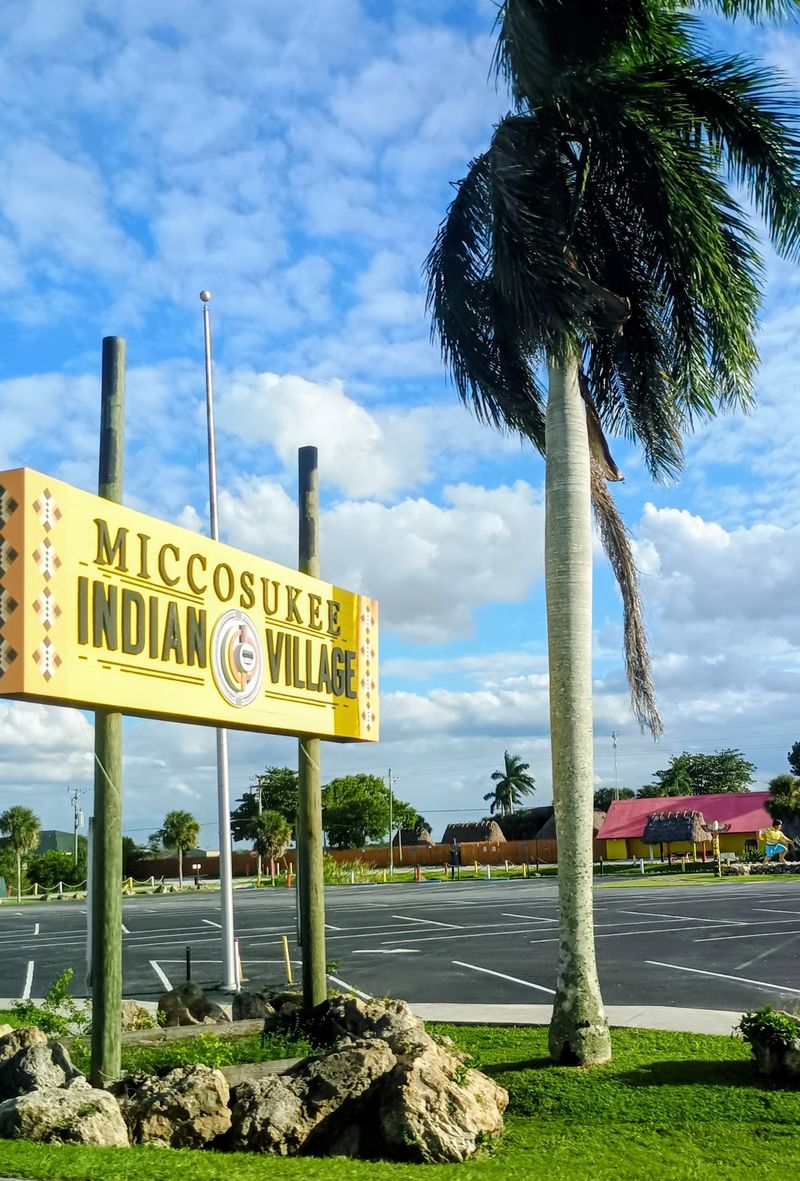
Out on the Tamiami Trail, the city fades fast and the sawgrass takes over. Miccosukee Indian Village sits right there, along US-41 west of Miami.
It’s a cultural attraction run in connection with the Miccosukee Tribe of Indians of Florida. The setting matters, because the Everglades shaped this Tribe’s way of life for generations.
Inside, you’ll find several experiences bundled into one stop. There’s an alligator demonstration, a museum, arts and crafts areas, and a gift shop.
Airboat rides also launch nearby, heading out across the open wetlands. Food is available too, so you don’t have to rush back to town hungry.
The village works well as a half-day outing from Miami. It also makes a natural break for drivers crossing between Florida’s two coasts.
Many travelers heading toward Naples treat it as a halfway stop. Few roadside pauses deliver this much culture per mile.
Expect wetlands, wildlife, and a strong sense of place. You’re not in a city museum anymore, and that’s the whole point.
Bring curiosity, comfortable shoes, and a camera. The rest of the day tends to organize itself once the gators start the conversation.
Generations of Life in the River of Grass
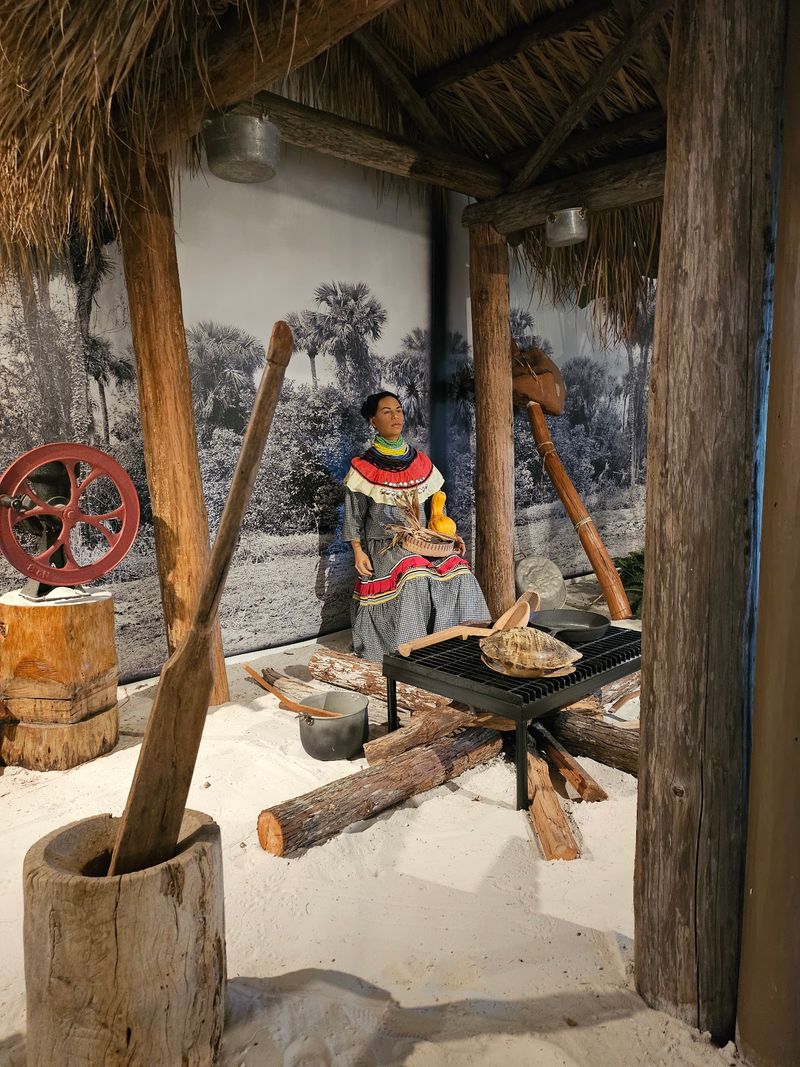
Long before airboats roared across the marsh, the Miccosukee people built a life deep in this landscape. Their story is the heart of the village.
The Tribe adapted to the Everglades in clever ways. Homes, tools, and daily routines all drew from the plants and water around them.
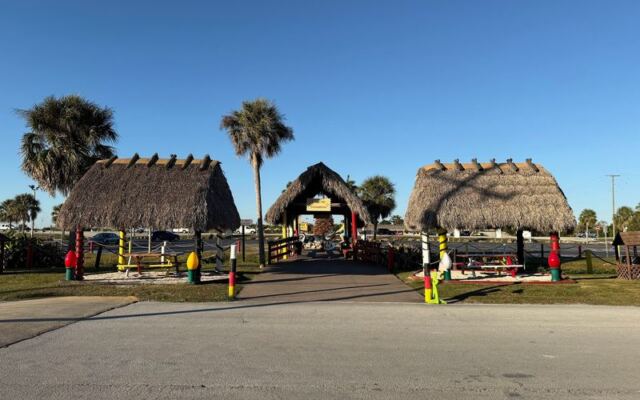
Traditional structures help tell that story on site. These open-sided buildings show how families lived with heat, rain, and wetlands.
Guides and displays explain how materials were harvested from the surroundings. You’ll learn what each resource was used for and why it mattered.
It’s history you can stand inside, not just read about. That hands-on feel makes the lessons stick, especially for younger visitors.
The village also touches on how outside forces changed the Tribe’s land and animals over time. Those conversations add depth to an otherwise lively day.
A dose of honesty runs through the experience. Staff explain how feeding wild alligators puts the animals at risk.
Every exhibit connects back to the swamp outside. Once you understand that link, the whole landscape starts to look different.
The Gator Show That Steals the Whole Afternoon
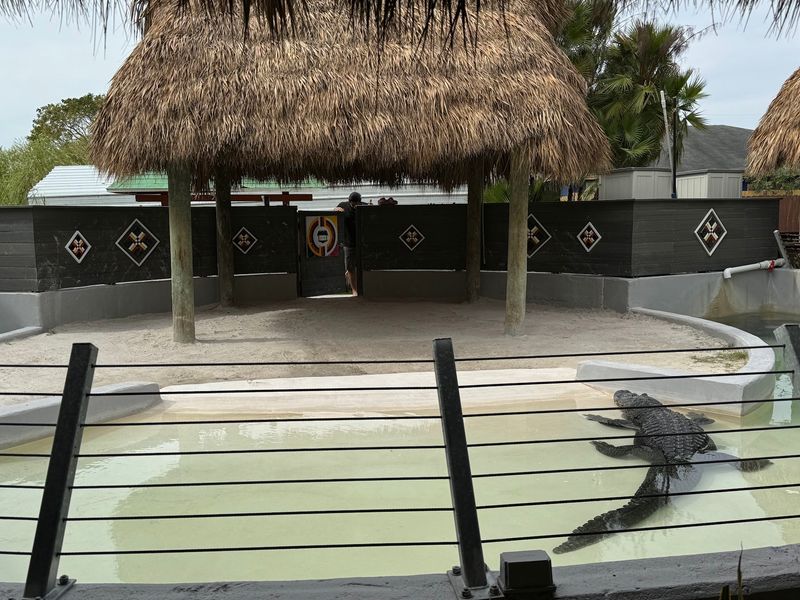
Front-row seats here come with scales, teeth, and a very calm handler. The alligator show is the village’s biggest draw, and it earns that title.
A handler works directly with a live alligator in an open pit. Close enough for the crowd to see every ridge on its back.
Thrills are part of it, sure. The bigger goal is explaining how the Miccosukee people historically hunted and cared for alligators.
You’ll hear about the Tribe’s long relationship with these animals in the Everglades. Conservation comes up too, woven right into the demonstration.
The show runs fairly short, so don’t wander off once it starts. Every minute counts when a reptile is the co-star.
Some handlers clearly share a real bond with their animals. One past performer, an alligator named Silbet, became a crowd favorite for warming up to his handler.
Kids tend to go wide-eyed, and adults aren’t far behind. Good luck staying cool when those jaws open.
Plan your arrival around show times when you can. Missing the main event would be a little like skipping dessert.
Your Chance to Hold a Baby Alligator
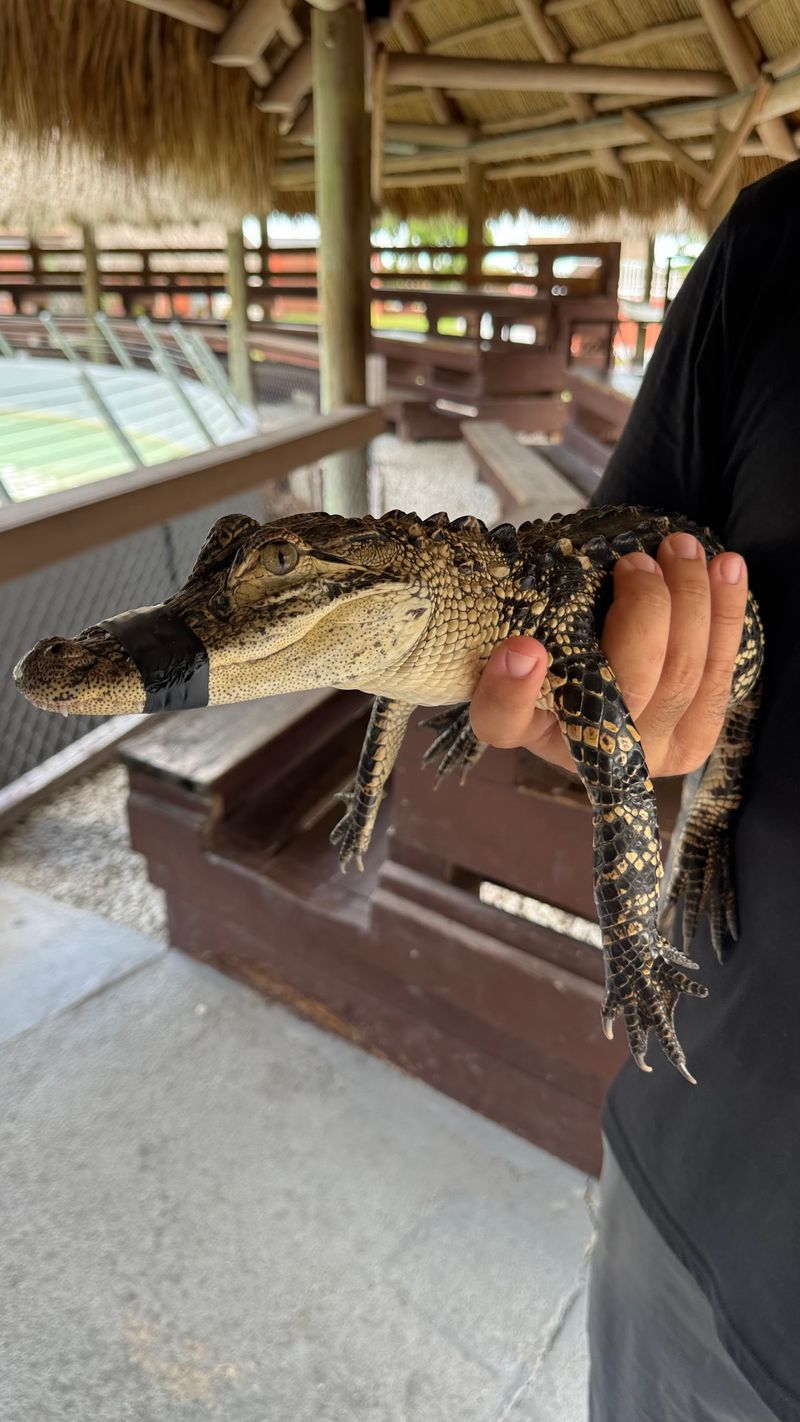
Ever wanted a photo that makes friends back home do a double take? At the end of the alligator show, guests can often hold a baby gator.
The little ones have their mouths secured for safety. That makes the moment more cuddly-looking than nerve-racking.
For many families, this becomes the souvenir that sticks. It’s one thing to watch a gator, and another to feel its bumpy skin.
Airboat guides sometimes offer a similar moment after rides. A small resident gator may come out for photos when the boat docks.
Hold steady, smile, and let someone else handle the camera. Your hands will be busy, trust me.
Younger kids usually love this part most. It turns a reptile they’ve only seen on screens into something real and surprisingly small.
Animal welfare is a fair topic to think about here. Pay attention to how staff handle the babies and ask questions if you’re curious.
Not every visit guarantees this extra. Check with staff when you arrive, so expectations and excitement stay in the same place.
Archival Photos and Artifacts Worth Slowing Down For
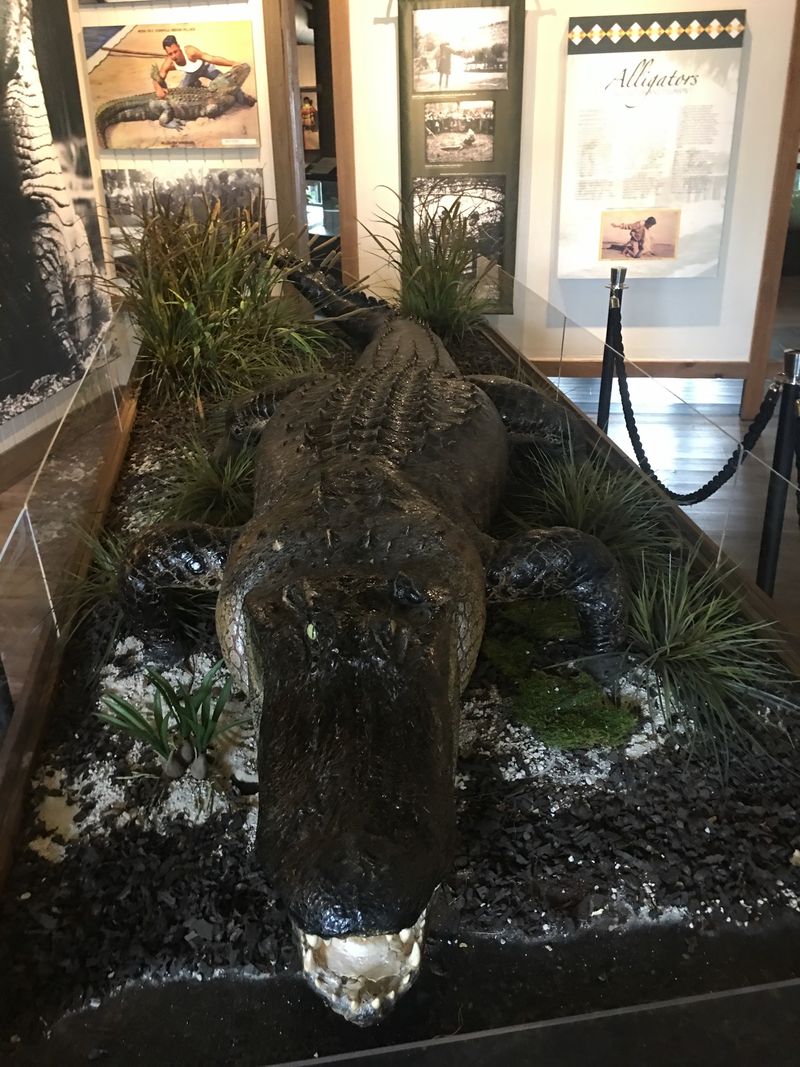
Quiet rooms can tell loud stories. The village museum is small, but it packs in a lot of Miccosukee history.
Exhibits include historical documents and archival photographs. Original artifacts sit alongside displays about early camp life in the Everglades.
You’ll see how the Tribe adapted to one of America’s most unusual environments. Water, heat, and isolation all shaped daily routines.
The museum gives context to everything else on the property. After a few minutes inside, the gator show makes even more sense.
It’s a smart first stop if you like background before action. Others prefer it as a cool-down after the excitement outside.
Either way, plan some unhurried time here. Old photographs reward a second look, especially the faces and clothing.
Families with curious kids will find plenty to talk about. School-age visitors often connect with real objects more than textbooks.
Many travelers name the museum as their favorite surprise of the day. Not bad for a building that doesn’t have a single alligator inside.
Beadwork, Carvings, and Handmade Treasures
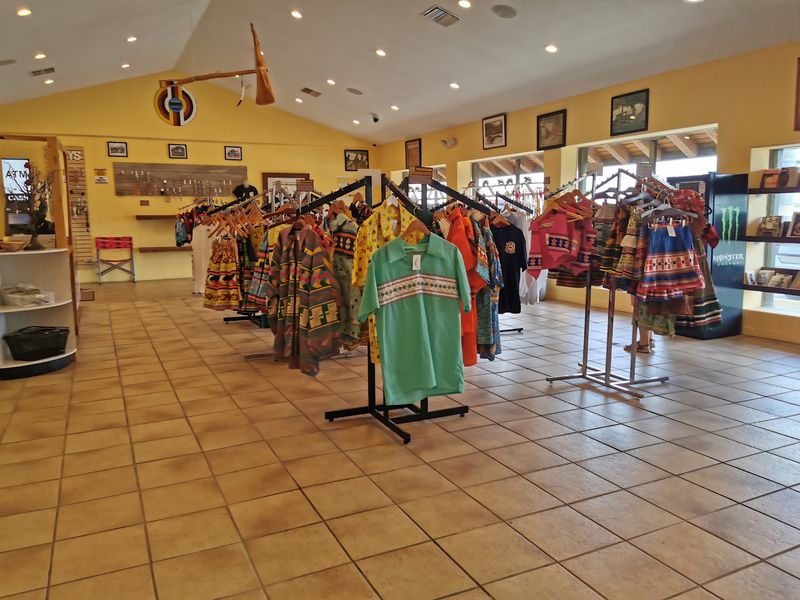
Color is everywhere once you reach the craft areas. Beadwork, jewelry, and handmade pieces reflect the Tribe’s creative traditions.
Tribal vendors sometimes sell traditional goods on site. Hand-carved wooden tools and beaded items are among the highlights.
The gift shop carries Native art, beadwork, jewelry, and other souvenirs. It’s a better bet than a generic airport keychain.
Arts and crafts displays appear at times around the village. Availability can vary, so treat each visit as its own little surprise.
Craft demonstrations, when running, add another layer. Watching skilled hands work makes you appreciate the price tag more.
Shoppers on a budget can still find small keepsakes. Larger handmade pieces make memorable gifts for someone who has everything.
Take time to ask about what you’re buying. Knowing the story behind an item makes it far more meaningful at home.
A beaded piece from the Everglades travels well. It also carries a bit of Florida culture that no mass-produced magnet ever could.
Fry Bread and Gator Bites on the Menu
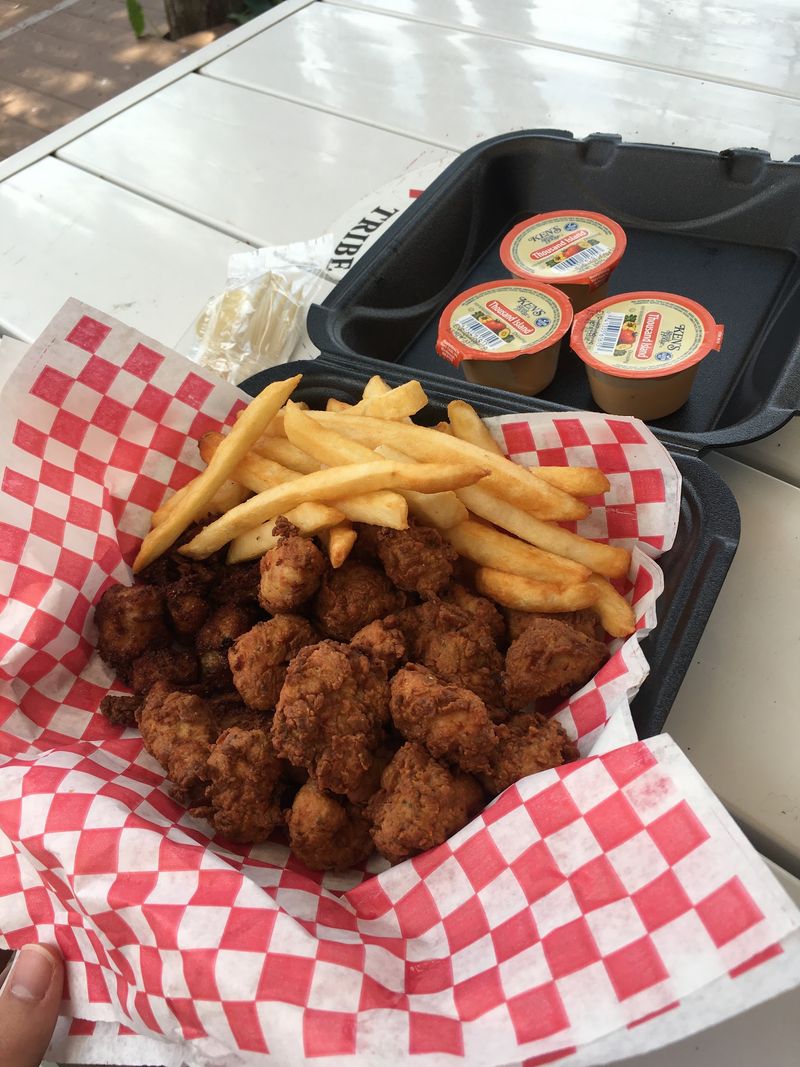
Hungry after all that gator talk? Fittingly, you can try alligator yourself at the village.
Gator bites show up on the menu, and families often give them a go. Some versions come with salad and dressing for a local-style plate.
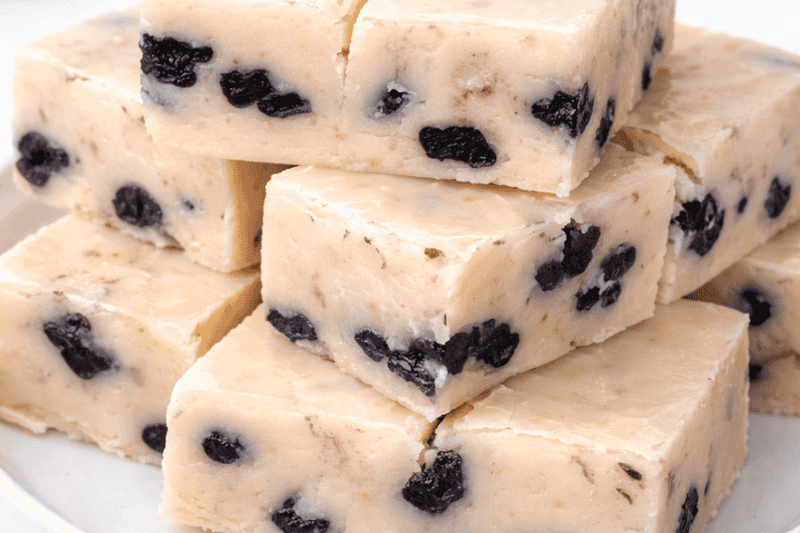
Fry bread is another favorite. Fresh samples have been offered, with more available to buy.
A bison burger has also appeared among the options. Smoothies round out the lineup for a cool break in the heat.
The food stop works best as part of the outing, not the main reason to come. Think of it as fuel between the show and the airboat.
First-time gator eaters often compare the texture to dark-meat chicken. It’s a bucket-list bite for many Florida visitors.
Menus and food stands may not run every day. During slower months, some services can be limited.
Pack water and a snack just in case. Then let the fry bread be a happy bonus if it’s warm and waiting.
Airboats Roaring Out Across the Sawgrass
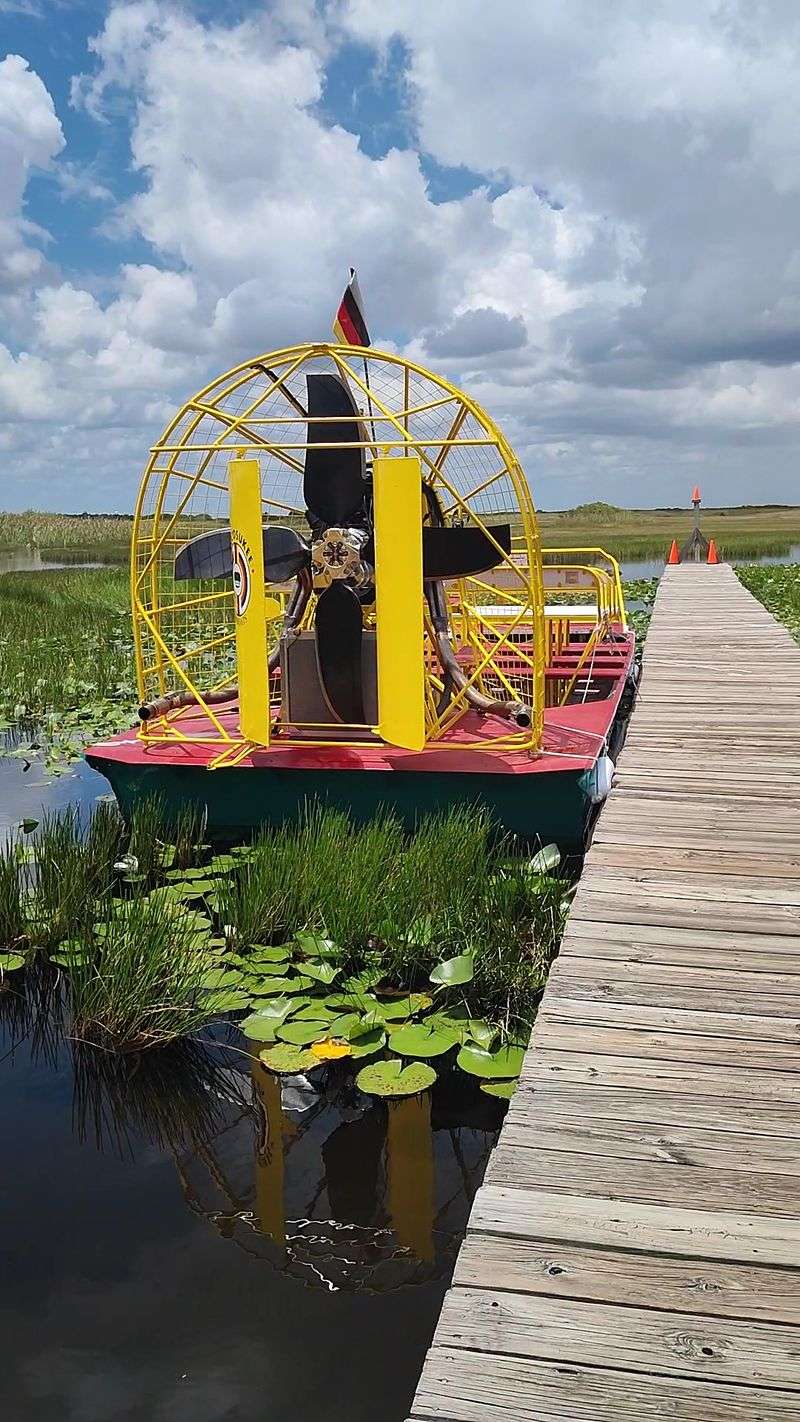
Wind in your face, sawgrass flashing by, and an engine loud enough to wake every heron. The airboat ride is the village’s other headline act.
Rides head into the open Everglades with a guide at the helm. Wildlife spotting is a big part of the fun.
Alligators, turtles, and birds are all common sights in this area. Lucky riders may even spot a mother gator with her babies.
Some trips stop at an old village on an island. It adds a historic twist to an otherwise wild ride.
Rides are typically around 40 minutes. Water levels can affect how far boats travel, especially in drier stretches.
Combined tickets have covered both the village and an airboat ride. That bundle makes the drive from Miami feel well spent.
Families often call it a highlight for kids and adults alike. Hold onto your hat, literally.
Bring sunscreen and sunglasses for the open water. Florida sun bounces off the marsh with serious enthusiasm.
Festivals That Turn the Village Into a Celebration
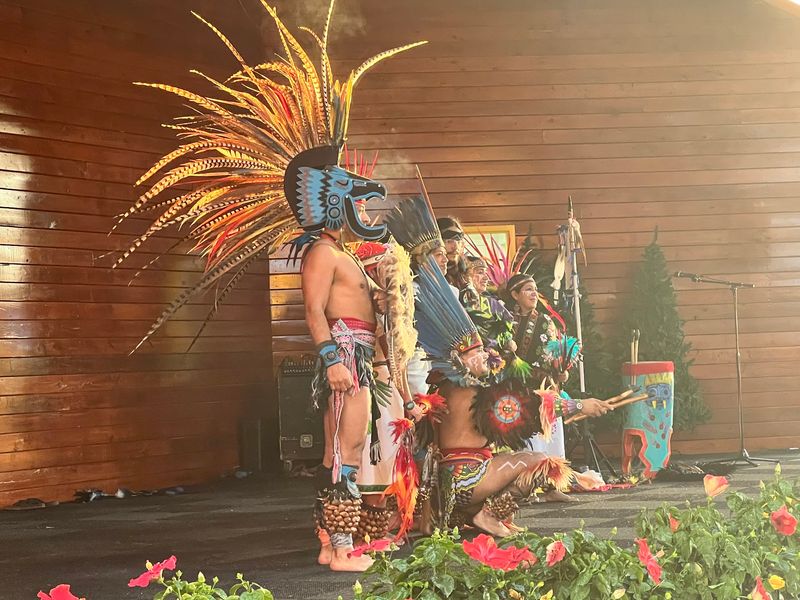
December brings the busiest, brightest version of the village. The Miccosukee Indian Arts Festival fills the grounds with crafts, music, and culture.
Past festivals have featured traditional medicines, cultural shows, and native foods. Hands-on craft making lets visitors try their own skills.
Carnival rides have entertained the kids. Alligator shows and the museum stay part of the action too.
Performers from other Indigenous cultures have appeared at special events. Aztec dancers, for example, have taken part during Earth Day celebrations.
Festival days feel completely different from a quiet weekday visit. More vendors, more color, and plenty more to explore.
Planning ahead helps a lot here. Check dates before you go so you don’t miss the fun by a week.
Snowbirds wintering in South Florida have perfect timing for the December event. It’s a great way to show visiting family something unexpected.
Weather can still surprise you, even in winter. A light rain jacket earns its spot in the car.
Hours, Tickets, and Timing Your Trip Right
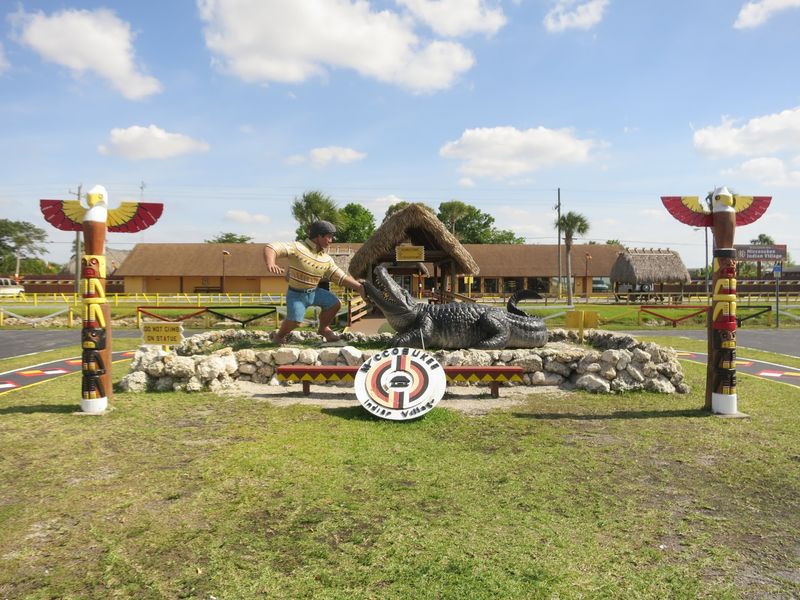
Timing is everything out here. Miccosukee Indian Village is listed as open Thursday through Sunday, 9 AM to 4 PM.
Monday, Tuesday, and Wednesday are listed as closed. Arriving early gives you the best shot at catching every show.
The address is 500 US-41, Miami, FL 33194. Head west on the Tamiami Trail from Miami and keep watching the sawgrass.
Admission costs a modest fee, with airboat combos available. Prices can change, so confirm before you leave home.
Here’s a big one for Florida travelers. Summer is low season, and some areas or services may be closed or under construction.
A quick call ahead can save you a long drive. That’s especially smart in late summer.
Late arrivals may miss key activities. Give yourself several hours to see the show, museum, and crafts without rushing.
Parking and the drive itself are part of the adventure. The road cuts straight through classic Everglades scenery, so enjoy the view.
Worth a Detour for Curious Florida Travelers
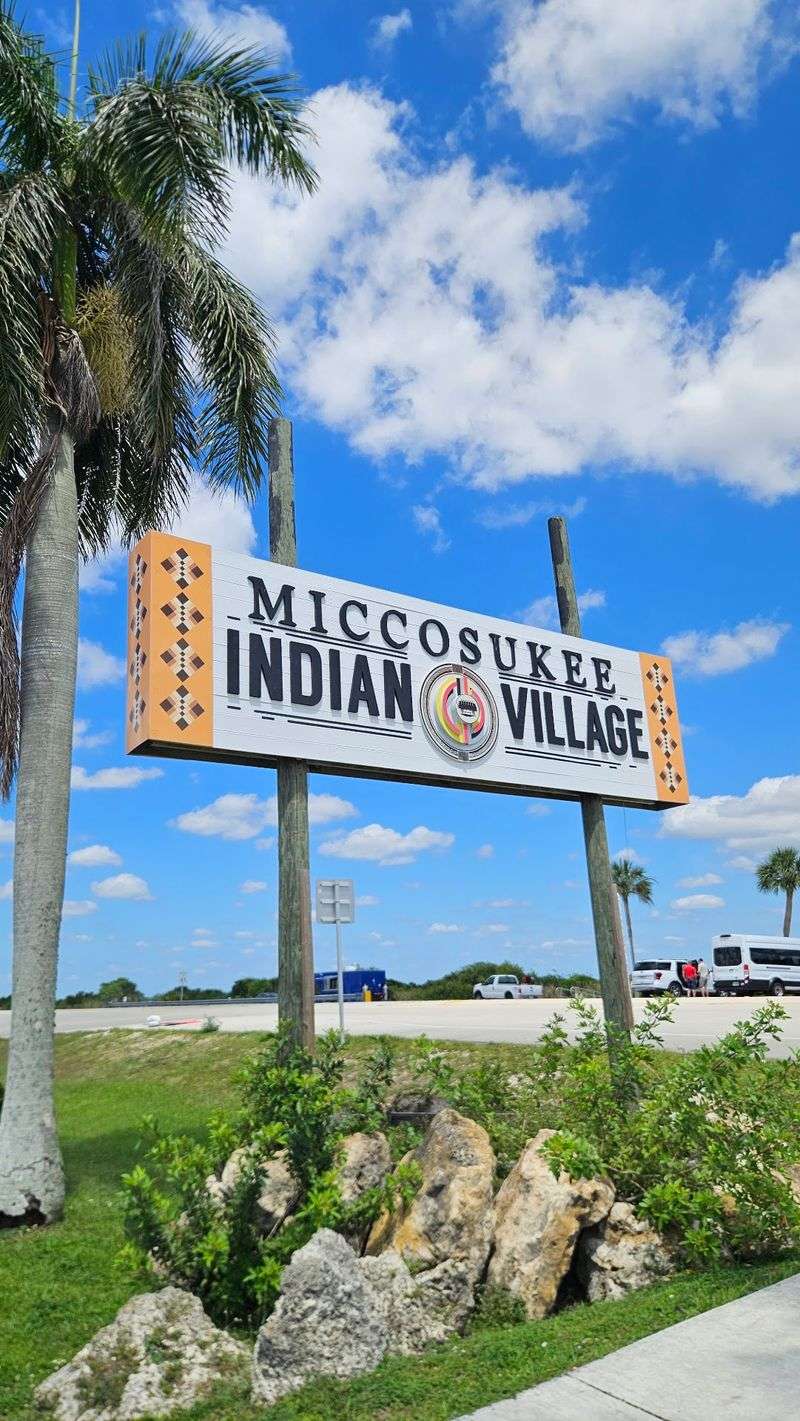
So, is it worth pulling off the Tamiami Trail? For travelers who love culture with a side of adventure, I believe the answer leans yes.
Miccosukee Indian Village blends an alligator show, a museum, crafts, and airboats into one stop. Few places in Florida pack that mix together.
It suits families with school-age kids especially well. History lovers and first-time Everglades visitors will find plenty too.
Go in with realistic expectations. The show is short, and offerings vary by season.
Visit on an open day during the cooler months for the fullest experience. Festival time adds even more color.
The real reward is perspective. You leave understanding the people tied to this swamp, not just its famous reptiles.
Pair the trip with a slow drive through the Everglades. Wildlife along the canals makes the ride feel like a bonus attraction.
Bring questions, patience, and a little appetite. The gators handle the drama, and the history handles the rest.
Share this story